

Çandarlı Castle
· 3 min read
It just does not fit in my head that the western Turkish piece of Asia Minor is historically a piece of Hellas. In theory, from the history one has learned, yes. But when you drive across the country, your brain spins its wheels. And then there are also Genoese colonies and fortresses in Turkey (that just does not sound right), on the shores of the Aegean Sea (oh, that is better. Fine).
Okay. But yes. At first the Hellenes were here. However, the city of Pitane, the philosopher Arcesilaus and the mathematician and astronomer Autolycus who were born in it, say nothing to me, so let us go straight to the Genoese. In the middle of the 13th century the citizens of Genoa actively traded throughout the Mediterranean and Black Seas. Their perennial rivals were the Venetians. Venice controlled a multitude of key ports on the islands of the archipelago and on the coast of present-day Syria, where the fortress of Acre was located, given to it by the Crusaders for help at sea. The Genoese could boast stronger positions in the Black and Marmara Seas, where the Genoese colony of Galata was located, which until its capture by the Turks was nothing less than an eastern analogue of Genoa. Genoese fortresses are located in Crimea.
Battles between the fleets of the opponents flared up repeatedly in the Marmara Sea. That is why it was a very successful move on the part of the Genoese to sign the Treaty of Nymphaeum in 1261 with the Byzantine emperor Michael VIII Palaiologos, who sought to retake Constantinople. The city had been captured and turned into the Latin Empire during the Fourth Crusade, not without the help of Venice.
The Genoese wanted to take revenge on their perennial enemies, the Venetians, and offered a strong fleet to retake the city. Paradoxically, the help of Genoese ships on the Bosphorus was not needed. The Nicaeans took Constantinople with their own forces. But it was too late. The Genoese came to dominate the Black Sea and the market of Constantinople itself, and the treaty can probably be considered the most disadvantageous one.
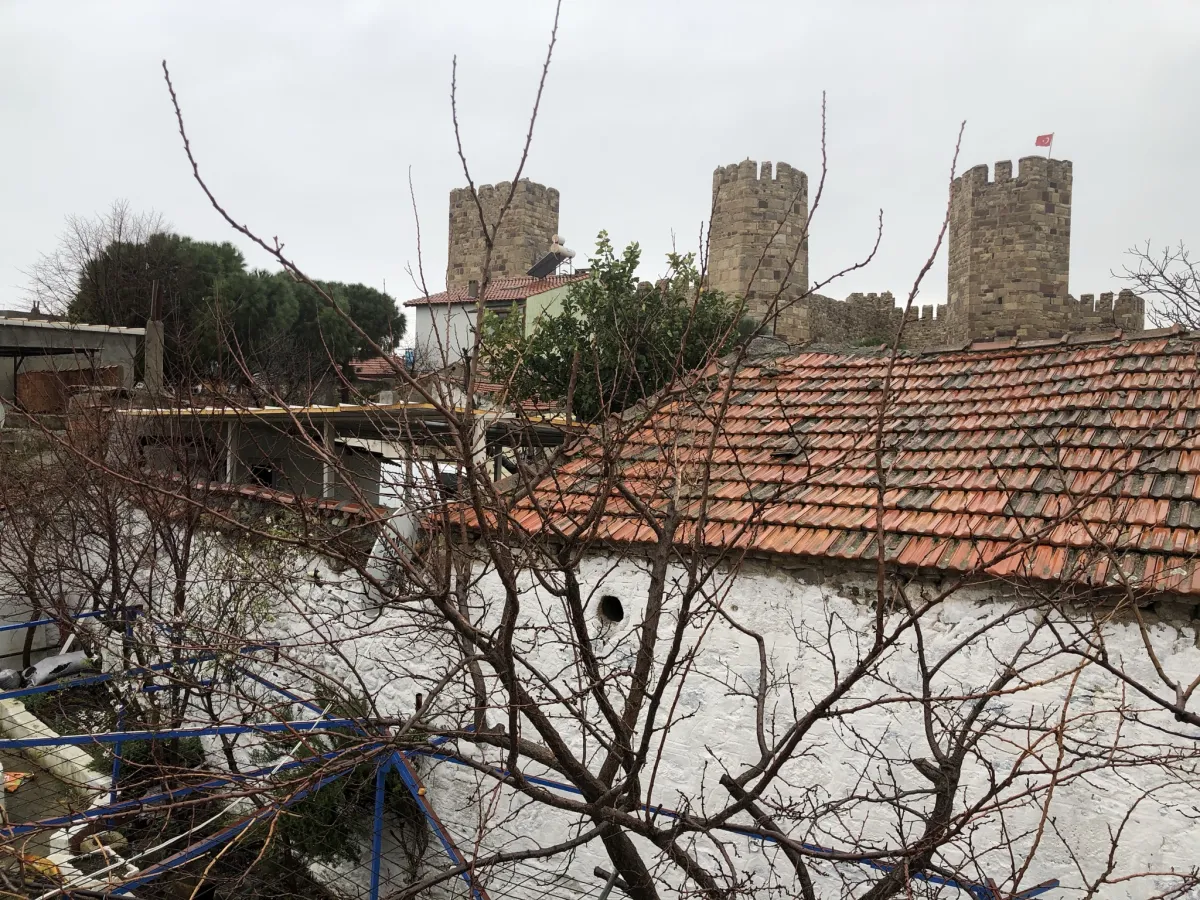
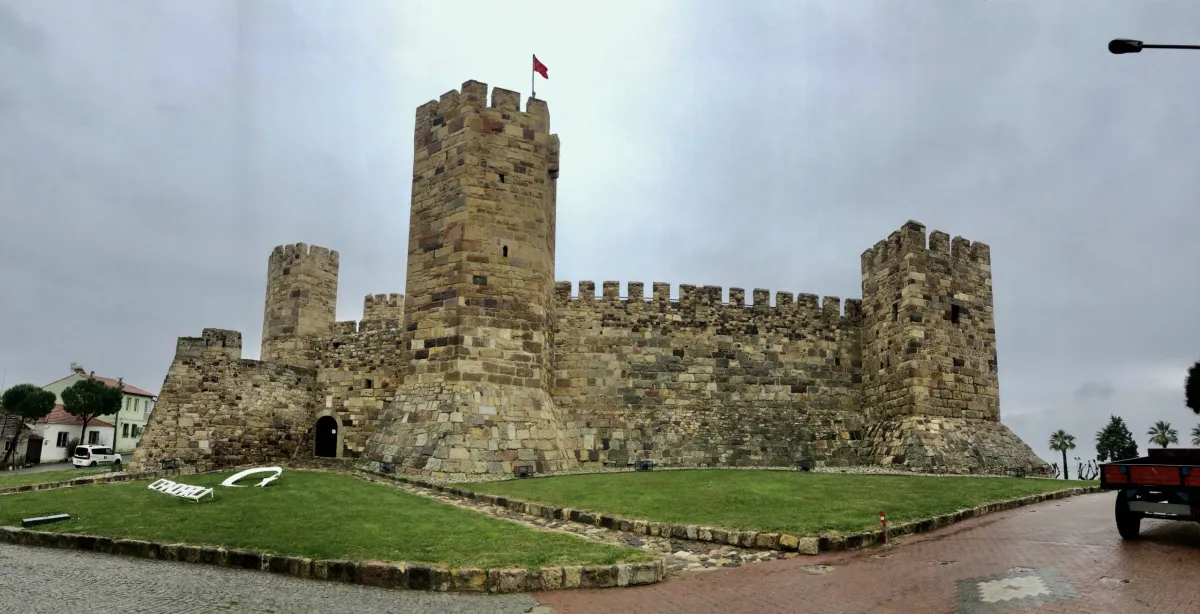
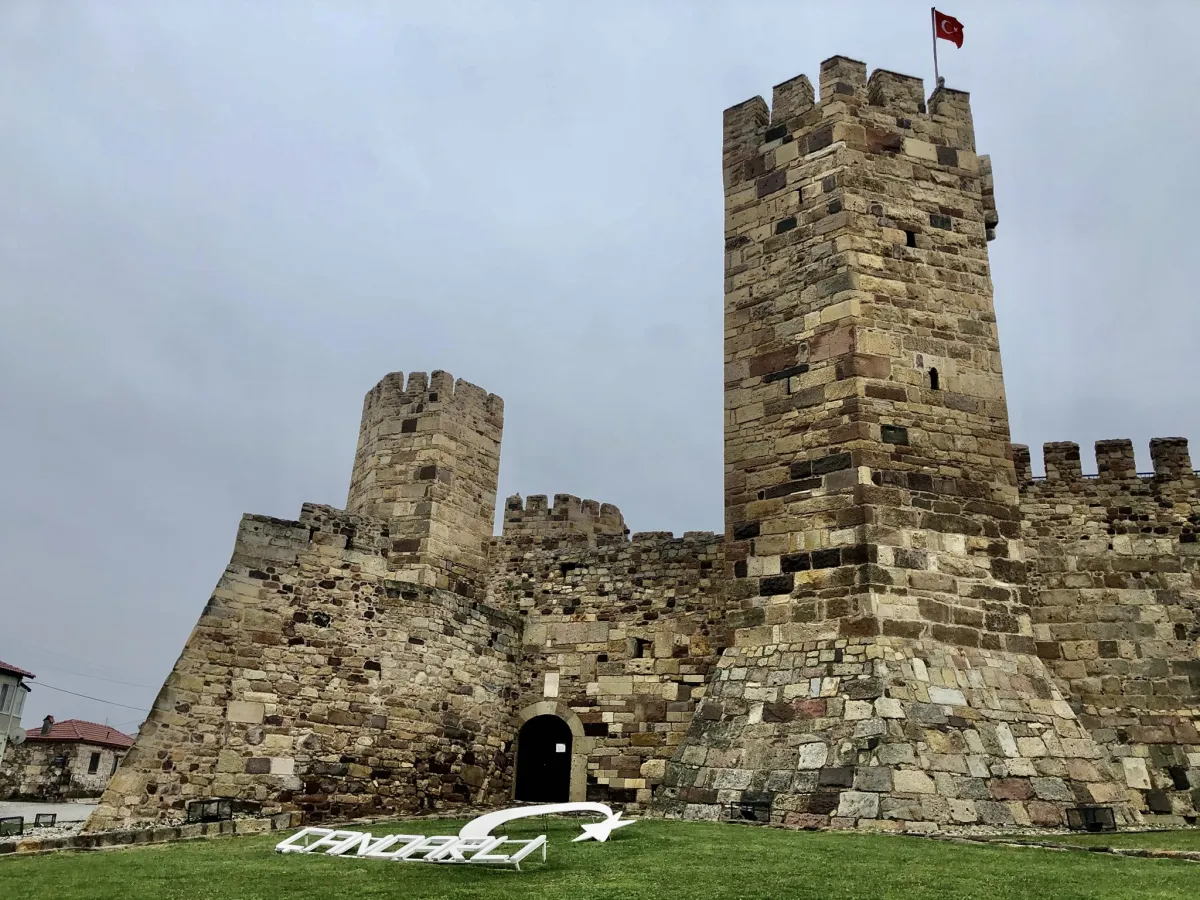
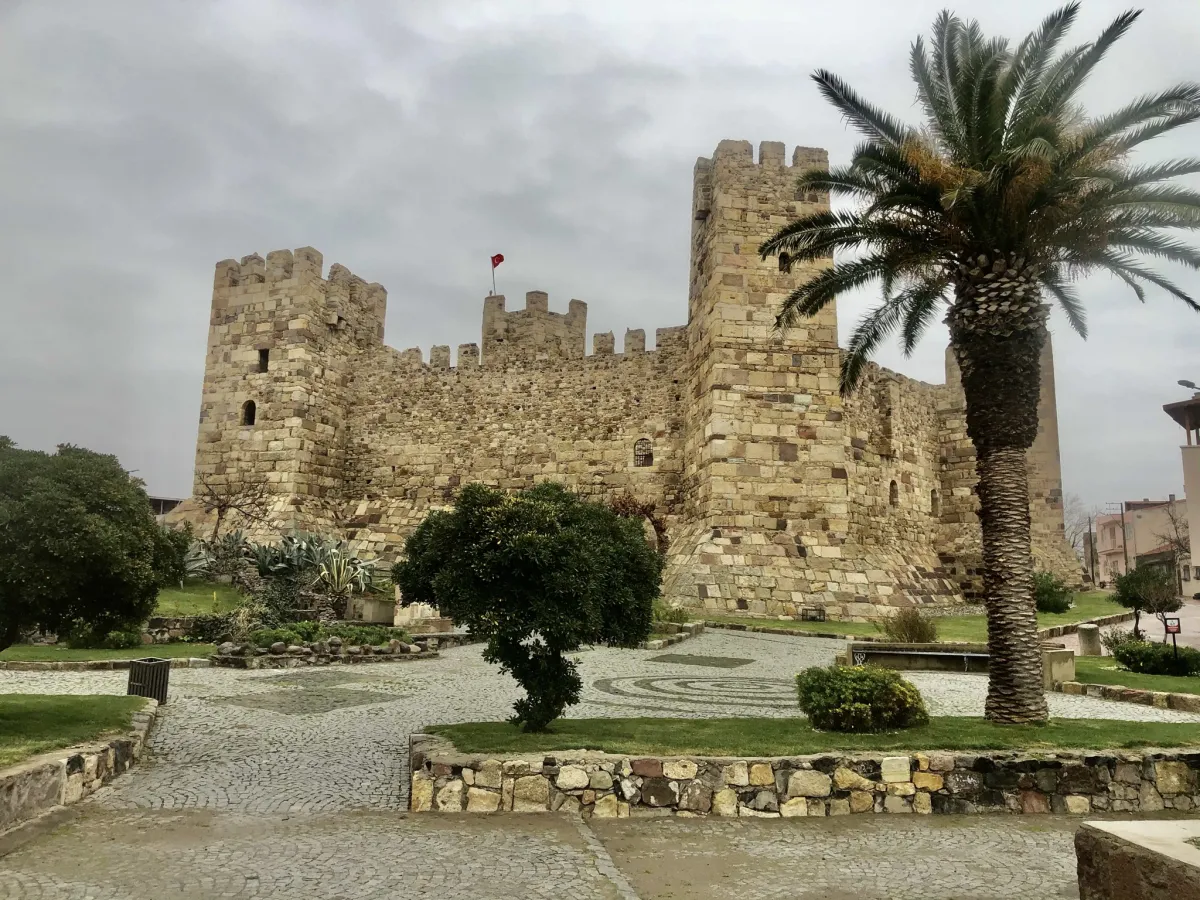
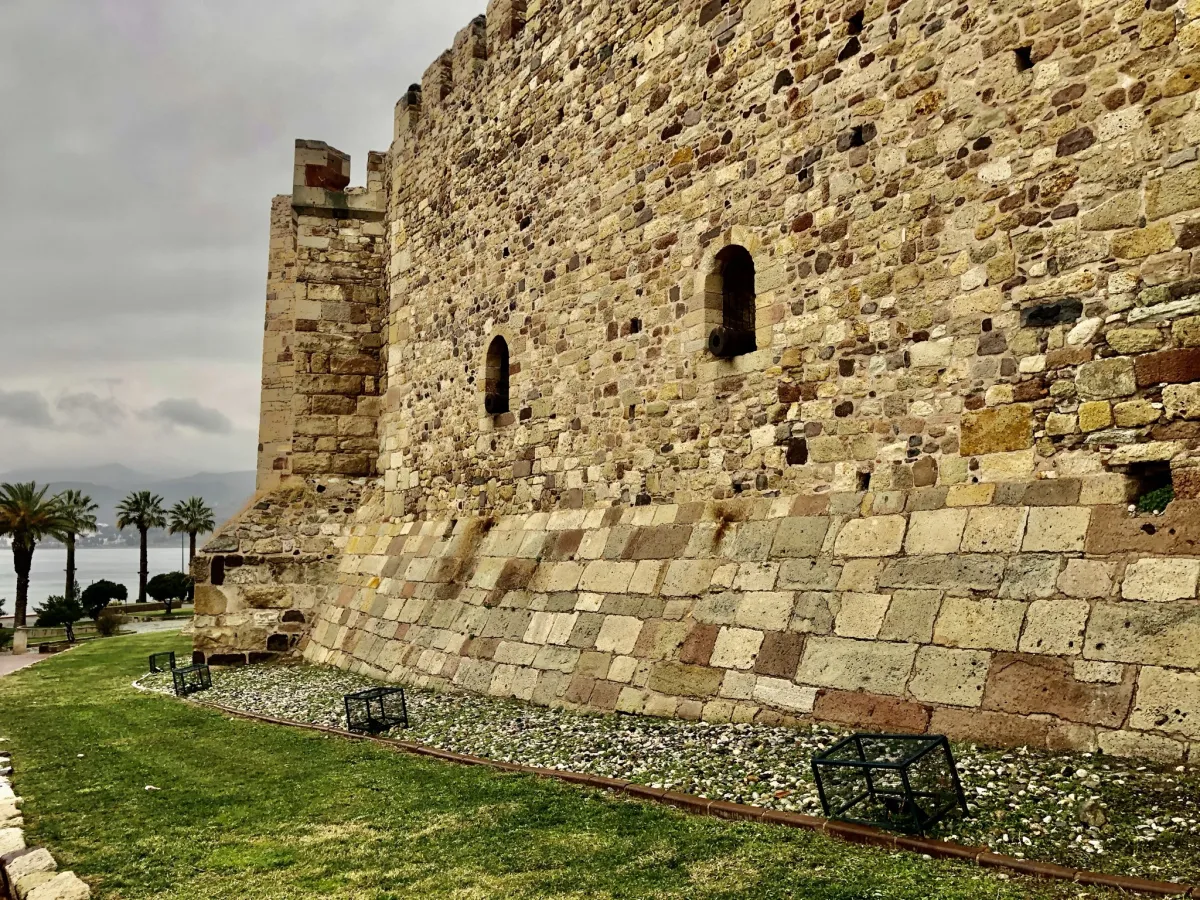
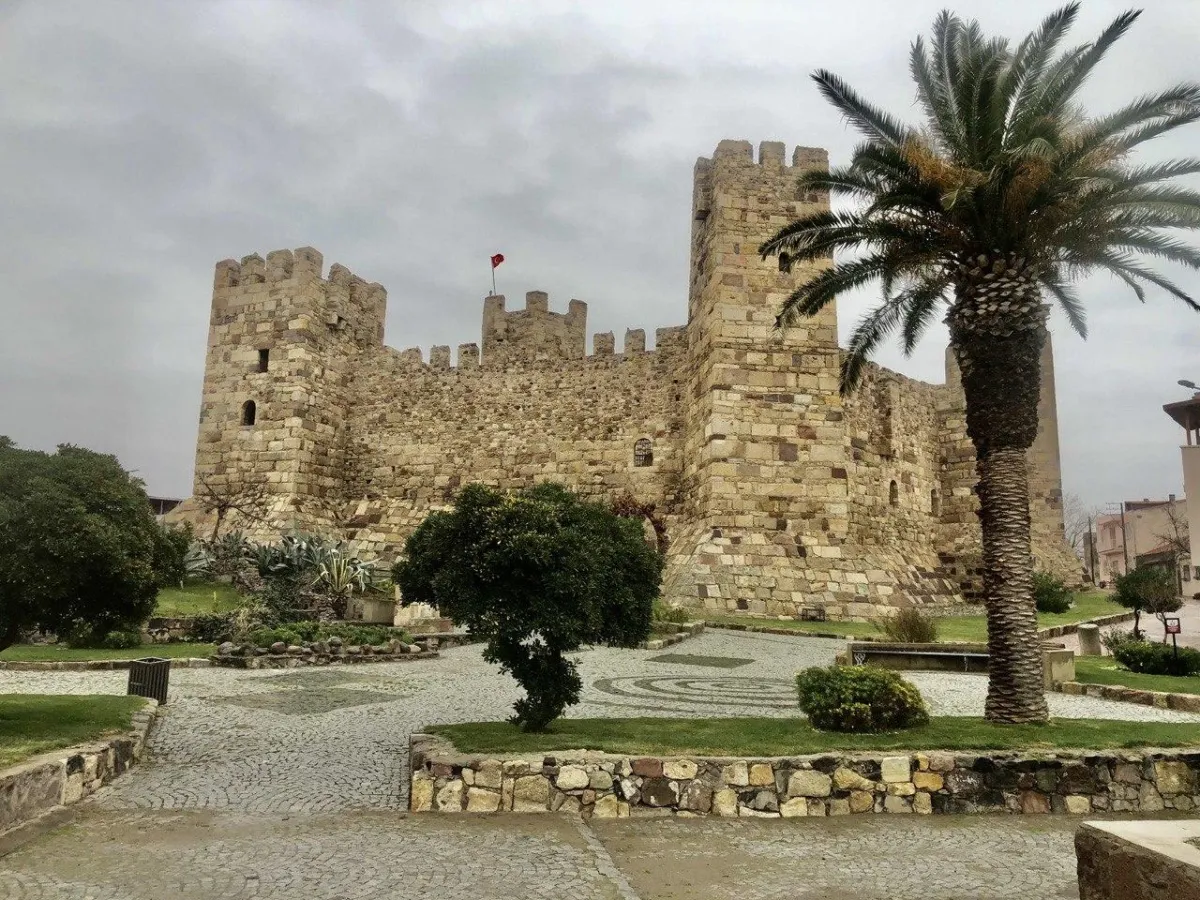
Somewhere around that time the Genoese built a small fortress on the long cape of a deep bay located north of Foça. According to legend, it was built very quickly. Supposedly it was promised that the slaves who carried the most stones would be freed. In 2020 it, together with its neighbour, was included on the Tentative List of UNESCO World Heritage Sites in Turkey, “Trade Routes and Fortifications on the Genoese Trade Routes from the Mediterranean to the Black Sea”. The bay was named after St. Bartholomew, but is now known as Çandarlı Bay, after the grand vizier Halil Pasha Çandarlı, who rebuilt and strengthened the fortress. During his 24-year tenure as grand vizier he showed an interest in the sea, the fleet and coastal cities. The Turks knew nothing of seafaring until the appearance of Barbarossa. But when there was a fortress near the port, surrounded by a 16-metre wall with five bastions, they could settle here. The stone walls were built strong, taking into account the appearance of artillery.
As grand vizier of Sultan Mehmed II the Conqueror, he was against the conquest of Constantinople. And after the siege began, he was the first to start whining about retreating from its walls. He paid for this with his life after Constantinople was taken.
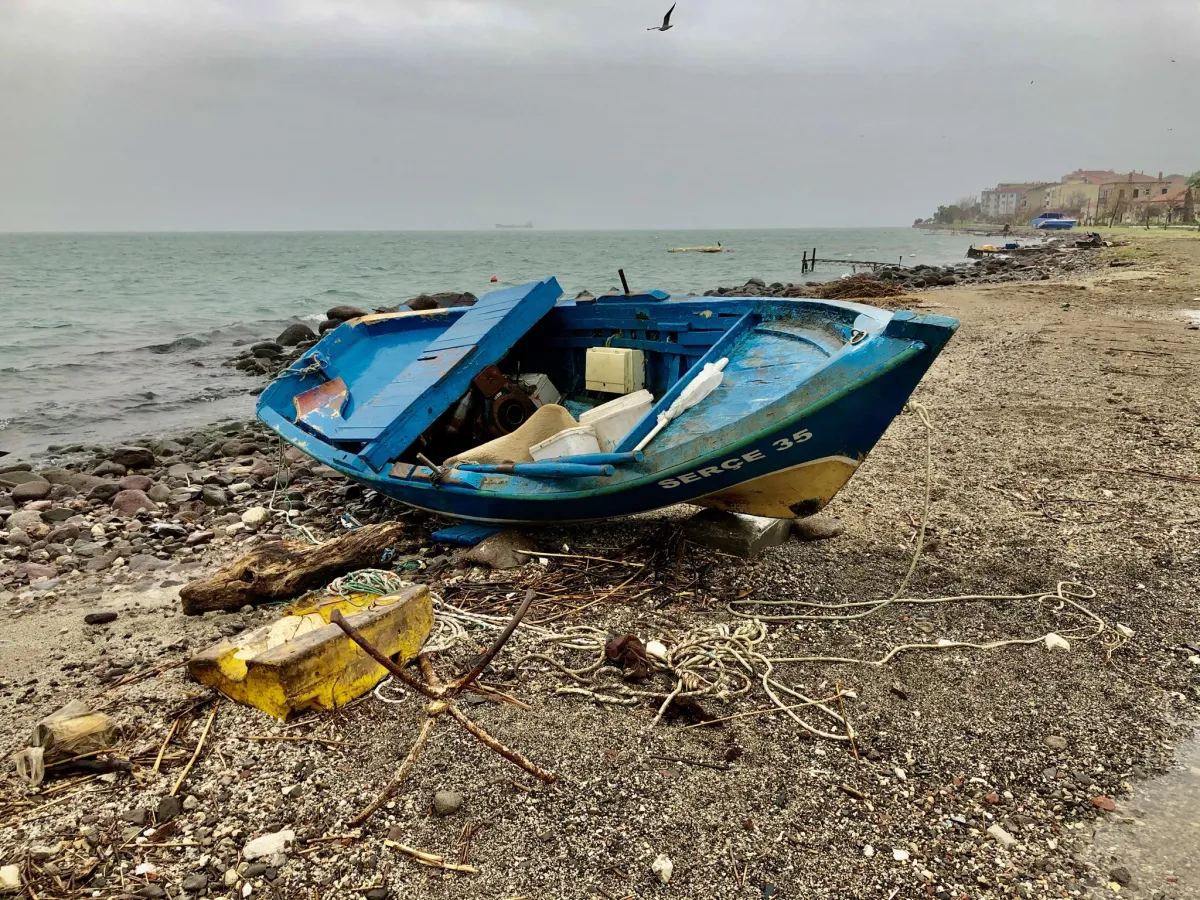
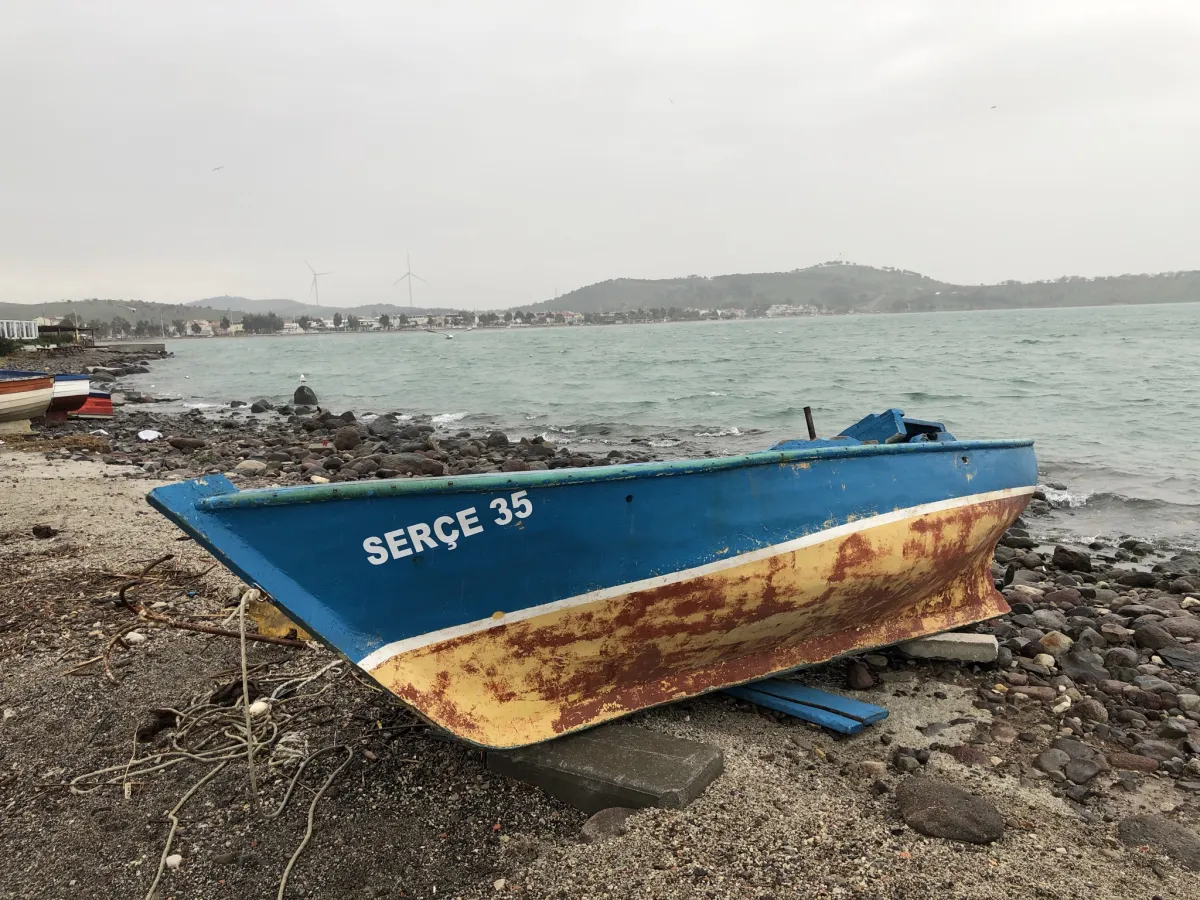
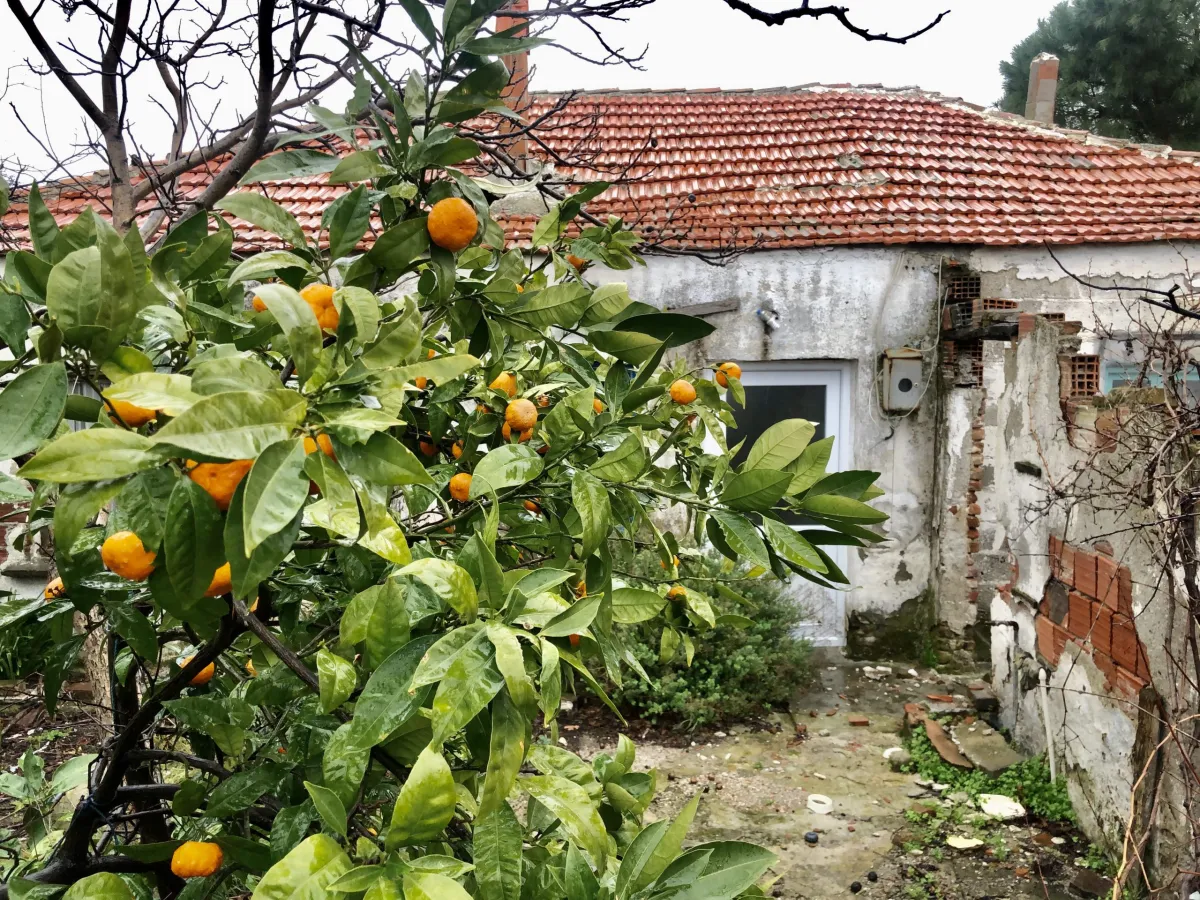
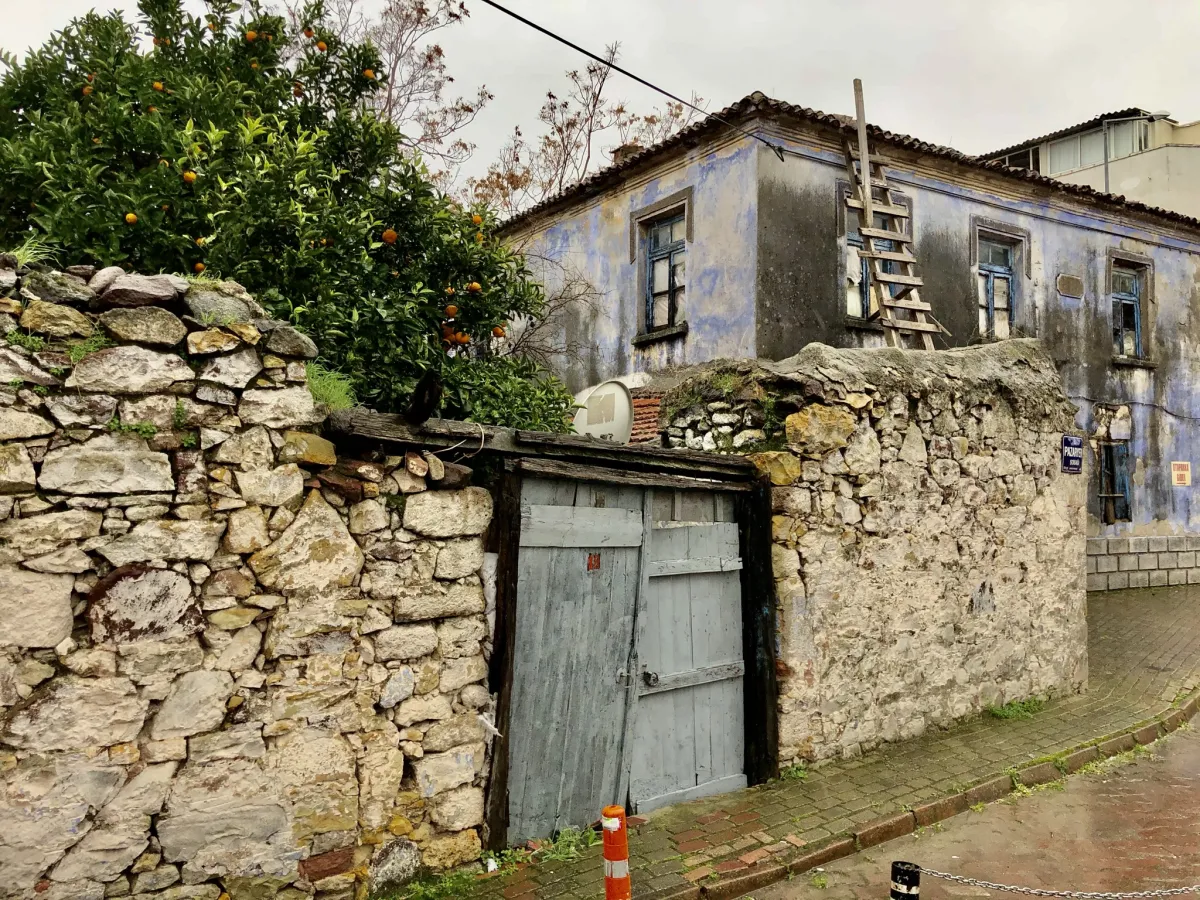
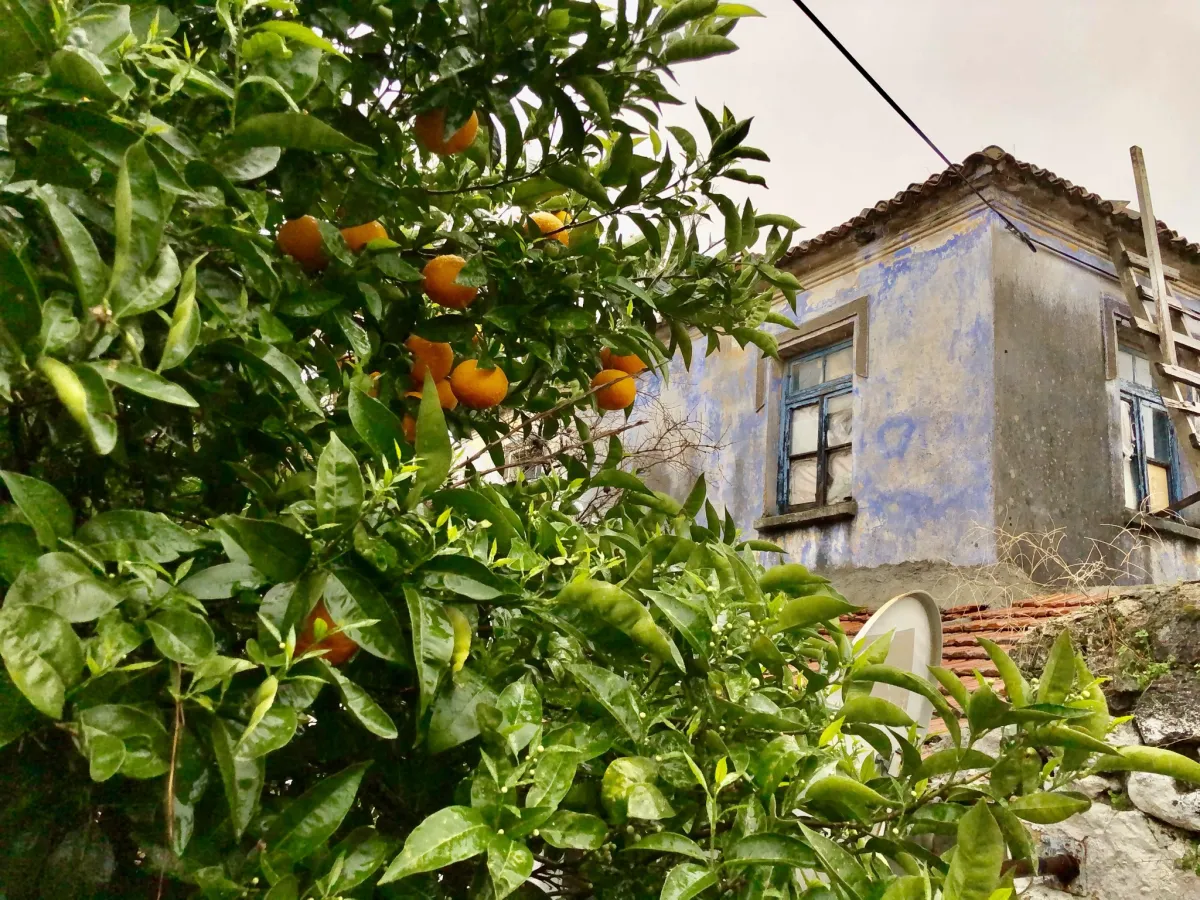
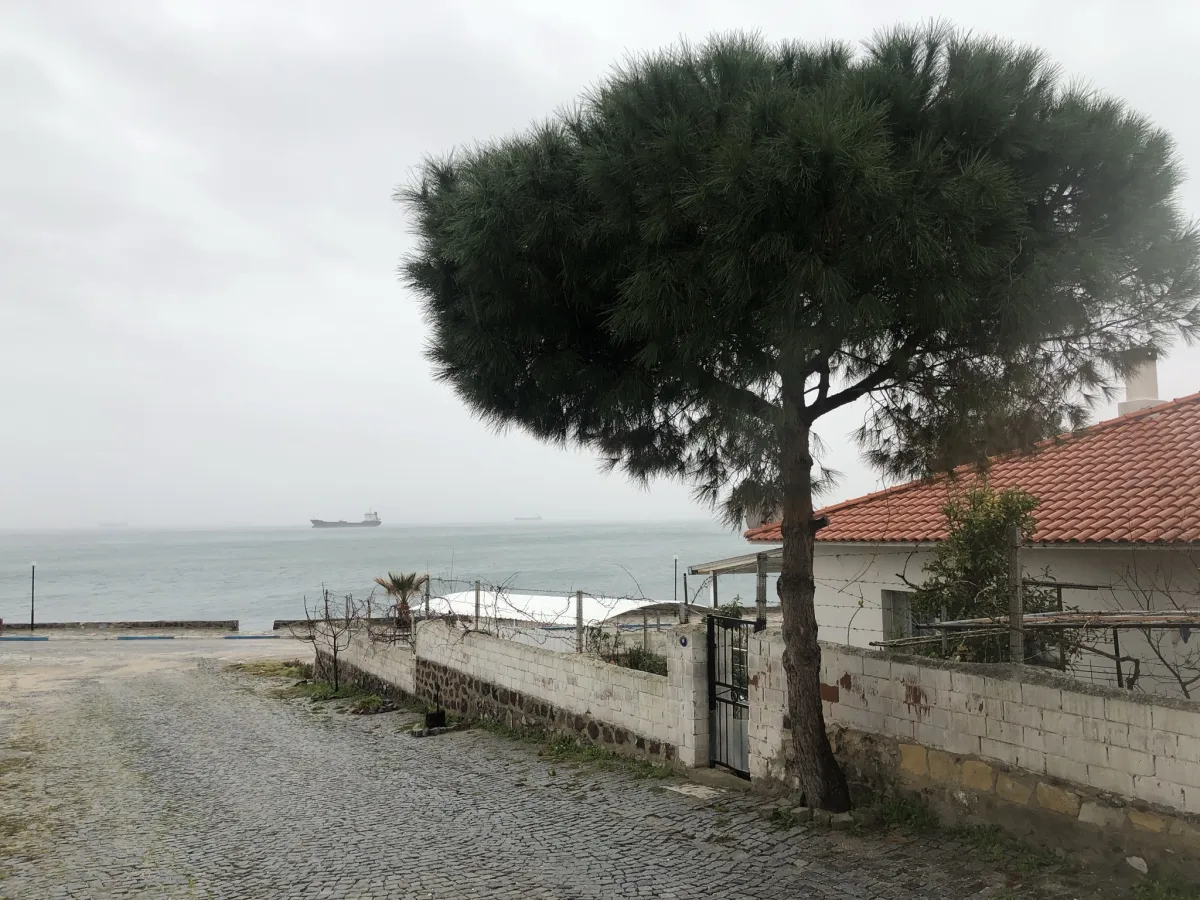
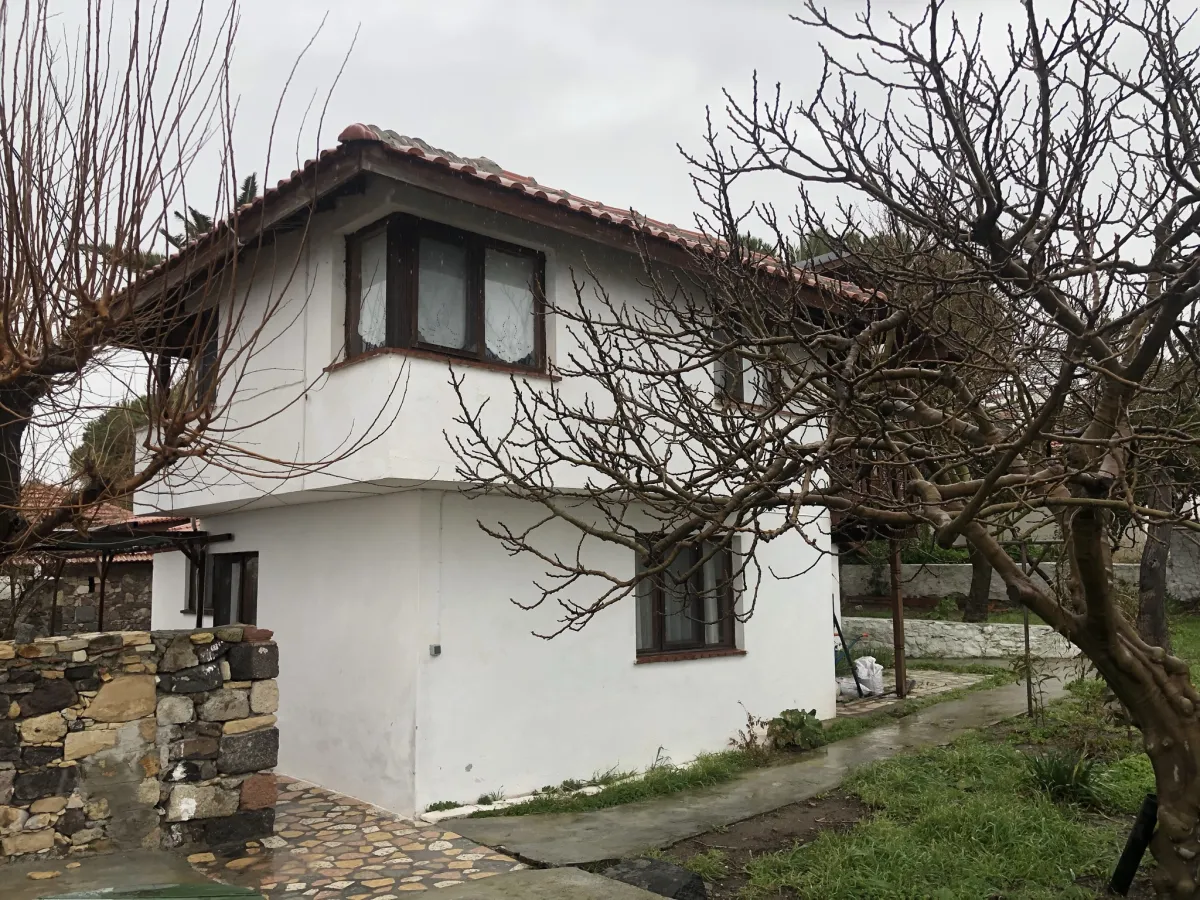
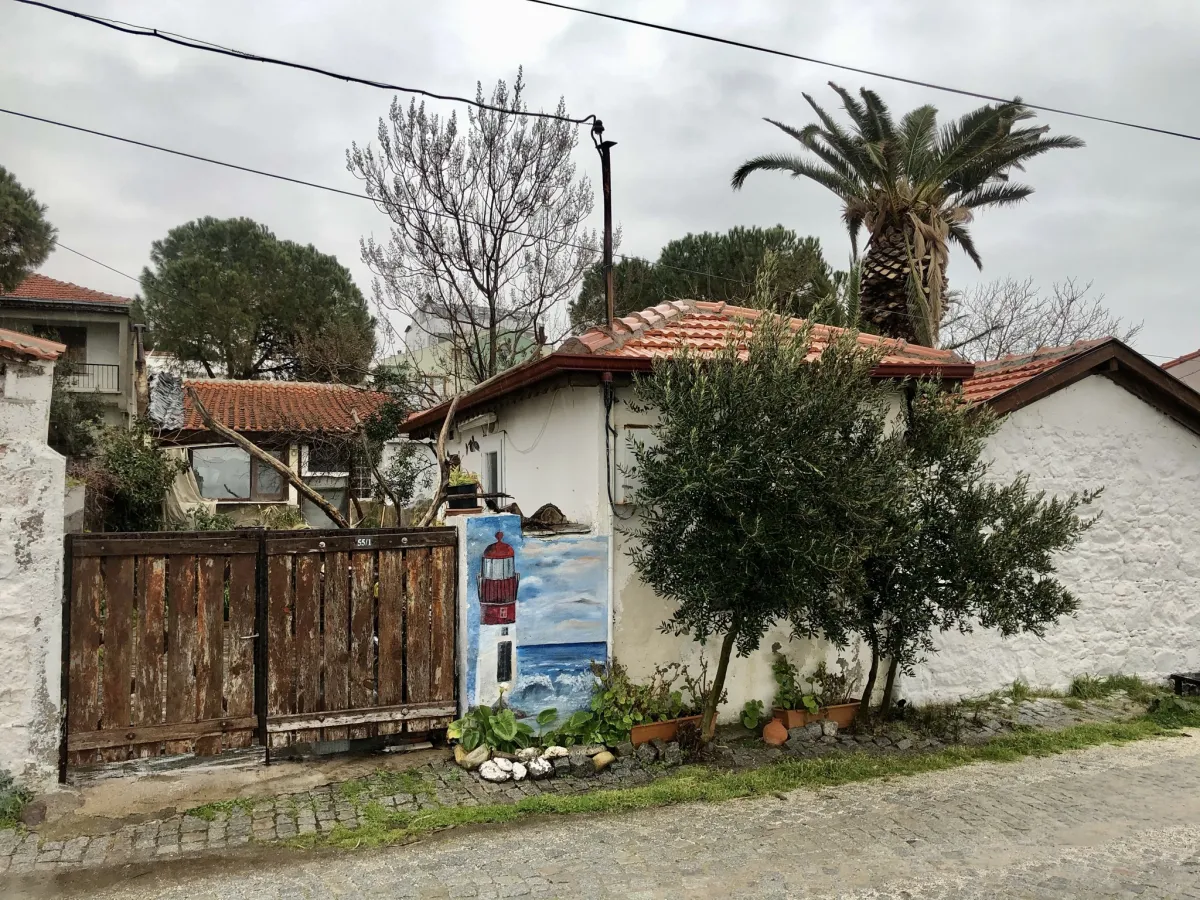
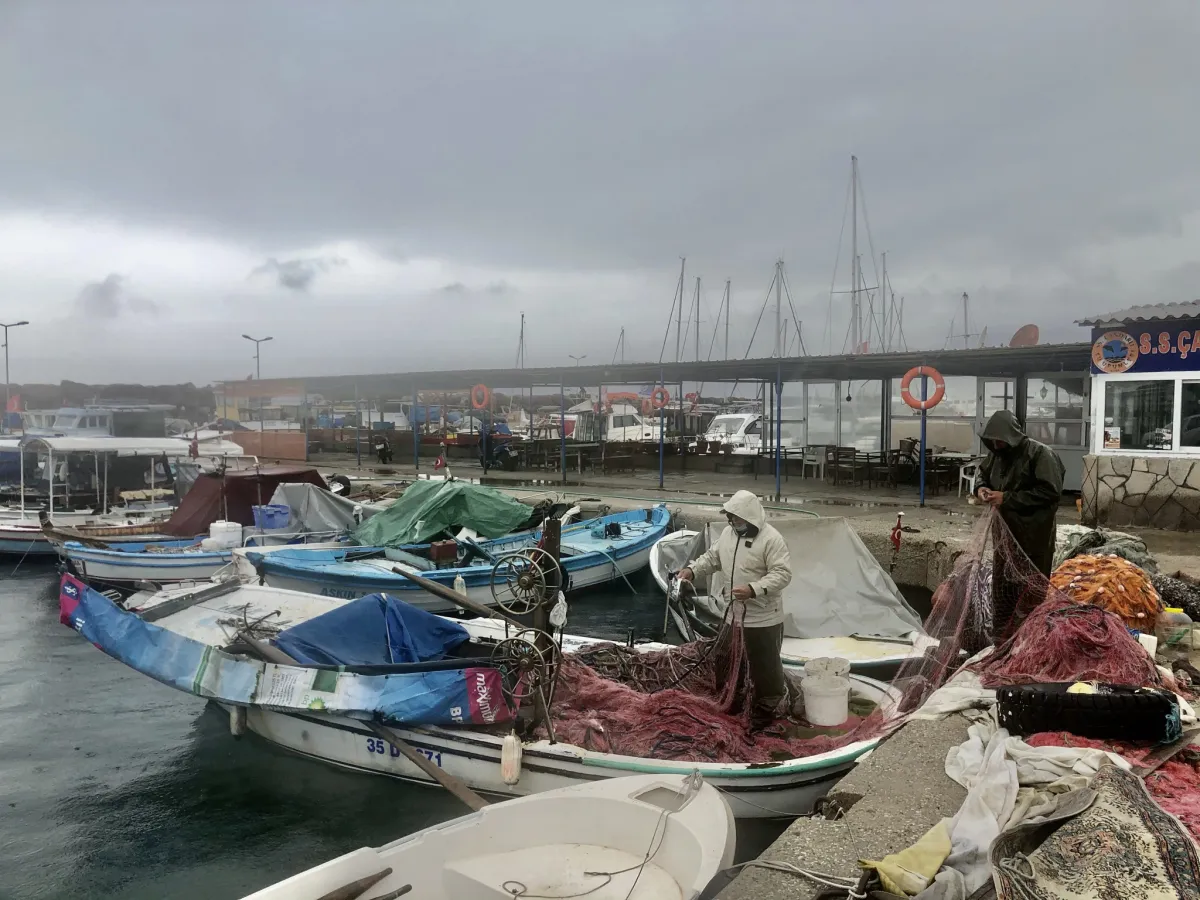
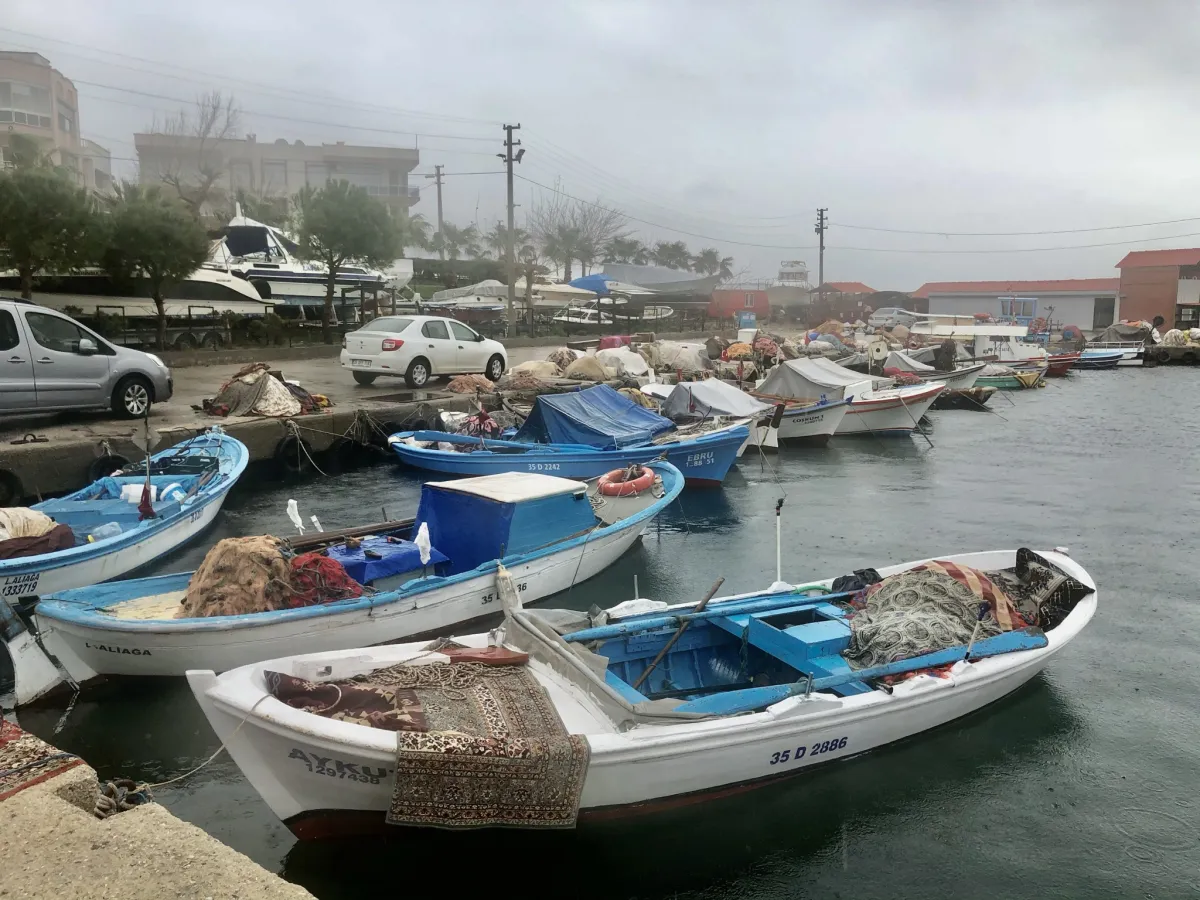
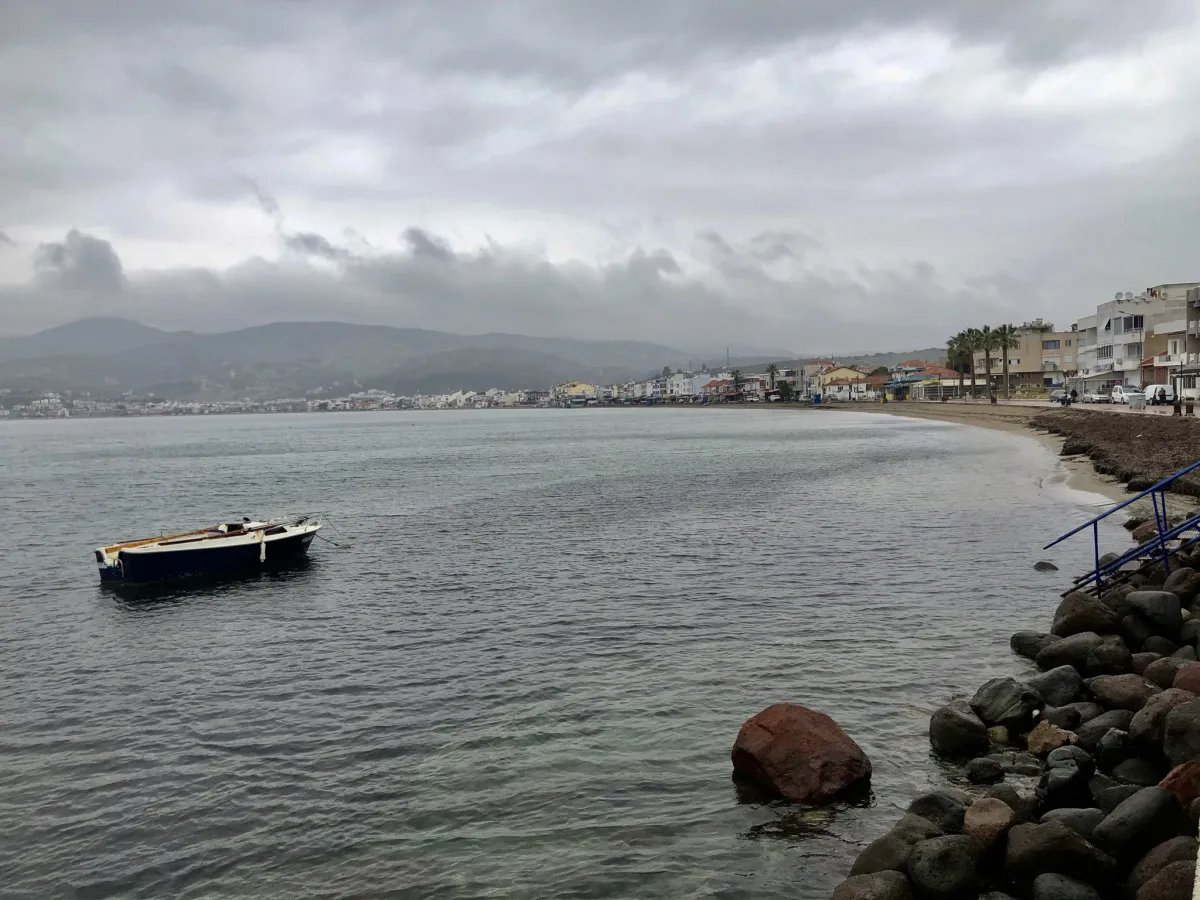
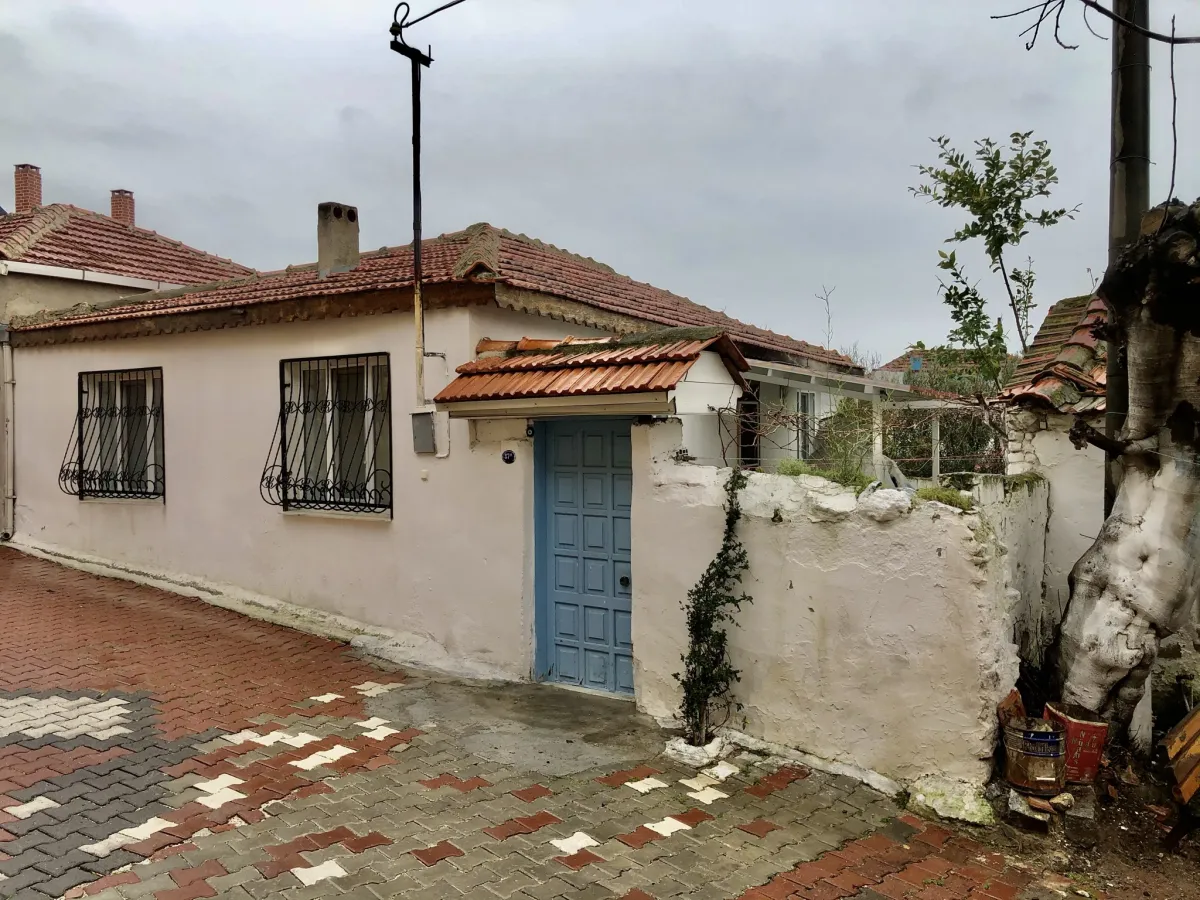
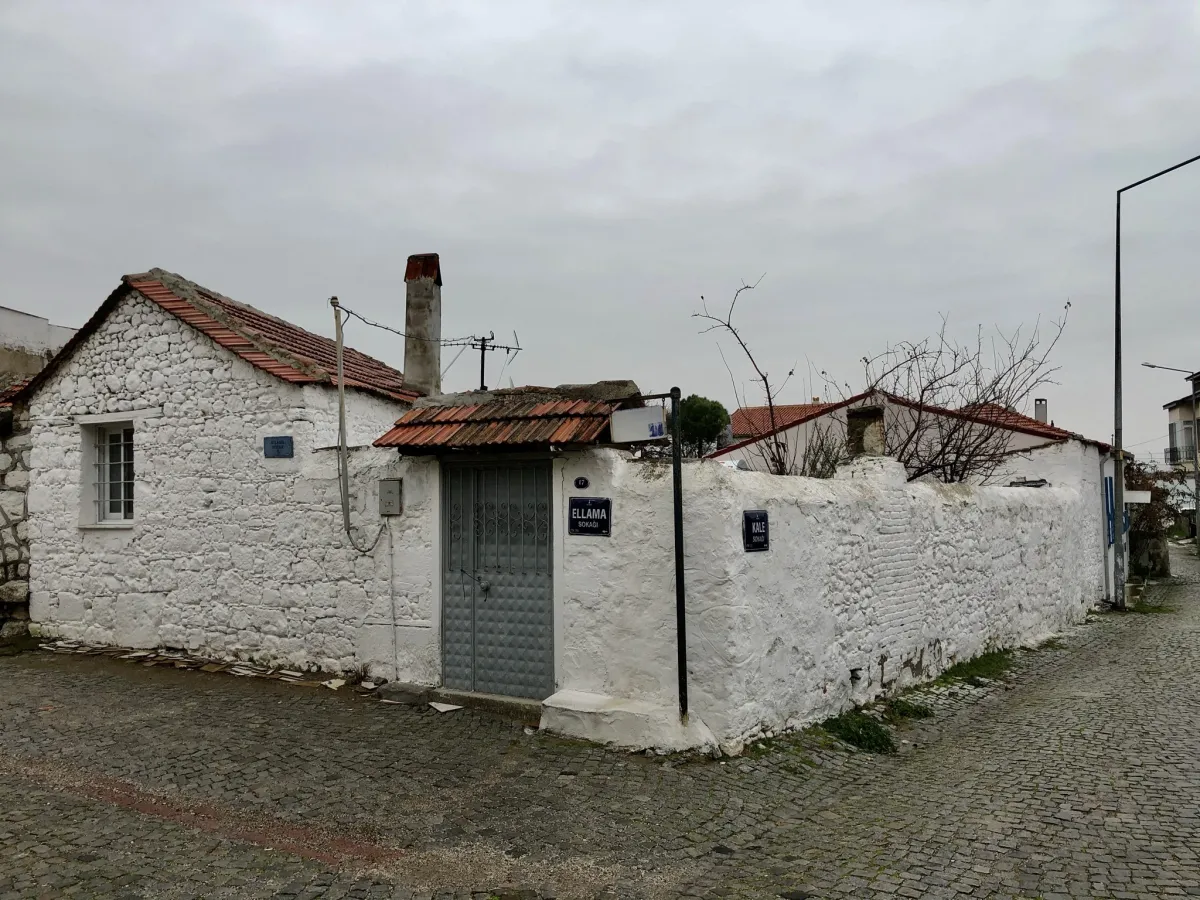
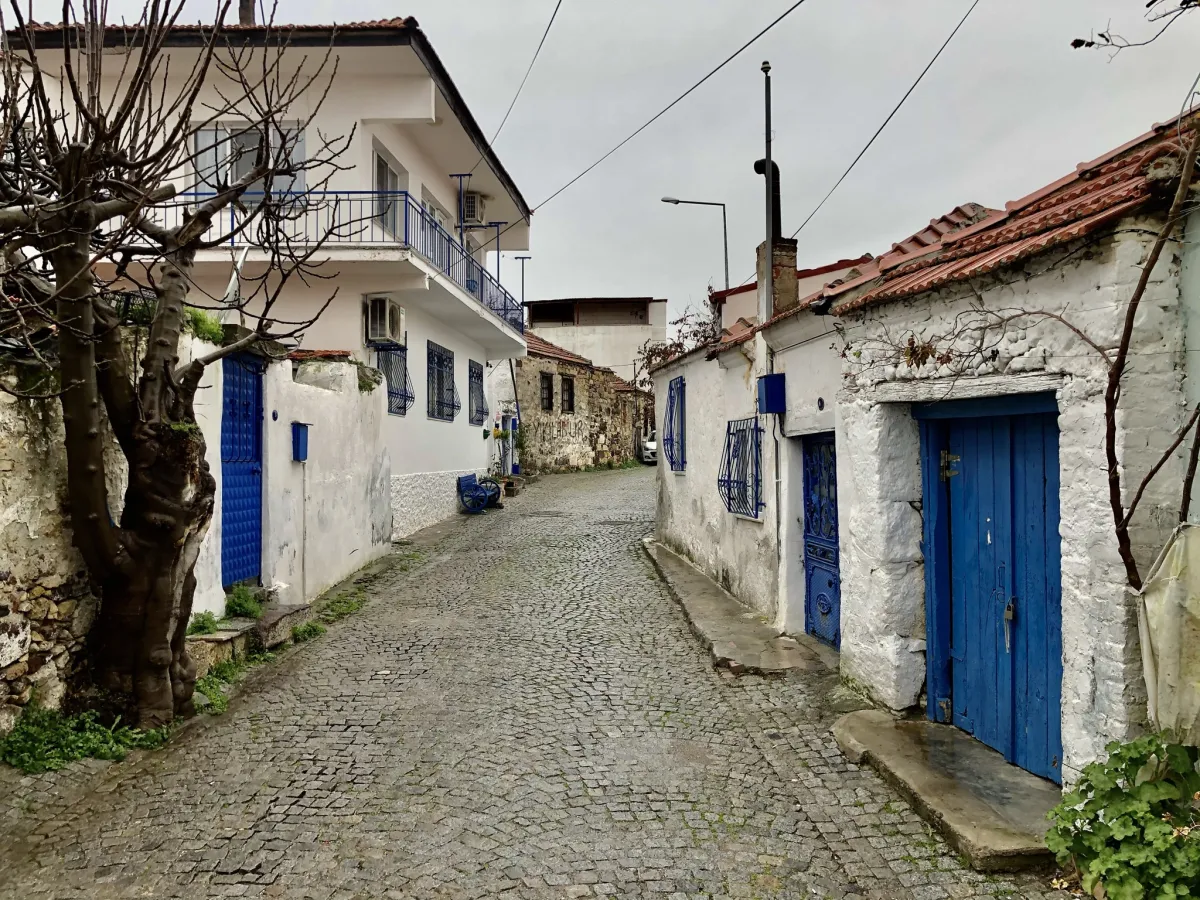
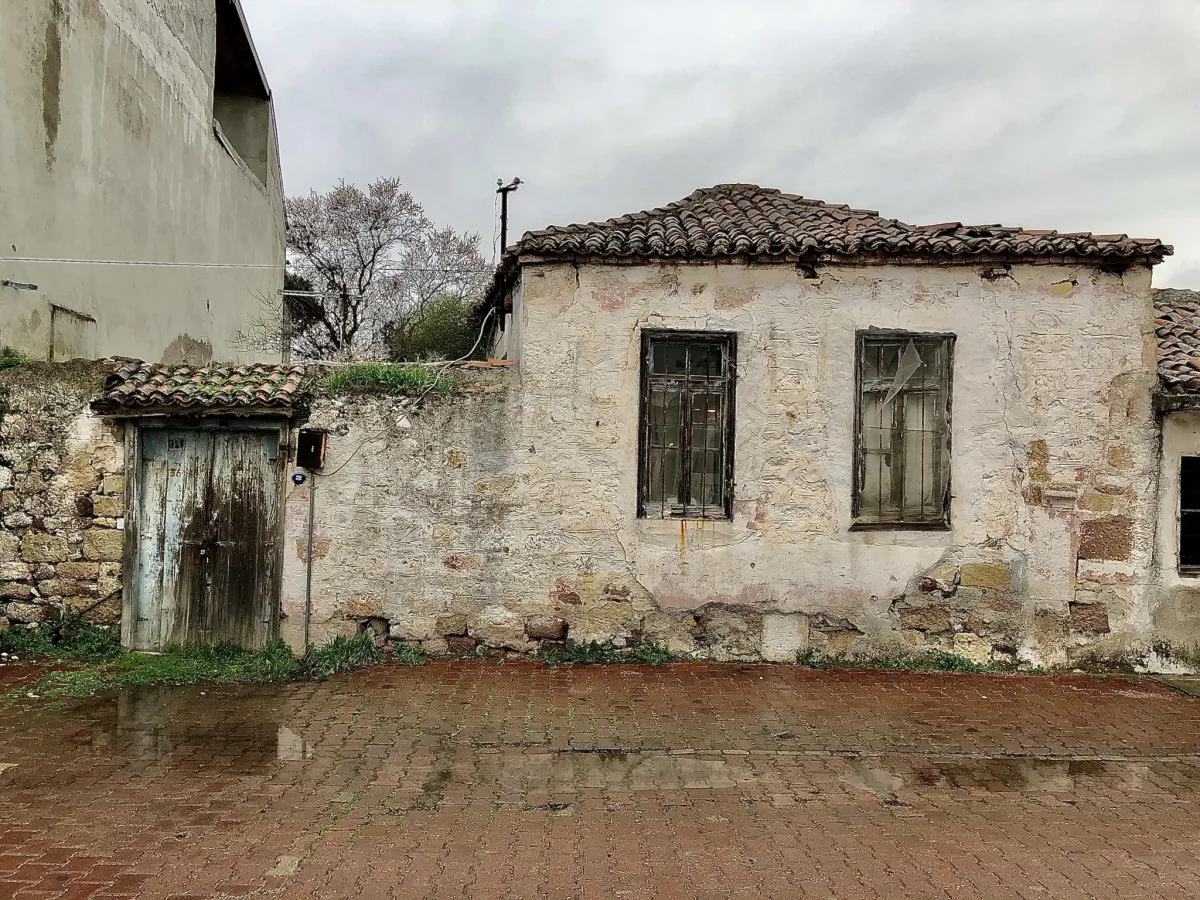
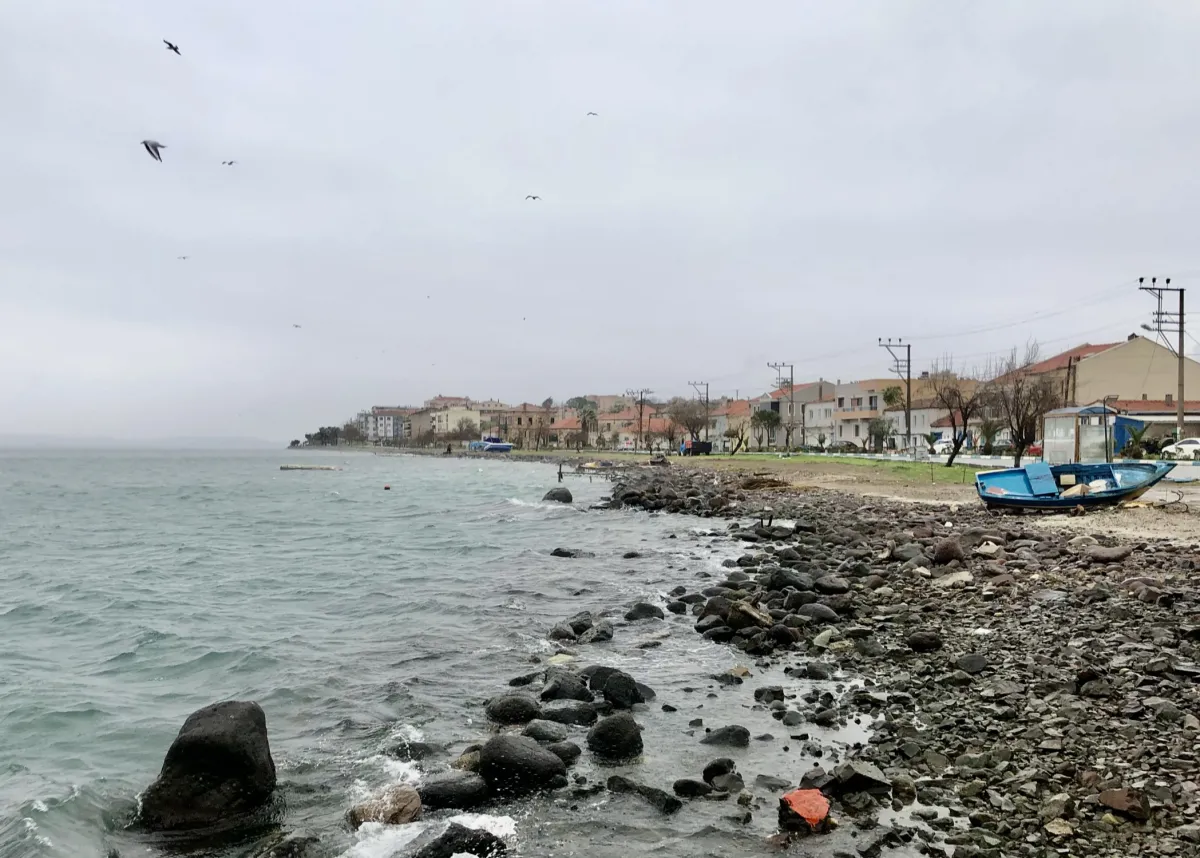
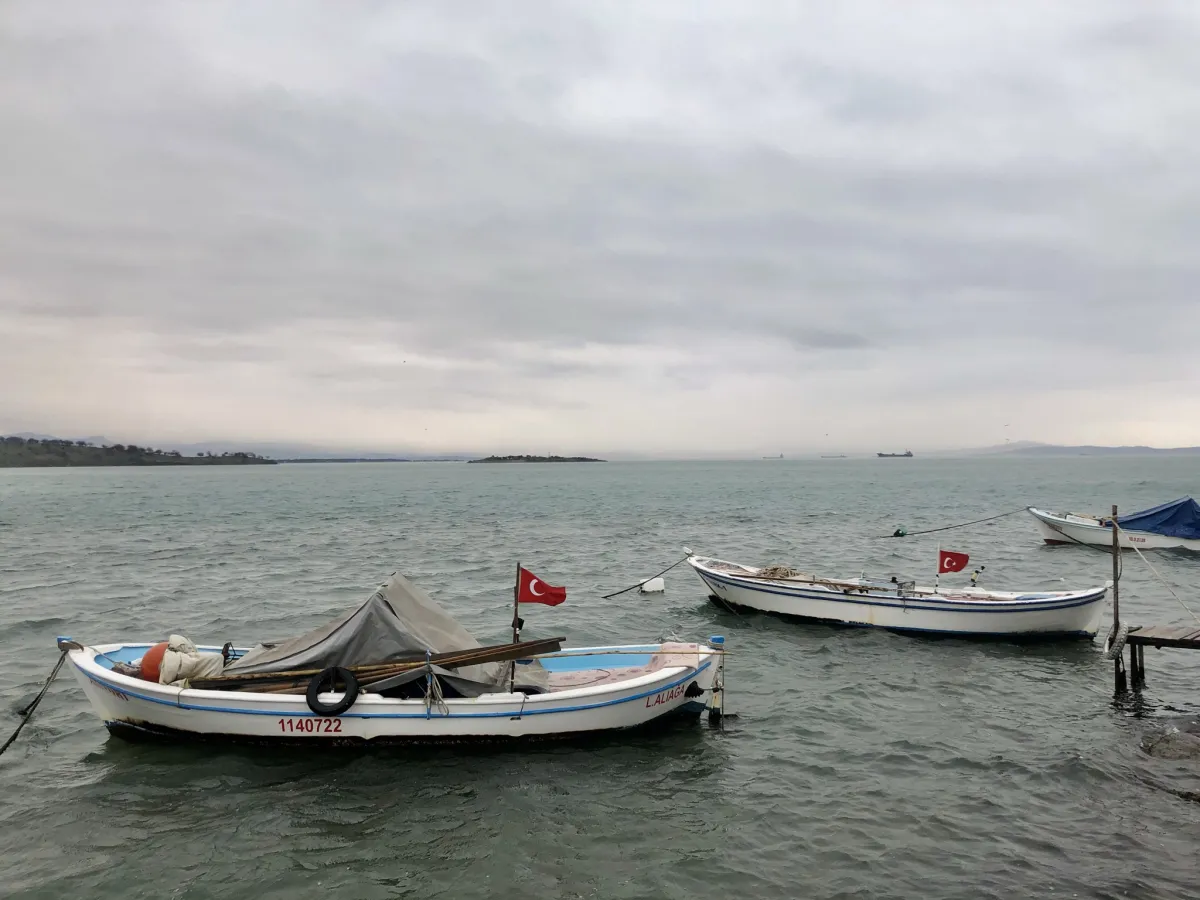
The settlement itself looks like a long cape into the sea, with many old and new white houses on it, swept by the winds.
Text and photos by Serhii Shcherbii



