Ulcinj
· 2 min read
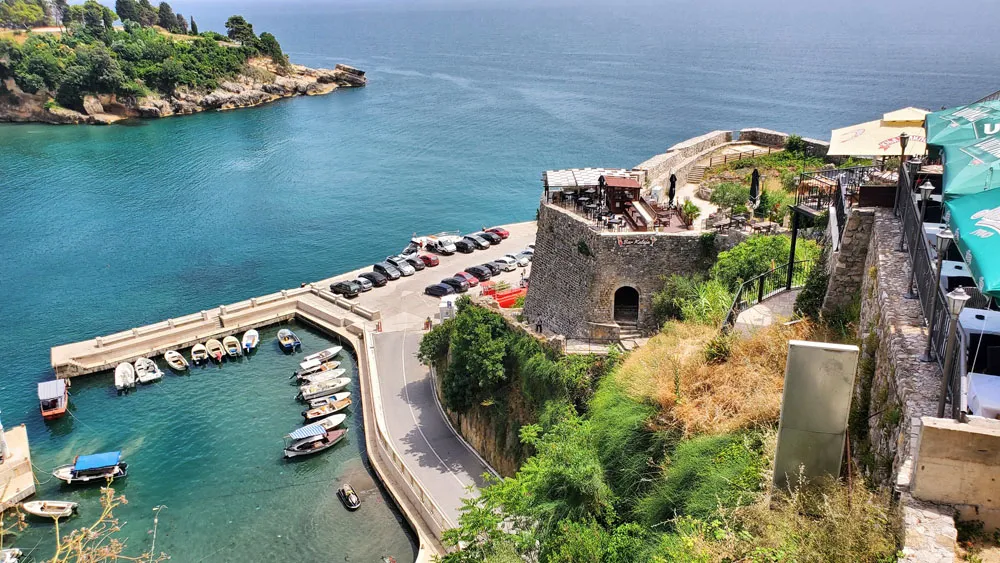
The town of Ulcinj is Montenegrin only territorially. Most of its residents are Albanians, there are mosques and the singing of muezzins, even the neglect and a layer of dust seem somehow Shqiptar. Olive trees all around up to the horizon. Ulqin in Albanian.
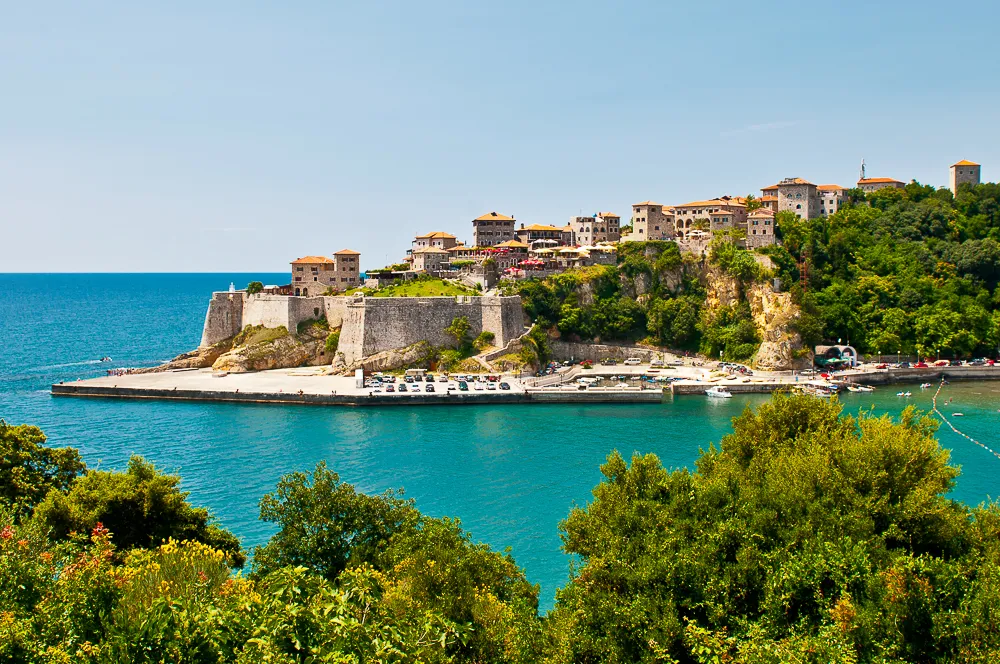
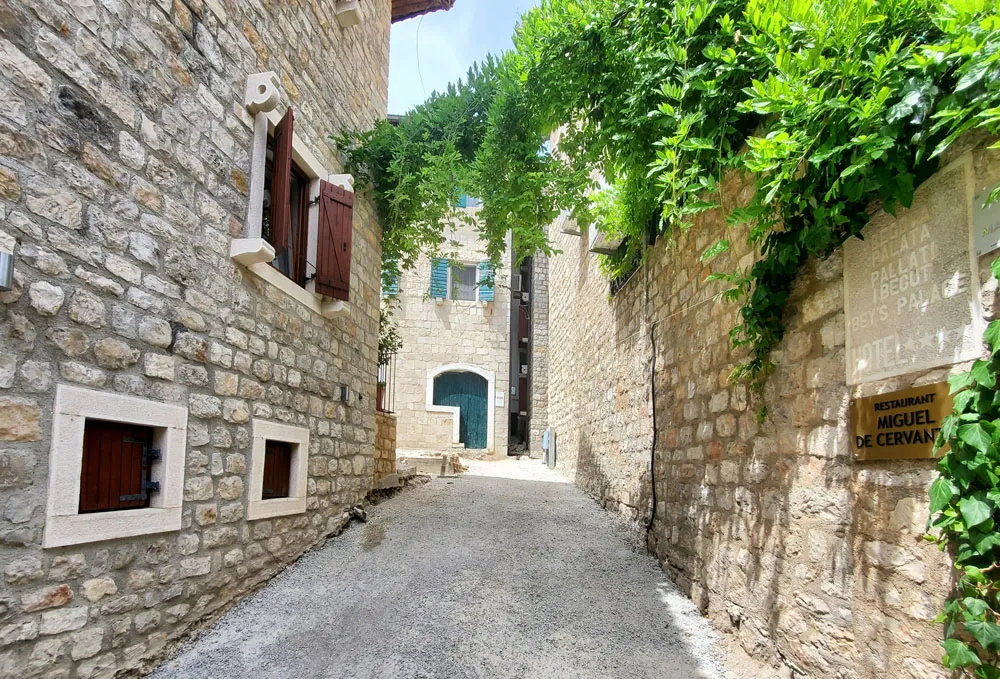
Ulcinj has always been known as one of the pirate capitals of the Adriatic Sea. According to a local legend, the Spanish writer Miguel de Cervantes was held captive by the Ulcinj pirates in 1575. “Don Quixote” was conceived in this part of the Adriatic, and the beautiful Dulcinea lived here, Dulcigno – Ulcinj. The locals called him Servet – a servant, a slave, which became the basis of Cervantes. The locals noticed that their slave did not sleep until late at night and was writing something. During the day, to avoid falling asleep, he sang, and the girls, among them Dulcinea, often listened to his songs. And you are told that the writer, once captured, lived in Algiers. So there!
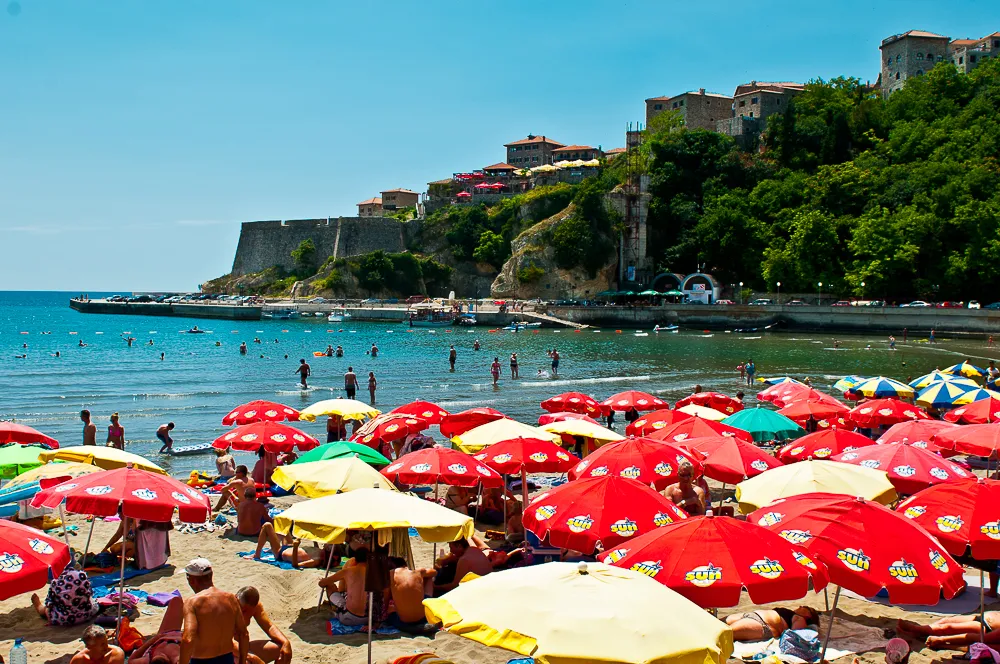
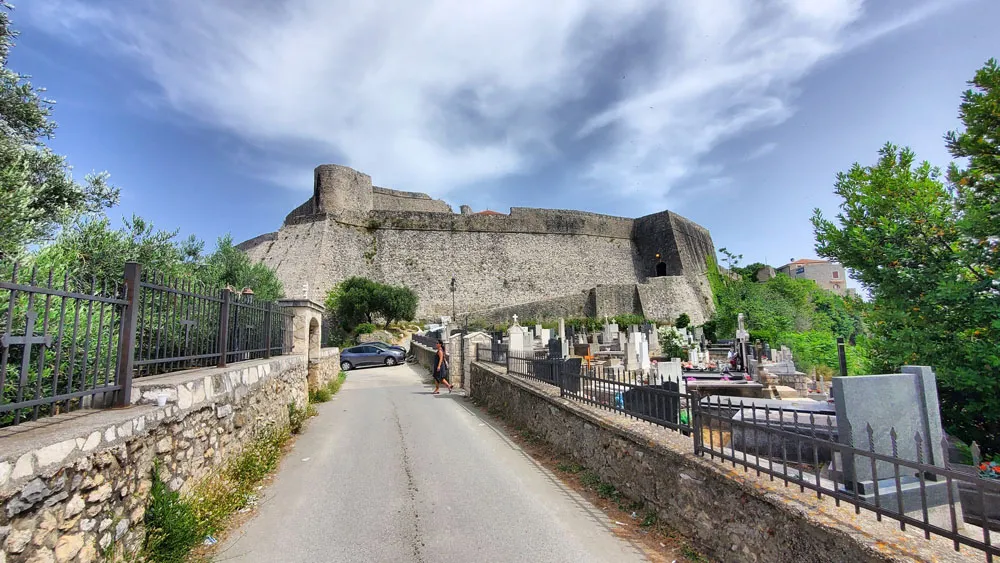
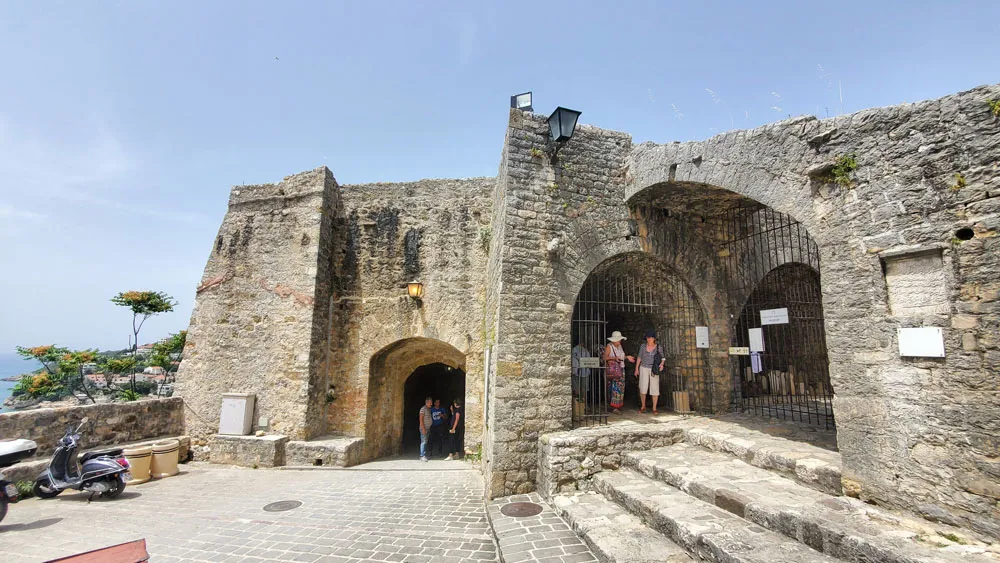
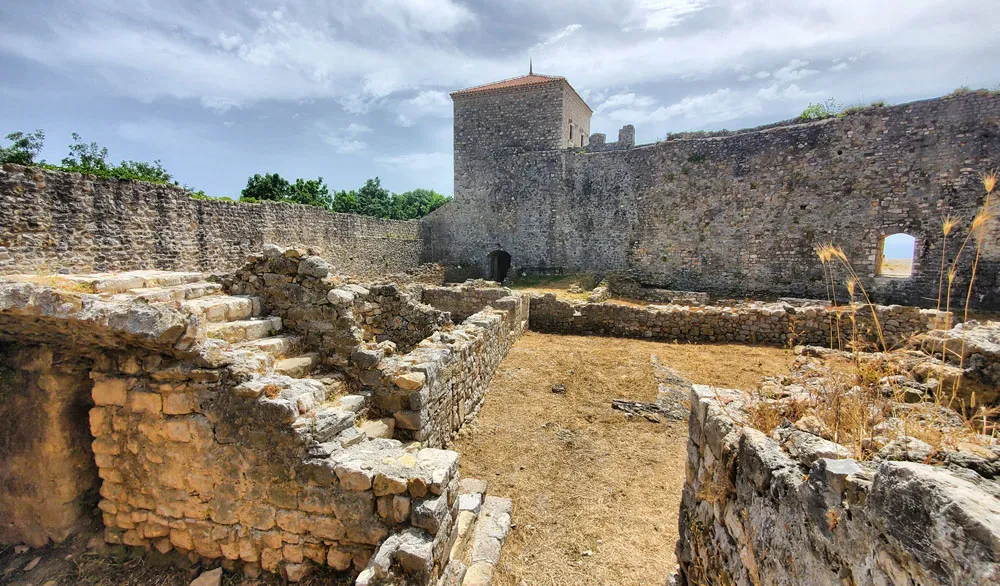
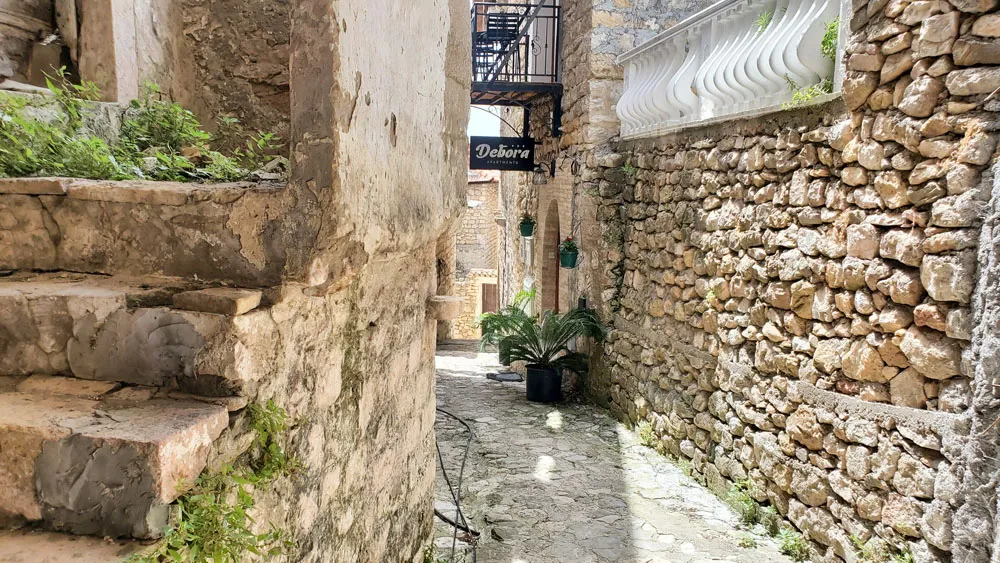
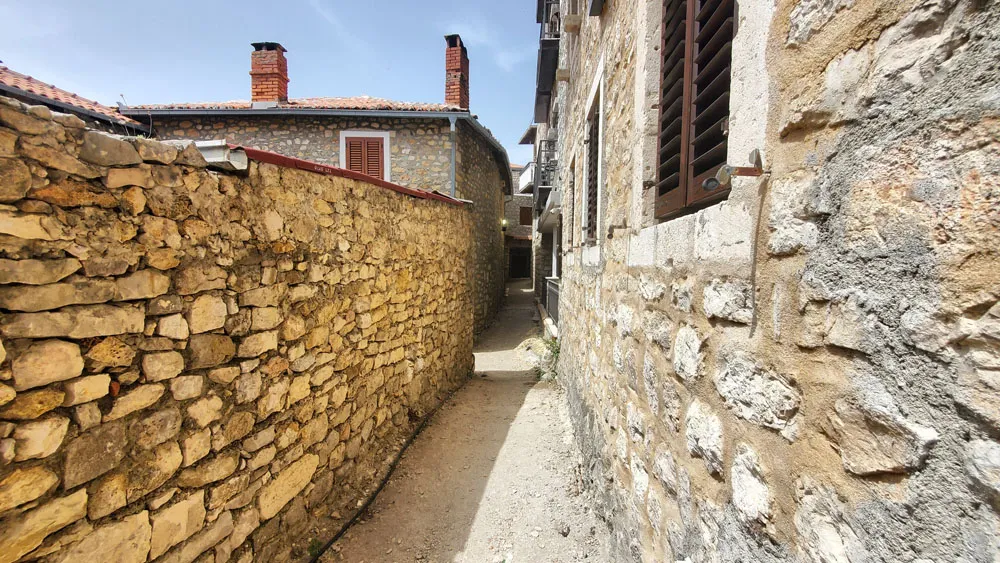
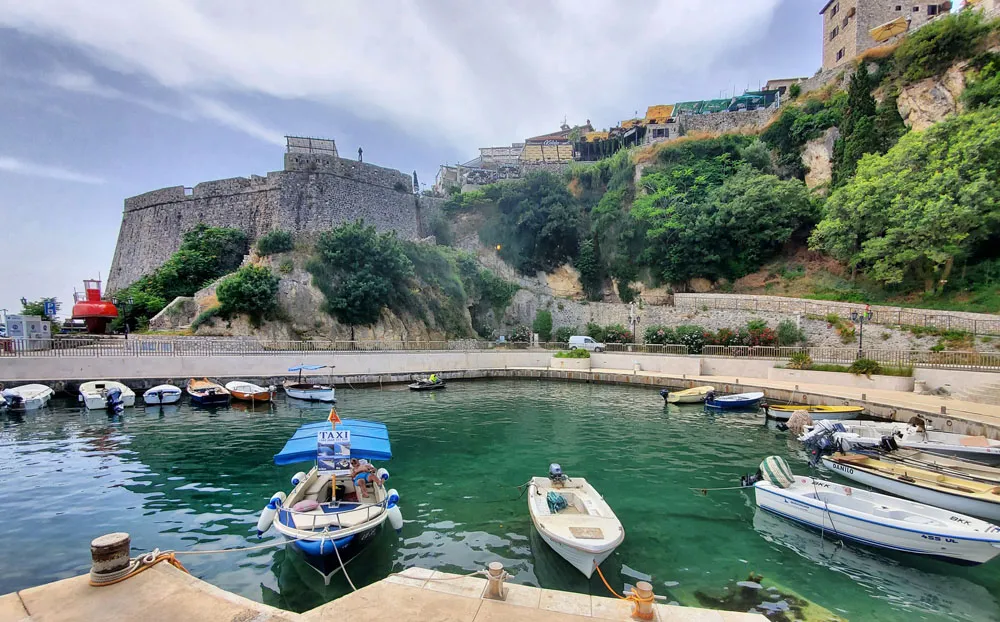
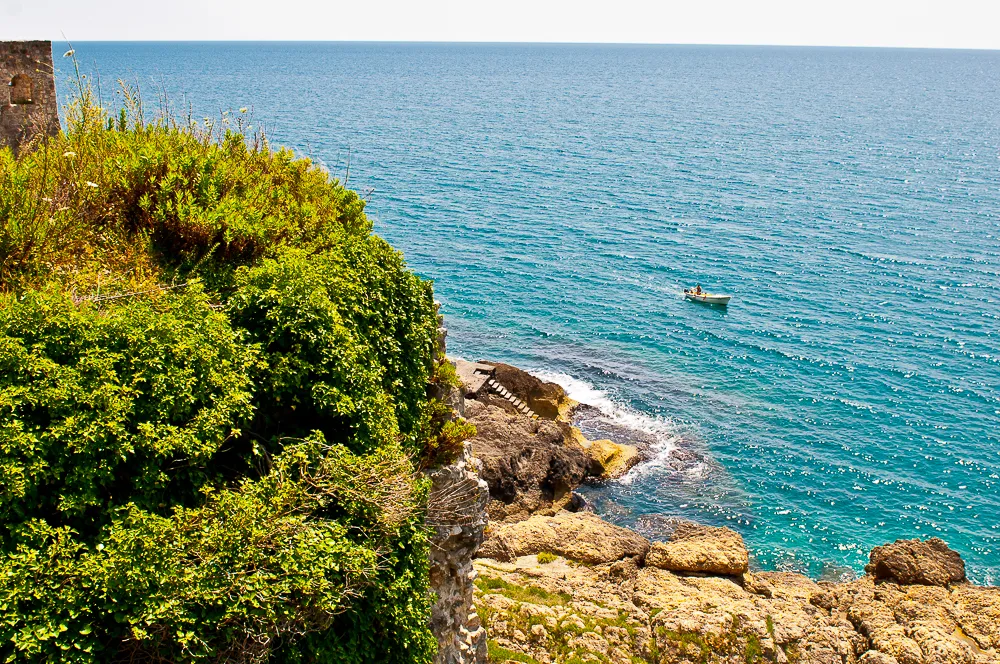
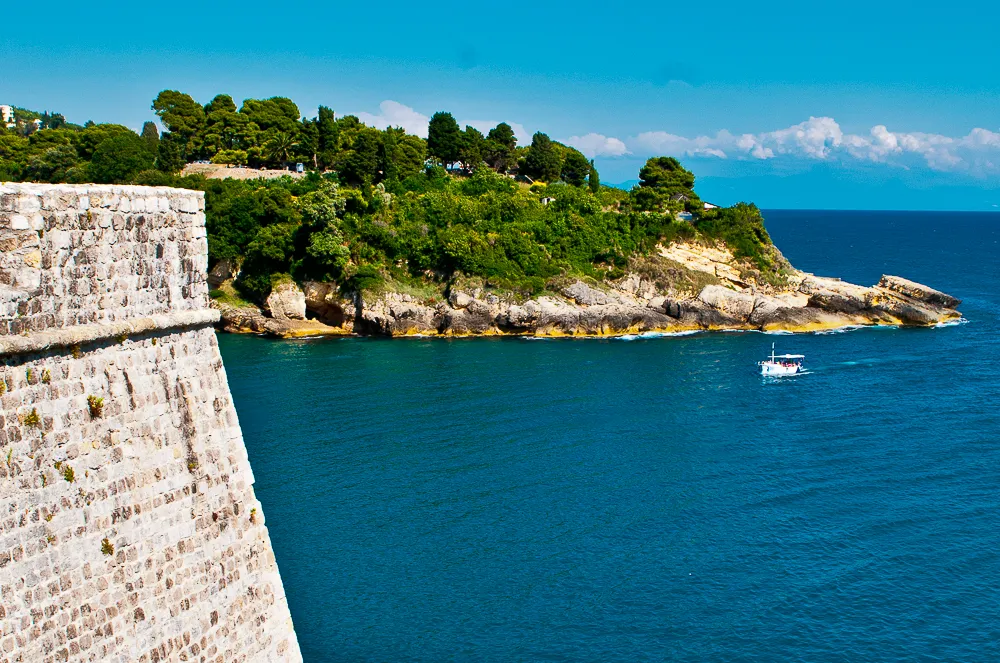
If in summer the town’s beaches are packed, in Ulcinj fortress we met surprisingly few people. Most of the houses here are uninhabited, and those that are in good condition belong to hotels and restaurants. The seafood in them is fresh and tasty.
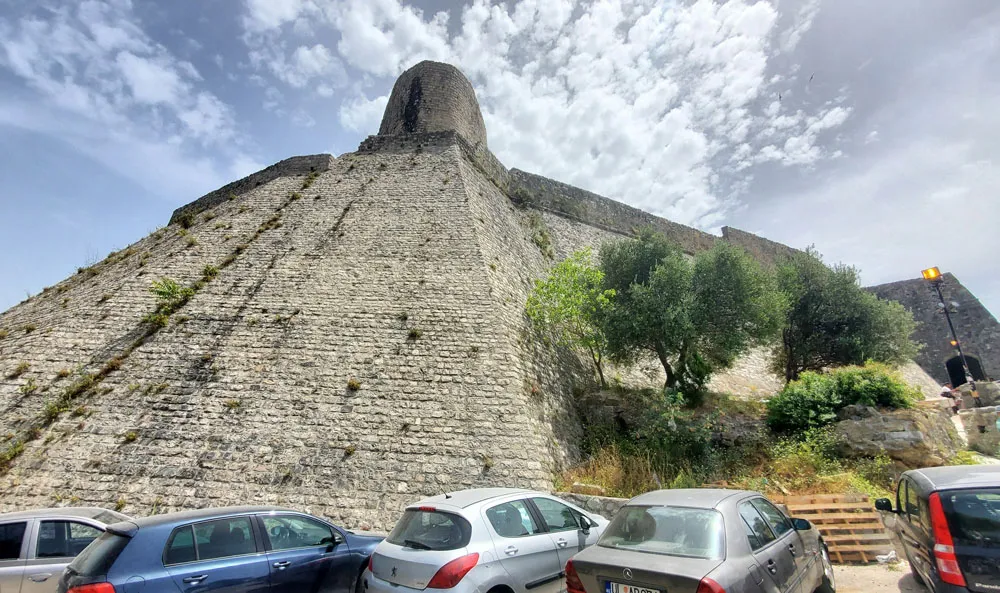
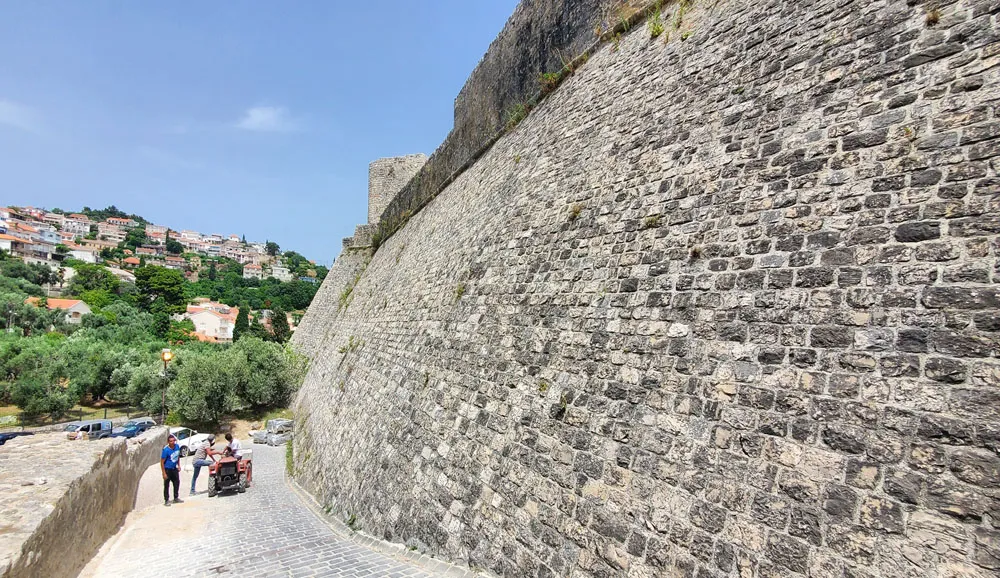
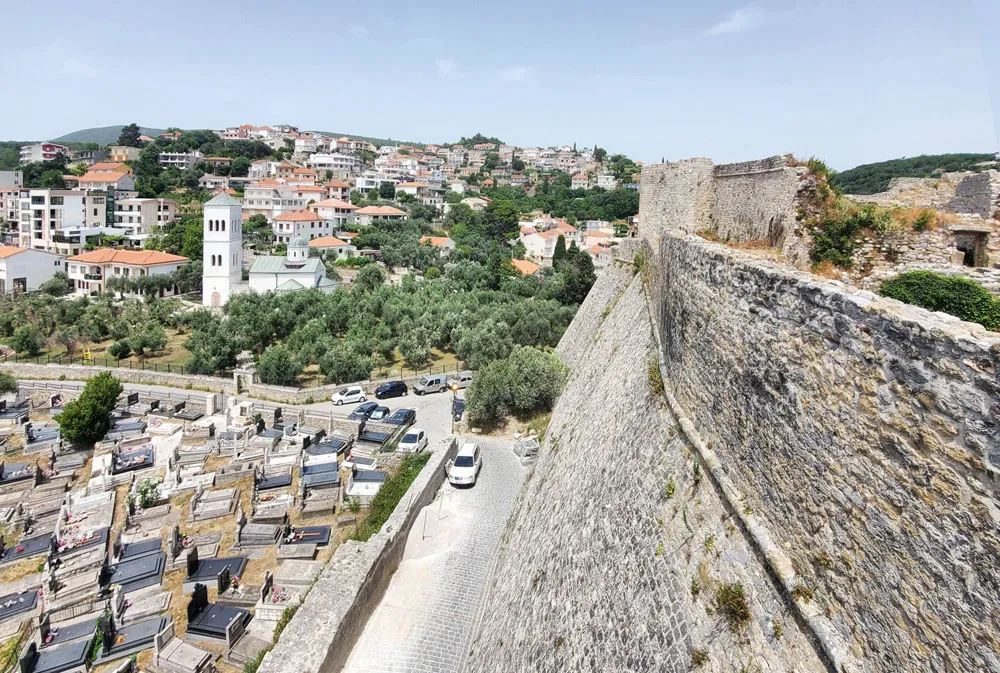
I did not measure it myself, but they write that the thickness of the fortress walls reaches 20 m. Some fragments on the north side, of cyclopean masonry of large blocks without binding mortar, are impressive. There is an opinion that this is the work of the ancient Greeks, since such a building technique is characteristic precisely of them.
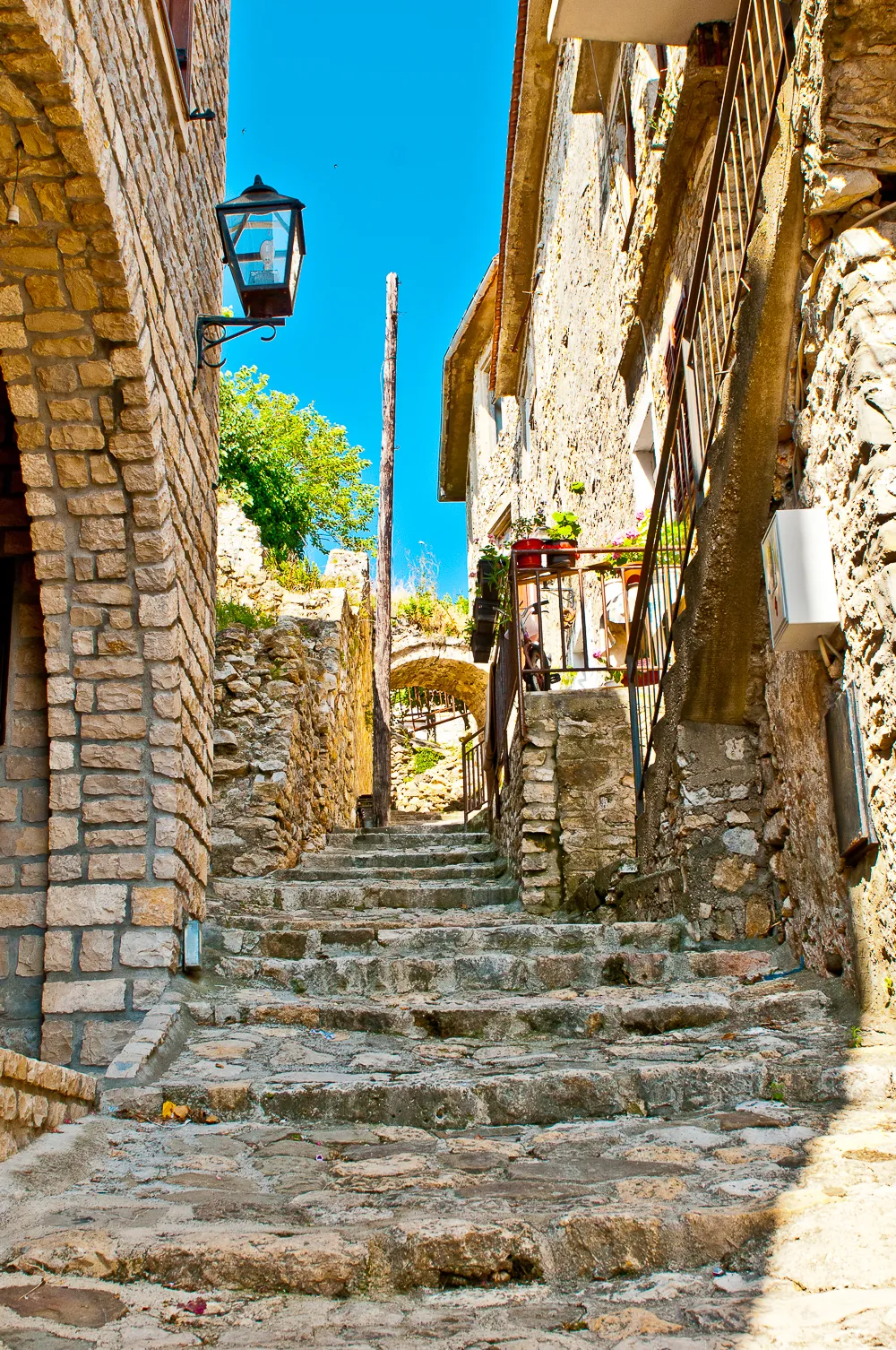
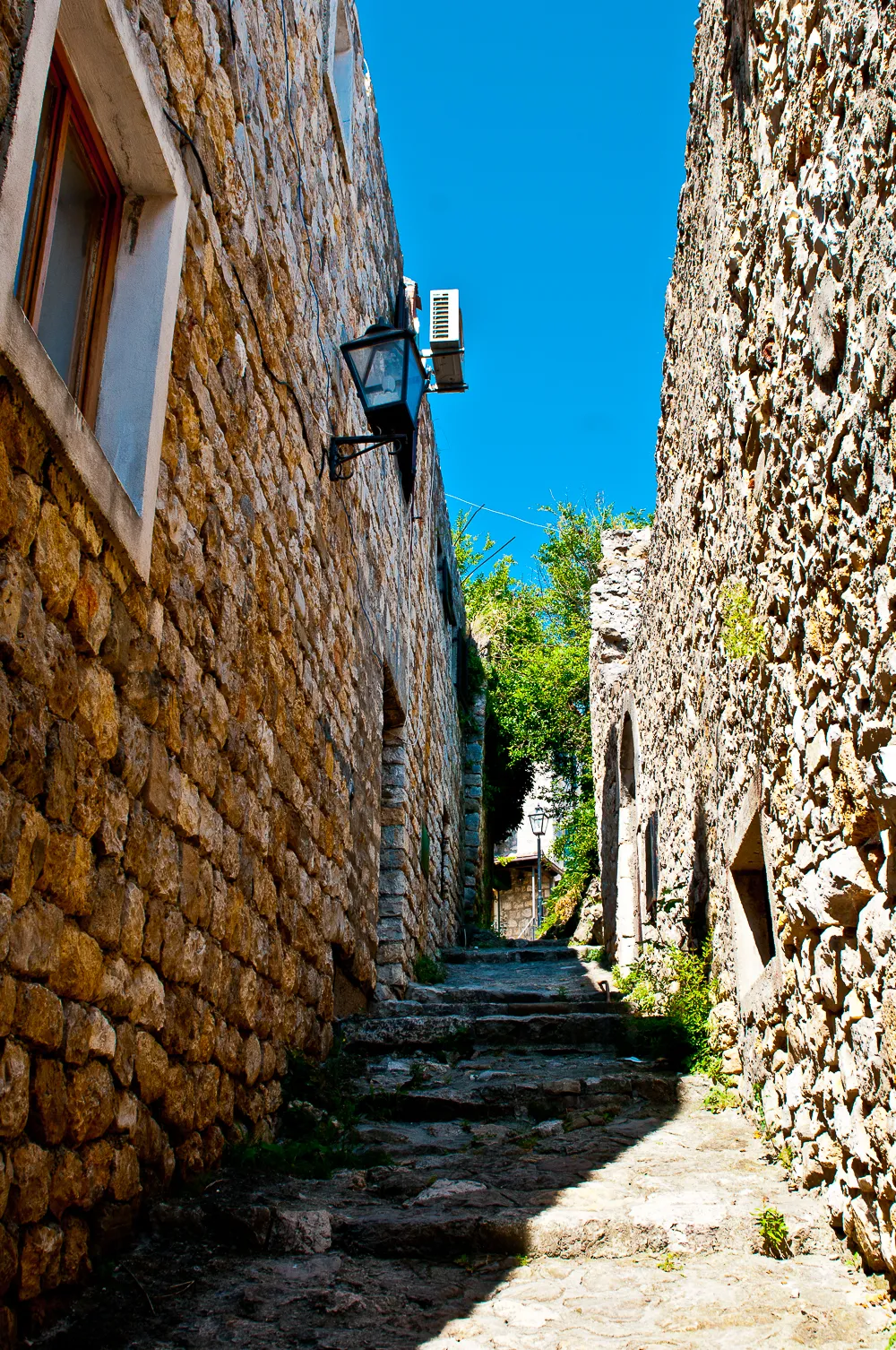
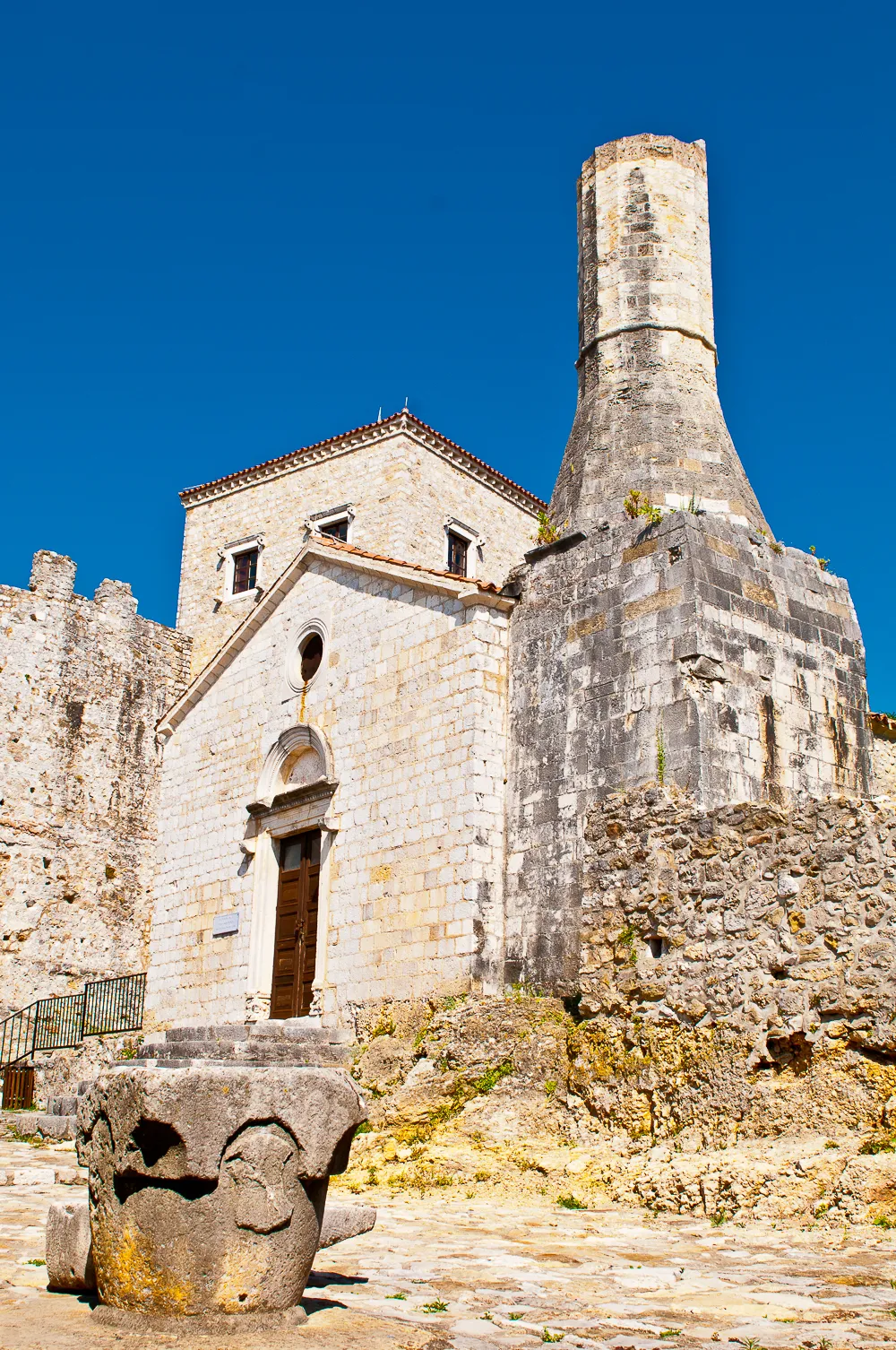
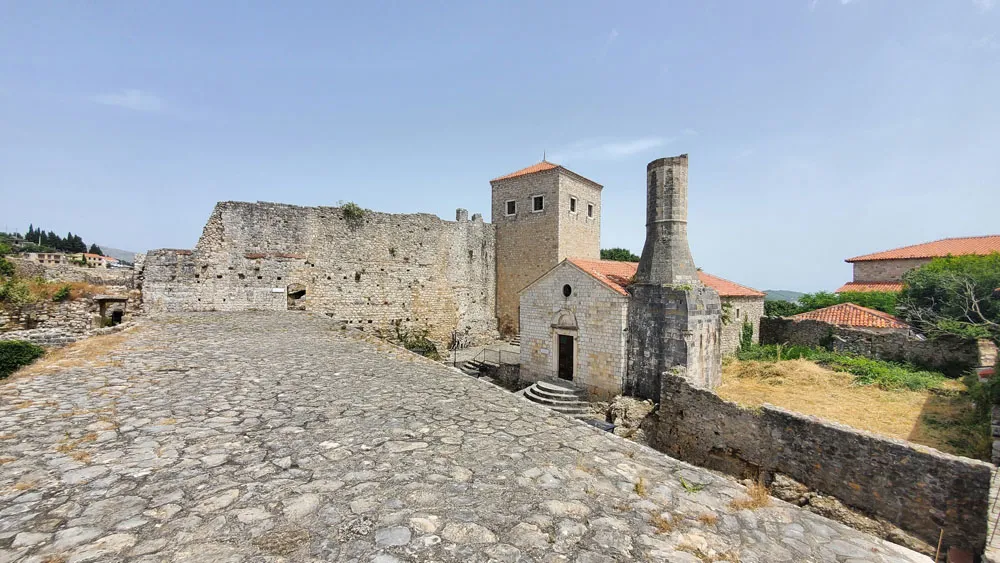
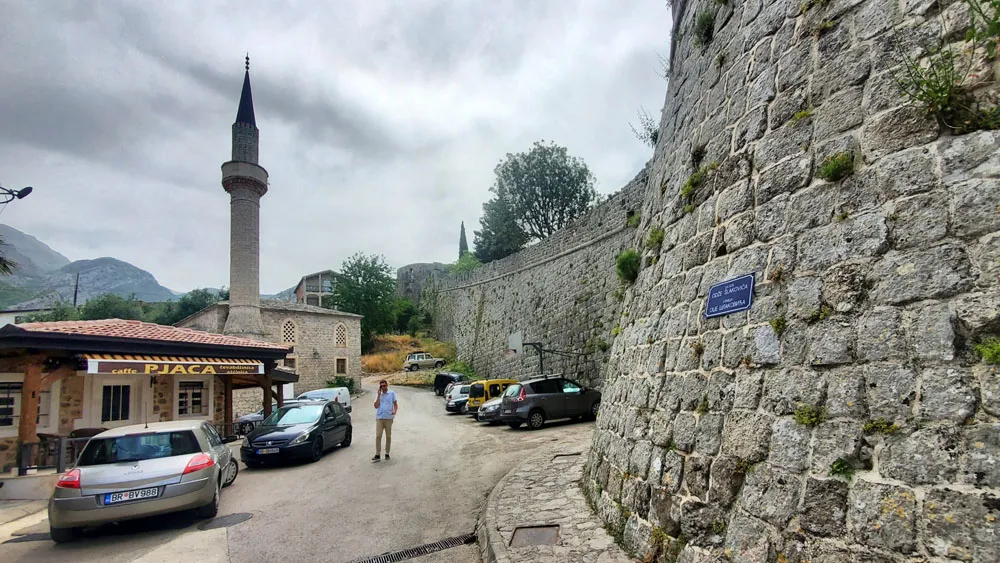
After wandering the empty narrow streets among the empty little restaurants of the fortress, find a sister of our Kamianets – the Church-Mosque of St. Mary. Built in 1510 as a Catholic church, of which a Gothic rose window above the main entrance and remains of fresco painting have survived, it was turned into a mosque in 1693. A minaret was added, one of the exits was walled up, and four windows were cut in the façade. Today it works as a local history museum.
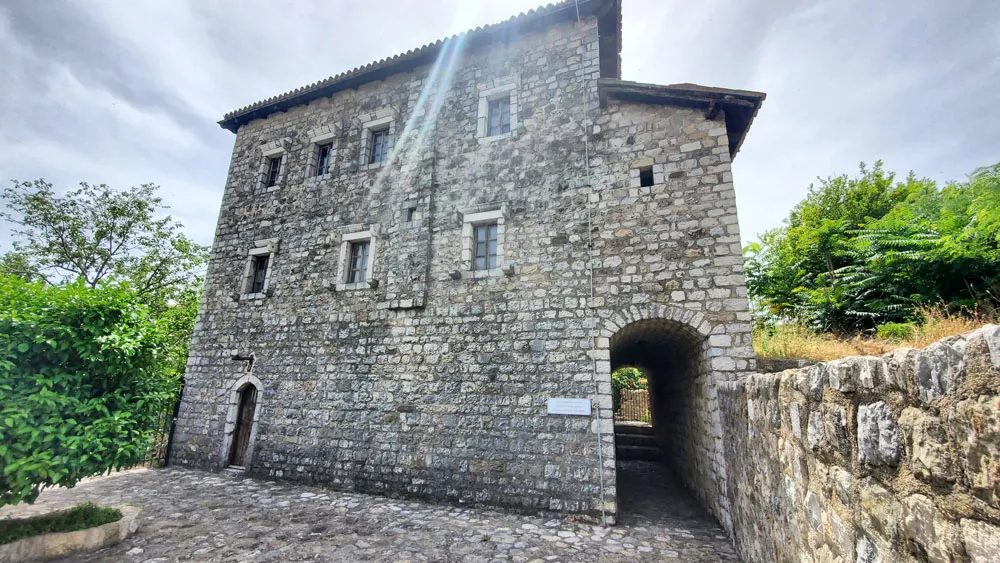
Next to the former church stands the Balšić Tower of the first half of the 15th century. It is hard to believe, but for a long time it was the tallest building in Ulcinj. The Balšić family, who ruled the Montenegrin lands around Shkodër, chose Ulcinj as their capital. Later, when the town was captured by the Ottoman Empire, the Turks added a third floor to the tower.
Not far away is a drinking-water fountain built by the Turks in 1779 and the Square of the Slaves. In the 17th–18th centuries the largest slave market was located here – pirates from Malta, Algiers and Tunis sold their “living goods” here. In most cases people were abducted for ransom. The slaves were not forced to work, but only held in captivity while waiting for money.
Text and photos by Serhii Shcherbii
Further photos by Roman Malenkov.