

Could Andriivskyi Descent lose the Jewellers’ Estate? (photos)
The Jewellers’ Estate on Andriivskyi Descent is under threat. This is reported by Typova Kyivshchyna.
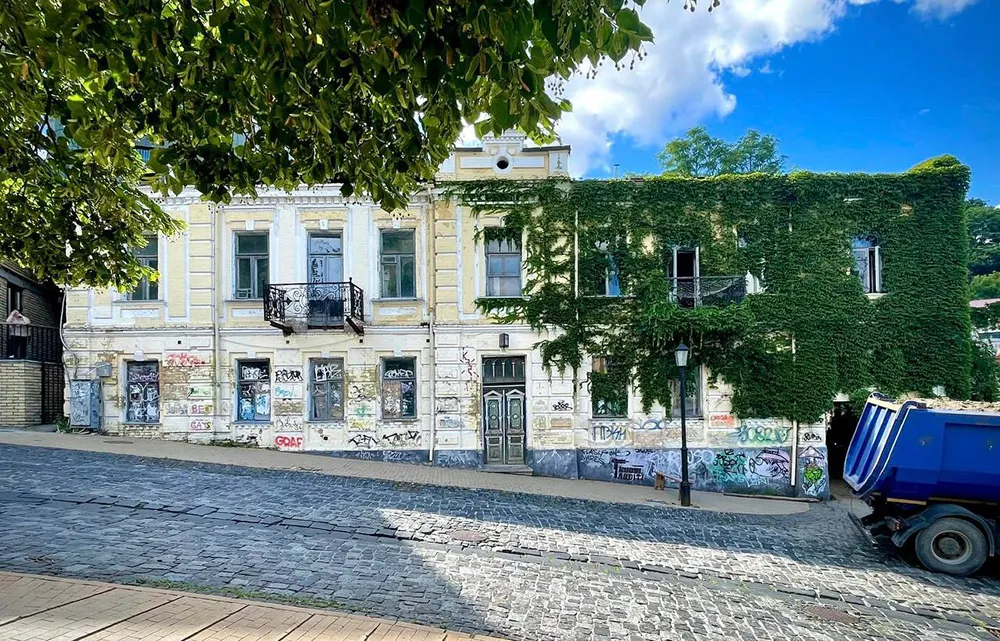
Because of new construction, an estate that was a centre of religious art in the late 19th and early 20th centuries is under threat.
In the 1980s and 1990s, 18 Andriivskyi Descent housed artists’ studios. Many artists worked here, but more than ten years ago the estate was privatized. Since then it has stood empty and fallen into decay.
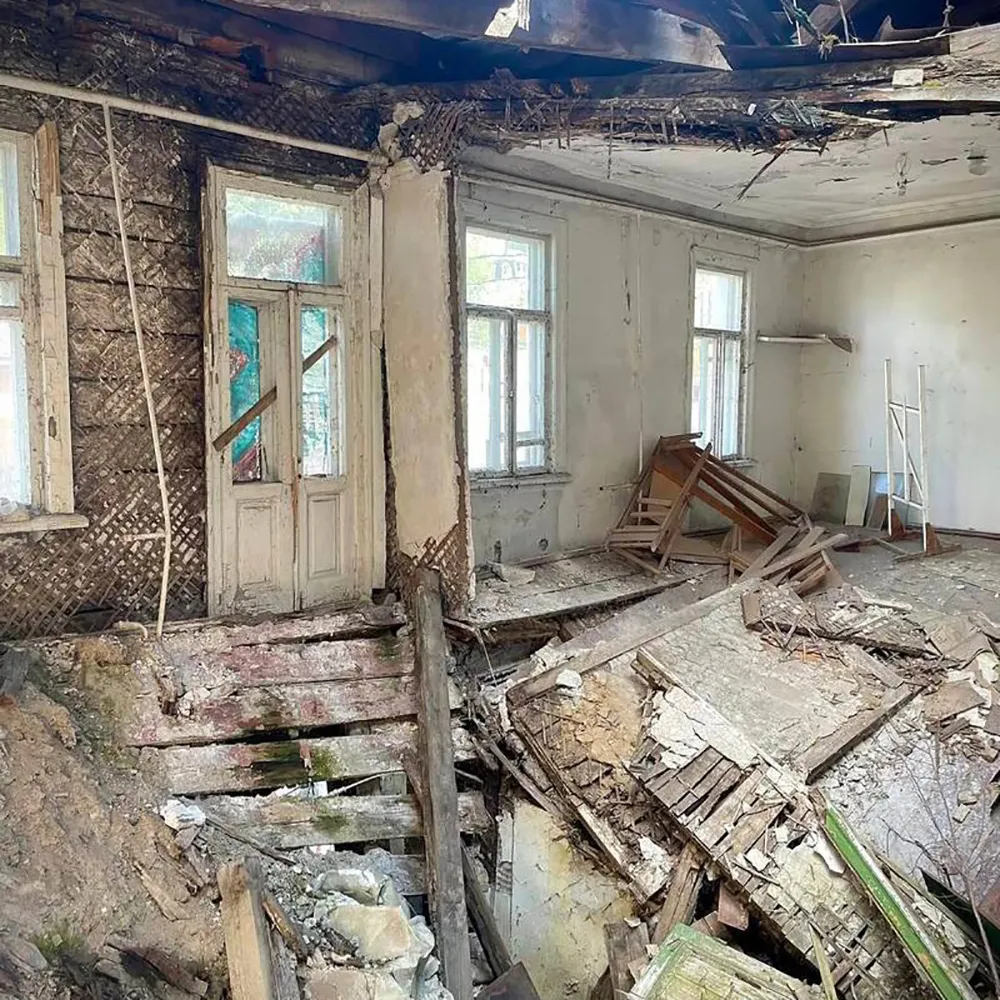
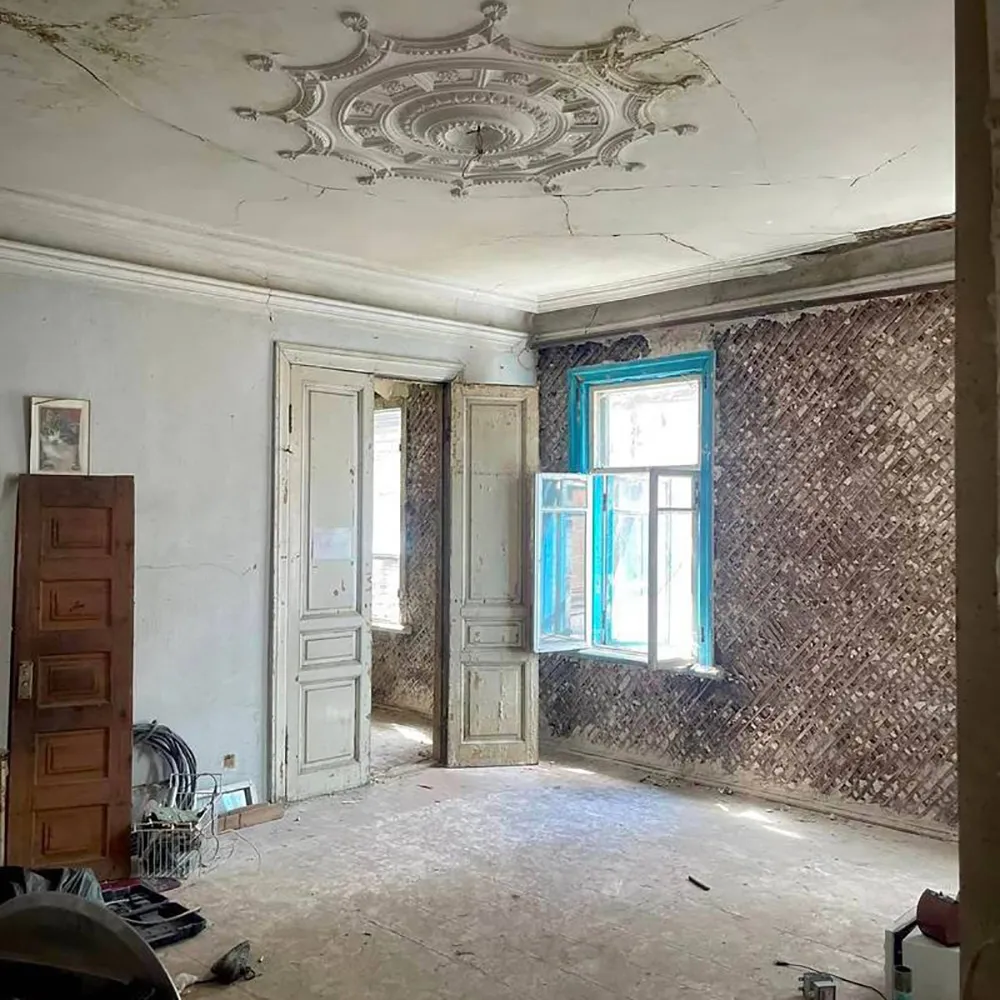
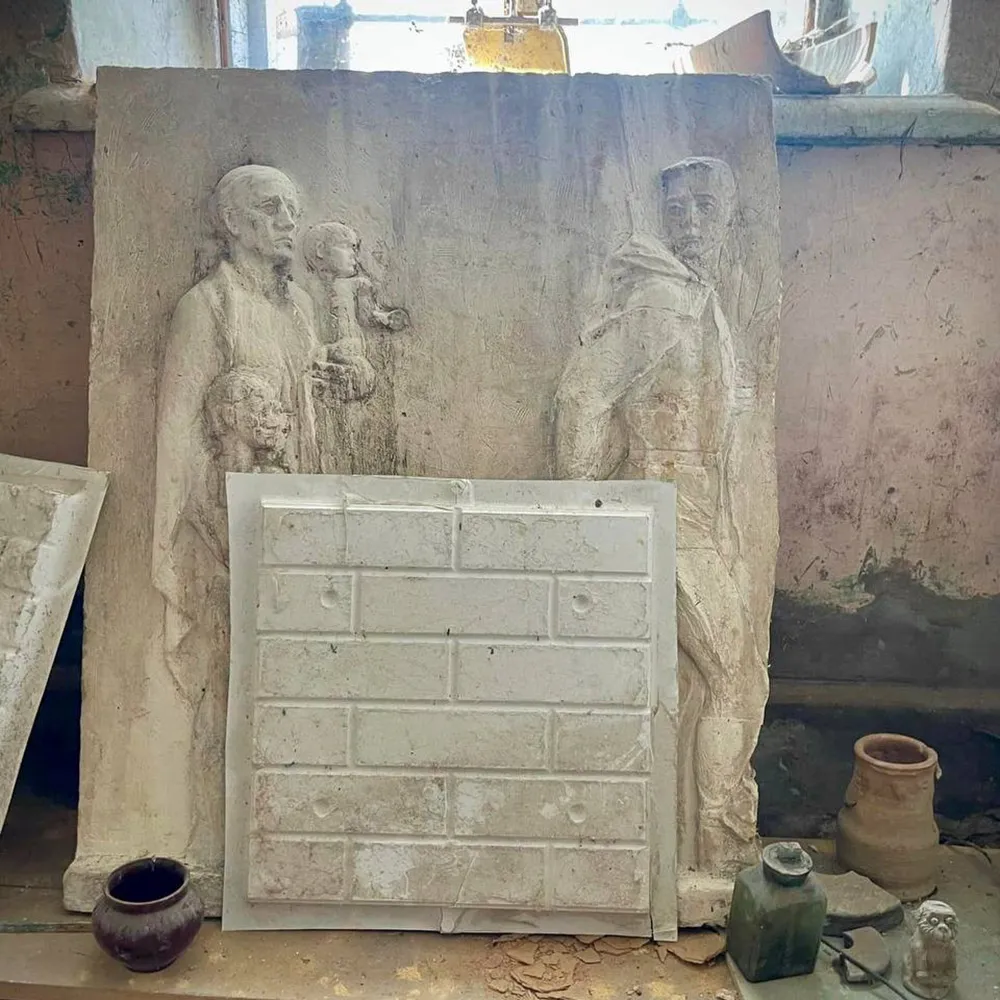
The facade of the main building is covered with graffiti and partly overgrown with ivy. The inner courtyards are in a neglected state; building materials are stored in them or rubbish is simply left there.
This spring Ukraina Incognita already reported that the Jewellers’ Estate might be destroyed.
Historical background from “TyKyiv”
In 1879 the estate was bought by collegiate secretary Yakiv Moshchynskyi, who built a two-storey wooden house here. Because of debts he sold the property to the spouses Ivan and Kseniia Yaroslavskyi, who added a two-storey wooden outbuilding on the estate’s upper terrace (it is now completely destroyed).
Ivan Yaroslavskyi owned a workshop making jewellery and church utensils. In 1885 he died, and his widow’s new husband and the heir to the business became Yaroslavskyi’s former journeyman Yosyp Rebionok. He developed the business, became a merchant of the second guild, and fulfilled orders for church sacristies and even for the Kyiv Pechersk Lavra.
In 1891 Kseniia Rebionok commissioned an extension to the estate’s main house, and at the same time a narrow two-storey outbuilding was built on the lower terrace. On the upper terrace, two brick ones were added to the old wooden outbuilding in the early 20th century.
These outbuildings mostly housed workshops with living quarters for journeymen. The main house contained apartments, whose residents included many painters. Among them was Hryhorii Vyhurov (in 1906–1909), who took part in painting churches in the capital and was one of the founders of the Society of Religious Artists. The society itself was located next door, at estate No. 22.


