

Bilokopytove

· 2 min read
Everyone knows about the Tereshchenkos. No, not quite: most of those who visit this site know about the Tereshchenkos. The most famous sugar magnates, multimillionaires, and at the same time patrons of the arts and philanthropists. The whole vast empire of the Tereshchenkos had to be managed efficiently and competently. The village of Bilokopytove, as well as neighbouring Zarutske and Naumivka, which is now part of Bilokopytove (all near Hlukhiv), is closely connected with the life and work of Petro Vilhelmovych Bek, chief manager of the Tereshchenkos’ enterprises in the Hlukhiv district, manager of the sugar refinery in Khutir-Mykhailivskyi, the paper mill in the village of Nekrasove, the flour mill in the hamlet of Pavlivka and the distillery in Chuikivka, and of the chalk works in Naumivka, a state councillor. In 1872 P. Bek served in the Hlukhiv city duma and became a trustee of the Hlukhiv orphanage, the hospital of St. Euphrosyne and the Hlukhiv three-grade city school.
The village of Bilokopytove lies on the right bank of the Klevan river and has been known since the 19th century. The basis of the present village was the village of Naumivka, also known from the early 19th century. In the early 20th century the villages were united, and the union of the two settlements came to be called Bilokopytove.
bilokopytove
Petro Bek was not only a manager for the Tereshchenkos but, as a landowner, himself owned 865 desiatinas of land in Zarutske, as well as separate enterprises. Together with the landowner Radchenko, in 1862 they founded a lime works in Zarutske, which processed chalk from the neighbouring rich deposits called the “chalk mountains”. Another landowner, Ivan Dochevskyi, opened a similar works in Naumivka, but while he later, in 1895, sold his works to the merchant Izrail Abramovych Yanpolskyi, Bek and Radchenko leased theirs to him. Development of the chalk quarry began as early as the turn of the 18th-19th centuries under the landowner Serhii Derhun, but without such scale; there were only a few kilns for burning lime.
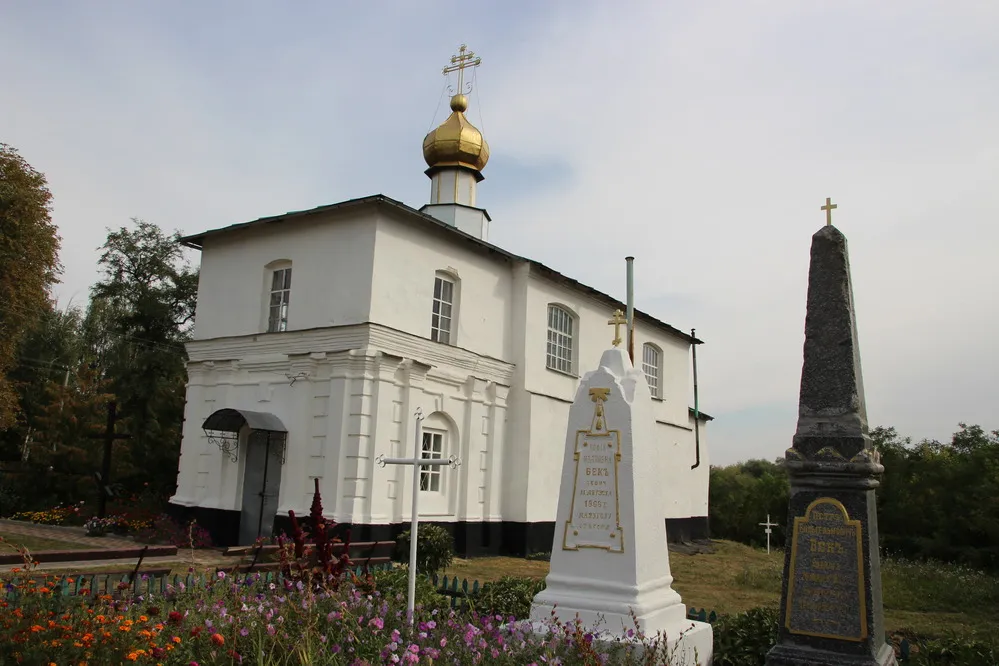
Petro Bek was married to Sofia Ivanivna. They lived near Bilokopytove, in the village of Zarutske. At 25 his wife died in childbirth. She was buried near the Church of the Intercession in Bilokopytove. Bek married a second time, to Kateryna Kuksyna, a niece of Mykola Tereshchenko. Bek died in 1992 and was buried next to his first wife. Their graves have survived to this day.
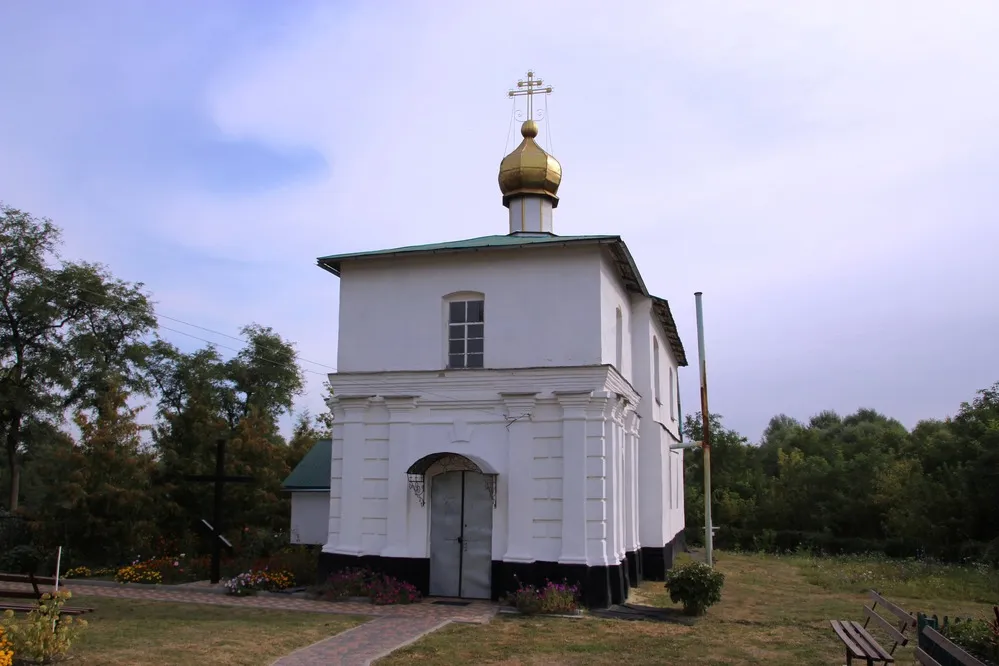
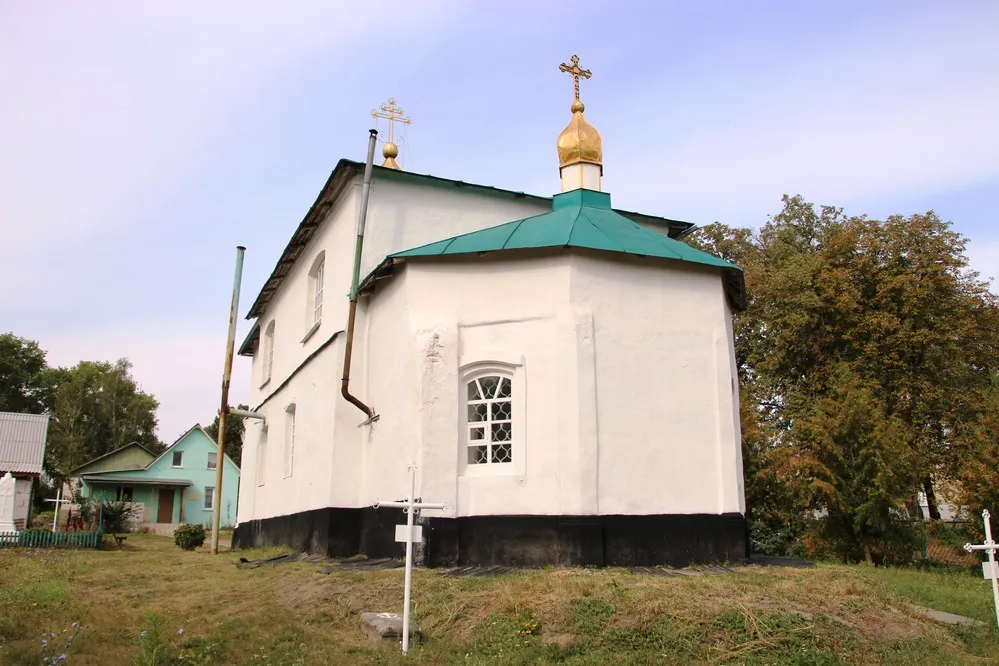
The Church of the Intercession in the village was built in 1737-1741 and rebuilt several times; in Soviet times it lost its domes, but was restored and is currently active.
Text and photos by Ihor Dorozhko and Maksym Nazarenko.


