Chernechchyna. Sugar factory

· 2 min read
The village of Chernechchyna was founded in the second half of the 17th century on the bank of the Konopelka River, a tributary of the Syrovatka (what names they knew how to give – you can almost picture a river with jelly banks), by monks of the Sumy Dormition Monastery on lands granted to them. Hence the name – from the monks, or chernets. At first it was a small farmstead that was called just that – Chernetskyi Khutir.
According to the census of 1732, there were 19 houses in Chernetskyi Khutir with 69 people living there, and next to it, in Troitskyi Khutir, lived 42 people. This too was a monastic settlement. Later the farmsteads merged into one village.
There were two churches here: St. Nicholas Church, from 1743–1745, and Trinity Church, from 1790. The Trinity Church, which was probably on the territory of the former Troitskyi Khutir, lasted until 1830 (what exactly happened is unclear; some sources write that it fell victim to a conflict with the authorities), and St. Nicholas Church was razed to the ground by the Bolsheviks.
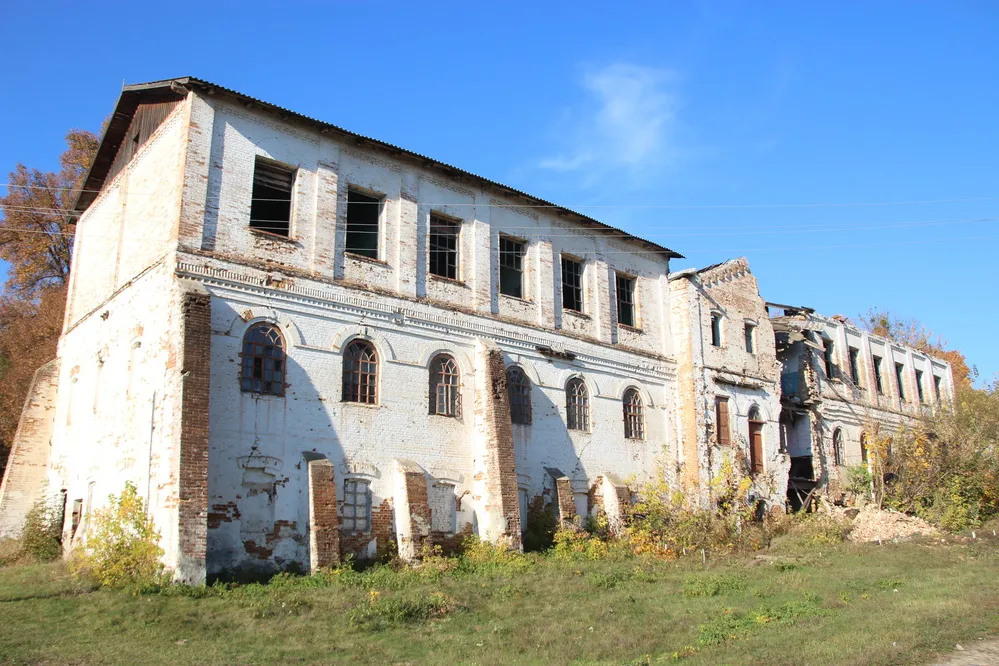
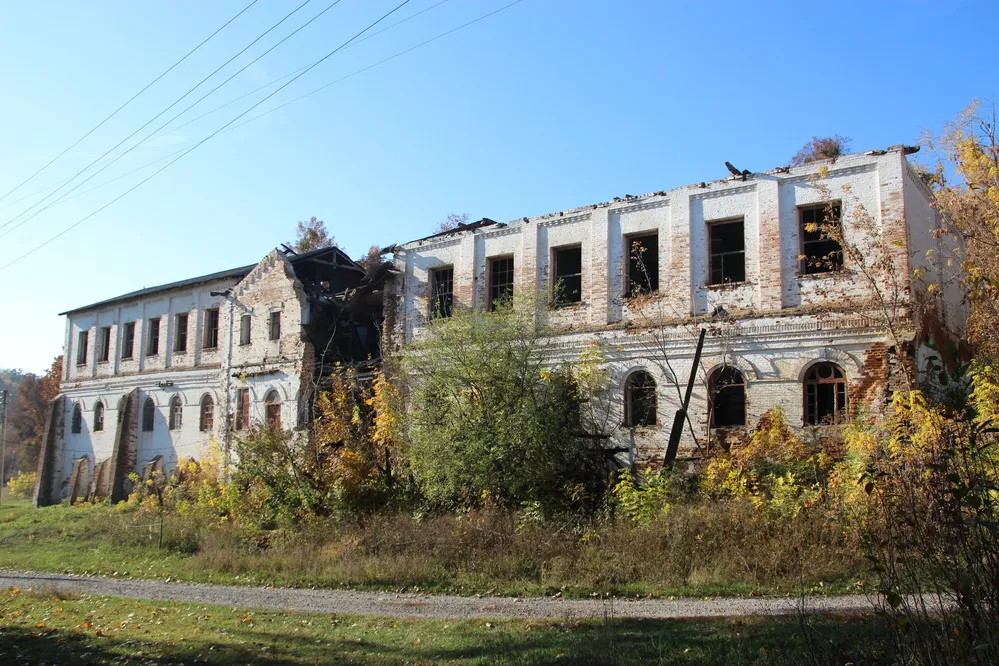
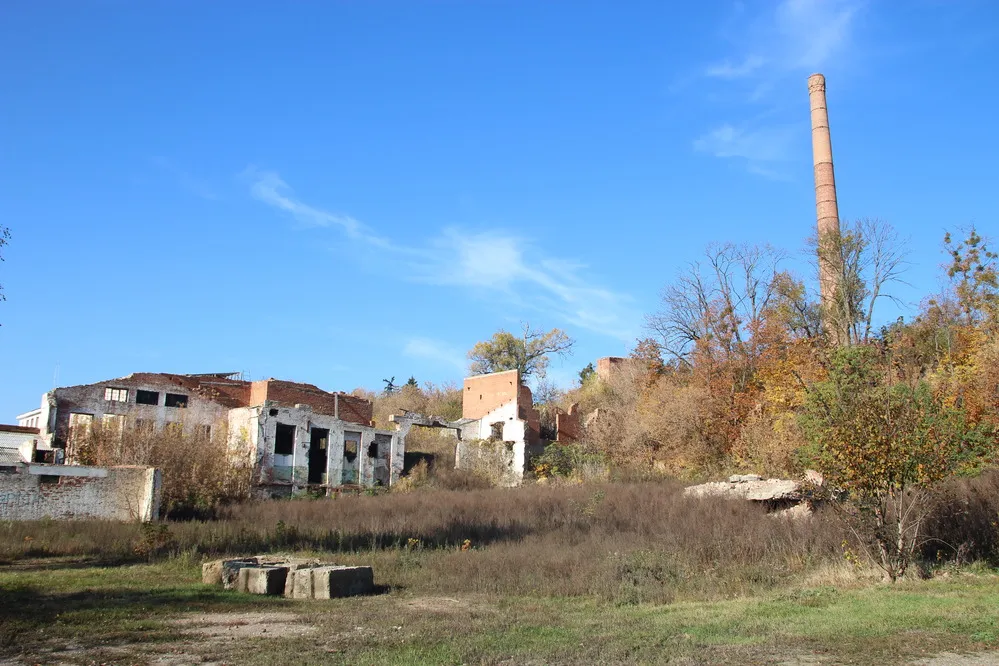
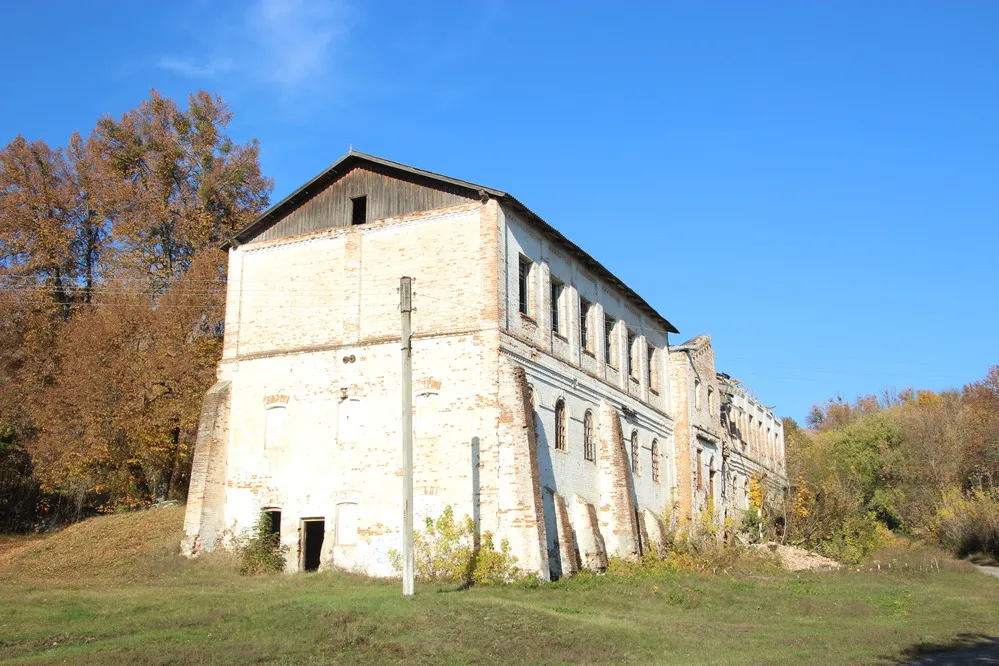
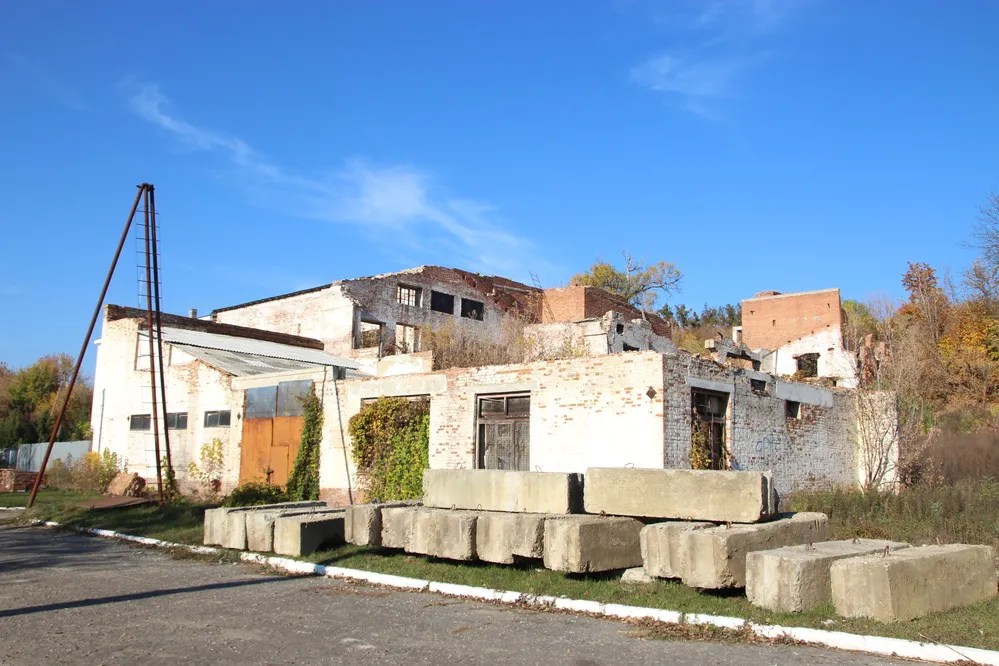
In 1851 Baron Miller Zakomelskyi opened a sugar factory in the village on the site of an old distillery, with a capacity of 1,000 centners of beets per season. By 1866 the factory not only produced its own sugar but also processed it into refined sugar, and a railway line had been laid to it. Later the factory was bought by a German from Reval, a first-guild merchant, Otto Weisse, and 209 people worked at the factory.
Like most sugar factories, in the early 2000s the factory went bankrupt and was liquidated. And this in its jubilee 150th year. Every year the former factory with its old buildings falls further into ruin; the equipment was cut up for scrap metal, and the bricks of the buildings are taken by anyone who likes. As the factory was, as they say, the town-forming enterprise for Chernechchyna and the neighbouring village of Hriazne (in our case, the village-forming one), without it the village, sadly, also began to wither and decline.
Text and photos by Maksym Nazarenko, Oleh Hodyna and Ihor Dorozhko