

Chernechi springs

· 2 min read
If you drive from Hlukhiv towards Shostka and, about halfway to the village of Bereza, turn left, you will reach the so-called Chernechi springs, a hydrological monument in a protected forest zone that feed Lake Chernecha Hreblia, or Chernechchyna. The lake used to be much larger and washed Hlukhiv on the north-western side. The name Chernecha Hreblia comes from the dam on which the mills of the Hlukhiv women’s monastery stood. The springs themselves have been known for a very long time; it is said that Prince Ihor Sviatoslavych of Novhorod-Siverskyi once drank their water.
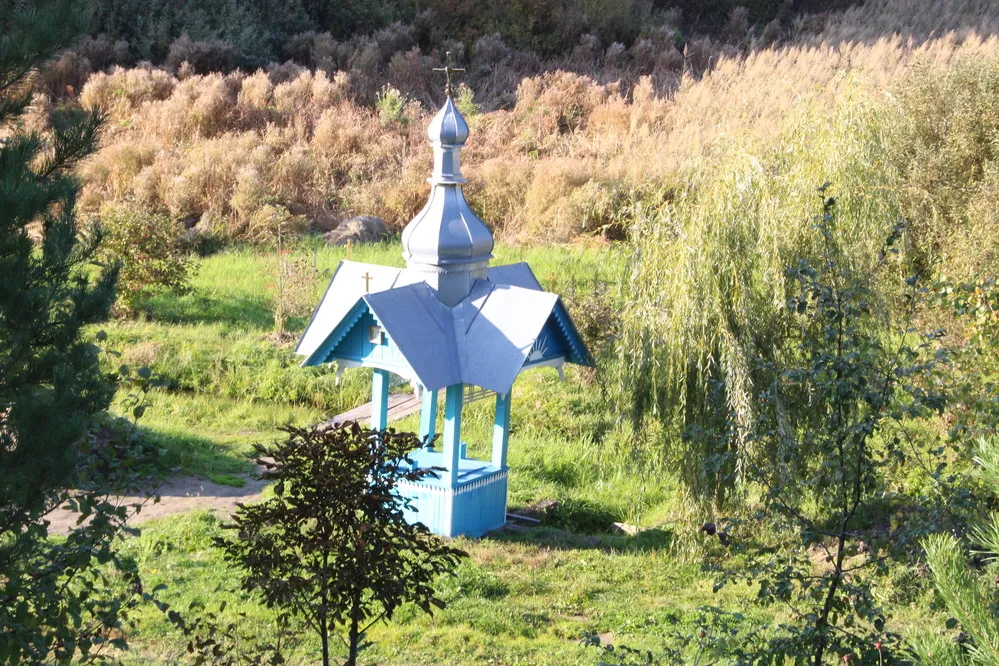
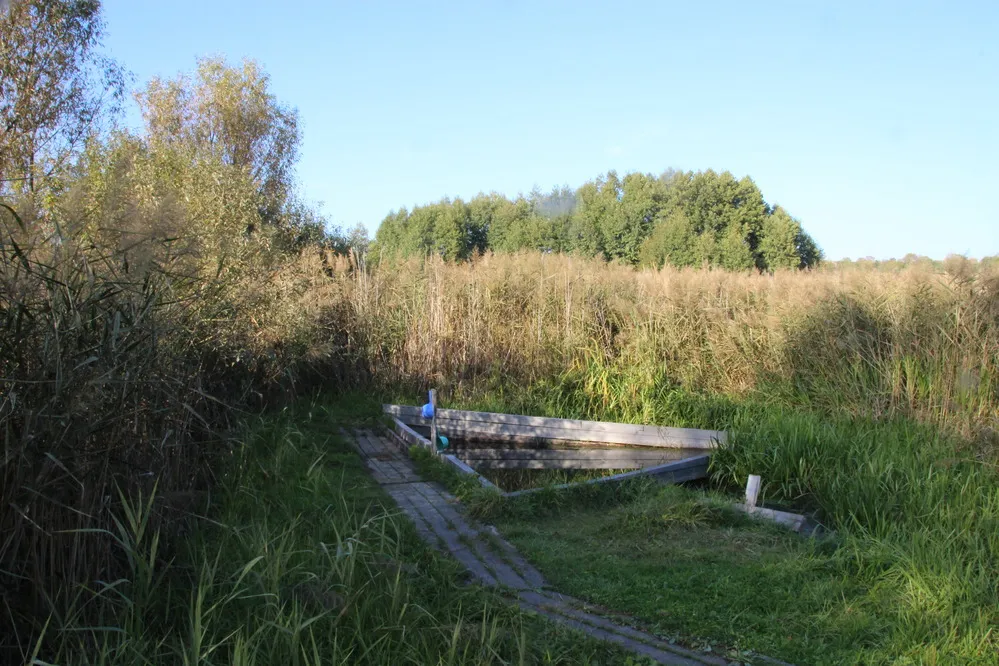
Thirteen springs have been counted here, five of them developed, and the water of each, they say, has its own chemical composition and is unlike the others. The springs are considered healing, treat various diseases, and each has its own name. The largest is named after the miraculous icon of the Smolensk Mother of God (there is a copy of it here; they say that when cholera raged in Hlukhiv, the icon helped drive the plague away), then the most popular, named after the Holy Trinity. Next to it is a small well in honour of Faith, Hope, Love and their mother Sophia. Then come the “Life-giving Spring” and the one fitted out as a well, of Saints Joachim and Anna.
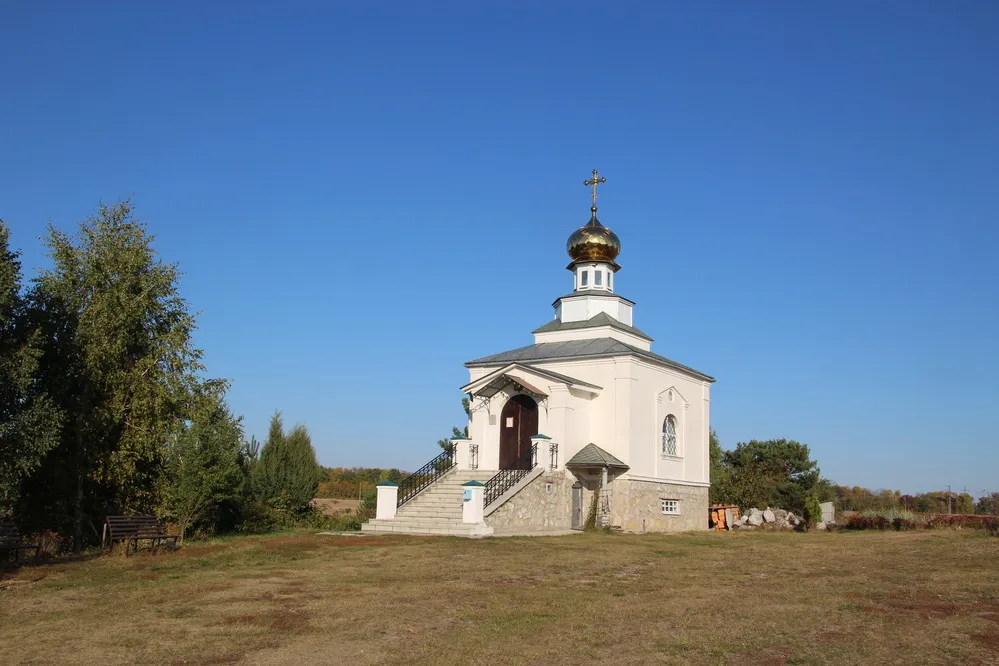
Near the Chernechi springs a chapel-church was built in honour of the Hlynsk icon of the Nativity of the Most Holy Mother of God. Its dome can be seen from the road. Services are held in the church constantly, and baptisms and weddings are performed.
Bathing facilities have been built for pilgrims, and very many people come here to pray and be healed, both in winter and in summer. They come as whole families, together with children. The popularity of this place can be judged by the fact that in 2008, during the construction of the church, the procession to the springs numbered more than 3,000 believers.
Text and photos by Ihor Dorozhok, Oleh Hodyna and Maksym Nazarenko.


