

A member of the “Ukraine Incognita” team investigates the turbulent biography of the Podolian “King of the Illuminati”

· 3 min read
From Ruslan Khalikov’s publishing house a historical study devoted to the famous mystic from Podolia, “Tadeusz Grabianka, King of the Illuminati”, by Dmytro Poliukhovych, a member of the “Ukraine Incognita” team, will soon be published.
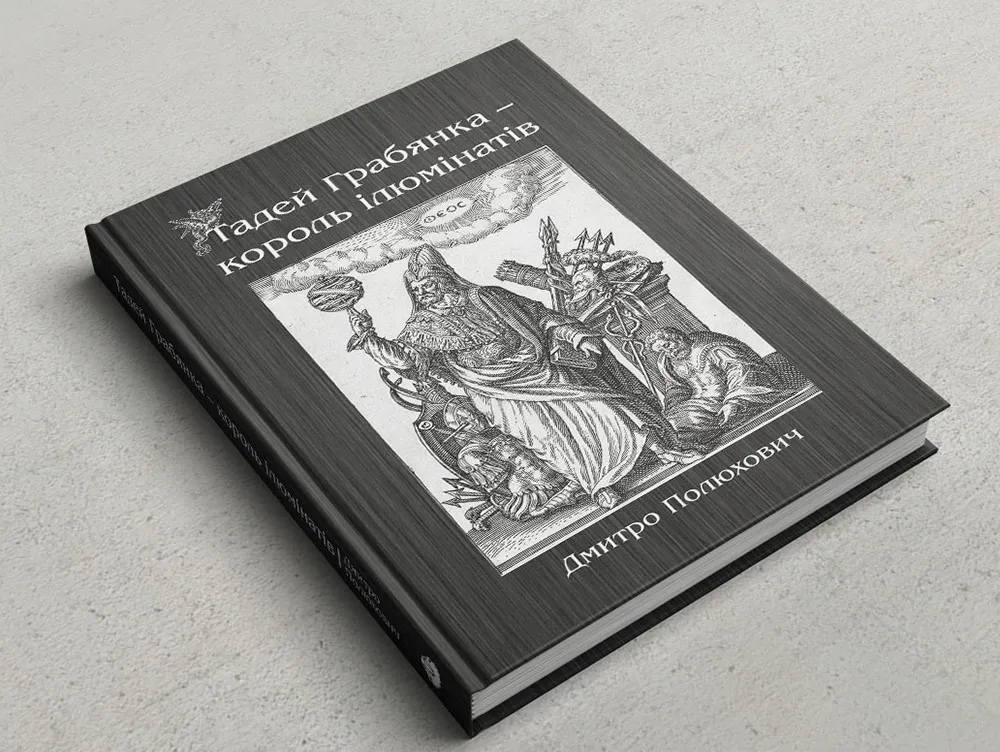
The Podolian nobleman Tadeusz Leszczyc Grabianka is one of the few 18th-century historical figures connected with Ukraine to whom dozens of serious academic works and hundreds of popular-science publications around the world have been devoted. And no wonder! It is enough to recall that even at the beginning of the 20th century a number of respected researchers of Masonic and occult societies expressed sincere conviction that the famous Count Cagliostro and the Podolian Grabianka were one and the same person!
Grabianka became the creator of a unique para-Masonic community, the Illuminati of Avignon (also known as the “New Israel” or the “People of God”), which had a huge influence on the esoteric and occult thought of Europe at that time.
Grabianka managed to combine Swedenborgianism, esotericism, Hermeticism, theurgy, Kabbalah, spiritualism, alchemy, arithmomancy, “communication” with angels, Catholicism and more into a single harmonious system that had no analogues either before or after him.
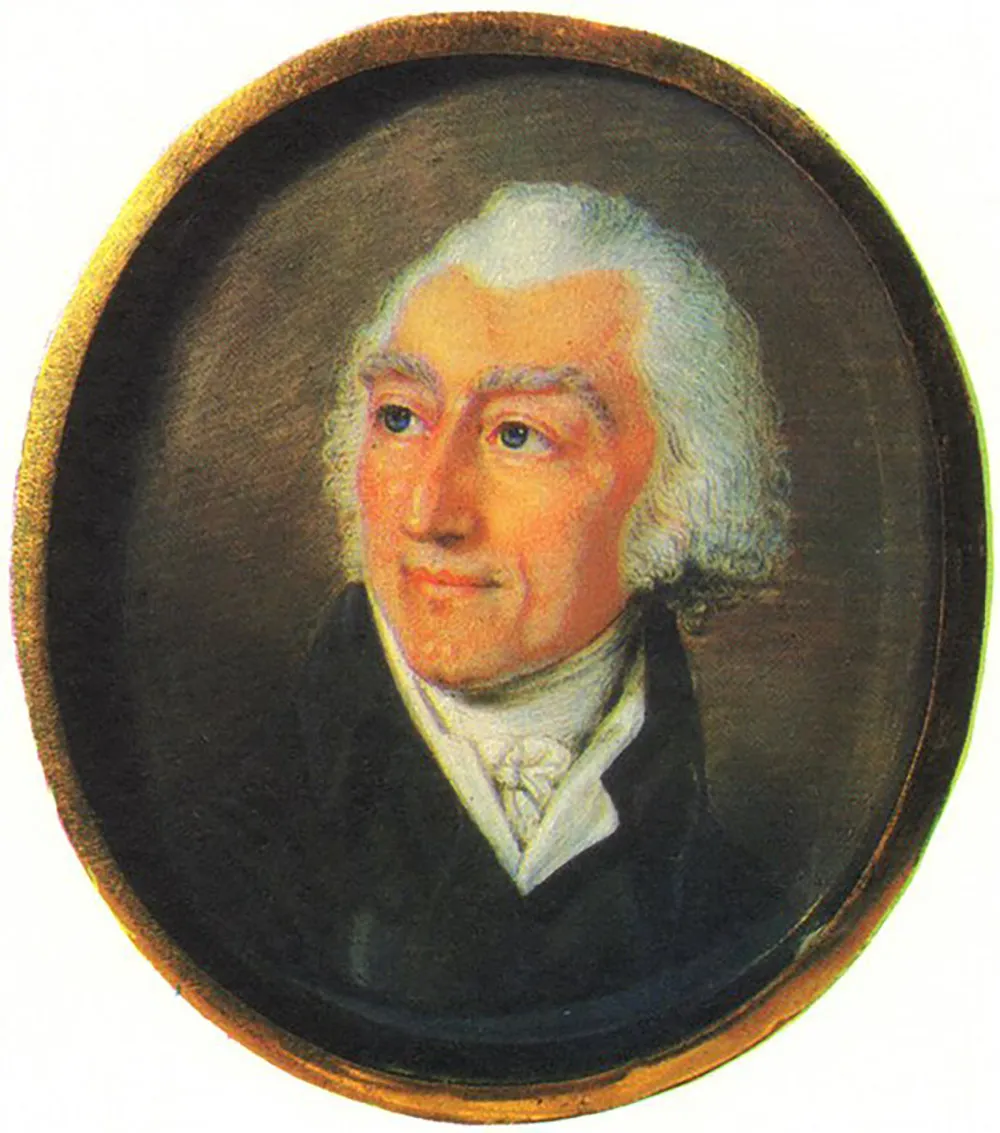
Tadeusz Grabianka
As befits any respectable prophet, the King of the People of God was tormented to death by the “kings of the earth”. On the personal orders of the Russian emperor Alexander I, Grabianka was thrown into the casemates of the notorious Peter and Paul Fortress, where he died mysteriously (most likely from poison).
An irony of fate and a quirk of History. Soon after the prisoner’s death, not without the involvement of adepts of the “People of God” in the emperor’s inner circle, the Russian tsar himself fell under the influence of the ideas professed by the Podolian he had tormented to death. These ideas largely shaped Alexander I’s mystical worldview and became the basis of the “Holy Alliance” of all European monarchs that he initiated.
Under the aegis of this first international security structure in the world, Europe lived for almost half a century, from 1815 to 1853…
Despite the considerable interest in the figure of Tadeusz Grabianka around the world, he is practically unknown in Ukraine. We have a short Wikipedia article and a few dozen passing mentions in amateur local-history publications, often far from the truth. This book is the first fundamental attempt to bring Grabianka back to his Homeland.
An interesting fact and a mystical coincidence. When the book was practically written, within the project “Graves of Ancestors”, launched by the NGO “Ukraine Incognita” and headed by Oleh Fedorov, head of the department of culture, nationalities, religions and tourism of the Horodok City Council, Khmelnytskyi Oblast, under the patronage of the mayor of Horodok, Neonila Andriichuk, a relic was discovered connected with the so-called “Grabianka’s curse”.
Which curse is meant, and what this relic is, can be read in the study.
Recall that this project involves research on the old necropolises of the Horodok area (Ukrainian, Polish and Jewish). The aim is to study and show the vivid multinational and multi-confessional history and culture of Podolia, which should promote harmony in Ukrainian society and the preservation of historical heritage.


