Why short city breaks became the main holiday format in 2026
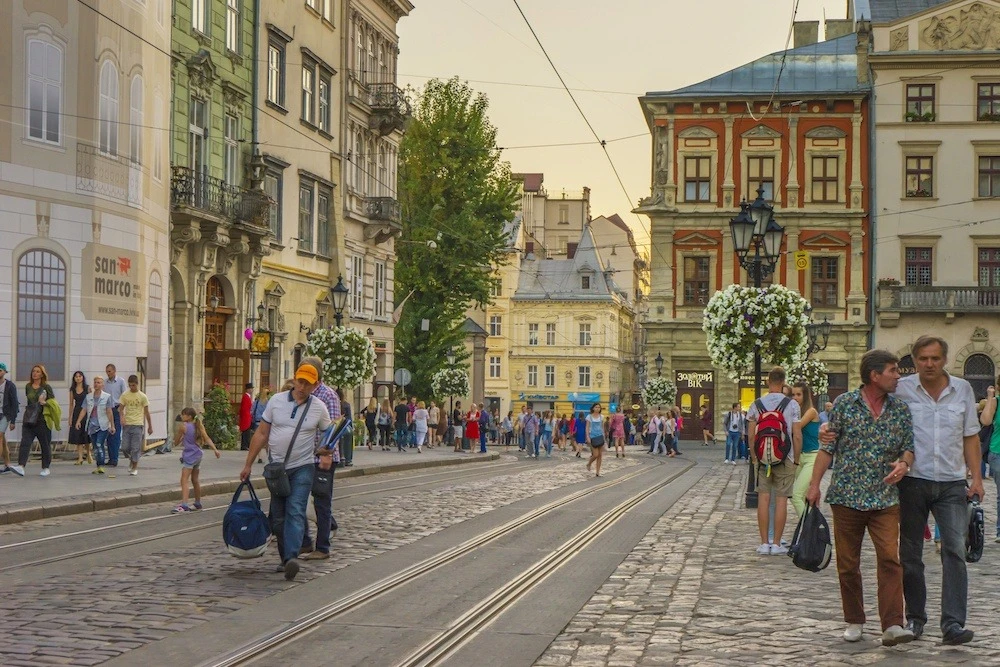
In 2026 the rhythm of life dictates new rules of rest. More and more travellers choose short city breaks to recharge quickly. In particular, a stay in the centre of Lviv at a premium-class hotel has become a popular choice for those who want to combine comfort and cultural enrichment without a long holiday. This approach lets you get vivid impressions in two or three days and return to work with fresh energy.
The accelerating pace of modern life
Modern people are constantly under pressure from daily tasks, hybrid work and information noise. Long holidays are often postponed for lack of time or money. That is why short weekend trips have become a natural and convenient solution.
They let you break away from routine without disrupting your work schedule. It is enough to take Friday off at your own expense, and by Saturday evening you can be in another city, then return on Monday refreshed and inspired. This format is especially valued by IT specialists, marketers and entrepreneurs, for whom schedule flexibility is key.
The affordability of short escapes
In 2026 the prices of long trips rose because of inflation and logistics factors. A weekend in another city, by contrast, costs much less. Train tickets, two nights in a hotel and a few restaurant visits fit a modest budget. Many people now choose four or five short trips a year instead of one big holiday, getting more emotions for less money.
The psychological benefits of quick recovery
Short city breaks have a positive effect on mental health. Even 48 hours in a new environment reduce stress levels and improve concentration. Psychologists confirm that regular micro-holidays fight burnout more effectively than waiting for a long trip once a year. New impressions, walks along unfamiliar streets, a change of scenery and local cuisine give a feeling of real rest and help restore inner resources.
Lviv: the ideal city for a short trip
Lviv particularly attracts lovers of urban adventures. The compact historic centre, cosy cafés, unique architecture and numerous cultural events let you spend just two or three days in a richly packed way. Here it is easy to plan a route so as to see everything of interest over a weekend: morning coffee on Rynok Square, visits to museums, walks in parks and getting to know the local gastronomy. Lviv combines the calm of old streets with the lively atmosphere of a modern city, so it remains a favourite for short trips.
The role of technology and the environmental aspect
Smartphones and artificial intelligence have reduced planning to 15 minutes. Apps themselves suggest optimal routes and book tickets and hotels, taking into account the weather and preferences. In addition, short trips fit the trend of sustainable development: people more often choose a train or bus instead of a plane, which greatly reduces the carbon footprint. This approach matters to conscious young people and middle-aged people who care about the planet’s future.
The social side of short trips
Another important aspect is the chance to spend quality time with loved ones or friends. Short trips are easier to fit around several people’s schedules, so they often become shared weekends. This strengthens relationships, creates shared memories and helps you switch off from daily duties. Many families and groups of friends note that such trips have become a tradition that makes life brighter.
Summary: a new standard of quality rest
Short city breaks in 2026 have stopped being a compromise: they have become the best holiday format for modern people. They combine savings of time, money and resources with a powerful emotional effect, support for mental health and care for the environment. Regular weekend trips help maintain a balance between work and life, making every week a little brighter and richer.