Gear for long routes: what affects comfort on multi-day riding and hiking trips
On a route lasting many hours, comfort is made up not of a single detail but of a system: clothing, footwear, backpack and the right organization of layers. A mistake in even one element can cost not only comfort but also the energy that becomes decisive over a long distance.
The layering system: thermoregulation under load
The main principle of gear for multi-day treks is not to heat up, but to maintain a stable temperature. Three layers work together:
- the base layer wicks away moisture;
- the middle layer retains heat;
- the outer layer protects against wind and precipitation.
A common mistake is choosing clothing that is too warm. Overheating leads to sweating, and damp fabric quickly chills the body when activity slows down. That is why it is important to use materials that “breathe” and dry quickly.
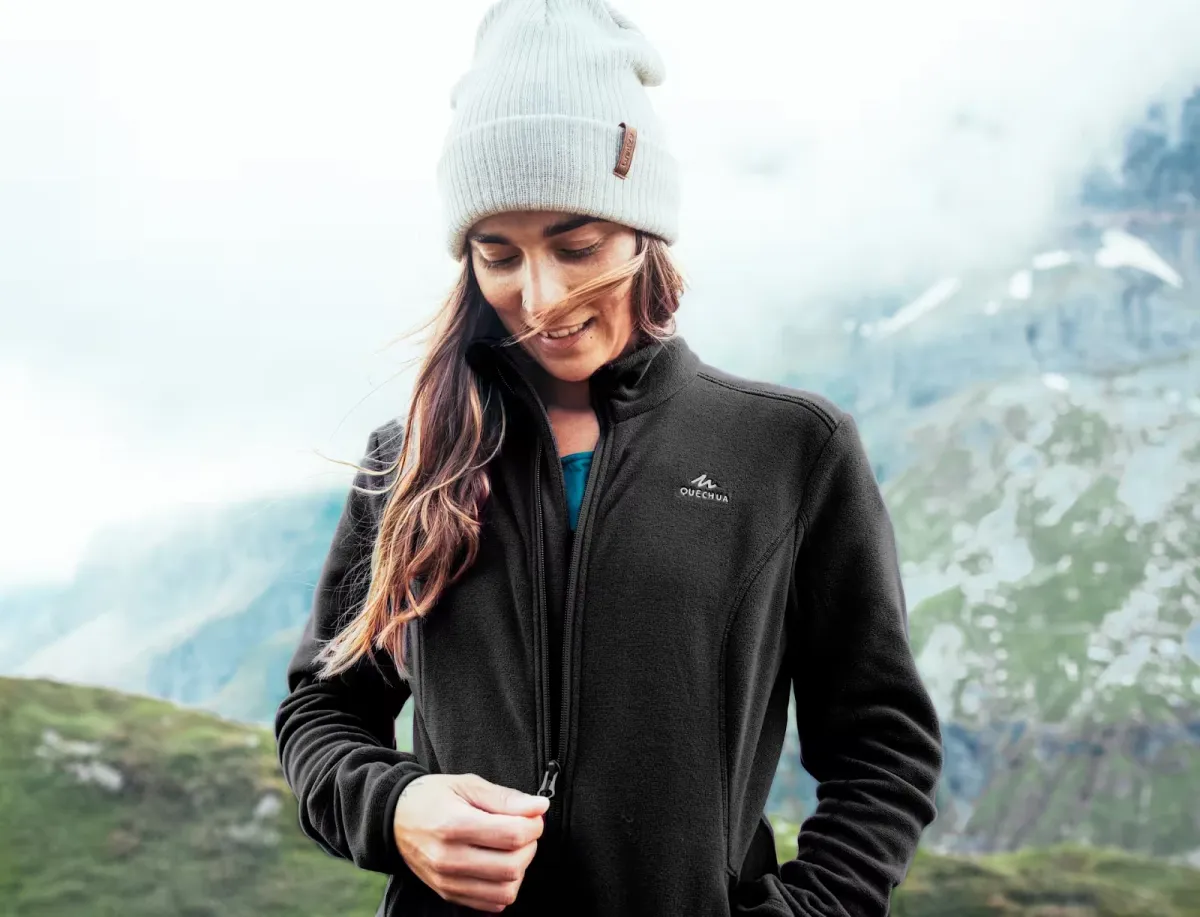
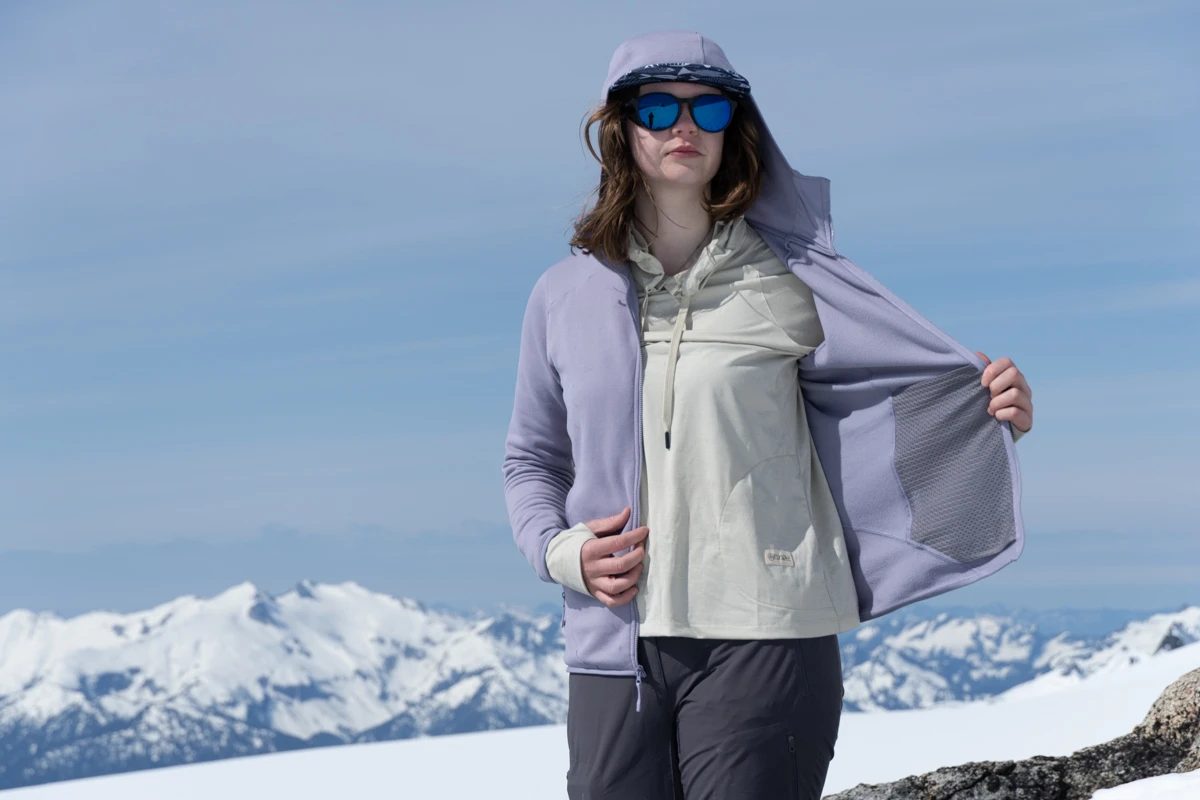
In this case the optimal middle layer is a fleece jacket: light, stretchy, it keeps you warm even when wet and does not restrict movement. Fleeces come in different densities: thin models suit daytime treks, denser ones are better for overnight stops and windy passes.
Movement, ventilation and protection
While riding or trekking it is important to be able to adapt quickly to changes in weather and pace. Gear should “work” without constantly having to take layers off or put them on. Adjustable zips, ventilation inserts and multi-zone materials, where the fabric density differs in different areas, help with this.
Before setting off, it is worth checking how convenient the zips and drawcords are to use while wearing gloves and a backpack.
What to consider when preparing for multi-day treks:
- the weight and packed volume of the clothing;
- how quickly the fabrics dry;
- compatibility of the layers when worn together;
- the placement of seams and hardware under the backpack straps;
- the resistance of the materials to abrasion and moisture.
These parameters matter more than colour or brand: they determine how effectively the gear will cope with changes in terrain and climate.
Practical solutions for active days
On routes where the temperature can swing from +5 to −10, versatility becomes the main criterion. Fleece, softshell and a light membrane outer layer make up the optimal set for dynamic conditions. You can pick suitable clothing and accessories for active leisure on the website: https://extremstyle.ua/ru/catalog/vindstopery-flisy-dzhempera/filters:odejda-vindstoper=flis. There it is convenient to compare models by density and cut, to choose those that match the type of activity.
On long routes, simplicity wins. The minimum of items, the maximum benefit from each. Gear should be predictable: working equally well in cold, in wind and under a backpack. Then you can concentrate on what matters: the route, the movement and the rhythm.