Hlynsk Hermitage

· 2 min read
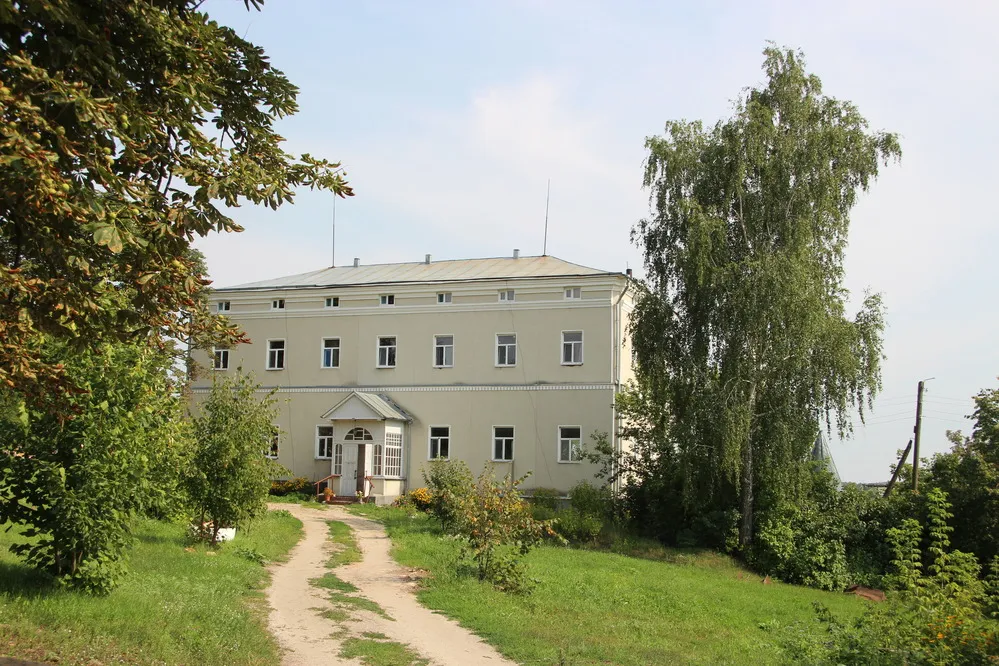
The Hlynsk Hermitage is perhaps not the most, but certainly one of the best-known monasteries in the Sumy region. It is one of the few men’s Orthodox stauropegial monasteries in Ukraine (since 1996), that is, ones subordinate directly to the patriarch rather than to local hierarchs.
The Hlynsk Hermitage, bearing the name of the Nativity of the Mother of God, is a fairly ancient monastery that has known both rise and decline, and revival.
It lies in the forests not far from Hlukhiv, or more precisely, three kilometres from the village of Sosnivka.
The monastery’s name comes from the estate of the Hlynskyi princes, on whose land the hermitage was founded, though many sources point to the year 1557.
According to legend, the monastery arose on the spot where beekeepers found a miracle-working icon of the Mother of God on a tree in the forest.
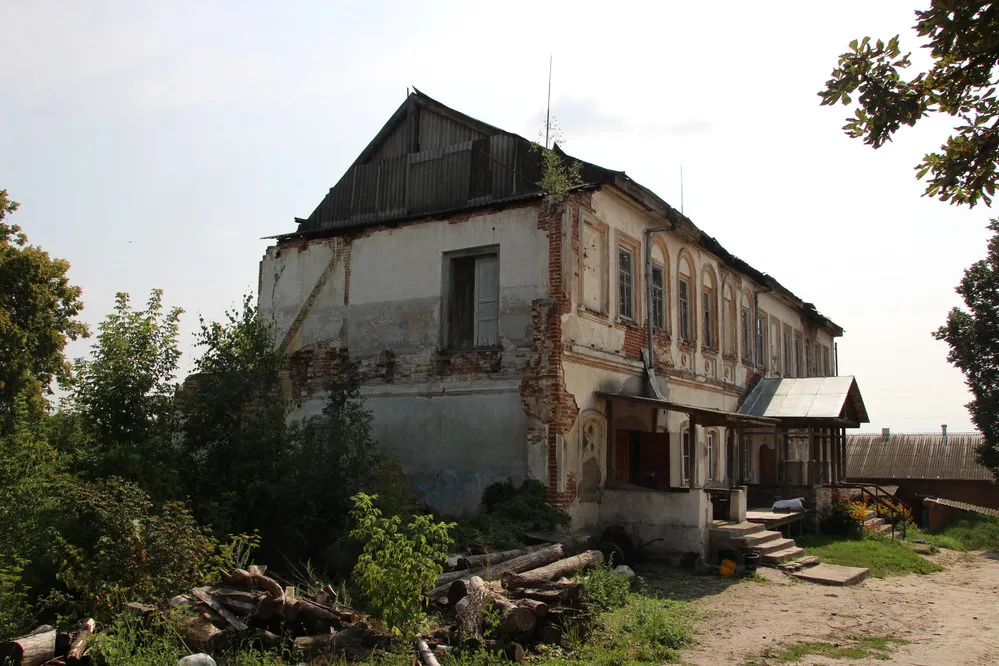
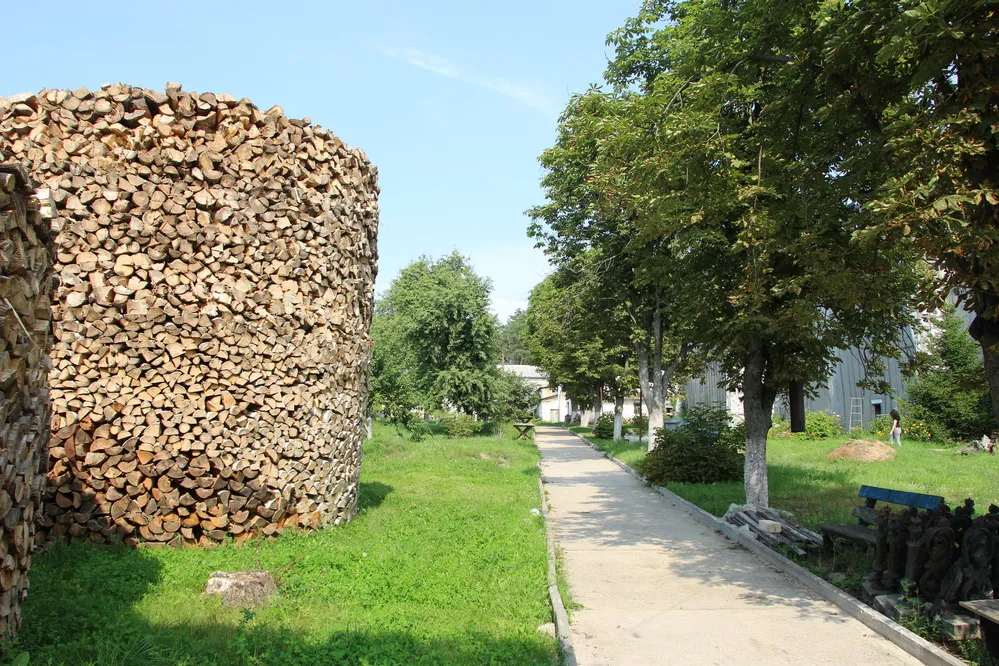
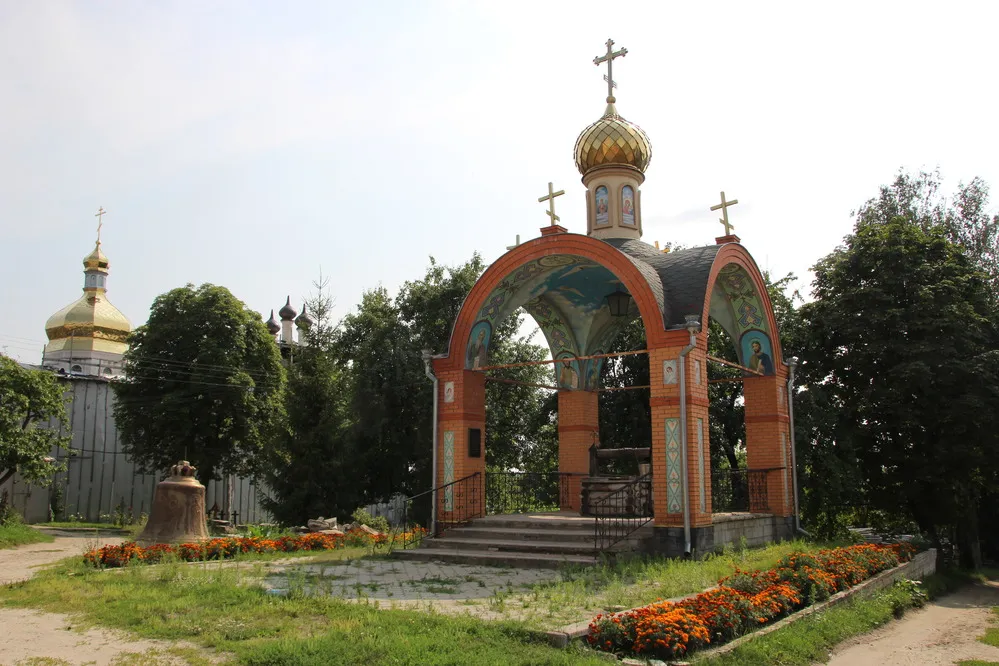
In 1689 the shrine was assigned to the Sofroniiv Movchan Caves Hermitage of the Nativity of the Most Holy Mother of God, a no less famous monastery. For some time the monastery was owned by Ivan Mazepa. This happened in 1703 by the will of Peter I, and in 1764 the monastery received self-government. The monastery reached its greatest flourishing in the 19th century. Then many of the monks were authors of theological literature, and numerous religious processions came to the hermitage even from remote corners of Kursk Governorate. One such event was immortalised in his painting of 1880-1883 by the world-famous artist Ilya Repin.
In Soviet times the Hlynsk Hermitage was closed and the main churches were destroyed. A children’s town, an agricultural artel, a collective farm and an industrial combine were located on the territory of the former monastery. During the Second World War the German administration gave permission to restore the monastery, and the monks gradually restored it. This lasted until the early 1960s, but in 1961 the monks were finally evicted and the hermitage was finally closed, with all its property and buildings handed over to the Sosnivka home for the disabled.
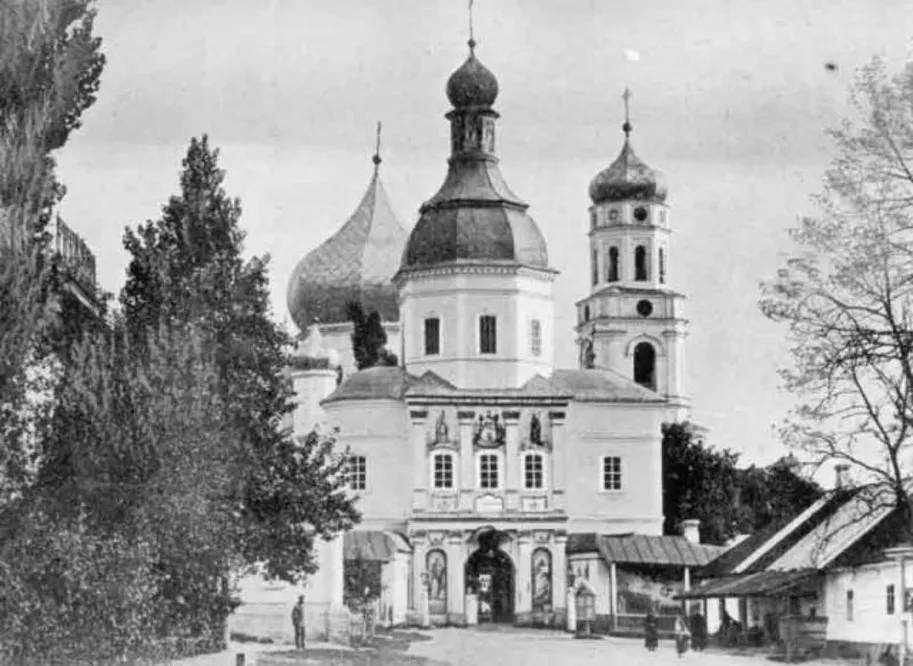
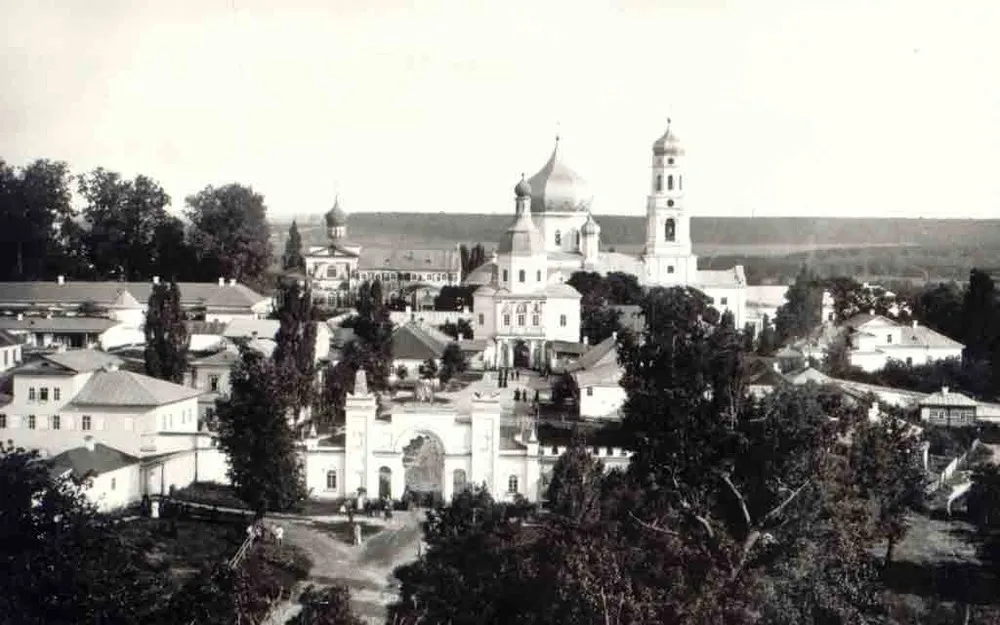
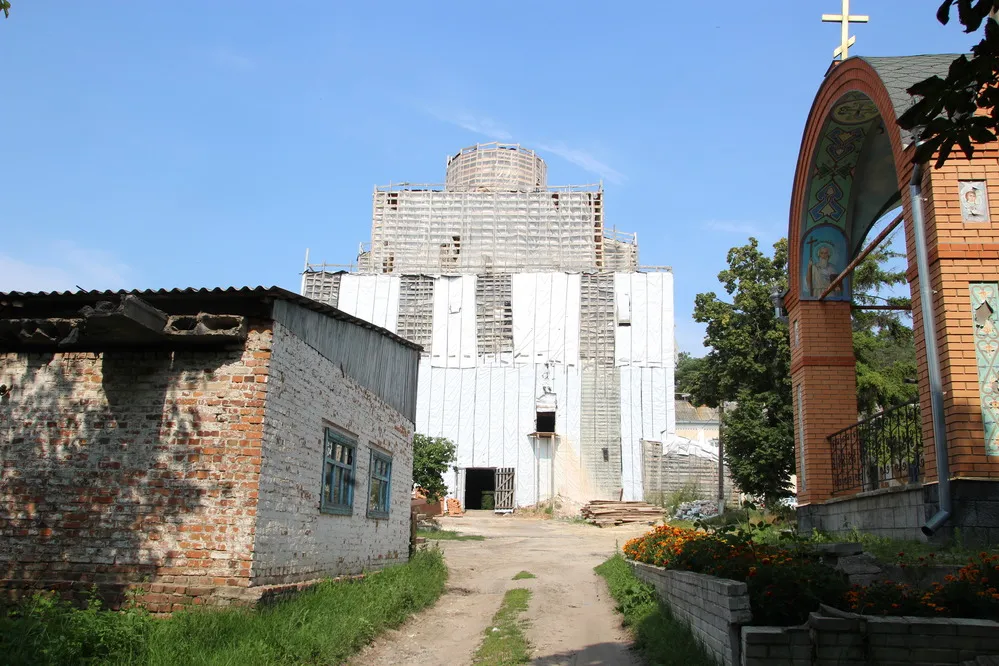
In that time the churches of the Nativity of the Most Holy Mother of God (1740), the Dormition of the Most Holy Mother of God (1763-1889) and the gate church of the Iveron Mother of God (1781) were reduced to ruins.
The monastery’s revival began in 1994, and its architectural structures are being rebuilt. In 1998-1999 a chapel-church in honour of Joachim and Anna, the God-fathers, was built on the spot where the miracle-working Hlynsk icon of the Mother of God appeared, together with a gate church in honour of the Iveron icon of the Mother of God, in which the miracle-working Hlynsk icon now stands. On the site of the completely destroyed churches of the Nativity of the Mother of God and the Dormition of the Mother of God, a new St Nicholas Church arose and was consecrated in 2002.
Text and photos by Ihor Dorozhok, Oleh Hodyna and Maksym Nazarenko.