How to care for your ears properly to avoid inflammation
The ears are a sensitive organ that needs proper care to stay healthy and to prevent inflammatory processes. Insufficient or incorrect hygiene can cause earwax build-up, irritation, infections or even hearing impairment. Ear inflammation most often occurs because of the incorrect use of cotton swabs, water getting in, or insufficient protection from cold and wind. To avoid ear problems, it is important to follow simple but effective care rules. They will help keep the ear canal clean, maintain the natural balance of microflora and prevent the development of otitis or other inflammatory processes. If unpleasant symptoms do appear, it is worth using Otipax and seeing a doctor.

Ear care rules
To look after the health of your ears properly, remember the following rules:
- Do not use cotton swabs. Earwax has a protective function, and removing too much of it can upset the natural balance. Swabs can only push the wax deeper, causing plugs to form.
- Clean your ears correctly. For hygiene it is enough to wash the outer part of the ear with warm water and a soft cloth. If you need to clean the ear canal, it is better to use special drops that soften the wax.
- Protect your ears from water. When swimming or showering, avoid letting water get into the ear canal, as moisture creates a favourable environment for bacteria.
- Protect your ears from cold and wind. In autumn and winter it is important to wear a hat or headband to avoid chilling, which can lead to inflammation of the middle ear.
- Do not listen to music too loudly. Prolonged exposure to loud sounds, especially through headphones, can damage the auditory receptors and cause hearing loss.
- Do not use sharp objects for cleaning. Attempts to clean the ears with hairpins, matches or other objects can cause mechanical damage and infections.
Inflammatory processes in the ears are often a consequence of chronic diseases or weakened immunity, so it is important to lead a healthy lifestyle, eat well and treat colds in good time.
When it is better to see a doctor
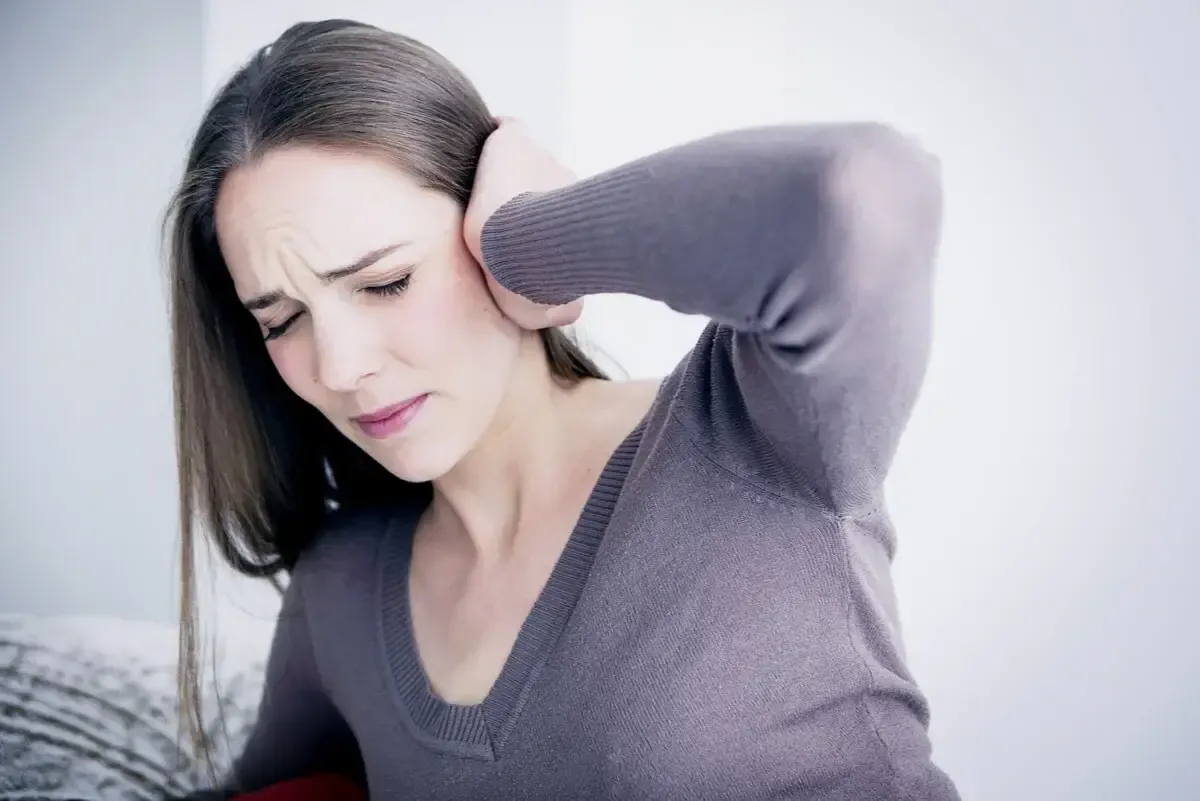
The development of a pathological process in the ear is indicated by the following symptoms:
- ear pain;
- hearing deterioration;
- a feeling of blockage;
- discharge from the ear;
- noise or ringing in the ears;
- dizziness.
If a fever appears together with ear pain, it may be a sign of a serious inflammatory process (even a systemic one). Therefore you should see a specialist immediately. Proper ear care helps avoid many problems associated with inflammation and hearing loss. If unpleasant symptoms do arise, do not put off a visit to the doctor – timely help will preserve the health of your ears.