How our immune system fights disease: which test indicators reflect the strength of our defences

The human immune system is a complex network of cells, tissues and organs that protects against pathogens and maintains the body’s internal balance. One of the key components of this defence is considered to be immunoglobulins, which act as antibodies, recognising and neutralising viruses and bacteria. In blood tests, their level helps assess how effectively the body copes with infections, and laboratories (for example, Esculab) offer a wide range of tests for the accurate diagnosis of the immune system’s condition.

Indicators of immune defence in tests
To assess how well the immune system works, it is important to take into account the key indicators that reflect the work of the various components of the body’s defence:
- Total immunoglobulin level. This indicator shows the total amount of antibodies in the blood and serves as a basic indicator of immune system activity.
- Immunoglobulin G (IgG). Plays a key role in long-term protection against repeated infections and is considered an indicator of acquired immunity.
- Immunoglobulin A (IgA). The main component of local immunity, protecting the mucous membranes of the respiratory and digestive tracts.
- Immunoglobulin M (IgM). Reflects the body’s primary immune response to new infections.
- Immunoglobulin E (IgE). An indicator of allergic reaction and of specific defence against parasitic infections.
- White blood cell differential. The composition and number of white blood cells make it possible to assess the body’s ability to respond quickly to infections.
Analysing these indicators helps the doctor determine how ready the body is to resist pathogens and what measures of immune support may be necessary.
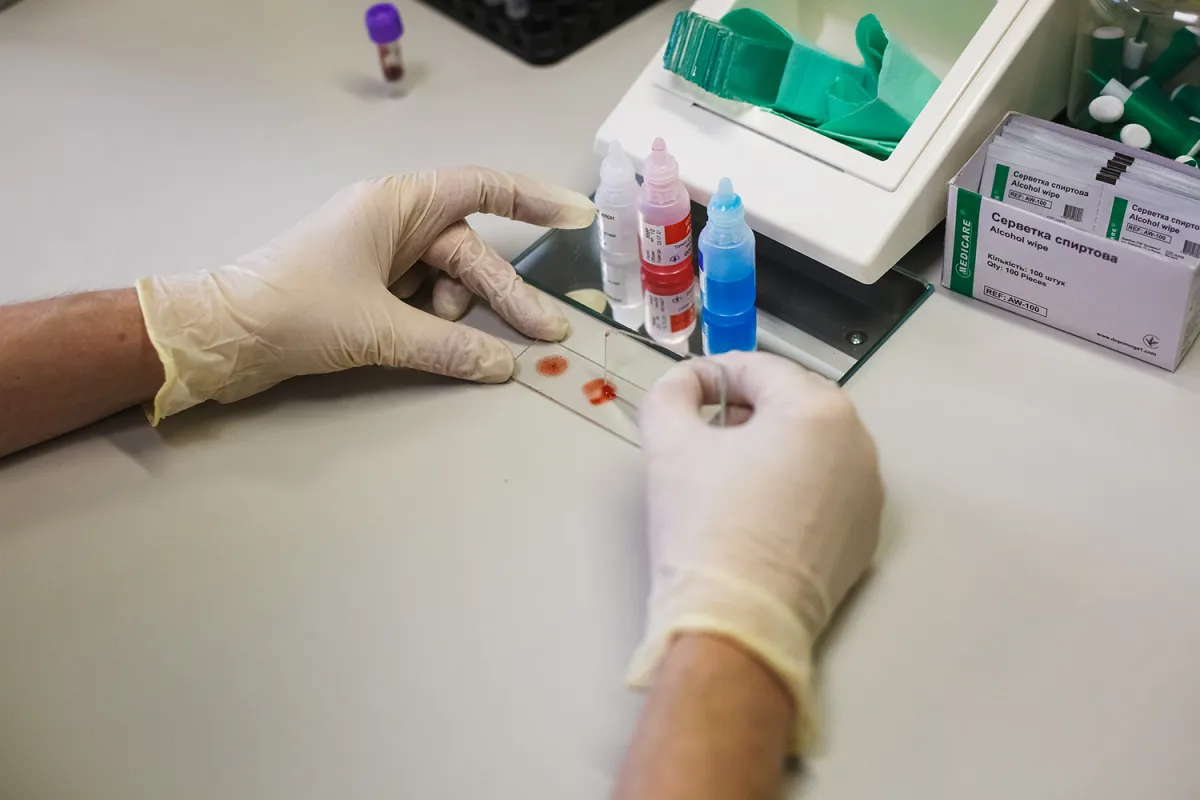
How immune function is assessed in the laboratory
For an accurate diagnosis of the immune system’s condition, it is important not only to choose the indicators but also to understand the technology of the tests:
- blood draw — usually done on an empty stomach from a vein, observing all the rules of asepsis;
- sample preparation — the blood is sent to the laboratory, where it is centrifuged and the serum separated for further analysis;
- enzyme-linked immunosorbent assay — the main method for determining the levels of various immunoglobulins;
- interpretation of results — age, sex, the presence of chronic diseases and past infections are taken into account.
Understanding how these tests are carried out and which indicators are taken into account allows patients to approach their health more responsibly.