Cardholder and bag: the secret of a harmonious look
In today’s world, where style has become a language of self-expression, small details are no longer accidental. They create the overall impression and say something about a person’s character and taste. Whereas accessories used to be chosen purely for function, today it matters that every detail looks harmonious. One such element is the cardholder, a compact accessory for cards that has become a modern alternative to the wallet. But how do you pair it properly with a bag or a man’s pouch so that you look stylish and put together?
The cardholder: a symbol of modern minimalism
A cardholder is not just a place to keep cards. It is the choice of someone who values order, concision and aesthetics. Everything about it is thought through: several compartments, easy access to the card you need, nothing superfluous. Such an accessory suits the fast rhythm of city life, when every second counts and unnecessary things only get in the way.
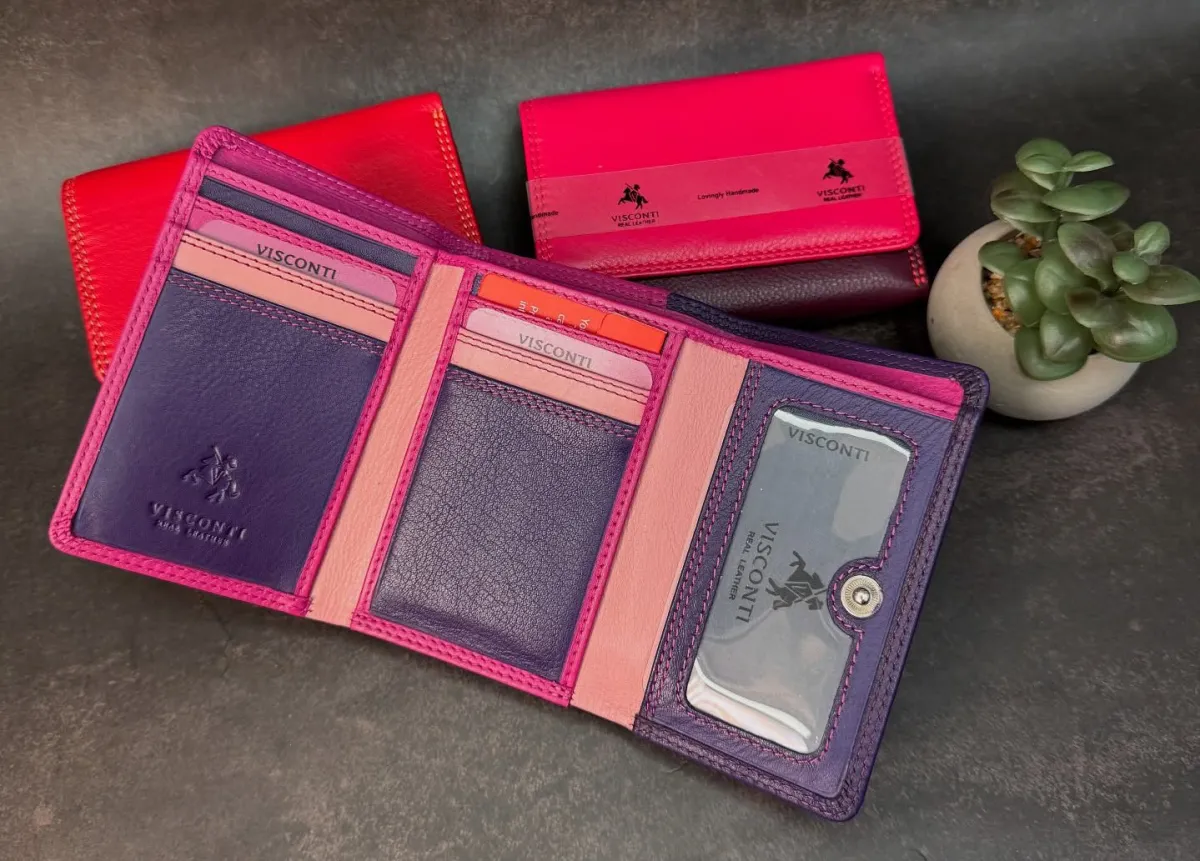
The choice of cardholder says a lot about its owner. A restrained black model signals business sobriety, warm brown tones are a classic with a hint of elegance, and bright accents speak of individuality and self-confidence.
Style and material: the key to harmony
For your accessories to look like a single ensemble, pay attention not only to the material but also to the type of leather finish. If you carry a leather bag or pouch, the cardholder should be leather too: this gives a uniform feel and an “expensive” visual effect. Full-grain or semi-aniline leather gives a deeper colour and a noble patina over time; pigmented leather is more resistant to scratches and moisture. Smooth leather is the most formal; pebbled leather is a versatile everyday choice; saffiano looks modern and structured; velour/suede (nubuck) is tactilely expressive but less “office”. The idea is simple: smooth with smooth, textured with textured. If the bag has a pronounced grain or saffiano finish, a cardholder with a similar texture will look the most logical.
Colours and their “temperature”: the base palette and contrasts
Colour works not only as a shade but also as a temperature (warm/cool) and depth (light/dark). The classic rule is that the colour palette you have already chosen remains the base:
- a black bag: a black or graphite cardholder;
- a brown pouch: cognac or chocolate shades;
- light models (beige, caramel): beige or grey-blue cardholders.
Now for contrasts. Modern fashion allows accents, but they must be controlled. A burgundy cardholder with a navy bag works thanks to the contrast of cool and warm within a deep palette; olive with black “softens” the severity and adds a subtle note of colour. Follow the 80/20 principle: 80% is the base shade of the bag or pouch and 20% is the accent of the cardholder. That way the ensemble does not “fall apart” and stays cohesive.
Level of formality: matte versus glossy, soft versus structured
The degree of shine, the rigidity of the body and the crispness of the lines are read as formality. Smooth, slightly glossy leather and a structured silhouette are a business code; a restrained cardholder with minimal embossing and a thin profile suits it. Soft leather, a matte finish or grain are more casual; here cardholders with a more pronounced texture, sometimes with decorative stitching, are appropriate. The task is for the accessories to “speak the same language” with regard to the dress code.
Metal and stitching: small things that hold the look together
Hardware is the “quiet conductor” of the ensemble. If the bag has cool metal (nickel, chrome), it is best if the emblem or button on the cardholder is also in cool metal. Warm hardware (brass, antique bronze) is a logical pair for cognac, caramel and chocolate. Pay attention to the colour of the edge (the dyed cut edges of the leather) and the thread: contrast stitching is appropriate in casual wear, monochrome in a business style.
Season and context of use
Deep dark tones (black, graphite, dark chocolate) are a safe bet in autumn and winter; beige, caramel, grey-blue and powdery shades read lighter in spring and summer. Suede/nubuck looks better in dry weather; for rainy days choose pigmented leather with a light coating or saffiano. If the bag is for travel, it is more practical to take a cardholder made of denser leather with a dense lining that does not wear through.
Thickness and capacity: keeping the shape
Even perfectly matched colour and texture will not save the ensemble if the cardholder is too thick and deforms the pocket of the bag or pouch. For compact bags, take a cardholder with 4–6 slots; for roomier ones, 8–10 with a fold, but make sure the profile stays flat. The rule: the accessory should not “bulge” or break the silhouette.
Practical tests before buying
- Hold the cardholder against the bag in daylight: assess how well the shades and “temperature” match.
- Take a photo of them together: the camera ruthlessly shows whether the colours “argue”.
- Check the hardware: whether the tone of the metal matches and whether it “rings” with a cheap shine.
- Assess the feel: the textures should feel related, without a sharp contrast between a soft and a “plastic-stiff” surface.
A few successful pairing “recipes”
- A black smooth bag plus a matte graphite cardholder: business minimalism without monotony.
- A cognac grained pouch plus a chocolate cardholder with a brass emblem: warm classics.
- A navy saffiano bag plus a burgundy cardholder: a refined colour accent for smart casual.
- A beige/caramel tote plus a grey-blue cardholder with cool hardware: a fresh summer pair.
- A black casual pouch in slightly matte leather plus an olive embossed cardholder: a restrained but distinctive accent.
When choosing a cardholder for a bag or pouch, think systematically: material, texture, colour temperature, level of formality, metal and scale. When all these parameters match, the accessories work as an ensemble: the look becomes cohesive, expensive and confident without any extra effort.