Vasyshcheve

· 2 min read
Vasyshcheve is not very well known even to some people from Kharkiv, although it lies close by. It is known, perhaps, only as a place where you can rest alone with nature. The settlement is located in the middle of a forest and has two sanatoriums and a children’s camp.
In 1647 boyar sons settled here, and the settlement was named in honour of one of them, Prokopii Vasyshchev, who founded either 29 or 30 households here. Although originally it had no name as such at all: it was a fortified sloboda of the Bilhorod-Chuhuiv defensive line. They say the descendants of the Vasyshchevs still live in the settlement, and the surname is found here. However, the Vasyshchevs apparently did not manage to keep ownership. According to documents from the end of the 18th century, the settlement, like the neighbouring Shubino and Kyrsanovo, was jointly owned by Lieutenant Colonel’s wife Nadiia Stremoukhova (whose main estate was in the Tula Governorate), Princess Sofiia Kantemirova, Major Andrian Maslov and Lieutenant Herasym Butskyi (a great-grandson of the Poltava regimental judge Petro Fedorovych Butskyi). The same documents mention a wooden Church of St. Demetrius of Thessalonica, built in 1777. A church is mentioned earlier too, in the censuses of 1710-1712. And this first church was probably built around 1666.
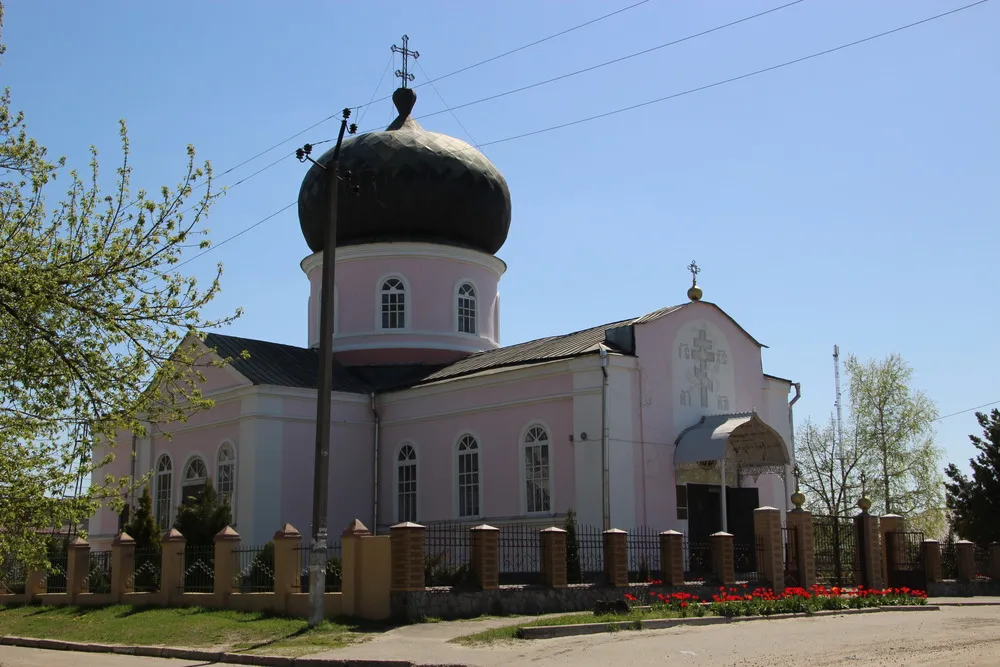
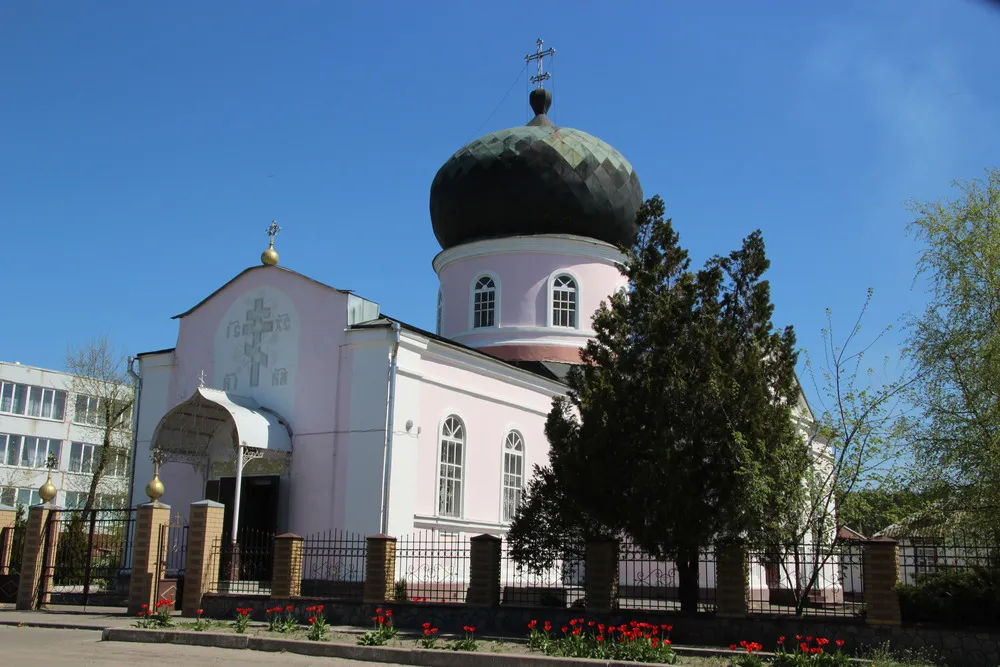
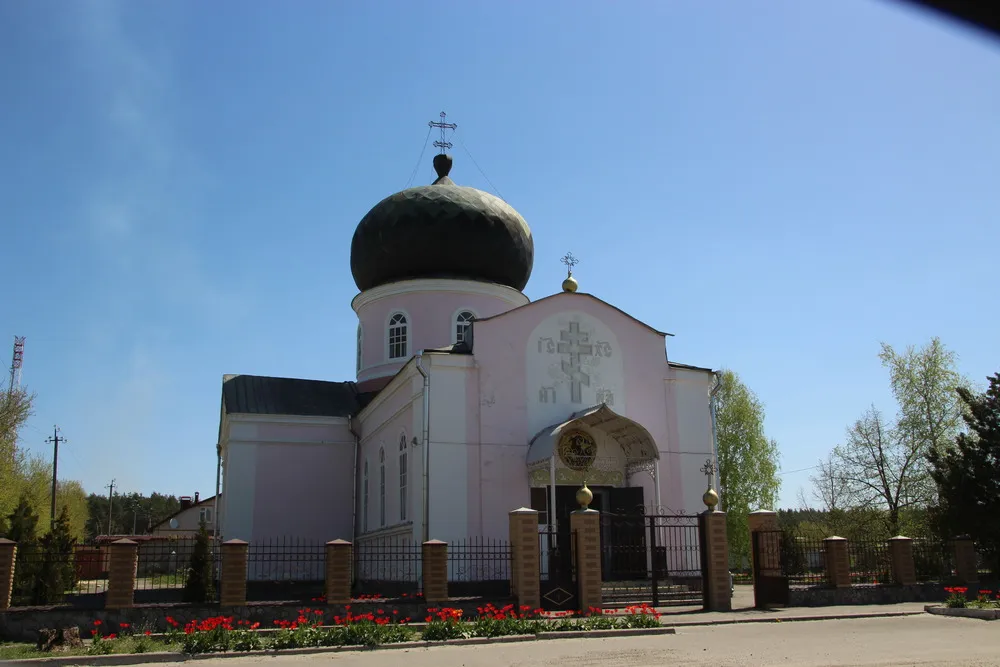
The church that stands in the settlement now is brick-built, also dedicated to St. Demetrius of Thessalonica, and was built in 1880 with funds from the spouses Kryvosheiev: collegiate counsellor Vasyl Petrovych Kryvosheiev and his wife Yelyzaveta (an old icon of St. Basil the Great and the Righteous Elizabeth has been kept in the church since those times). Originally it was built of red brick, to a design by F. I. Danylov, a well-known architect and the author of about 20 churches in Sloboda Ukraine. By 1930 the church was no longer functioning. In 1942 the bell tower was destroyed by a shell, and 1943 was linked for the shrine with its greatest tragedy: within its walls the Germans burned alive a detachment of Red Army soldiers. After that the church began to be used as a club and was restored, but the bell tower was not rebuilt. Today the church is active.
Text by Ihor Dorozhko, photos by Maksym Nazarenko.