

Spodobivka. Kropyvnytskyi’s village

· 3 min read
The village of Spodobivka in the Shevchenkove district is relatively young, founded in 1875. But we will be more interested in the small farmstead next to it, called Zatyshok. This poetic name was given to it by Marko Lukych Kropyvnytskyi, who lived here for the last 20 years of his life, from 1890 to 1910.
Already a very famous playwright, practically at the zenith of his fame, Kropyvnytskyi bought from the landowner Berezovskyi the farmstead, which was then still called Sashyn. For the estate and the land he had to pay nine thousand roubles.
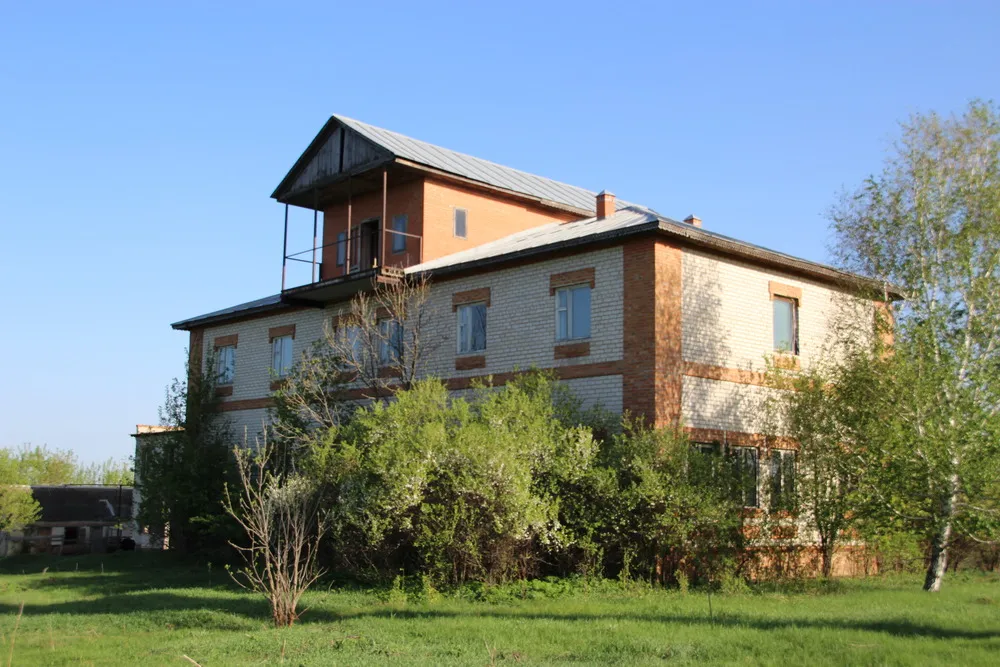
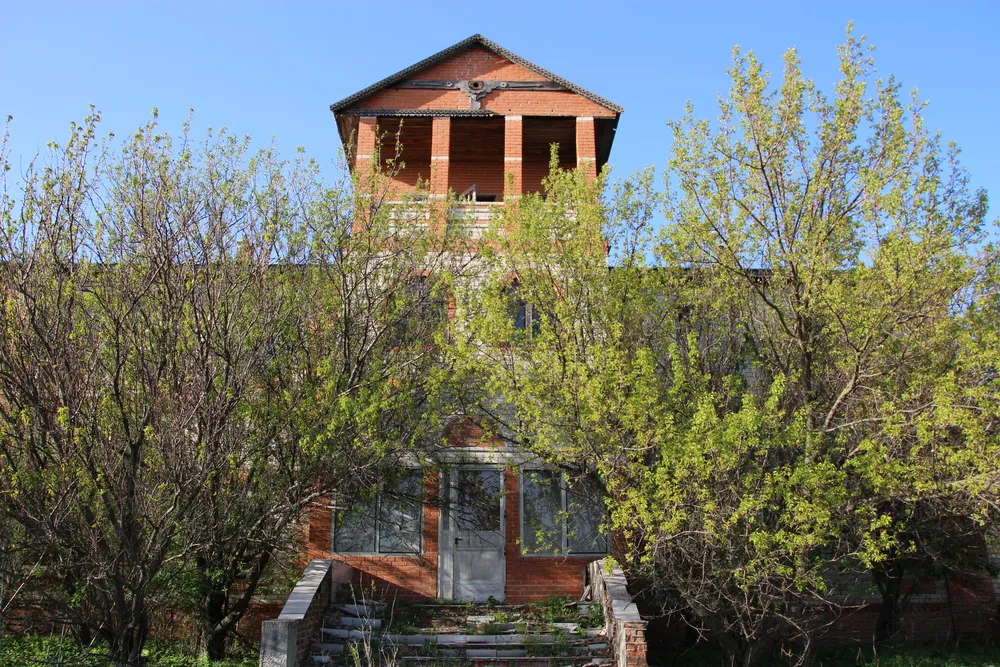
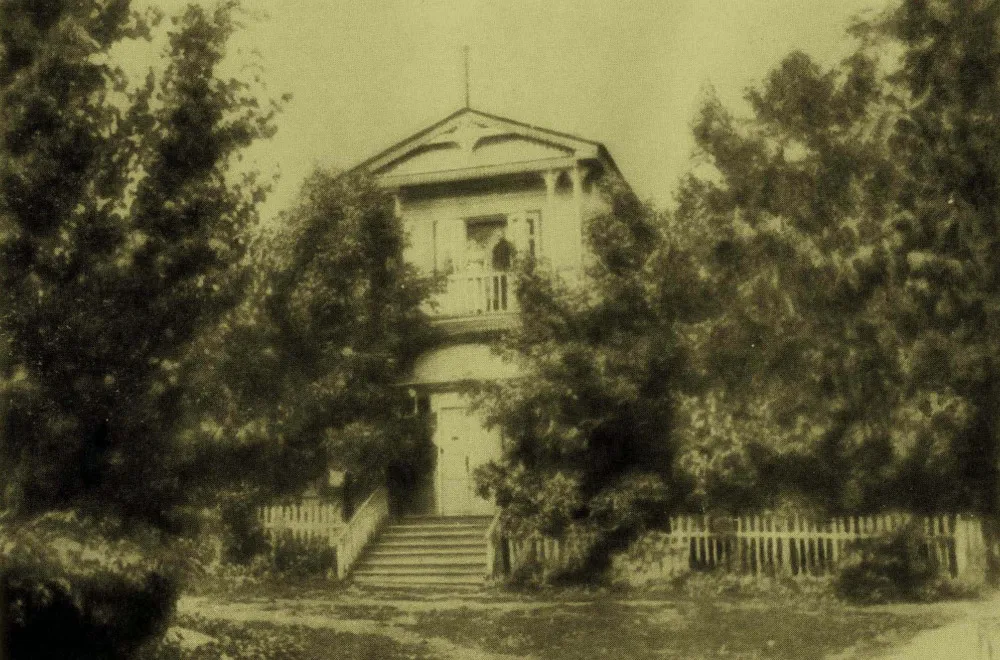
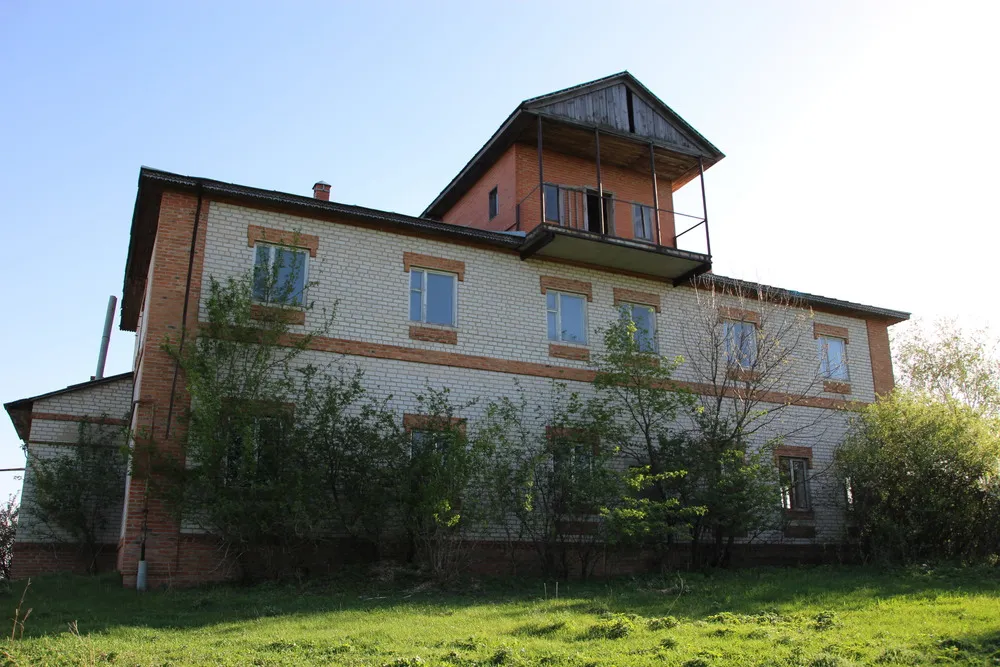
Among the buildings on the estate was an old wooden two-storey house with a brick foundation, left from the previous owners. In the very first years of his residence Kropyvnytskyi also built his own manor house, a new stone house, where he lived with his family. The largest room was the playwright’s study; his wife, Nadiia Vasylivna, and their children Volodymyr and Olha each had separate rooms, and the elder daughter Oleksandra lived in the mezzanine.
And in the old house relatives or acquaintances of Kropyvnytskyi lived almost constantly, especially in summer; in one of the rooms there was a pharmacy, in which Nadiia Vasylivna, who was a doctor by profession, treated, mostly free of charge, residents of the surrounding villages. This house also had a sort of school, in which first the playwright’s mother and then his younger children taught local peasants to read and write; from 1909 this school switched to Ukrainian as the language of instruction. The largest room in the old house was set aside for performances by the children’s theatre troupe, a phenomenon unique even in world theatre art. The actors were peasant children aged 10 to 13, as well as Marko Lukych’s own younger children.
At the end of the 19th and beginning of the 20th century the homestead became a powerful Ukrainian cultural centre. It was visited by many representatives of the Ukrainian theatrical and literary elite, and there was a huge library here.
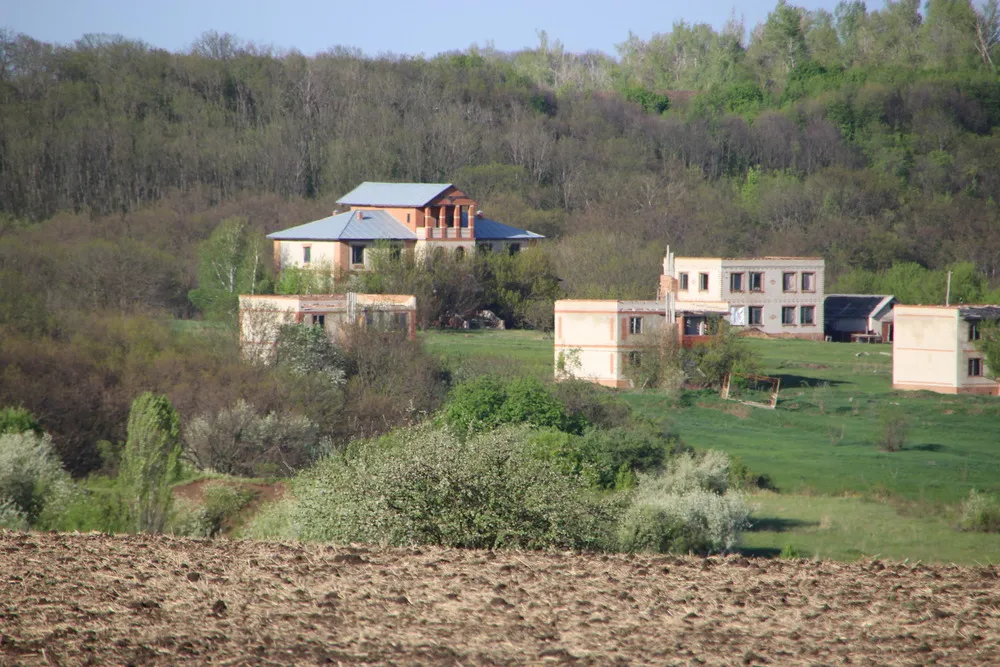
The estate itself was in a picturesque place. There were many groves and forests with glades, a pond with willows, and a large orchard with various fruit and ornamental trees, which Kropyvnytskyi planted himself.
Until 1903 the farm was run mainly by Nadiia Vasylivna and a steward. And when Kropyvnytskyi’s health worsened and less attention was paid to touring, Marko Lukych spent practically all his time at Zatyshok. After Kropyvnytskyi’s death in 1910, his family moved to Kharkiv. From then on Zatyshok was left practically unattended. In December 1917 a large fire broke out here, in which the writer’s house burned down with all its contents, including an invaluable archive and library.
Fortunately, the old two-storey house in which performances were held survived, as did several outbuildings.
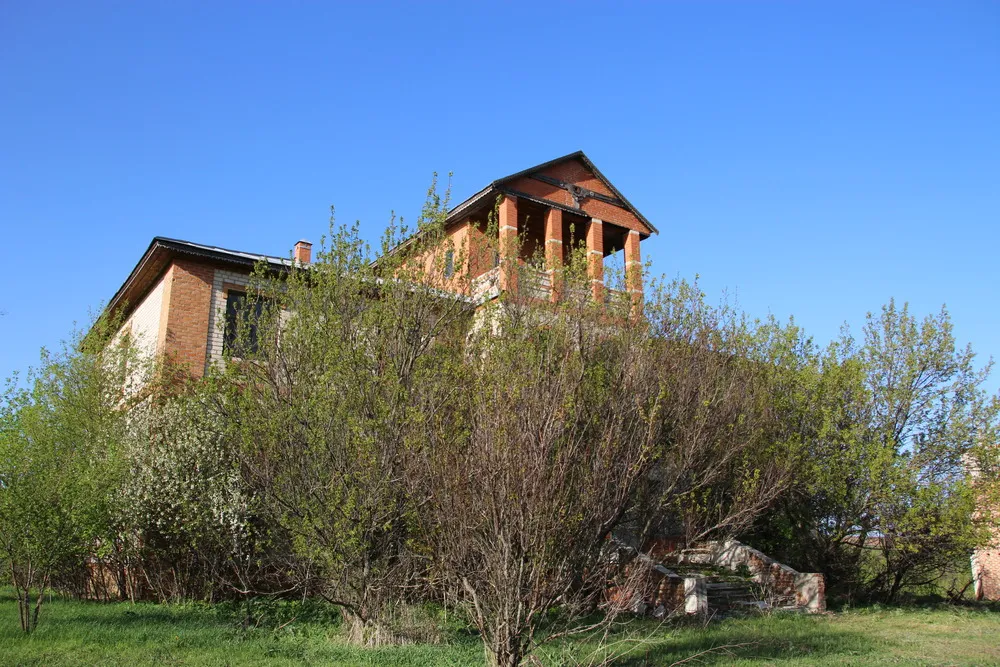
What the fire failed to destroy, what stood through the revolution and the Second World War, was destroyed by the Kremlin authorities. Everything associated with the brightest pages of Ukrainian culture was to be forgotten. This landmark of Ukrainian and world culture was destroyed at the end of the 1950s. Only in the early 1990s was the farmstead partly rebuilt (the manor house, a chapel, 5 cottages); the state, incidentally, was not involved, and everything was done with funds of the local agricultural company “Druzhba”. To tell the truth, the rebuilt manor is very far from the original.
In 2000, during the celebration of the 160th anniversary of the artist’s birth and on the day a museum was opened in one of the rooms of the manor, officials proclaimed slogans about the need to revive Zatyshok and create a full-fledged museum-reserve “Khutir-Zatyshok”.
Last year the outstanding Ukrainian playwright would have turned 180. In the 20 years since the promises were made, nothing has changed…
Text and photos by Ihor Dorozhko, Maksym Nazarenko and Oleh Hodyna.


