Raikivtsi: a castle, Freemasons, Cagliostro

· 4 min read
Does any of you know what Raikivtsi, near Felshtyn (Hvardiiske) in Khmelnytskyi Oblast, is famous for? Did you know that as late as the 19th century there was a castle here, and that one of the most famous swindlers and adventurers of the 18th century, Count Cagliostro, or, if you prefer, Giuseppe Balsamo (his real name), carried out occult experiments in it? True, the castle is gone, completely destroyed. But do you know why? And did you know that one of the owners of Raikivtsi, Tadeusz Grabianka, who was, by the way, born here, was a well-known Freemason, Illuminatus and mystic, the founder of many Masonic lodges and societies in Europe, and even of occult academies? No? Then listen (or rather, read).
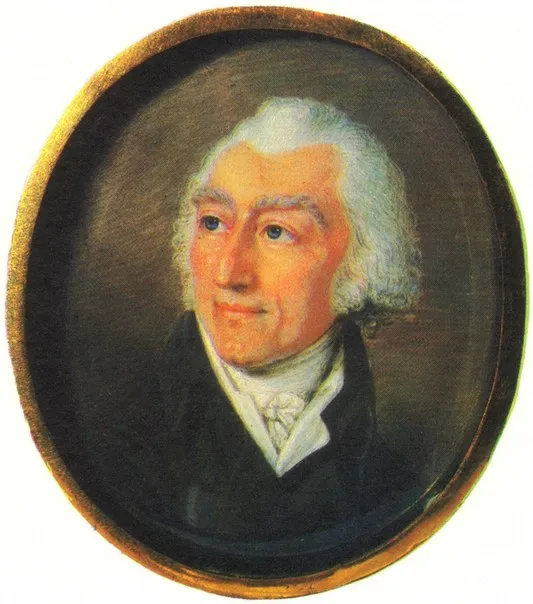
After the Felshtyn estate, to which Raikivtsi also belonged, was held by the Herburt and Kalinowski families, the village (together with the castle) passed in the second half of the 18th century to the Grabiankas (through a dowry). In 1740 a son, Tadeusz, was born into the family of the Letychiv cup-bearer (podchaszy) Józef Kajetan Grabianka and Marianna née Kalinowska. Thanks to his mother’s efforts, he received a good education at the court of the former Polish king Stanisław Leszczyński, and while studying in Paris he first became acquainted with Freemasons and the activities of occultists. After his father’s death in 1759 he returned home, where he inherited large estates: residences in Ostapkivtsi, Raikivtsi and Sutkivtsi, plus another 14 villages and houses in Lviv and Kamianets.
In time his fascination with Freemasonry, the occult sciences, esotericism, mysticism and so on and so forth grew into an idea of reorganizing the world: creating a “Republic of Light”. This required a great deal of gold, eternal youth and immortality, which only the “philosopher’s stone” could provide. Tadeusz Grabianka became acquainted with the most famous Freemasons of Europe, with whom he not only discussed interesting topics but also took an active part in founding societies and unions. Thus in Warsaw, together with Count August Moszyński, he founded the Academy of Secret Sciences. In Berlin, his acquaintance with Antoine-Joseph Pernety, a former monk and then an alchemist who sought the philosopher’s stone, led to the founding of a Masonic-theosophical sect. What is more, relatives were drawn into the Masonic teaching, and even women and children belonged to the lodge he founded: his wife, her sister Tekla with her husband Jan Amor Tarnowski, and his daughter Anna.
In 1775 Count Cagliostro and the Berlin Freemason Brumore came to Tadeusz Grabianka at the castles of Raikivtsi and Sutkivtsi; together they worked in the castle on alchemical experiments, trying to obtain gold. Together they also worked on the “Republic of Light” project. Well, “worked”… For the rogue Balsamo it was merely a way to pick Grabianka’s pockets. Close ties between them continued until the 1790s.
In 1785 in Avignon Grabianka founded the Académie des Sages and was elected master of the lodge with the title “King of New Israel”, then helped found new lodges in London and Italy. In August 1805 he moved to St. Petersburg, where he continued to preach his teaching in the “Grabianka Society”. However, in 1807 Tadeusz Grabianka was arrested, and six months later he died in the Peter and Paul Fortress.
Tadeusz’s descendants decided not to keep the whole inheritance. The residence was moved to Ostapkivtsi (where his son Erazm continued as owner), while Raikivtsi with the nearby villages was sold to Mstysław Skibniewski. He is credited with destroying the castle, which probably dated back to the Herburts. References to Freemasonry, alchemy and mysterious experiments were not to the new owner’s liking, so he ordered the castle razed to the ground so that not a single stone was left.
In 1847 Mstysław Skibniewski’s daughter Maria married Mr. Radlowski, and Raikivtsi with the nearest lands went as a dowry. Although Radlowski himself lived in Proskuriv, where he headed the united district bank, Maria remained in the village; she had three farmsteads and over 5,000 desiatinas of land. In 1905 Radlowski built a distillery in Raikivtsi whose products were known abroad (in Soviet times a correctional colony was set up on the distillery’s grounds). The Radlowskis were the last owners of the village, until the events of 1917, when they left Podillia.
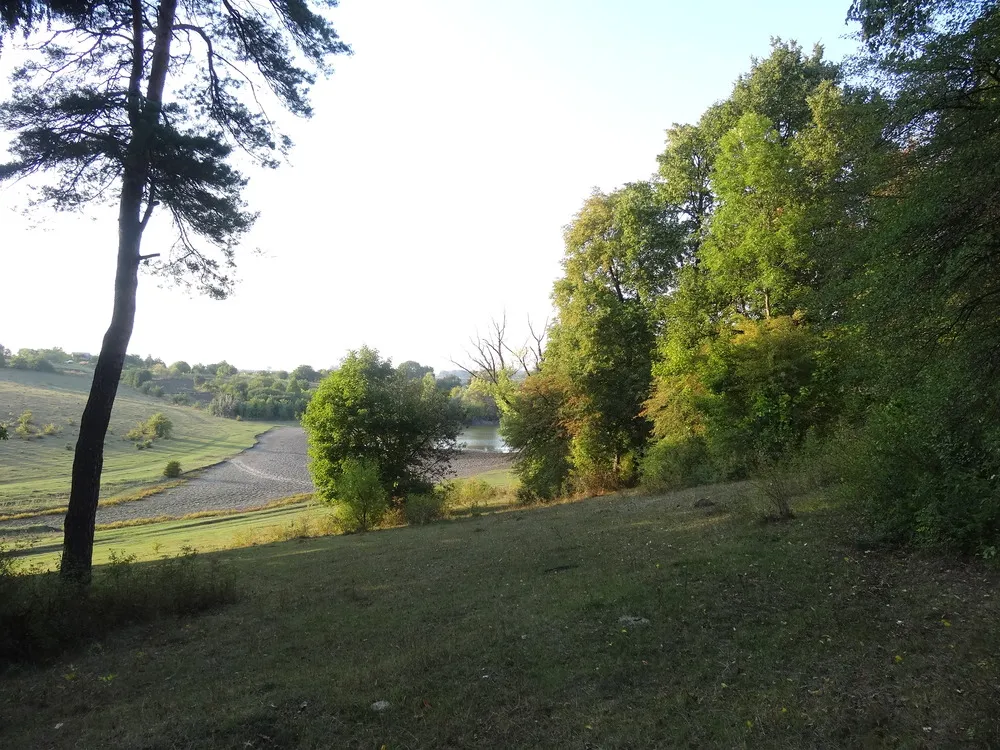
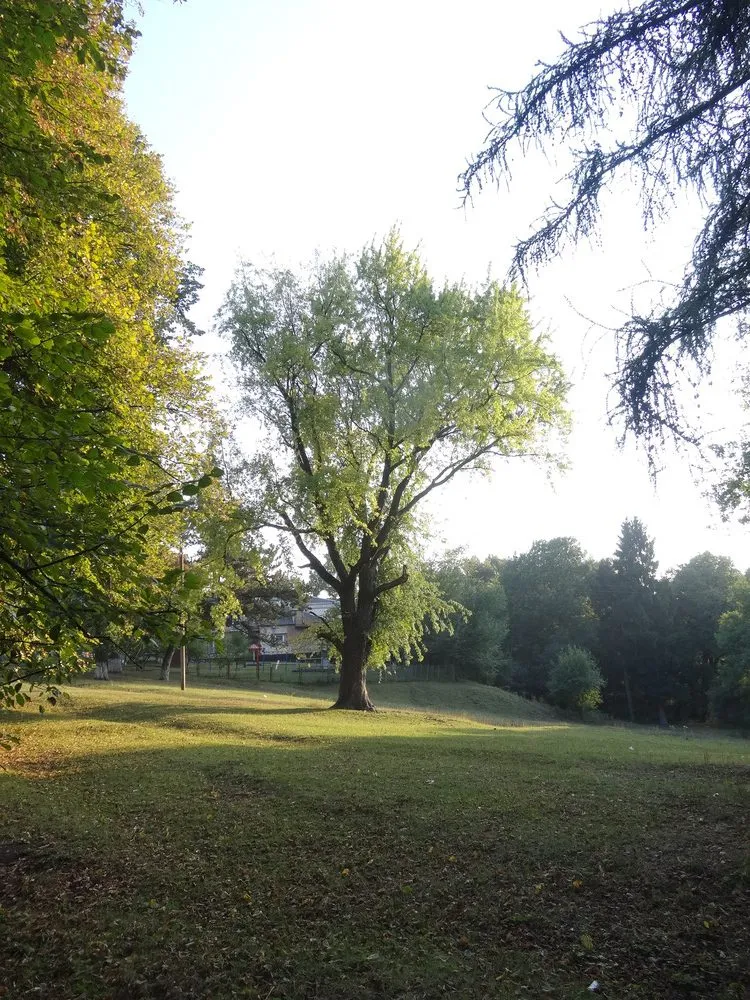
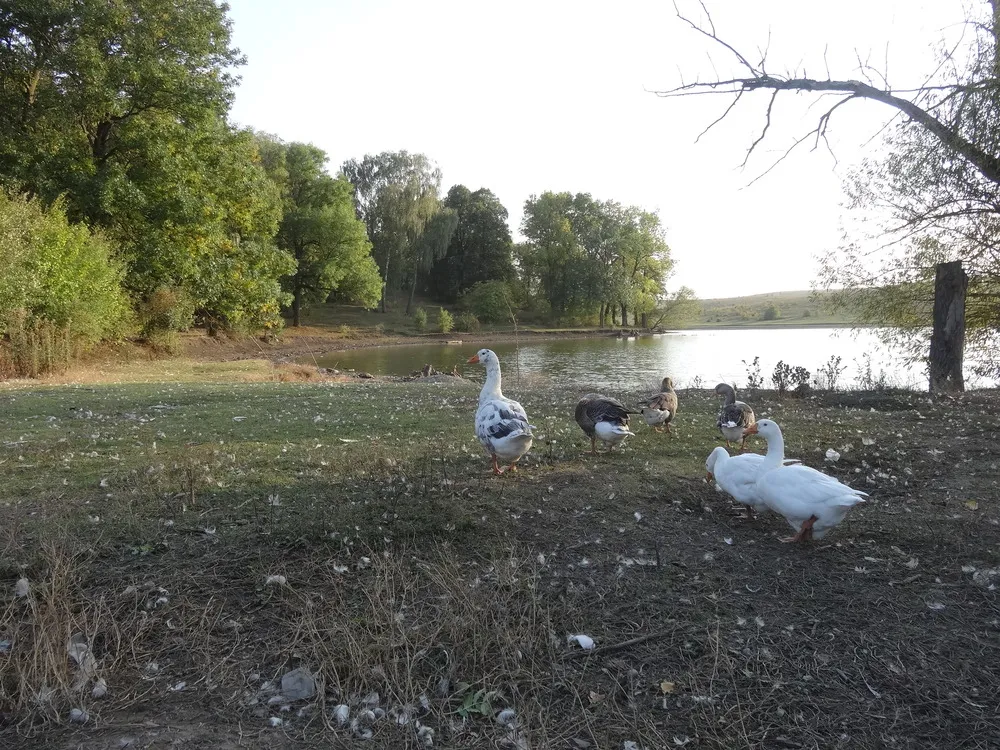
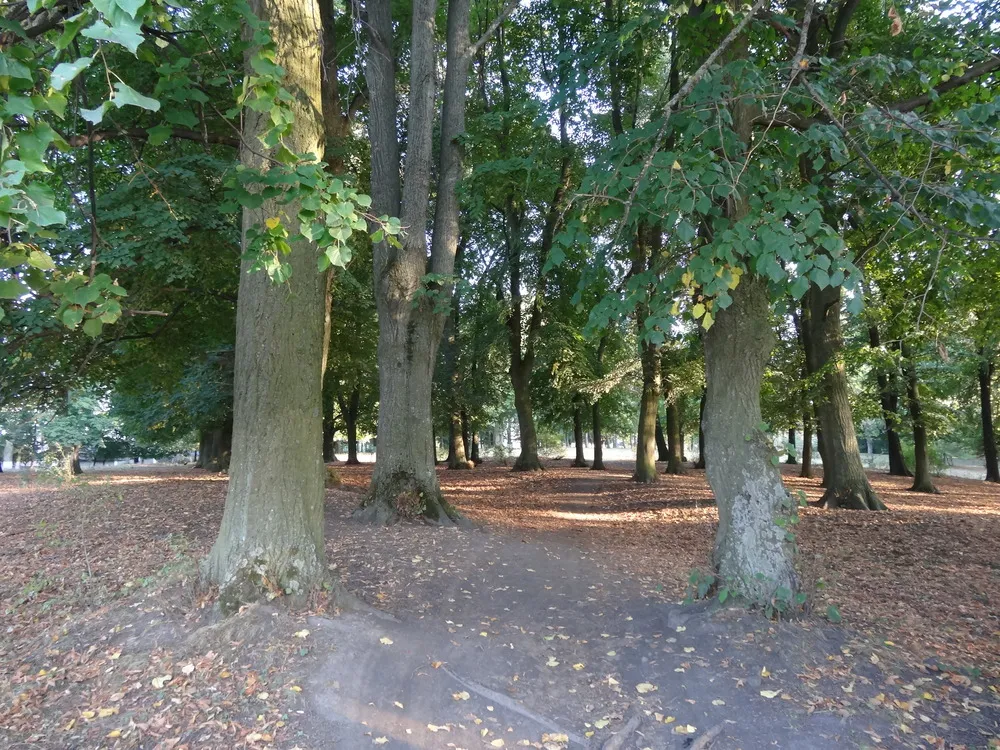
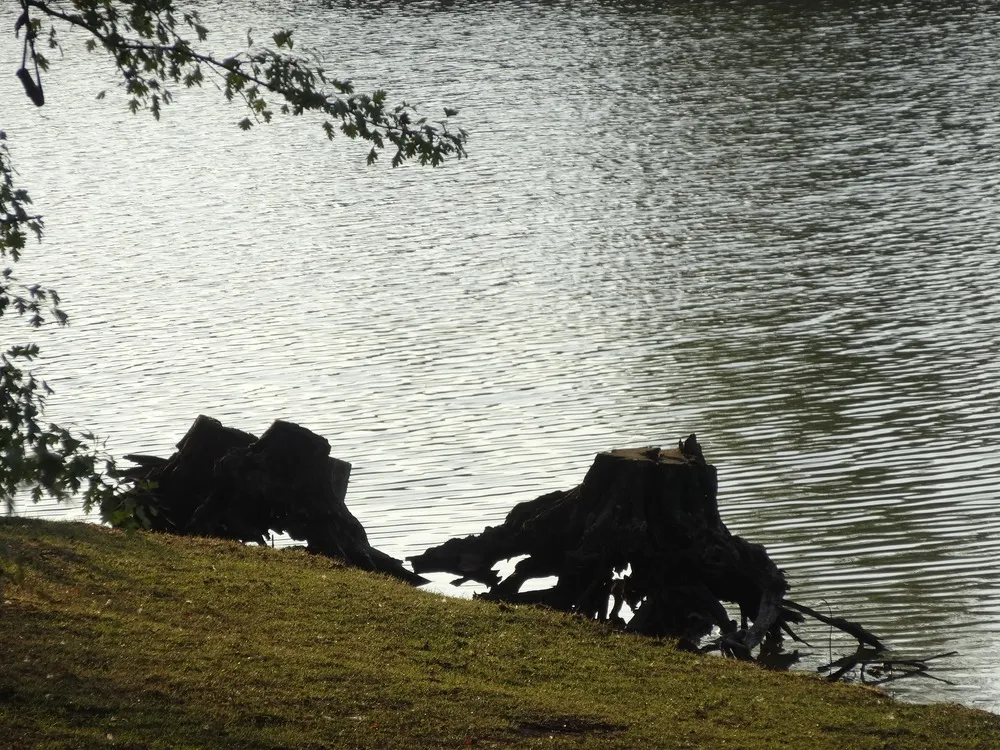
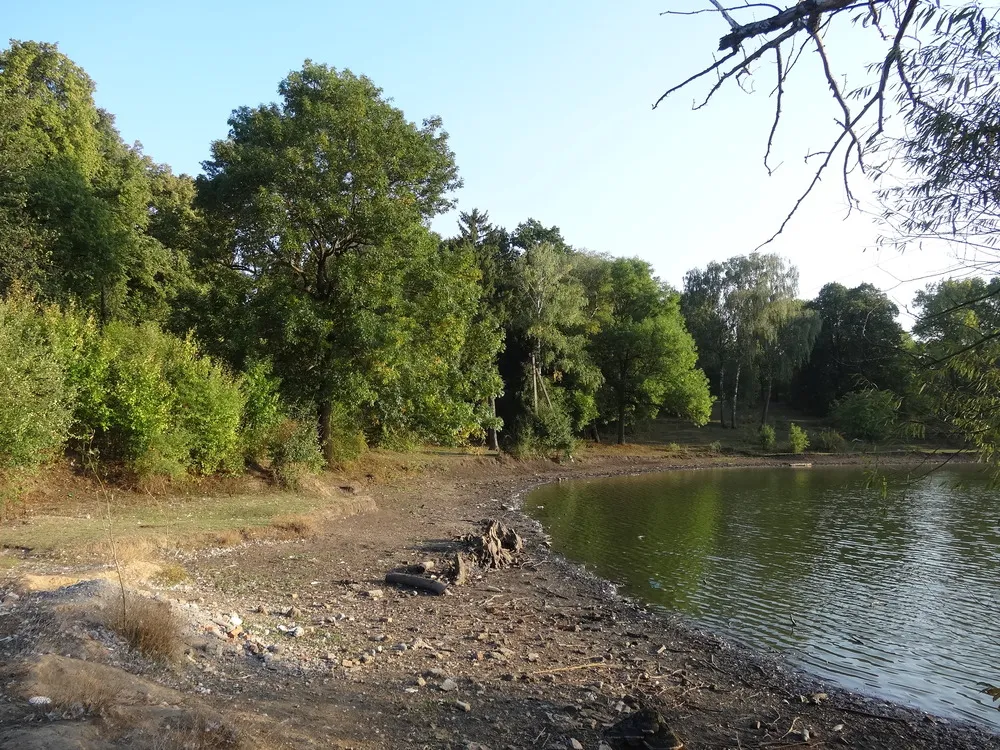
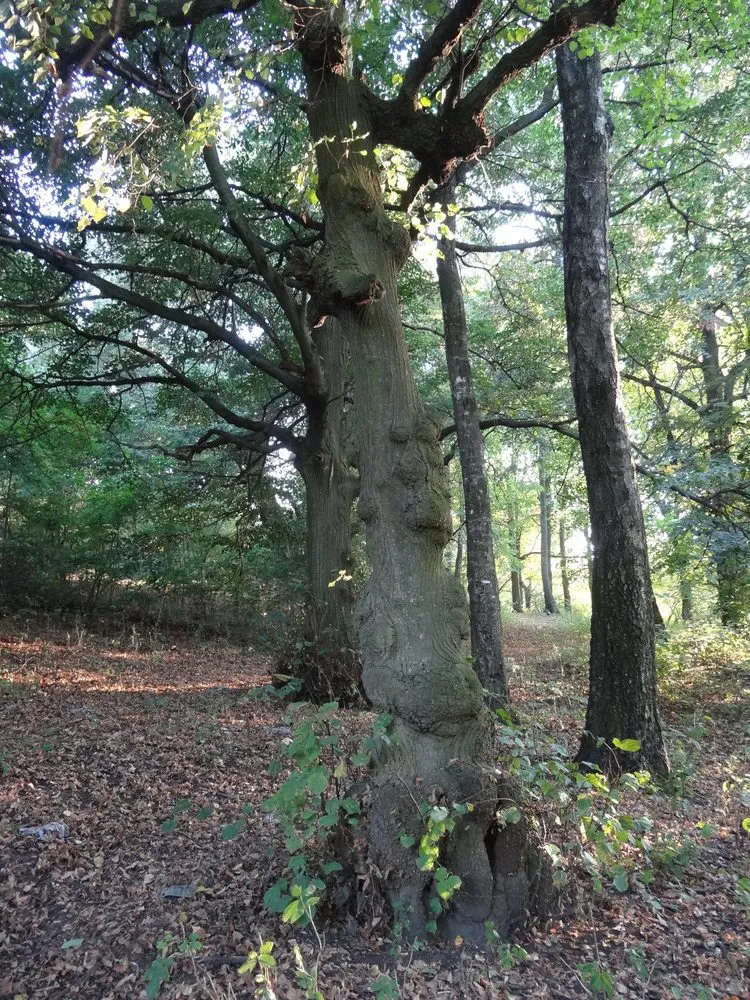
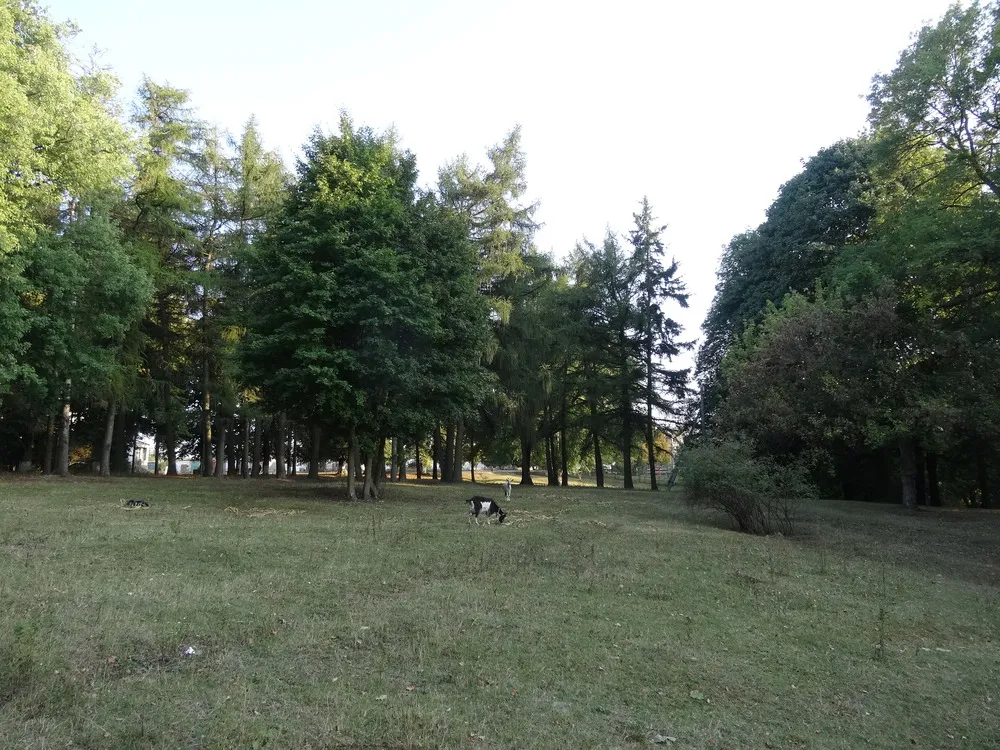
All that remains from those times in Raikivtsi is a wonderful park with valuable and rare tree species. The park is not overgrown, has many glades and two ponds, is well maintained and is considered one of the best landscape parks in Khmelnytskyi region. One of the oldest tulip trees in Ukraine, up to 25 metres tall, grows on its grounds. In 1991 the Raikivtsi park was given the status of a park-monument of landscape garden art of local significance (area 5.6 ha).
Text and photos by Ihor Dorozhok.