Kyrykivka

· 4 min read
The village of Kyrykivka appears in documents in the last quarter of the 17th century. It was founded by settlers from the Dnipro region who came with the osaul Kyryk, nicknamed Lynylk. Hence the name of the village. Kyryk’s descendants were later called Lynylky, or also Lynytski. Both the founder’s son Mykhailo and his grandson, also Mykhailo, were company commanders (sotnyks) in Kyrykivka; the grandson was, moreover, the second priest at the Church of the Archangel Michael. But we are getting ahead of ourselves; more about the church later.
At the end of the century the village became a company town of the Okhtyrka Regiment, and some 50 years later a military settlement. The land belonged to the Kyrykivka sotnyk Lynytskyi and the Cossack officers.
Records of 1785 state that “Sloboda Kirikovka is the joint possession of the collegiate assessor Alexander, son of Fedot, Bulychev, and also of Lieutenant Mikhail and sotnik Stepan, sons of Mikhail, Lenitsky” (quoted in translation from the Russian original).
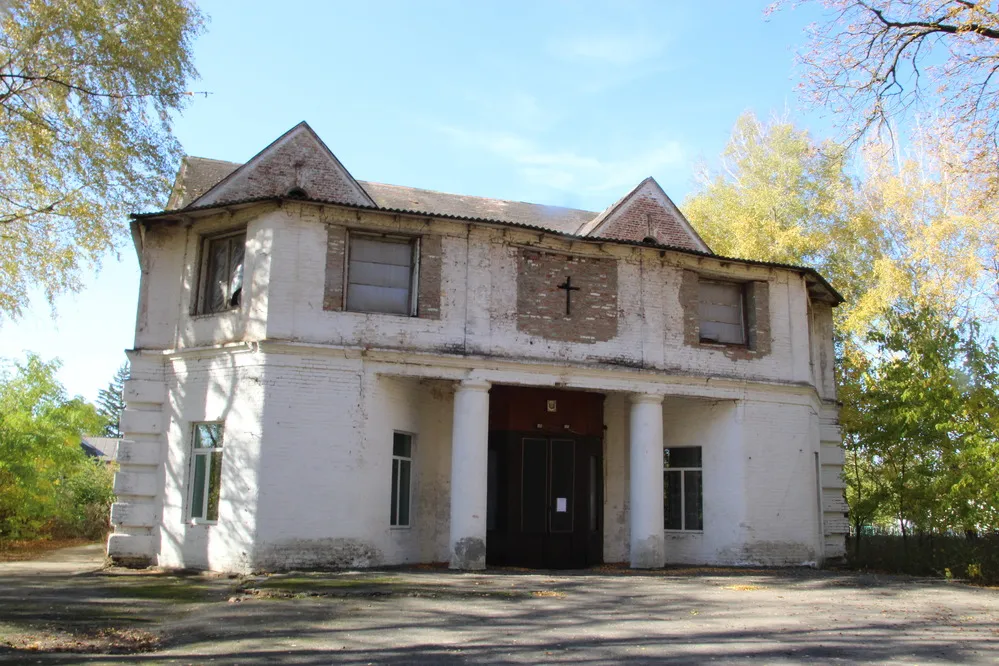
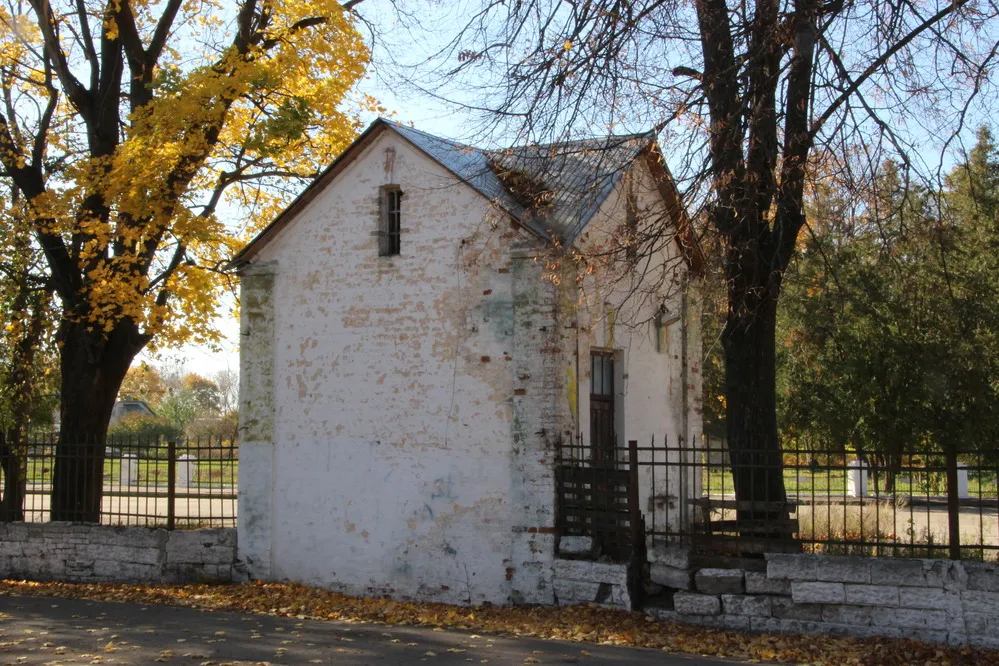
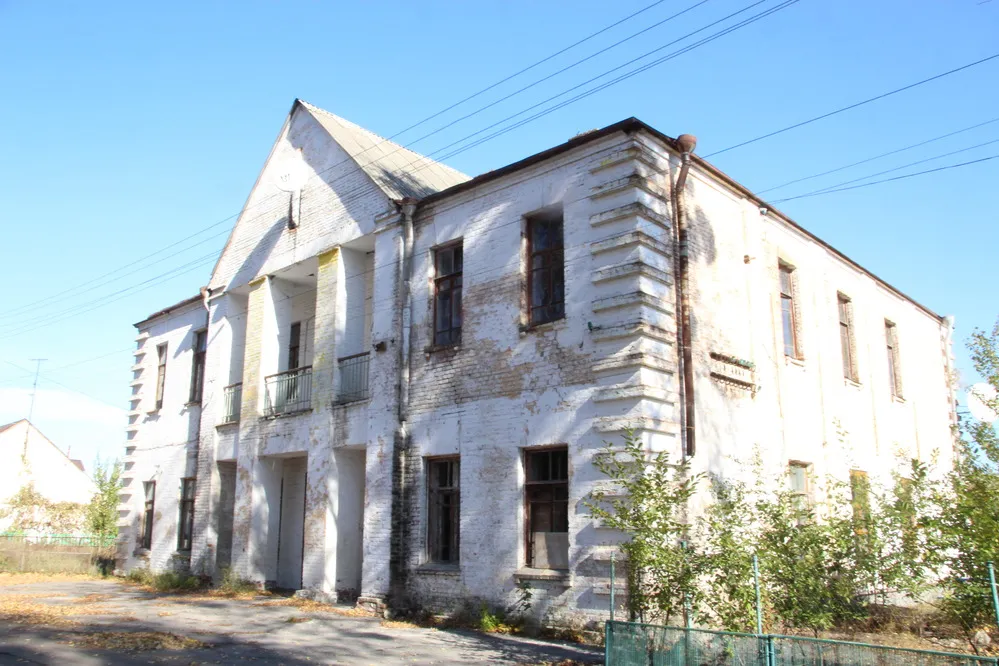
In 1831 a sugar factory was built in the neighbouring village of Yankivka (or Yankiv Rih), which in the second half of the 19th century was bought by Ivan Herasymovych Kharytonenko. His son Pavlo Ivanovych decided in 1912 to move the sugar factory closer to the railway, to Kyrykivka, which he did, and also built a hospital and a school for the workers. That was the heyday of the village; at that time it had two schools, an elementary zemstvo school (1912) and a parish church school.
At the beginning of 1918 the factory was nationalized by the Soviet authorities.
It would have been strange if in those times it had received any non-proletarian name, so from 1924 it was called the Sugar Factory named after the newspaper “Pravda”. In 1931 the factory was reconstructed and its capacity increased. During the war all the equipment was evacuated to Bashkiria and returned after the liberation from the Germans in 1943, and in 1948 production volumes already exceeded pre-war levels.
Of course, in the “wicked” 1990s nobody thought about keeping the factory running, only about somehow grabbing a juicy piece of it and then selling the equipment for scrap metal.
And strange, or perhaps not so strange, things began.
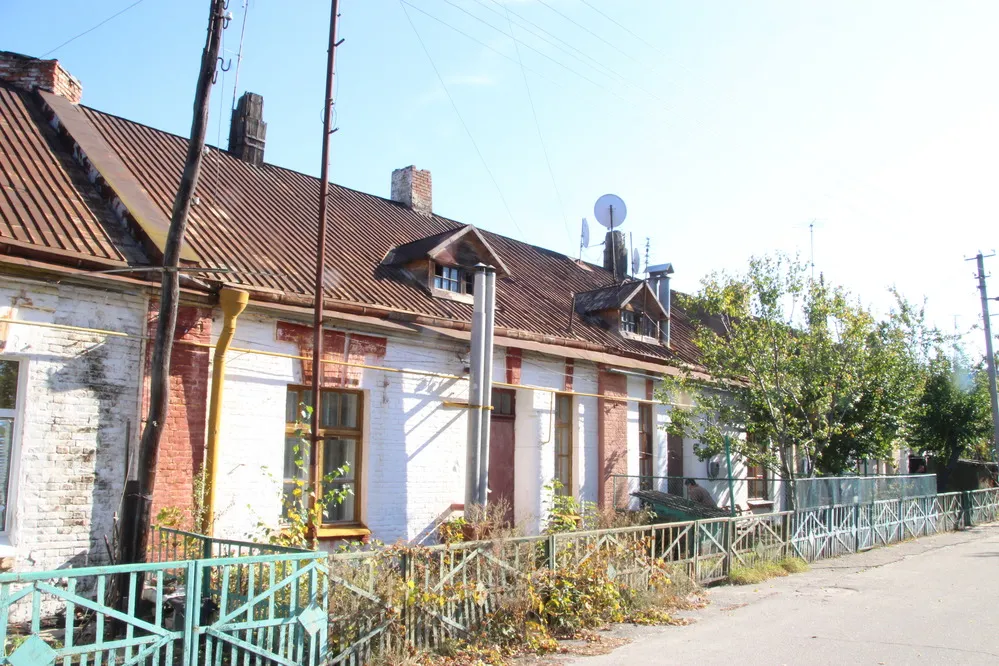
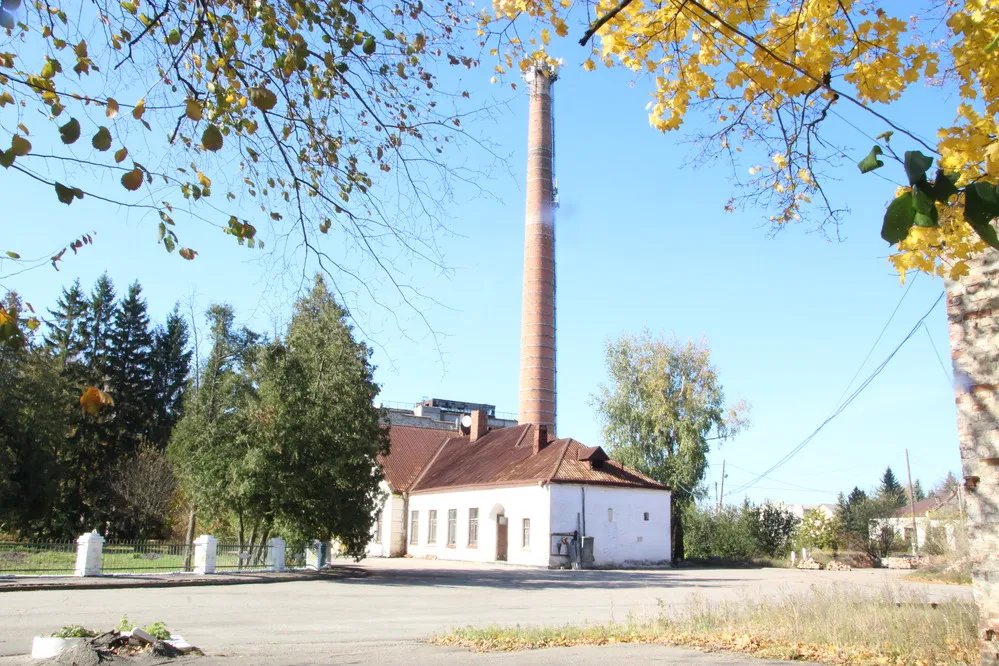
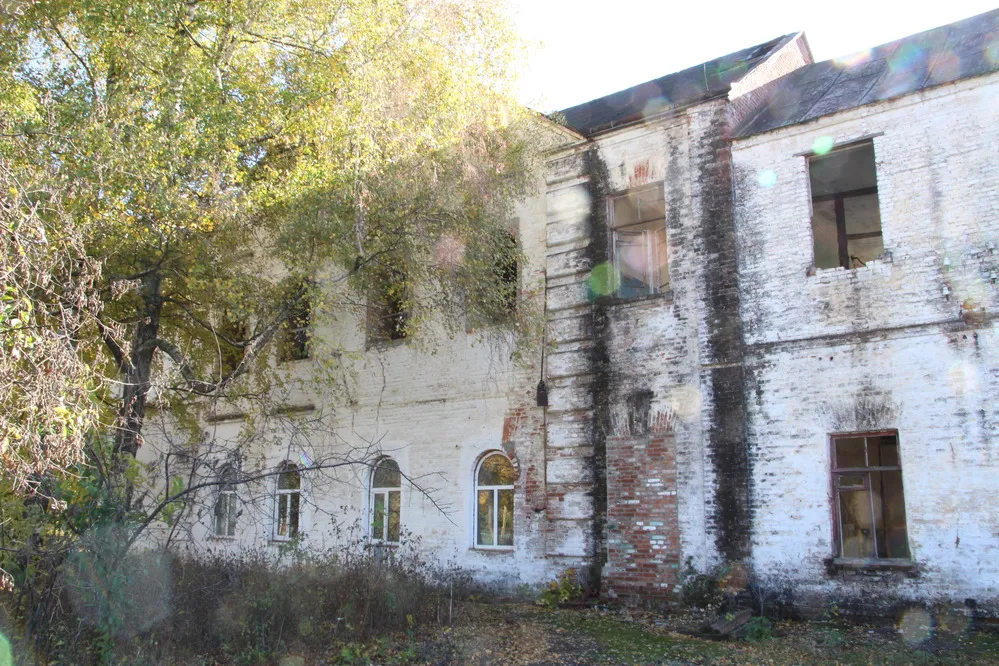
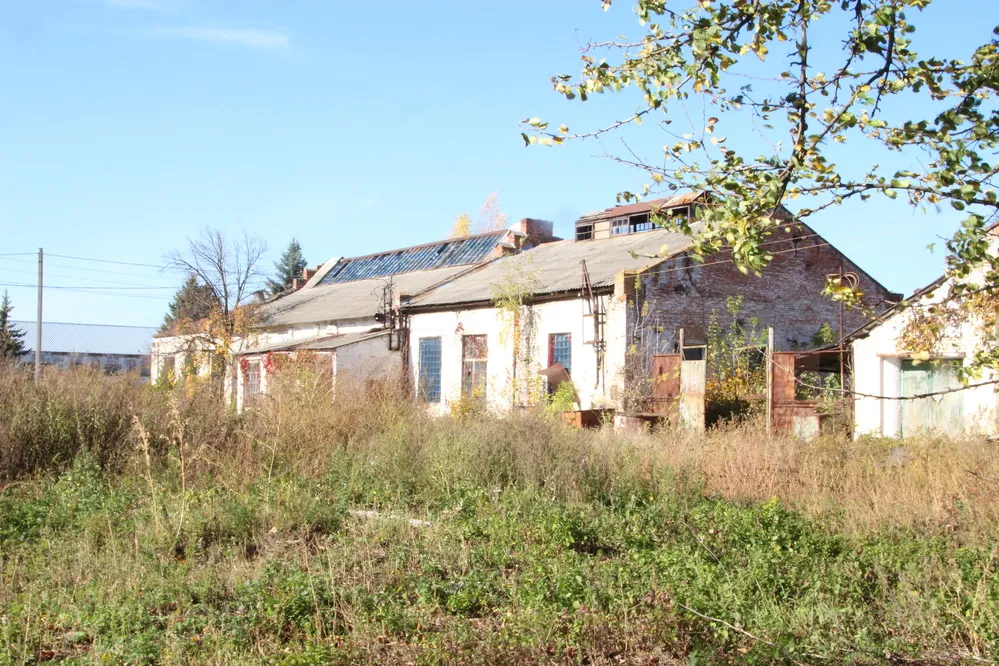
In 1993 a fire broke out in the factory’s warehouse, lasting more than a month, in which 5,000 tonnes of sugar perished; two years later, in 1995, the director of the enterprise left the factory and disappeared without a trace; in 2001 the factory went bankrupt, and the company that acquired it in 2004 itself went bankrupt the same year, having managed nonetheless to dismantle and sell for scrap all the equipment and even 2 diesel locomotives and 1.5 km of railway track. That year the factory worked only 20 days.
And although the factory was partially restored in 2006, its final “agony” could no longer be stopped. In the 2007/2008 season it worked only three days.
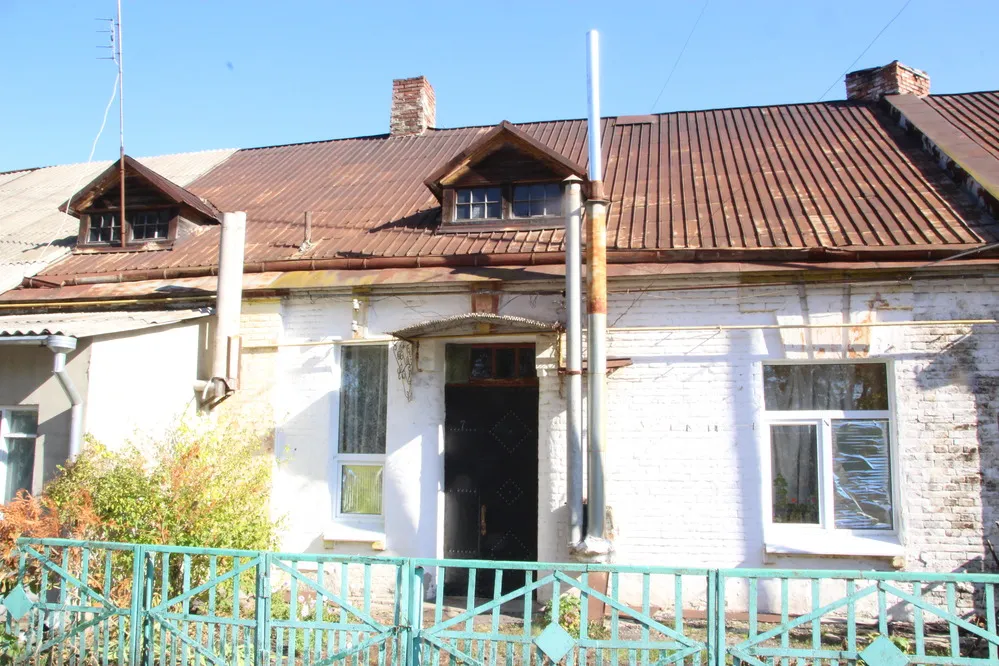
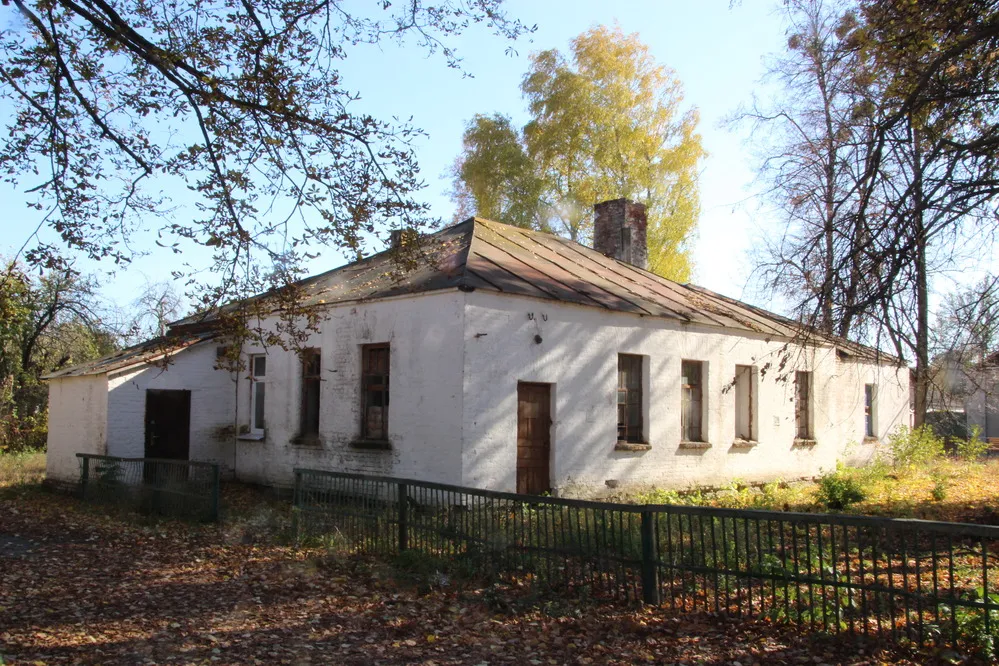
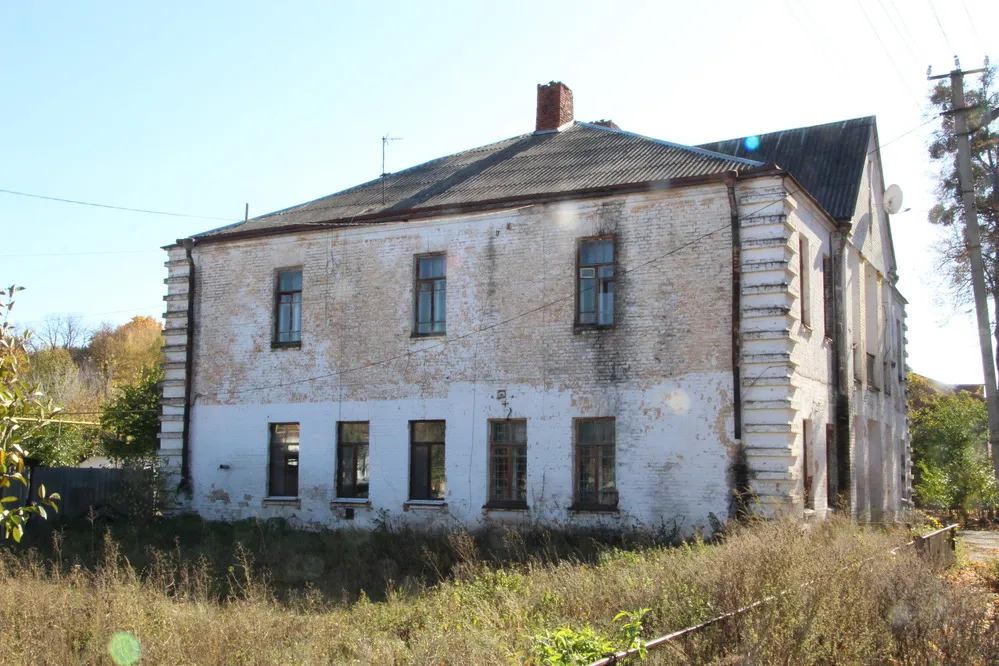
Not far from the former factory, old buildings have survived, and the complex itself, which includes the main building, the manager’s house, the office building, and the houses of the foremen and visitors, is an architectural monument. On the factory grounds a park with trees more than 100 years old has survived, since it was laid out as early as 1913 by the Kharytonenko family. The park is a monument of landscape gardening art of local significance.
The first church in Kyrykivka was most likely built by the founder of the village; the church is already mentioned in 1686, and in 1738, let us recall, the founder’s grandson served in it as priest.
In place of the old, dilapidated wooden church, a new church was built in 1786 with donations from the former Cossack officer, the landowner Boiarskyi, and from his forest. The lord was not always so pious. According to tradition, he loved money very much, was incredibly stingy and never repaid debts. Shortly before his death he fell ill with dropsy and, to atone for his sins, repaid all his debts (whole queues lined up) and built a church. And his daughters went to a convent. In 1845 a village parish school was built in a separate building at the Church of St. Michael.
In time this church also fell into decay, so in 1853 a new, already third church was built, to a design by the architect F. I. Danylov and at the expense of the community.
Unfortunately, we were unable to find out whether it is the same church that stands in the village now, nor about its history in the 20th century.
Of recent events we know only that in 2015 the church was robbed: the intruders stole 2 Gospels and 5 icons.
Text and photos by Ihor Dorozhko, Oleh Hodyna and Maksym Nazarenko.