Tauric Chersonese. UNESCO

· 3 min read
In 988, after several months of siege, Grand Prince Volodymyr of Kyiv captured Chersonese, at that time a Byzantine city. It was the capture of Chersonese that allowed Volodymyr to dictate his terms to the Byzantine emperor Basil II and to marry his daughter Anna. In the same year, in Chersonese, the pagan Volodymyr became the Christian Basil. And then came the Baptism of Rus.
The city of Kherson is named in honour of Tauric Chersonese, and the Rus name of Chersonese, Korsun, is reflected in the name Korsun-Shevchenkivskyi. And the ruins of Chersonese are depicted on the 1 hryvnia banknote.
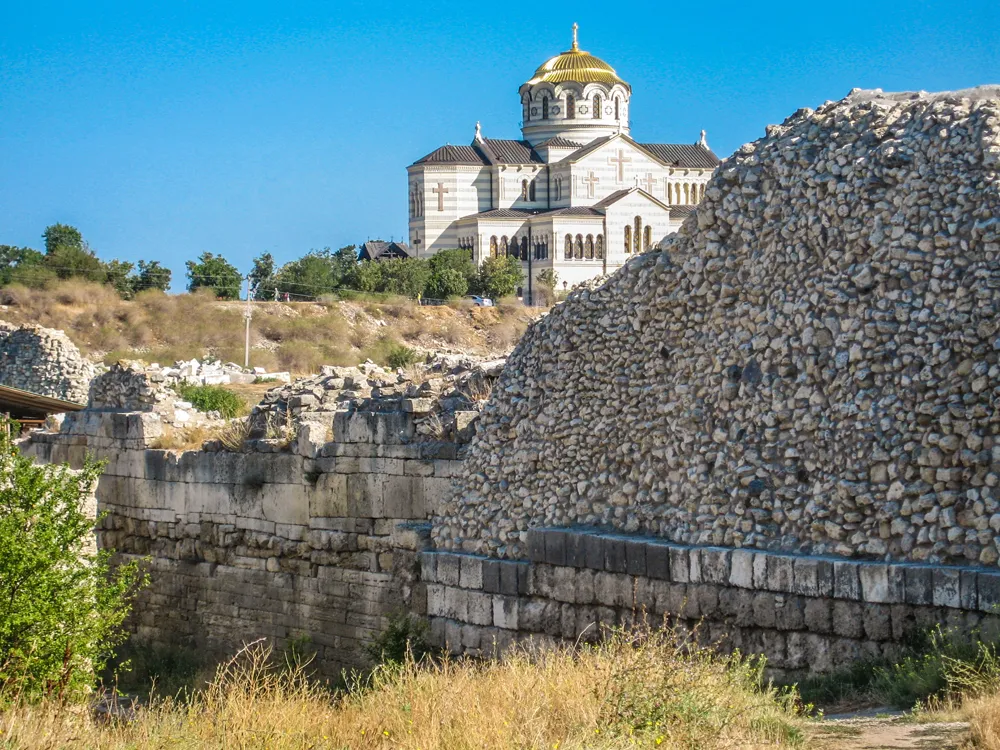
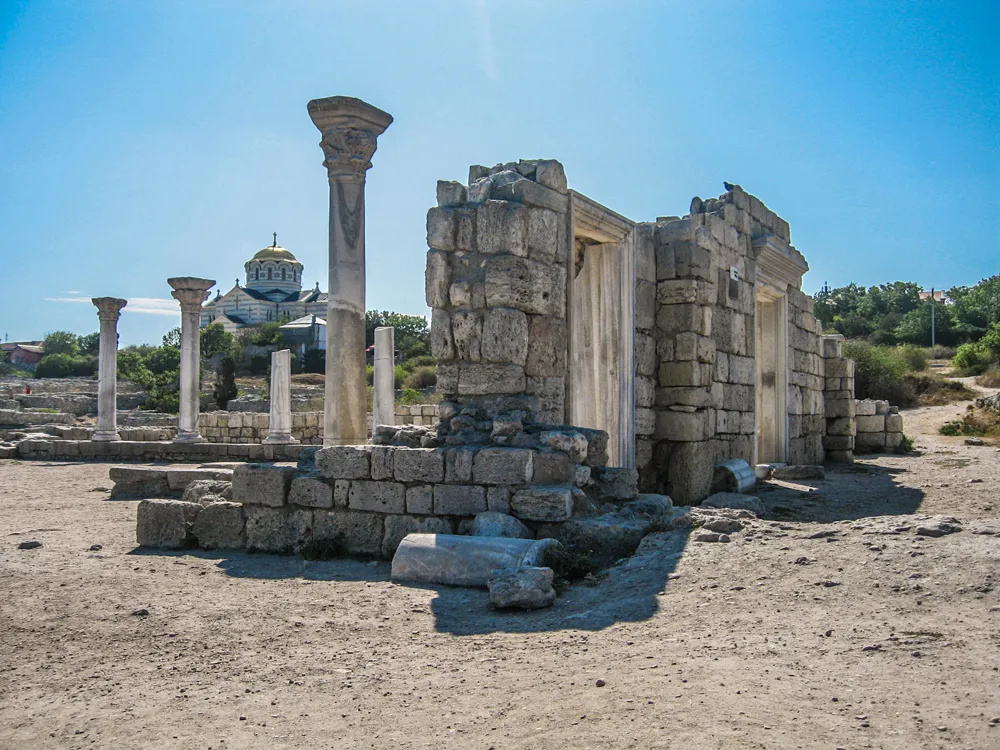
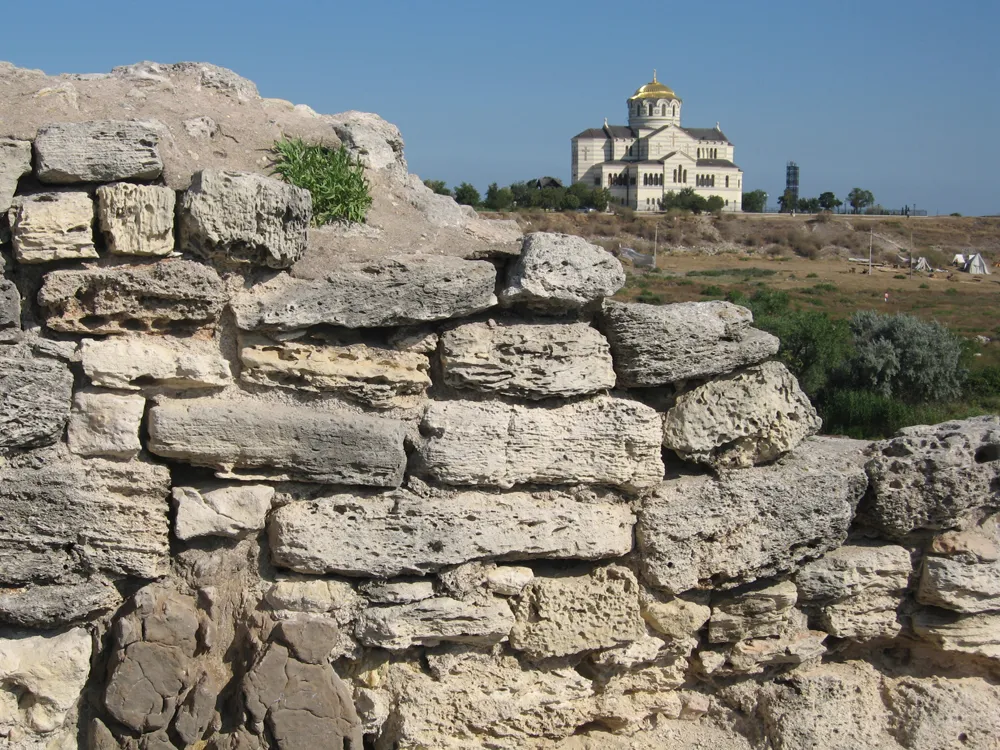
The Tauric Chersonese Historical and Archaeological Reserve is located in the city of Sevastopol in Crimea. The museum-reserve on the ruins of the ancient Greek city of Chersonese was created as early as 1892. And in 2013 Chersonese was inscribed on the UNESCO World Heritage List.
UNESCO criteria.
Criterion (ii): Tauric Chersonese is an outstanding testimony to the exchange that took place between the Greek, Roman and Byzantine empires and the population of the Northern Black Sea region. The polis and its chora preserved the role of a centre of exchange of influences and mutual enrichment between cultures for a very long time and with continuity over millennia.
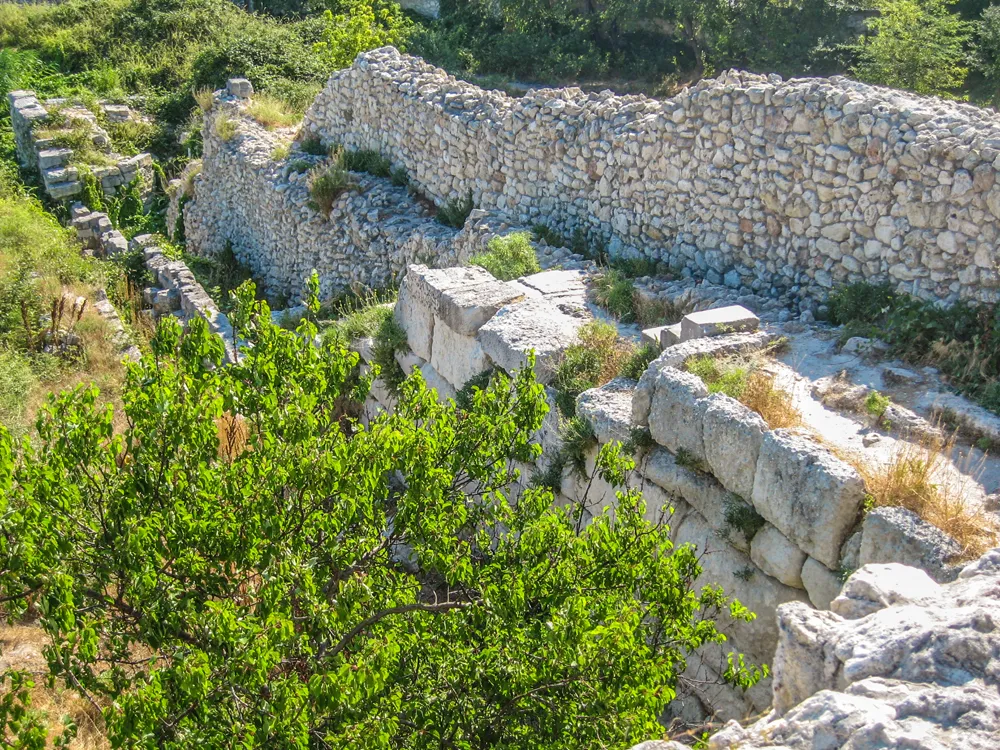
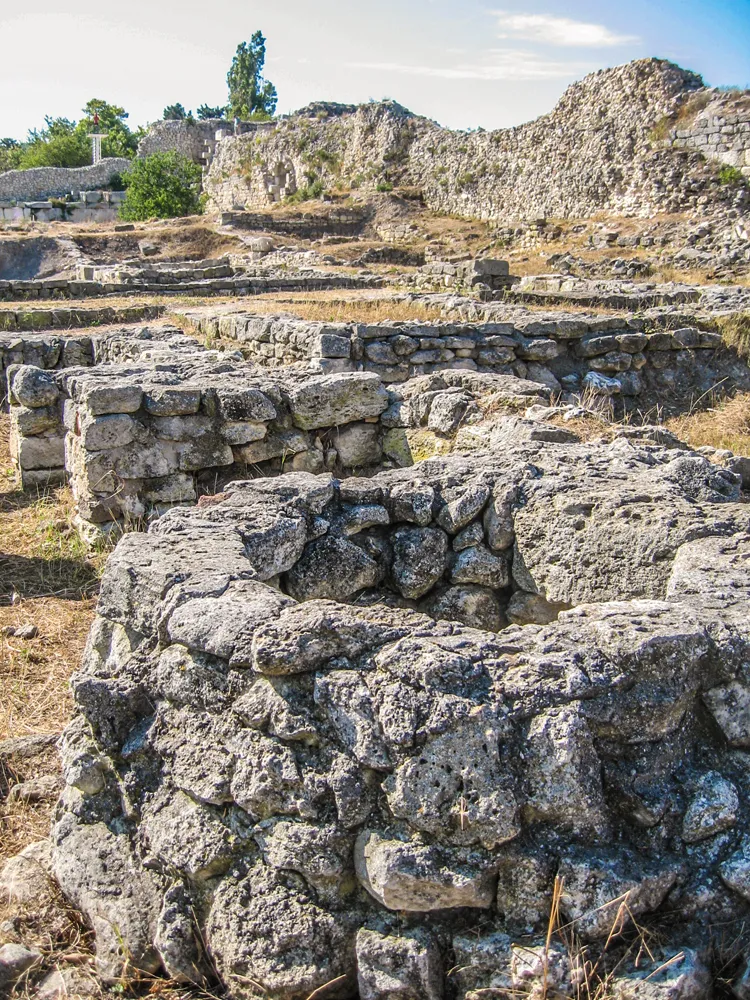
Criterion (v): Tauric Chersonese and its Chora represent a relict agricultural landscape of a huge and well-preserved system of land allotment. Around the polis there are more than 400 equal plots of land. The remains of walls, fortifications, estates and the characteristic street network reflect the way of life of the city’s inhabitants and illustrate the use of agriculture and the continuity of the landscape despite subsequent changes in production.
Tauric Chersonese was founded in the 5th century BC by Dorian Greeks. The name Chersonese itself means peninsula. On the Heraclean Peninsula (the south-western part of Crimea) a polis was established, surrounded by agricultural territories. In time Chersonese became a city-state, whose heyday fell in the 4th-2nd centuries BC. It minted its own coinage, and its economy was based on viticulture, fishing, crafts and trade.
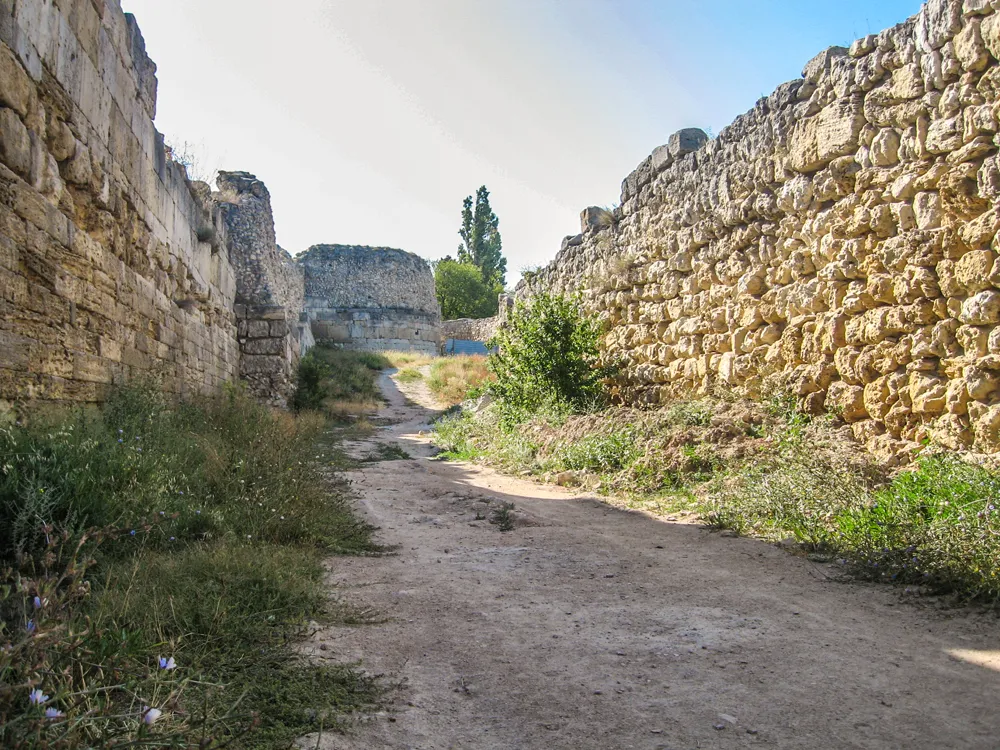
From the 2nd century BC Chersonese was part of the Bosporan Kingdom, but after the death of King Mithridates VI Eupator the city went over to the side of Rome. It was in Roman times that the powerful defensive walls were built, the remains of which we see today. Chersonese was a Roman outpost in Crimea, and it was from Rome that it received Christianity. This happened in the 5th century. Then the ancient temples were pulled down to build Christian ones. At that time the city also became part of the Byzantine Empire.
For a long time Tauric Chersonese fought numerous barbarian tribes moving westward. Behind the powerful fortress walls the townspeople felt protected, so the city grew, and by the 11th century had become the largest polis of the Northern Black Sea region.
From the 13th century Chersonese was part of the Empire of Trebizond and of Genoa. In 1399 the city was burned by the Golden Horde commander Edigu, and after that it never recovered as a powerful centre of life, trade and crafts. Although the majestic churches and walls of Chersonese were built so well that they stood until the 19th century, when new barbarians came here: the Russians. The ancient ruins were blown up with explosives and carted away for building materials. Ancient Chersonese became the basis for the construction of Sevastopol.
Text by Roman Malenkov, photos by Serhii Shcherbii. From the book “World Heritage in Ukraine”