Roman Catholic churches of Kyiv Oblast. A dreadful state

· 3 min read
Let us note at once that of the old functioning Roman Catholic churches in Kyiv Oblast there are only two, in Bila Tserkva and Fastiv, and the church in Bezpechnacan conditionally be counted among them. The rest is sheer horror: how they were abused in the Soviet period, and how indifferent present-day Ukrainians are to them.
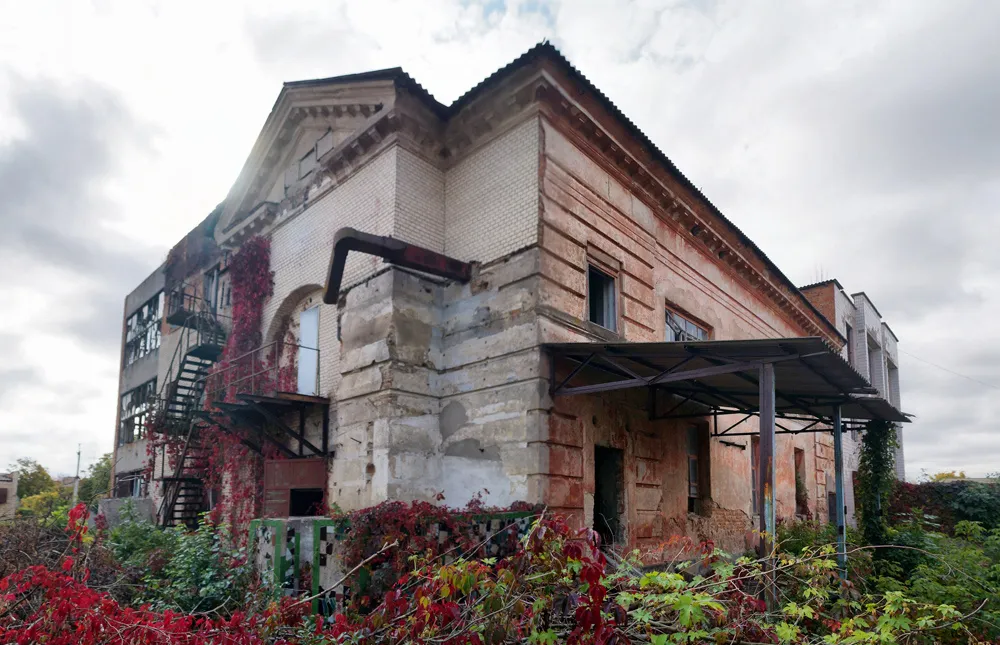
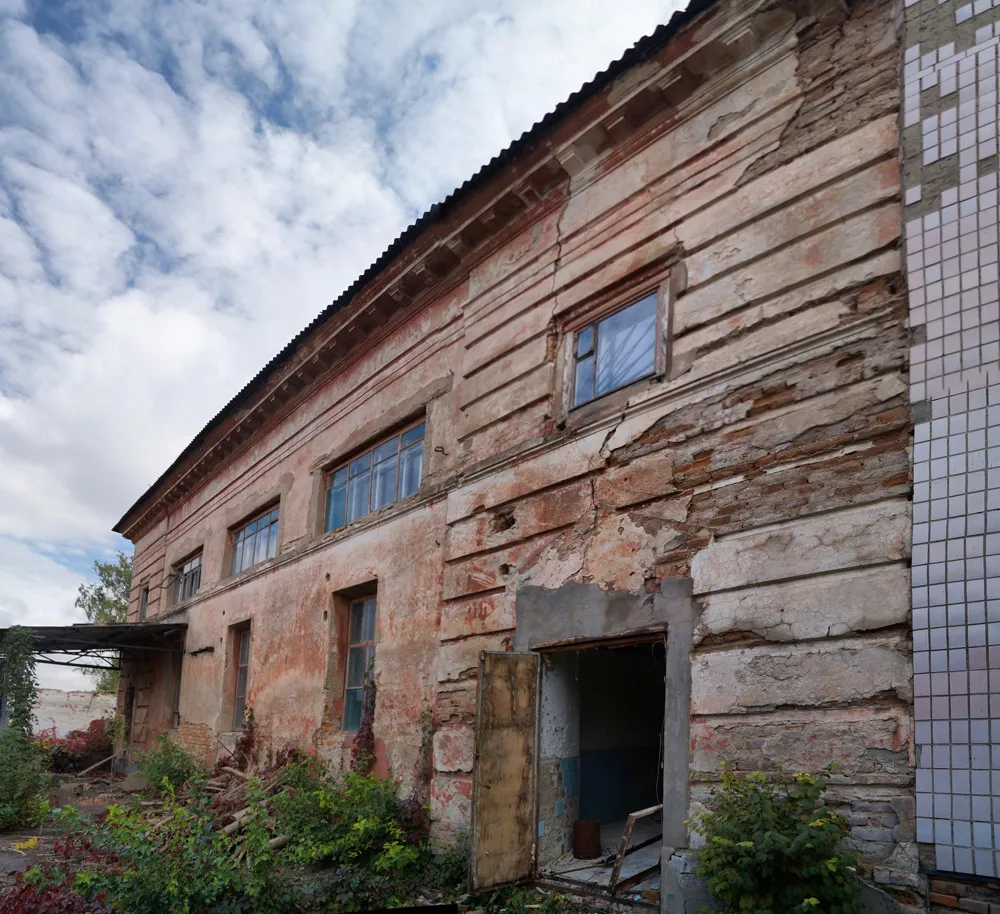
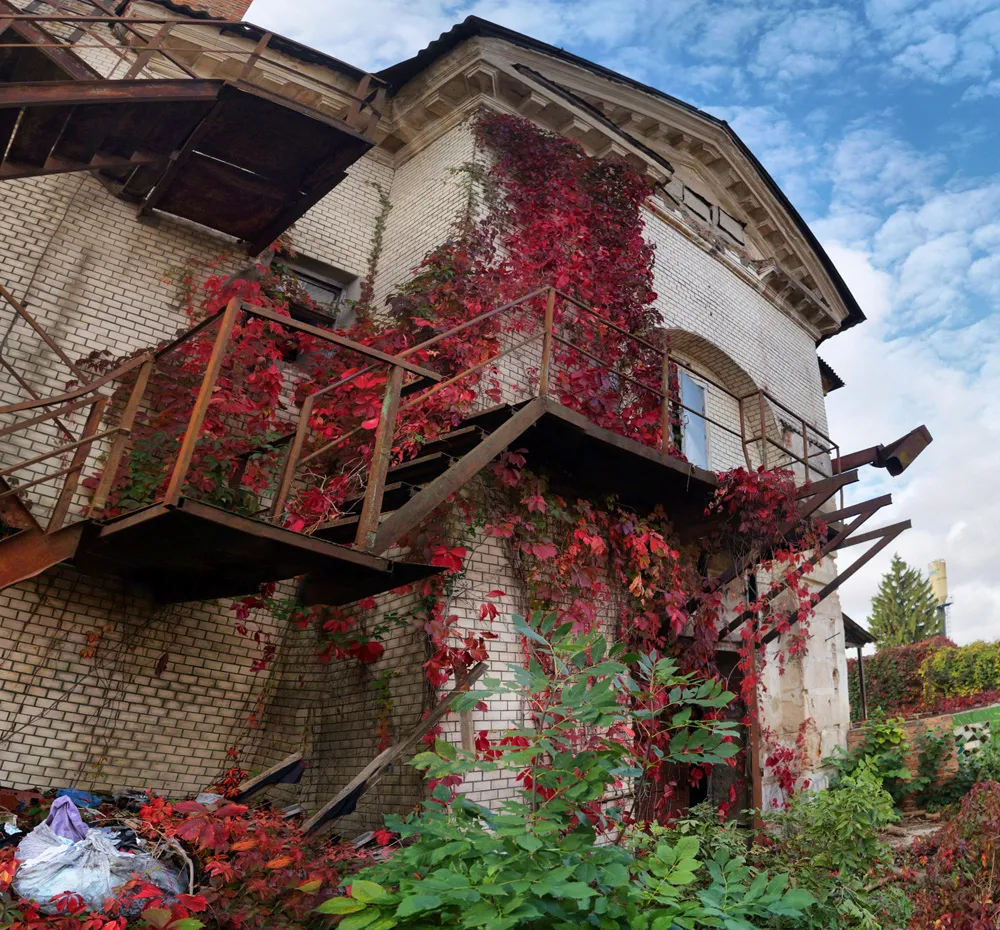
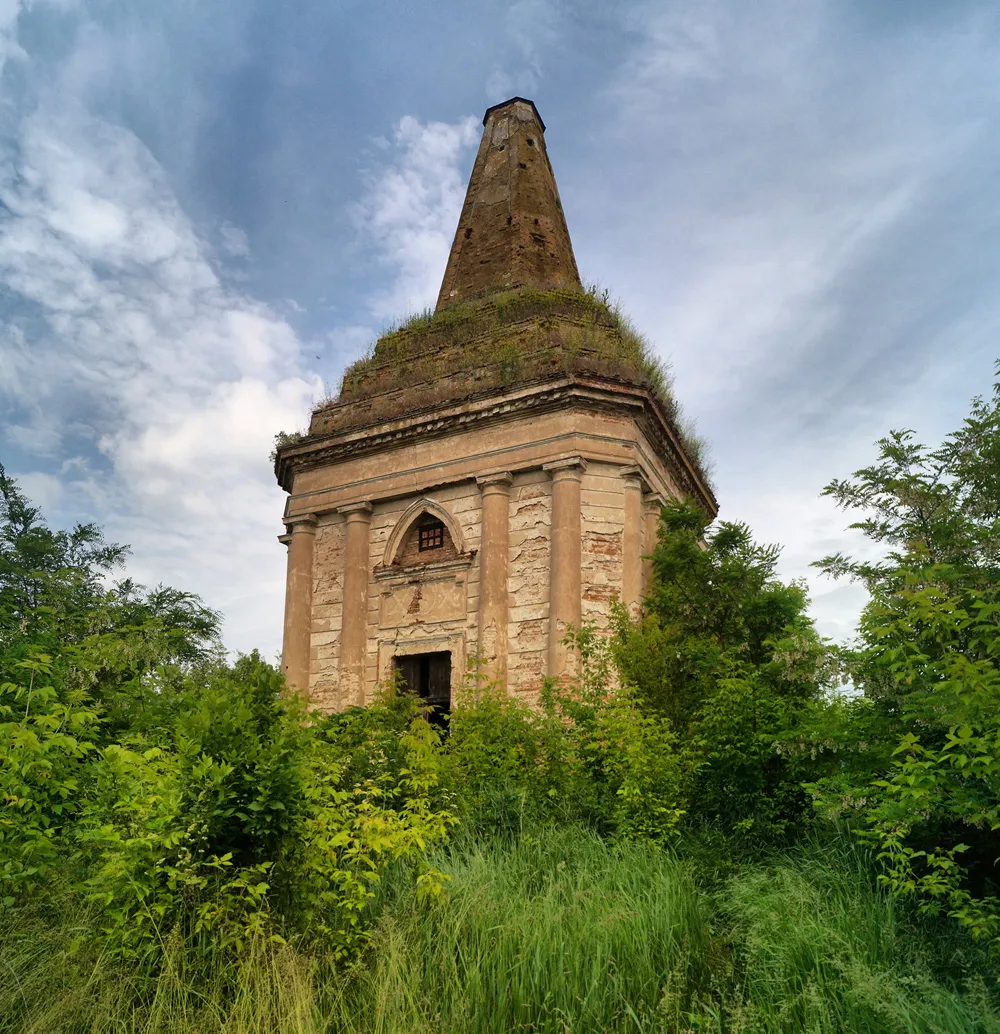
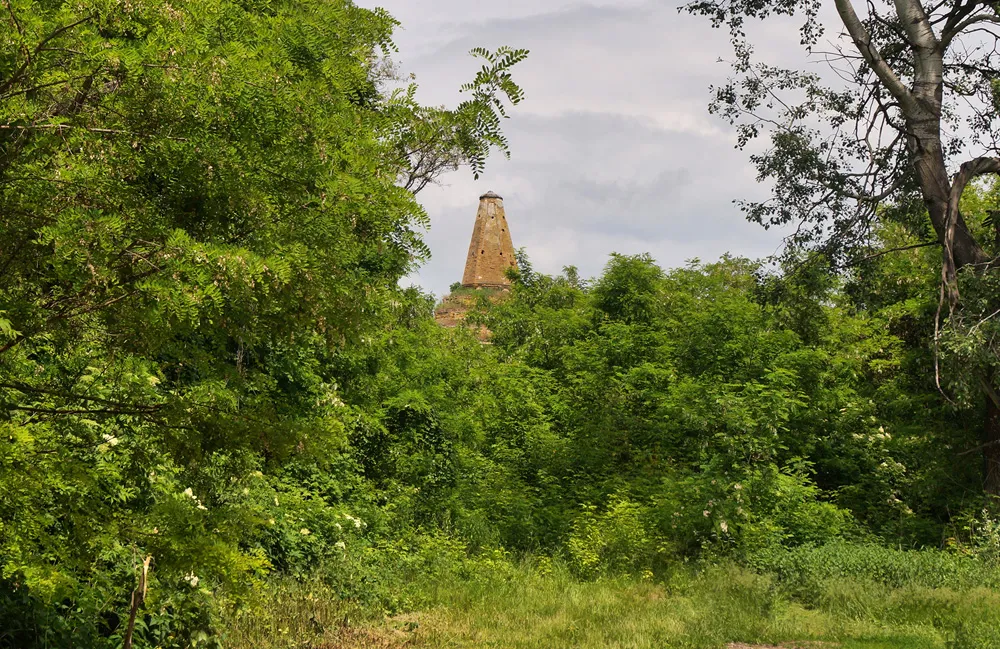
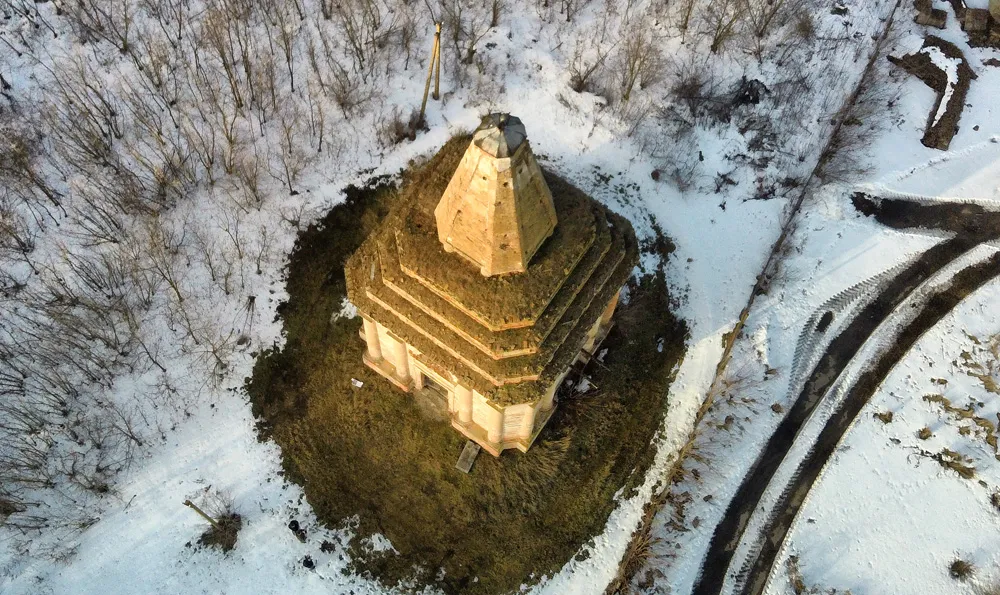
Antoniv. Ziggurat church. Burial vault of the Podgórski princes. 1810
The Podgórski burial vault was built in the form of a ziggurat. Who knows why the village’s then owner took it into his head to build precisely such a church. Here is what Pokhylevych writes about it:
“The then owner, Alexander Podgórski, having returned from abroad… proposed to build a stone church, which he indeed built… in 1810. The next owner of Antonov in 1848 built a magnificent stone palace near the church.”
The palace was destroyed by the Bolsheviks; the church, fortunately, survived. But its condition is far from the best.
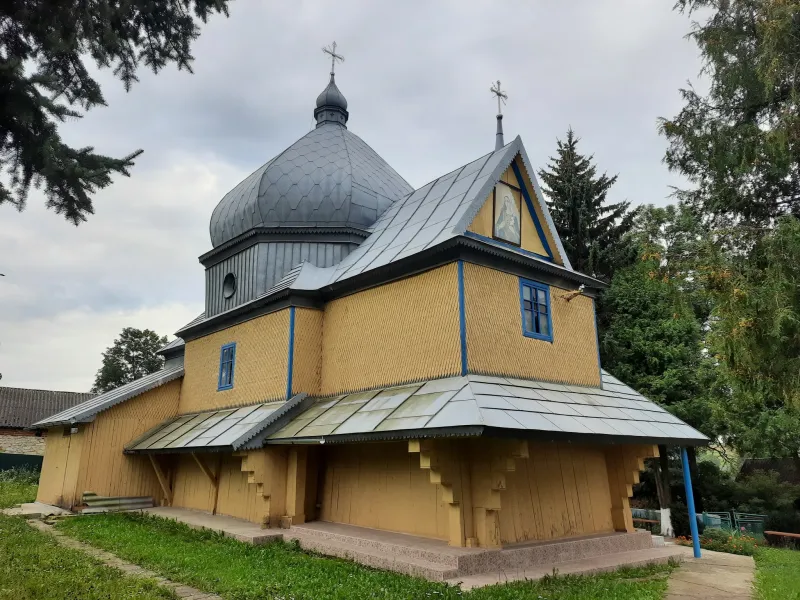
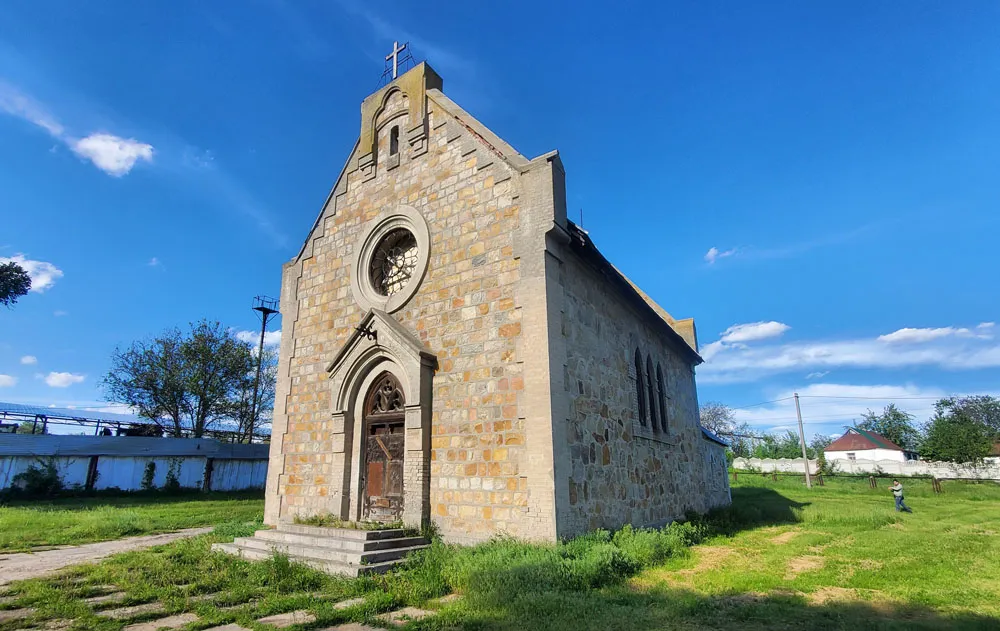
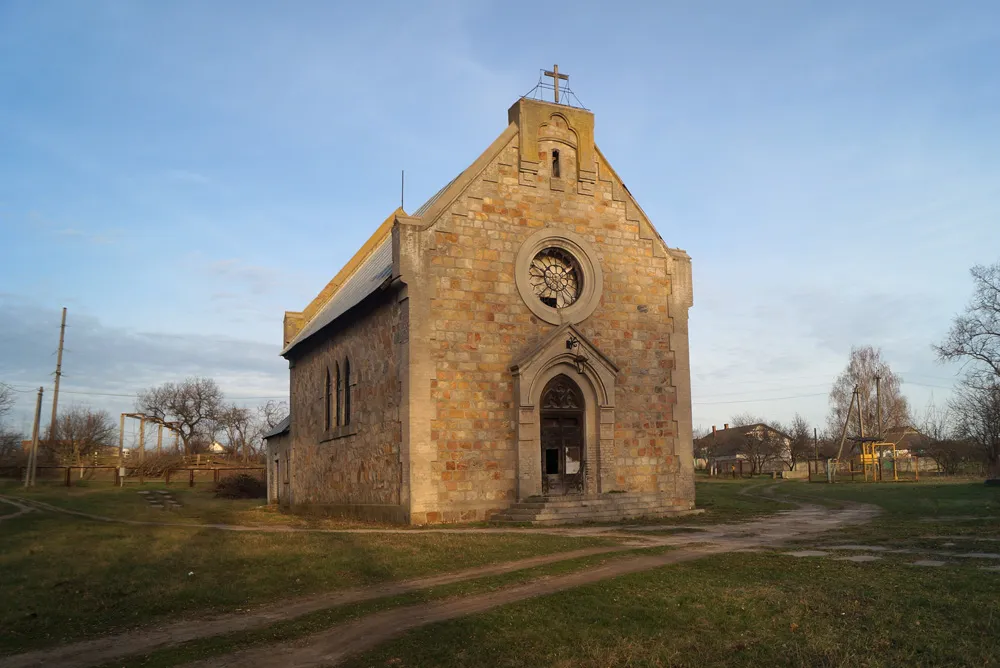
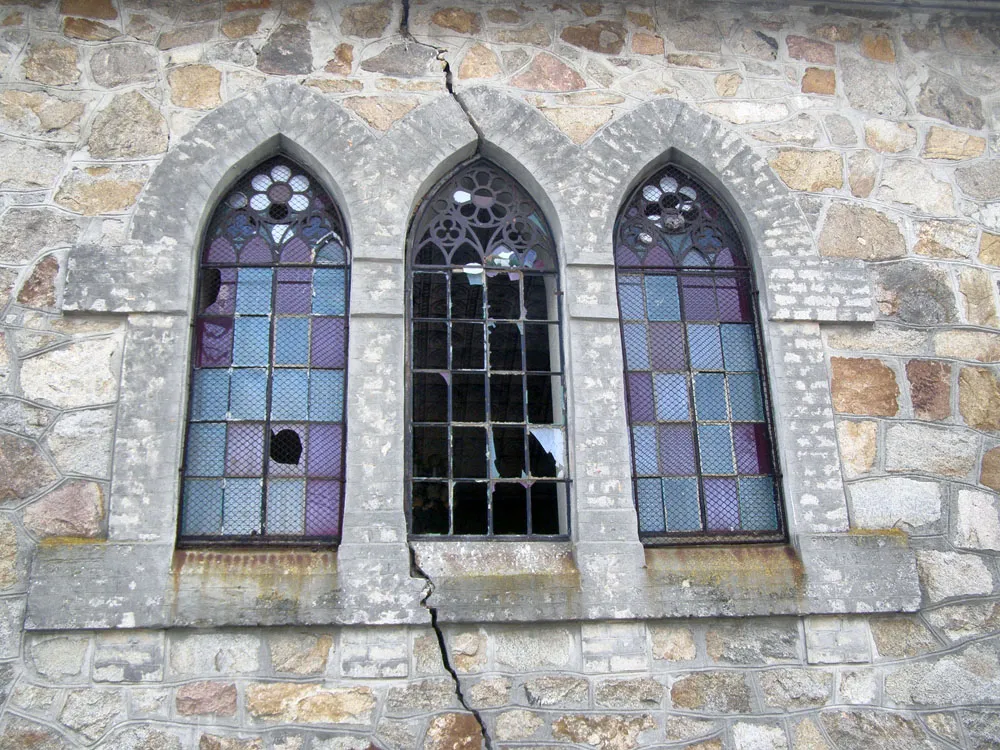
Ruda. Church of St. Anthony of Padua. 1870s? early 20th century?
The Church of St. Anthony of Padua in Ruda was built in the 1870s. The building now belongs to the Roman Catholics, although the Orthodox Church (UOC MP) has already made several attempts to establish its own parish in it, citing the absence of Catholics in Ruda. There really are no Catholic parishioners in the village, just as there is no Catholic parish. So the church has long stood closed and has already begun to fall into ruin.
Bohuslav. Church of St. Ladislaus. 1819–1825
The Church of St. Ladislaus of the parish of the Descent of the Holy Spirit is a functioning parish church in the city of Bohuslav in the Kyiv region, built in 1819–1825 in the Classicist style. It has no official status as an architectural monument. It is one of the least known Catholic churches of the Kyiv region. In the Soviet period its dome was destroyed, the church itself was clad in tiles and turned into a warehouse, and then into the carpet workshop of the “Bohuslavka” factory. In 2014 the church was returned to the faithful.
Source and photo: Wikipedia
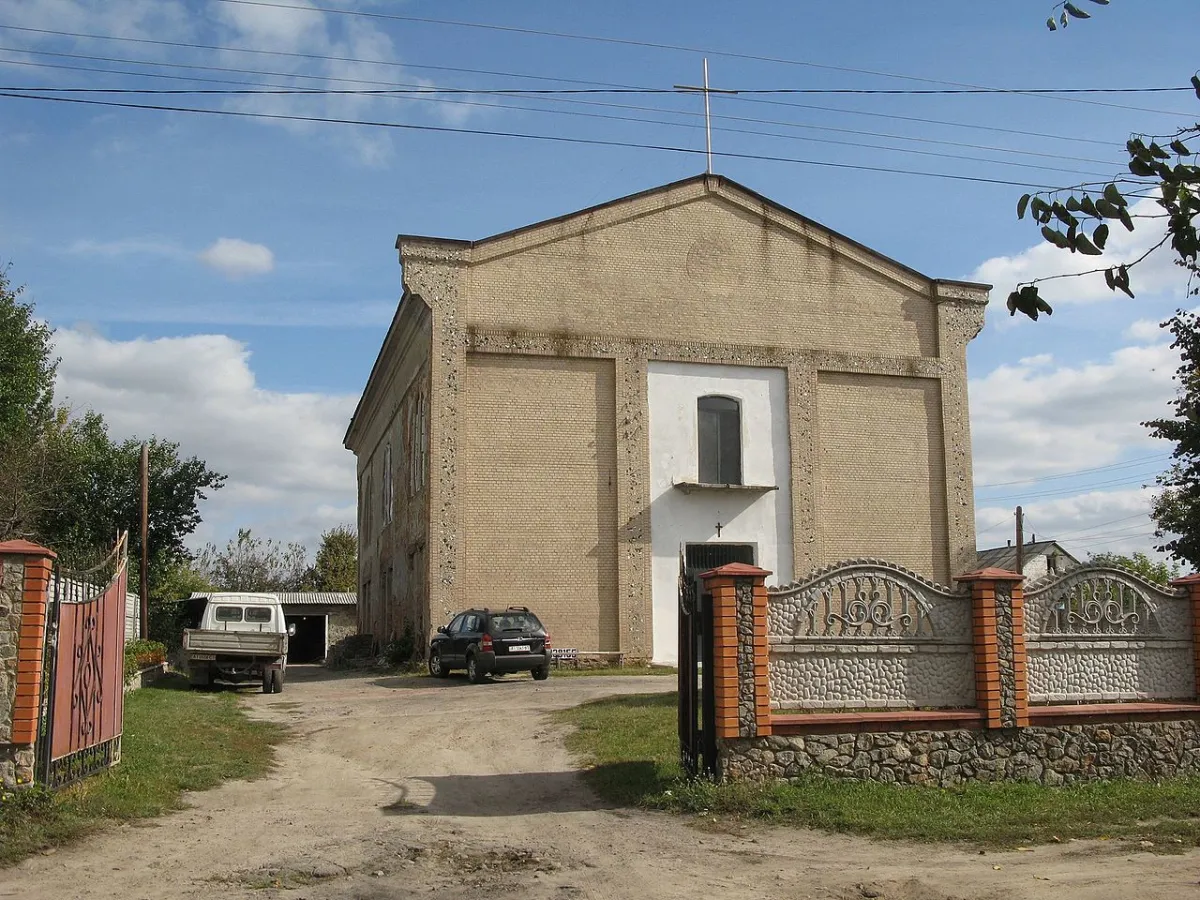
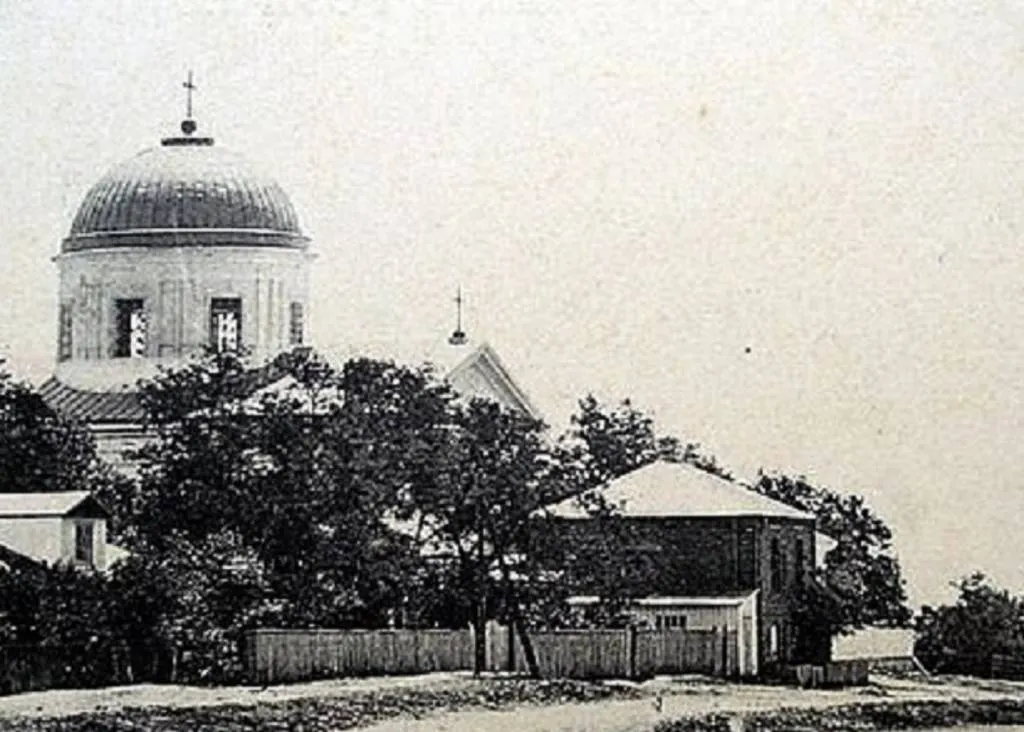
Volodarka. Church of St. Michael, 1815–1826
The church was built over the years 1815–1826 on its site through the efforts of the local parish priest Fr. Petro Koropka and with funds from parishioners. In the second half of that century the parish had more than a thousand faithful. In Soviet times the church served as a house of culture. In 1995 it was handed over to the Orthodox, who repaired it and added a dome. And now the former Roman Catholic church is the Church of the Exaltation of the Cross of the Moscow Patriarchate.
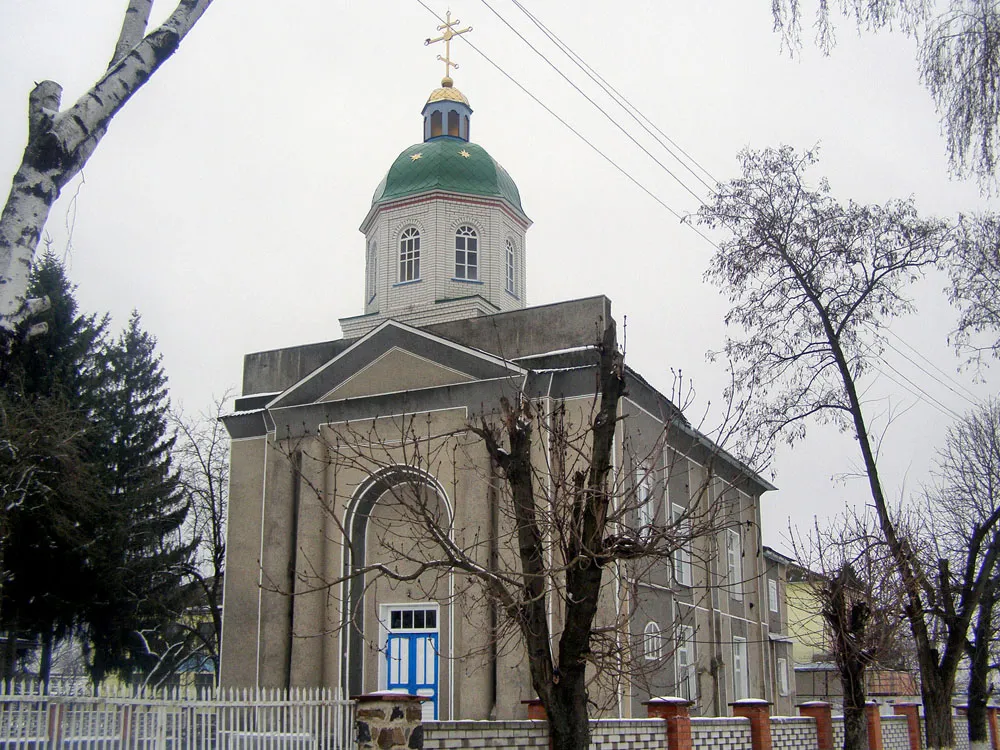
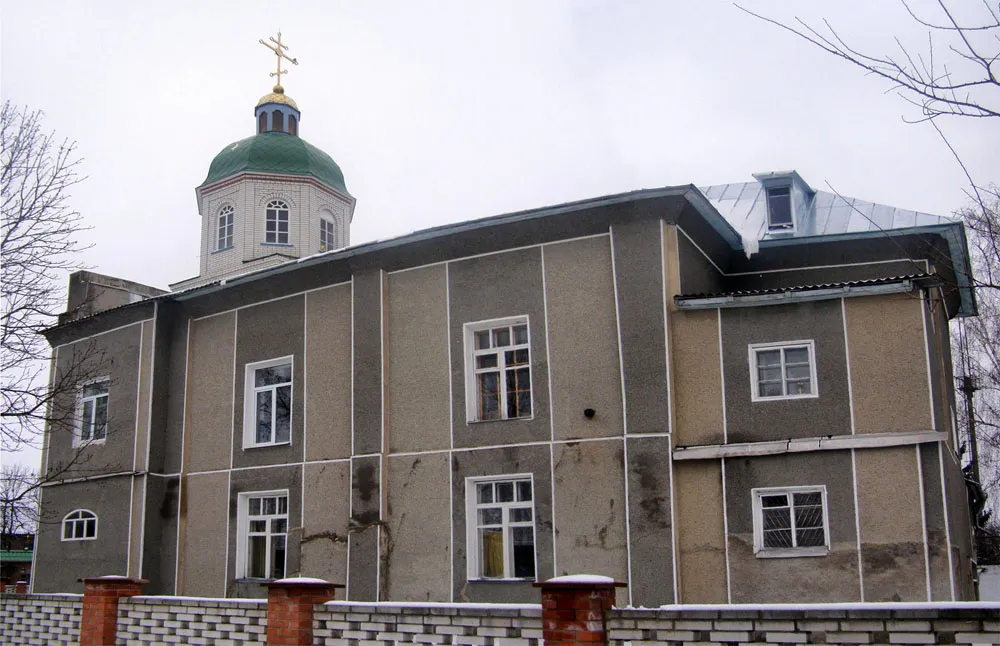
Skvyra. Church of St. John of Nepomuk, 1885
This filial masonry church was built, according to various sources, in 1865 or 1885 at the expense of Cecylia Radziwiłłowa, née Mrozkowska, who had earlier been, among other things, the owner of Khabne. In Soviet times it was turned into a workshop of a canning factory. It is now on a service territory behind a wall. There is no access.
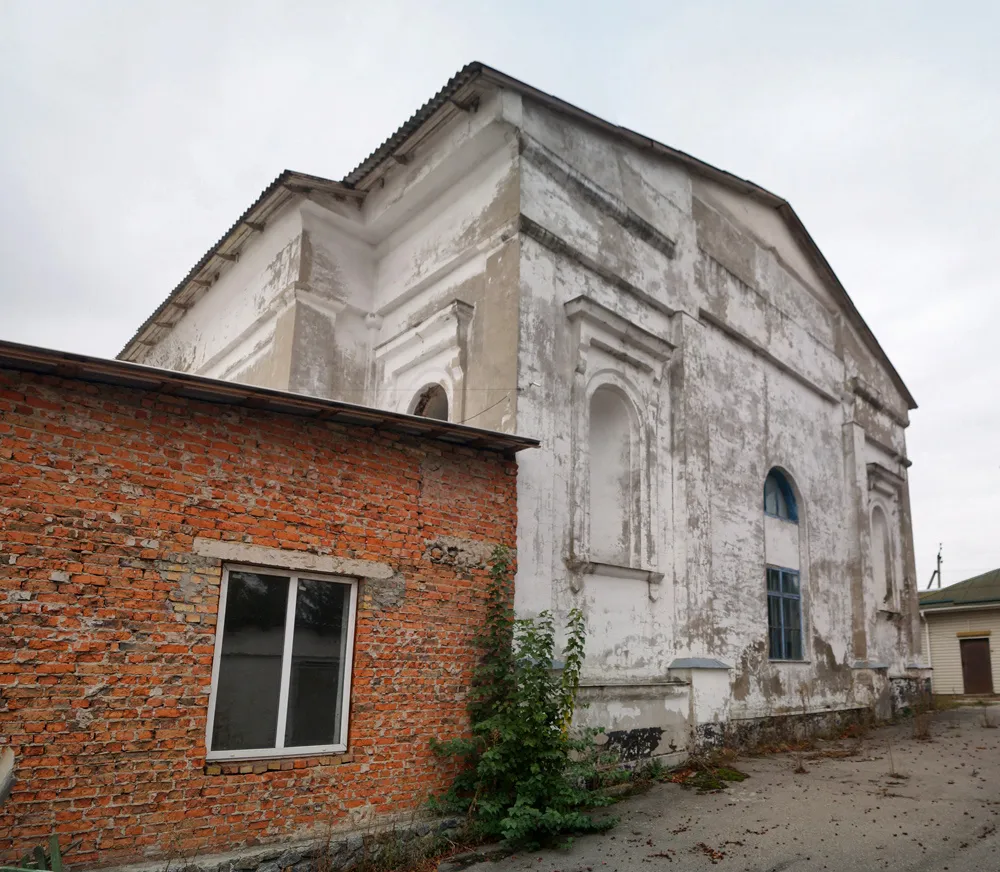
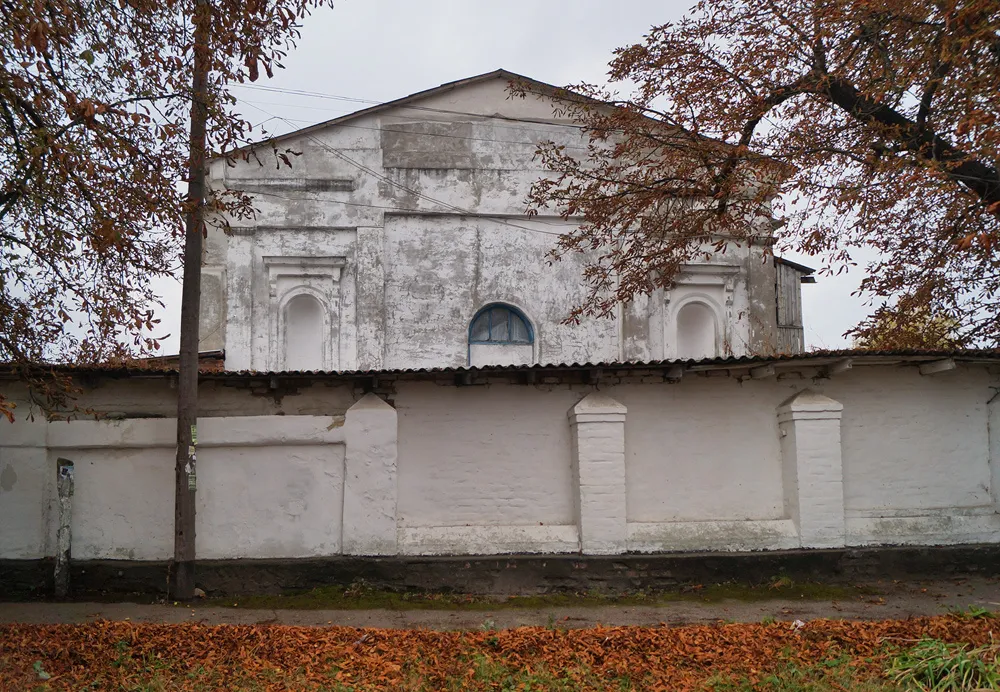
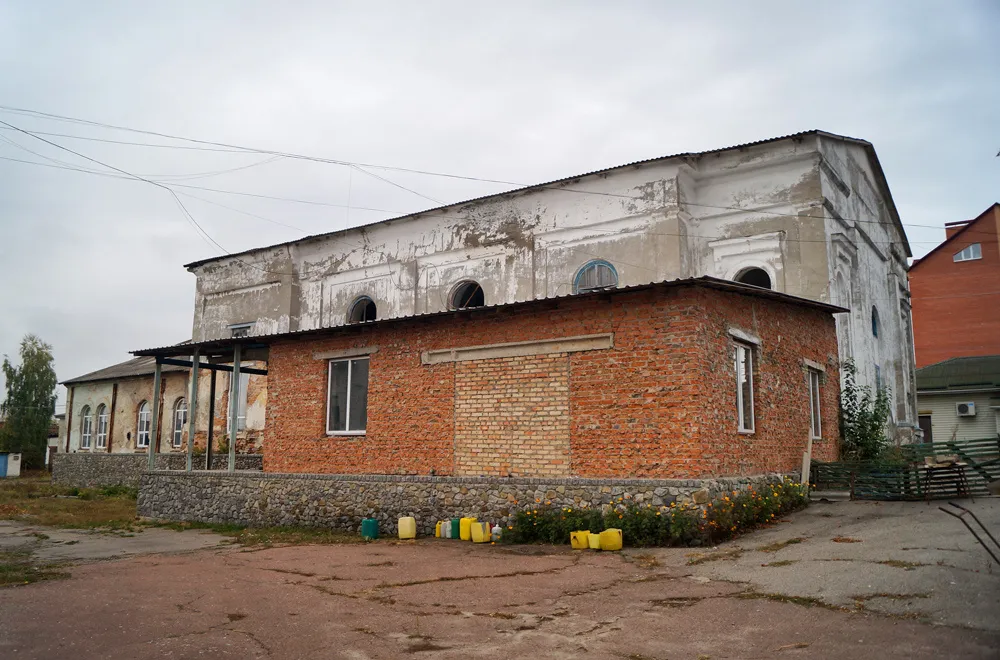
Tetiiv. Church of the Blessed Virgin Mary. 1802–1804
In 1802–1804 a stone parish church of the Blessed Virgin Marywas built in Tetiiv. In the Soviet period the church building was disfigured: it was turned into a workshop of the “Elektronmash” factory.