Marinating meat: science and art
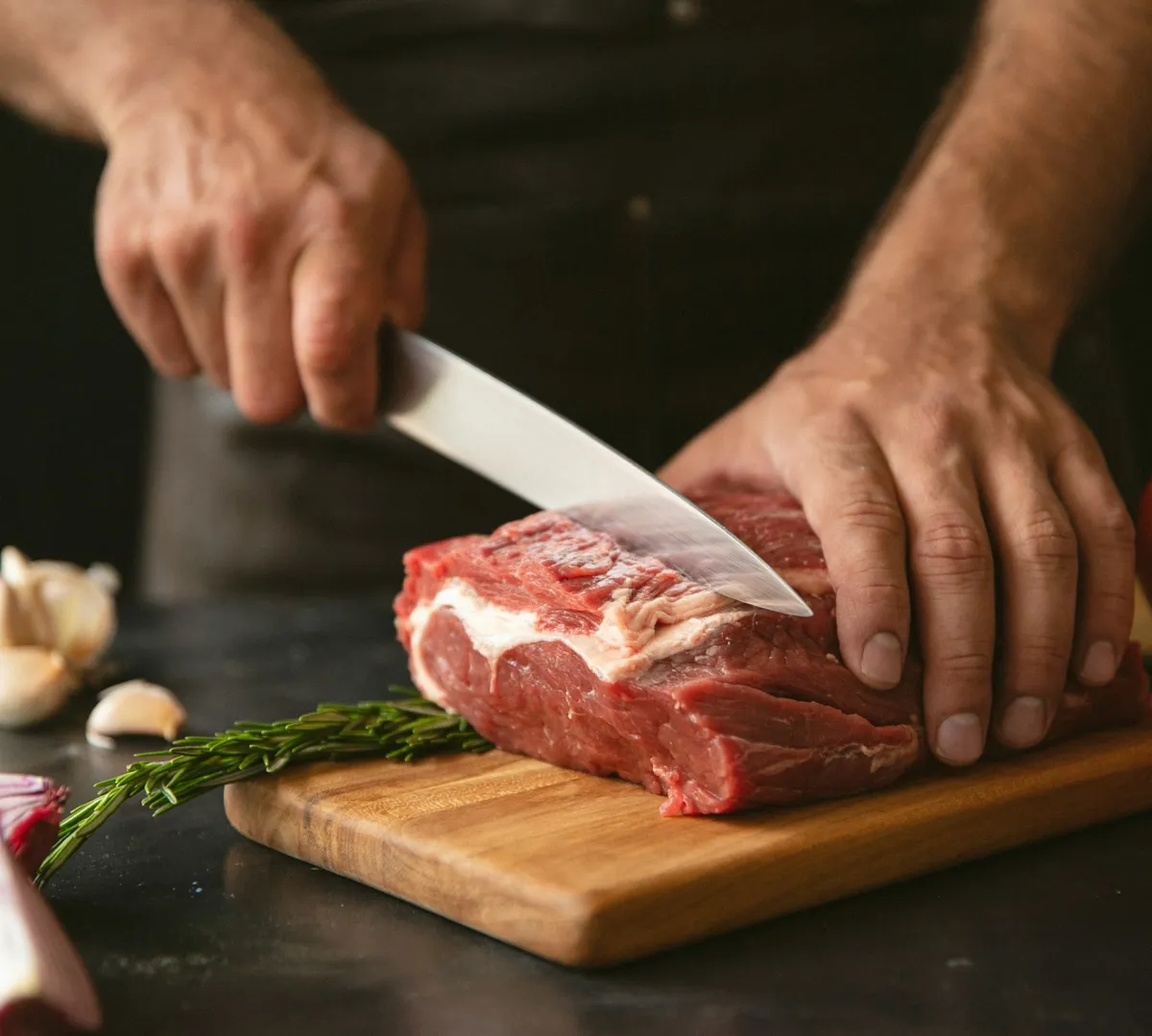
Marinating is one of the oldest culinary techniques, turning tough meat into tender, aromatic meat. It combines chemistry, physics and a cook’s intuition. From Middle Eastern kebabs to Asian teriyaki, from European marinades to Latin American adobo, every culture has developed its own recipes and approaches. Today, connoisseurs of properly marinated meat can easily order a kebab in Lviv from masters who know the secrets of the perfect marinade. But what exactly happens to meat during marinating?
The chemistry of tenderising
A marinade works on several levels. Acids (lemon juice, vinegar, yoghurt, wine) partially denature the proteins on the surface of the meat, softening the fibres. However, too much acid makes the texture “boiled” and grey. Balance is critical: acid usually makes up 10-15% of a marinade.
Enzymes from tropical fruits (pineapple, papaya, kiwi) contain proteases that break down proteins. They work faster and deeper than acids, but can turn meat to mush if left on too long. Marinating time with enzymes is limited to an hour for thin pieces.
Salt is the most important component. It does not merely add flavour but also changes the structure of the muscle fibres, allowing them to retain more moisture. The process is called osmosis: first the salt draws moisture out, then it is absorbed back together with the dissolved flavours.
The time factor
The thickness of the cut determines the marinating time. Thin steaks (2 cm) need only 30-60 minutes of marinating. Thick cuts (5+ cm) benefit from several hours or overnight. Chicken absorbs a marinade faster than beef because of its less dense structure.
Fish is marinated for only 15-30 minutes, as its delicate structure is easily broken down. Seafood can even “cook” in acid (as in ceviche), so marinating should be minimal or done solely in oil with herbs.
Over-marinating spoils the texture. The meat becomes soft, not in a good way but mushy. The surface turns grey and the flavour becomes bland. The golden rule: if in doubt, it is better to under-marinate.
The anatomy of a perfect marinade
Fat (oil) carries fat-soluble aromatic compounds and helps the marinade cling to the surface. Olive, sunflower, sesame: the choice depends on the cuisine. Fat makes up 50-70% of a marinade.
Acid (10-15%) tenderises and adds brightness. Lemon is classic for Mediterranean cuisine, lime for Asian and Latin American, vinegar for barbecue marinades, yoghurt for Indian and Middle Eastern.
Aromatics are where the magic happens. Garlic, ginger and onion create the base. Herbs (rosemary, thyme, coriander, mint) add freshness. Spices (paprika, cumin, coriander, chilli) add depth and warmth.
Sweeteners (honey, sugar, maple syrup) balance the acid and help caramelisation during cooking. Soy sauce or fish sauce adds umami, the fifth taste, which boosts the meatiness.
Regional traditions
Middle Eastern marinades are based on yoghurt, lemon, cumin and coriander. Yoghurt is especially effective: lactic acid tenderises gently, and the thick consistency clings well to the meat. Lamb is traditionally marinated for longer than chicken.
Asian marinades use soy sauce, ginger, garlic and sesame oil. Japanese teriyaki adds mirin (sweet rice wine) and sake. Korean bulgogi includes Asian pear (enzymes) and sesame. Thai curry pastes come with lemongrass and galangal.
Latin American marinades are bright and sour. Mexican adobo has chilli and vinegar. Argentine chimichurri is technically a sauce, but it works as a marinade. Peruvian marinades feature aji peppers and lime.
Marinating technique
Use a non-metal container: acid reacts with metal, creating an unpleasant aftertaste. Glass, ceramic and food-grade plastic are ideal. Zip-lock bags save marinade and ensure full contact.
Stir or turn the meat several times for even distribution. Massaging the meat with your hands helps the marinade penetrate deeper. Piercing with a fork is controversial: some think it helps, others that it causes loss of juices.
Temperature matters. Marinating in the refrigerator (2-4°C) is safe and slow. Room temperature speeds up the process but creates a risk of bacteria: 2 hours at most. Never leave meat marinating on the table overnight.
What to do after marinating
Wipe off excess marinade with a paper towel before cooking. The remains will burn, creating bitterness and a black crust instead of caramelisation. A light coating is enough for flavour.
Letting the meat “warm up” to room temperature for 20-30 minutes before cooking ensures even searing. Cold meat straight from the refrigerator on a hot grill creates a contrast: a charred surface with a raw centre.
Do not use a marinade that has held raw meat as a sauce without heat treatment: bacteria. If you want a sauce, set aside part of the marinade before the meat goes in, or boil the used one.
Marinating is a dialogue between ingredients, time and the cook’s intuition. Understanding the principles lets you experiment, create your own recipes and constantly improve the result. Every marinade is a small scientific experiment with a tasty result.