Bilka

· 3 min read
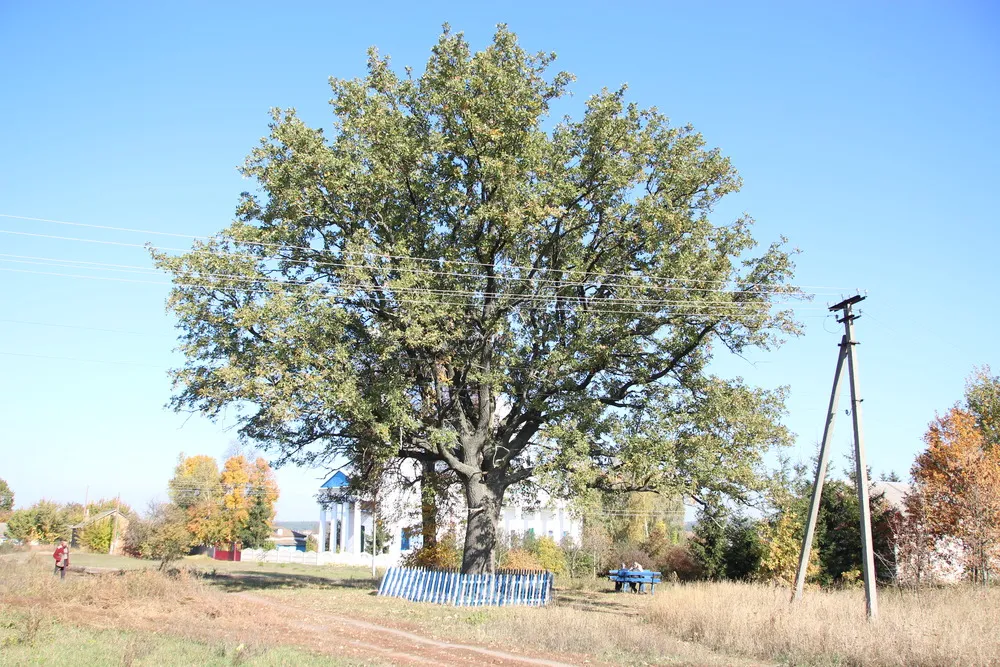
Bilka is an ancient Cossack village with a rich history. Yet there is almost nothing about it online; Wikipedia has only a few meagre lines.
On the site of the present village of Bilka there was a hillfort from ancient times. The founding or revival of the village on the hillfort, within the Putyvl voivodeship, by fugitives from the Lithuanian-Polish state can be dated to somewhere between 1571 and 1598. The Cossack atamans of the Bilka company, Ageii Martynov and Vasyl Andreiev, were mentioned in his report to the Bilhorod voivode as early as 1589 by the Putyvl voivode Hryhorii Borysov. That is, a village inhabited by Cossacks already existed then. In the 1640s the Bilka Cossacks took part in the defence of the town of Volnyi, built to counter the Tatars by the voivode Havryla Bokin as the western bulwark of the Bilhorod line, 10 versts west of Bilka.
Officially, under the Cossack system, the Bilka company, as a constituent unit of the Okhtyrka Regiment, was formed in the 1650s; the first captain was Ivan Hladkyi, later a colonel of the Zaporozhian Sich. In a short time, up to 1686, up to 280 more Cossacks joined the Bilka company; these were settlers from various corners: Vinnytsia region, Kyiv region, Poltava region, Volhynia, and even Galicia. In 1676 the captain was Vasyl Kovalchuk; at this time the company had several mills, and in 1676 it built a large church. Subsequently the documents preserved the names of the following Cossack officers: in 1686 the captain Prokip Samiilov, in 1704 the captain Panas Peshtych, in 1726 the captain Mykhailo Lukianov, in 1738 the captain Stepan Ryzhkevych, in 1759 the captain Lev Karpov (who became captain just 5 years after entering Cossack service, by appointment of Field Marshal General Buturlin), in 1764 Ivan Matiushynskyi, the last captain of the Bilka company.
After the abolition of the company-based Cossack system, in 1766 the Okhtyrka Cossack Regiment was turned into the Okhtyrka Hussar Regiment; among its soldiers was the penultimate captain of Bilka, now with the rank of lieutenant, Lev Karpov. Bilka was not given to landowners but turned into a military settlement, and its residents began to be called military inhabitants.
This period was marked for Bilka by constant migrations. Many residents were resettled with their families to the Kuban and the Black Sea region, while in their place new settlers came to Bilka from Wallachia, Livonia and Lithuania. In the middle of the 19th century more than 100 families were resettled from Bilka to other places in the Russian Empire.
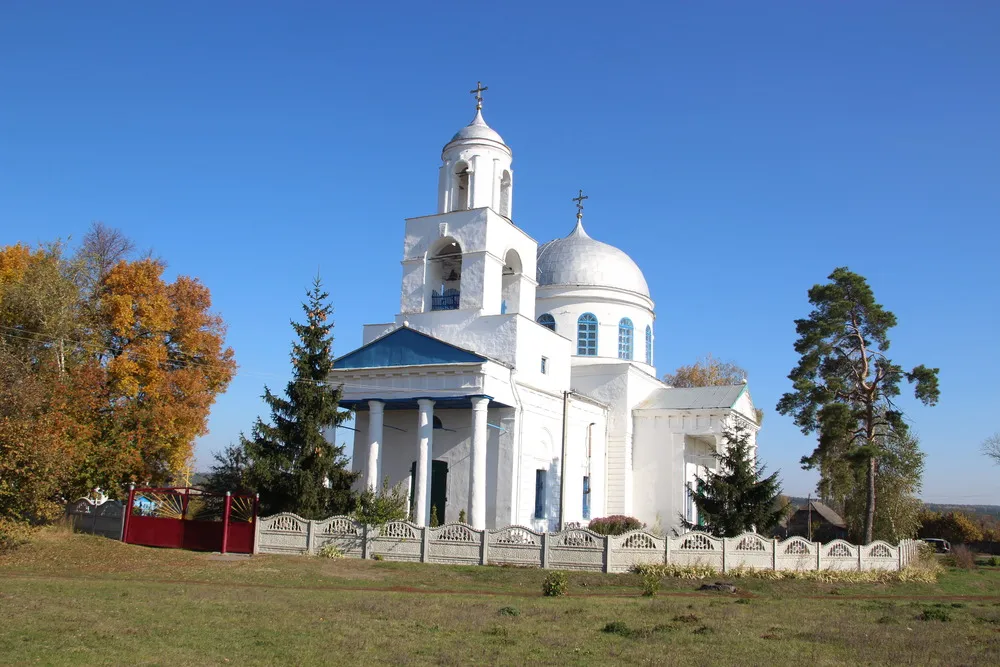
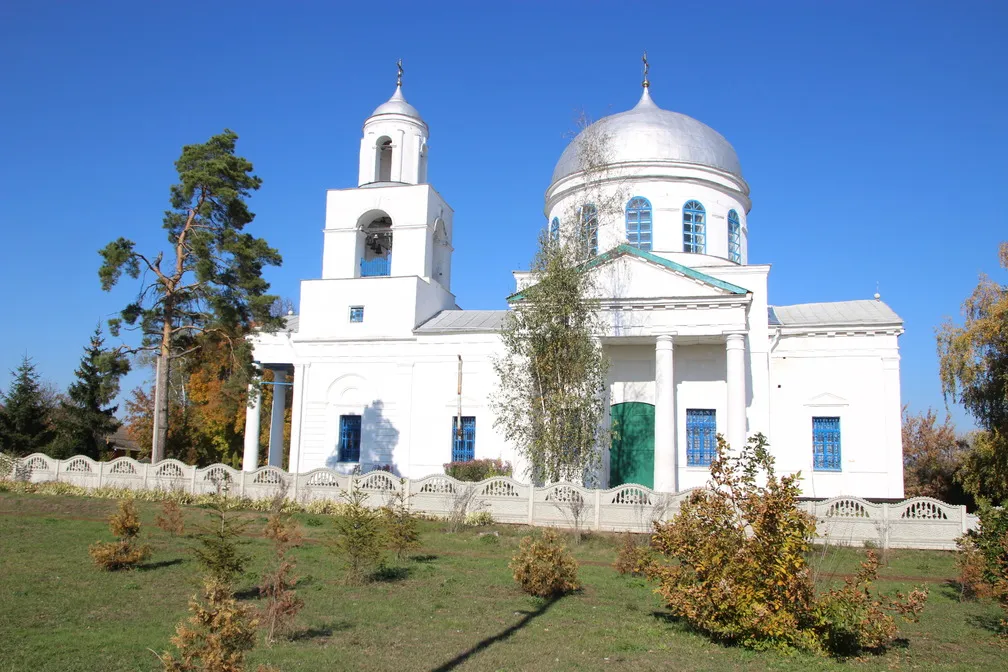
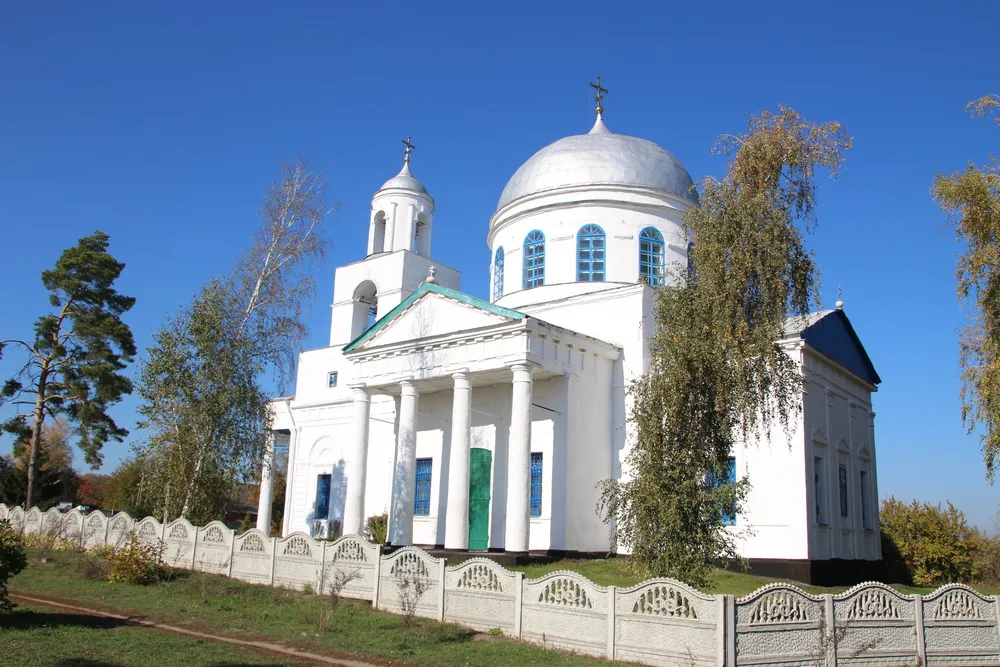
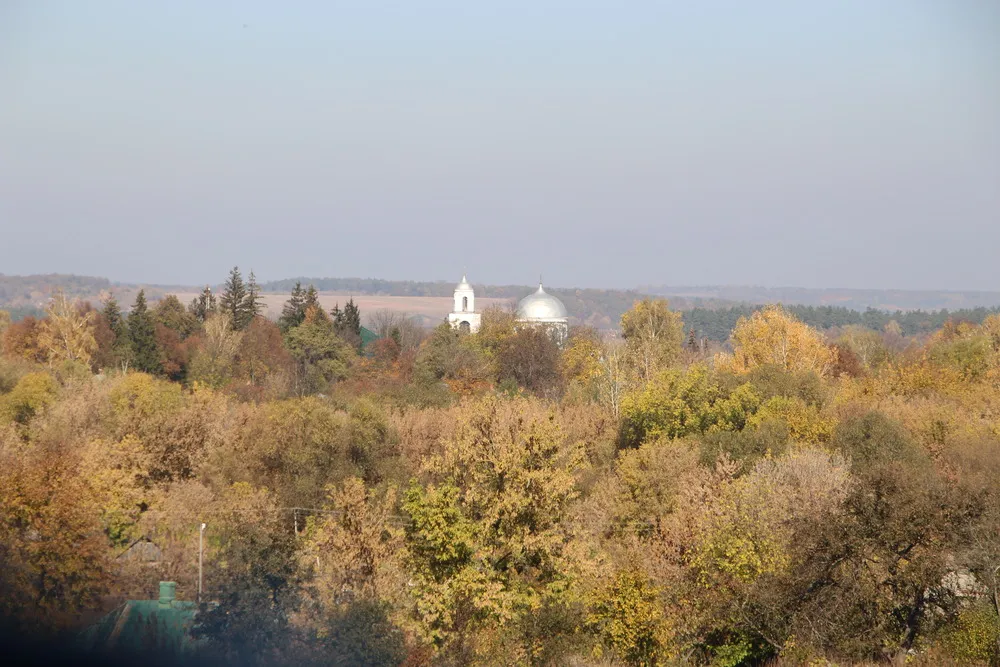
The first St. Nicholas Church, as we have already mentioned, was built in 1676 on a high mound (that mound has long been gone, it was levelled, and the small chapel on it was demolished too). According to information from documents, that church burned to the ground along with all its property, so in 1744 a new church was built with the parishioners’ funds. Father Dmytro Skriaha was involved in its construction, and his family served in the church until 1830. In 1852 the priests Oleksandr Hubskyi and Vasyl Yakovliev took the initiative to build a new masonry church, which was erected in 1858 and still stands today.
Text and photos by Ihor Dorozhko, Oleh Hodyna and Maksym Nazarenko.