Greece. Sparta and Mistra

· 8 min read
We reached Sparta late at night. The little house we had rented through Booking stood in a dense and, presumably, picturesque tangerine orchard — at night we could not make it out. The host wrote: pick as many tangerines as you like. We picked some. Super sweet and tasty, you cannot buy such at home. But the house turned out to be cold and unfit for sleeping in. It was +11 outside, and the same inside. Two small heaters could never have warmed two rooms enough for sleep. So we contacted Booking, left a complaint, and promptly rented another house — a wonderful one, with a fireplace, two large rooms, a living room and a nice terrace. In the centre of Sparta.
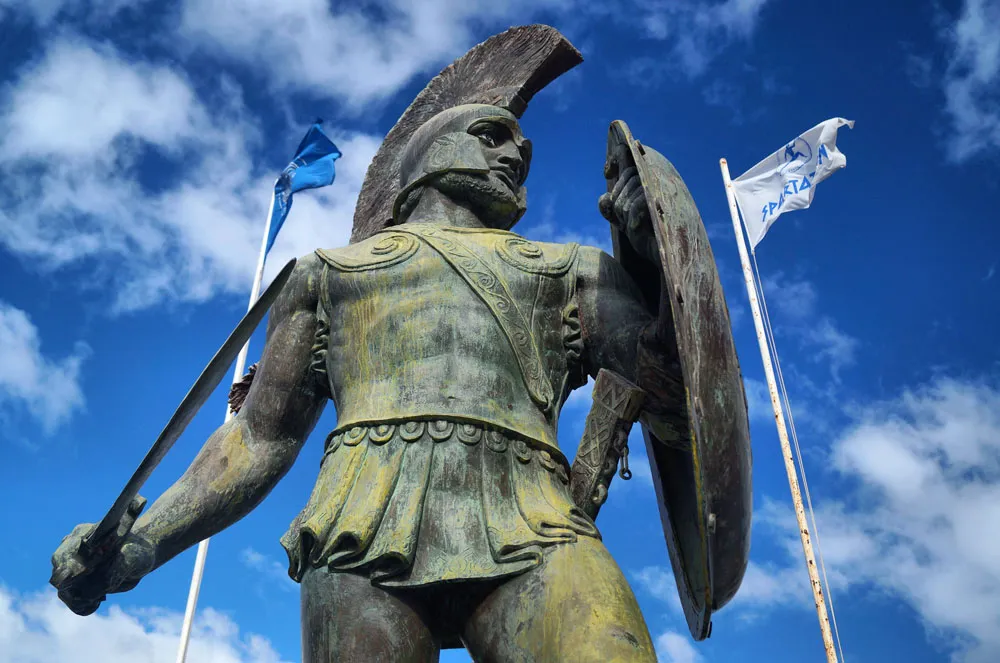
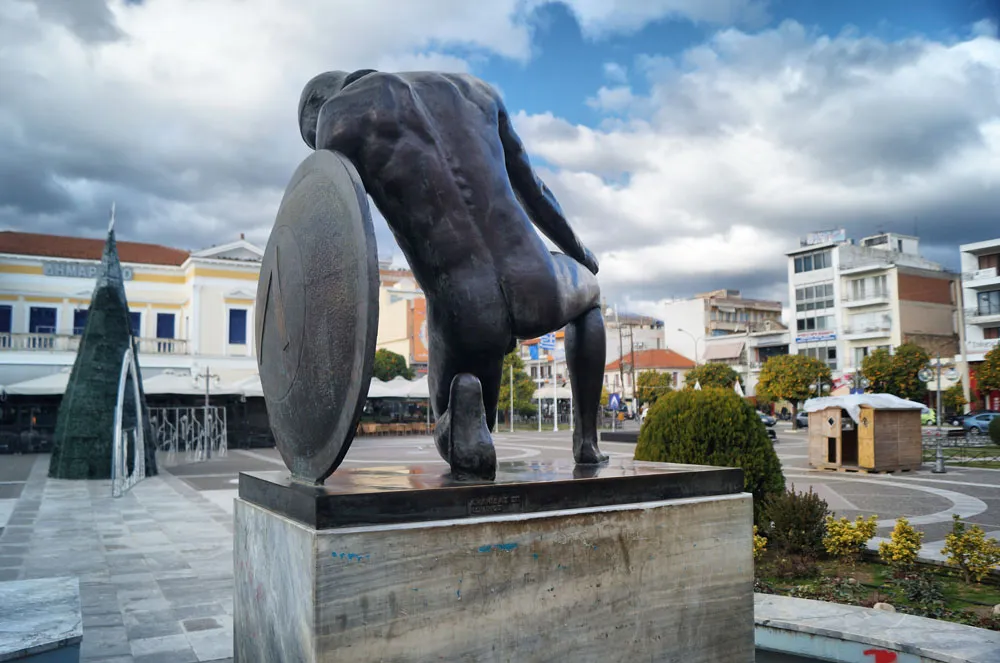
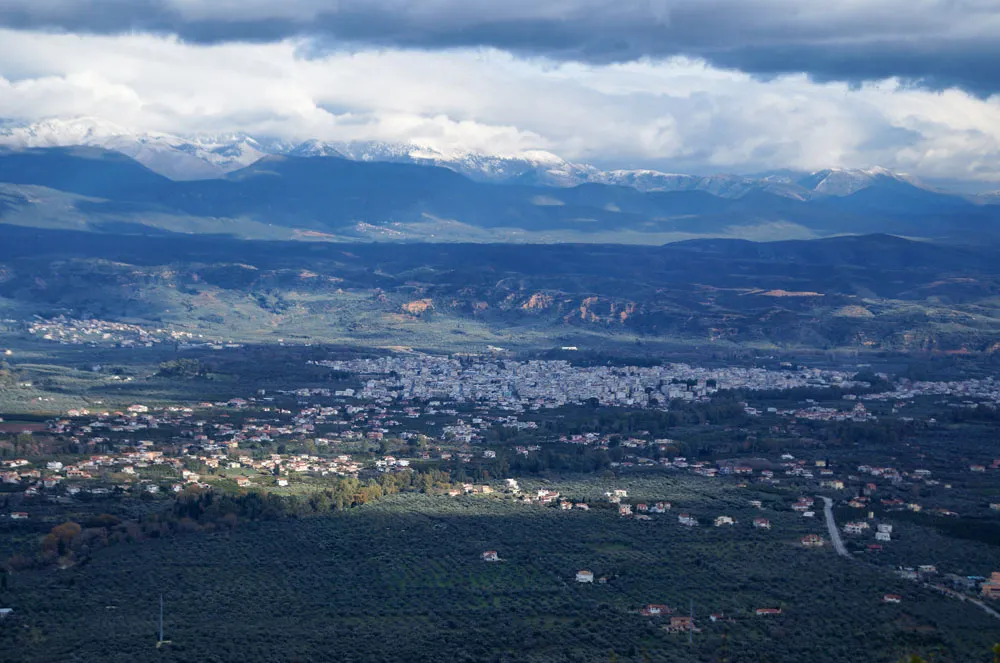
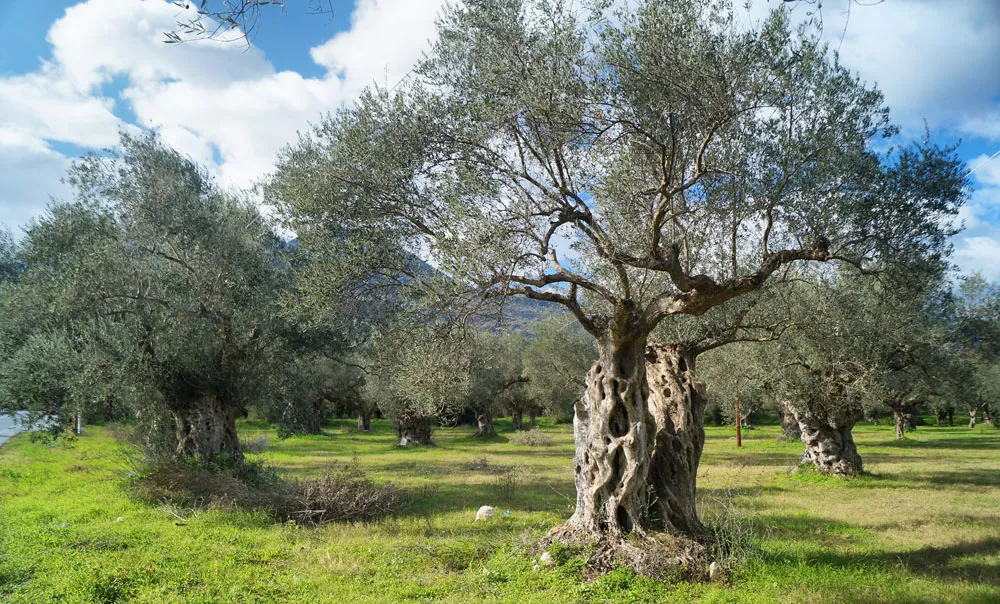
Sparta — hardly anyone in the world does not know this name. Hollywood made sure that everyone knows it. They would have known it without Hollywood too, because in any school in the world the history teacher talks about this legendary city. History was made here, here women existed only to continue the family line, and weak boys were thrown off a cliff. The world’s strongest warriors were forged here, and almost nothing is left here apart from beautiful legends. Very meagre archaeological relics, a monument to Leonidas, a few buildings from the early last century… Everything is just as the guidebook said. A modern city, new and comfortable buildings, rows of decorative bitter oranges (or whatever they are — some kind of citrus). That seems to be all. But no. On the outskirts of Sparta there is a thousand-year-old olive grove, and there is also the half-ruined ghost town of Mistra — the capital of the Principality of Achaea, built by the French crusader Guillaume de Villehardouin.
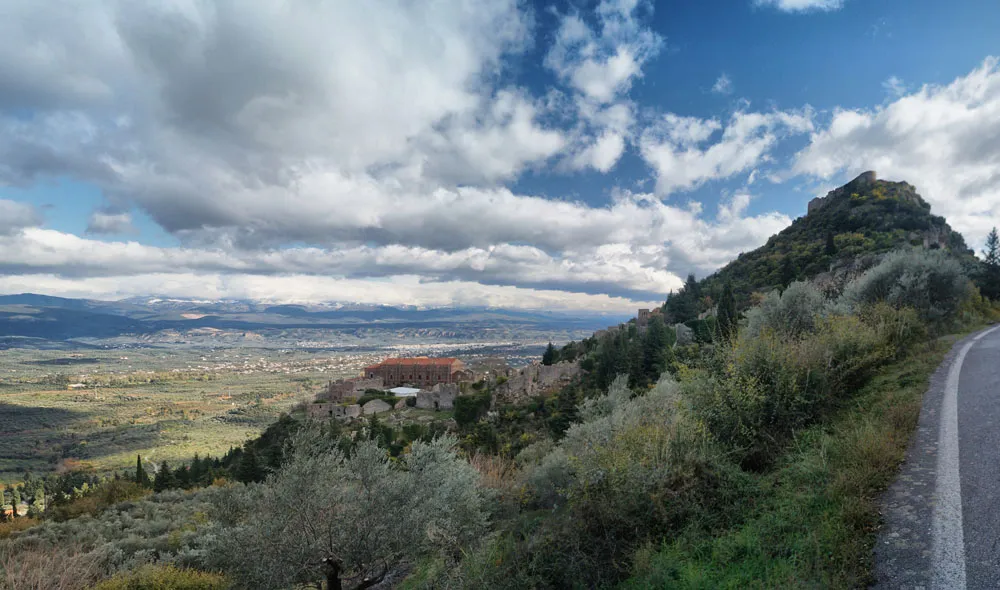
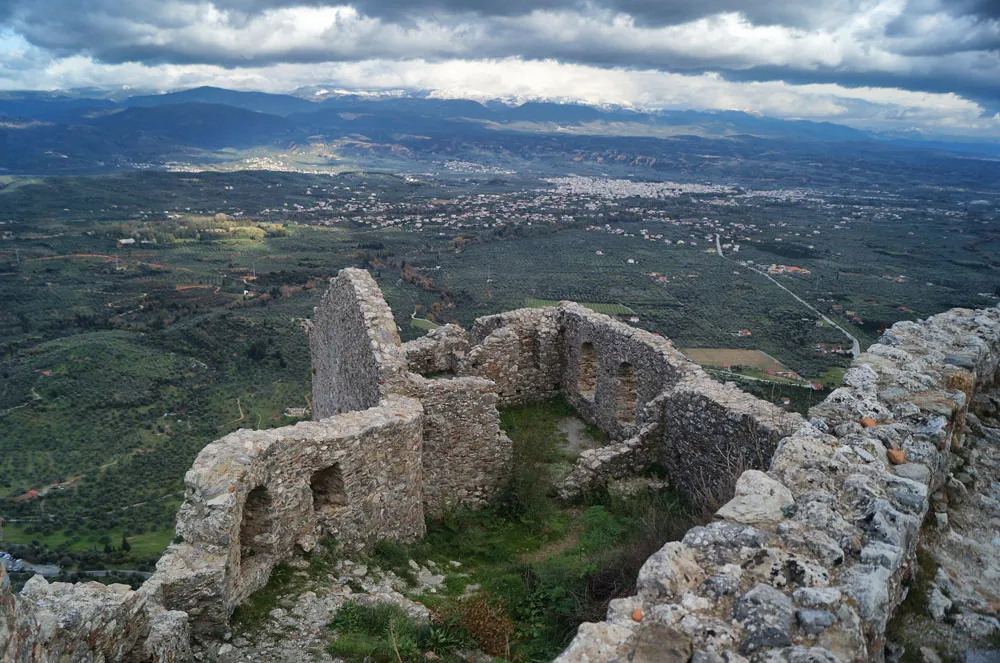
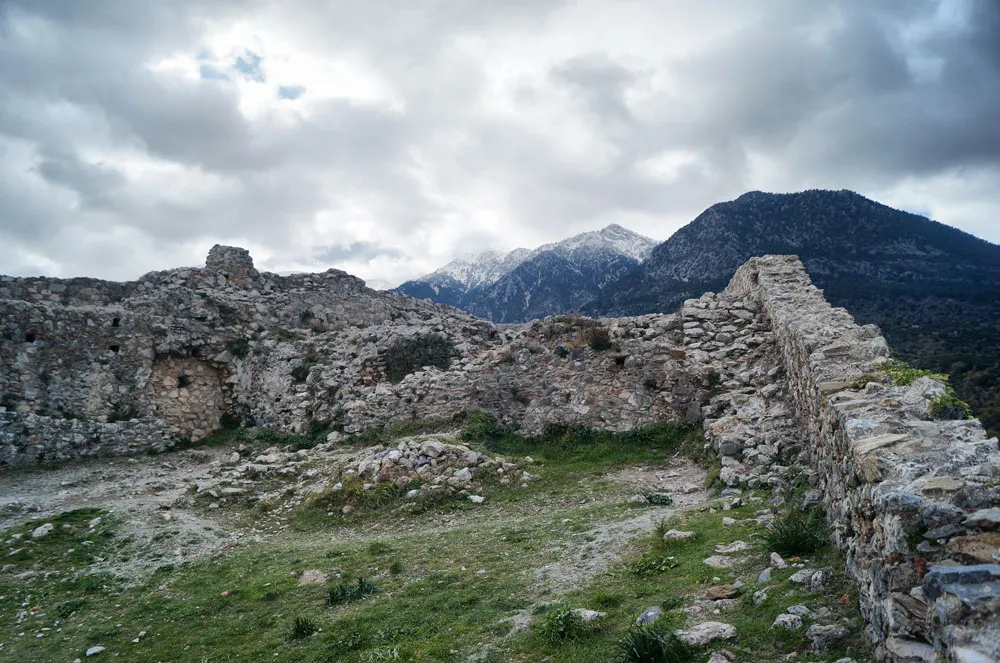
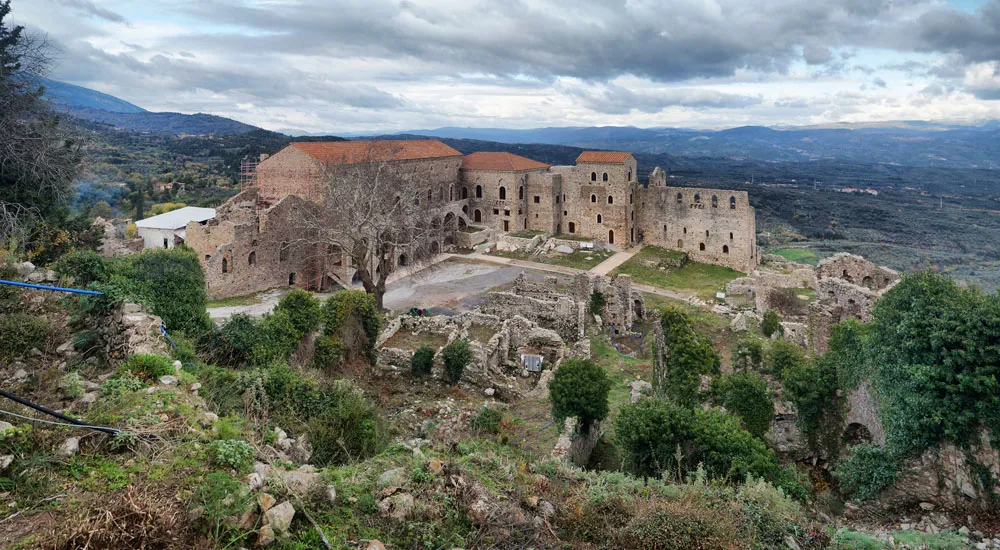
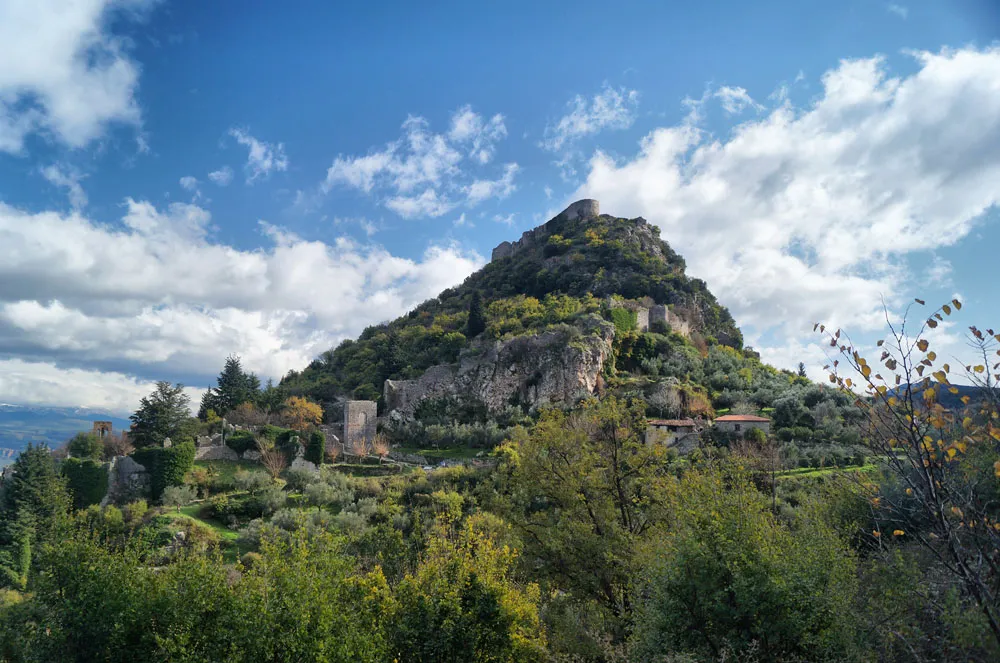
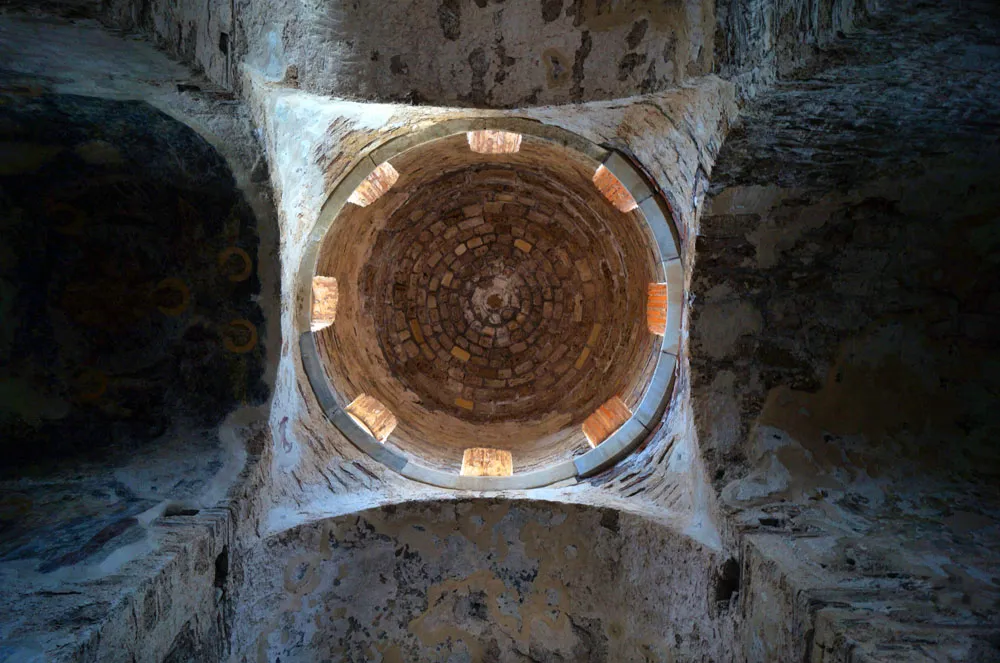
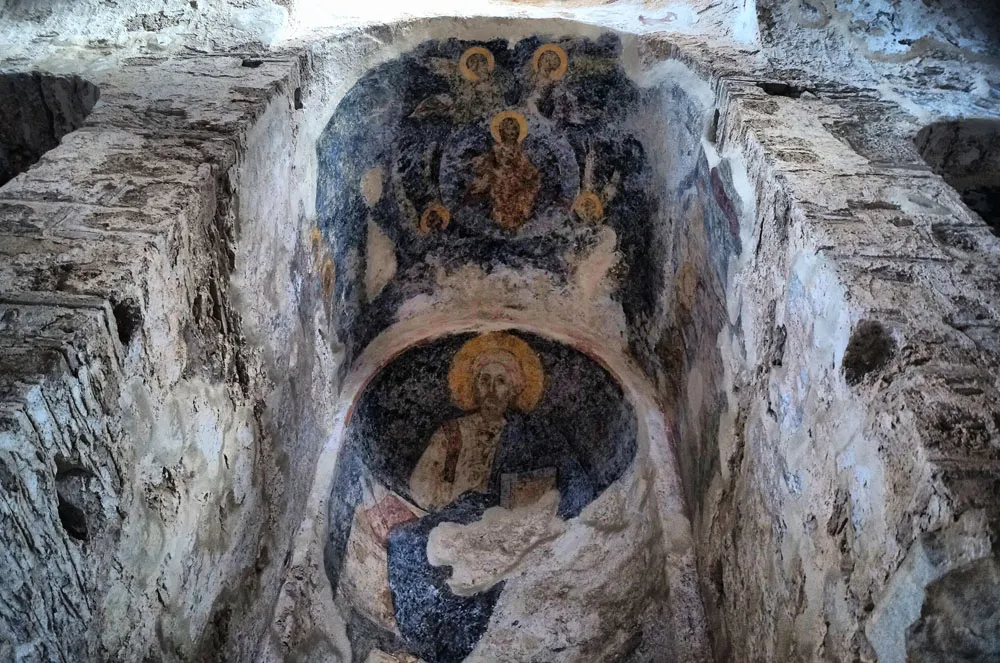
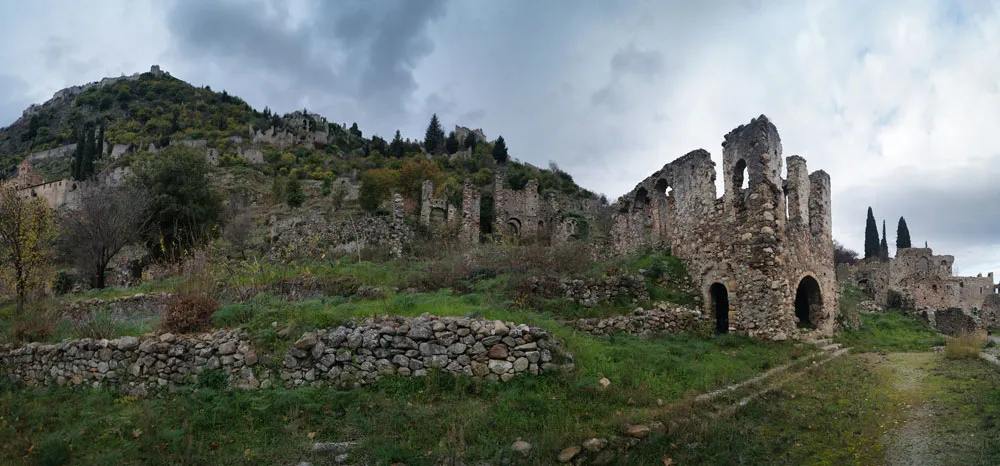
Mistra is a UNESCO World Heritage Site, probably the most extensive ruin of all I have seen. It was built from the stones of ancient Sparta to defend the Spartan plain. It was built by Villehardouin — a French duke, or, as we would say, a prince, who received power and a piece of territory after the crusaders’ capture of Constantinople. The Christians captured and thoroughly wrecked the great Christian city, at that time the most magnificent and richest, and began to divide the territories subject to it. Villehardouin grabbed a part for himself, which he called the Duchy, or rather Principality, of Achaea, and built a luxurious capital — Mistra. The gigantic territory was enclosed by several rows of walls, within which the prince began to build residential buildings and churches. But the prince could not sit still, he wanted more, so he went to war against Byzantine Nicaea, lost the battle and was taken prisoner. Mistra became Byzantine — it was made the capital of the Despotate of the Morea, a despot’s palace was built, which has survived to our days, and a whole heap of Orthodox churches and monasteries were built. Today some monasteries have been fully restored, other buildings are under restoration, and the half-ruined walls will await their time.
Mistra was built quickly and, unlike most cities of Byzantium, its streets were laid out narrow and chaotic. With the arrival of Byzantine leadership in the city the defensive walls were extended and developed, and the surrounding population began to settle en masse under the protection of the new powerful fortress. The city split into two parts — a rich one and a poor one. In 1316 the Bulgarian Andronikos Asen was appointed despot of the Morea, and he completely drove the Frankish knights out of the Morea (the Peloponnese).
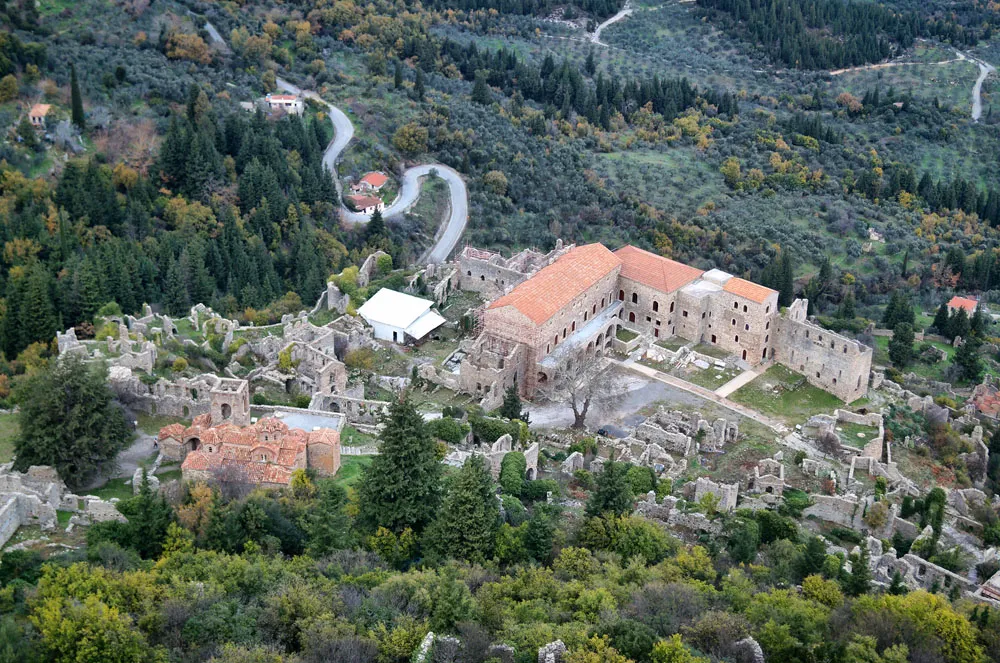
Mistra was an important administrative and political centre of Byzantium. The heirs of the emperor sat here, and here they were crowned to lead the empire, in particular the last monarch of Byzantium, Constantine XI. In Ottoman times Mistra began to decline, although in 1687, after the Ottoman capture, it was still recognised as a regional centre where the sultan’s governor sat. Mistra then had a population of 40,000 — it was a very large city.
In 1834 King Otto of Greece issued a decree under which the city of Sparta was re-established. Most of Mistra’s population moved to the new polis, and the powerful fortress turned into a small village. A total decline began, since in time the entire population left Mistra…
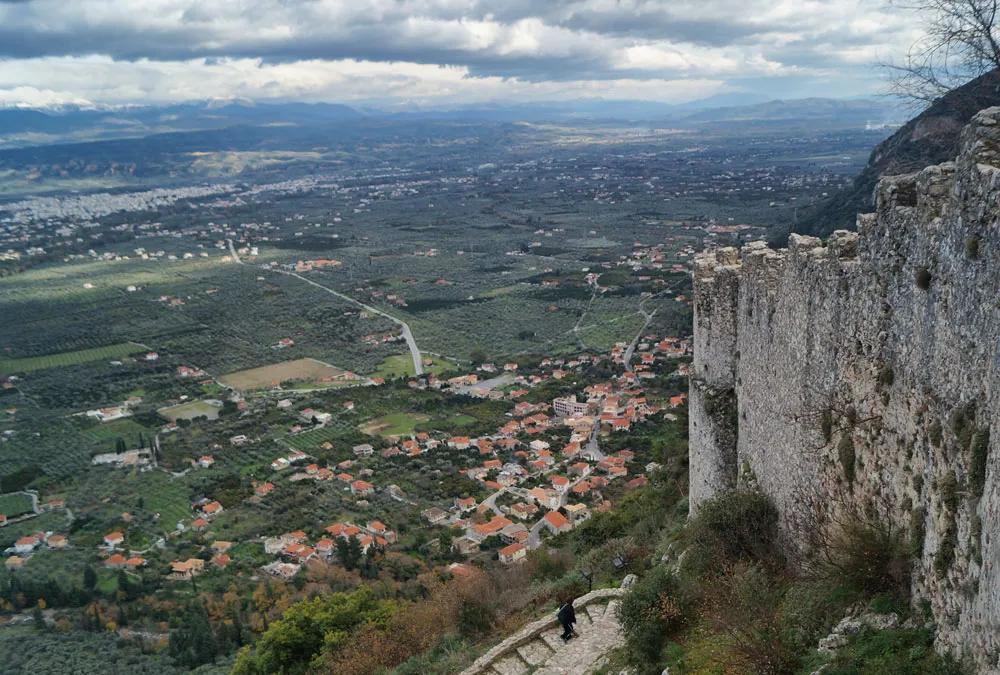
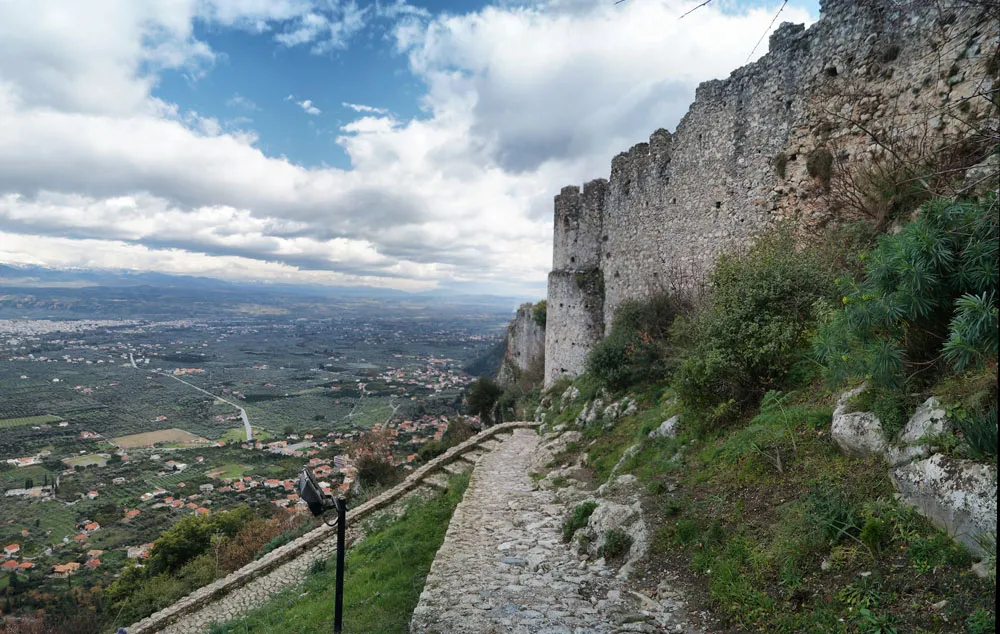
I will say right away — the climb to the upper level of the fortress can take an hour. But you must climb, because from the upper fortifications of Mistra a fairytale view opens up. One of the upper levels can be reached by car — from there you will also have to climb up to the citadel. Mistra is one of the most interesting attractions of Greece and a major tourist centre. Do not miss this legendary city.
We reached Sparta late at night. The little house we had rented through Booking stood in a dense and, presumably, picturesque tangerine orchard — at night we could not make it out. The host wrote: pick as many tangerines as you like. We picked some. Super sweet and tasty, you cannot buy such at home. But the house turned out to be cold and unfit for sleeping in. It was +11 outside, and the same inside. Two small heaters could never have warmed two rooms enough for sleep. So we contacted Booking, left a complaint, and promptly rented another house — a wonderful one, with a fireplace, two large rooms, a living room and a nice terrace. In the centre of Sparta.
Sparta — hardly anyone in the world does not know this name. Hollywood made sure that everyone knows it. They would have known it without Hollywood too, because in any school in the world the history teacher talks about this legendary city. History was made here, here women existed only to continue the family line, and weak boys were thrown off a cliff. The world’s strongest warriors were forged here, and almost nothing is left here apart from beautiful legends. Very meagre archaeological relics, a monument to Leonidas, a few buildings from the early last century… Everything is just as the guidebook said. A modern city, new and comfortable buildings, rows of decorative bitter oranges (or whatever they are — some kind of citrus). That seems to be all. But no. On the outskirts of Sparta there is a thousand-year-old olive grove, and there is also the half-ruined ghost town of Mistra — the capital of the Principality of Achaea, built by the French crusader Guillaume de Villehardouin.
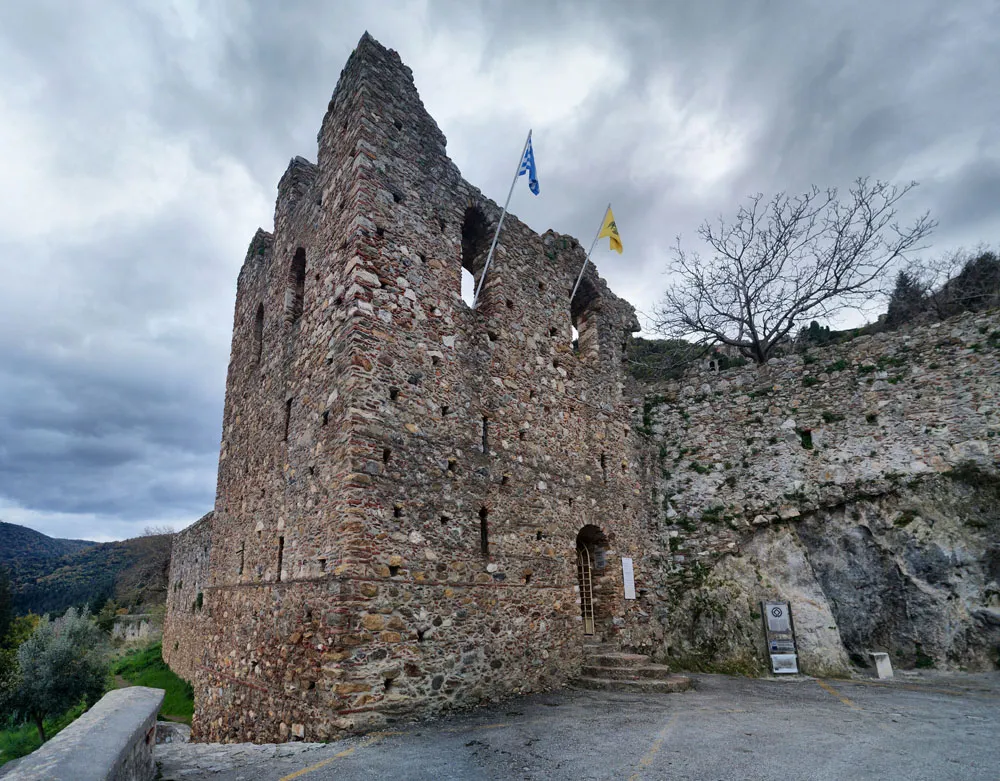
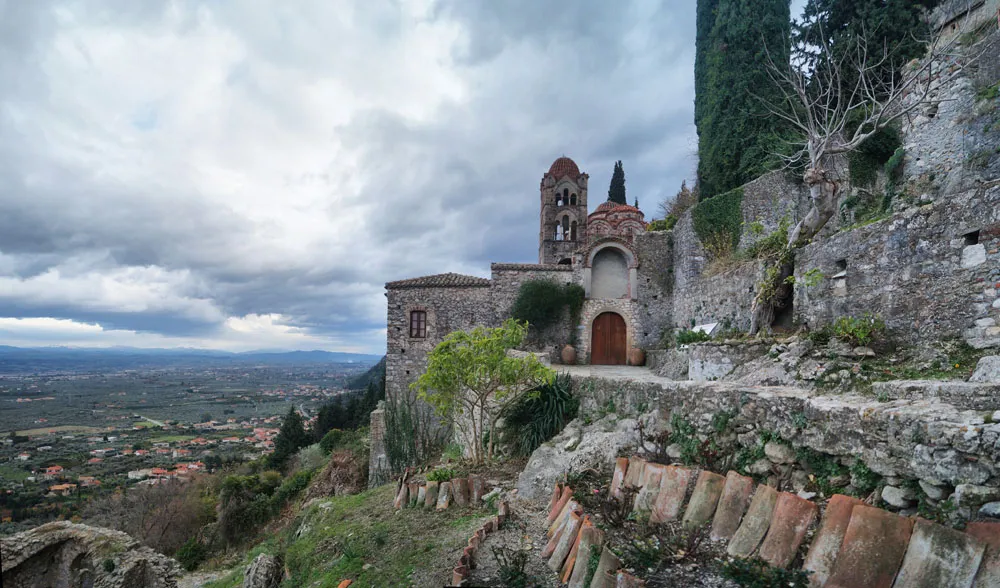
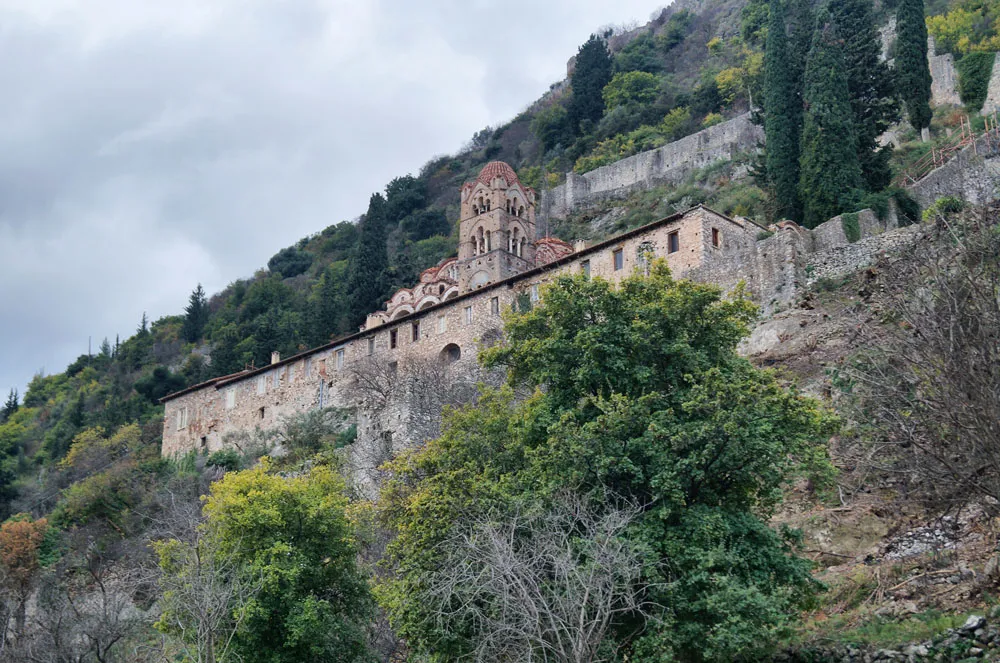
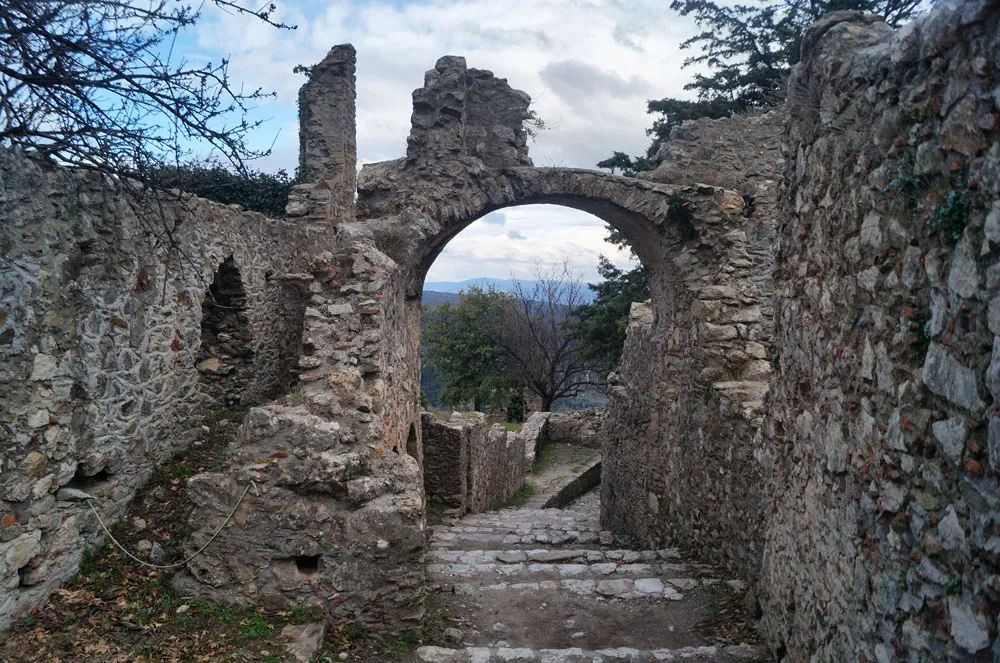
Mistra is a UNESCO World Heritage Site, probably the most extensive ruin of all I have seen. It was built from the stones of ancient Sparta to defend the Spartan plain. It was built by Villehardouin — a French duke, or, as we would say, a prince, who received power and a piece of territory after the crusaders’ capture of Constantinople. The Christians captured and thoroughly wrecked the great Christian city, at that time the most magnificent and richest, and began to divide the territories subject to it. Villehardouin grabbed a part for himself, which he called the Duchy, or rather Principality, of Achaea, and built a luxurious capital — Mistra. The gigantic territory was enclosed by several rows of walls, within which the prince began to build residential buildings and churches. But the prince could not sit still, he wanted more, so he went to war against Byzantine Nicaea, lost the battle and was taken prisoner. Mistra became Byzantine — it was made the capital of the Despotate of the Morea, a despot’s palace was built, which has survived to our days, and a whole heap of Orthodox churches and monasteries were built. Today some monasteries have been fully restored, other buildings are under restoration, and the half-ruined walls will await their time.
Mistra was built quickly and, unlike most cities of Byzantium, its streets were laid out narrow and chaotic. With the arrival of Byzantine leadership in the city the defensive walls were extended and developed, and the surrounding population began to settle en masse under the protection of the new powerful fortress. The city split into two parts — a rich one and a poor one. In 1316 the Bulgarian Andronikos Asen was appointed despot of the Morea, and he completely drove the Frankish knights out of the Morea (the Peloponnese).
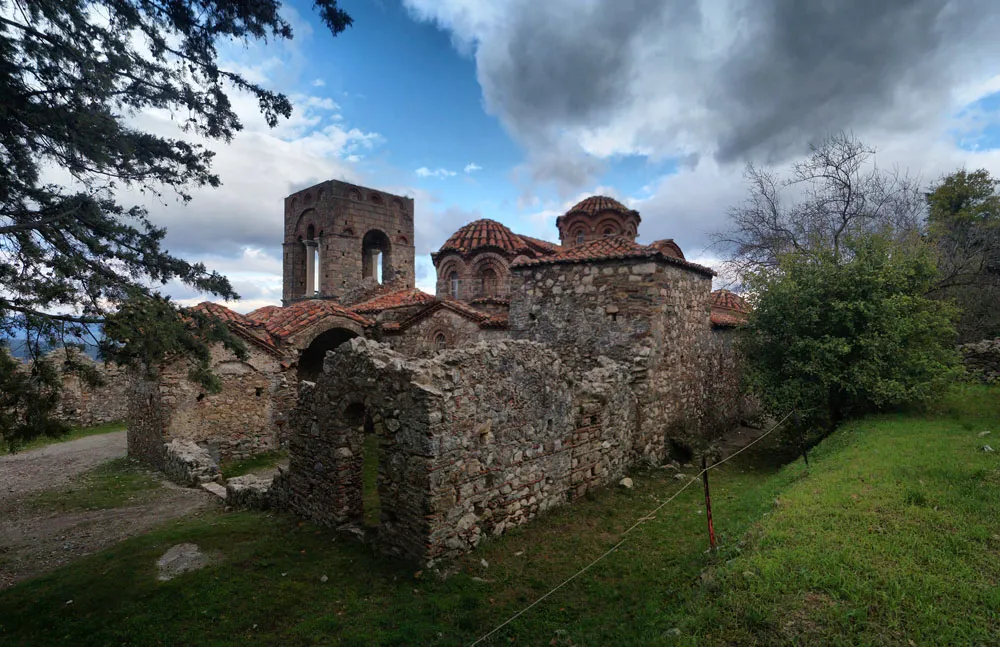
Mistra was an important administrative and political centre of Byzantium. The heirs of the emperor sat here, and here they were crowned to lead the empire, in particular the last monarch of Byzantium, Constantine XI. In Ottoman times Mistra began to decline, although in 1687, after the Ottoman capture, it was still recognised as a regional centre where the sultan’s governor sat. Mistra then had a population of 40,000 — it was a very large city.
In 1834 King Otto of Greece issued a decree under which the city of Sparta was re-established. Most of Mistra’s population moved to the new polis, and the powerful fortress turned into a small village. A total decline began, since in time the entire population left Mistra…
I will say right away — the climb to the upper level of the fortress can take an hour. But you must climb, because from the upper fortifications of Mistra a fairytale view opens up. One of the upper levels can be reached by car — from there you will also have to climb up to the citadel. Mistra is one of the most interesting attractions of Greece and a major tourist centre. Do not miss this legendary city.
Text and photos by Roman Malenkov. From the book “10 Countries After the Quarantine”.