Spain. Jérica. The Mudéjar tower

· 3 min read
Jérica is another Spanish town that I simply spotted on the Google map while exploring the Valencia – Zaragoza route. I decided to stop by. And once again I found parallels between Spain and Turkey: besides the similarity of the landscape and, often, of the urban fabric of coastal settlements, Spain is also like Turkey in how little known its provinces are. It looks as though all tourism is concentrated by the sea and in the most heavily promoted cities, like Barcelona, while a hundred kilometres inland…
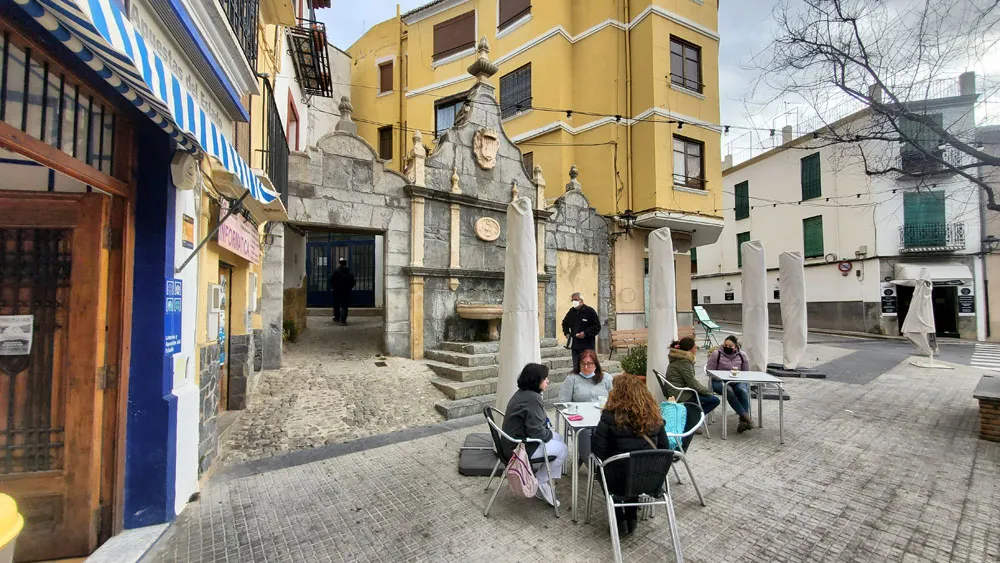
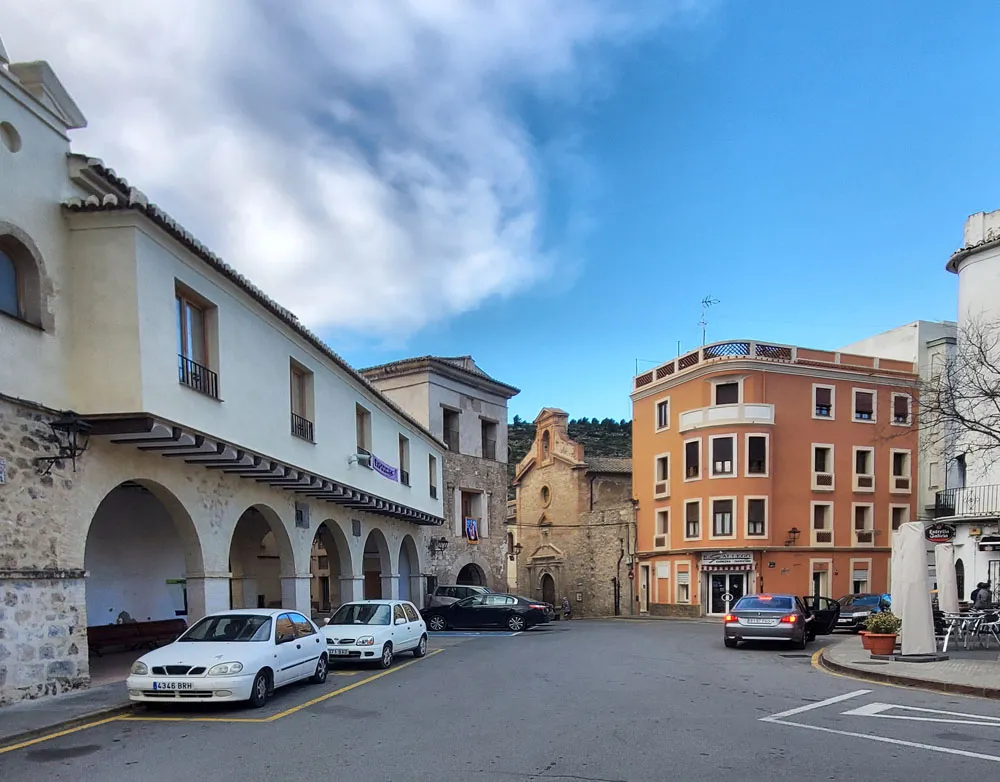
Only fifteen hundred people live in Jérica, but you would not call it a village. It is a town by all indicators, cosy, comfortable and interesting. On the small central square there is a tavern where we finally ate what local residents eat, not tourists. I ordered a tortilla (potato baked with egg), some strange local sausages made of half-raw (probably cured) meat, roasted hot green pepper and some stewed beans, very tasty. And around us, on a Monday at noon, there were plenty of locals having lunch and drinking, mostly some strong drinks, either brandy or some Spanish liqueurs; everyone was cheerful and friendly.
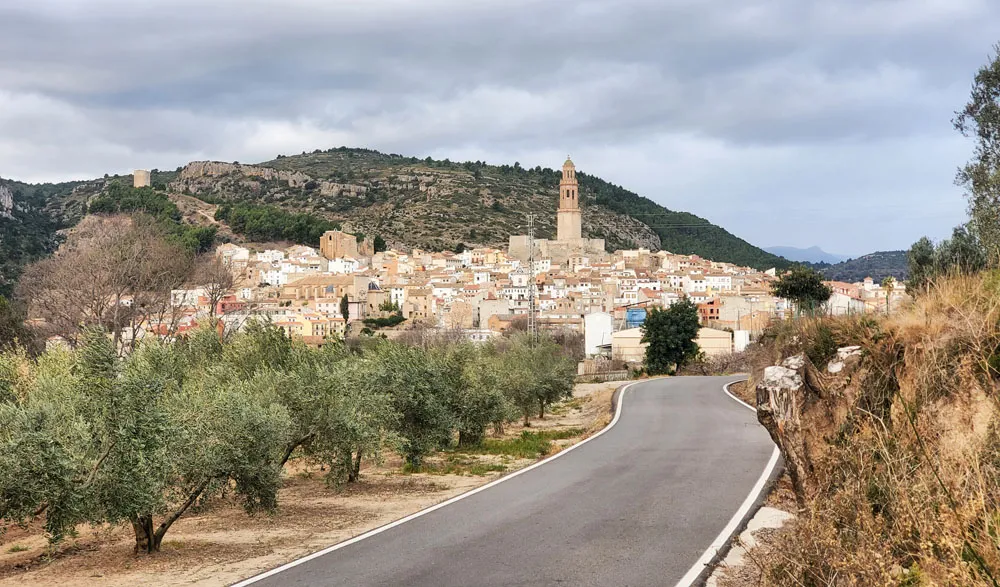
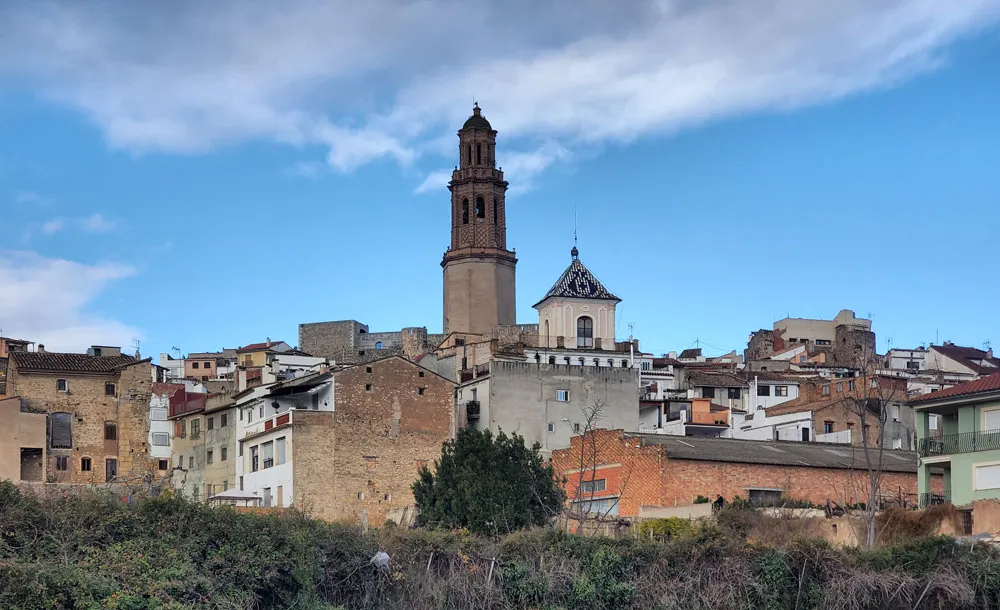
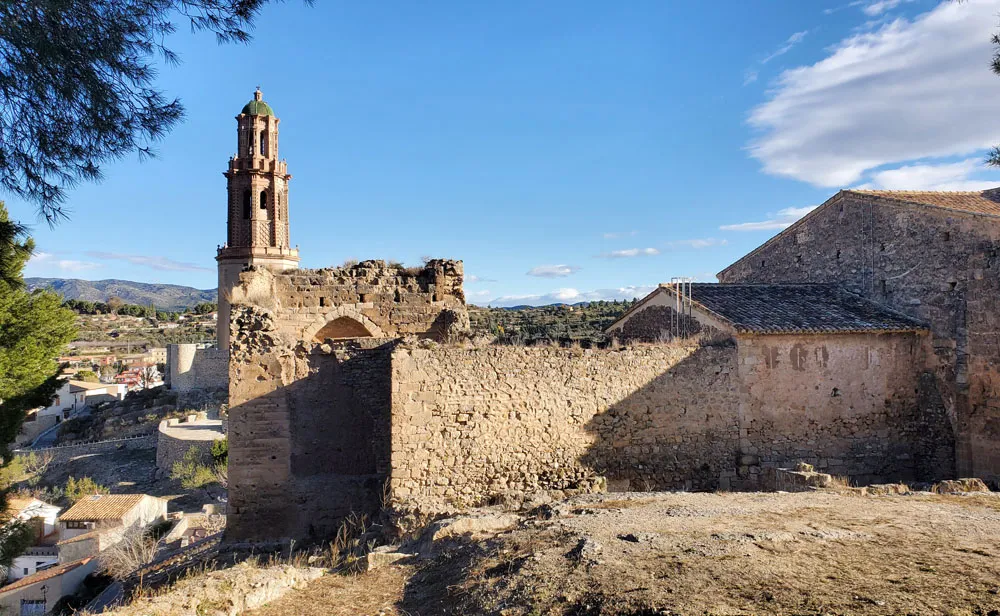
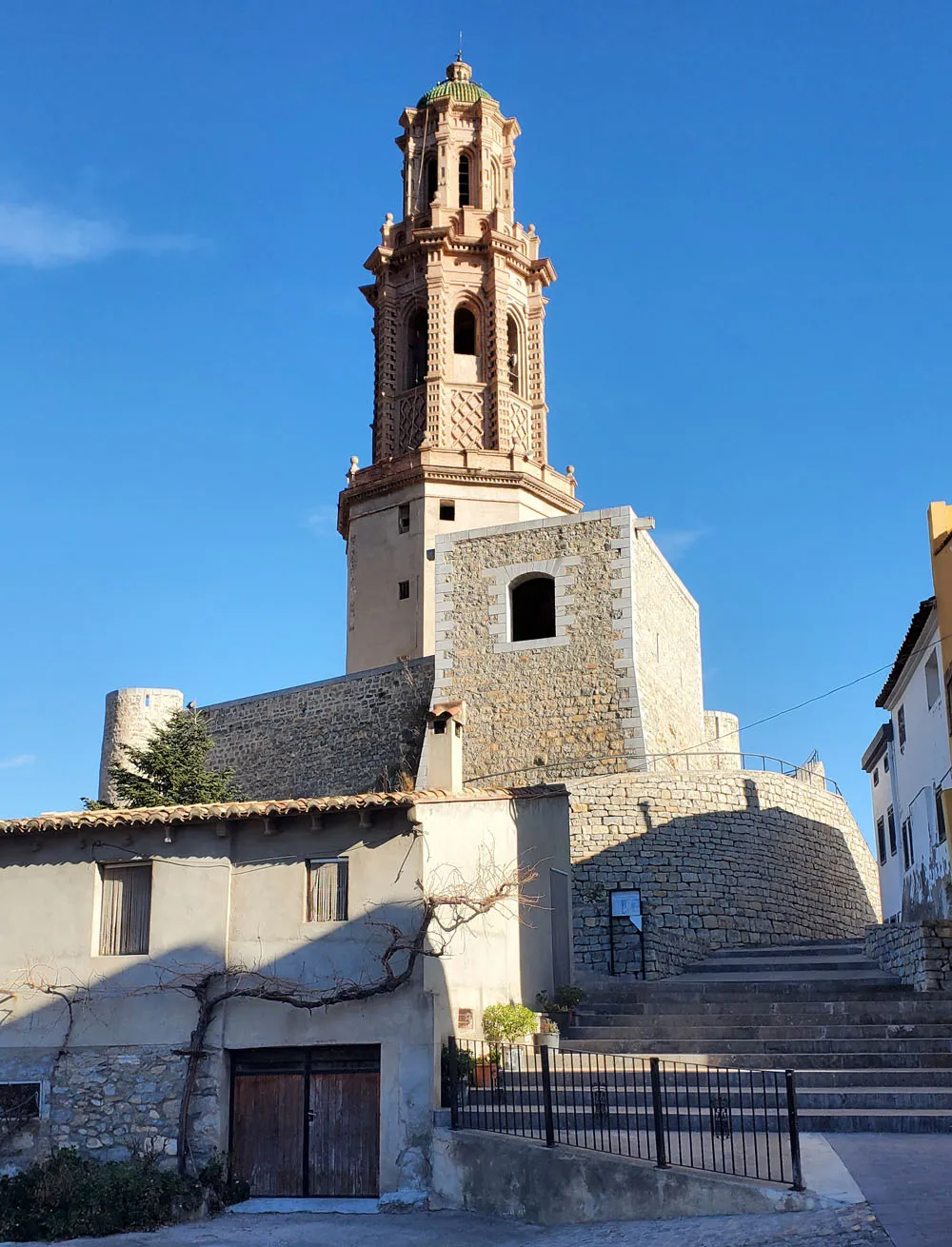
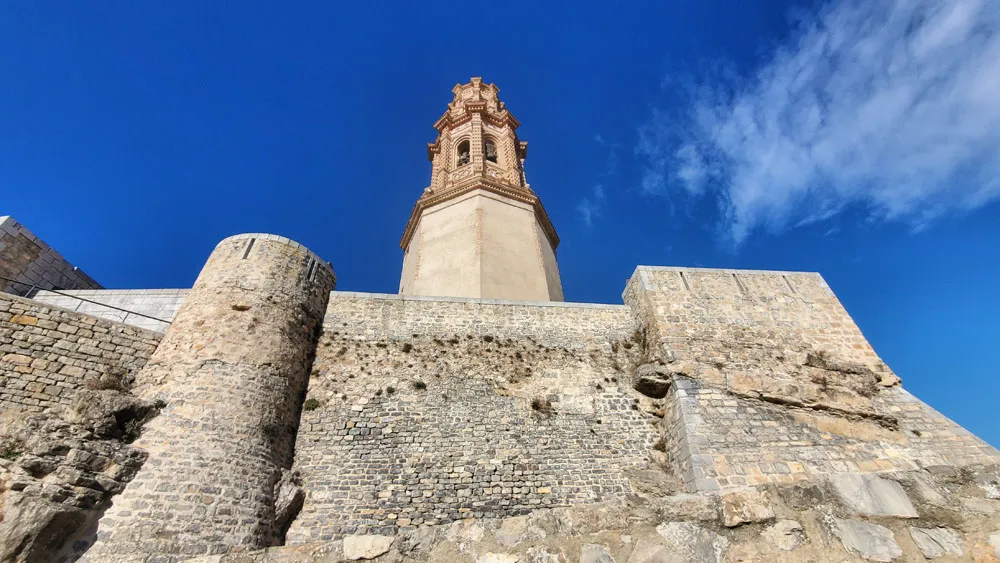
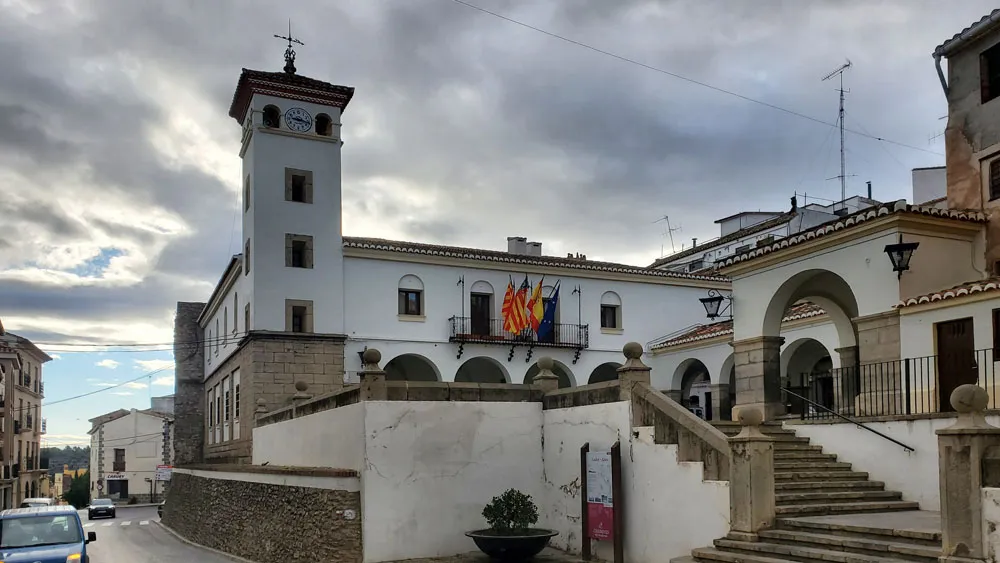
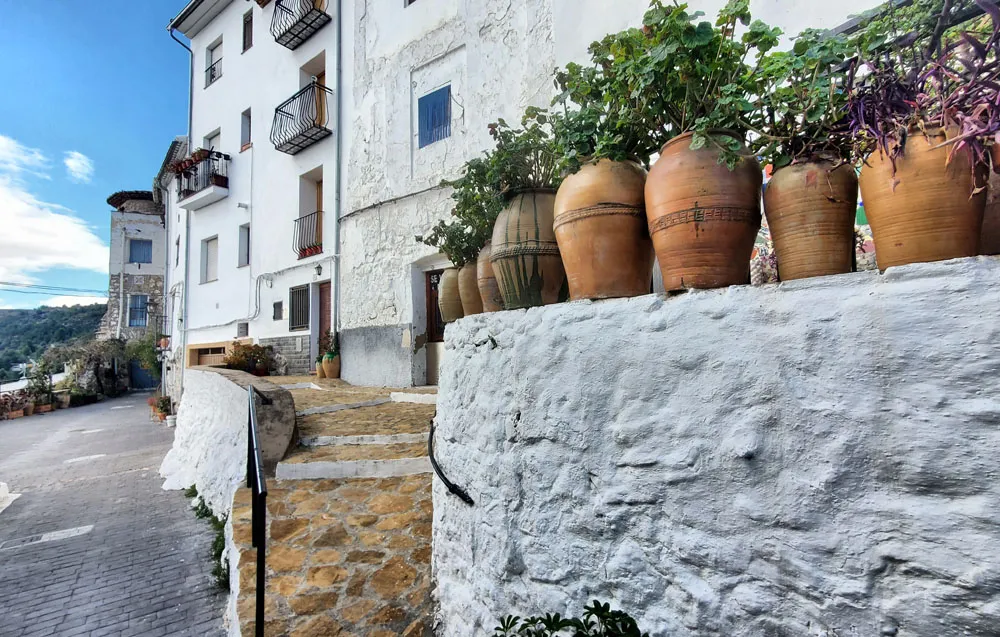
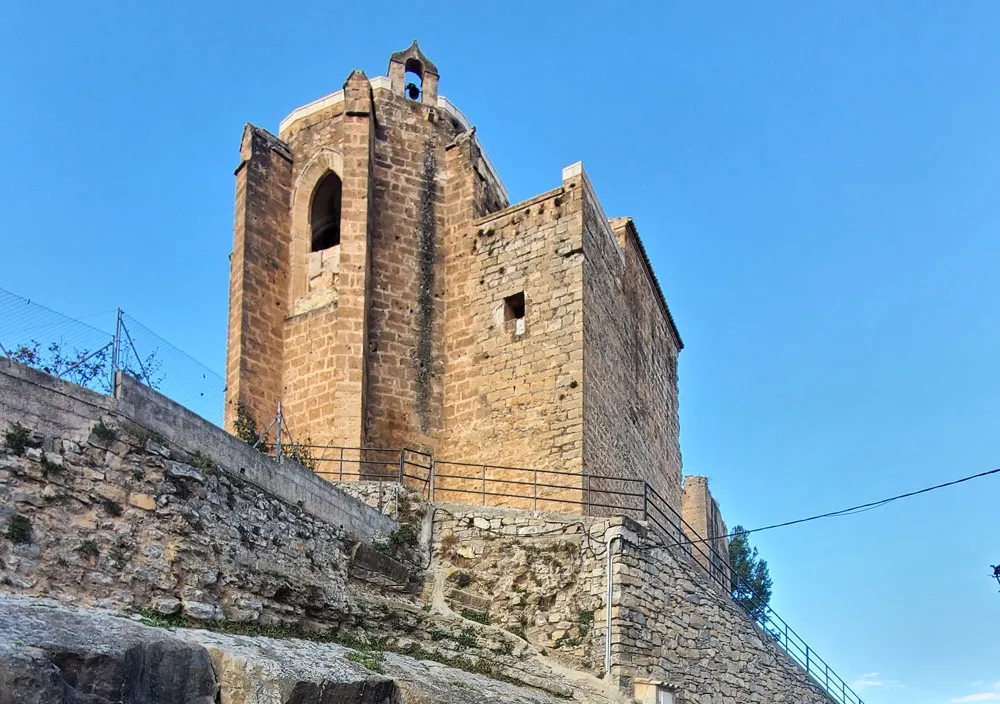
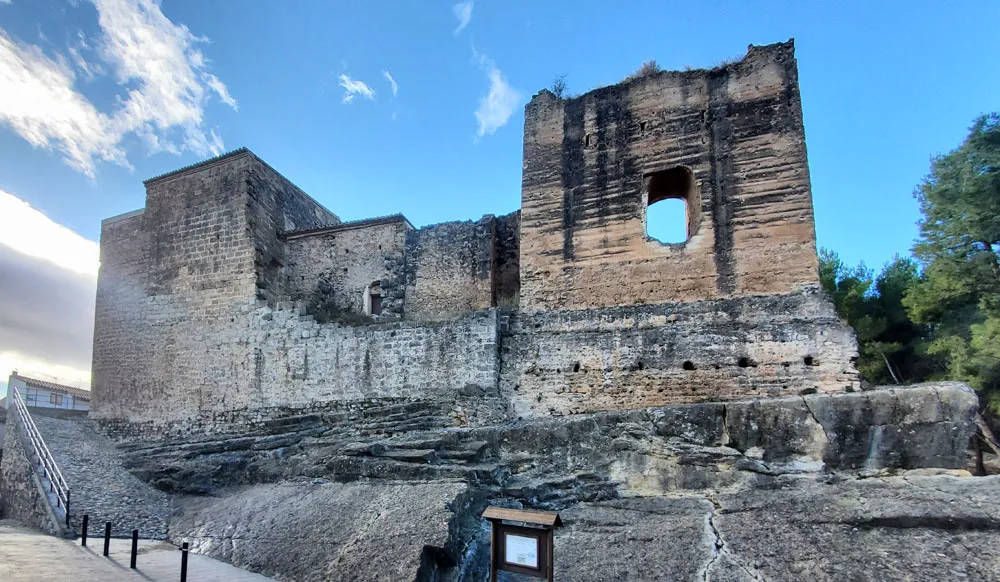
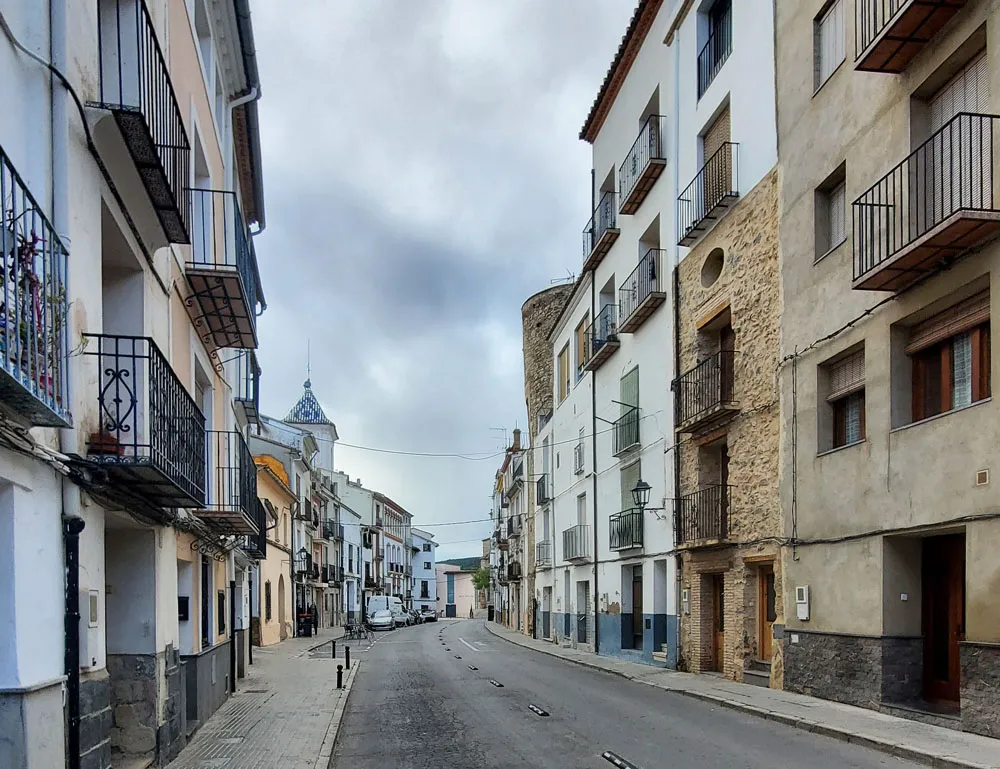
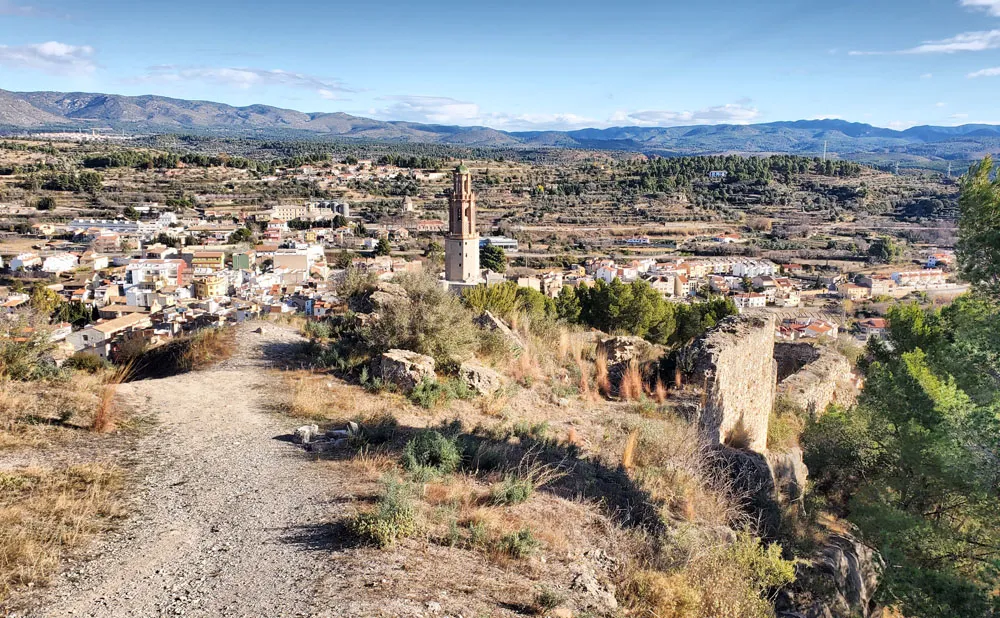
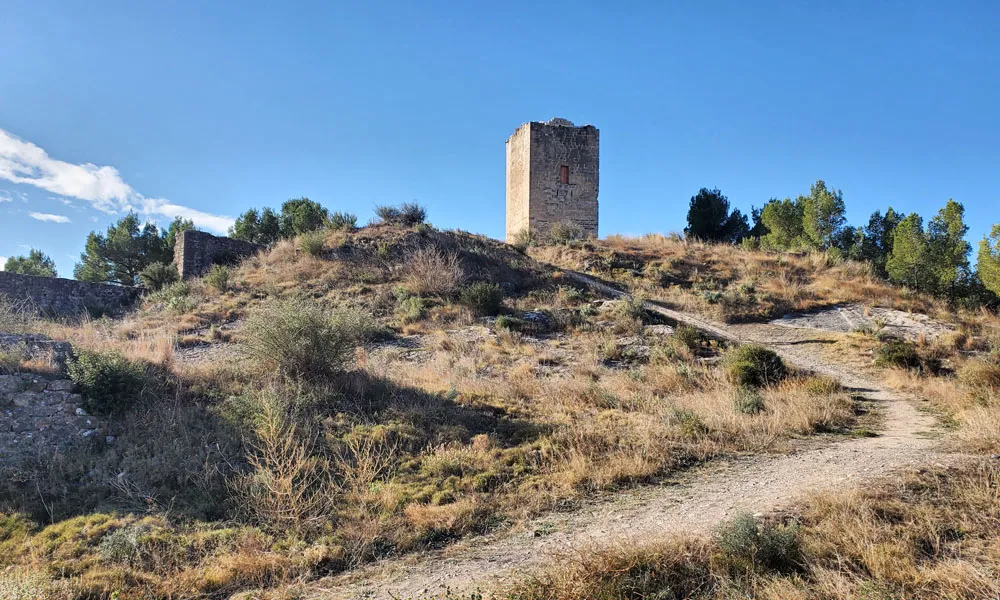
Of course, we went to Jérica, which lies 70 kilometres north-east of Valencia, not for the tavern: the magnet for us was the very tall bell tower, built in the Mudéjar style in 1634. Steep slopes built up with old residential houses descended from the tower, and on the neighbouring hill the ruins of a fortress could be seen with one surviving donjon tower.
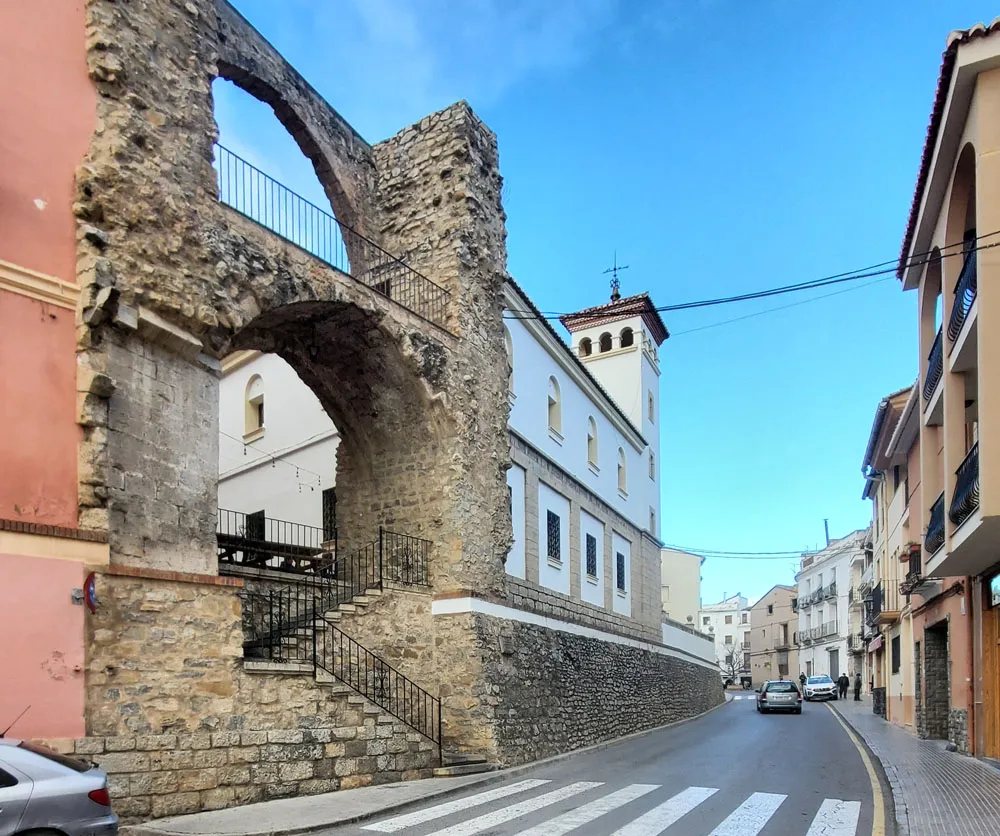
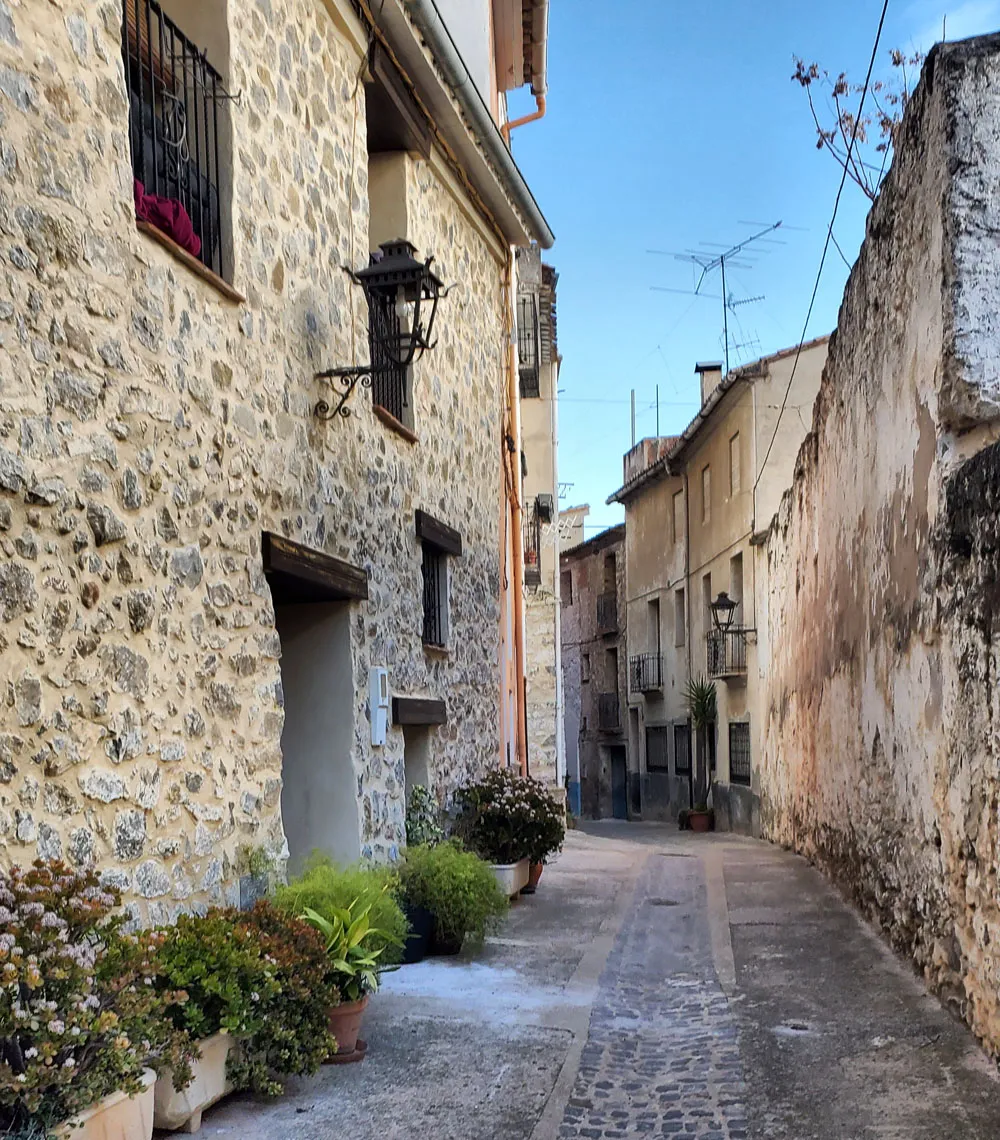
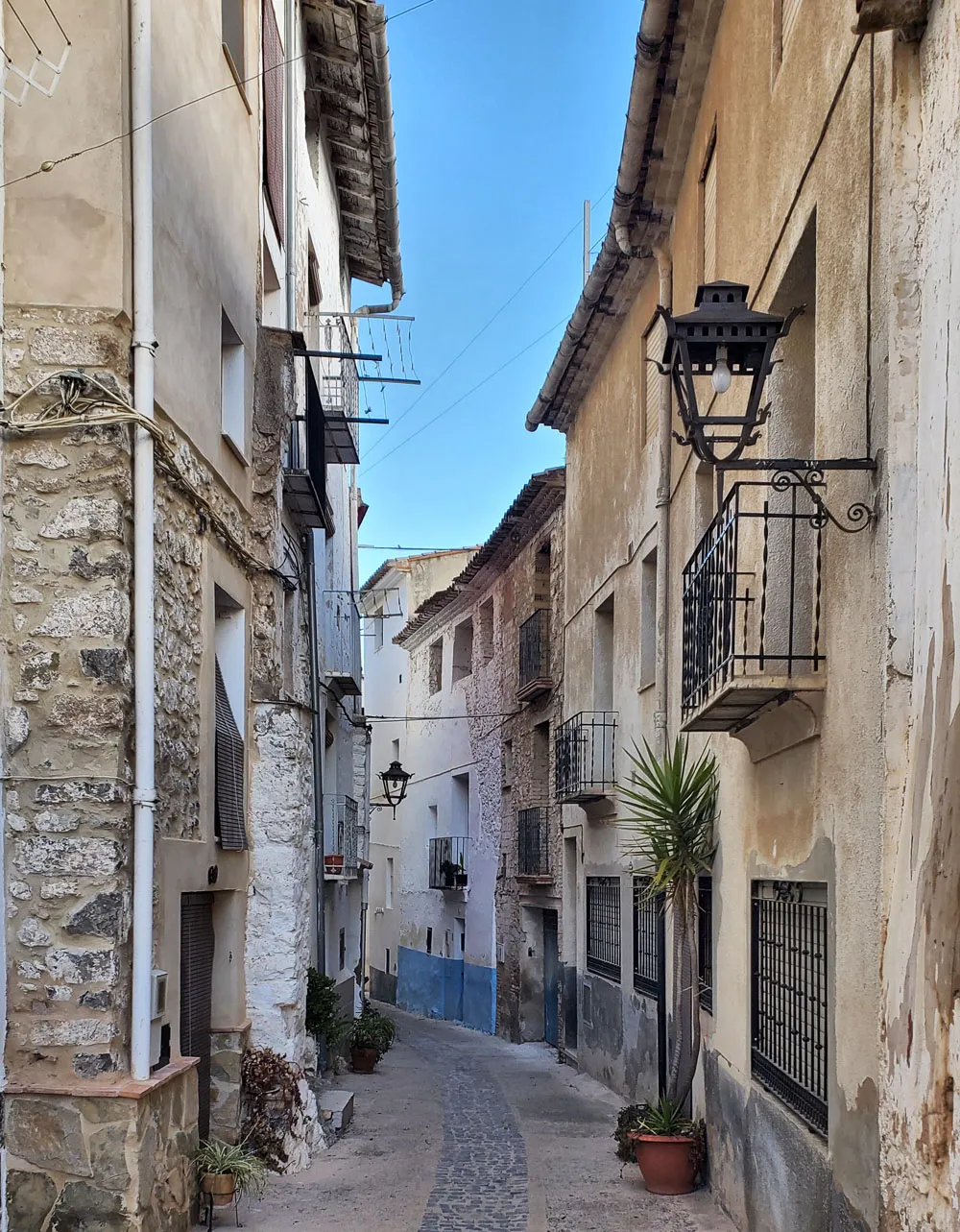
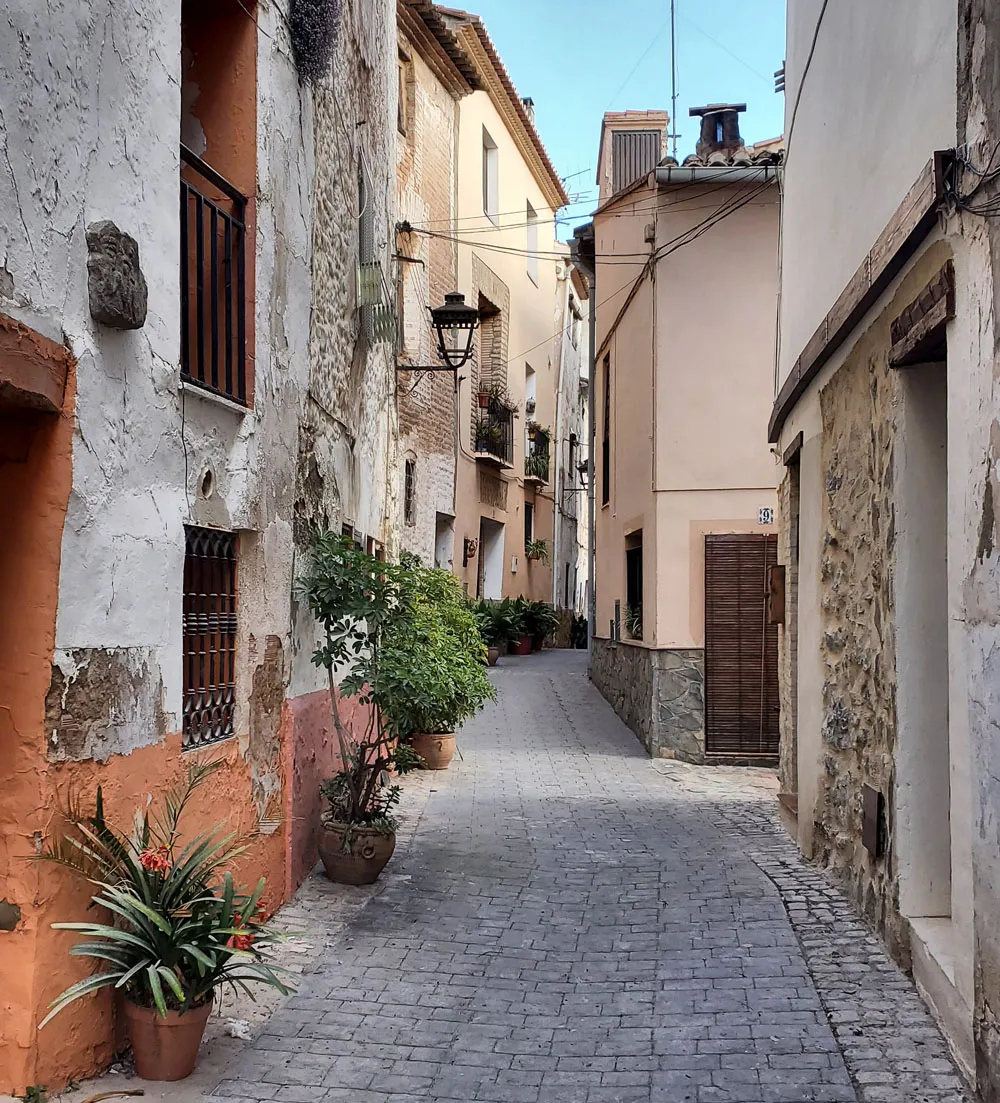
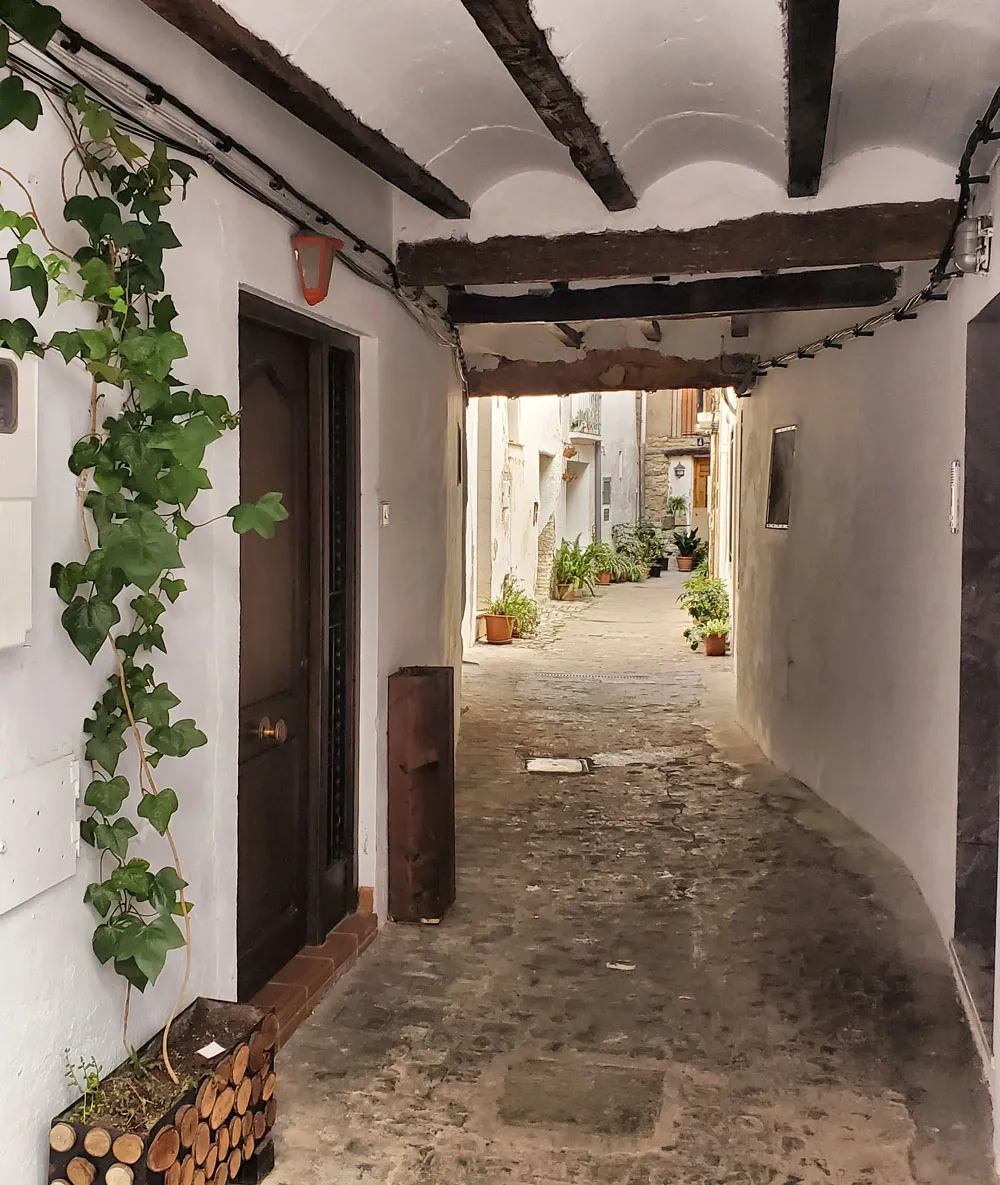
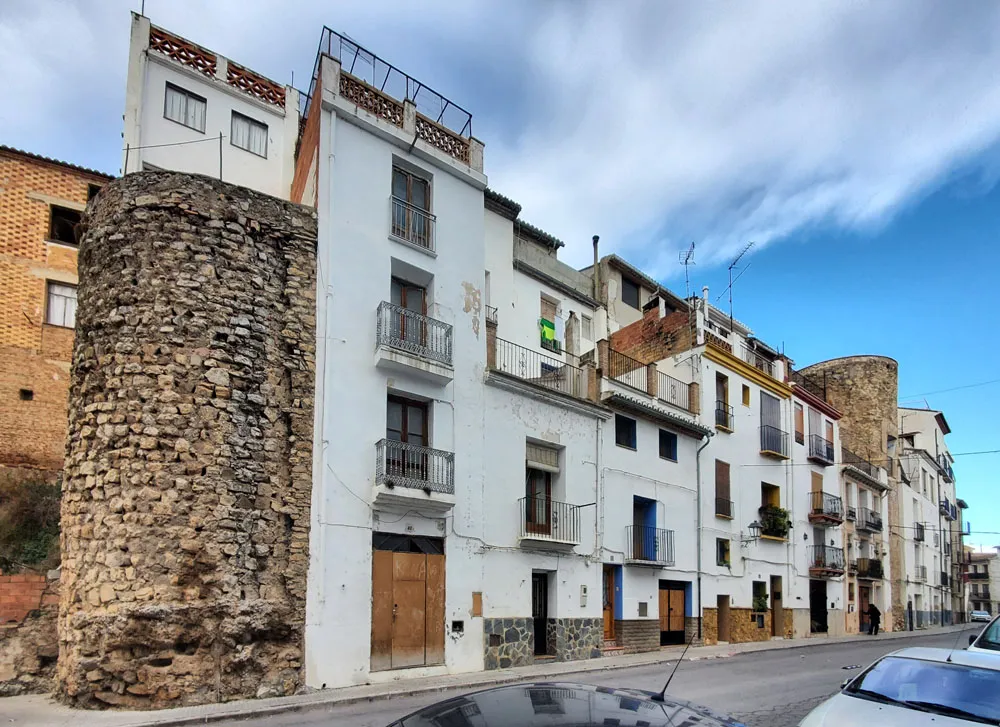
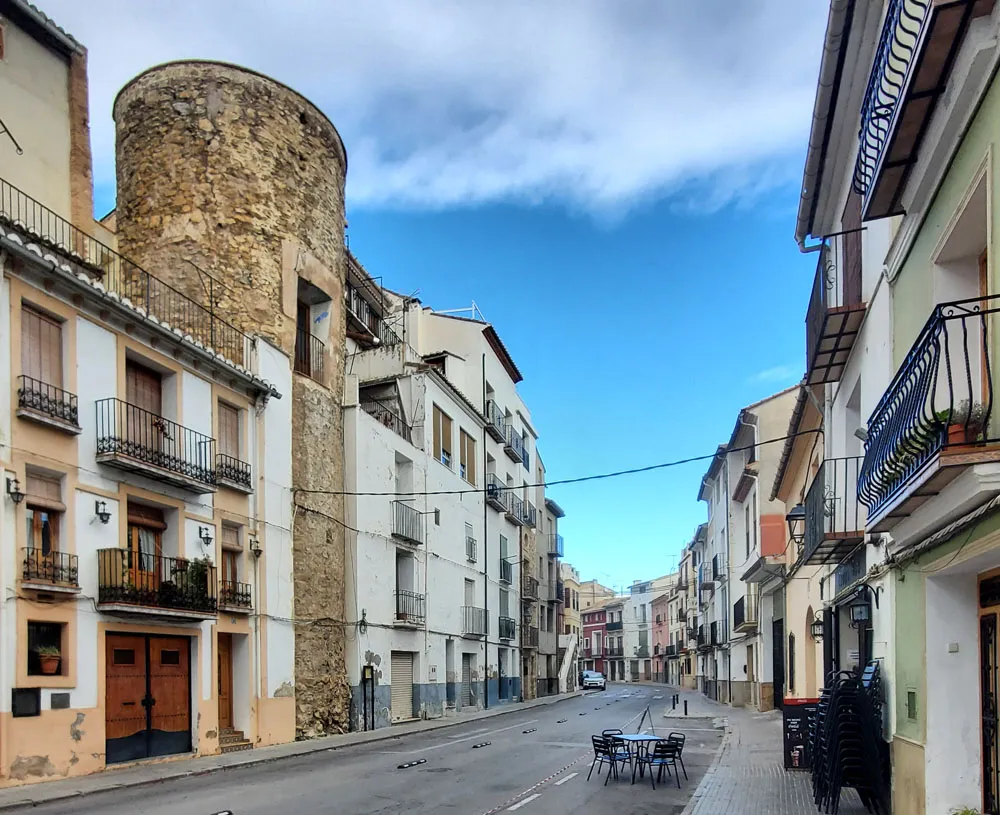
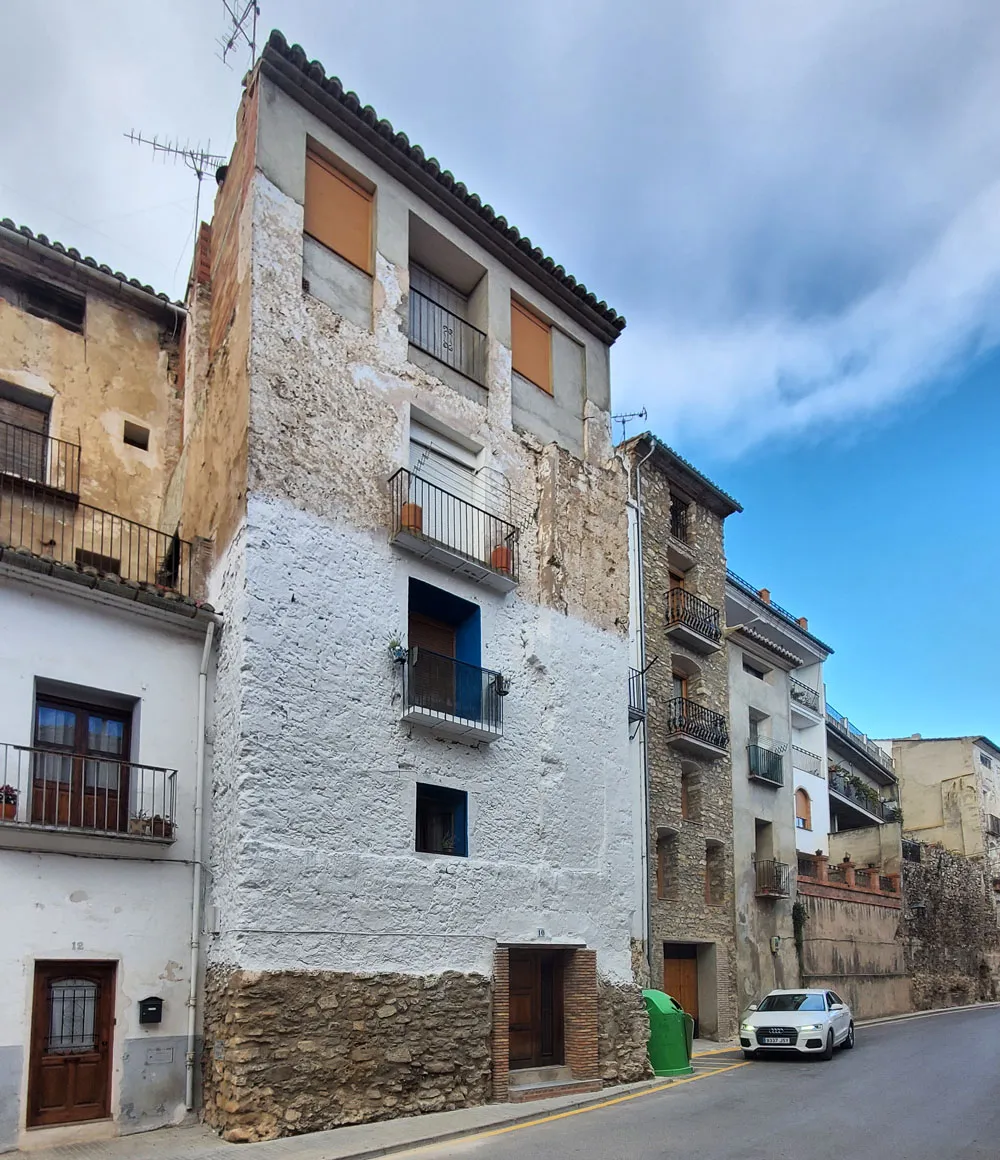
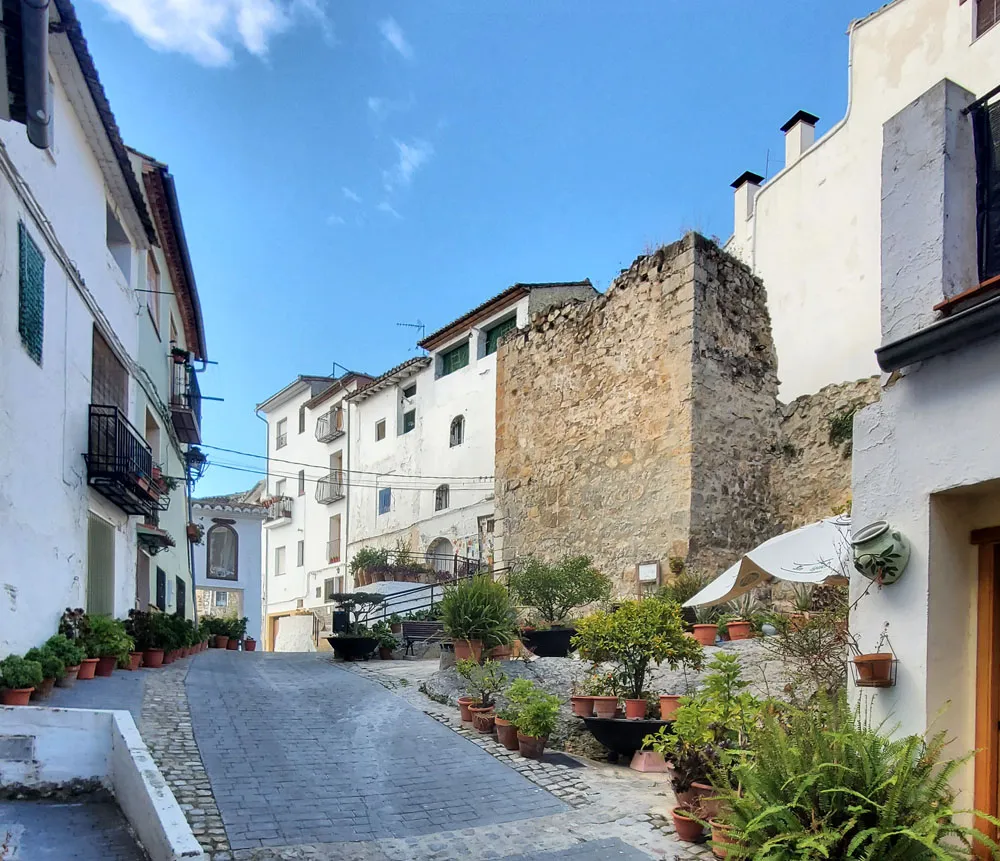
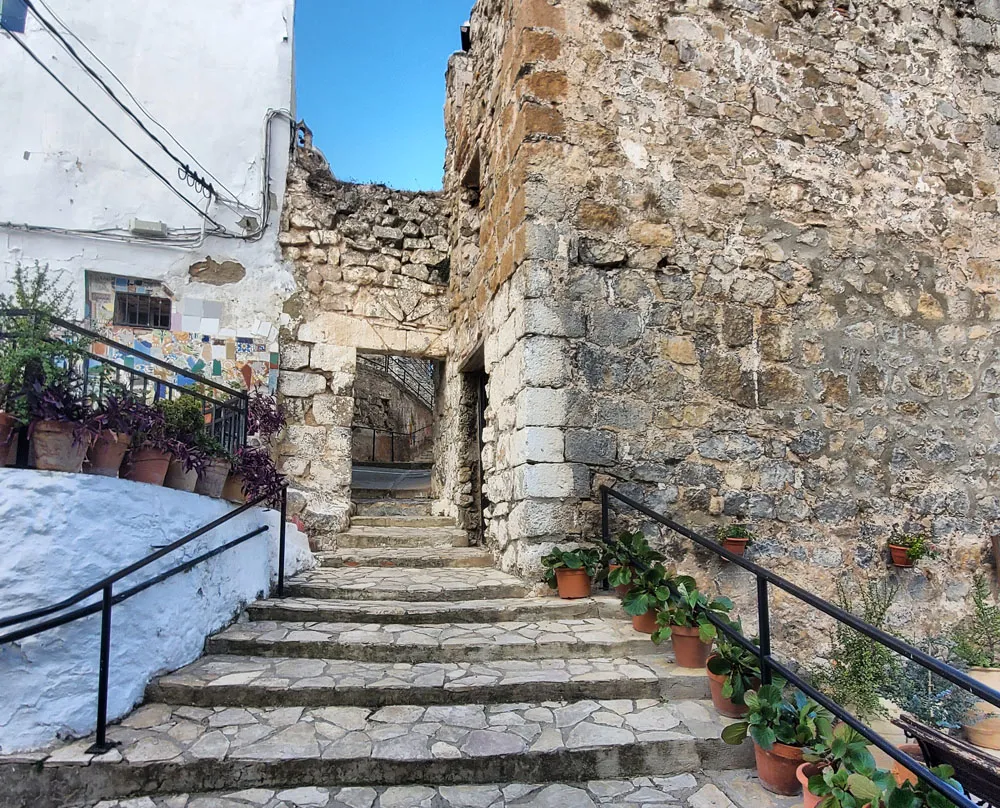
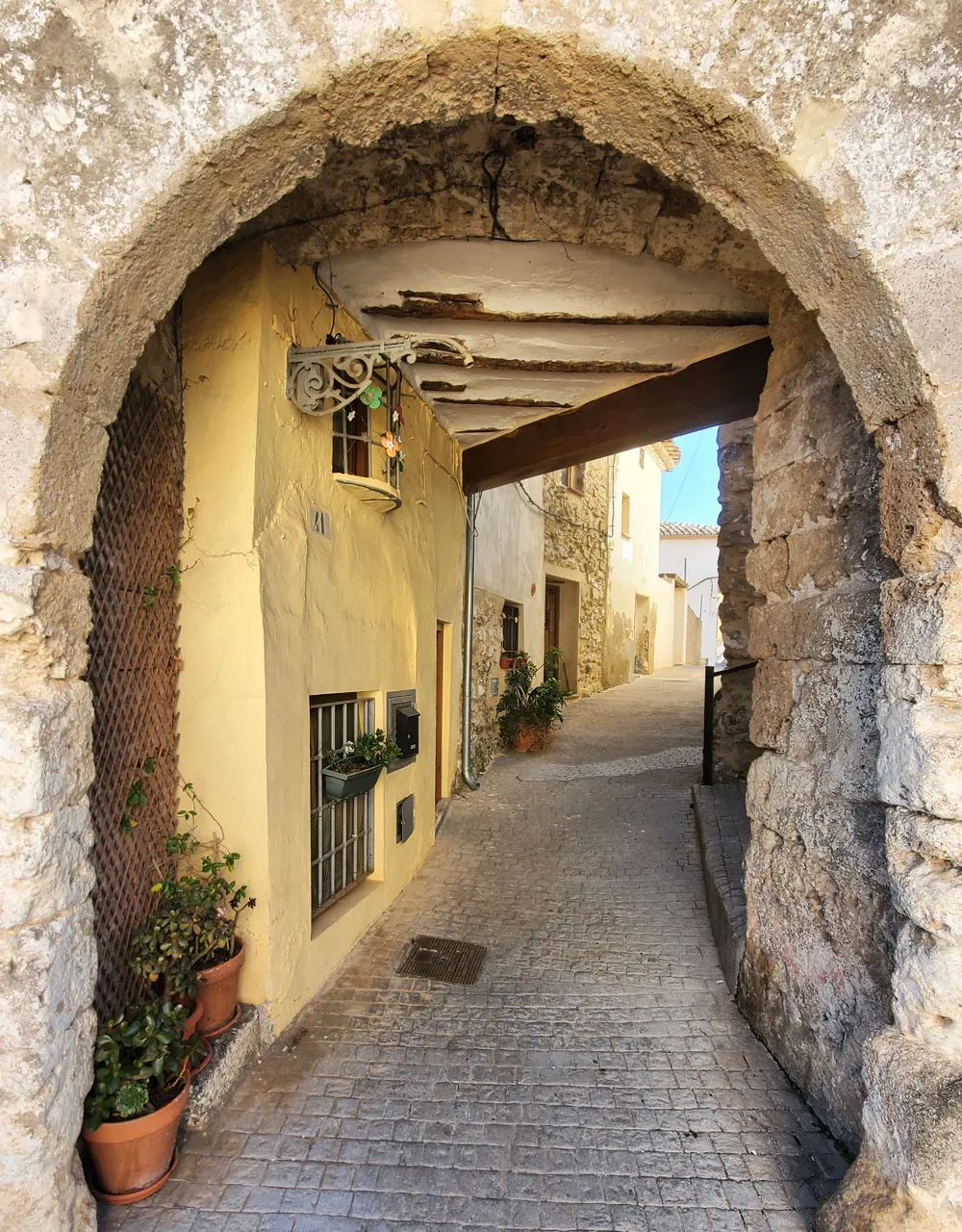
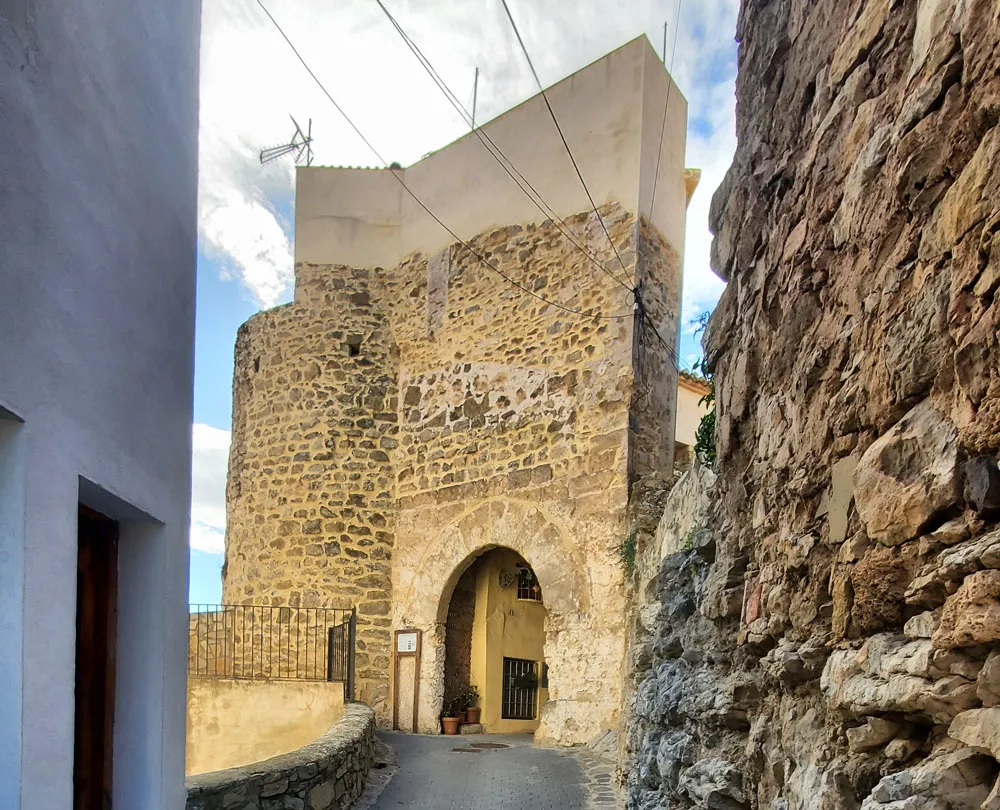
A walk through the streets of Jérica showed what I had not seen in any photo: there are lots of defensive towers here, quite tall, and walls built into residential blocks. In Europe I have not seen any other towns like Jérica, whereas in Turkey there are plenty of such, where the houses of local residents stand right on the towers, or in the towers, and on the walls. A wonder.
The fortress of Jérica, built by the Arabs around the 11th century, had several lines of defence that ringed the hill like rings, with a defensive tower. It was this Arab tower that was extended in the 17th century, creating the Mudéjar bell tower, while each of the defensive tiers was turned, probably in the 19th century, into a separate street. These streets are very narrow and colourful, and walking along them is a great pleasure.
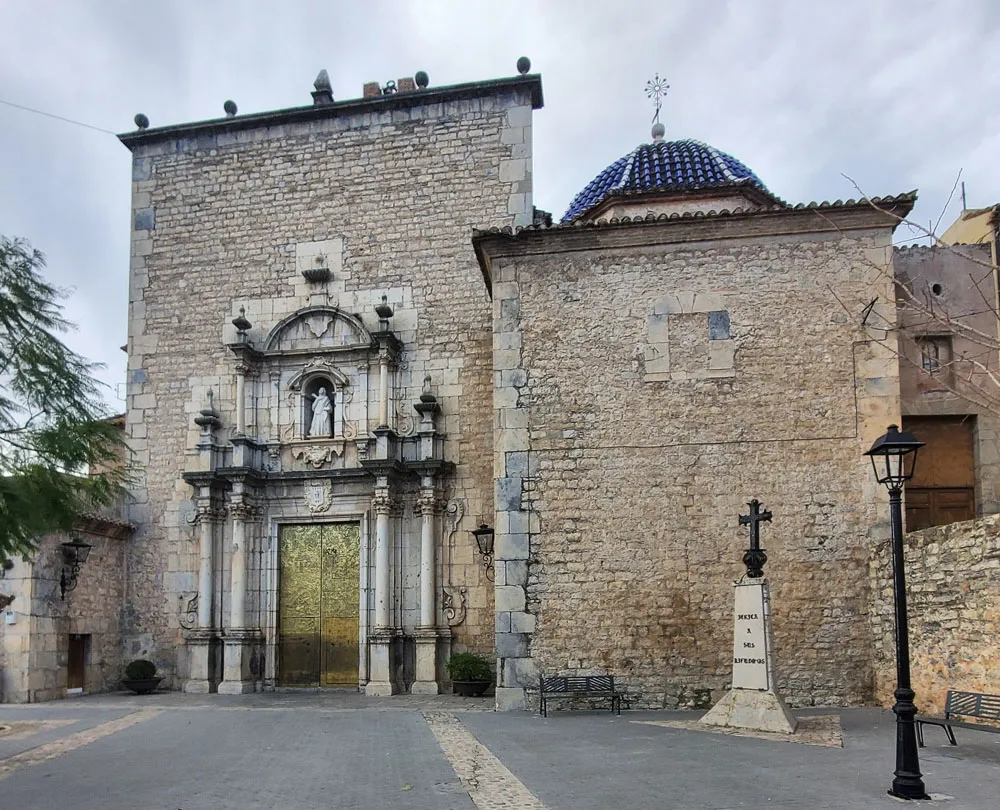
Below the castle stand several old churches, and one (Ermita de San Roque), half-ruined, Gothic, rises next to the bell tower. From it a path leads up to the ruins of the citadel, the castle of Jérica, which stood at the highest point of the town. Now there is one tower and ruins, but from there a wonderful view opens onto the Mudéjar bell tower and the town.
The first mentions of Jérica date from the period of Muslim rule in Spain. In 1098 the town was conquered by the troops of the Spanish national hero, El Cid. The Saracens won the town back, and its second capture by the Spaniards dates from 1235. The mighty castle of Jérica first became part of the Kingdom of Valencia, then part of Aragon, and later of the Kingdom of Spain.
Text and photos by Roman Malenkov.