Spain. Consuegra. Windmills and Don Quixote

· 3 min read
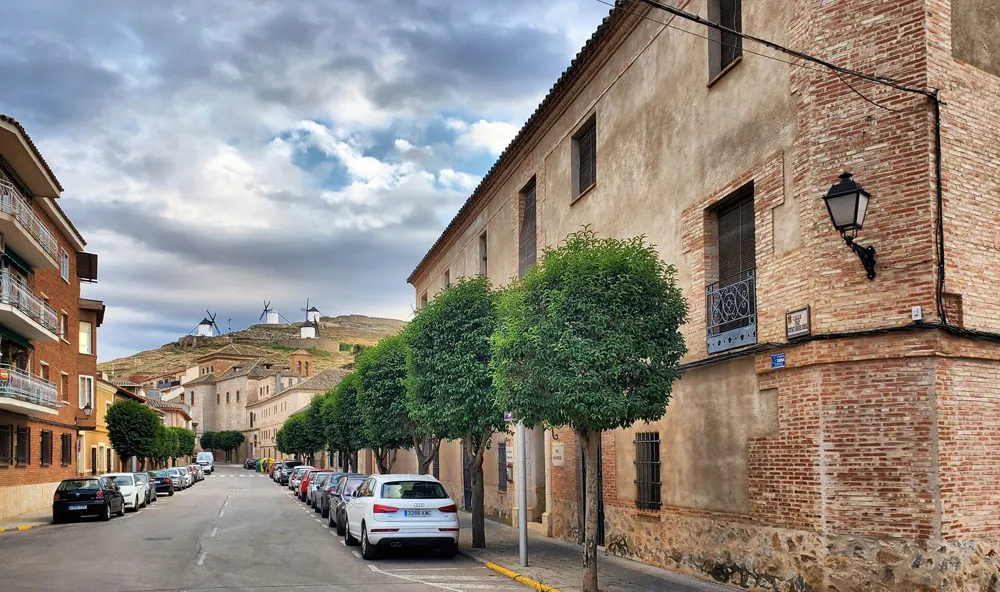
The ideal (reference) stereotypical illustration of Spain is the sad knight Don Quixote, on horseback, with a lance, charging a group of windmills. And behind the mills, a castle. Such an illustration was once drawn for Cervantes’ book, and it turned out that it exists – it is a group of masonry windmills near the town of Consuegra and the Muela castle. It all seems to have stepped off the pages of Cervantes; only the main hero is missing. I also recalled a Soviet film by a Georgian director in which Don Quixote attacked a windmill – the scenery there is very similar. In Consuegra even the numerous tourists do not spoil the feeling of being completely immersed in antiquity.
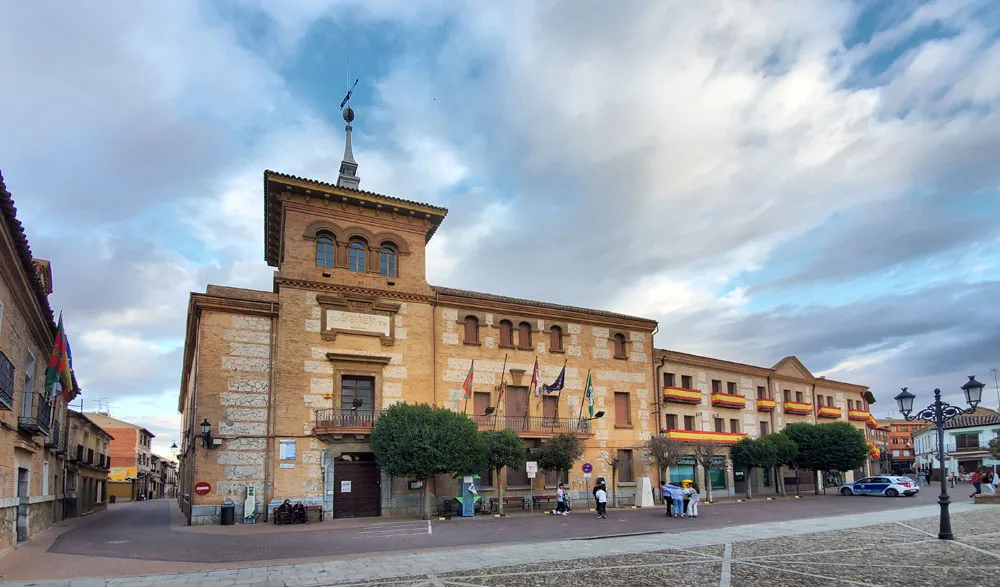
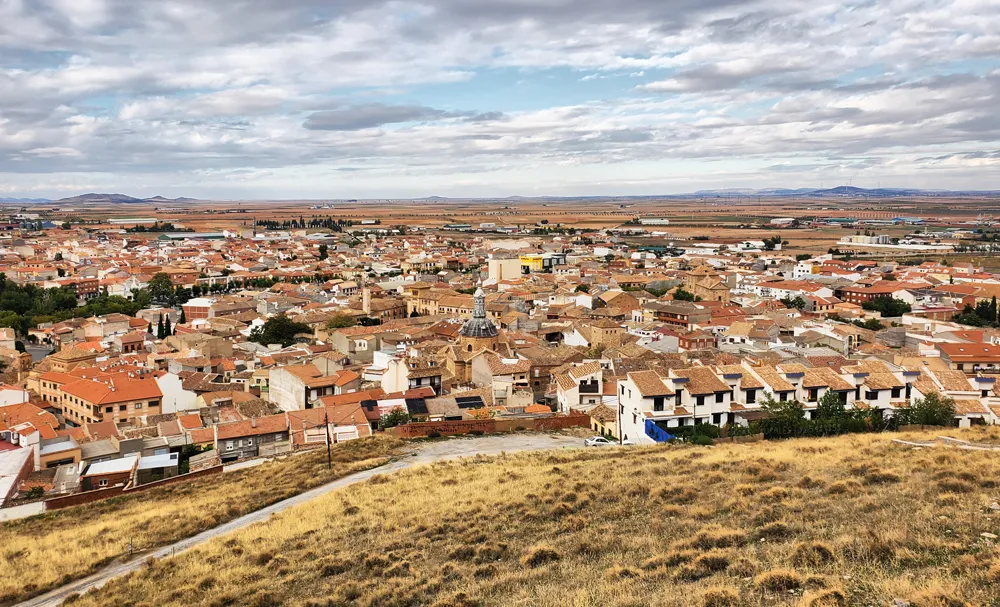
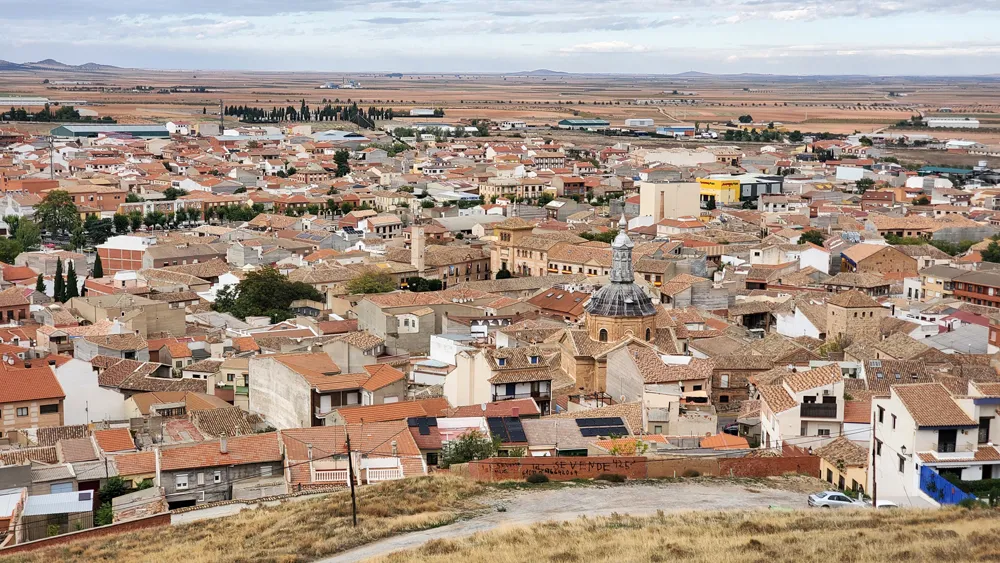
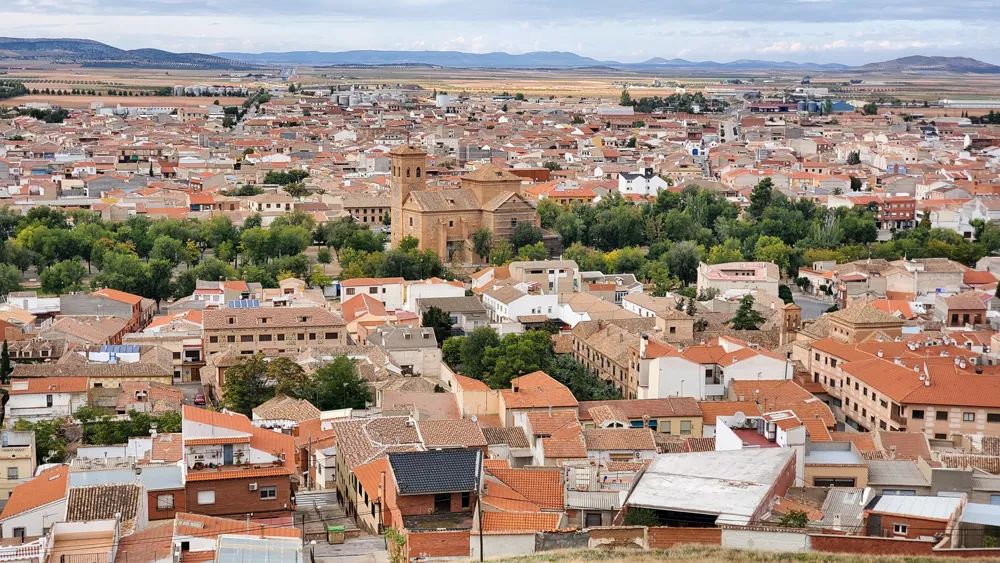
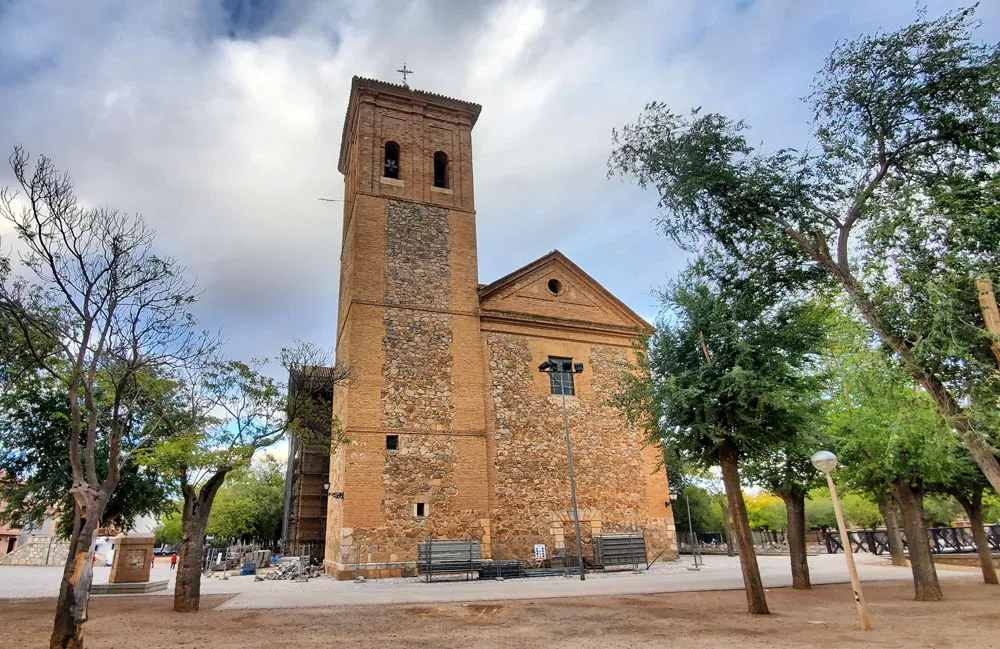
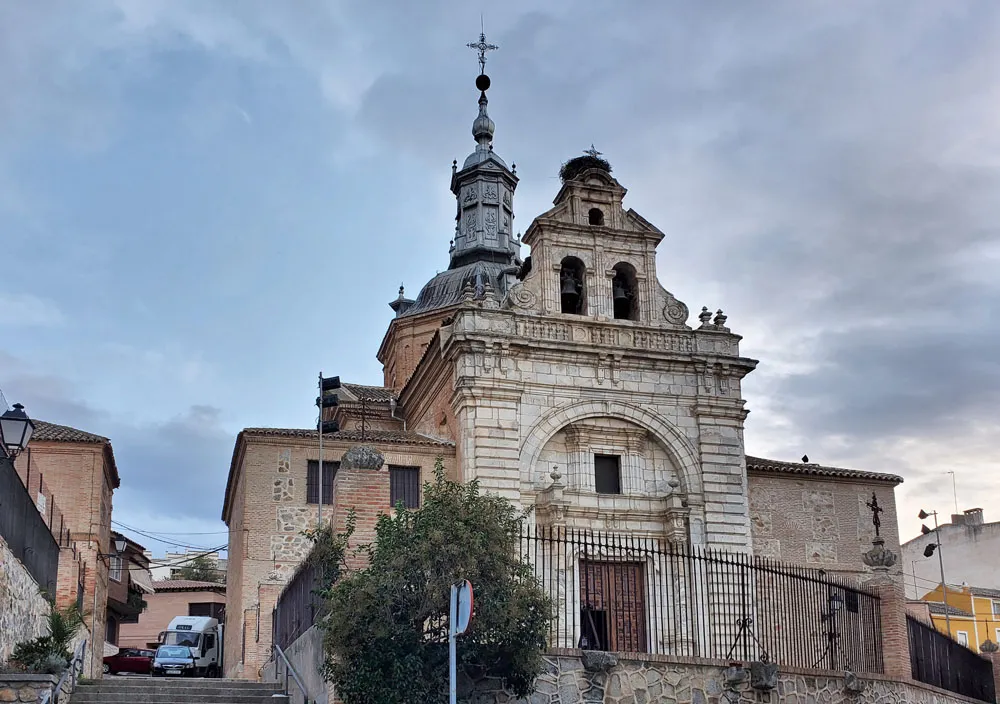
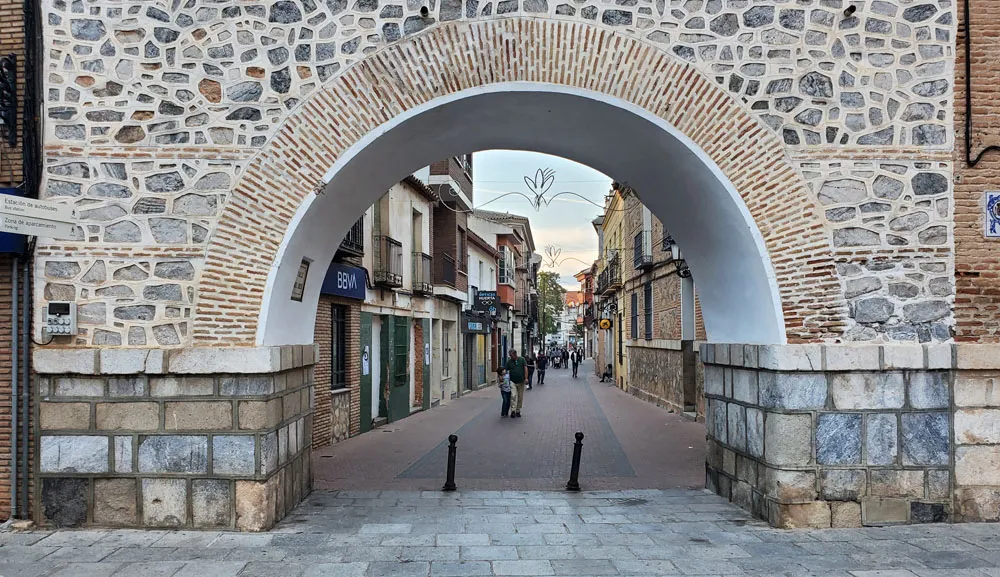
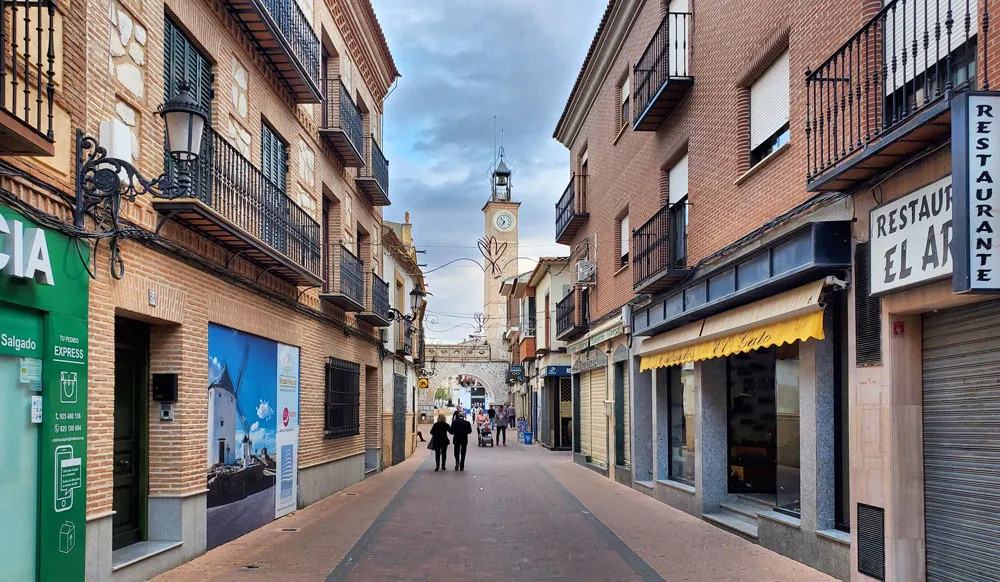
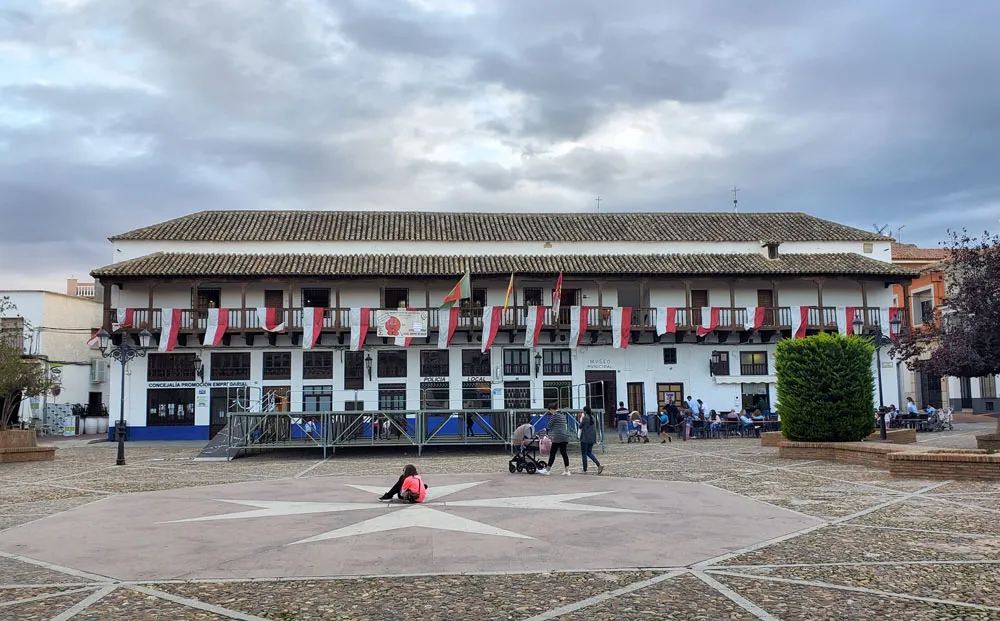
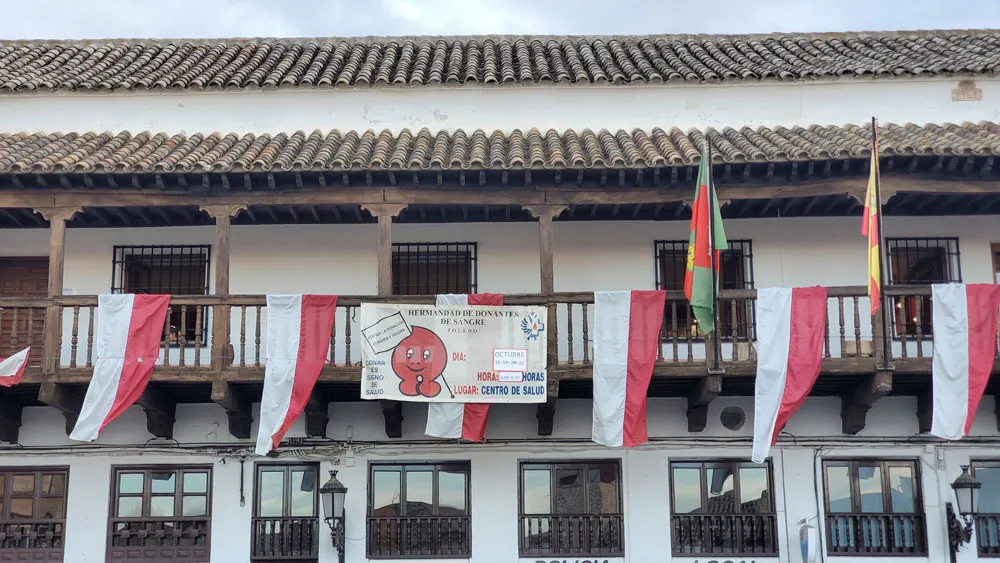
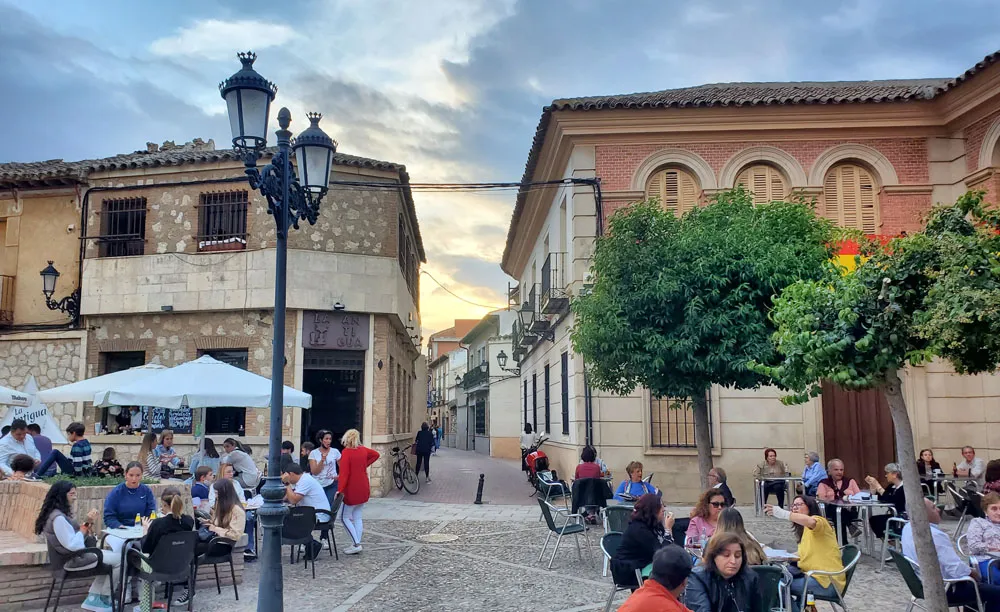
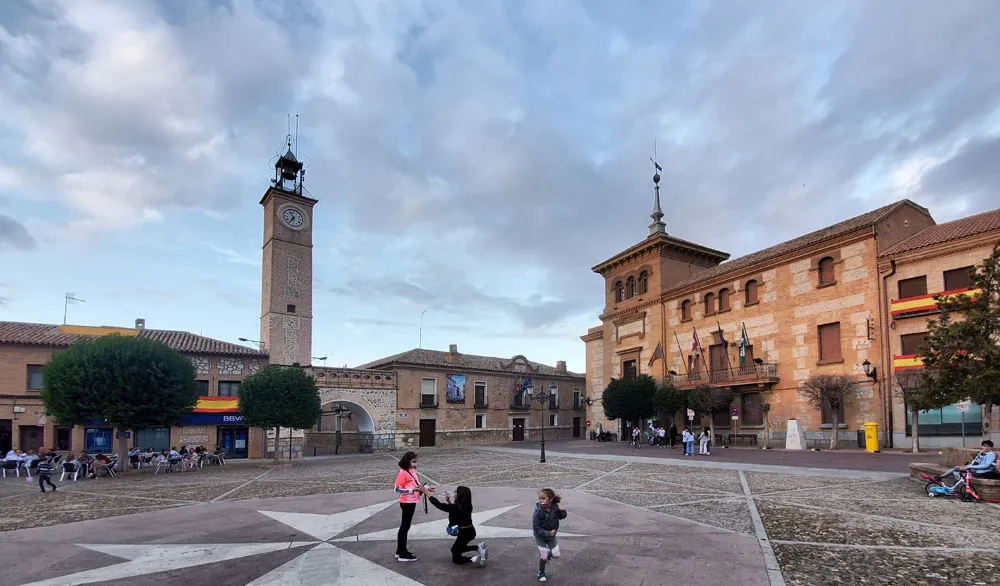
Consuegra is located 62 km south of Toledo. It is a small town with a population of ten thousand. There are three old churches here (two in the Mudéjar style) and a monastery. Plaza de España and the adjoining streets have preserved authentic buildings, with a town hall and a tall bell tower. The town looks best from Calderico hill, from the windmills and the castle. It is a cluster of mottled tiled roofs from which churches and a bell tower emerge.
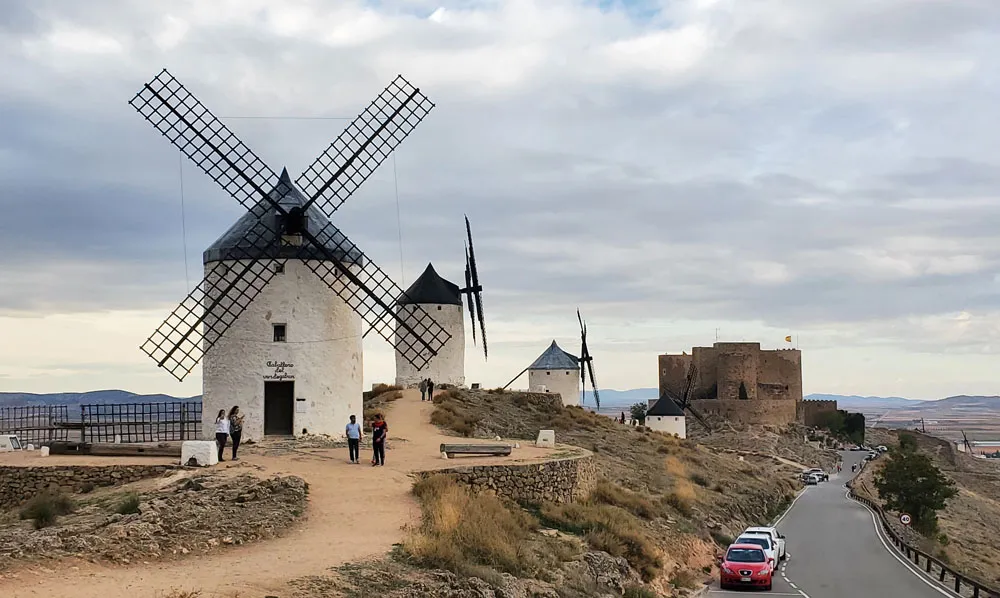
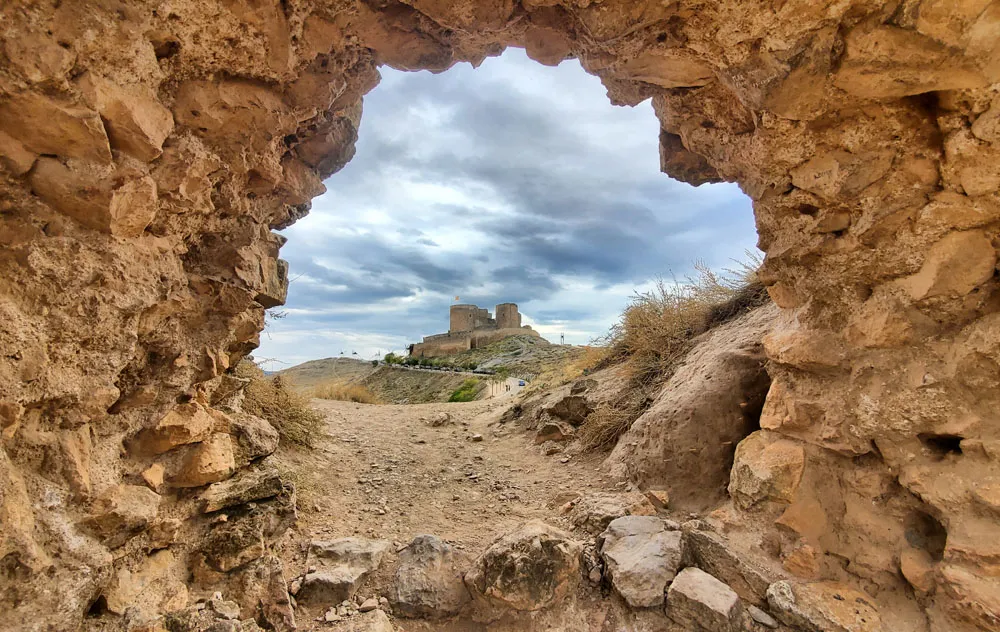
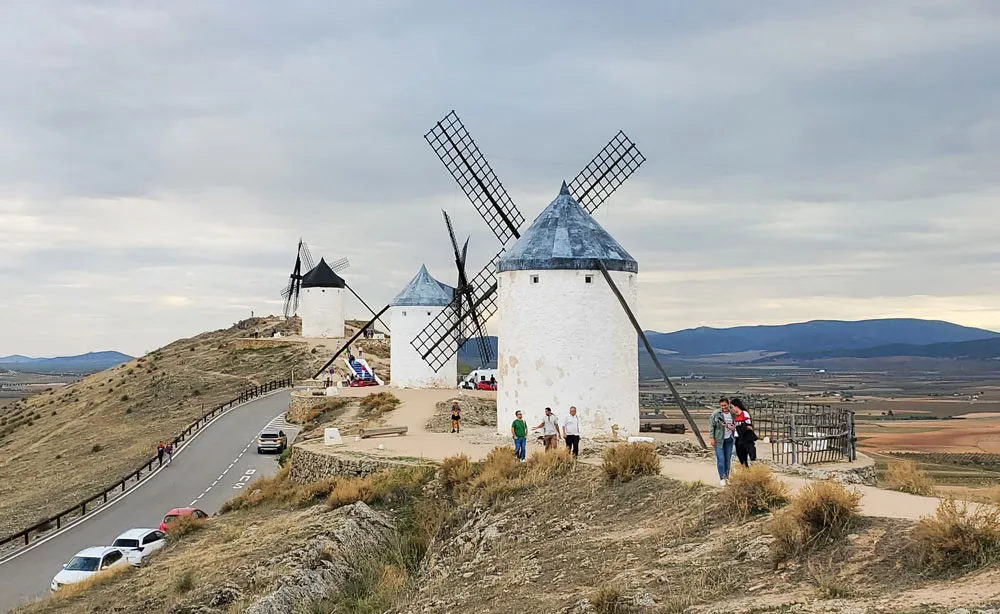
The town of Consuegra has been known since pre-Roman times. In the Roman period there was a polis on the hill called Consabura. It had strong fortifications, stone houses, baths, an aqueduct and a circus. Later the Visigoths settled here. They were conquered by the Arabs. From 1085, after King Alfonso VI’s conquest of Toledo and the gradual completion of the Reconquista, Consuegra became Spanish and was, for some time, the capital of a separate province.
In 1097 the Battle of Consuegra took place, in which the Arabs defeated the army of Alfonso VI. The son of the legendary El Cid was killed in the battle, and the territory for a time again found itself in Arab hands.
Of course, Consuegra was reconquered. At the end of the 13th century it was given to the Knights Hospitaller, who rebuilt and greatly strengthened the castle. In the 14th century they made Consuegra the centre of their Priory of La Mancha. Nowadays some descriptions call the castle Maltese, but this is incorrect, since the Order of Malta appeared only in the 16th century.
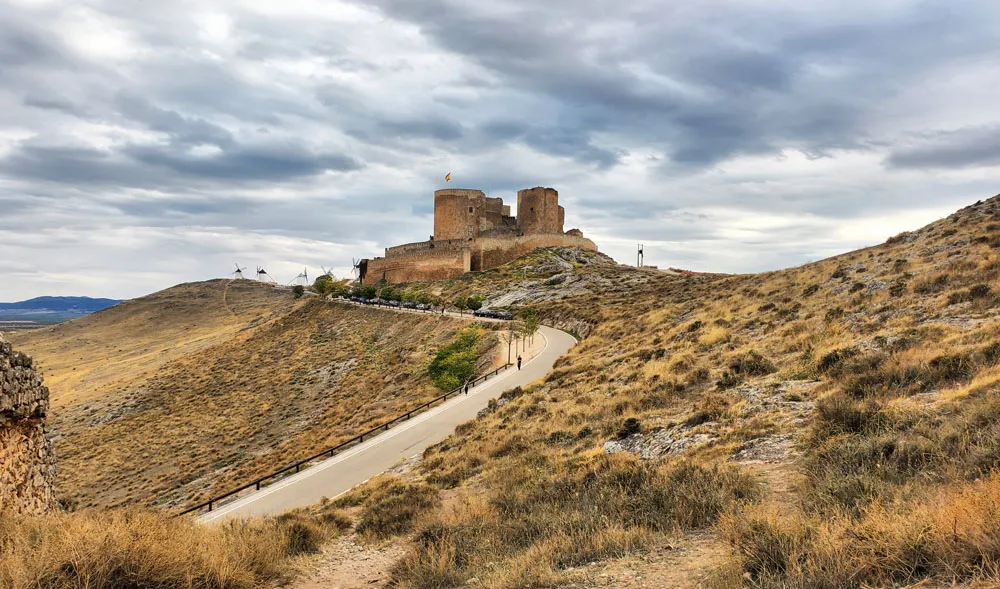
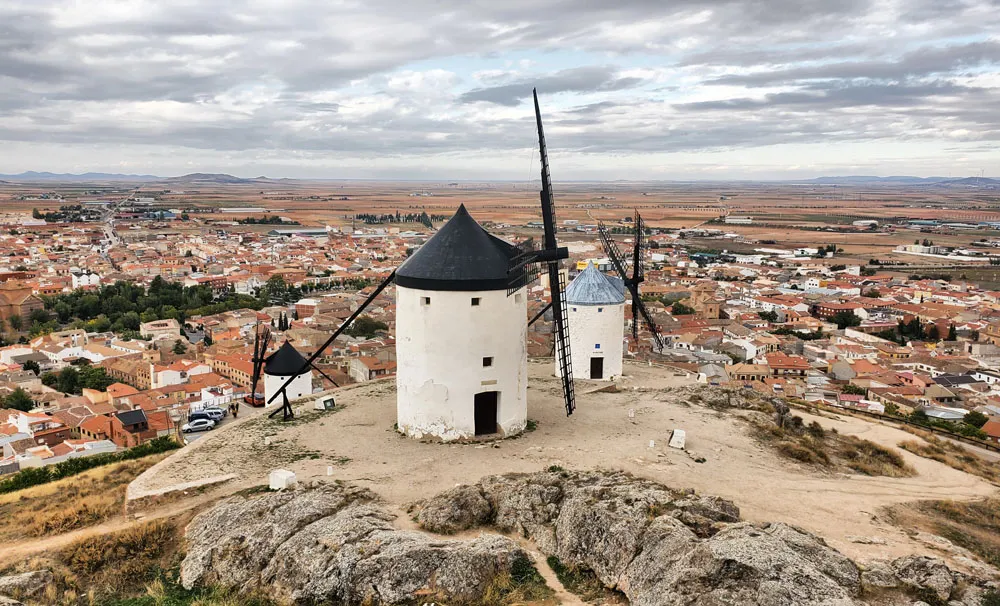
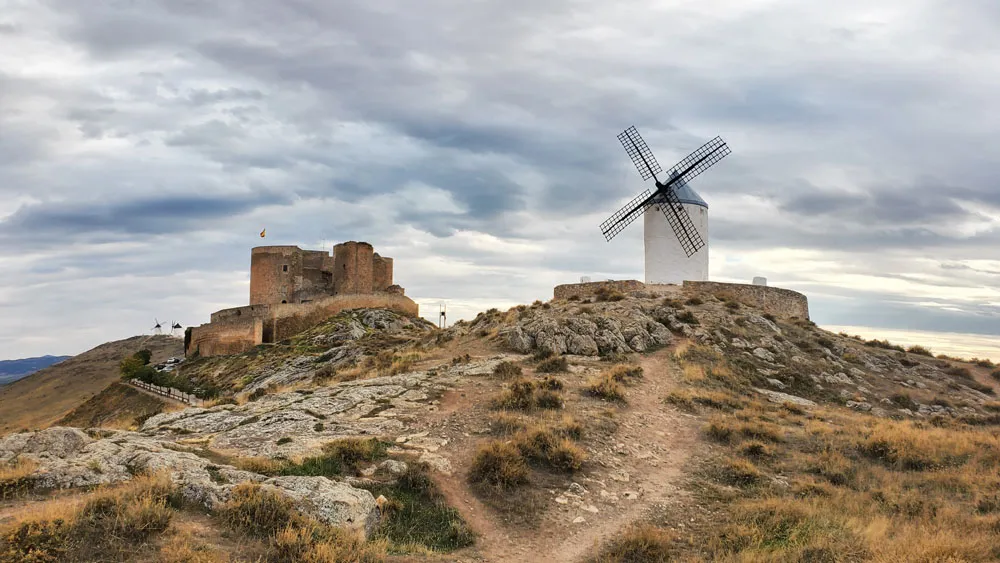
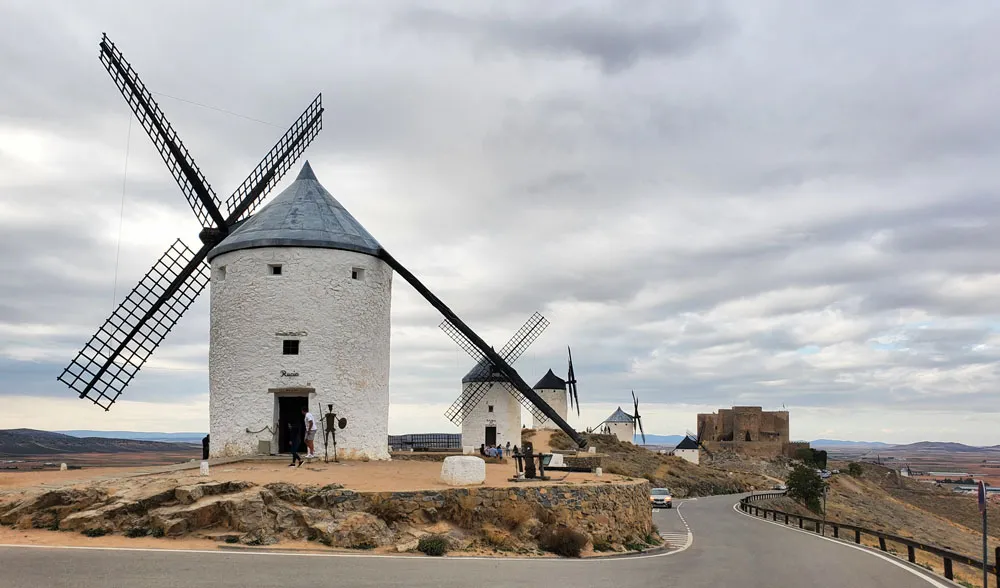
From the 15th century the castle was called La Muela, as it is still called today. In fact the present building is the former citadel. The outer walls have almost not survived. They can be made out in a few places, in particular near the windmills closest to the town. The castle itself looks very picturesque, and with the white windmills it is simply a fairy-tale sight.
The castle was built by the Romans, and some of their concrete is even found here, but its present outward appearance it owes to the Arabs – a square keep and four cylindrical towers, one of which was built by the Arabs.
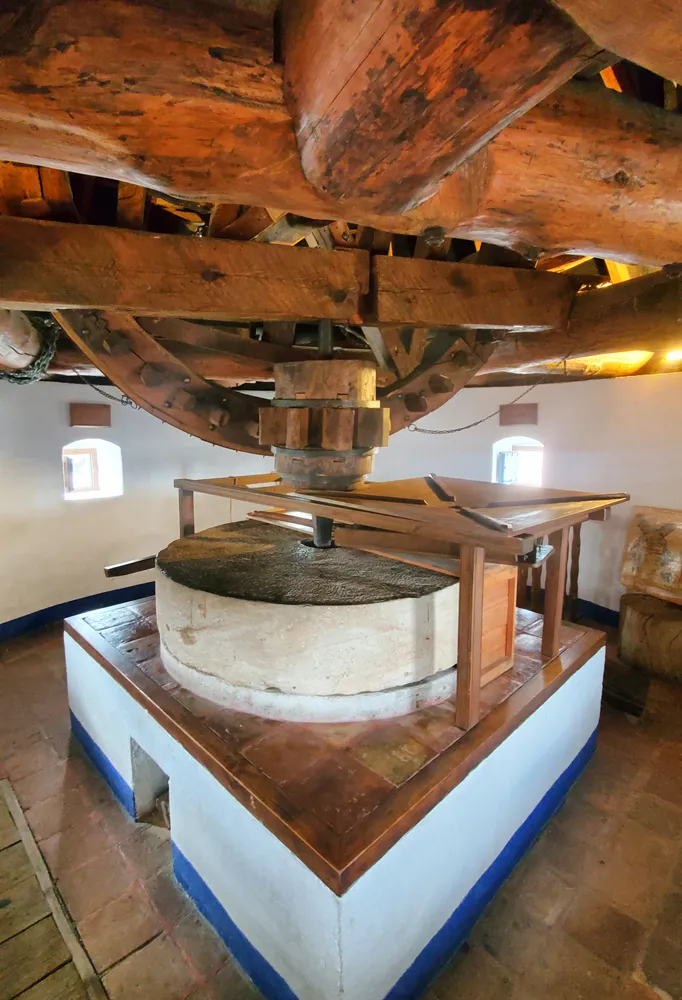
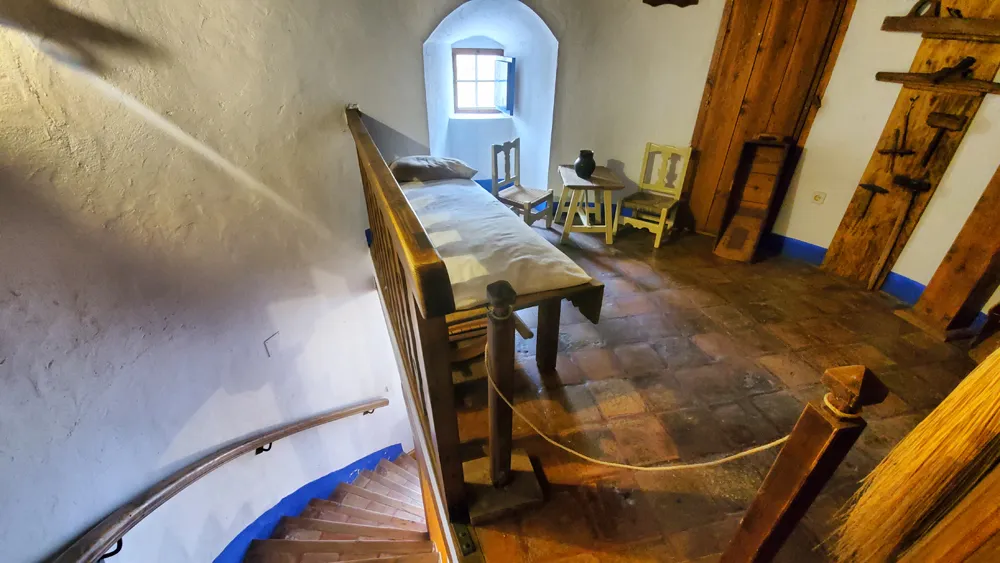
There are 12 windmills on Calderico hill. Two have kept their internal mechanisms and charge an entrance fee. Most of the mills date from the 19th century, although a few were built as early as the 16th. It is always full of cars and people who want to take beautiful Instagram photos. And they do get them. An incredible place.
Text and photos by Roman Malenkov.