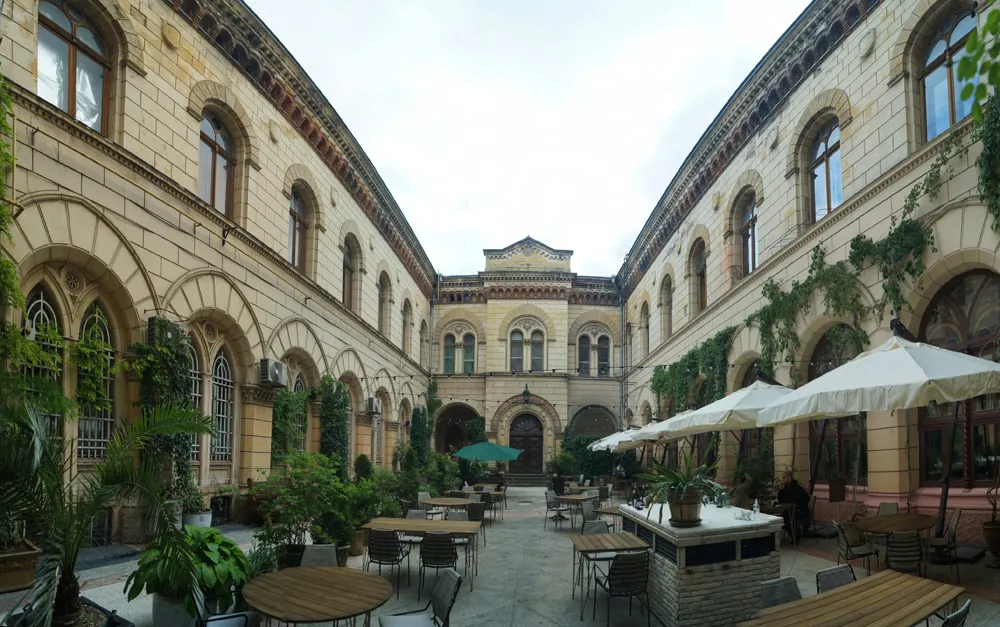
Odesa. The New Merchant Exchange

· 2 min read
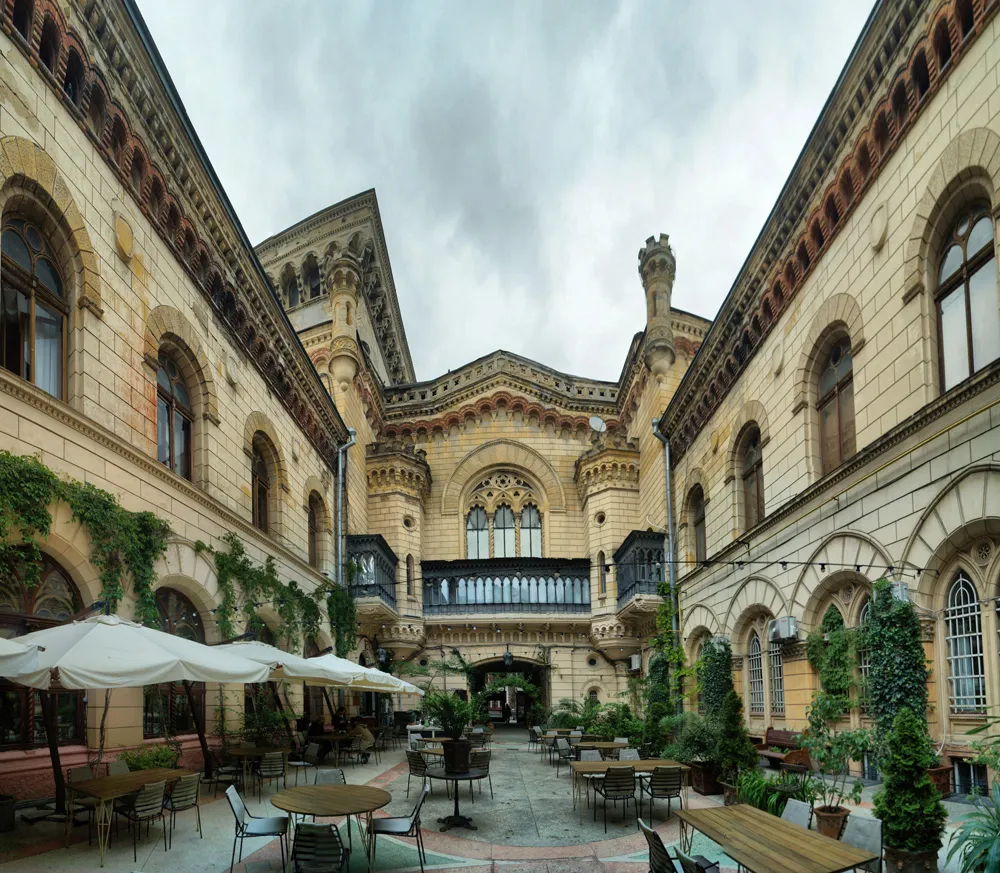
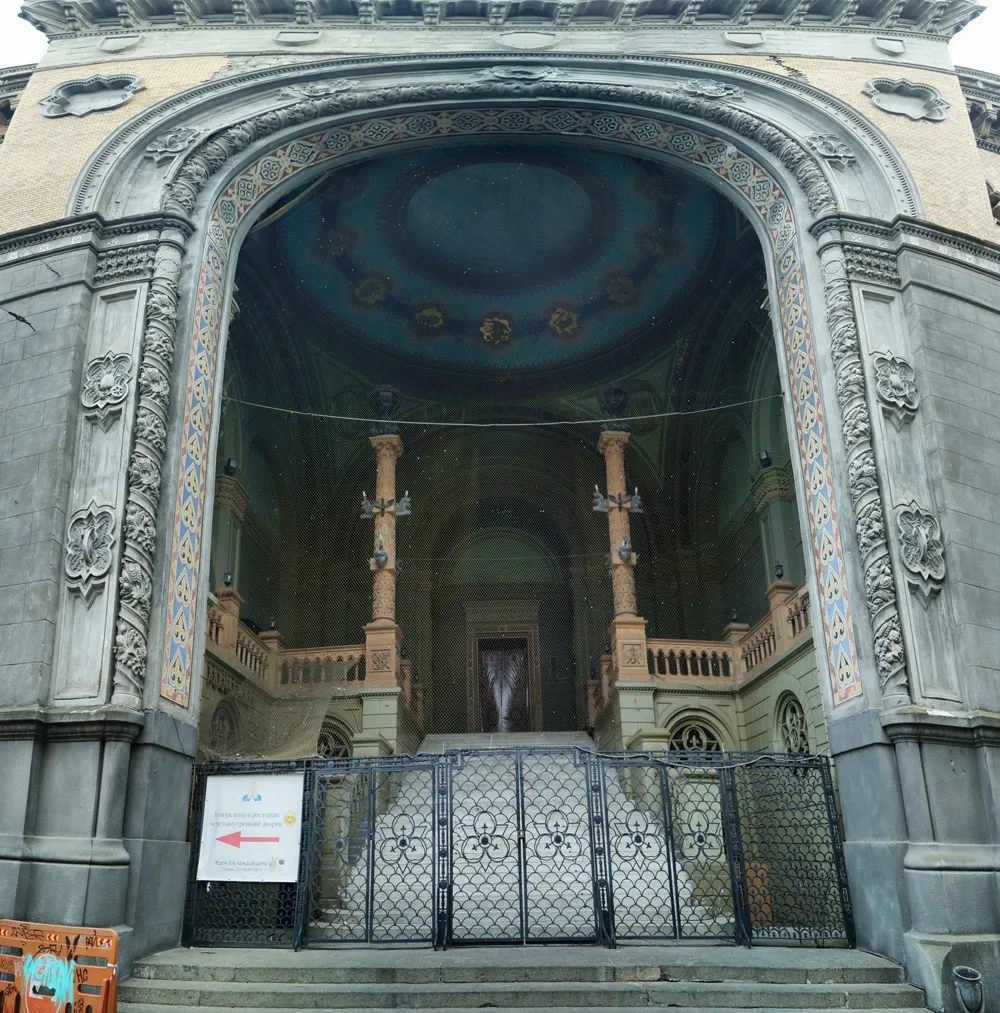
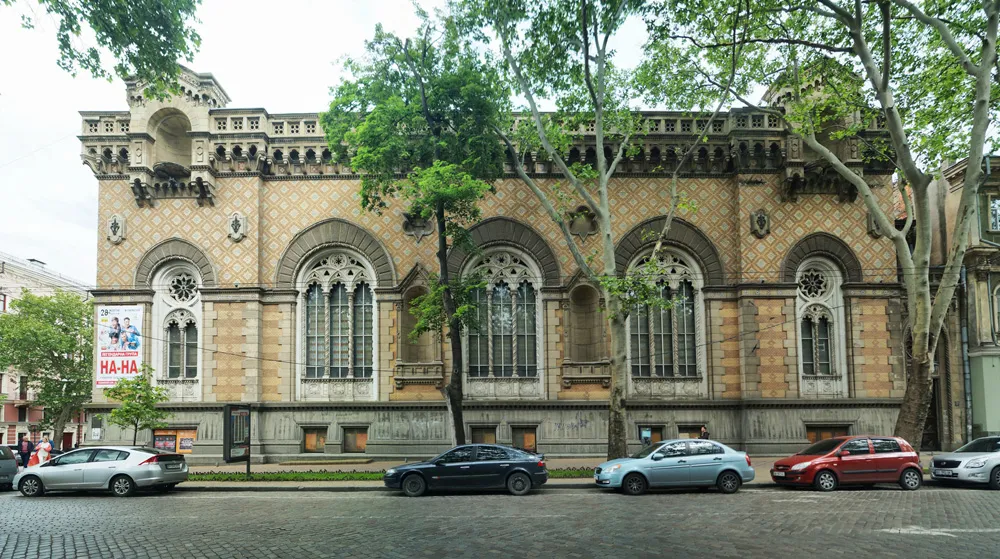
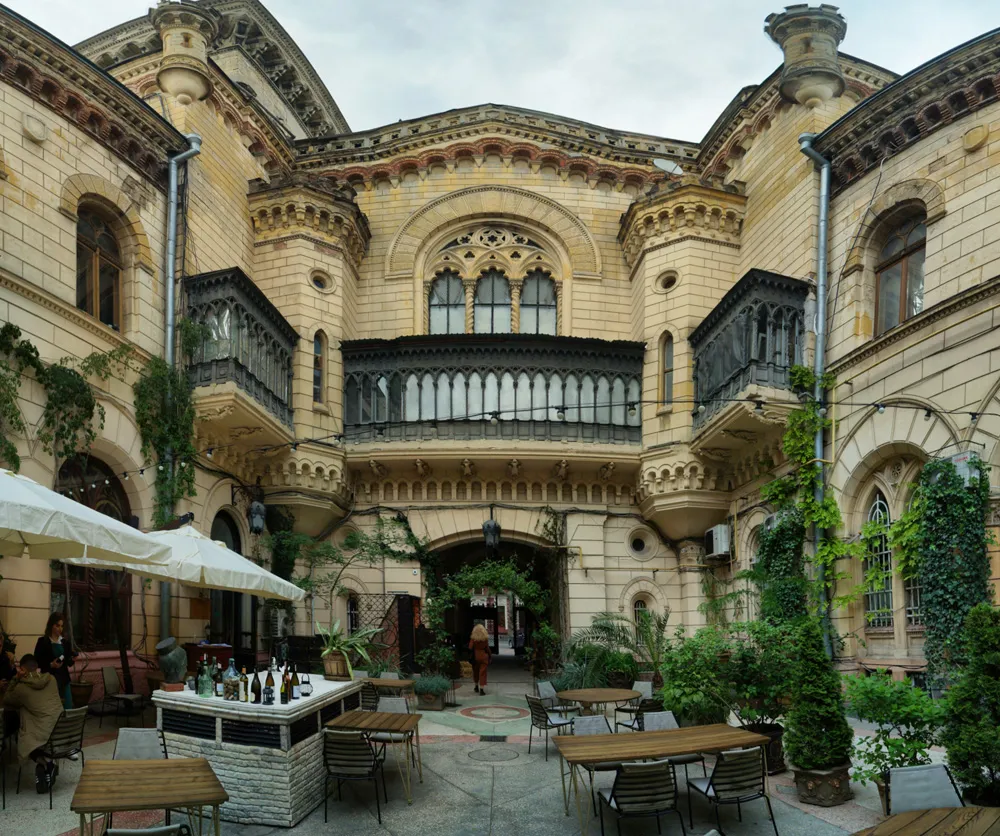
The Odesa Commodity Exchange is the oldest exchange in Ukraine. It was founded in 1796 on the initiative of foreign merchants, who then controlled all export trade. Exchange meetings were held daily, at first in a private building and from 1834 in a building specially constructed for the exchange (1829–37, architect F. C. Boffo; today the building houses the city council; in 1894–99 a new exchange building was erected to a design by the architect Alexander Bernardazzi, and it now houses the philharmonic). To discuss commercial matters and to introduce local credit, from 1829 the exchange had a commercial council department modelled on foreign ones. Every two weeks an auction sale of goods took place. The exchange handled wholesale trade in various goods, securities and currencies, but the main commodity became grain, which came from steppe Ukraine, Podillia and the Lower Dnieper region and was exported to Western Europe. By value, grain exports from Odesa in 1846–1853 made up over 41% of the value of all grain exports of the Russian Empire. The largest annual grain export from Odesa in the early 20th century was in 1901–05, when almost 49.5 million poods of wheat, 14.7 million poods of rye and 20.6 million poods of barley were shipped every year. In subsequent years the grain trade, and thus the turnover of the Odesa Commodity Exchange, declined owing to the expansion of similar activity in other southern Ukrainian cities, above all Kherson, and to heavy competition from non-European countries. Trade in stocks was regulated by the “Odesa Exchange Rules on Transactions in the Purchase and Sale of Securities, Gold Currency, Bills and Similar Valuables.” In 1914 securities worth almost 6.8 billion roubles were quoted on the Odesa Commodity Exchange.
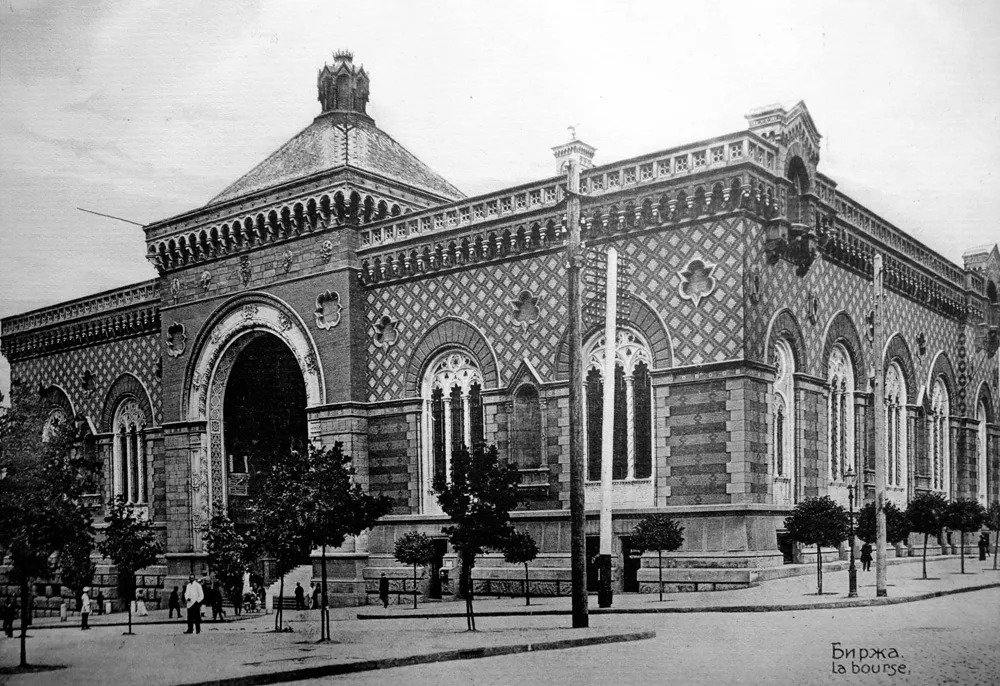
Photo from here
The first charter of the Odesa Commodity Exchange was approved in July 1848; before that the exchange was governed by the rules of 1816 and the regulations of 1837. At that time its governing body, the exchange committee, also appeared. On its initiative the first arbitration commission in the Russian Empire was established at the exchange in 1887, and in 1891 a new charter was adopted. For some time the chairman of the exchange committee was M. Chikhachov. Its leadership regularly included influential heads of foreign-trade firms – Anatra, Rodocanachi, Marazli, Trabotti, Webster – and the Russian merchant-industrialists Zusman and Novikov. The exchange ceased operations during the First World War, with a temporary revival in the early 1920s. With the triumph of state regulation of the economy in the USSR, the need for the exchange disappeared.
Text from Wikipedia, photos by Roman Malenkov