

Ovlashi

· 2 min read
The village of Ovlashi was founded sometime between 1650 and 1687. We can assume this with such probability because the village was not yet on Beauplan’s map in 1650, while it is already mentioned in the documents of Hetman Samoilovych.
From those times until the abolition of the regimental system, the village belonged to the Romny company, first of the Myrhorod and then of the Lubny Regiment.
During the Great Northern War of 1708-1709, Swedish soldiers were quartered in Ovlashi, for which Peter I, by the hands of Semen Palii’s Cossacks, destroyed the village. Since those events, small hills can still be seen on the outskirts of the village, which locals call “Swedish graves”, and this probably corresponds to reality.
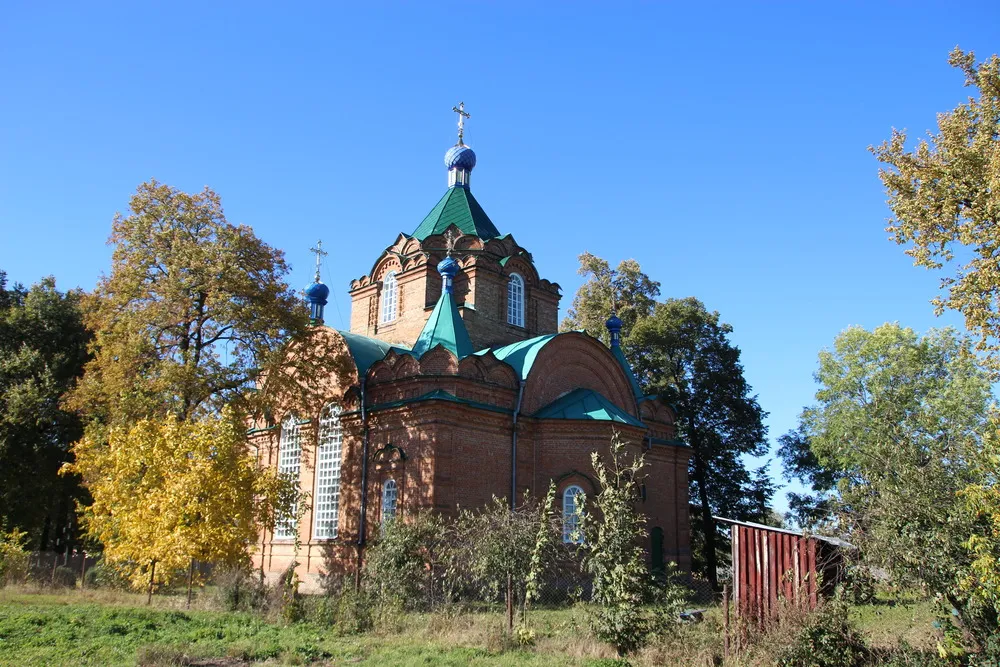
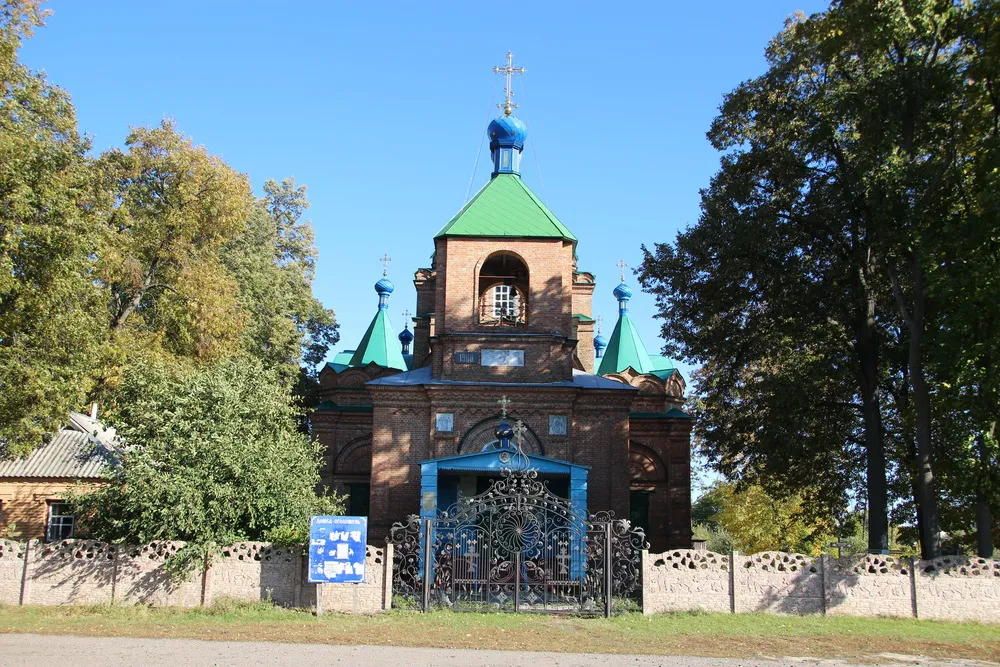
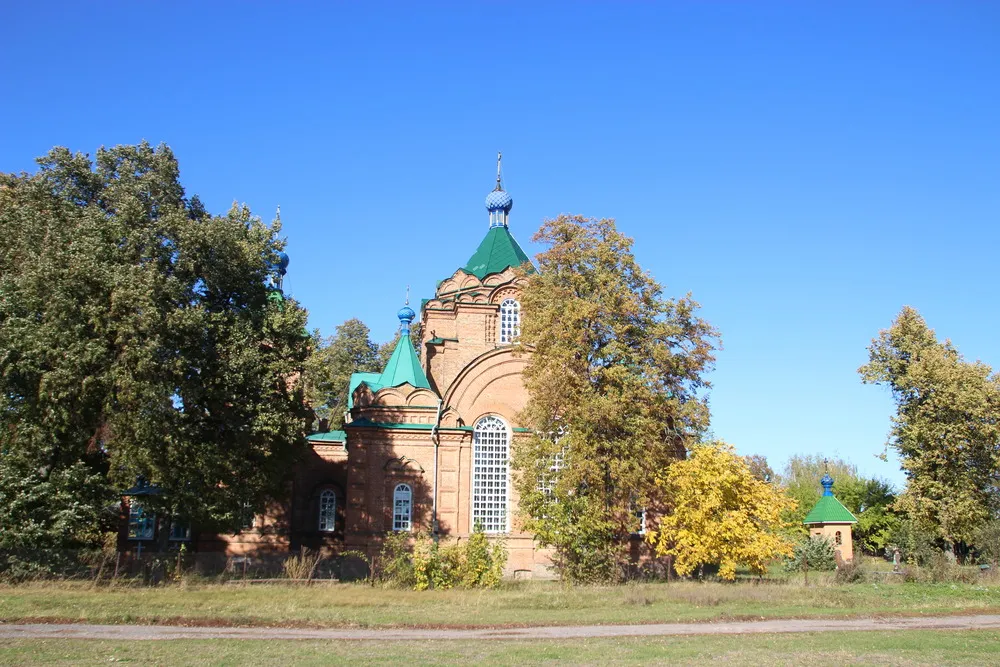
At the beginning of the 20th century the owners of the village and the surrounding farmsteads were the Novyk brothers. They built the main buildings, some of which have survived to our time: the zemstvo school (1912), the church (1908), still active today, and their own manors (not preserved) with outbuildings.
Before the present Church of St. Stephen the Archdeacon there was another, wooden one, dating from 1773, with a bell tower, at which, according to documents, there was also a parish school.
In that old church the priest Yakiv Ioanovych Horunovych served without interruption for 50 years, and for his conscientious work he received the Order of St. Vladimir. When, as mentioned above, the Novyks built a new brick church in 1908, it became the first and only lit building in the village. It is assumed that the church was designed by the Poltava architect S. Nosov.
Architecturally the bell tower and the church form a single composition. The church has five domes in all, one of them, the main one, in the centre. The side windows are interestingly designed: they run the full height of the wall, and each consists of seventy square panes and a glass arch.
During collectivisation the church was closed, the bells were smashed, the utensils were plundered or thrown out, and the chapel on the site of the old church was destroyed (it was rebuilt in 2006). A grain store was set up in the church itself. At present the shrine is active.
A few words about the history of the founding and construction of the zemstvo school. From 1910 the parish school came under the district zemstvo, and at the same time construction began of a three-grade primary school to a standard design. Vasyl Yakovych Novyk became the trustee and allocated 1,000 roubles for the construction. And already in 1912 the first pupils began studying at the school. A year later the school grounds were planted with poplars and a fruit orchard was laid out.
Text and photos by Ihor Dorozhko, Oleh Hodyna and Maksym Nazarenko.


