Ovruch

· 2 min read
I will say a banal but necessary phrase: Ovruch is one of the oldest cities in Ukraine. The first written mention of the city, under the name Vruchii – the centre of the Drevlian tribe – dates from 946, although it was certainly founded earlier. There are not so many cities in Ukraine that existed before the baptism of Rus.
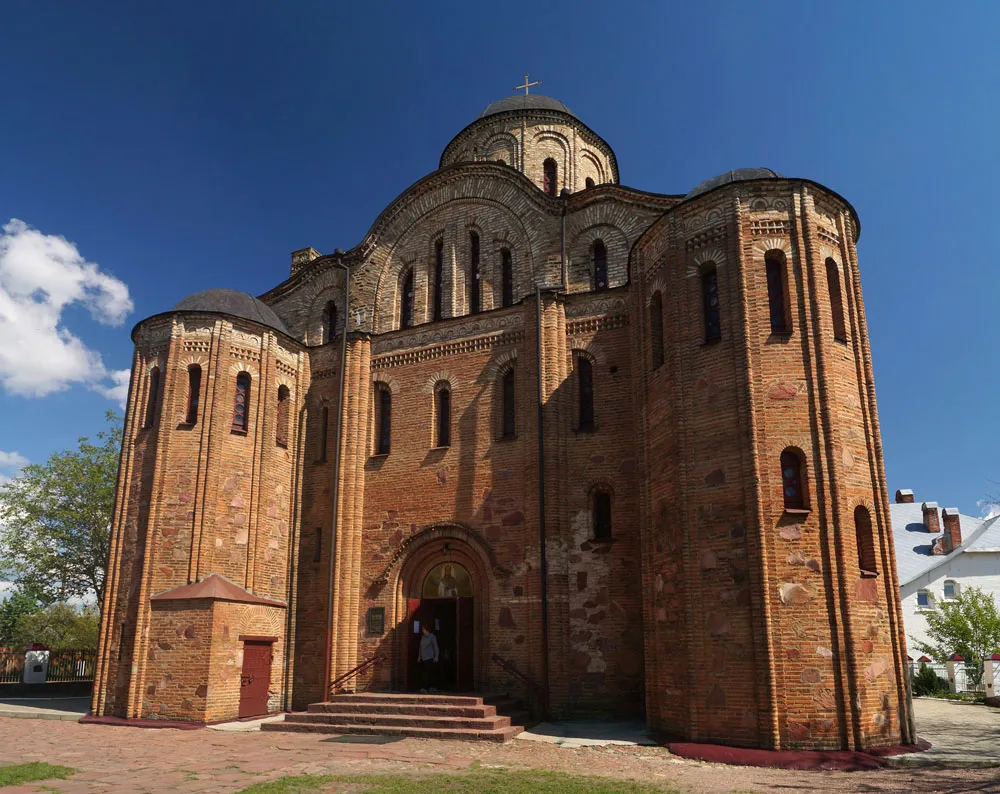
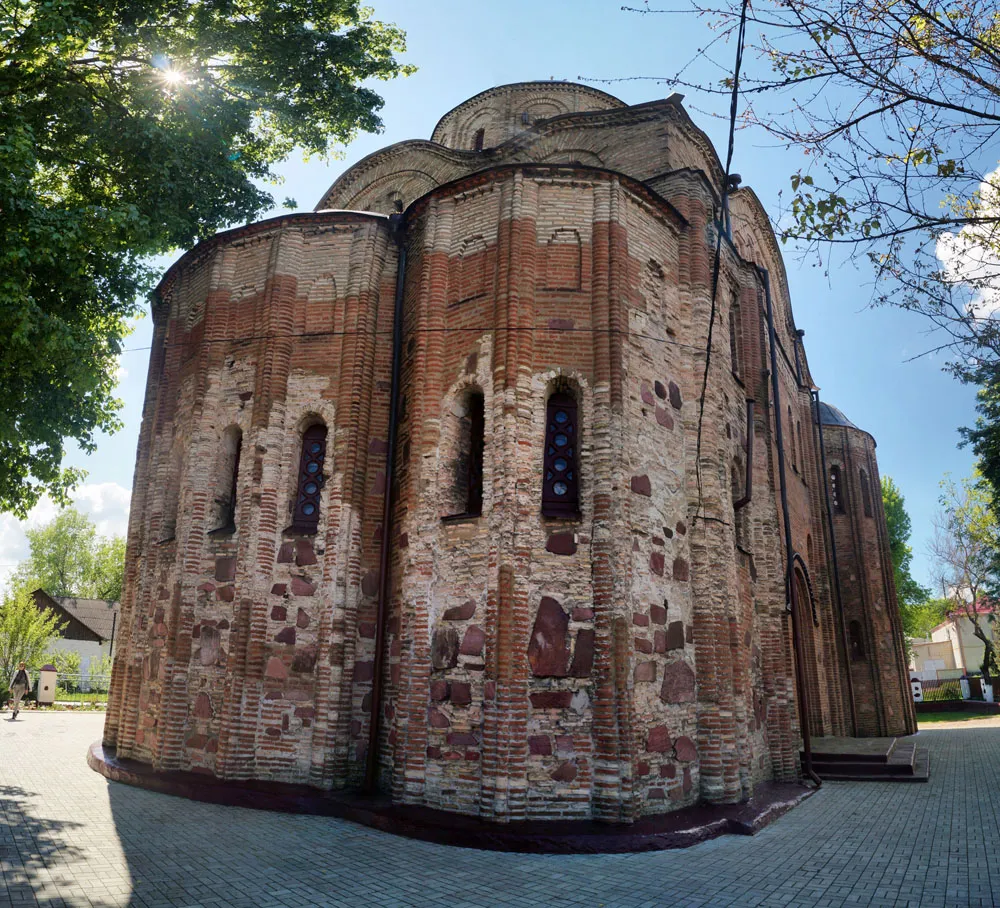
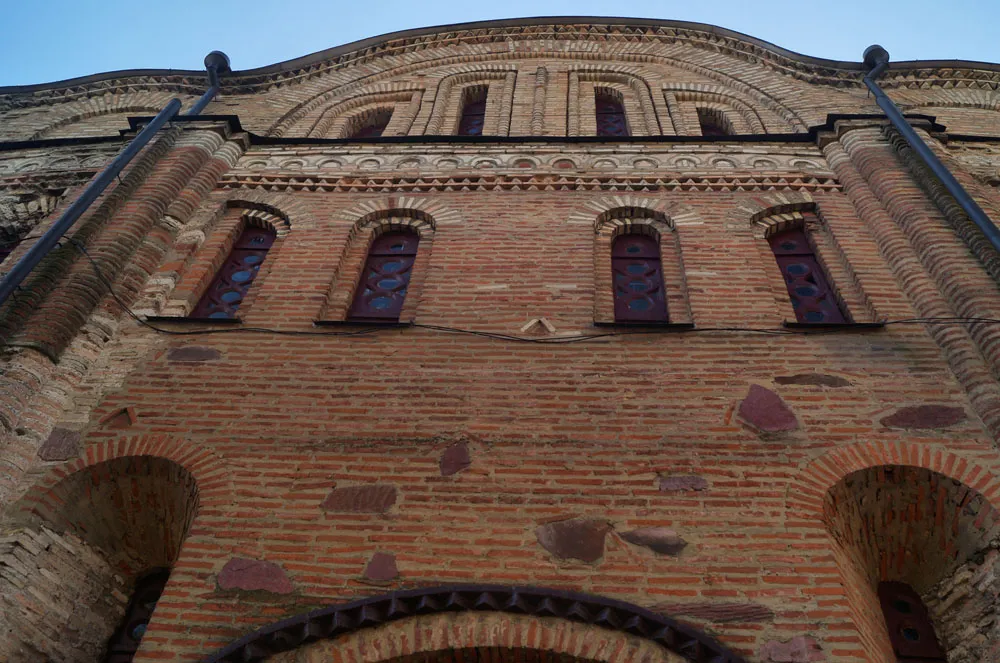
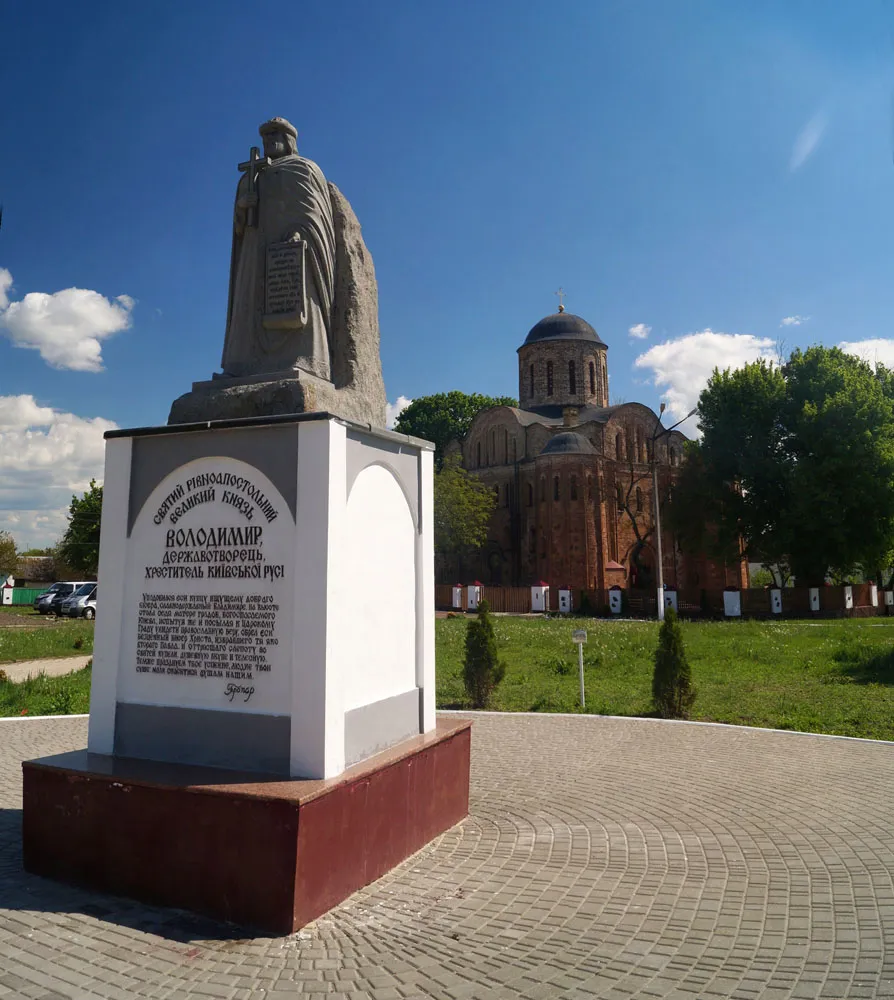
According to the Hypatian Chronicle, Prince Oleh died in Ovruch. Later it was subdued by Princess Olha; her grandson, Volodymyr the Baptist, built a wooden church in the city; and her great-great-great… grandson Riurik Rostyslavych in 1190 erected the brick Church of St. Basil, which has survived to our days.
Ovruch had a fortress, said to have been quite powerful. But in 1240 no fortress could withstand the invasion of Batu – the city was completely destroyed and revived only in the 14th century. The Lithuanians restored and considerably strengthened the city fortress, which was to defend the city against the Crimean Tatars.
In 1641 Ovruch, as the centre of a starostwo, received Magdeburg law. Later it became the centre of a sotnia of the Kyiv Regiment.
Hetman Ivan Vyhovskyi was born in the village of Vyhiv, which is now part of Ovruch.
The Cathedral of St. Basil is the main landmark of Ovruch. The church was probably built by the court architect of Grand Prince of Kyiv Riurik Rostyslavych. The building was part of the prince’s palace complex, but the palace could not survive the Mongol-Tatar attack.
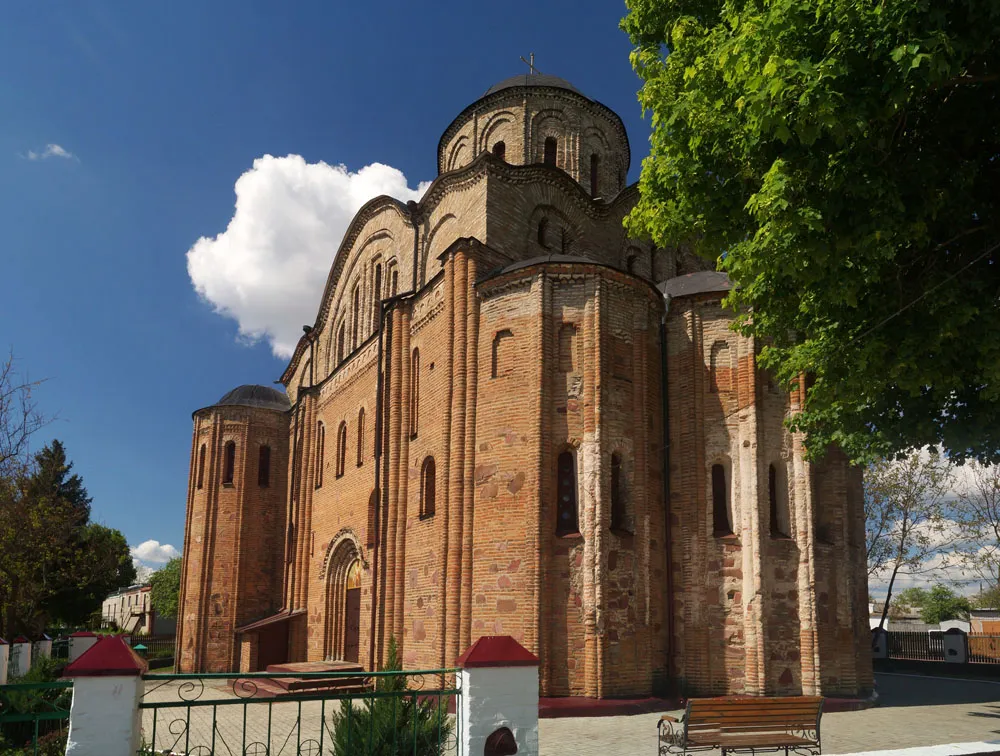
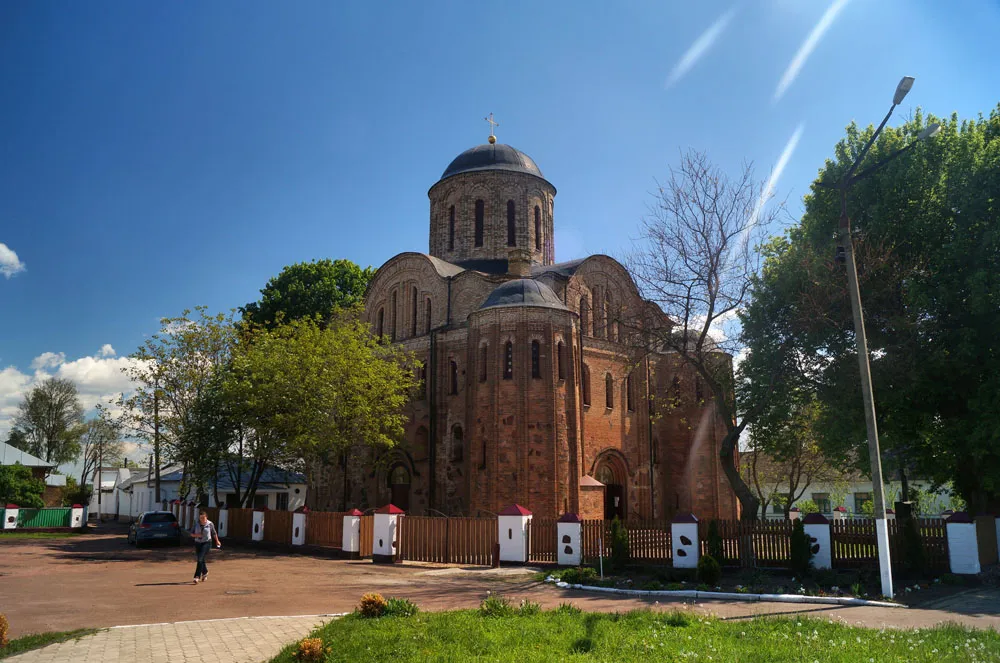
The church was destroyed more than once – first by the Tatars and then by the Lithuanian prince Gediminas. For a long time only the walls and holed vaults stood, and they collapsed in 1848. Of the church only three apses and part of the north wall remained, and even these remains continued to decay.
At the beginning of the 20th century it was decided to restore the church. The architect Oleksii Shchusiev took on the work; in 1907-1909 he restored and reconstructed the Old Rus church, bringing it back in Byzantine forms. Of course, a considerable part of the cathedral is a fruit of Shchusiev’s imagination, but it all turned out beautifully.
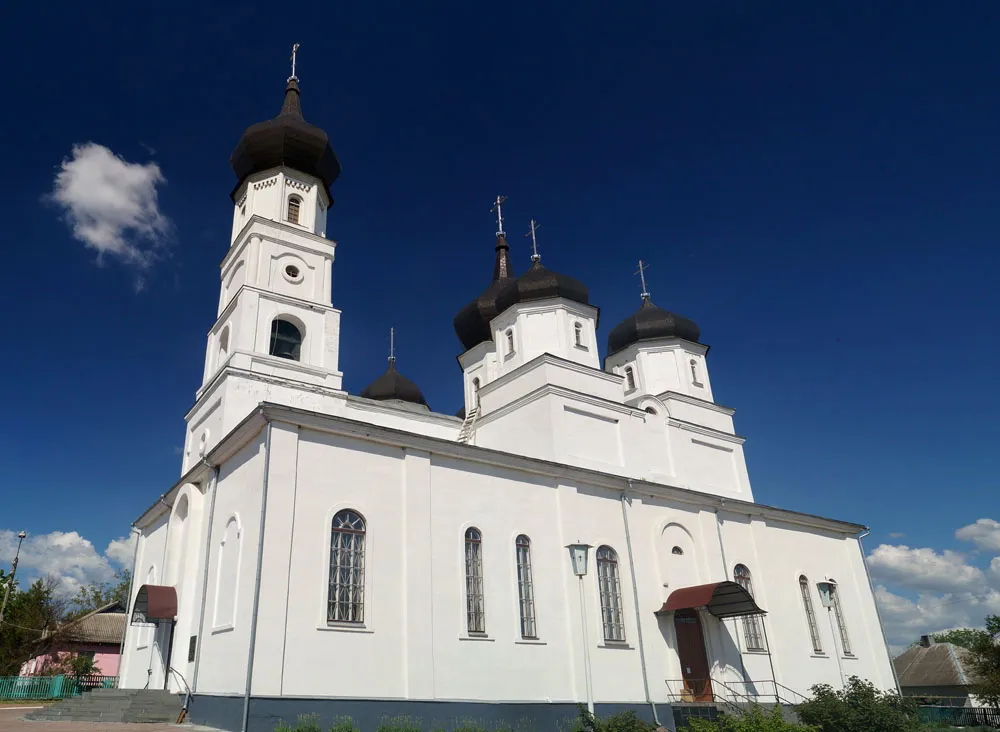
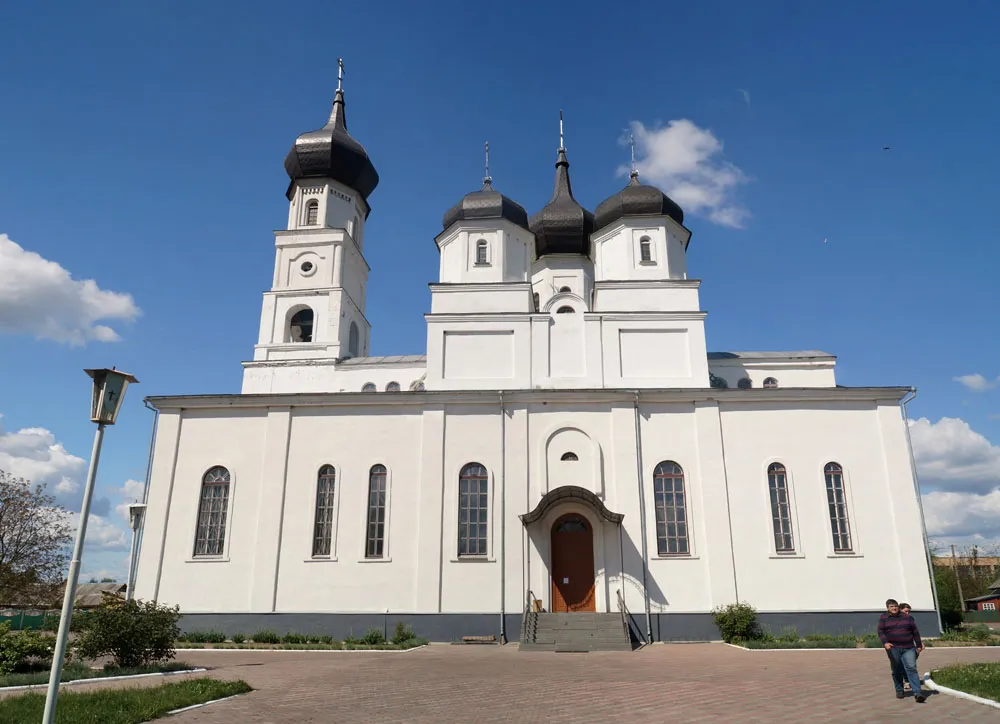
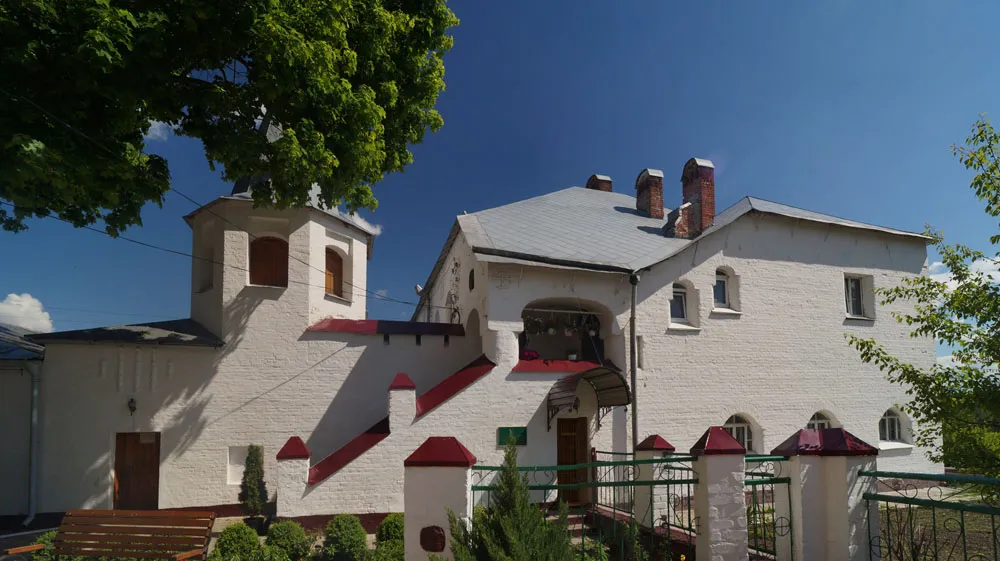
Not far from the Cathedral of St. Basil, from the 18th century, stood a Jesuit monastery with a collegium and a large Roman Catholic church, which after the dissolution of the Jesuit order was turned into a Basilian Greek Catholic one. In the Bolshevik-barbaric 1930s the monastery buildings were destroyed, and in 2001 the Moscow Patriarchate built on the monastery site a new large church – the Transfiguration Church. It is a handsome building, but in Russian architectural forms atypical for Ukraine.
In the 19th century Ovruch had a large Jewish community. Most of the Jews perished during the Second World War. Today the city has a wooden synagogue.
Text and photos by Roman Malenkov and Serhii Shcherbii.