Pidhaitsi. An underrated town

· 5 min read
Pidhaitsi is almost never included in tourist routes around the Ternopil region. Tourists have greatly underrated this town, or perhaps it is the tourism officials who do no promotion or advertising. There is something to see here, and a great deal. For us Pidhaitsi became almost the last district centre of the Ternopil region of all those we visited. Somehow it lies away from the main highways, although the road from the likewise underrated Berezhany, which is about 30 km, is quite decent (2020). You can go. You should.
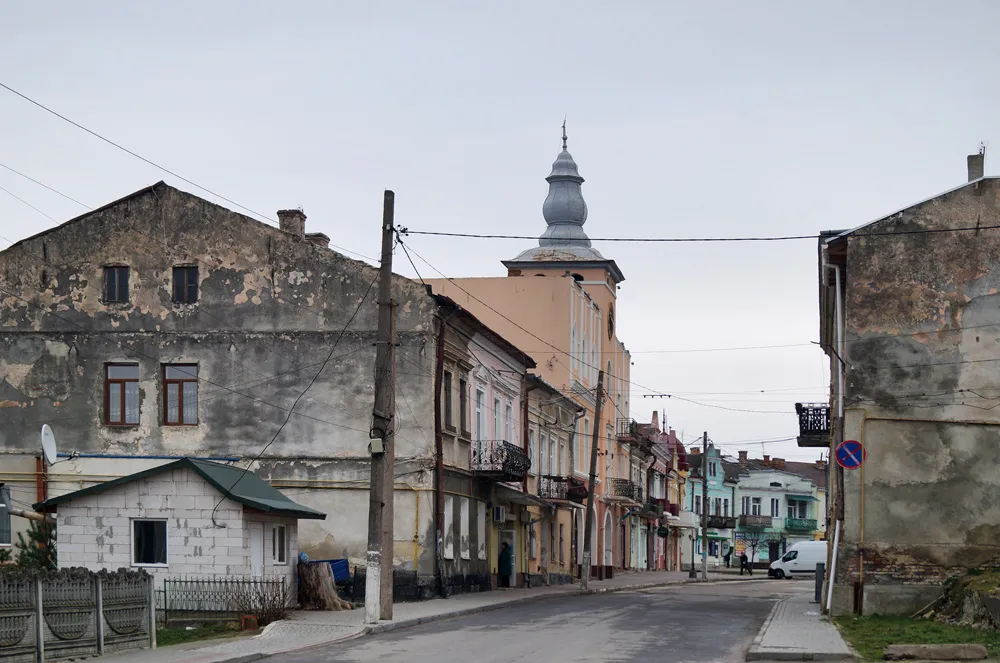
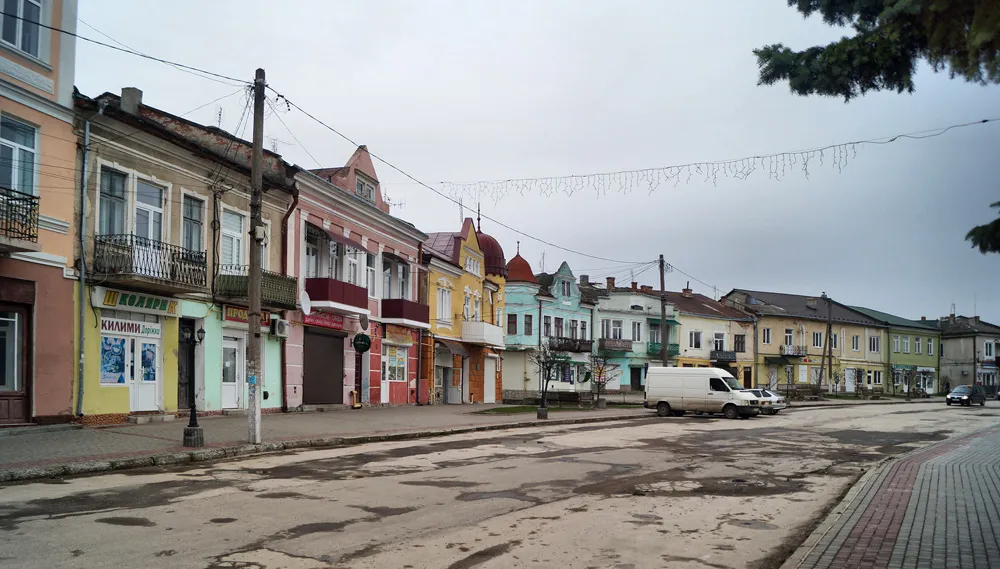
Pidhaitsi has a whole heap of architectural monuments, and the little town as a whole, with its early 20th-century townhouses, leaves a pleasant impression. A Gothic synagogue, a Gothic Roman Catholic church and a defensive church — buildings of the 17th century — and in addition two wooden churches, a town hall, a market square and a huge Jewish cemetery.
The first documentary mention of Pidhaitsi dates from 1436, and in 1469 the town first received Magdeburg rights — it was already a town in the 15th century, whereas now it is a small town with 2,500 inhabitants. If not for the urban way of life one could say it was a village. But judging by the architecture, one cannot bring oneself to call Pidhaitsi a village.
On the website http://shtetlroutes.eu/ the history of Pidhaitsi is described in great detail. I see no point in copying it all, so whoever is interested — go to the shtetl website and read it; here I want to dwell more on the monuments.
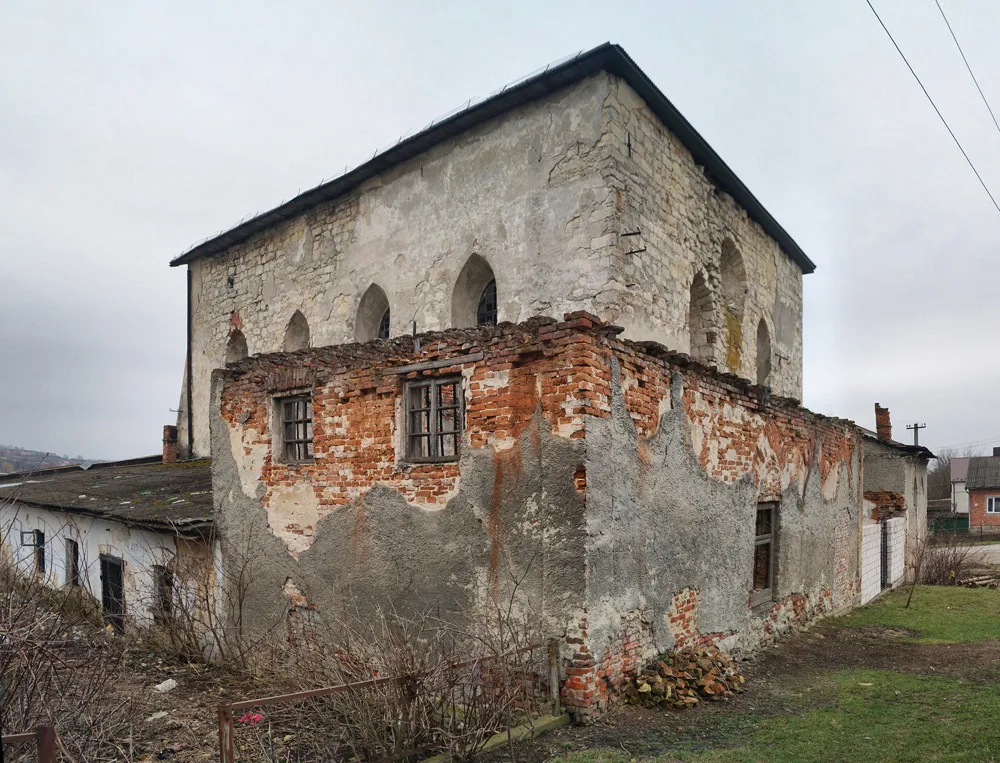
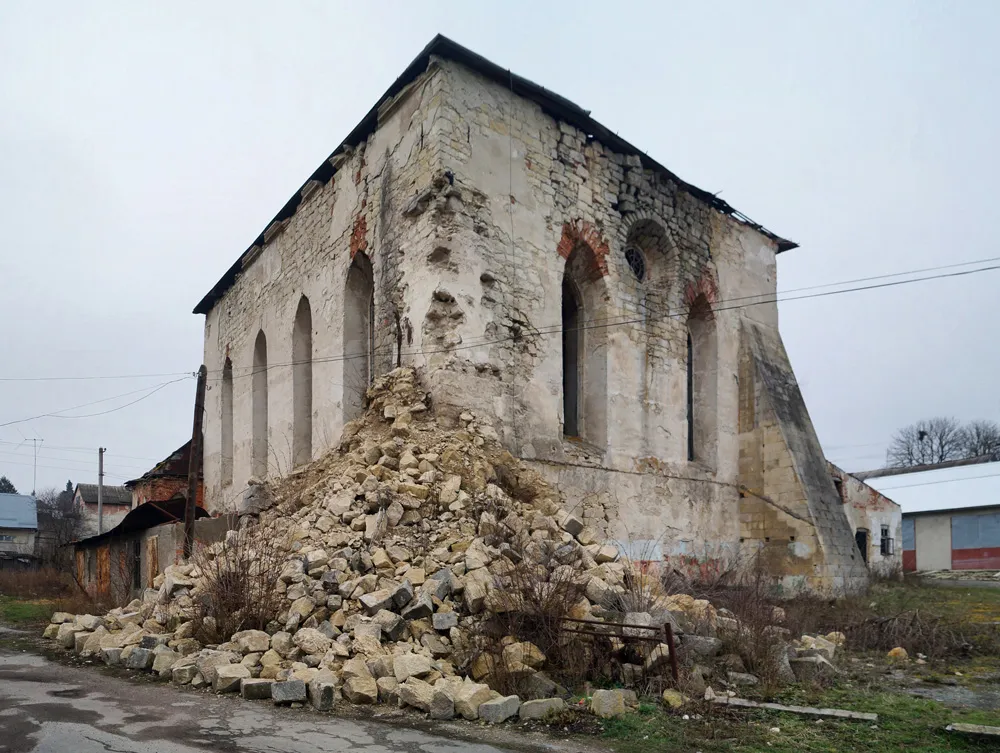
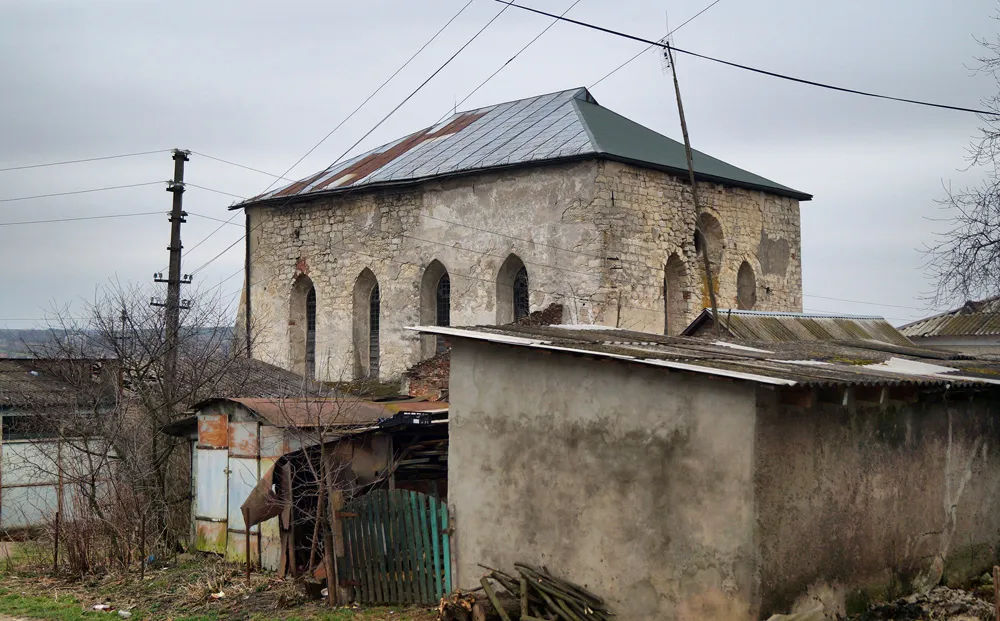
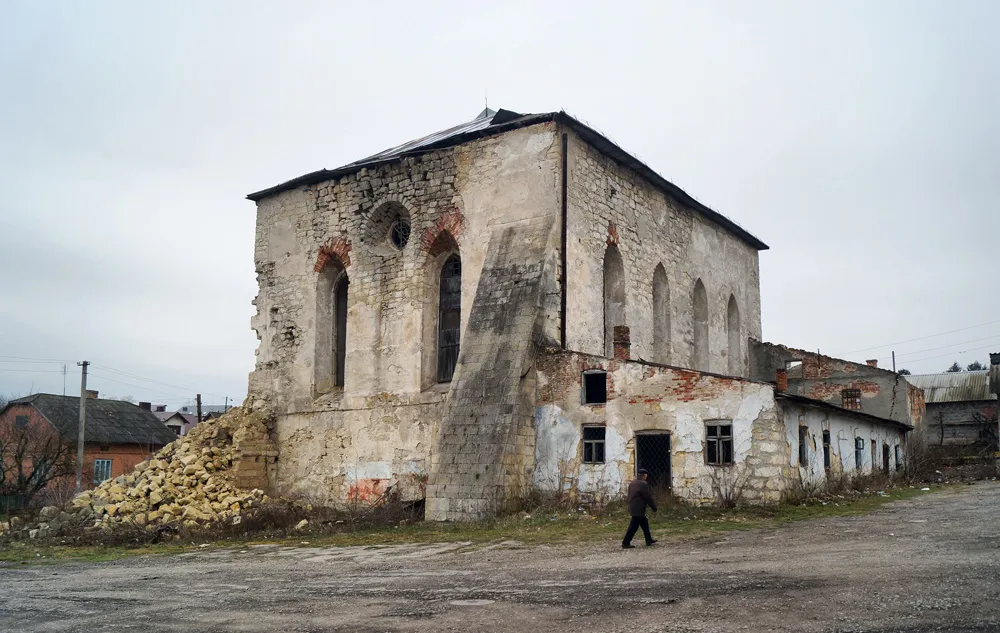
Synagogue.
The oldest building in Pidhaitsi is the synagogue, which the Jewish community built in the 1620s. The size of the building indicates that already at the beginning of the 17th century the Jewish community in the town was quite significant. The synagogue was built in the Gothic style, with massively thick walls, like a defensive building. In those times the Tatars raided almost every year, so it was necessary to defend one’s home, property and life. Today the synagogue is not in the best condition.
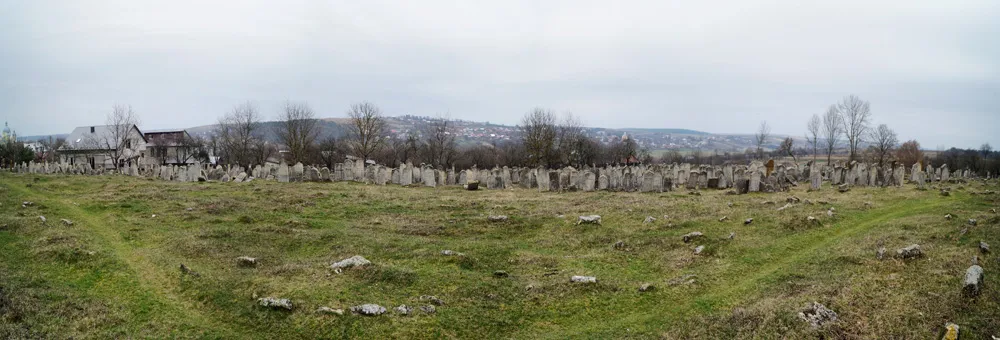
About 500 metres from the synagogue lies a huge Jewish cemetery — Okopysko. I would count it among the largest kirkuts in Ukraine. There are over a thousand matzevot (gravestones) here from the 17th–20th centuries, fifty of which date from the 17th–18th centuries. The cemetery is also considered one of the best preserved in the country.
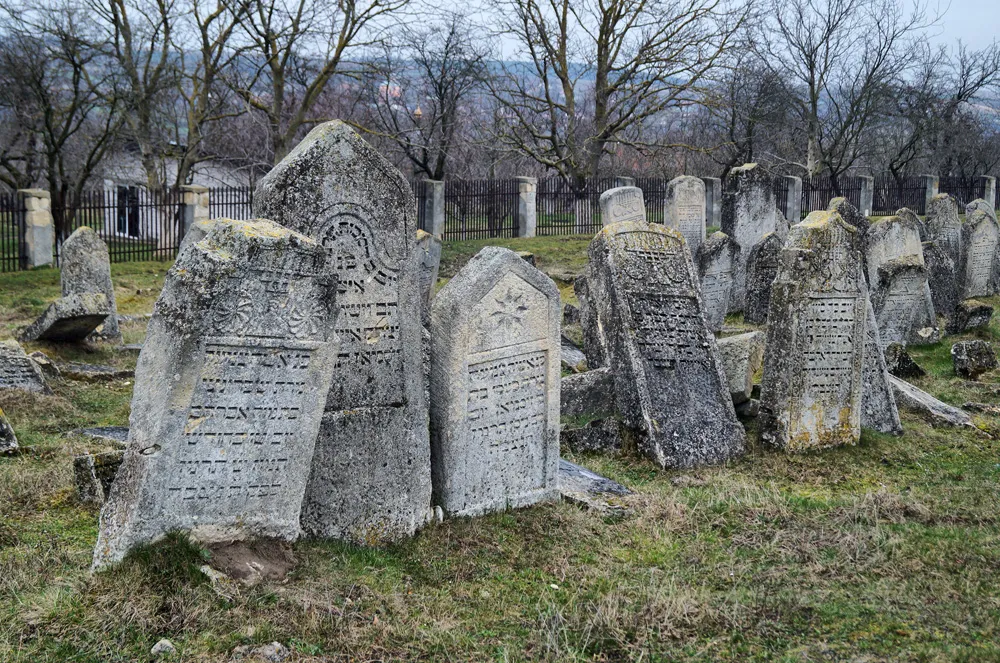
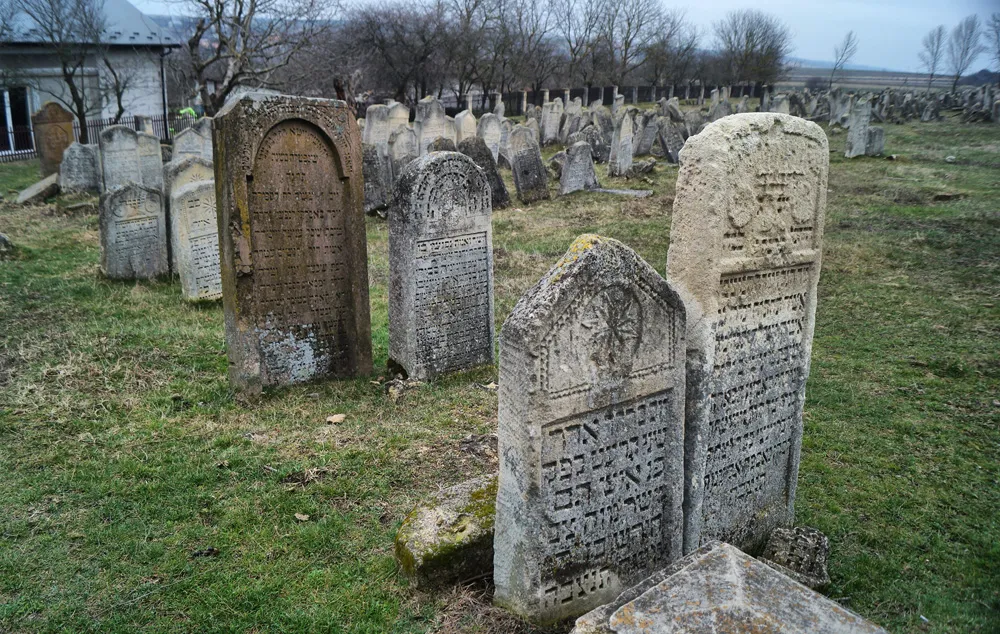
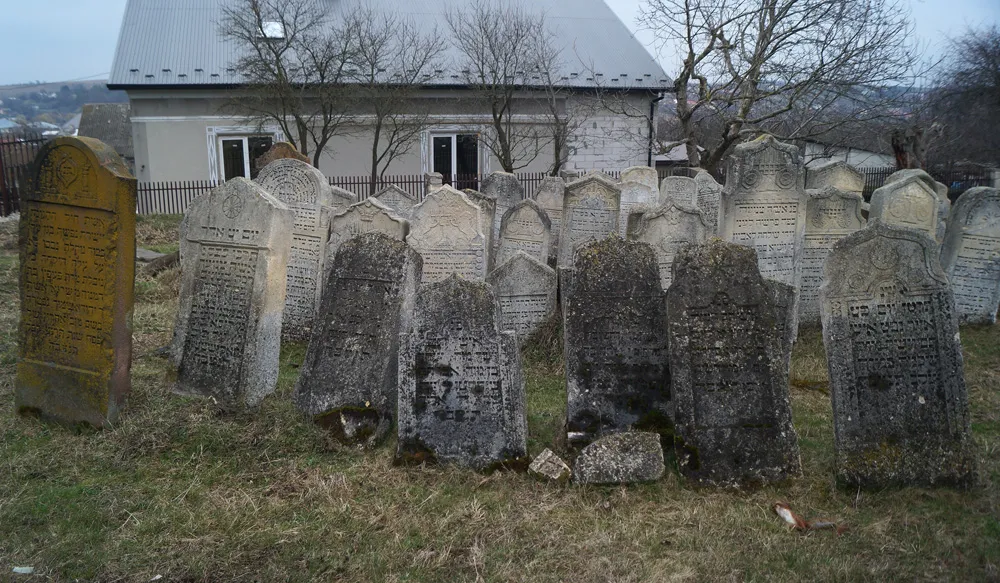
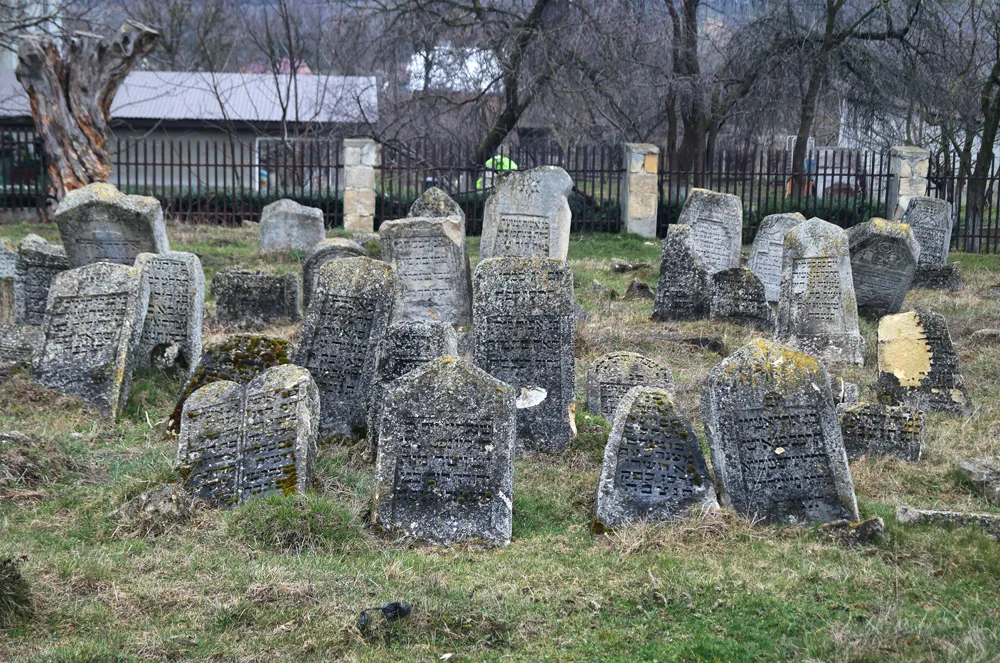
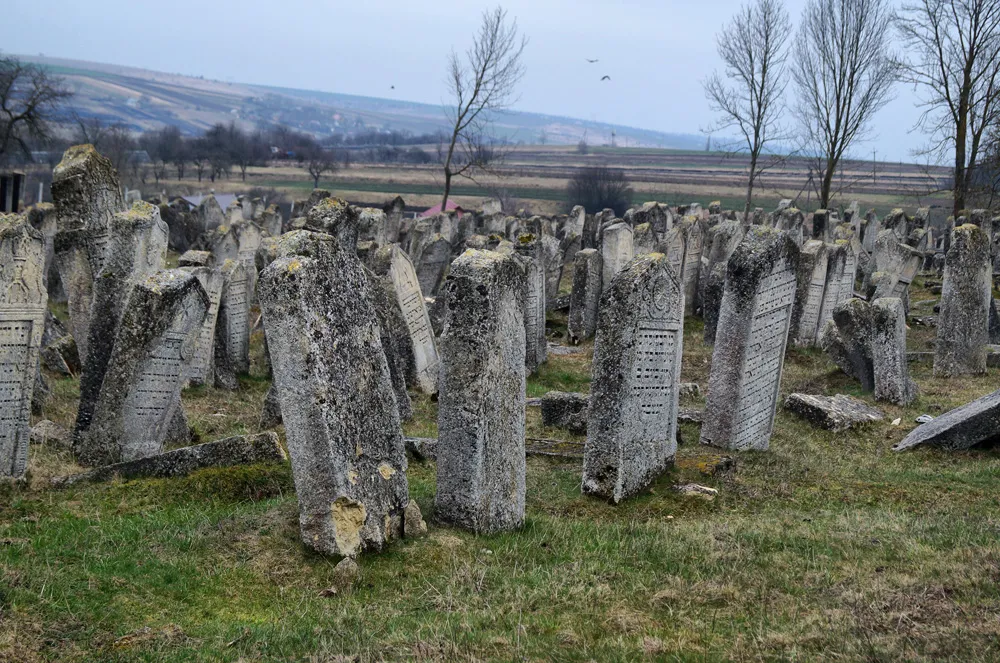
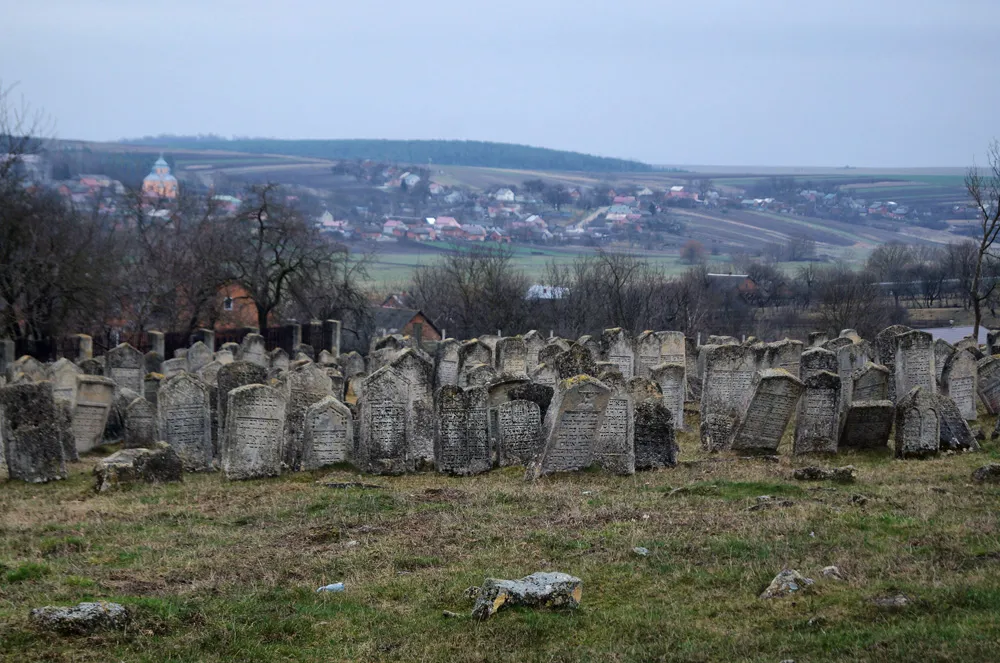
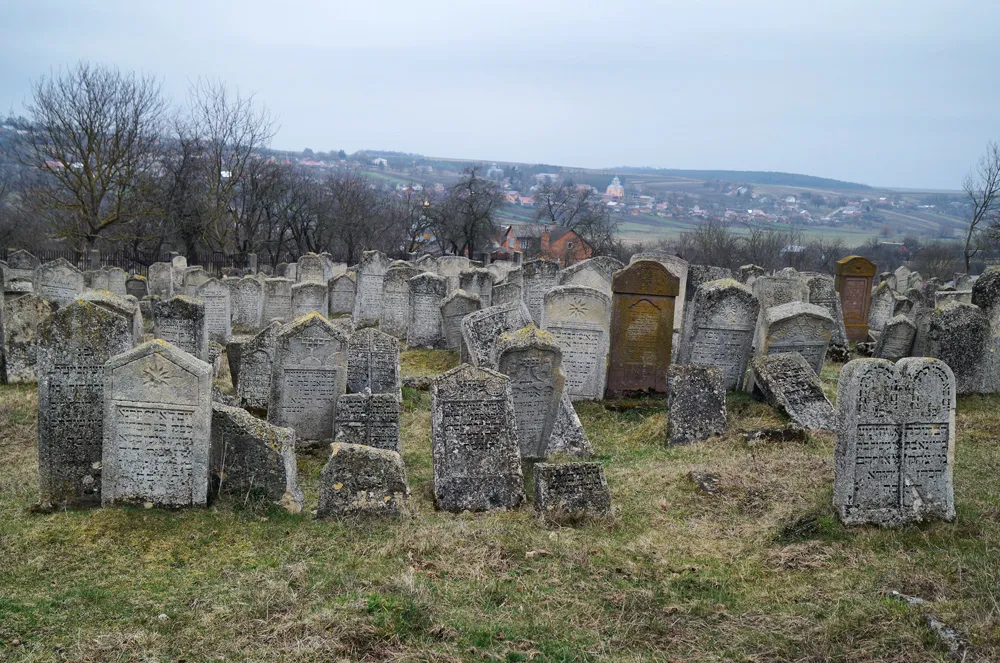
Jewish cemetery. Okopysko.
Next, a text from Wikipedia.
The Church of the Holy Trinity was built in 1634 at the expense of the then owner of Pidhaitsi, Zofia Gólska. Researchers claim that in building the new church in 1634 elements from the old church were used (evidence — a stone slab with epitaphs dated 1608 and 1612 above the stairs leading to the sacristy). The parish church was closed in 1946 and turned into a warehouse. In the 1980s, as a result of a fire, the vaults and the roof of the tower collapsed in the church.In the Pidhaitsi church the foundress Zofia Zamiechowska[4]) (next to her first husband Jan Gólski) and the owner of the town, Stanisław Rewera Potocki (1579–1667), a Polish military commander, Grand Crown Hetman and Voivode of Kraków, ordered themselves to be buried.
At the end of 1892 Tadeusz Stryjeński developed a project for the restoration of the church, which was carried out by the Ternopil builder Józef Piątkowski in 1893. In particular, the structure of the tower roof was changed and supplemented with pseudo-machicolations. The roof over the naves was rebuilt and supplemented with dormers. The project of rebuilding the chapel roof was not carried out. The Lviv architect Bronisław Wiktor developed a project for a small Neo-Baroque tower on the church’s roof turret.
Today the majestic Gothic church is in ruins — only the thick walls stand, although a chapel has been arranged in one of the side chapels, in which services are held periodically.
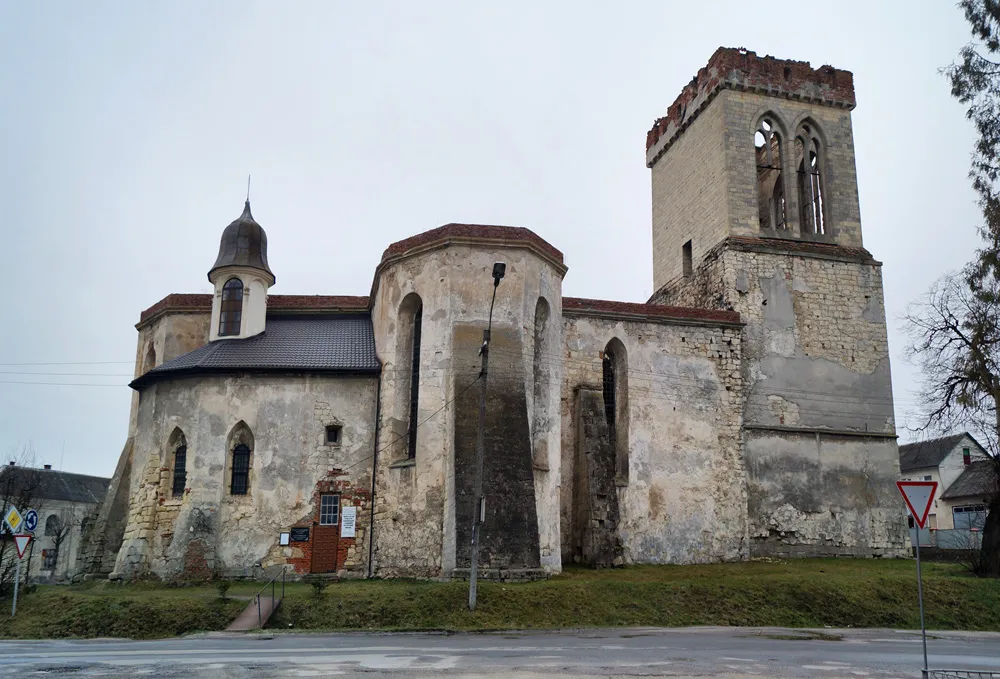
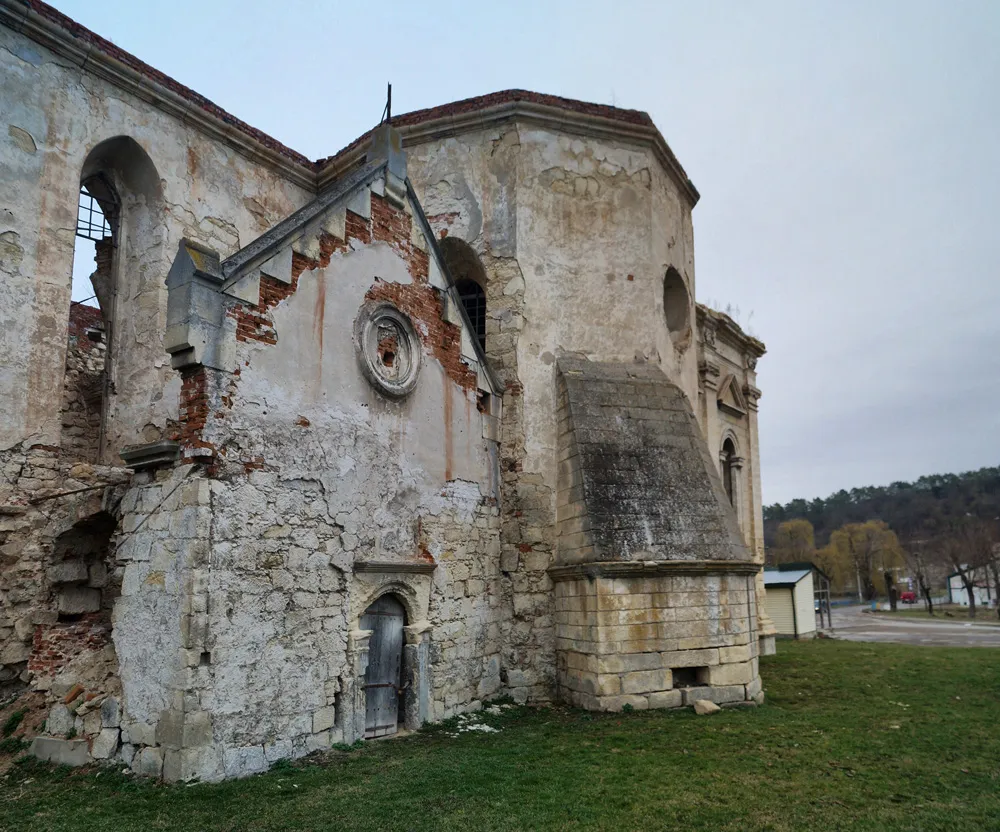
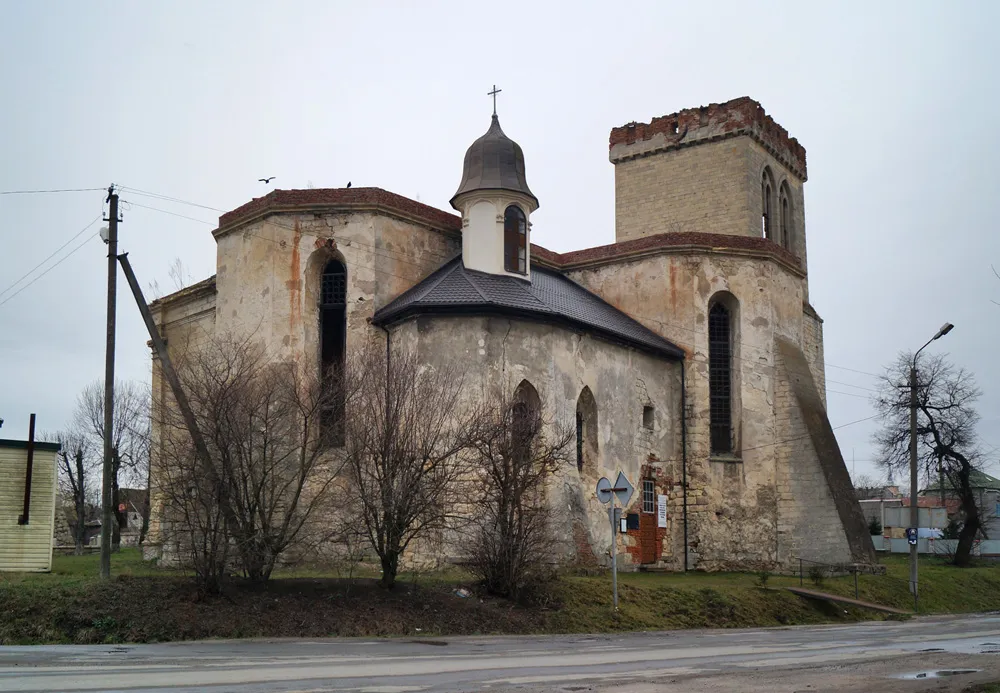
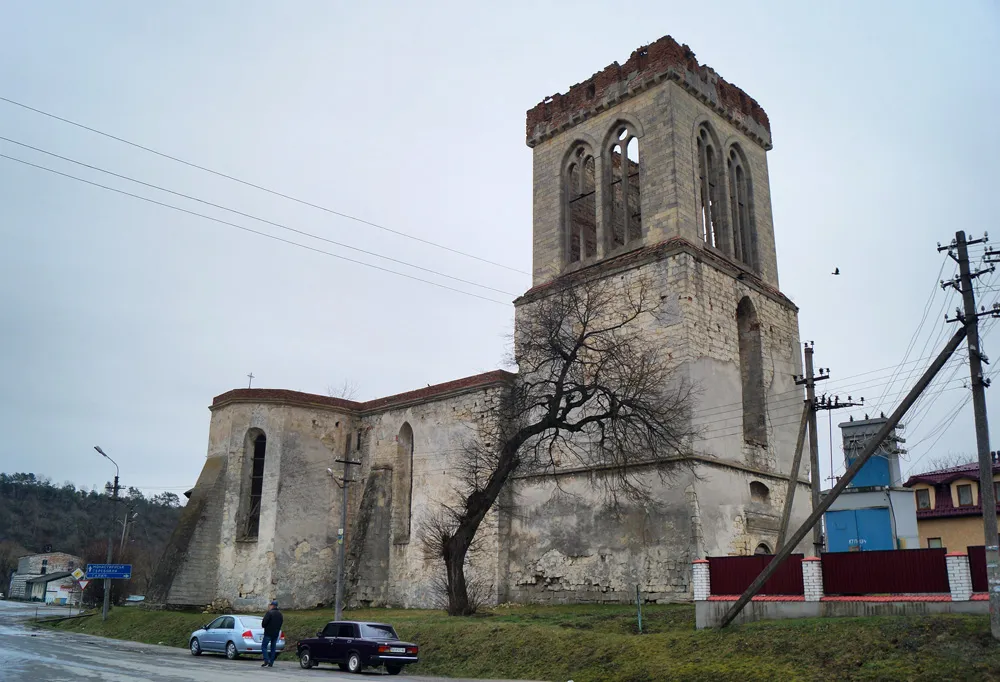
Church of the Holy Trinity.
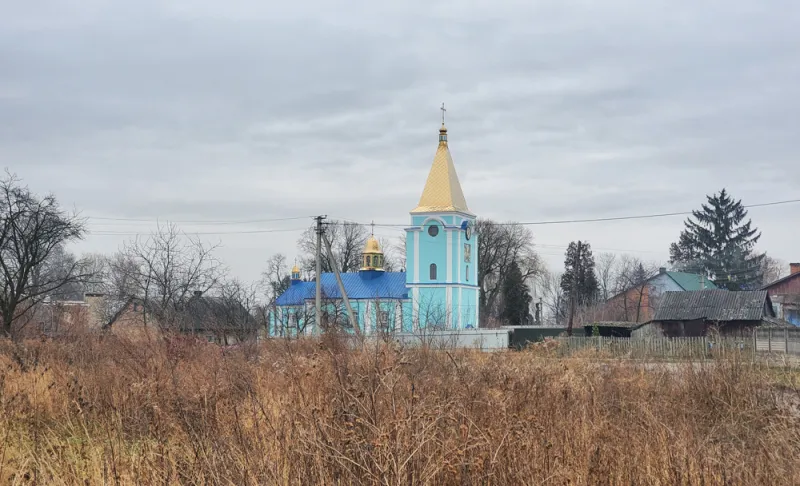
Another significant and very colourful monument of Pidhaitsi is the Dormition Church — a fortress church built during the Khmelnytskyi period (1650–1653). The church is a synthesis of Renaissance and Baroque. Its foundress was the wife of Stanisław “Rewera” Potocki, the owner of Pidhaitsi, Anna Mohylanka. Read more about her on Wikipedia, and I want to note that this is a full-fledged defensive church, typical of Eastern Europe in the 15th–16th centuries. On the territory of Ukraine such construction continued in the 17th century, and even in the 18th.
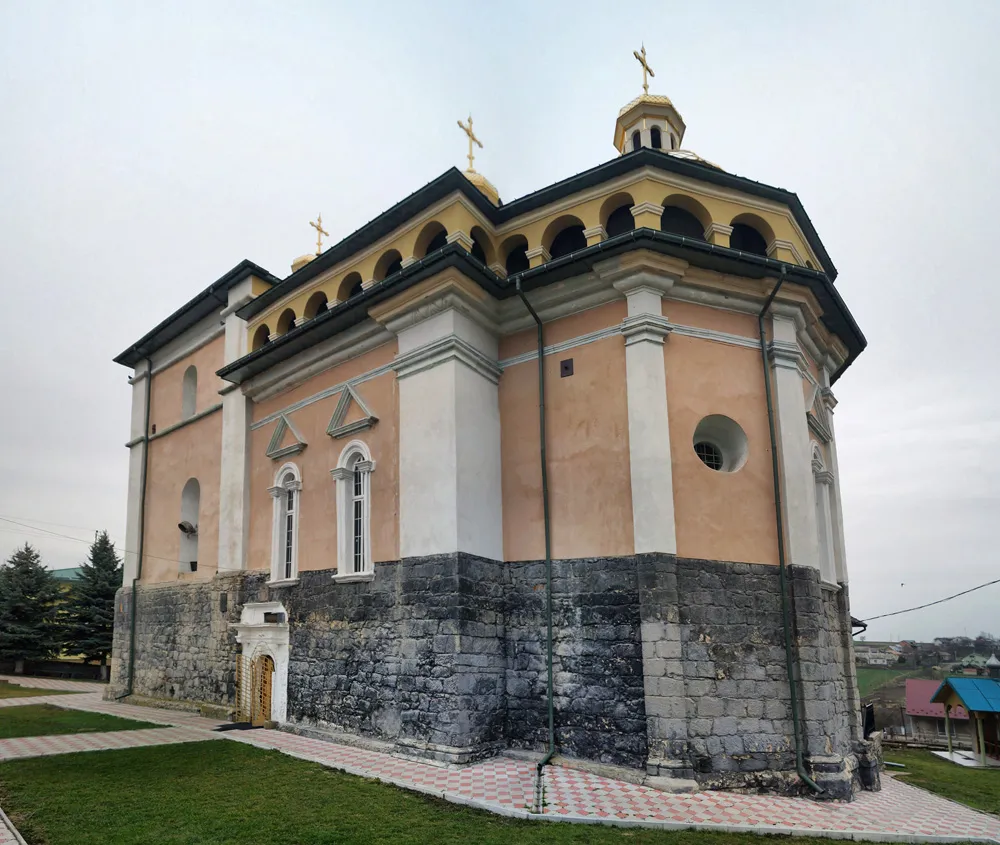
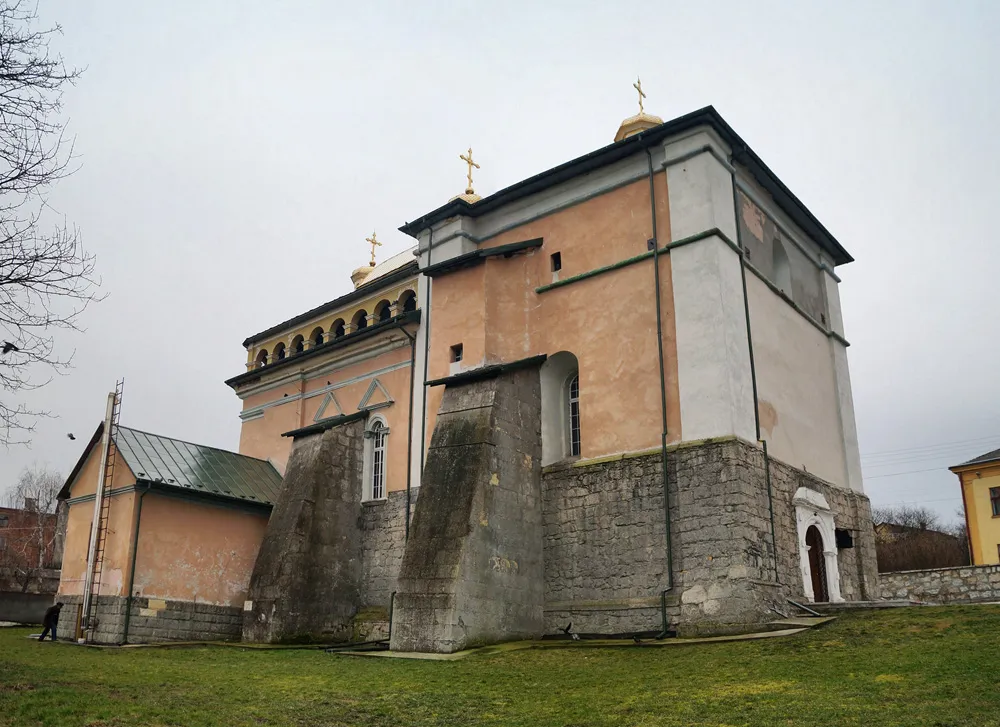
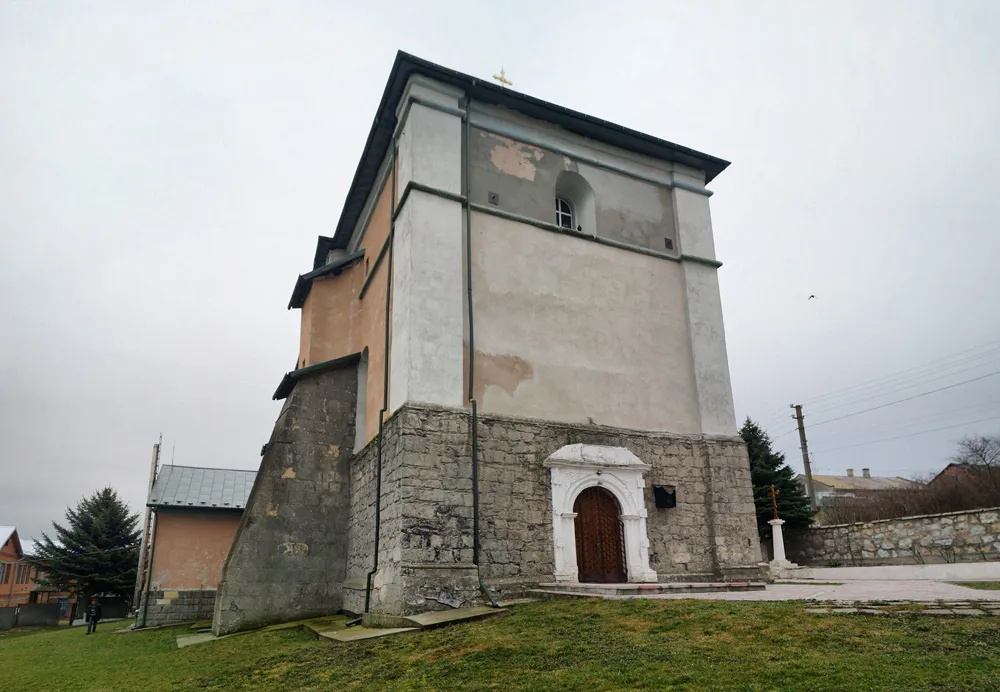
Dormition Church.
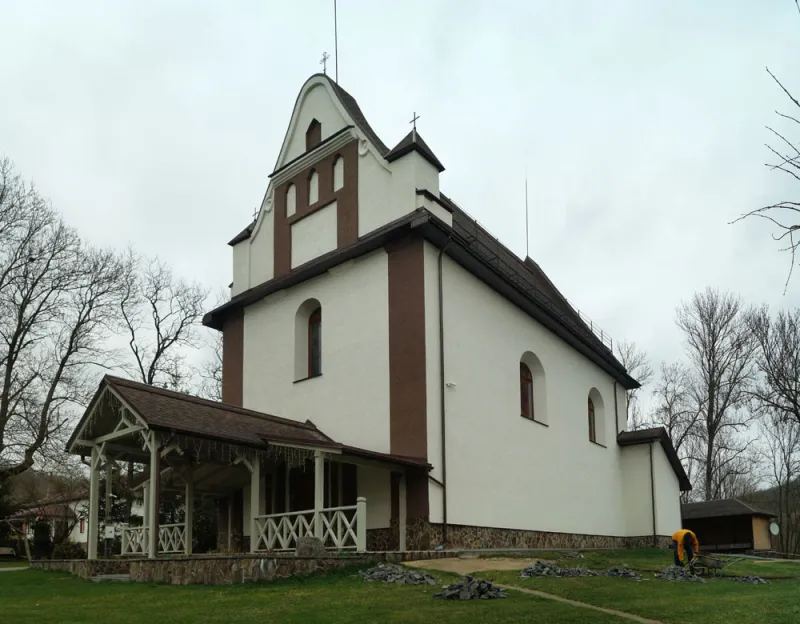
We also visited the wooden Church of the Transfiguration, built in 1753. The walls of the church are clad in shingles, but the tops, unfortunately, are under sheet metal.
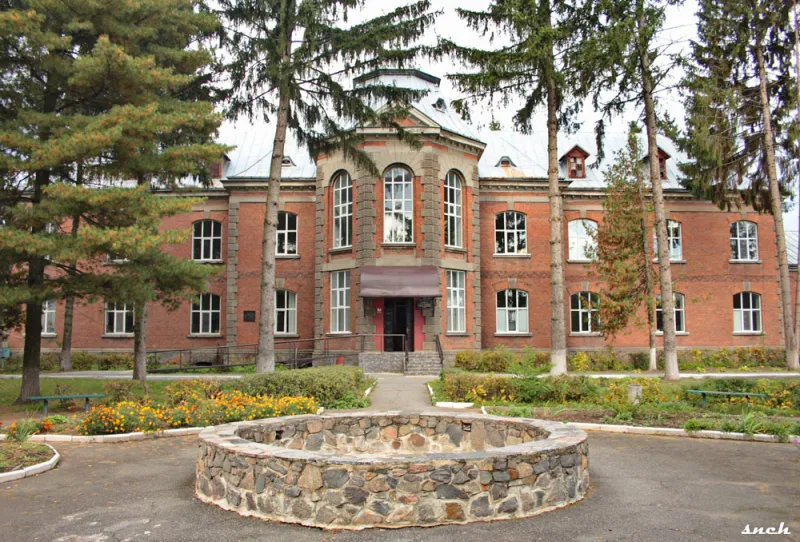
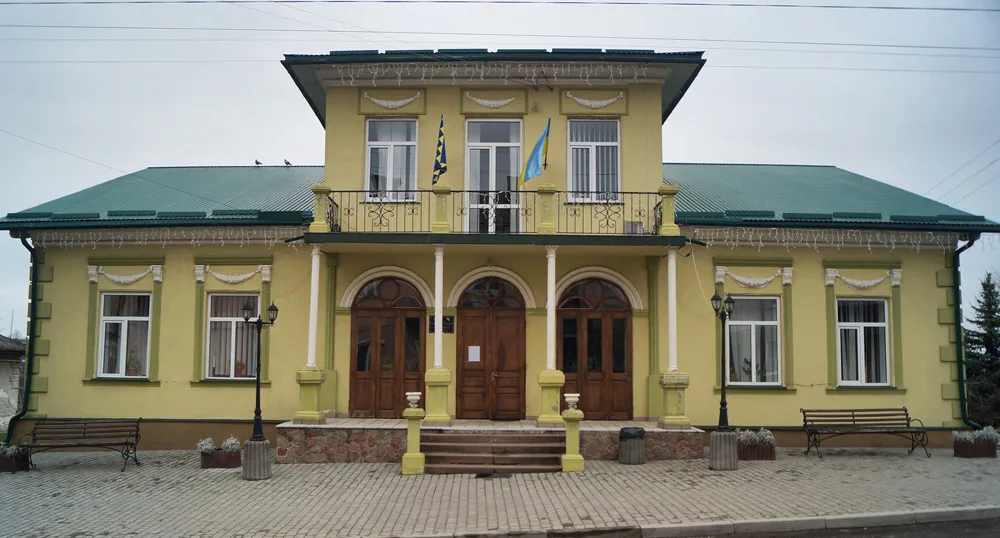
The old Pidhaitsi town hall was destroyed during the First World War. In 1931 a new town hall was built on the Market Square. Today the Market Square, which is triangular and quite unique — atypical for Magdeburg law — is called Independence Square, and the town hall has long not been a town hall: the Halych Medical College is based here.
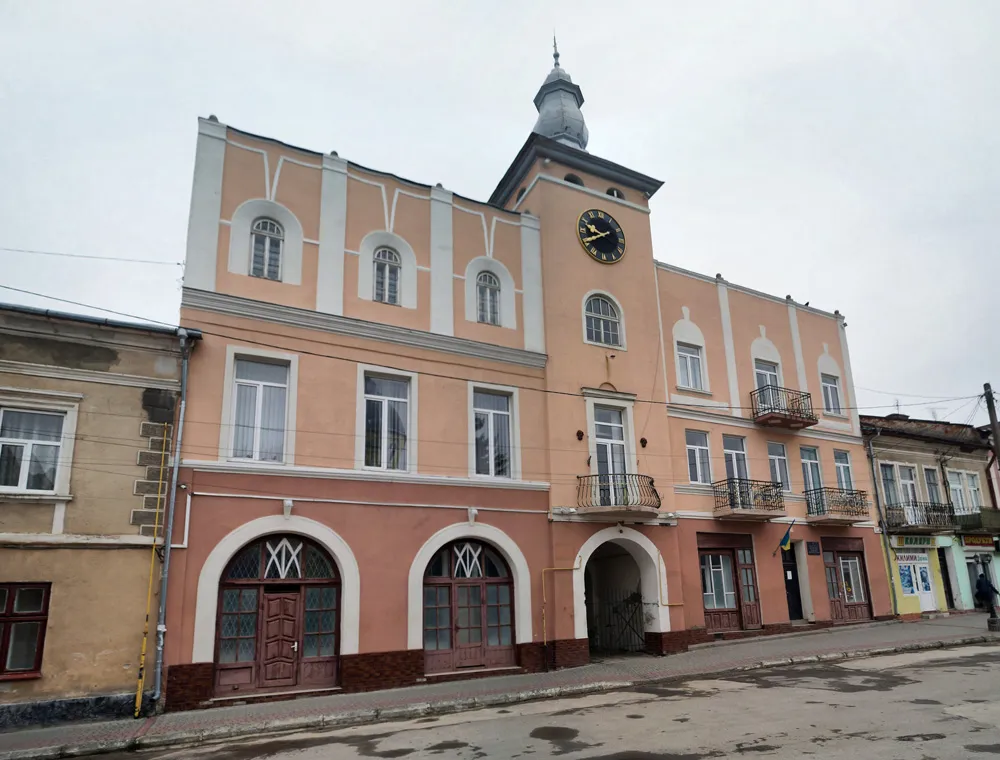
Town hall.
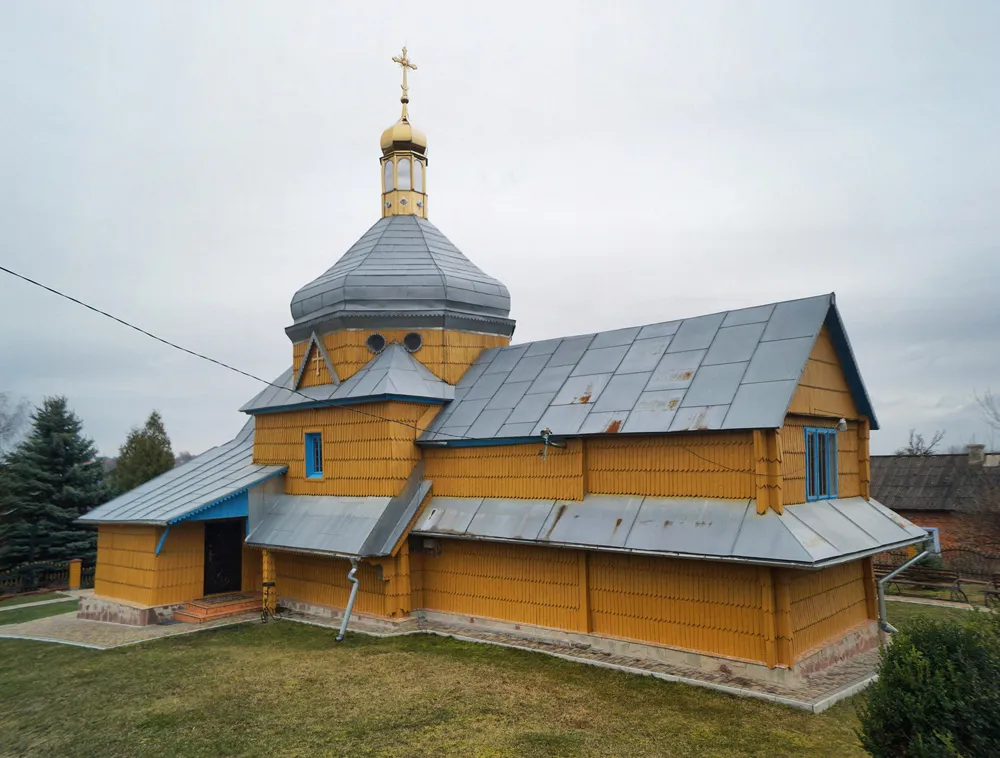
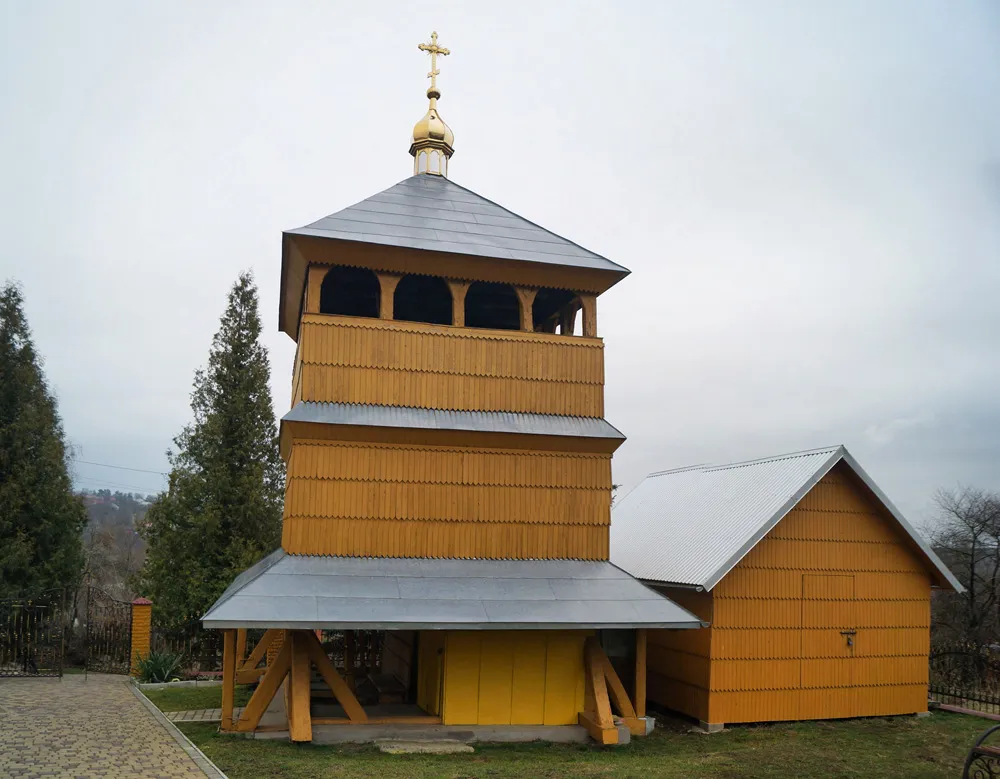
Church of the Transfiguration.
The town has two more wooden churches — St. George’s, 1898–1902, and the Church of the Intercession in Tudynets, 1906. There is also a masonry chapel of St. Nicholas. Most of the town’s townhouses were built in the 19th century and the early 20th, although among them, on Zamkova Street, an inn building built in the 17th century has been preserved.
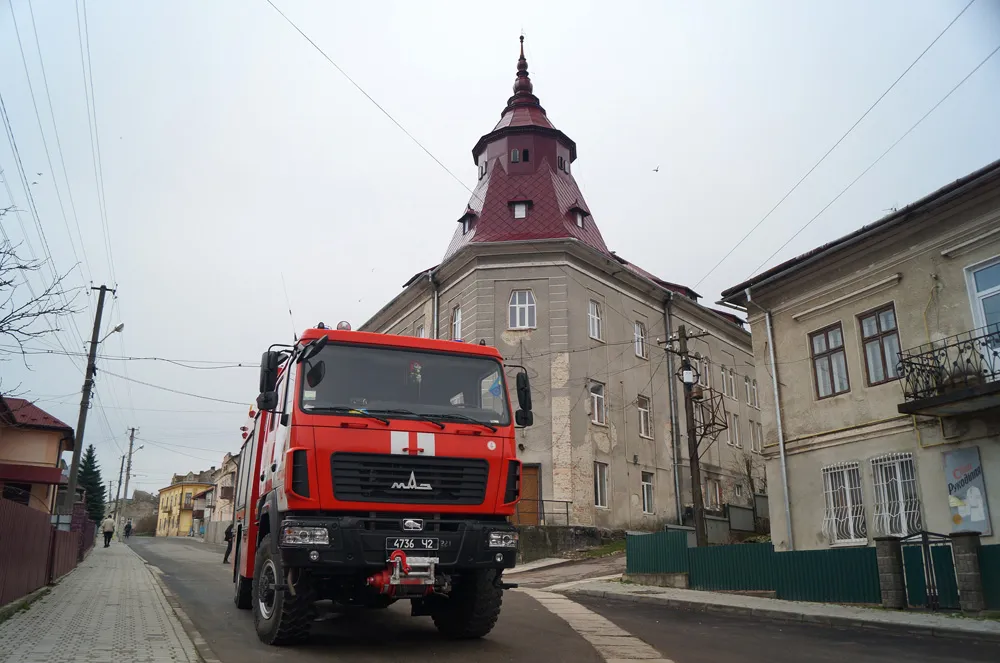
On the whole Pidhaitsi, although permeated with provincialism and full of Zhiguli cars, makes a very pleasant impression. You arrive here as if in some film about the 1980s. We were in Pidhaitsi in March 2020, when the Covid lockdown was just beginning. A huge fire engine drove through the emptied streets of the district centre, announcing over a loudspeaker the arrival of hard times — do not go out, wash your hands, and so on. We asked the firefighters why drive such a huge vehicle — a tanker’s worth of fuel will go on it — and received the answer that in Pidhaitsi there is no other vehicle with a loudspeaker.
Text and photos by Roman Malenkov.