Pliushchivka. Yefyngar. A Jewish farming colony

· 3 min read
Pliushchivka is located next to the village of Shliakhove. If the latter was the German farming colony of Nove Karlsruhe, then Pliushchivka was called Yefyngar (Hebrew for “beautiful river”) and was a Jewish farming colony.
In 1806, in some of the provinces of the Russian Empire, Jews were allowed to engage in agriculture; true, in 1808 a new ban appeared, but not in the southern new (freshly occupied) regions, where with the permission of the local governor Jews founded the colony of Yefyngar in 1807.
The site for the colony was chosen very well: next to the clean, full-flowing Inhul River, which supplied water and served as a transport artery. But even the advantageous location did not spare the Jews enormous difficulties caused by the specifics of the natural conditions and their lack of experience. Here is how the site evkol.ucoz.com writes about it; I give it in the original language (the quotation below is translated from Russian):
In September 1810 the chief judge of the guardianship office, S. Kh. Contenius, inspected the newly established colony. In his report he stated that Yefyngar was home to 154 men and 110 women (41 families). Of these, 29 men and 7 women were away, earning a living in the cities of Mykolaiv, Kherson, Yelisavetgrad and others. The construction of housing progressed very slowly. The houses that had been built provided for only 75% of the colony’s families. It had 39 houses: 12 of stone, 26 of earth and one of wood. An earth house (a dugout), built of earthen brick (earth mixed with chopped straw) and covered with earth, was the cheapest dwelling and was therefore considered preferable. The houses that were built stood without yards and fences, and often without roofs. In winter these were removed and went to feed the cattle. The colonists themselves crowded several families into one house. The emptied houses fell into ruin. In the steppes the question of fuel was acute. The Jews were not familiar with dried dung fuel and therefore suffered cruelly from the cold. The residents present sowed in 1810 52.5 chetverts (a chetvert equals about 210 litres) of various kinds of grain, of which Finkelstein alone sowed 6.4 chetverts. The total harvest was 103.7 chetverts, of which Finkelstein’s was 30 chetverts. The harvest obtained was far from meeting the needs of the population. Contenius counted 37 pairs of oxen, 66 cows and 4 horses in the colony. In 1809 the colony lost more than 30 head of cattle that died and more than 30 horses that were stolen. According to Contenius, the colonists could have prevented the theft of horses if they had set up a permanent guard of their own. The colony had a large surplus of land, which would allow the population to be considerably increased. From the information received the authorities concluded that agriculture, though slowly, had begun to take root among the Jews, despite their settling in a desolate region where the soil was so hard that it had to be ploughed with four pairs of oxen, “when in the Great Russian provinces this was done with one horse”.
But years and decades passed, and Yefyngar became a model farming colony. The villagers sowed grain and engaged in vegetable growing, gardening, winemaking and, of course, livestock breeding. Craftsmen and traders appeared in the village. Every week, on Friday, a market was held…
In 1896 Yefyngar had 2 Jewish houses of prayer, a school, a meteorological station, a bathhouse, an inn, 20 shops, 2 taverns and a wine cellar. The rural chief’s quarters were located in the colony. The population grew rapidly. According to the 1897 census Yefyngar had 2,226 residents, of whom 2,038 (93.8%) were Jews. The text is from here (translated from Russian).
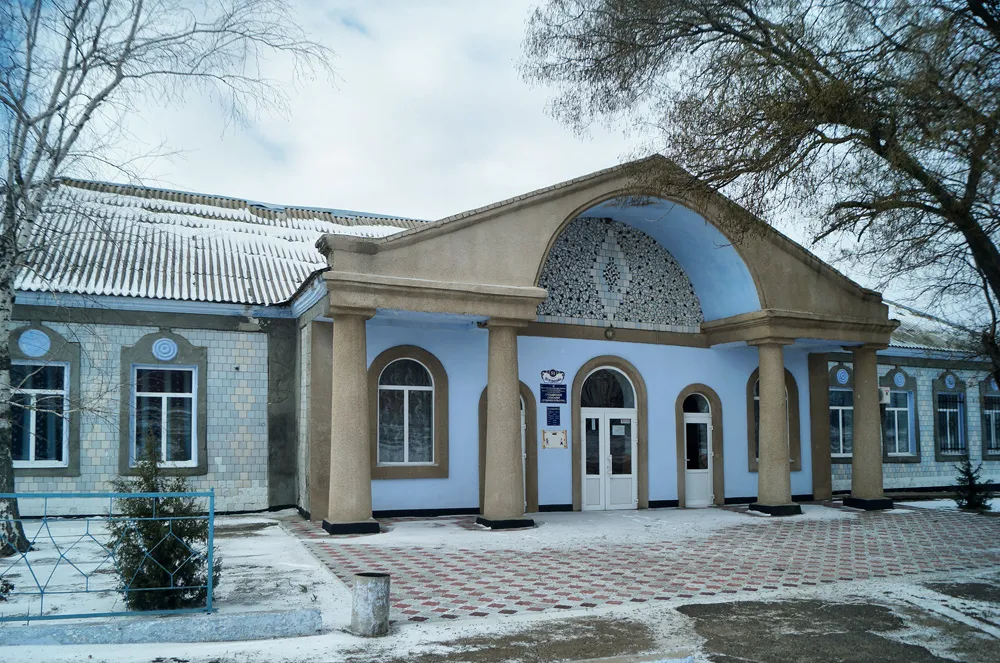
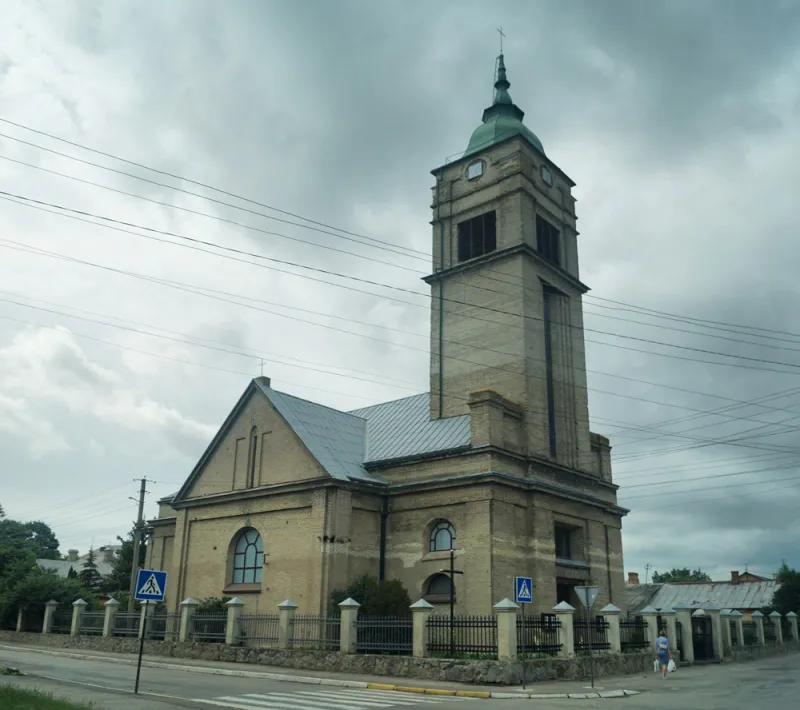
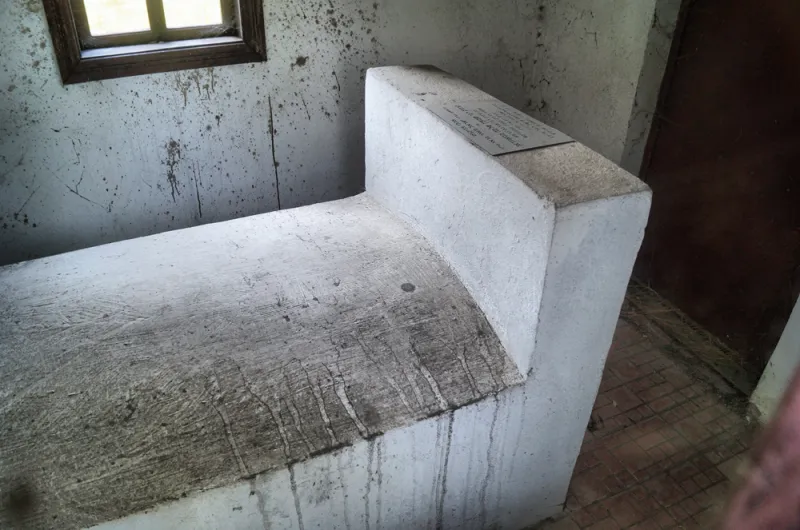
Today there are no Jews at all in Pliushchivka, to which Yefyngar was renamed in 1946. All that remains of them are a few rebuilt shops, a school and an abandoned cemetery.
Text and photos by Roman Malenkov.
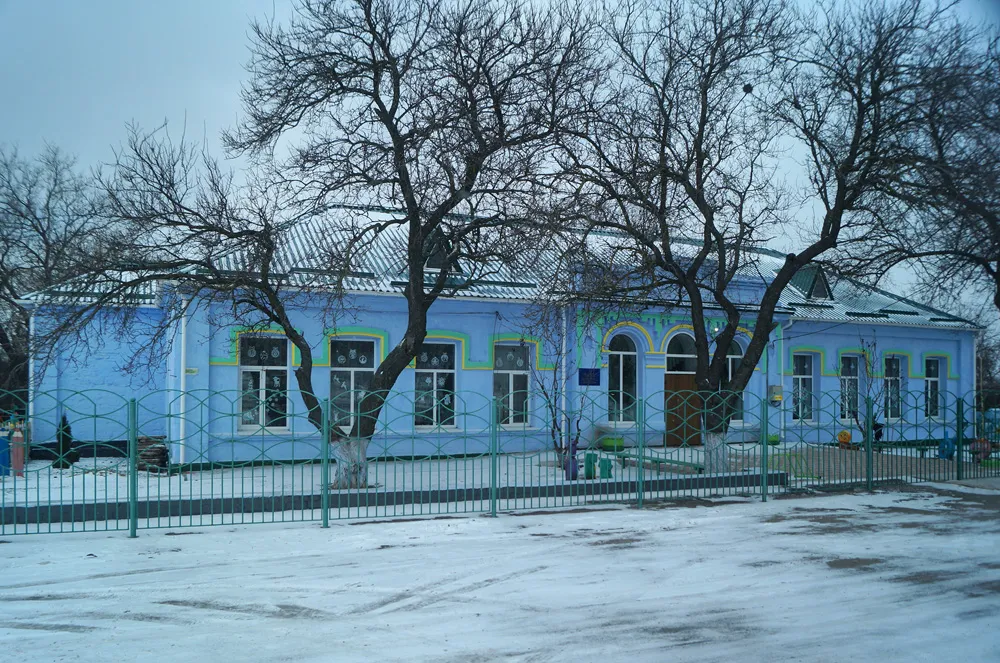
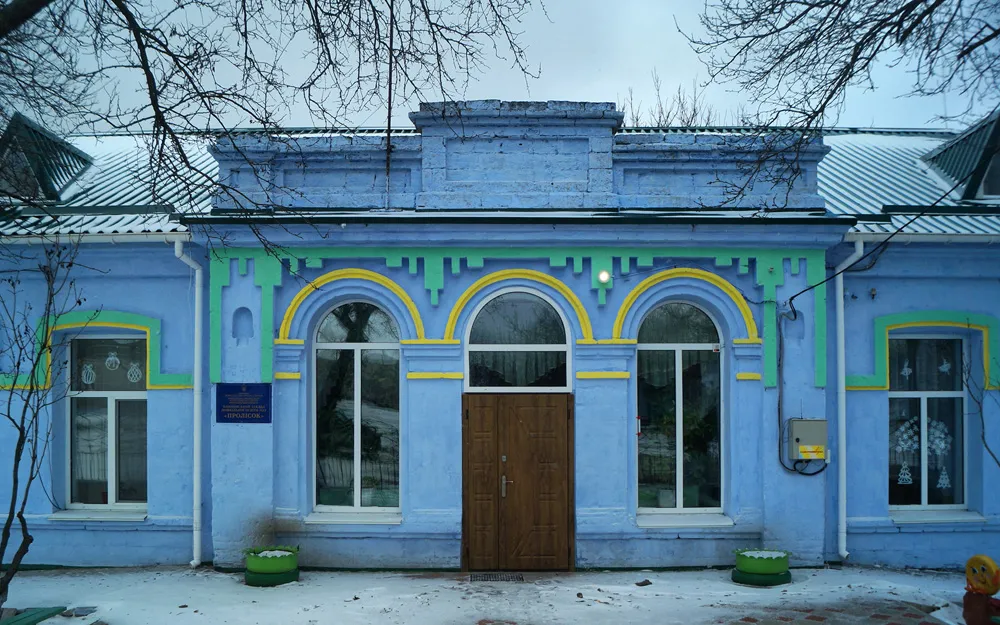
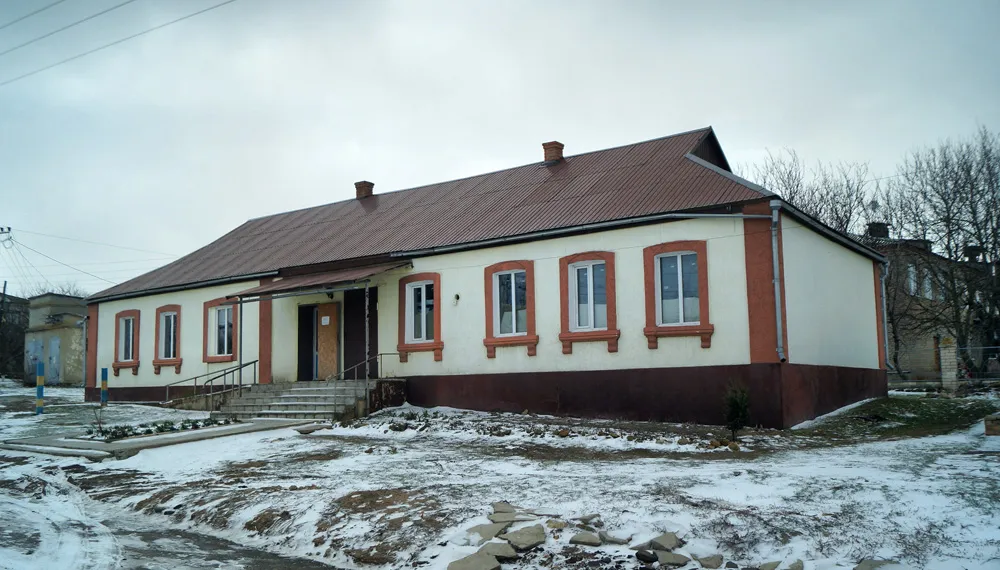
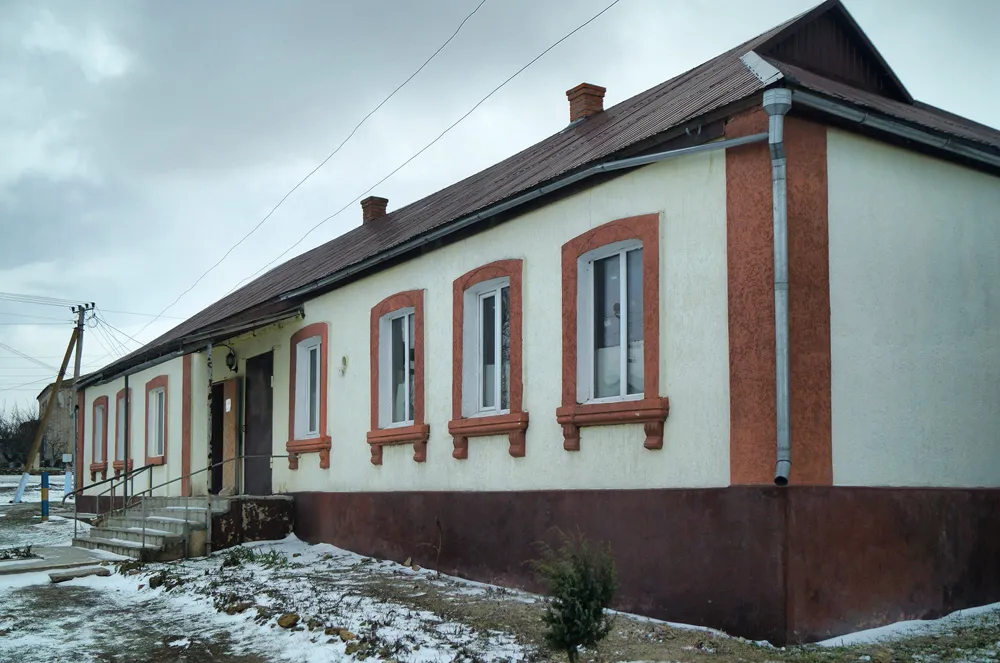
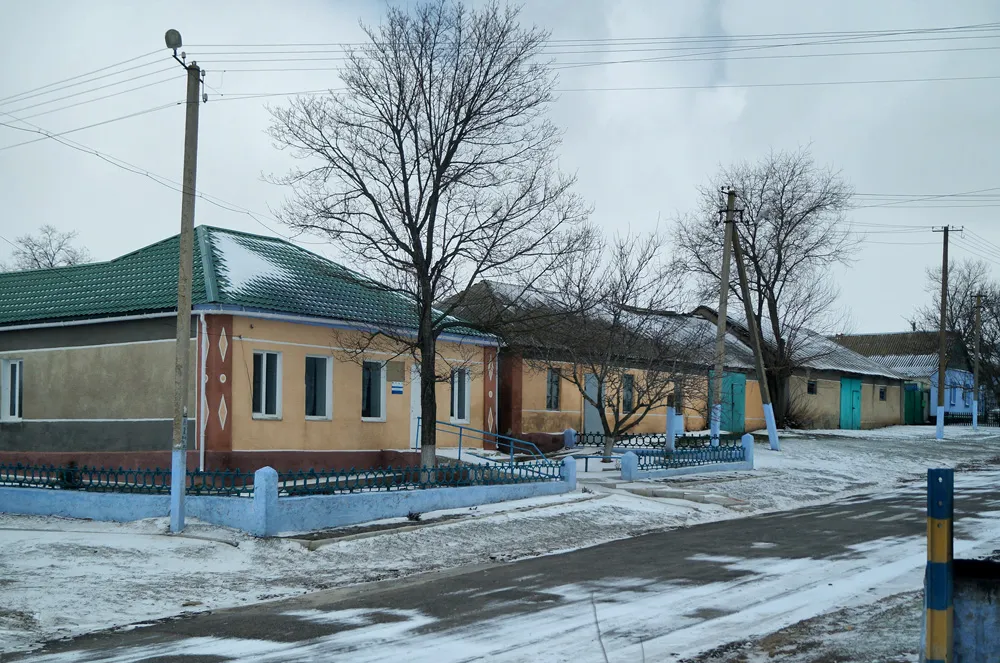
Jewish buildings