Rozhirche. Cave monastery

· 3 min read
In the Lviv region, 20 km from Stryi, on the right bank of the Stryi River, on a high terrace above the floodplain, lies the village of Rozhirche. It is a wide, flat area between two low ridges, and under one of them, right behind the village (to the east), stands a cave monastery. An incredible place that is, unfortunately (or perhaps fortunately), little known among tourists. Everyone who comes here is delighted by it. Below we give a text from Wikipedia.
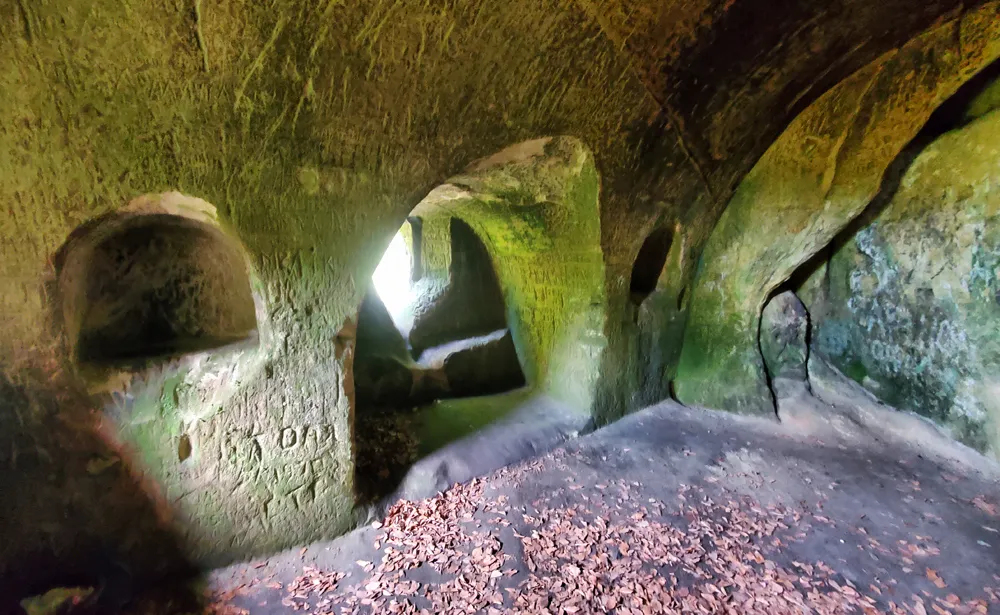
The cave monastery of the village of Rozhirche is a rock-and-cave complex, a unique monument of history and nature. It is located on the south-eastern outskirts of the village of Rozhirche (Stryi district, Lviv Oblast), in the tract of the same name, within the “Rozhirche” nature reserve tract established in 1984.
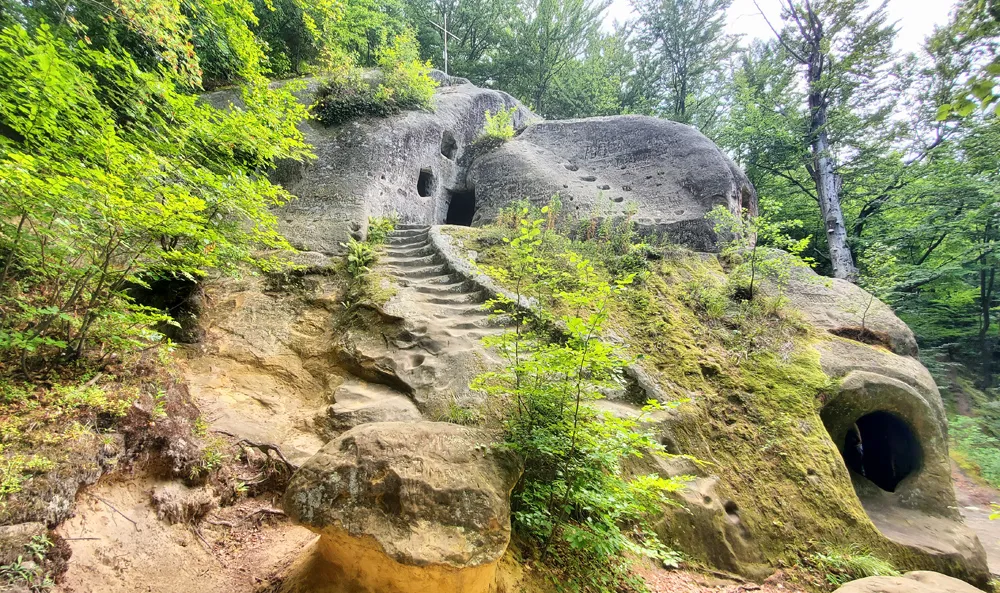
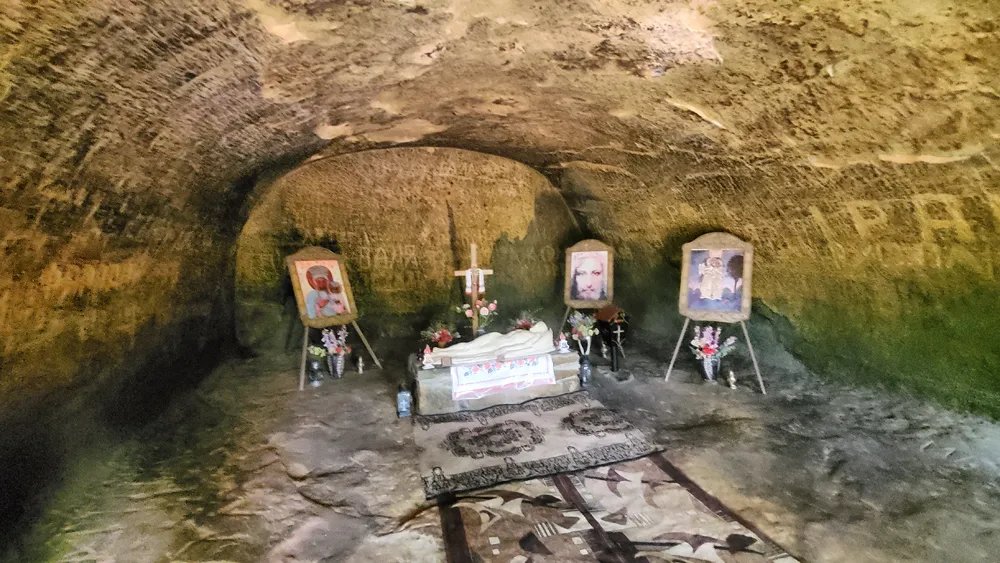
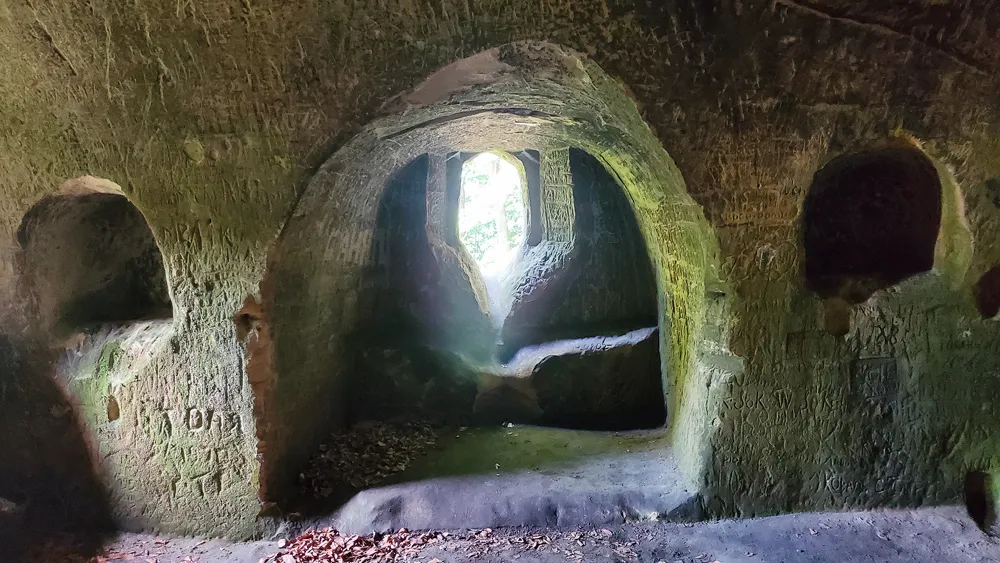
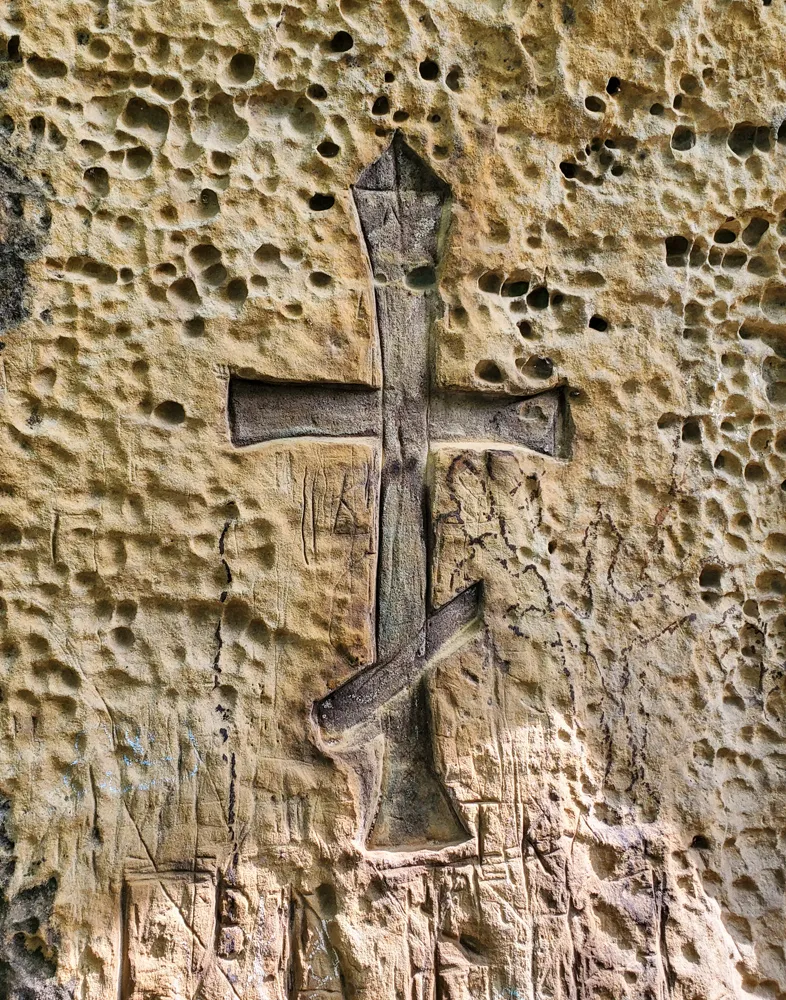
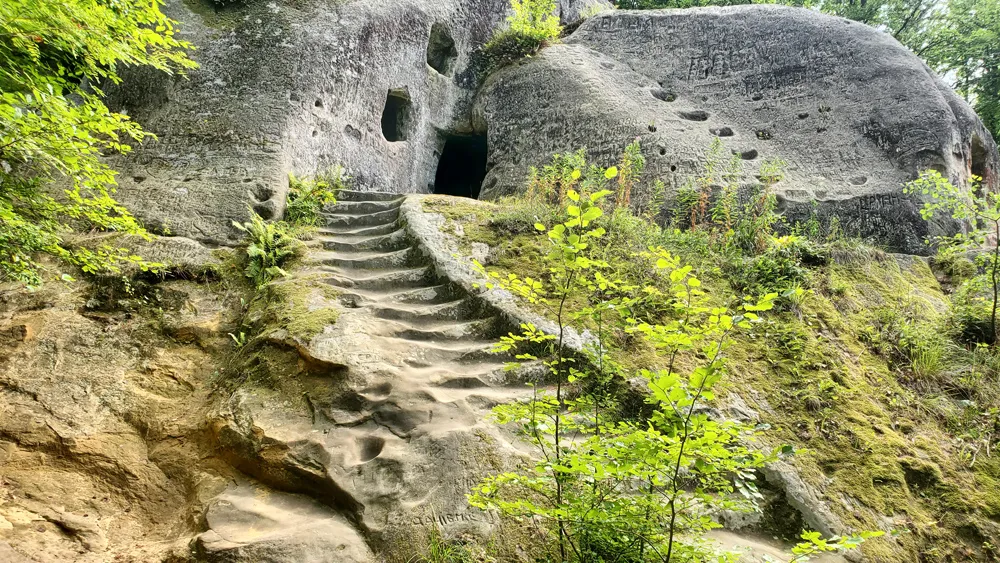
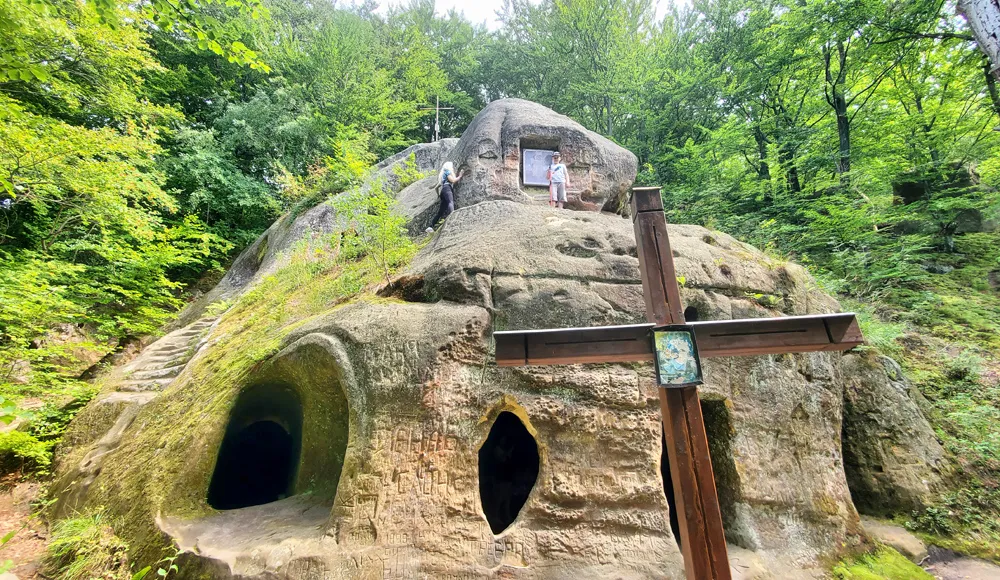
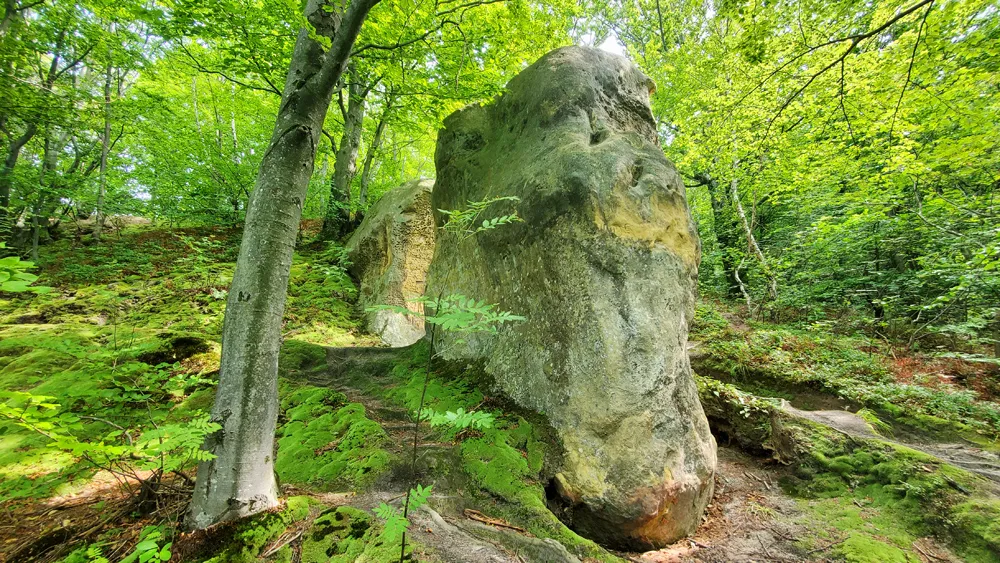
The “Rozhirche Rock Monastery” lies at an altitude of 443 m above sea level. These are rocky sandstone outcrops up to 25 m high that formed more than 70 million years ago on the bed of a Paleogene sea. A stone labyrinth, an outcrop of Vyhoda sandstone 50 m wide, stretches through a beech and spruce forest from east to west for almost 400 metres.
The first mentions of the monastery date from the second half of the 15th century; it was probably built up in the 13th-14th centuries. Modern research indicates that the rocks were used as early as pagan times as a place of settlement or a refuge. Today the monastery is a popular tourist spot.
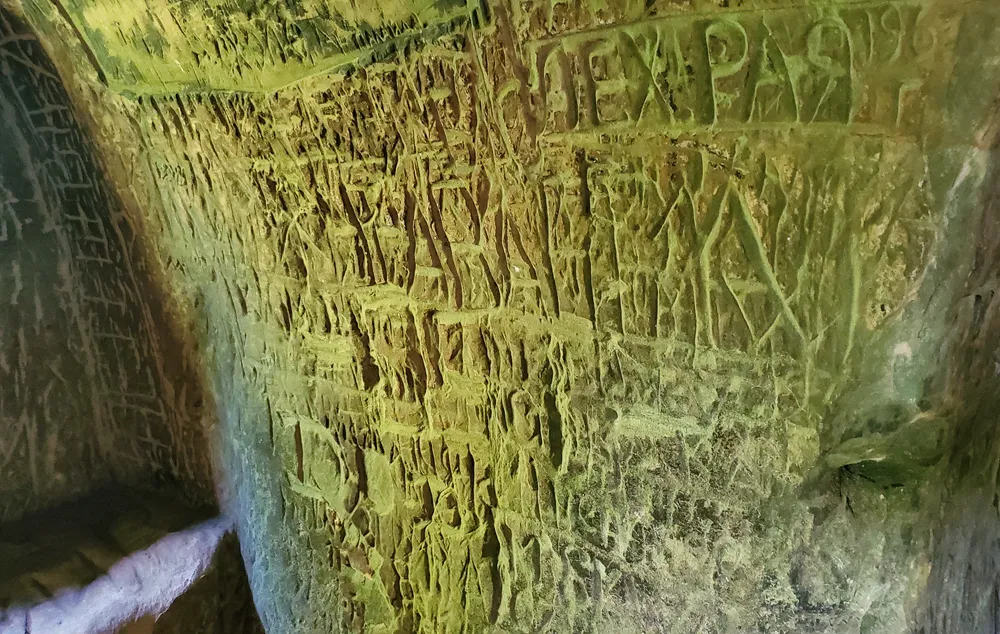
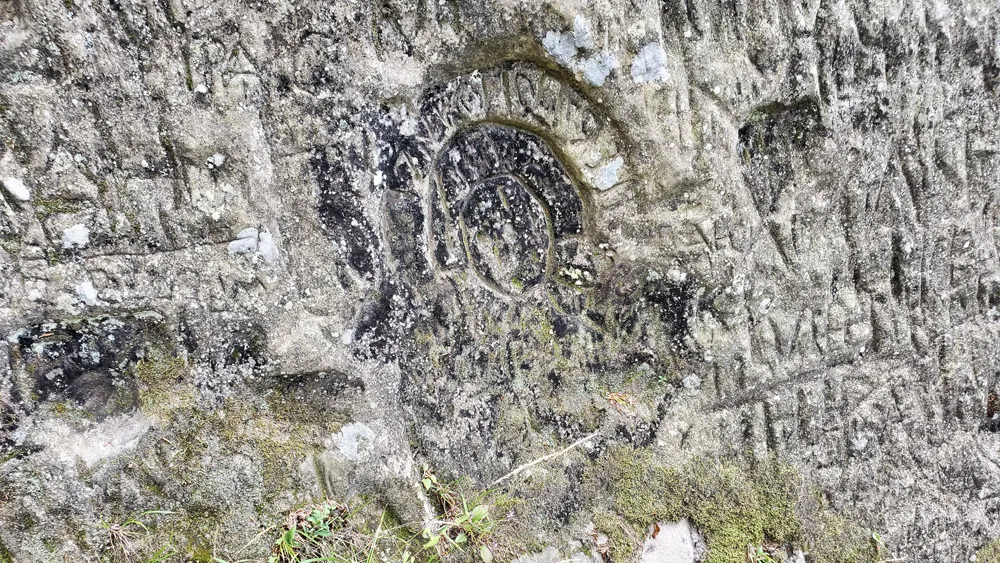
The rocks were already used in pagan times, as shown by traces on the rocks and by an agricultural settlement on a hillfort discovered here in 1990, dated to the 8th-7th centuries BC.
According to the villagers’ tales, the monastery itself was a men’s one. It was probably founded by monks fleeing Kyiv, which was ruined by the Tatars in the 1200s, and other settlements of Kyivan Rus. The surviving monks reached these lands, settled, and, as researchers believe, found an inconspicuous, hard-to-reach spot and carved out their monastery in the rocks.
The monks, for the most part, led a silent way of life, that is, they did not talk to each other. On holidays villagers could come to them, of course with their permission. It is also known that the monks sold honey from an apiary located nearby in order to earn money. Berries and mushrooms grew around the monastery, and the monks lived on them.
The site was very convenient and safe, because at that time the Tatars raided Ukrainian villages and lands and burned them (this happened more than once to the village of Rozhirche). The rock massif itself lies at the foot of a ridge, on its northern slope, so the monastery, located on a hill in the forest and 200 metres from the south-eastern edge of the village, was hard for attackers to reach.
The rock complex consists of two parts: the main one proper, with rooms in the rock, and two smaller rocks.
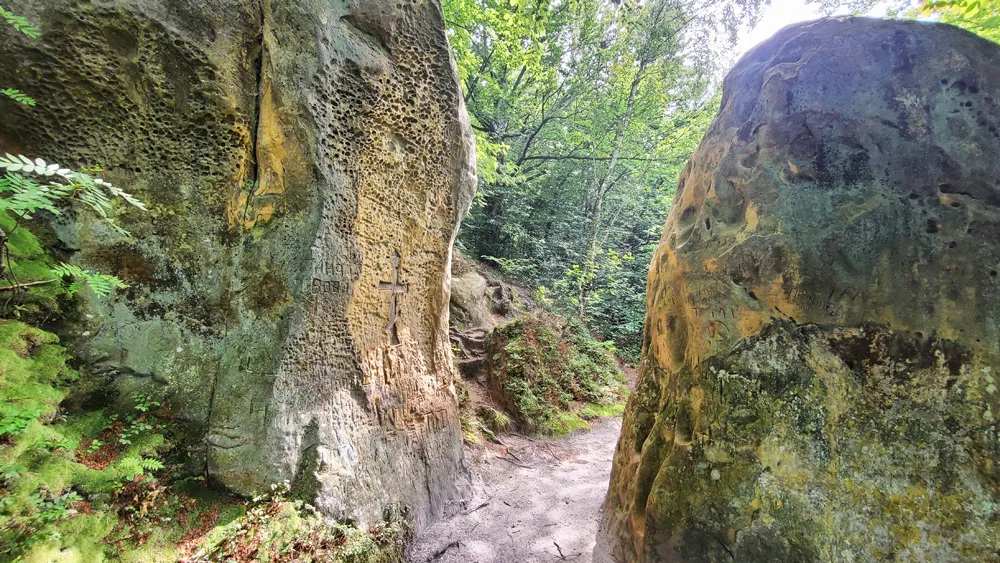
Set 50 metres away from the main complex, these two rocks form a narrow passage in the slope and served as a kind of gate. A path leads between the gates to the main rock.
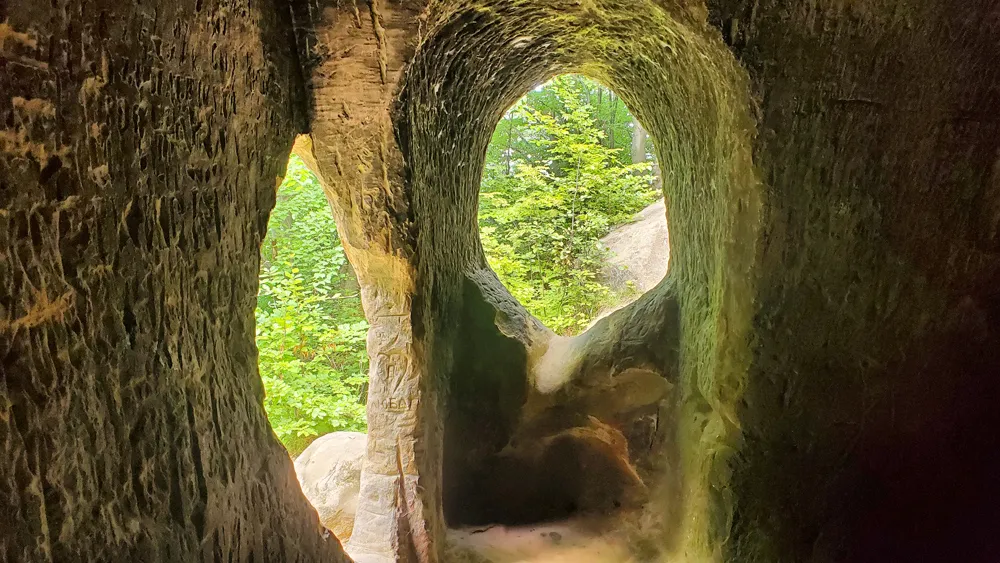
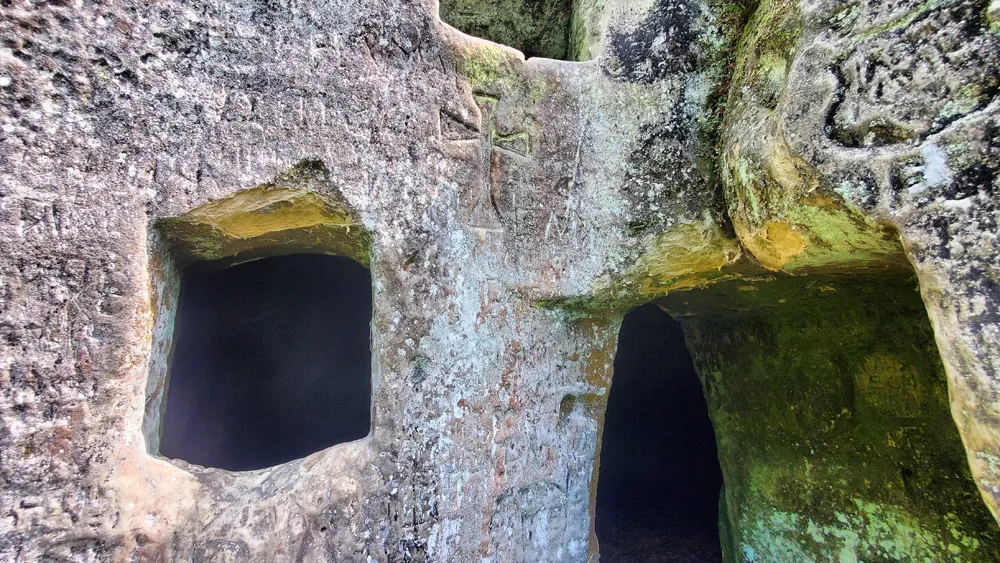
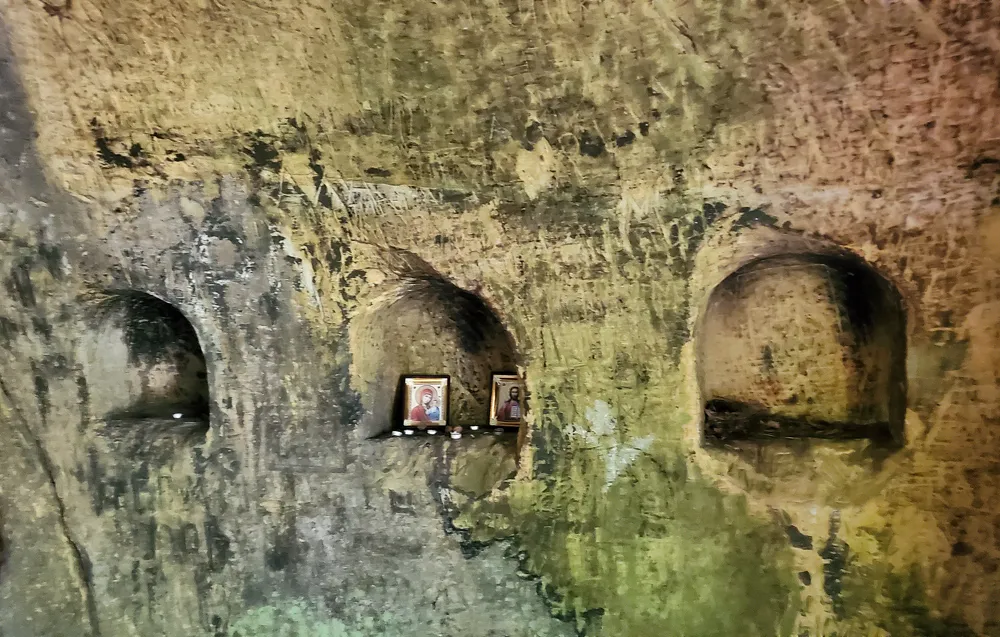
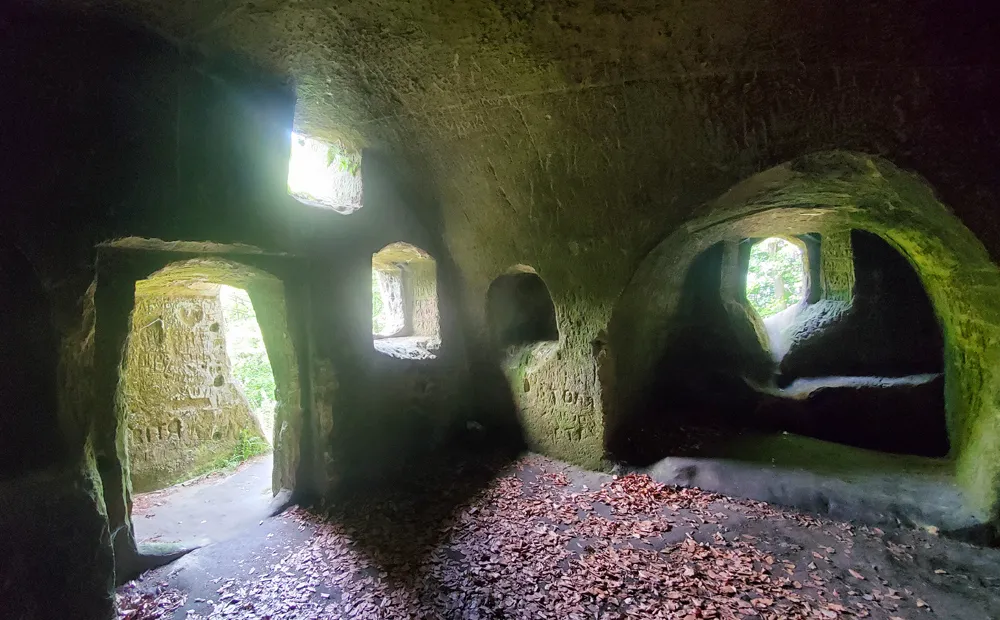
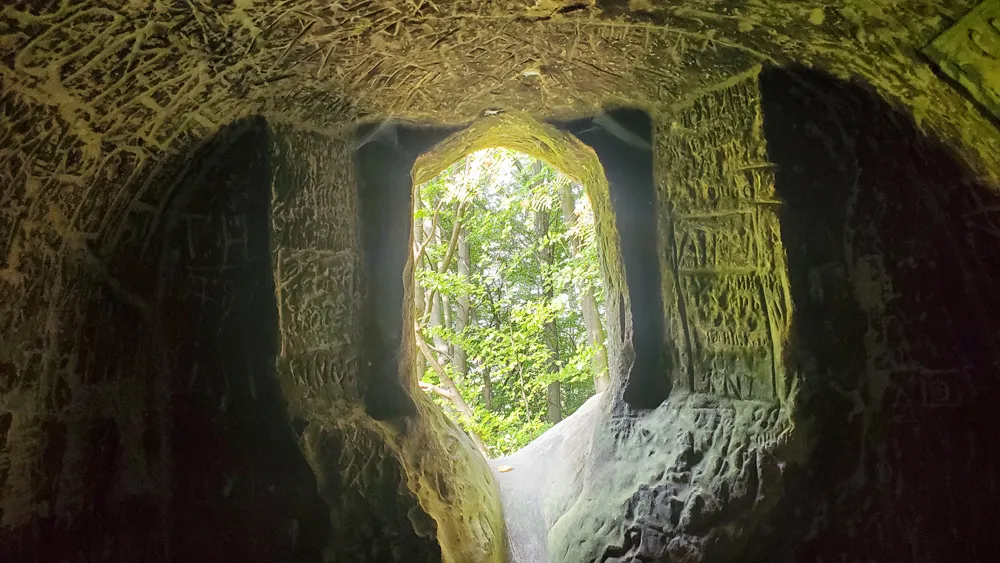
Three caves are hewn in the thickness of the main rock massif, on two levels. The first level has two rooms and the second (reached by steps) has one. Researchers consider the large lower cave to have been a living room, adjoined by a storeroom, and the upper cave the monastery church.
In the past there was no thorough research of the rock complex, so only a scanty mention of the monastery, dated to the 15th century, became the starting point for local historians.
The first detailed studies of the rocks in Rozhirche were carried out by Vahylevych and Karpovych (in 1830 and 1834 respectively); it was on the basis of their conclusions and finds that hypotheses about the history and past of the rocks and the structures on them were built.
And since the end of the 20th century Ukrainian scholars and local historians have begun to study the rocks thoroughly.
Photos by Roman Malenkov