

Rozivka

· 2 min read
Rozivka (German settler colony No. 7, “Rosenberg”, which includes the former village of Grunau) is an urban-type settlement, the centre of the Rozivka district of Zaporizhzhia Oblast. It lies 60 km north-west of Mariupol and 172 km from the regional centre (highway H08). According to the 2001 census its population was 4,379.
Rozivka takes its name from German settler colony No. 7, Rosenberg, created in 1788 on an area of 1,456 desiatinas of land, 155 km south-east of Zaporizhzhia, by German settlers (26 families) from West Prussia (the districts of Danzig (Marienburg) and Elbing). A railway station, Rosenberg (Rozivka), was built 1 km to the east, and modern Rozivka grew up around it. The Rosenberg colony itself is now a separate village, Zoriane.
In the northern part of modern Rozivka there were the German colonies No. 6 Grunau and No. 5 Kronsdorf, lying along the Velykyi Karatysh River, a right tributary of the Sukhi Yaly. According to data for 1859, Grunau had 27 households, 513 inhabitants, 1 Lutheran church and 4 factories; Kronsdorf had 28 households, 511 inhabitants and 2 factories; Rosenberg had 26 households and 513 inhabitants.
In 1857 there were 26 households and 6 landless families.
1898 – the name of the settlement was changed to the village of Rozivka.
In 1912 there was a primary school with four grades. The village teacher taught 50 pupils.
Until 1917 – Yekaterinoslav Governorate, Mariupol and Oleksandrivsk districts, Mariupol colonial district; Oleksandro-Nevska (Grunau) volost.
After 1918 the land allotment shrank to 945 desiatinas. The village council has functioned since 1926.
On 18 July 1923 a general meeting decided to rename the village, which was then called “Oleksandropil”, to “Luxemburg”, in honour of Rosa Luxemburg.
In 1925–1939 it was the centre of the Luxemburg German national district of Mariupol Okruha (from 1932 of Dnipropetrovsk Oblast, from 1939 of Zaporizhzhia Oblast).
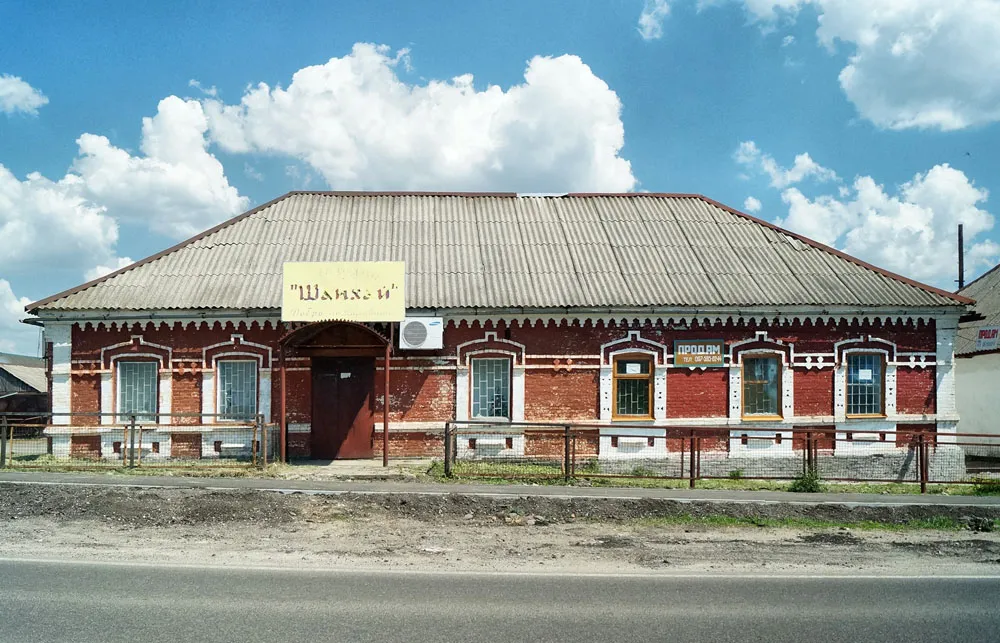
Text from Wikipedia, photos by Roman Malenkov.
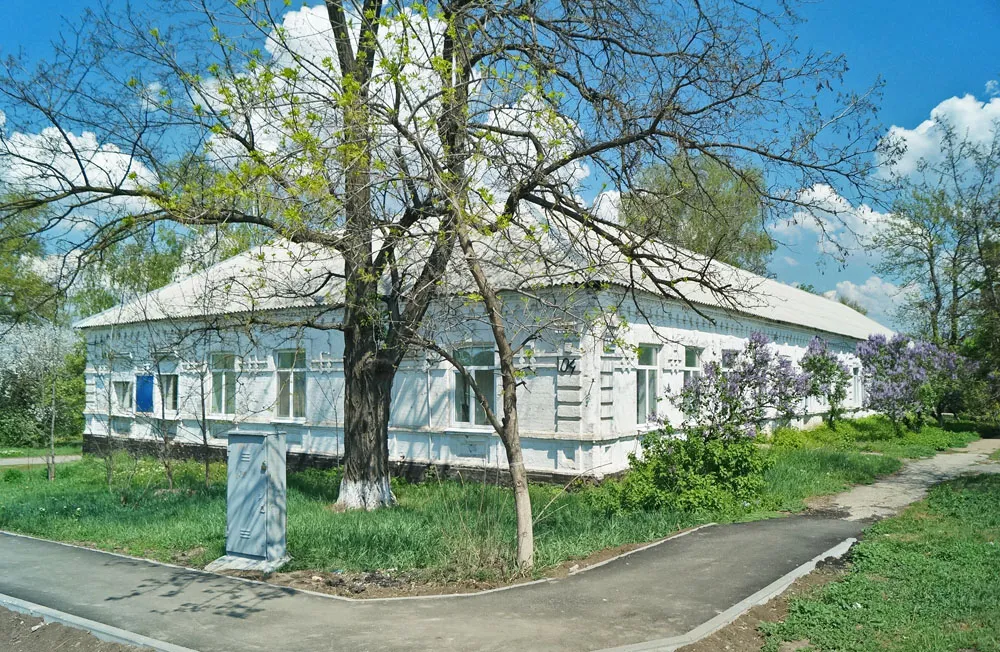
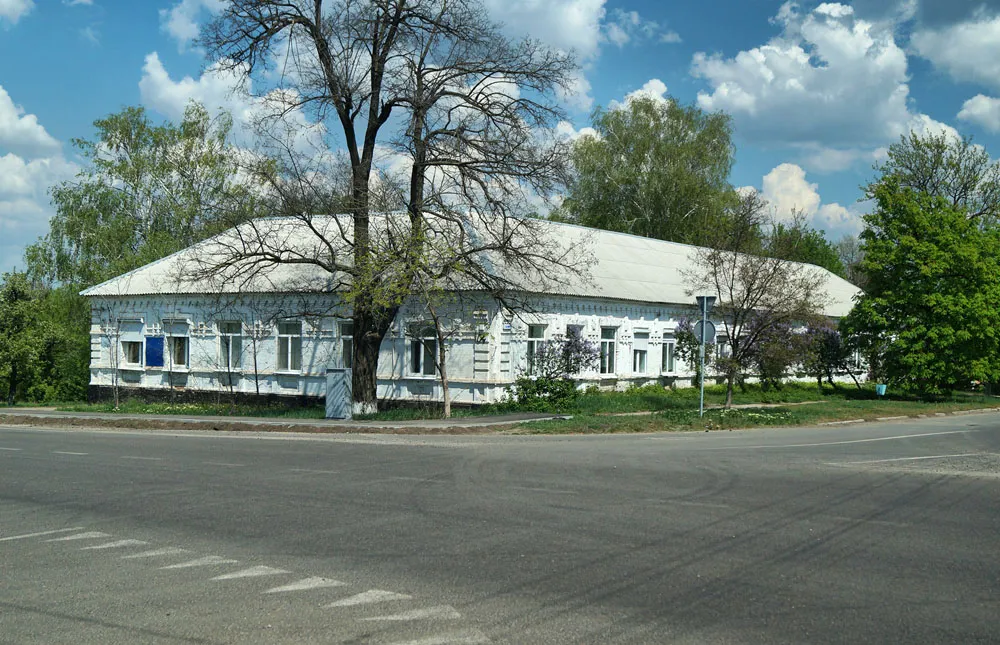
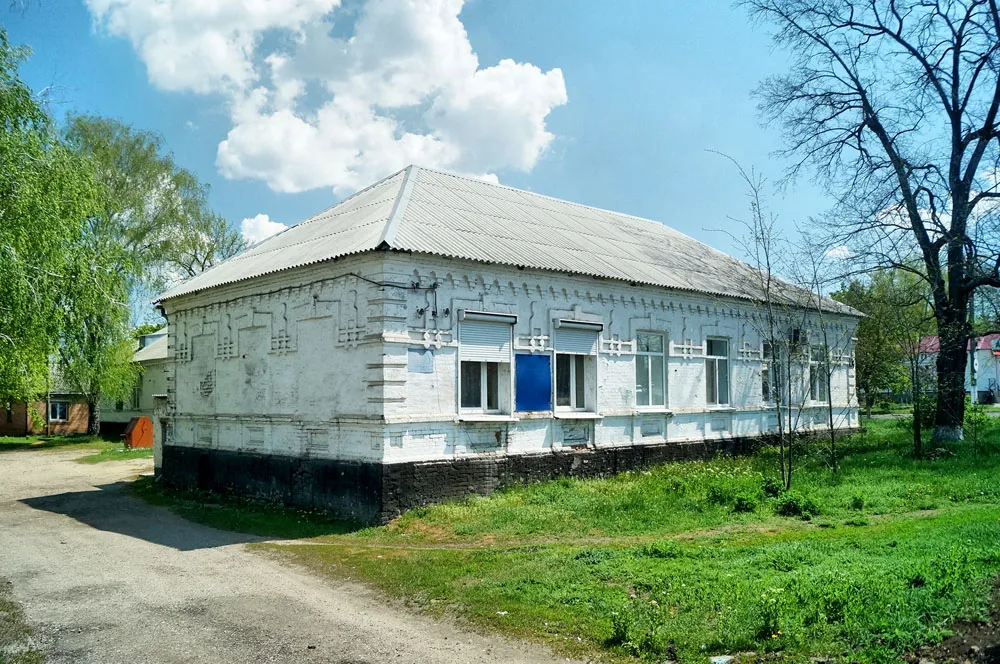
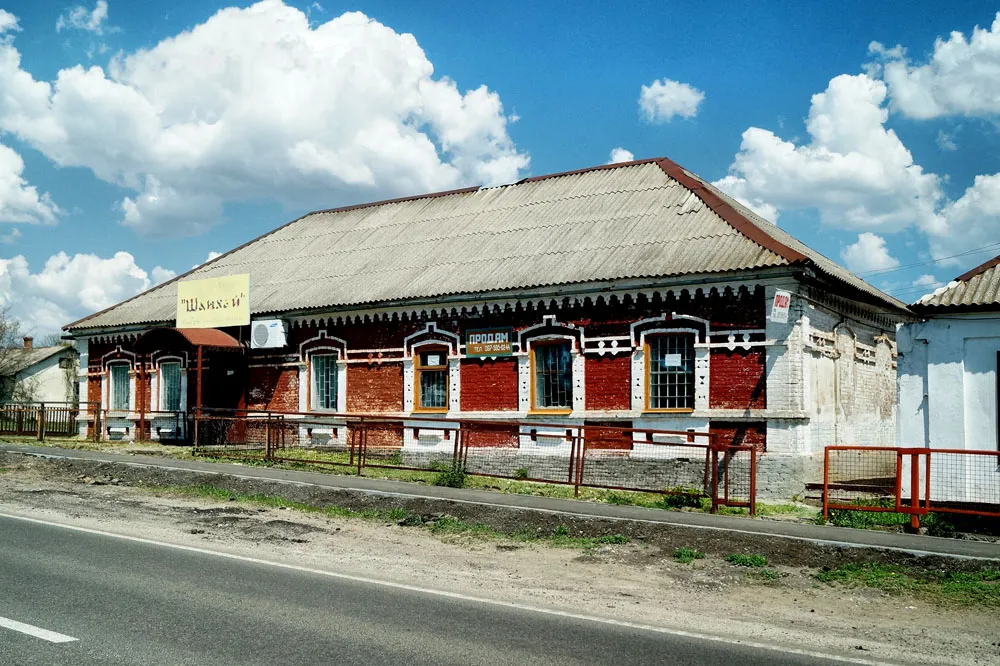
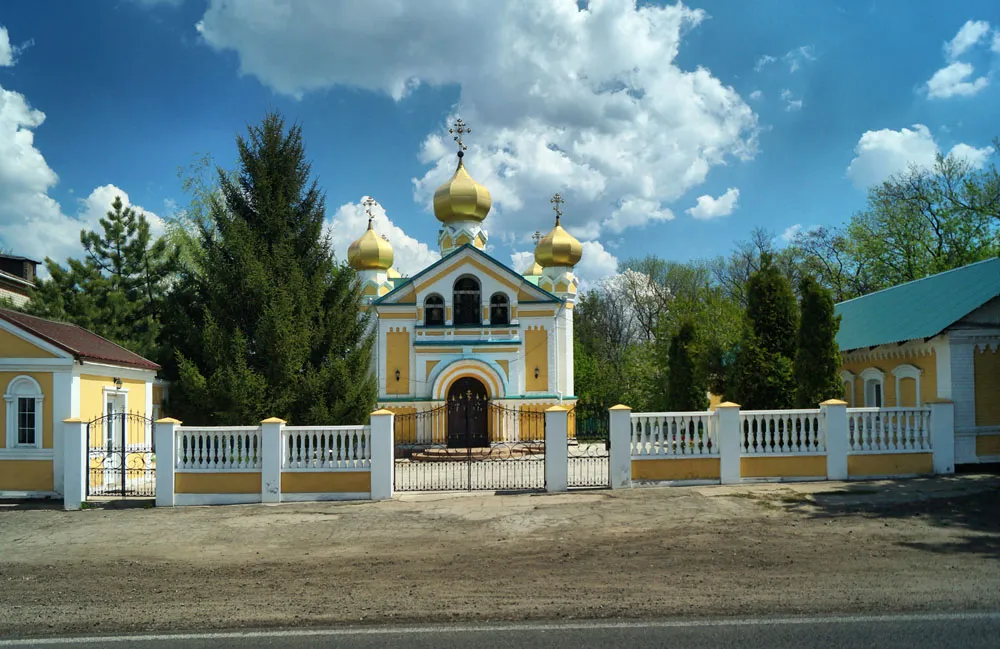
The last photo shows the Church of Alexander Nevsky (1896).


