Armenia. Garni

· 2 min read
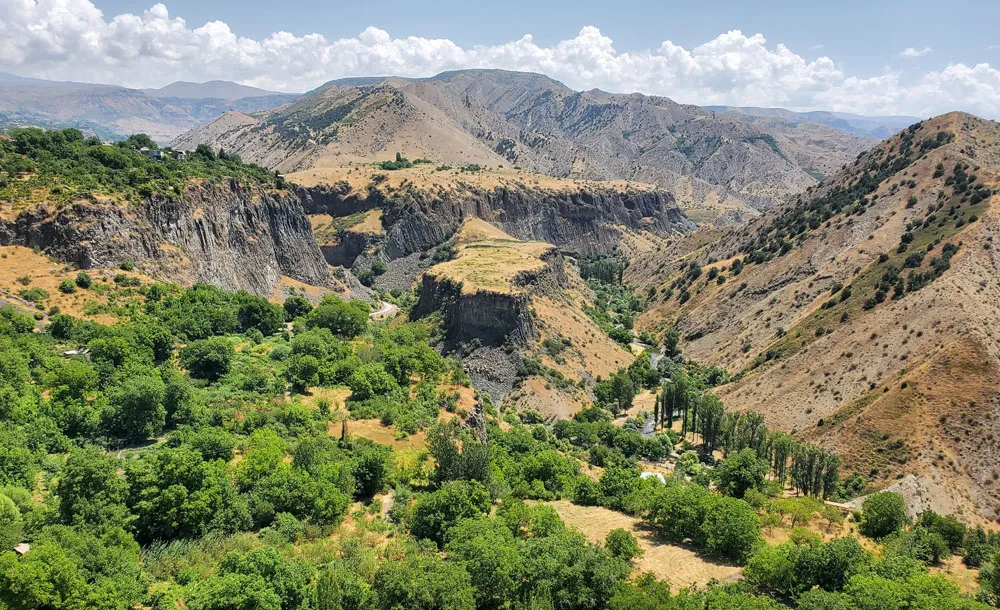
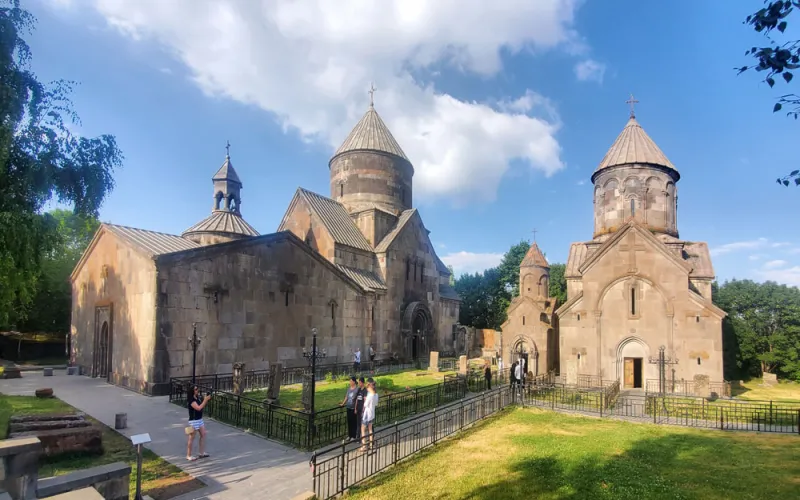
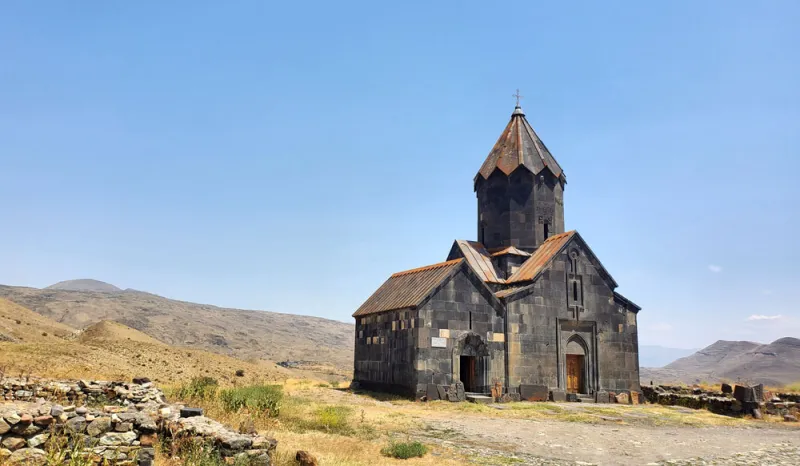
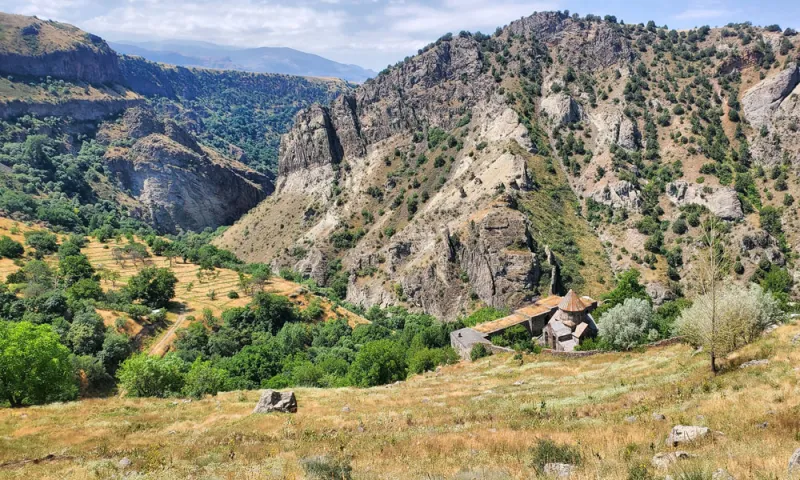
From Yerevan to Garni is 30 kilometres, and from Garni to one of the most interesting sites in Armenia – the fairy-tale UNESCO monastery of Geghard – it is 10 kilometres. I have heard that the residents of Yerevan call this area by one word – Garni-Geghard, which makes it clear that visiting one without the other is pointless. In my view, Geghard is a completely different scale of grandeur, but Garni is also quite a pleasant thing.
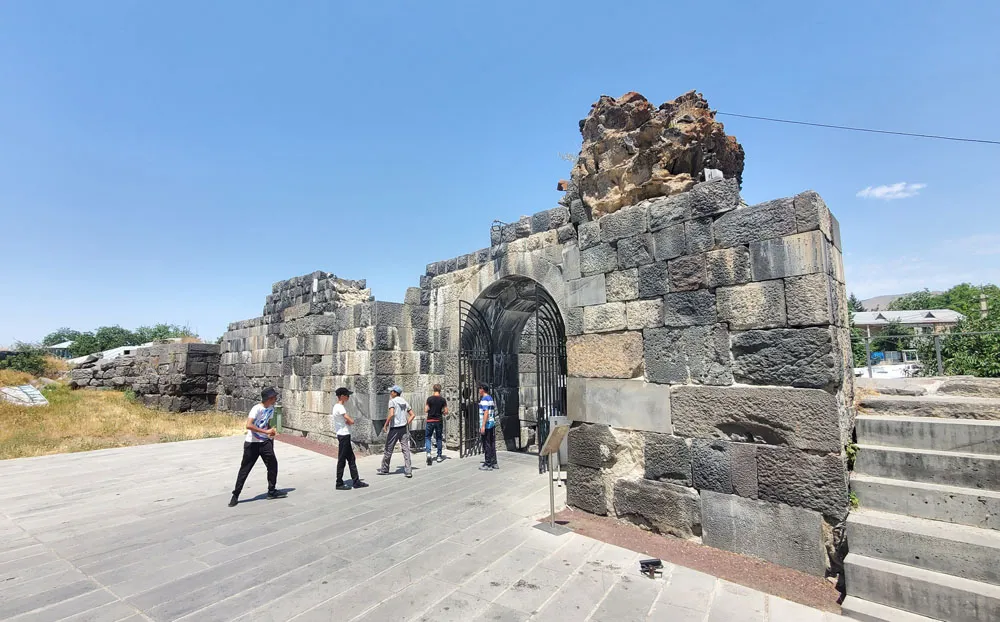
There are suppositions that a town existed on the site of Garni already in the pre-Urartian period, but there is no archaeological evidence for this. At the beginning of the new era a powerful fortress stood here on a basalt hill, the remains of which we see today. In 59 Roman troops invaded Armenia, captured and burned the then capital Artashat. The then Armenian king Tiridates I, unwilling to lose the country completely, began negotiations with Emperor Nero about vassalage. In 65 Nero crowned Tiridates I in Rome as king of Armenia. What is more, he paid for the restoration of the destroyed Artashat. Tiridates I returned to Armenia and in 66 began the restoration of Artashat and other fortresses, among which was the fortress of Garni – a rather powerful stronghold that had three dozen towers. And at about the same time, probably under the influence of what he had seen in Rome, the capital of the world, he began building a pagan temple at Garni. It is supposed that the temple was dedicated to the sun god Areg-Mihr (or perhaps these were two separate gods).
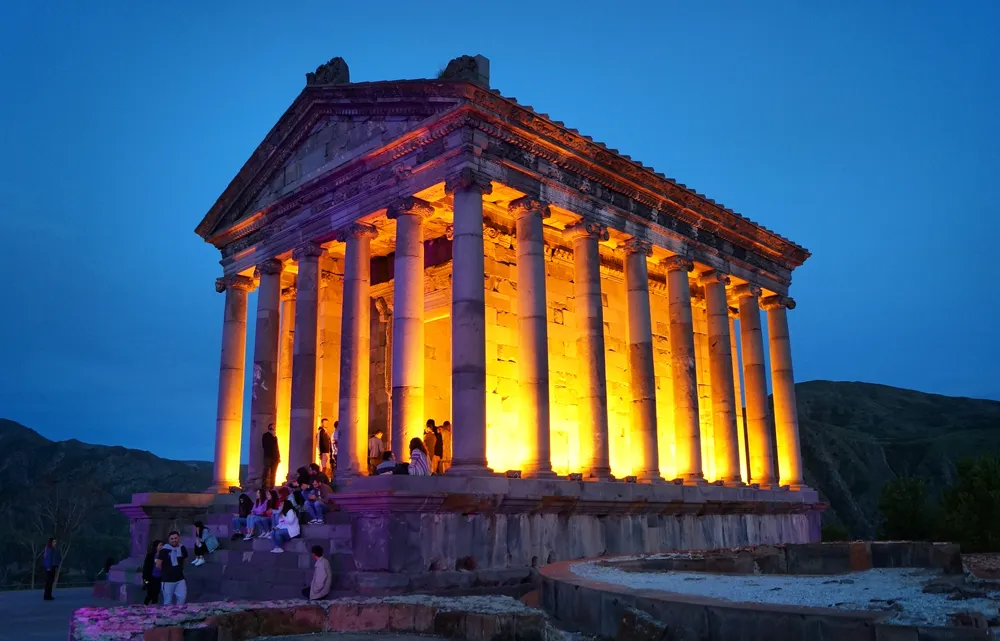
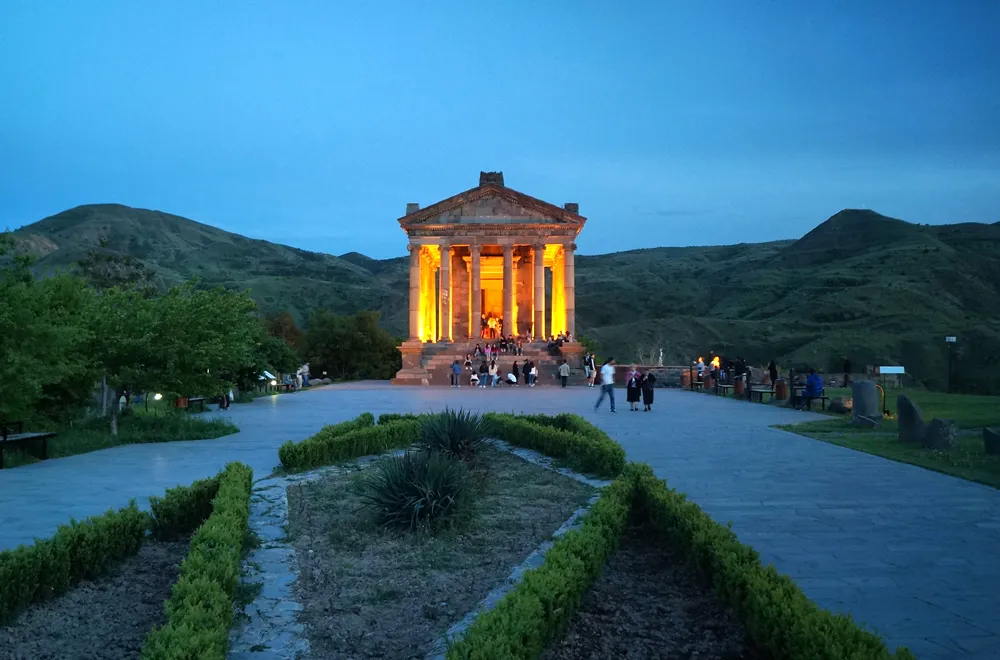
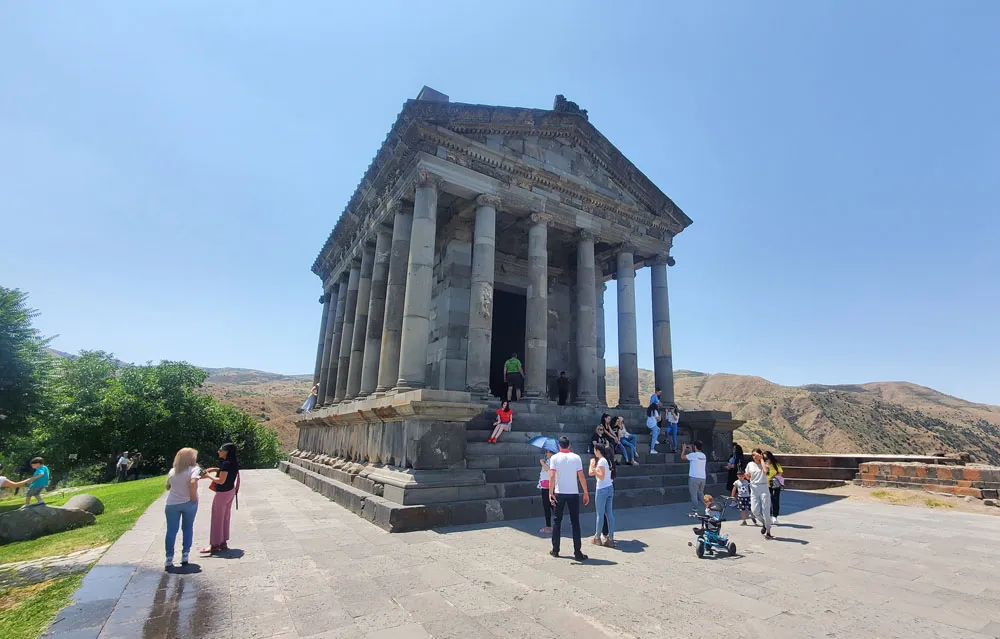
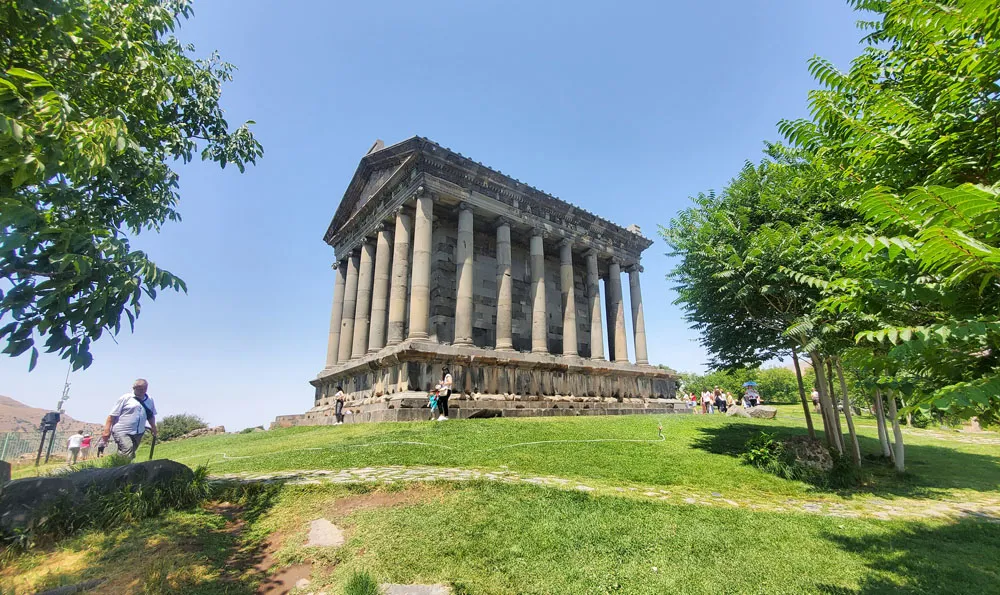
The temple at Garni, though small overall, was lavishly decorated, with steps and colonnades; although it looked like a foreign element on Armenian soil, it enchanted everyone with its beauty, as travellers of the time wrote. In 1679 a strong earthquake destroyed the temple – only the podium with its steps remained standing, while the columns, walls and roof collapsed completely.
The temple was built of large stone blocks about two metres long. These blocks were very heavy, and perhaps that is why they were not stolen and remained lying on the site by the temple. In 1966–1976 the building was restored, although back in the 19th century Russian officials tried to carry the ruins off to Tbilisi to assemble them there, but the stones proved too heavy to transport.
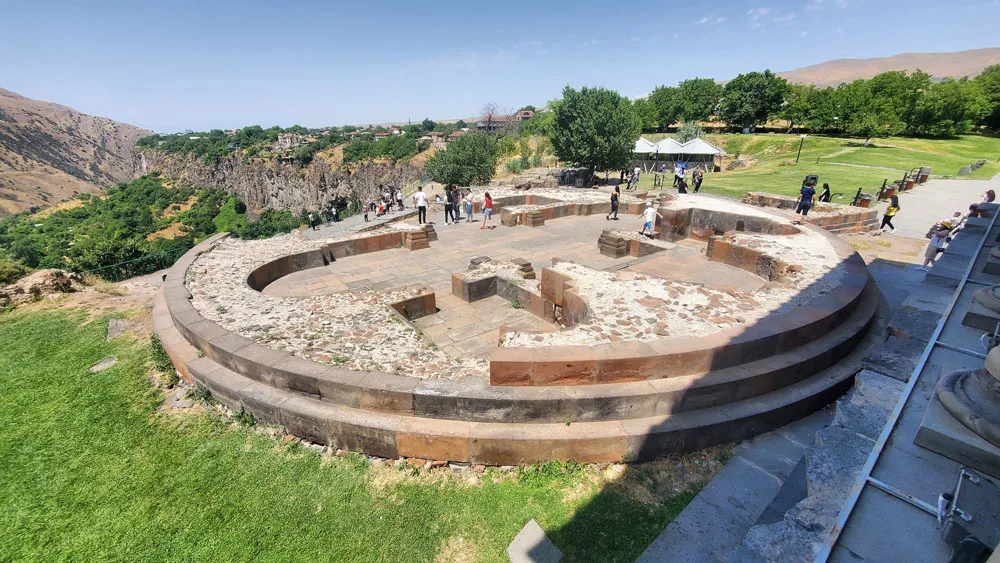
Archaeological research has allowed the discovery on the territory of the complex of the foundations of the rotunda church of St. Sion, built in the 7th century, the palace of the fortress commandant (also only foundations), and baths (probably of the Ottoman period). Overall, Garni is one of the most visited tourist sites in Armenia.
Text and photos by Roman Malenkov.