Armenia. Gndevank. The monastery and the basalt columns

· 2 min read
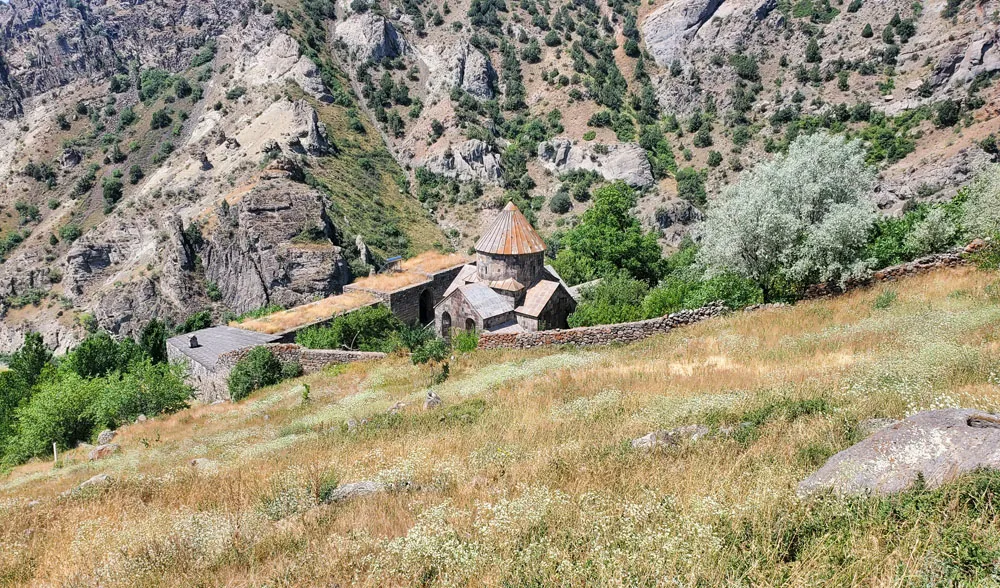
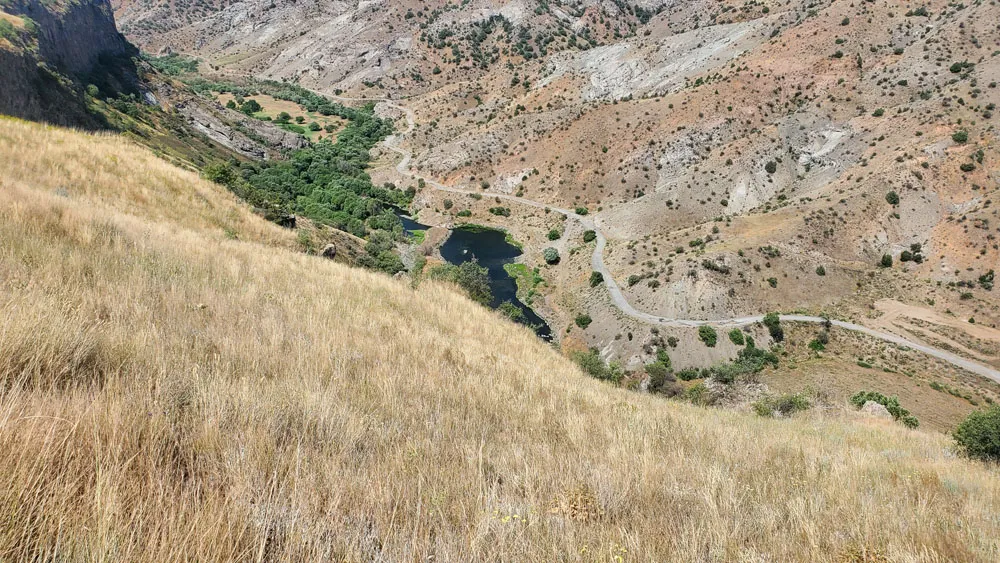
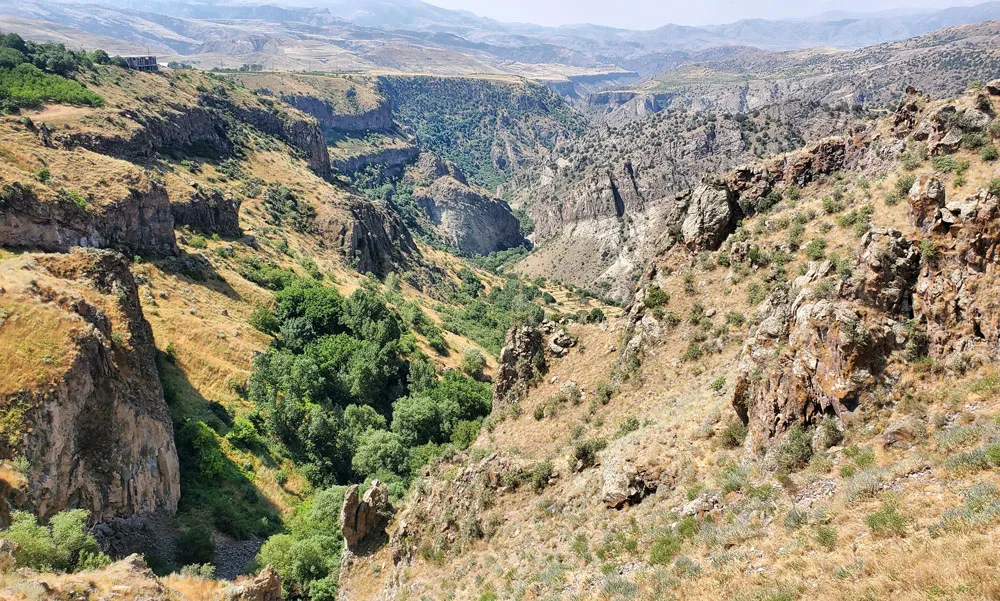
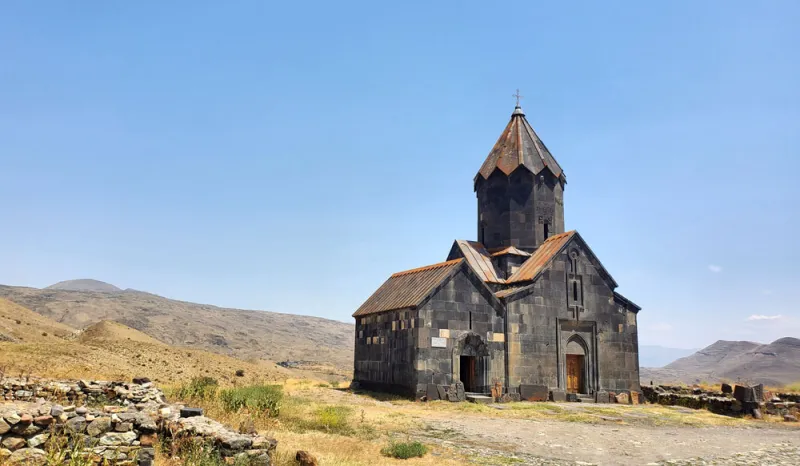
Once, on our way to a monastery with a similar name (Khnevank), we ended up on a terrible road that still haunts my nightmares, so when I looked at the map and assessed the location of Gndevank Monastery, I realized that the road there was not the best either, and I thought hard about whether to go or not. According to the map, the monastery can be reached by a separate road that runs through the valley, or you can drive about ten kilometres along the highway towards Jermuk (the mineral-water capital of Armenia), reach the village of Gndevaz, and then descend the hill on a path. We decided to use the second option. We parked the car beside an old half-ruined church in the village of Gndevaz and walked down the mountain path.
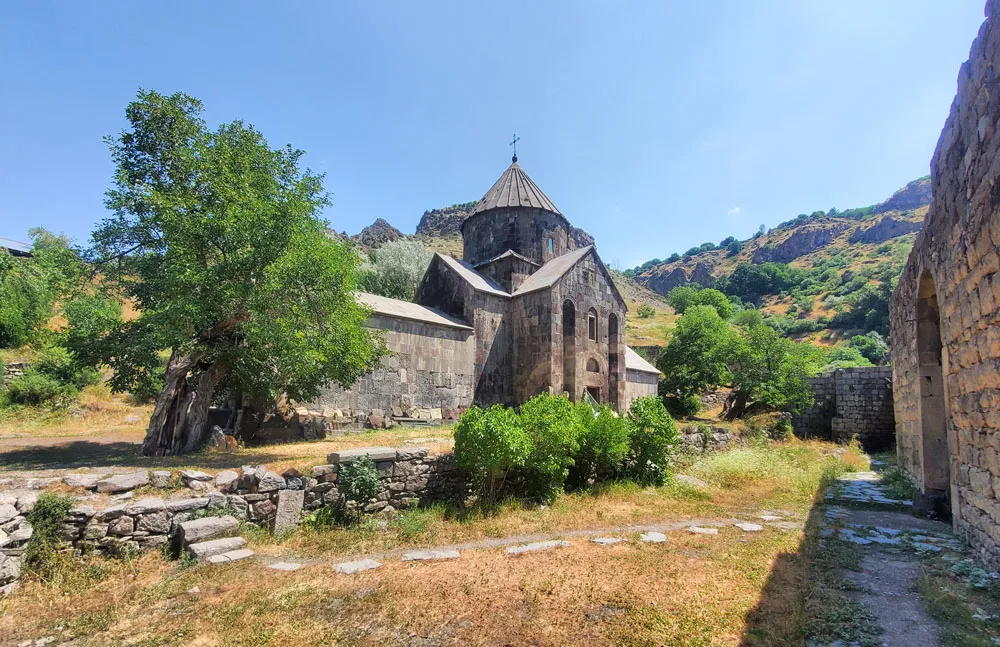
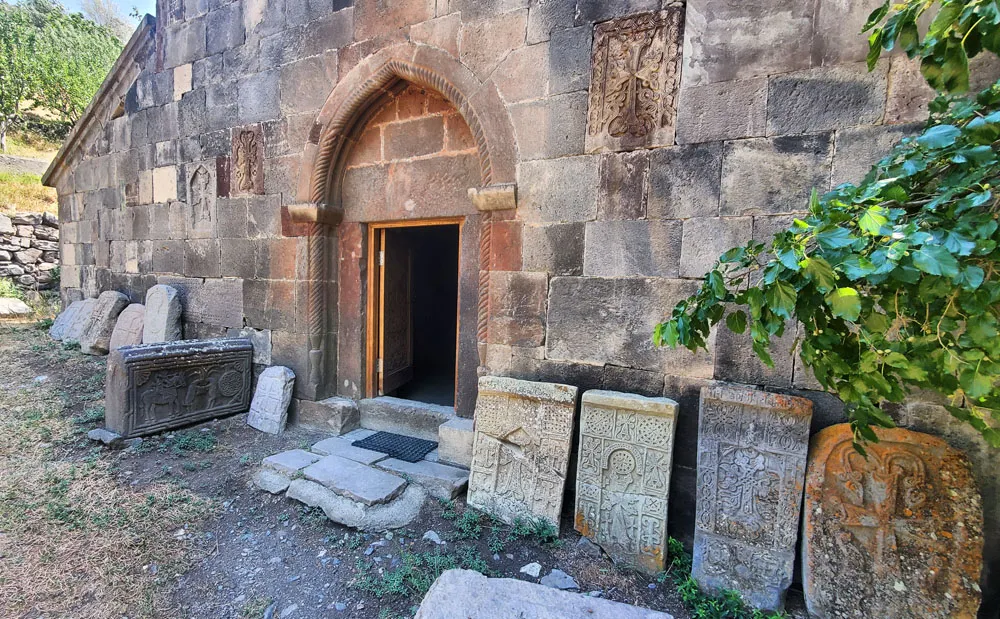
Gndevank Monastery was built in 931–938, so it is already more than a thousand years old. The construction of the monastery was financed by Sophia, wife of the Syunik prince Smbat. The monastery was dedicated to the holy martyr Supan Gnduni (hence the name Gndevank).
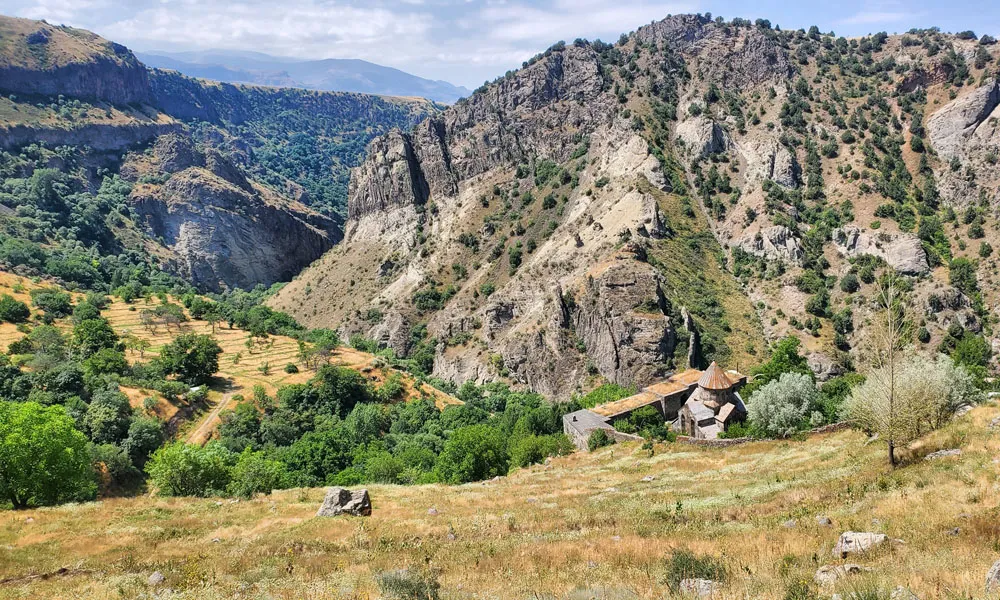
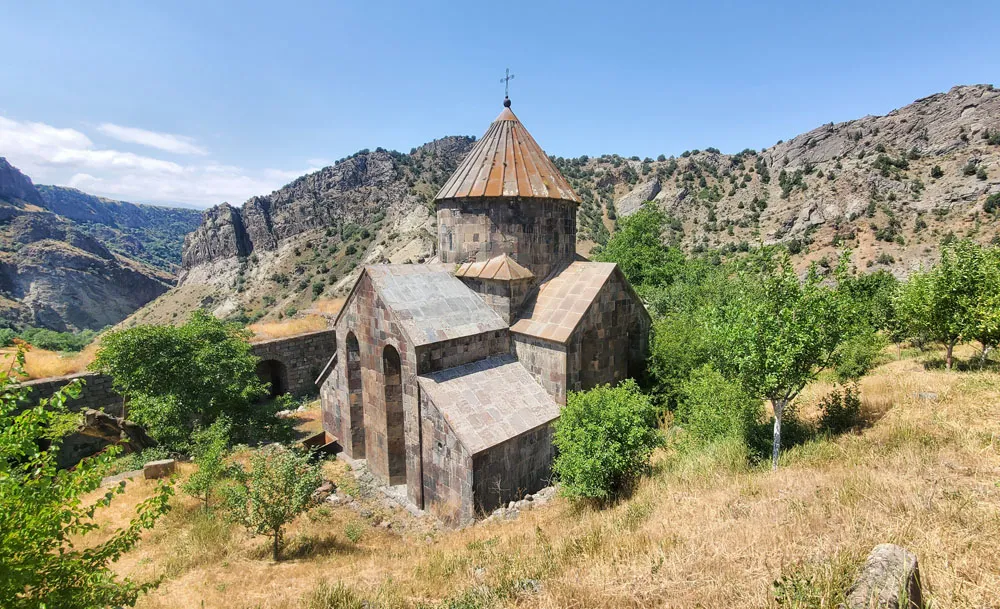
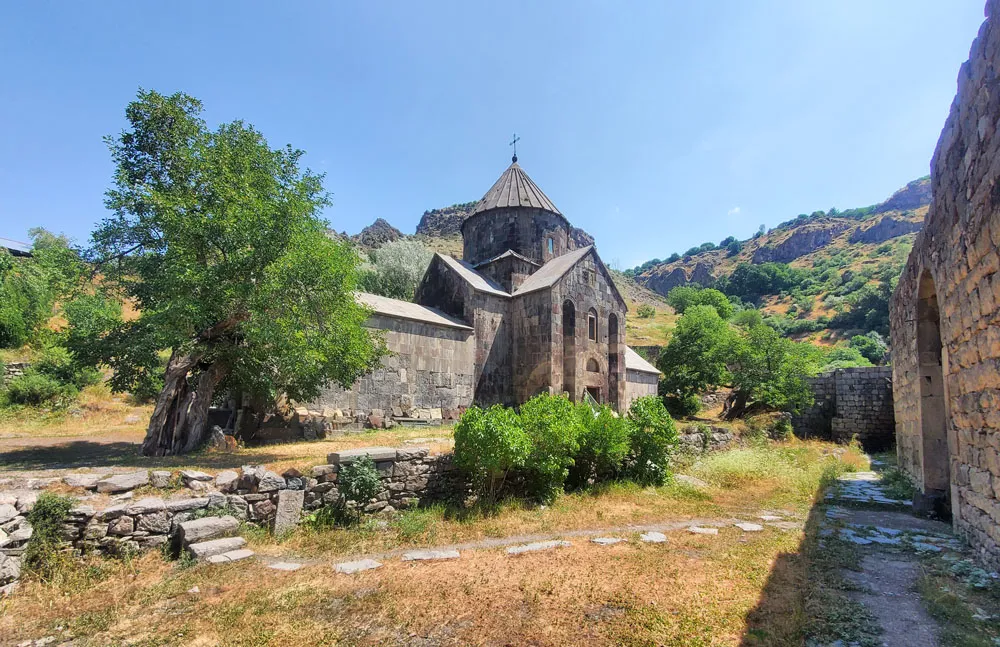
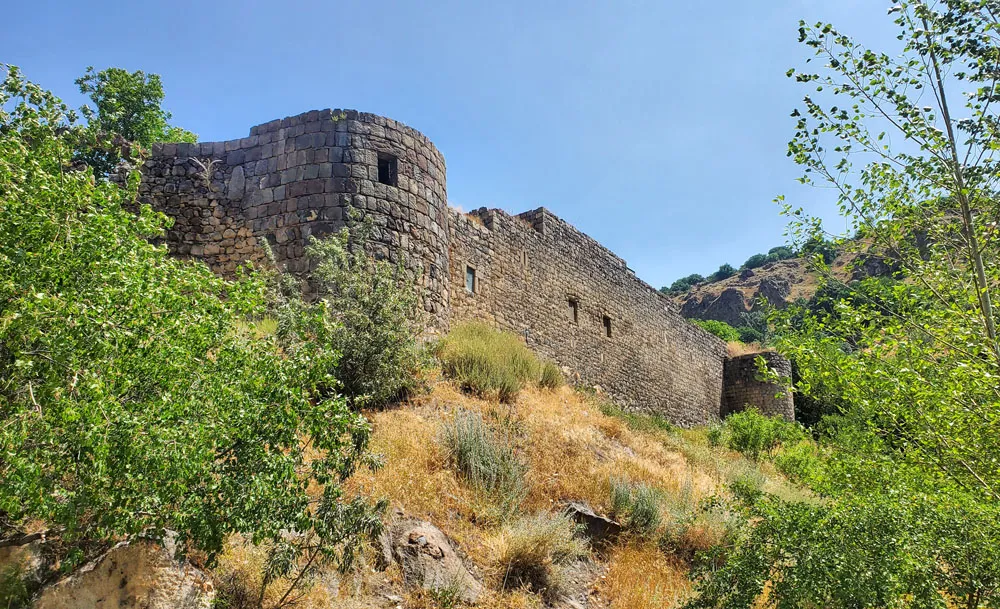
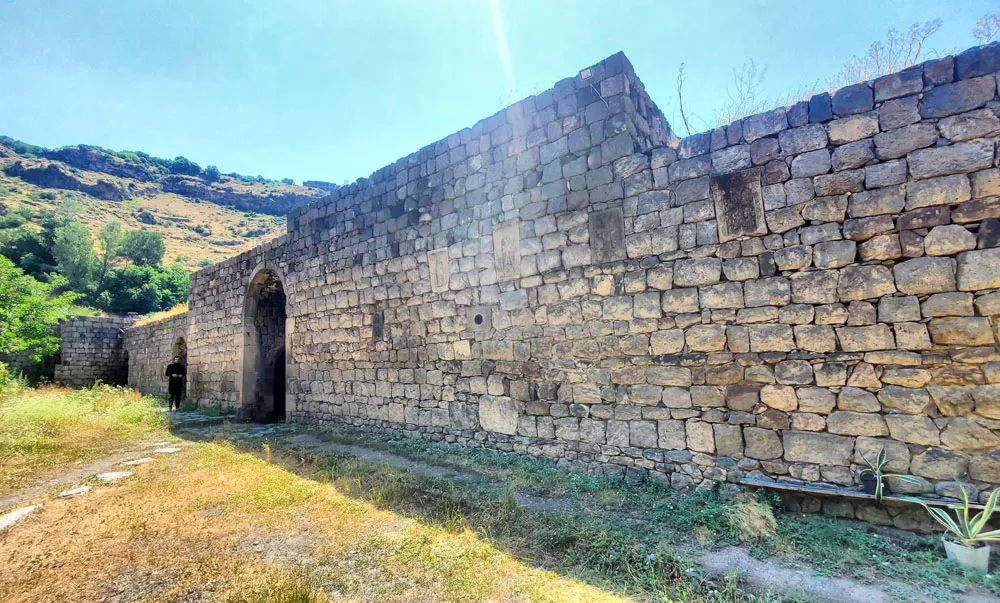
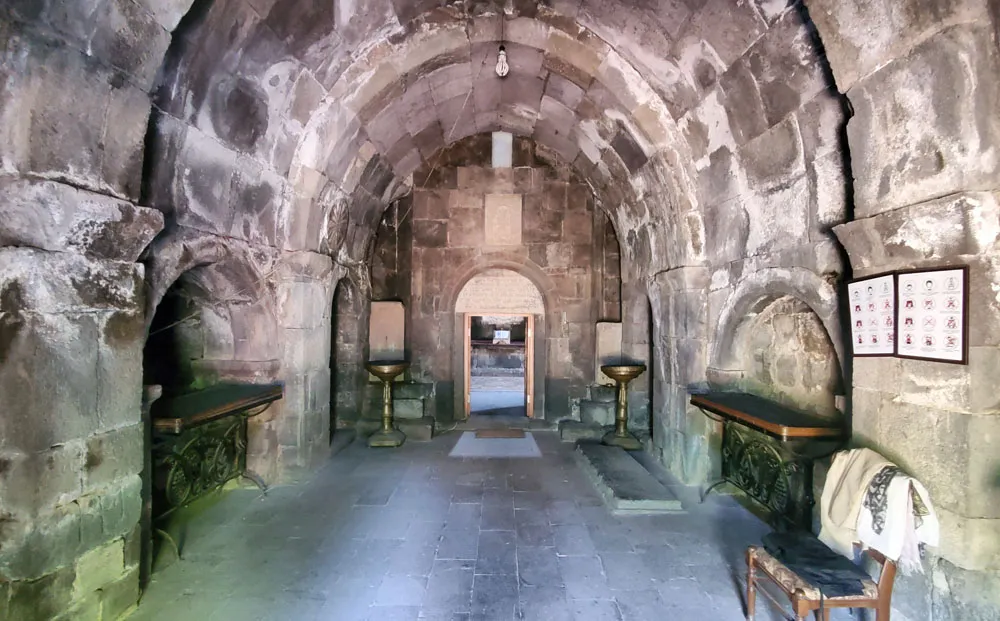
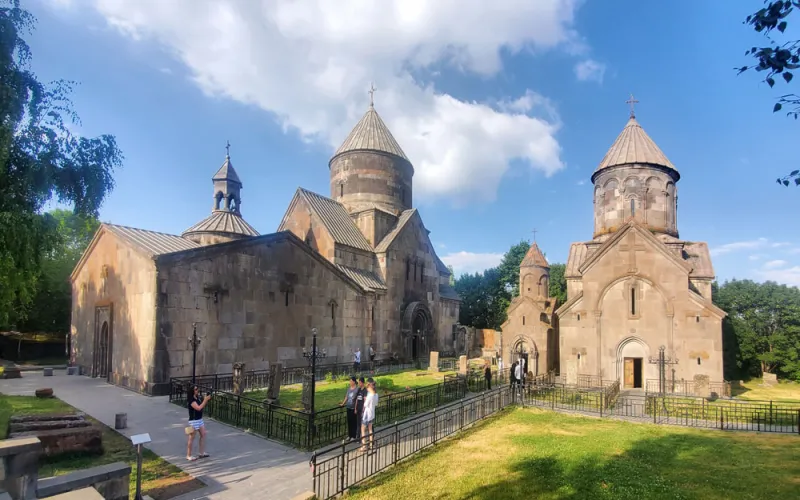
The cross-domed church and the defensive walls around it (which, by the way, have survived to our time) were built of dressed black basalt. Inside, the church is adorned with wonderful bas-reliefs and numerous inscriptions. In the altar is kept an old, much-prayed-before icon that is considered miracle-working. Thousands of pilgrims used to come to it. In Soviet times the monastery was abandoned, and now it is being revived again. Restoration has already been carried out here, and several monks (or rather one monk and one novice) already serve in the monastery. Above the church, within the monastery grounds, are a cemetery and a garden. And a wonderful view.
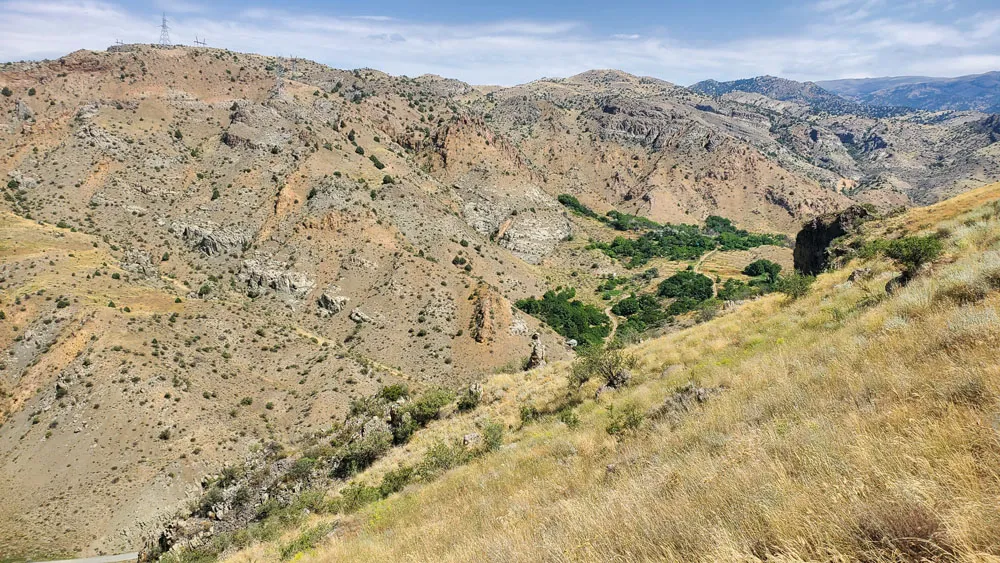
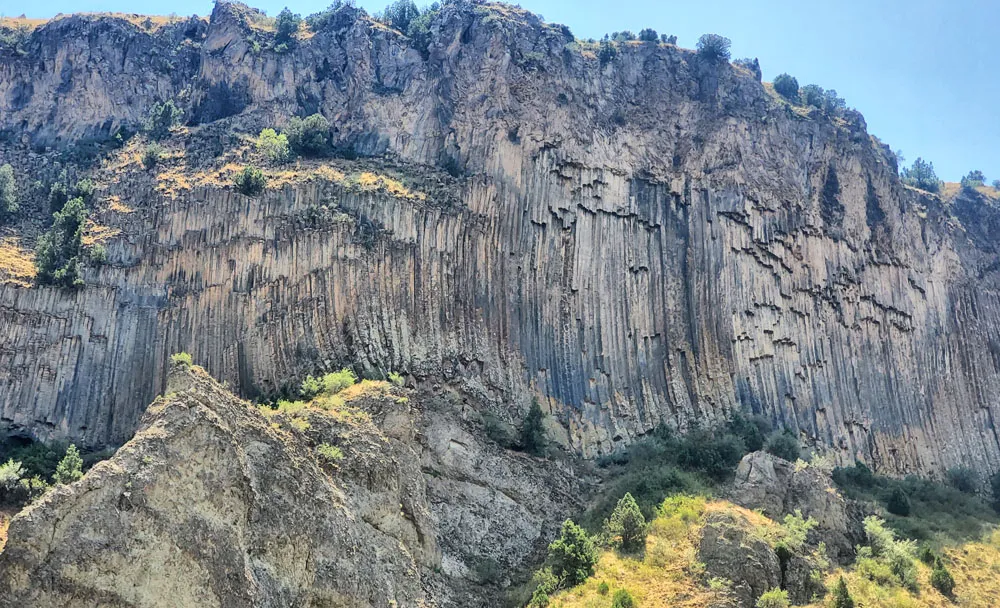
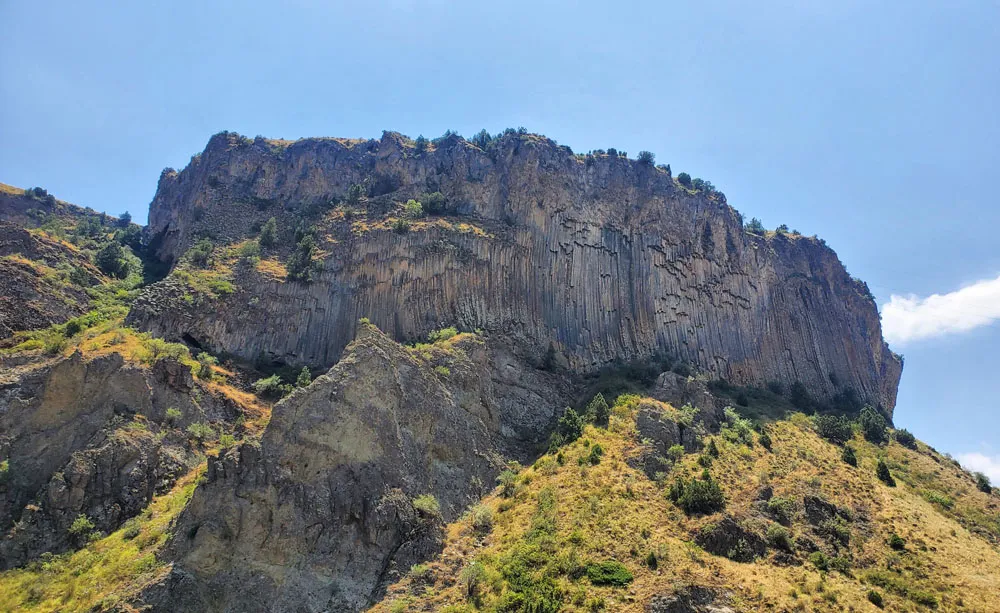
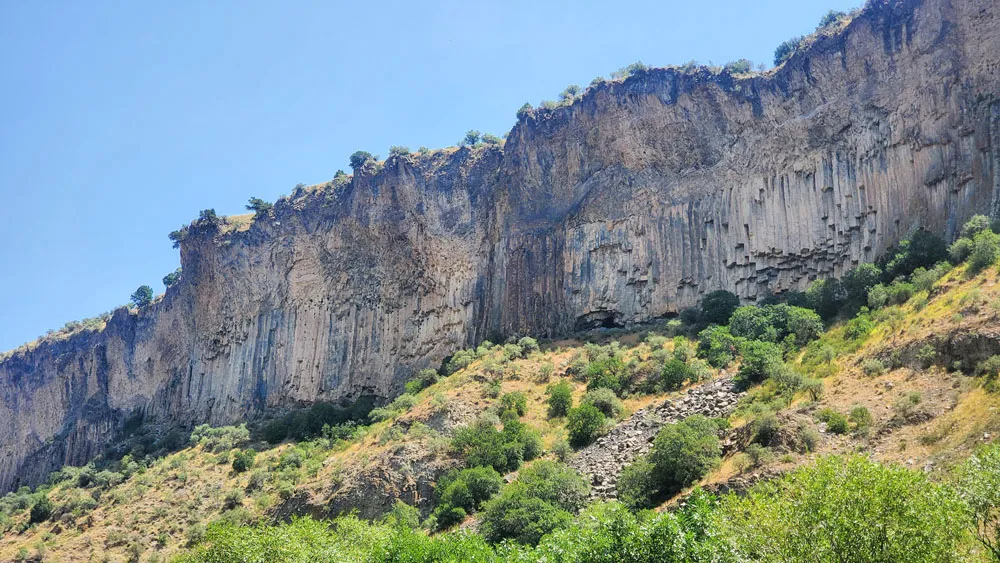
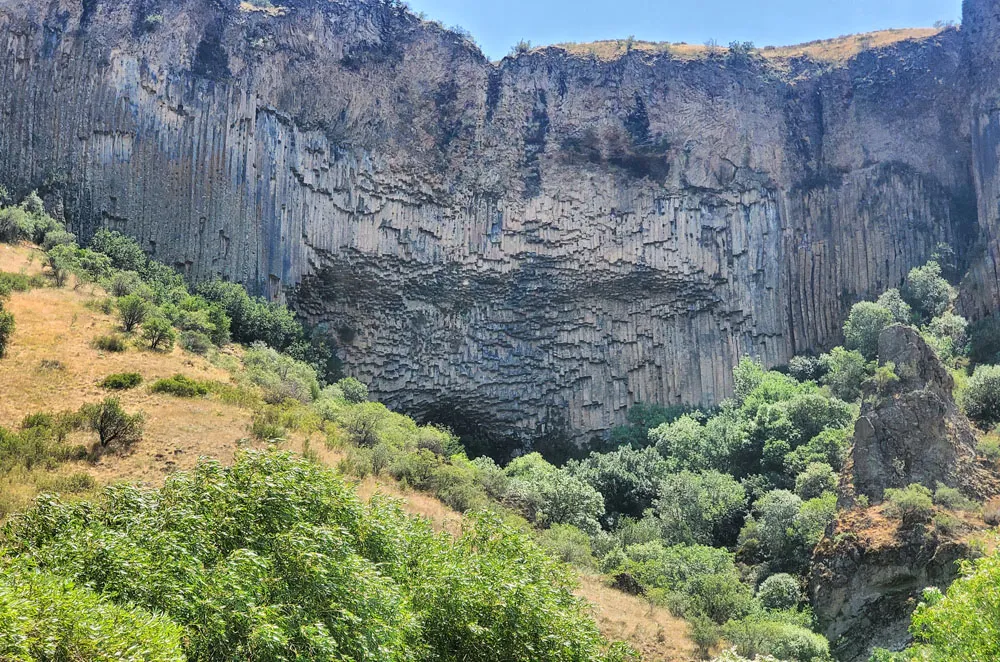
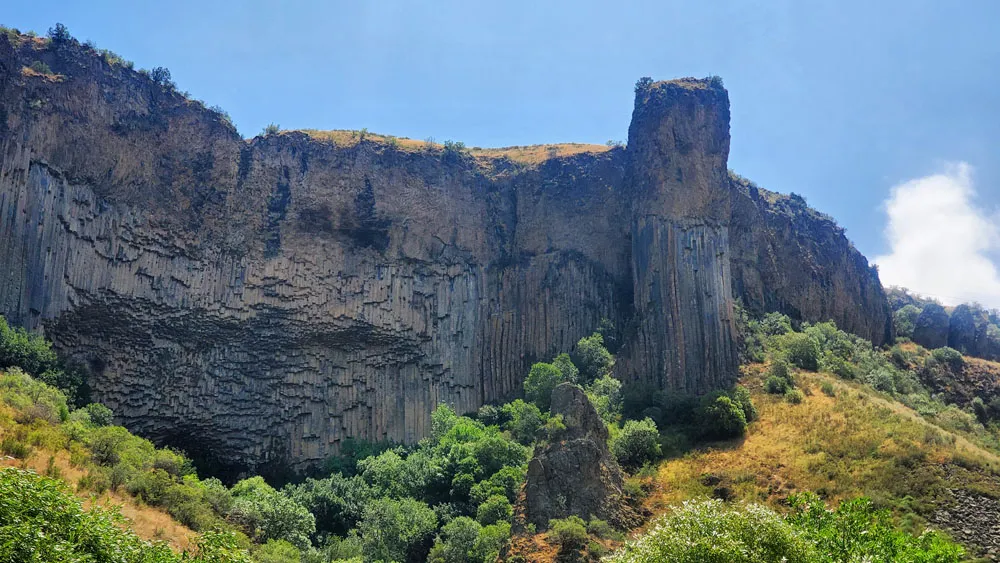
We returned to the village of Gndevaz the same way, uphill along the path for 30–40 minutes. And then we decided to test the lower road after all. It is bad, full of potholes and without asphalt, but it runs through a wonderful valley with walls of basalt columns. I have never seen so many of them anywhere else. Incredible.
Text and photos by Roman Malenkov.
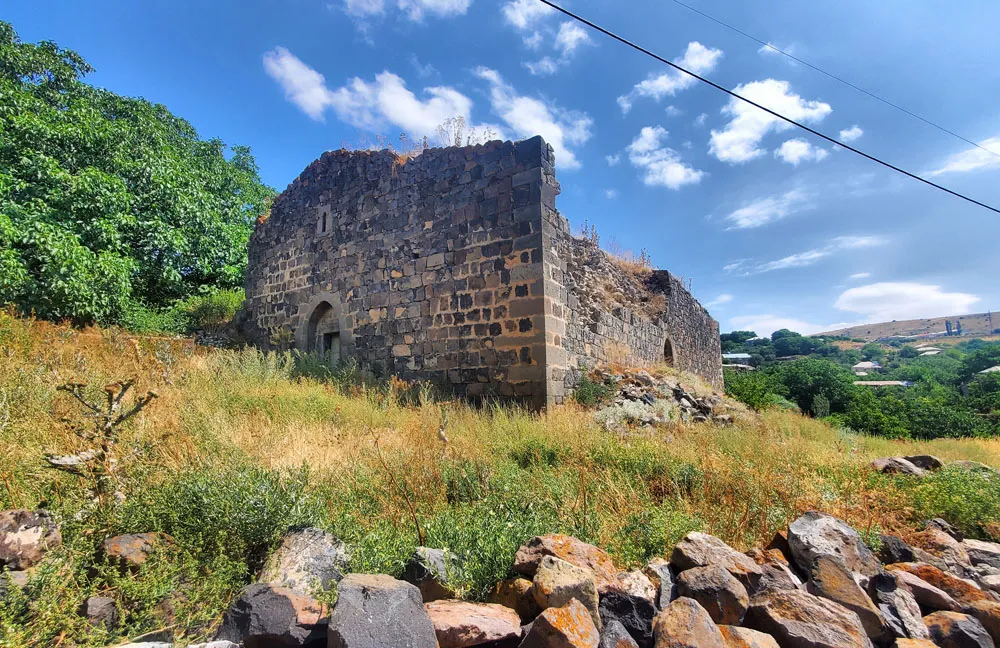
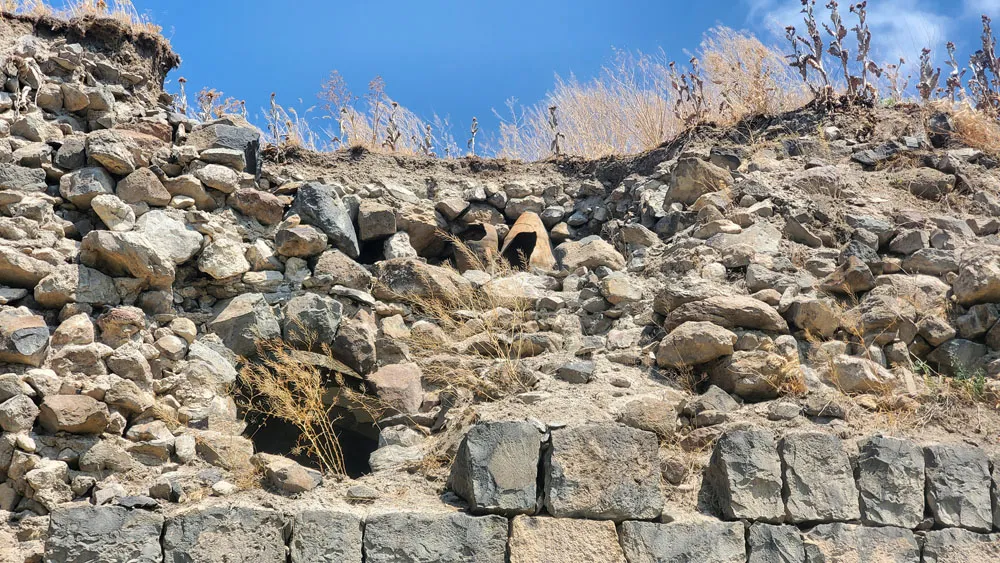
The church in the village of Gndevaz