Armenia. Tanahat. A university?

· 2 min read
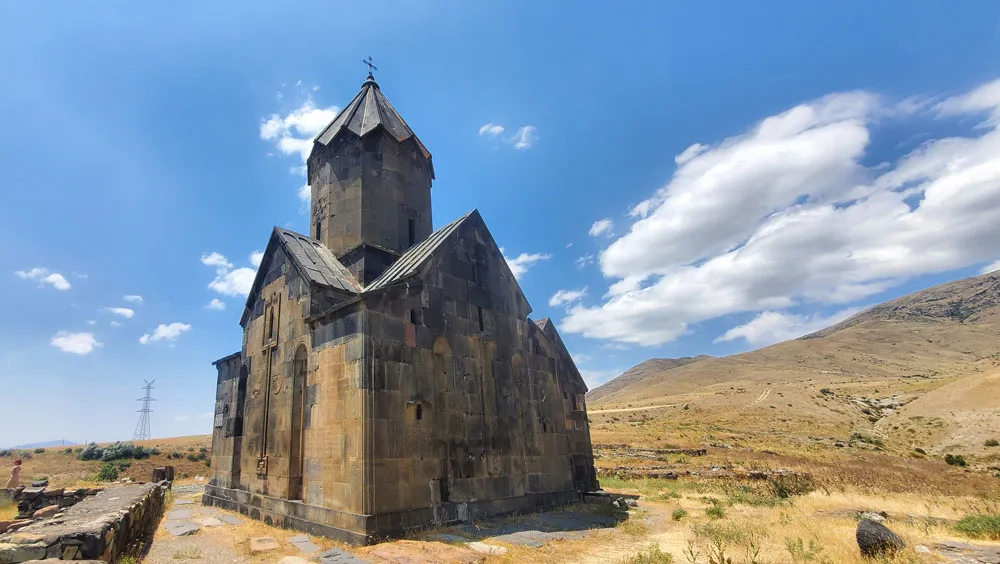
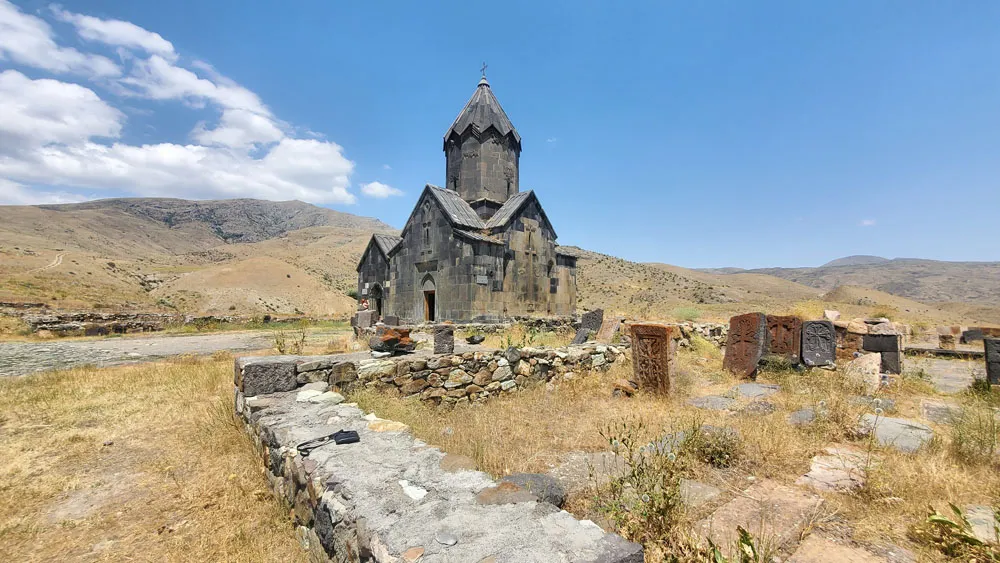
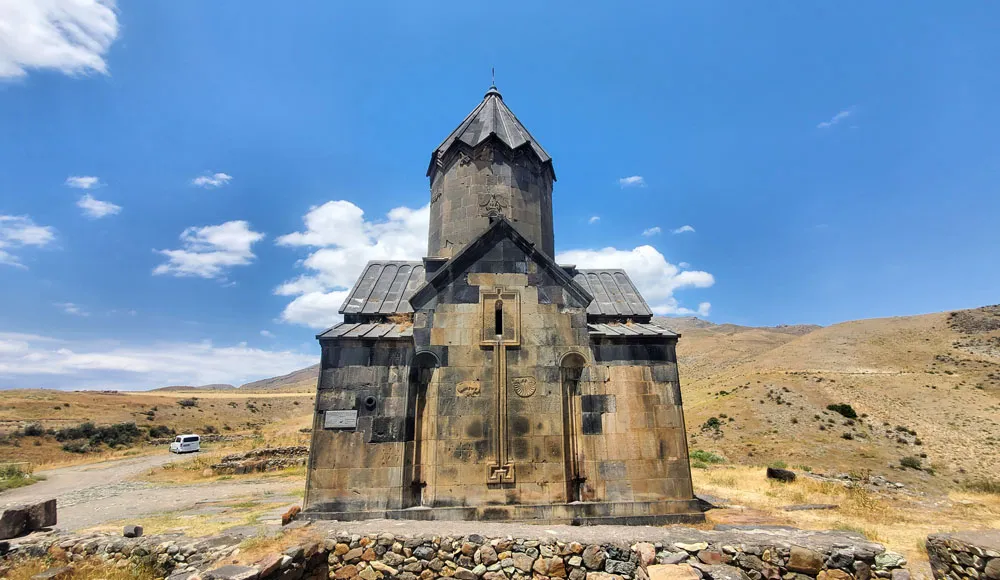
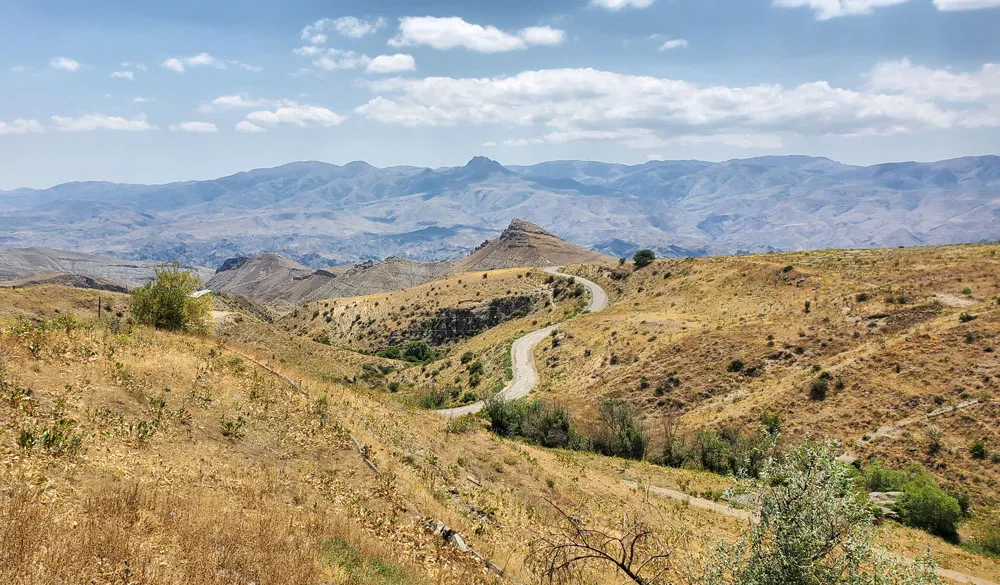
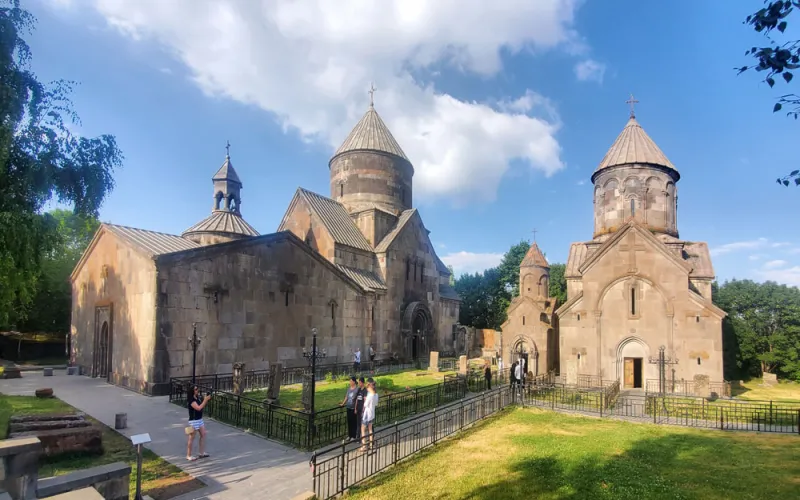
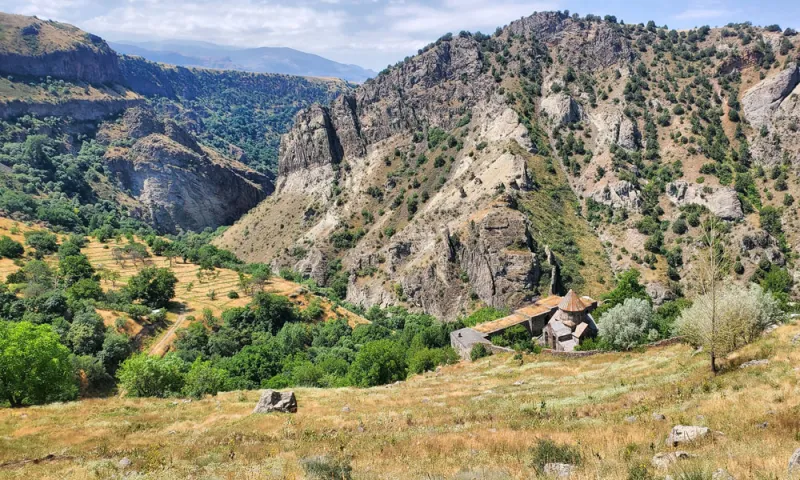
Tanahat Monastery is yet another fantasy-like Armenian monastic complex, so harmoniously fitted into nature that it seems a separate organism rather than dead stones. So among dry steppe hills at an altitude of 1,600 metres above sea level stand two beautiful churches, open to all visitors, with no caretaker and not a single person at all. Amazing.
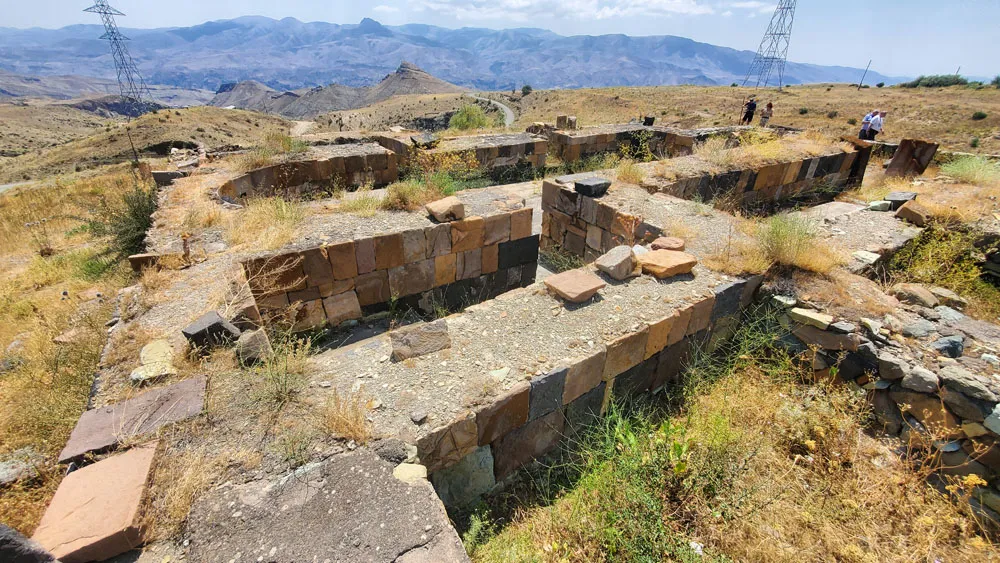
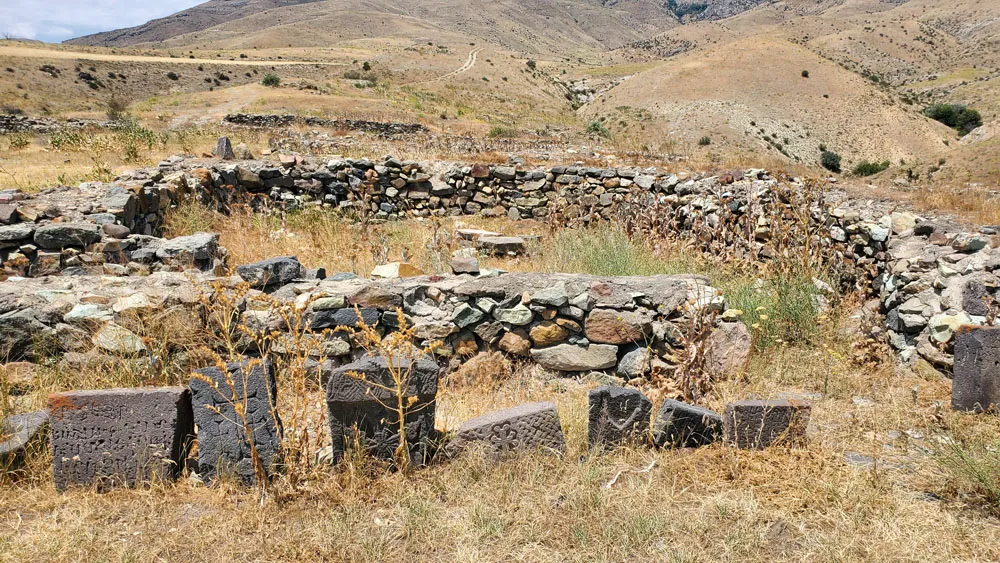
Tanahat Monastery was once considerably larger — this is indicated by the numerous foundations around the surviving churches: the larger, St. Stepanos, and the smaller, the Holy Sign. Some Armenian historians incline to the view that it was near Tanahat Monastery that the Gladzor University once operated — the most important educational institution of medieval Armenia. Near the monastery they have even put up signs to this effect — saying that these foundations are the former university. But there is no evidence, nor an exact location of the university. Strange. It is known who studied and who taught at this university, but where it stood is not known for certain, as if it had been hidden.
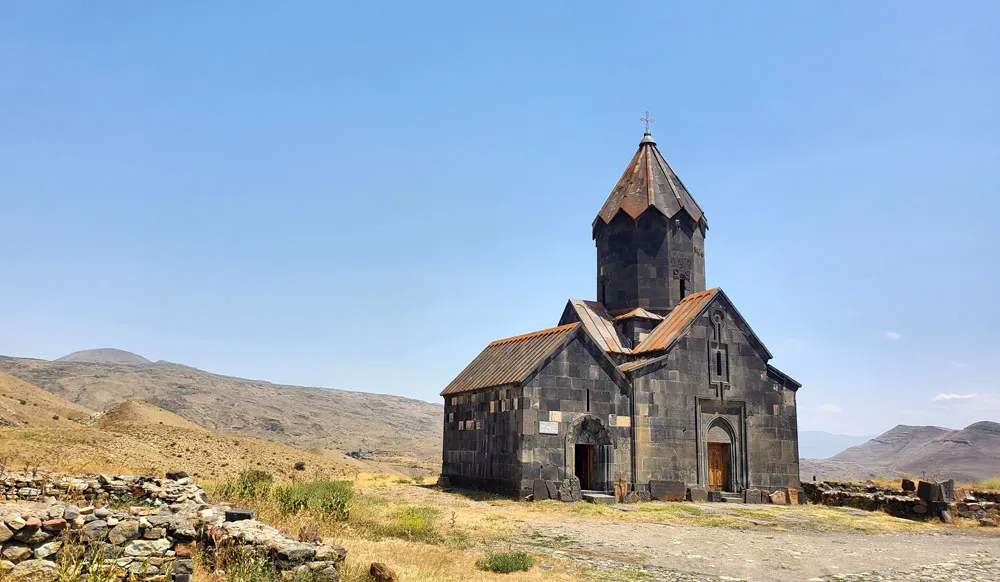
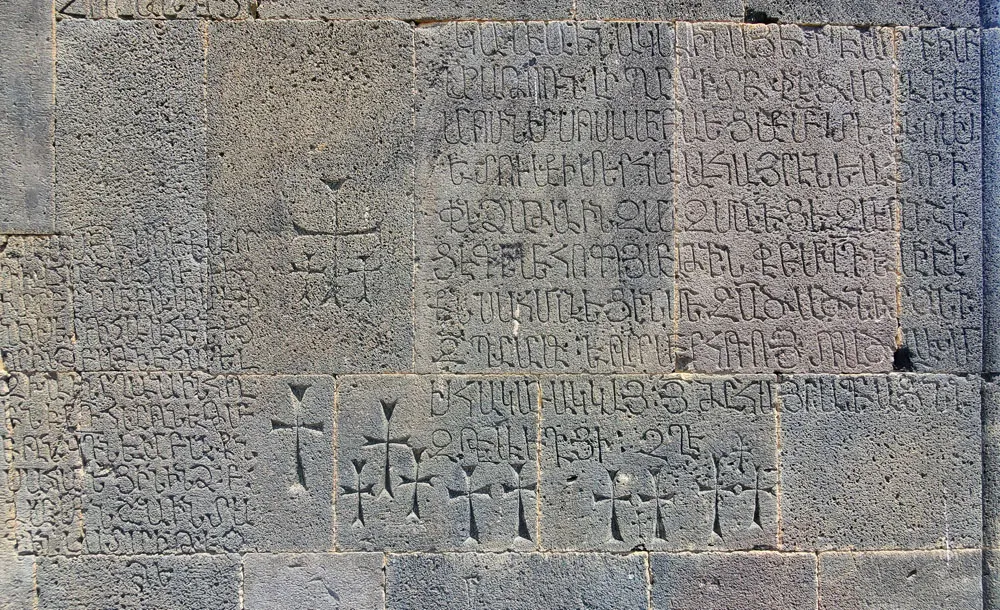
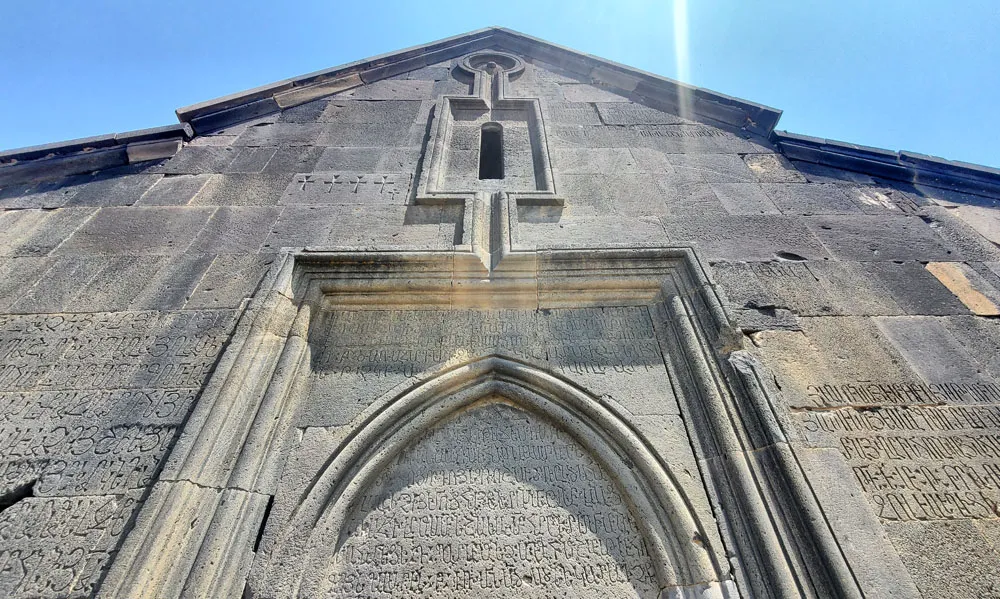
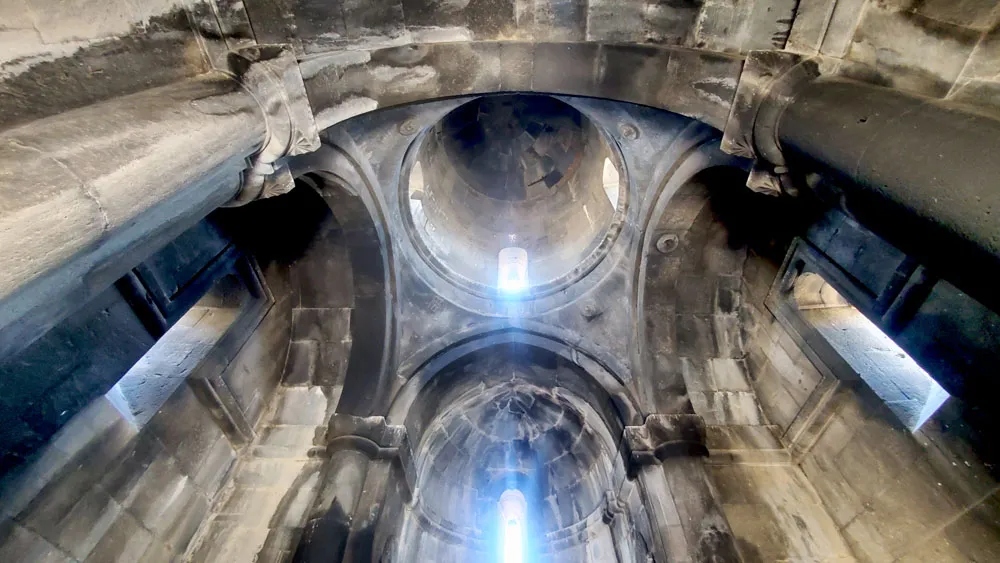
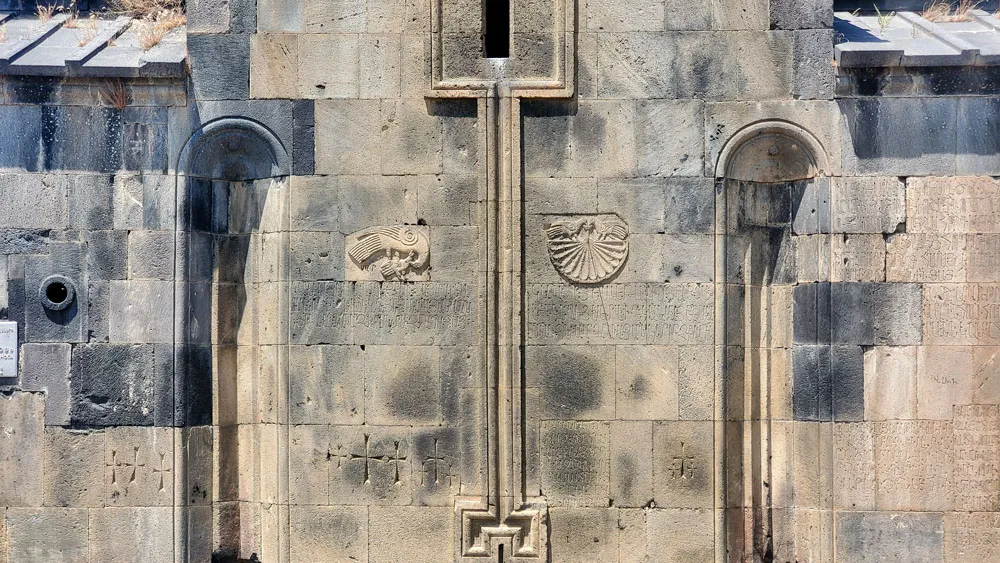
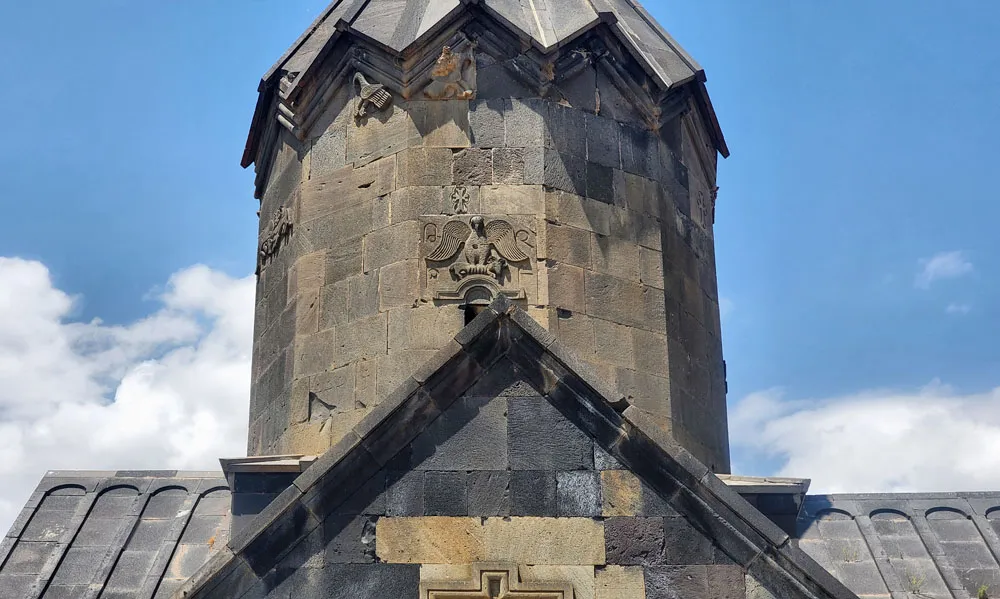
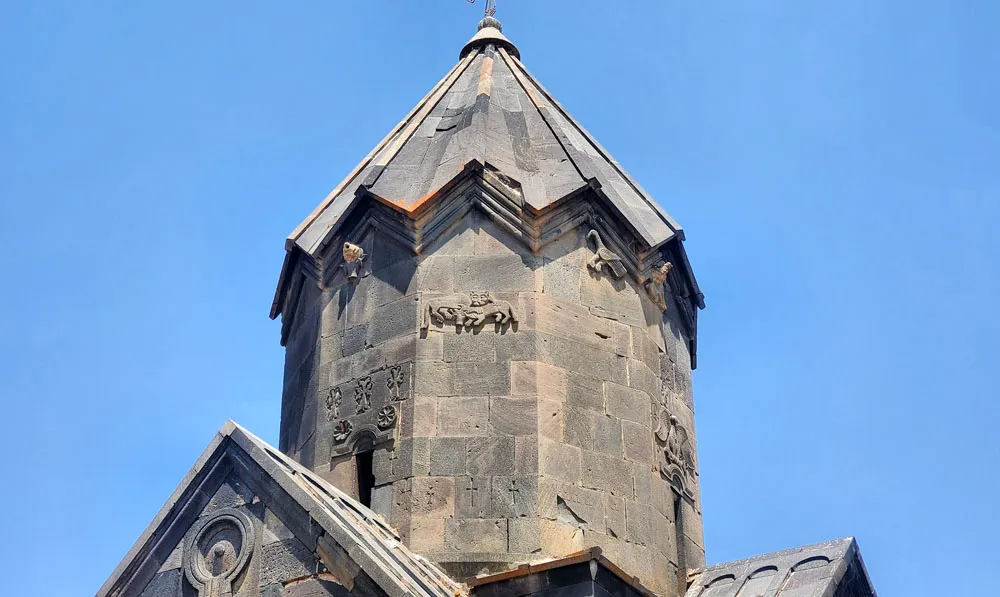
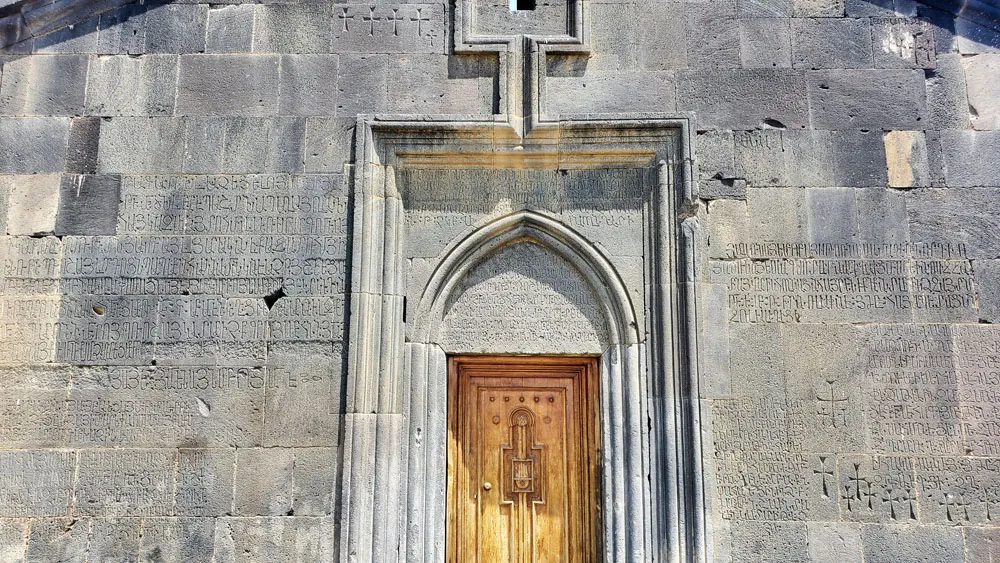
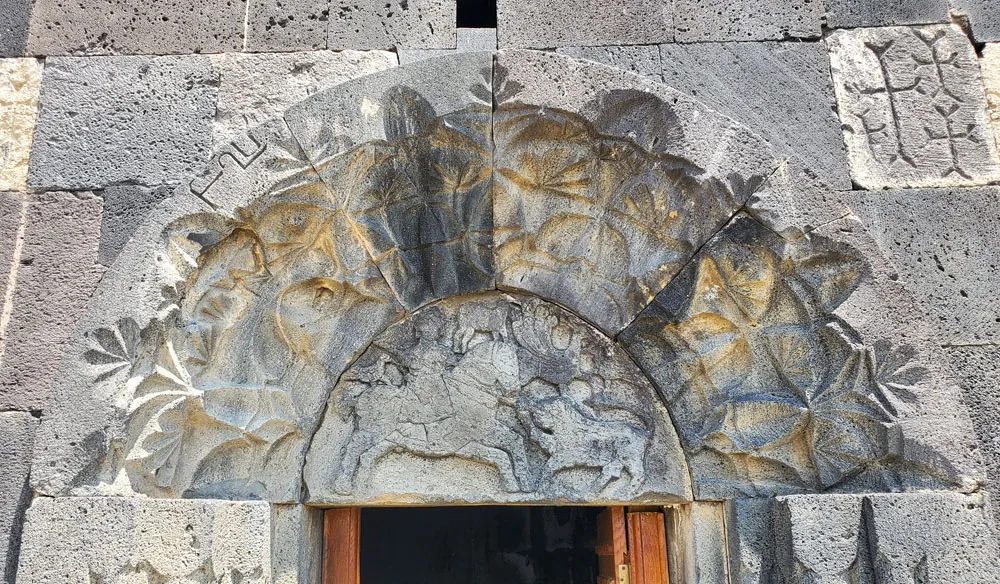
The main monastery church was built in 1271–1279 with funds from the Proshian princes and dedicated to St. Stepanos. It is a true work of art, with a host of wonderful and mysterious bas-reliefs, khachkars, inscriptions, and two two-storey side chapels. The church is crowned by a twelve-sided drum with a conical dome.
The smaller church, Surb Nshan (the Holy Sign), is attached to the larger one. It too was built in the 13th century, but exactly when is not known. The whole complex is yet another Armenian time machine. It will certainly not carry you into the future, but into hoary antiquity it can, especially here, in the empty steppe, where, if not for the power-line pylons, there would be no signs of modernity.
The monastery is located 5 km from the town of Yeghegnadzor. The road also passes through the village of Vernashen, where in an ancient church the museum “Gladzor University” operates.
Text and photos by Roman Malenkov