Armenia. Geghard. The monastery of the spear

· 2 min read
The Apostle Jude brought to Armenia the tip of the spear with which Jesus was pierced. Later this spear was kept for a long time in a monastery founded by Gregory the Illuminator in the 4th century, in a cave from which a sacred spring flowed. Thanks to the spear the monastery received the name Geghard (in Armenian, “spear”). Today the spear is kept in the museum of the city of Vagharshapat. Interestingly, spearheads said to be the one with which Longinus pierced Jesus also exist in Paris and Vienna, and once there were others in Kraków and Antioch. Which of them is genuine, who knows – probably none.
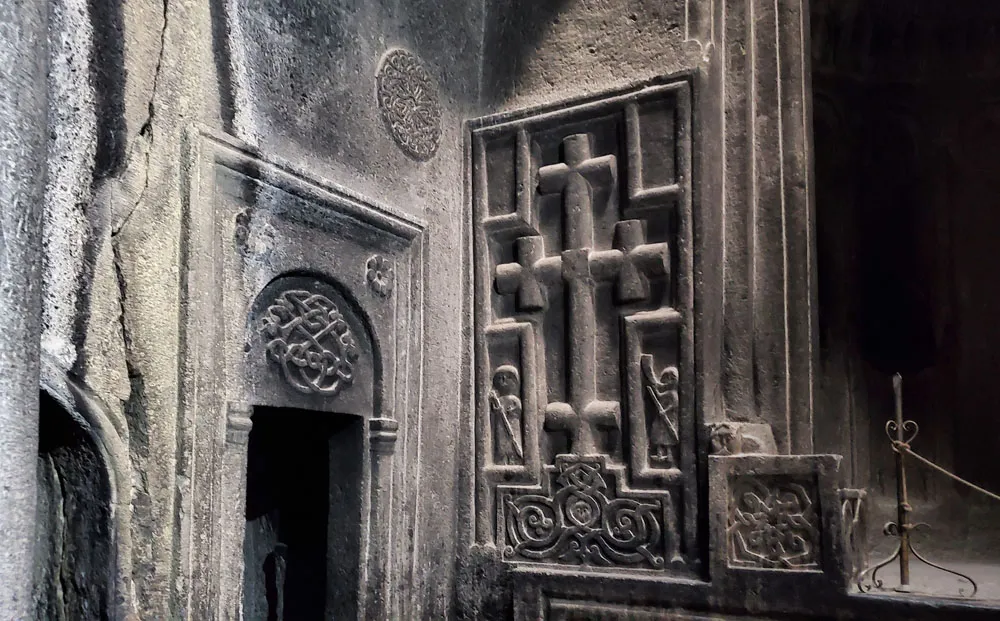
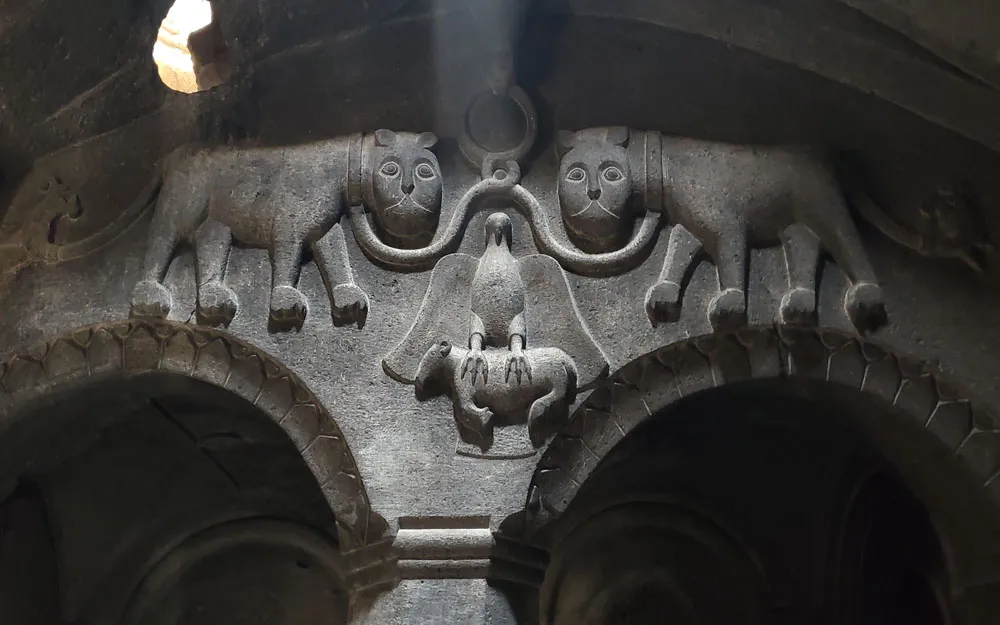
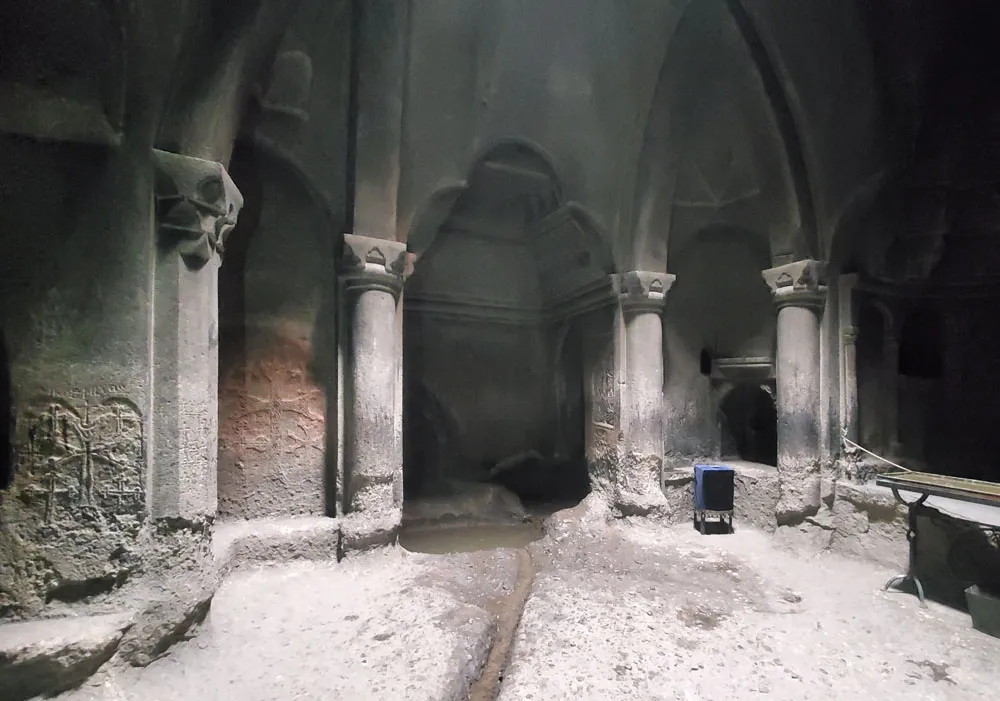
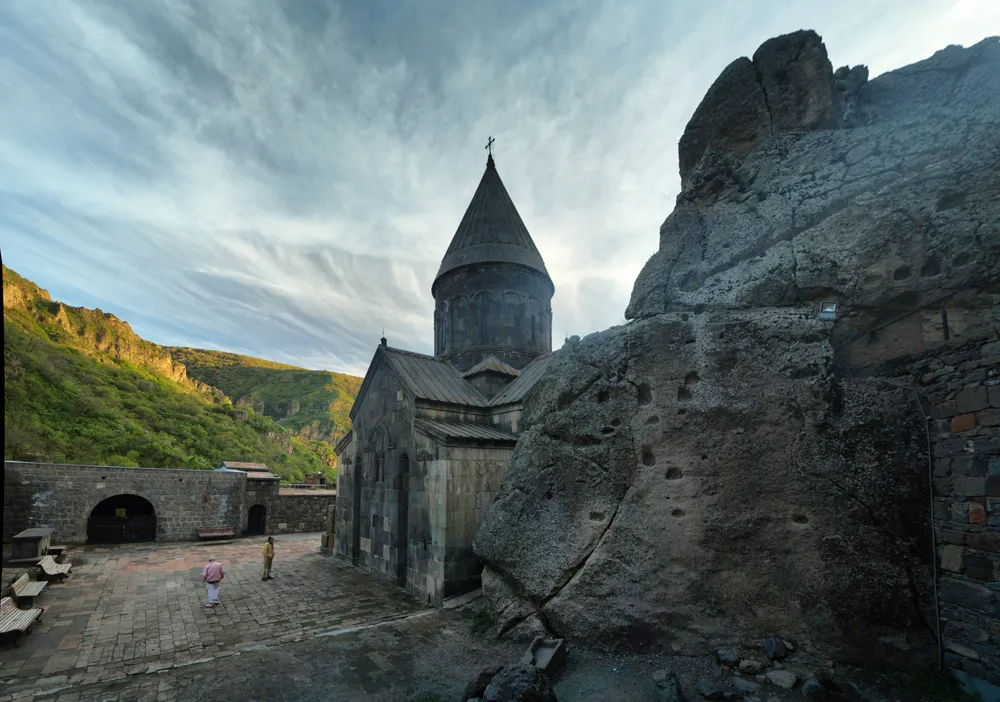
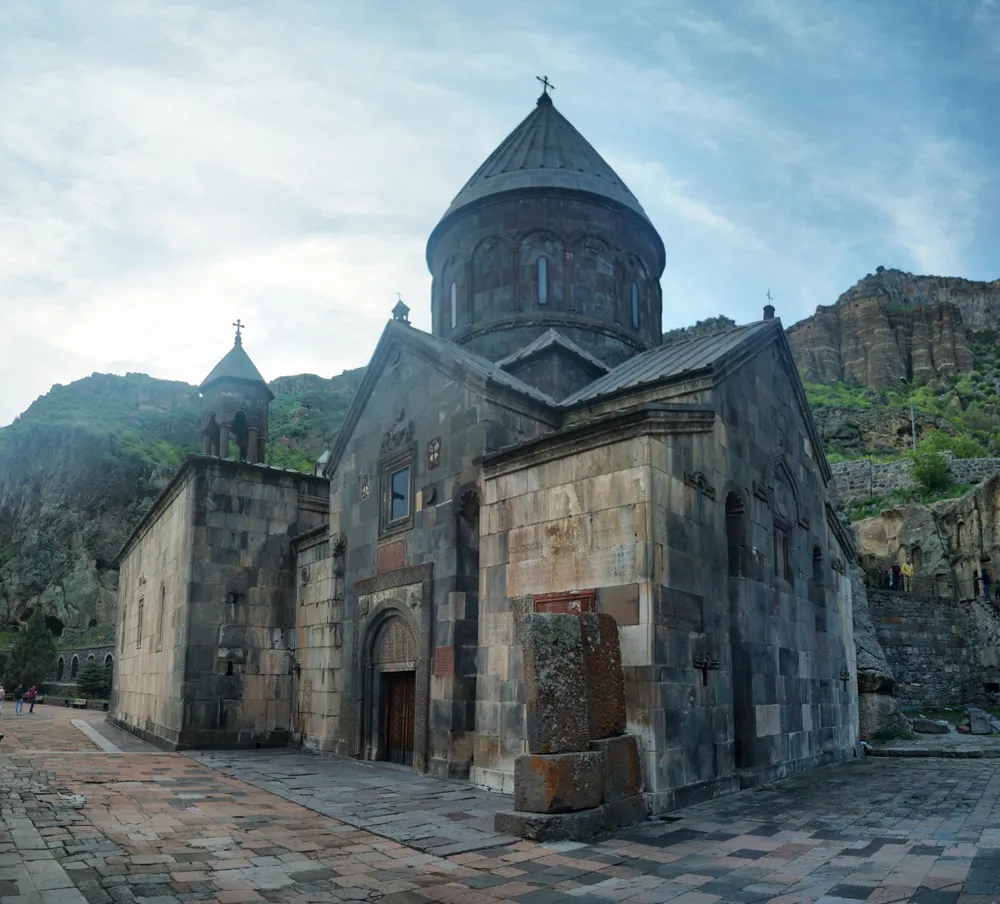
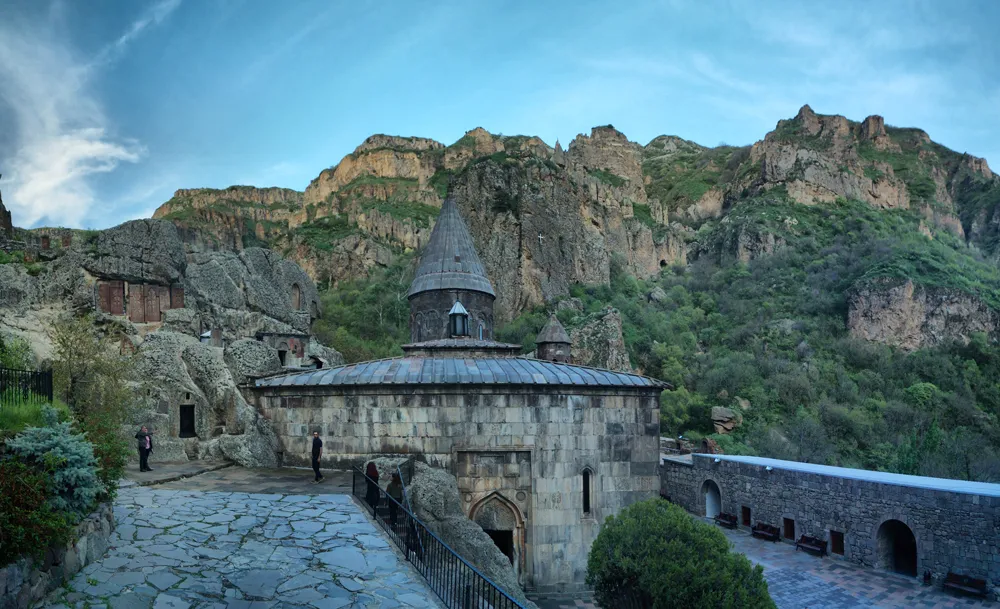
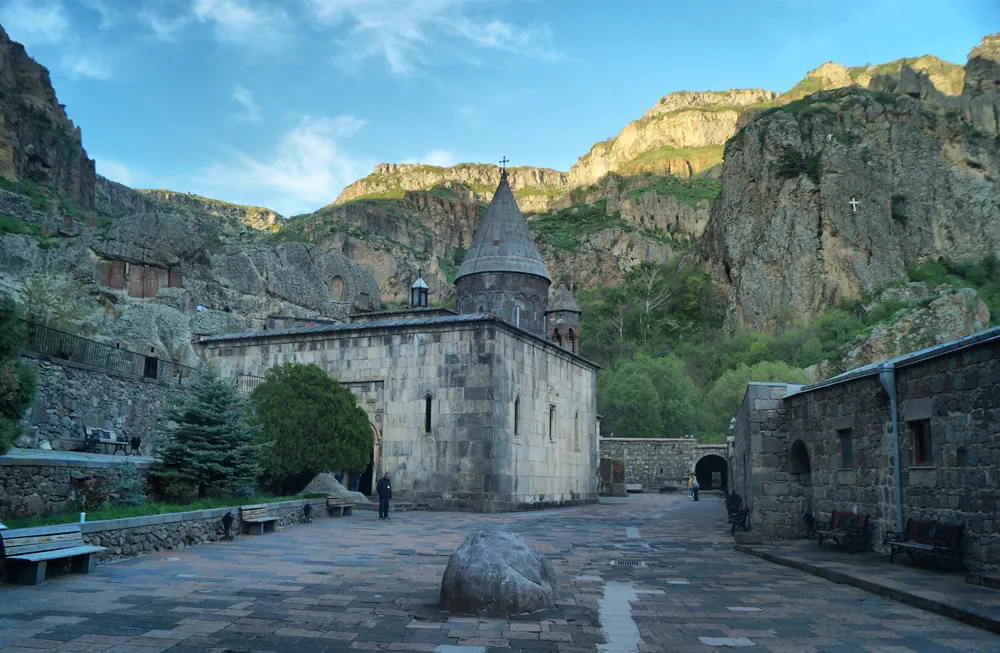
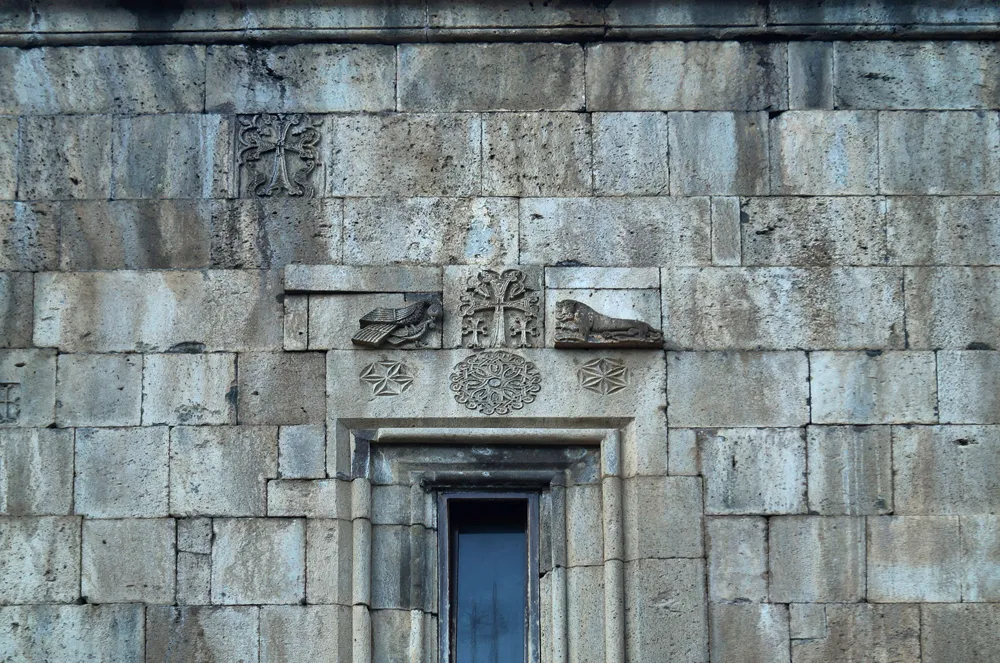
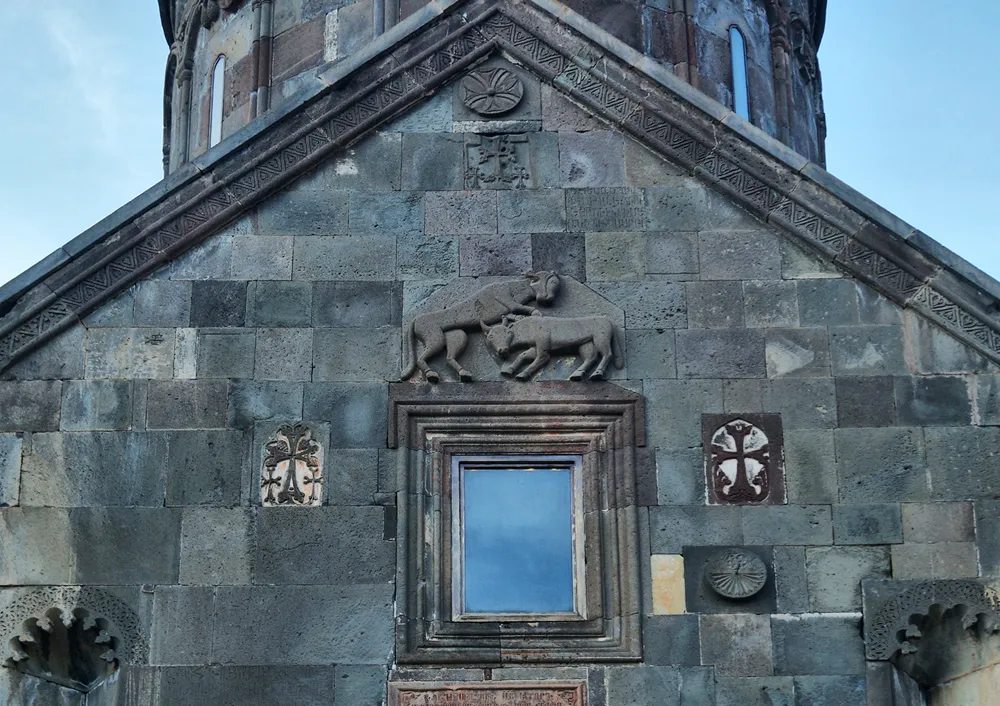
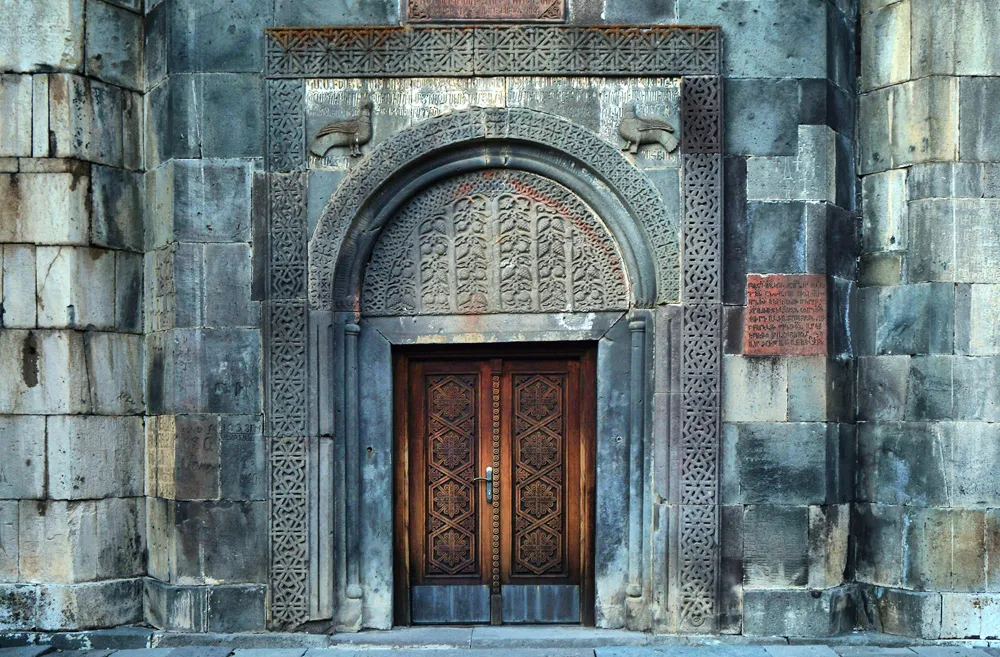
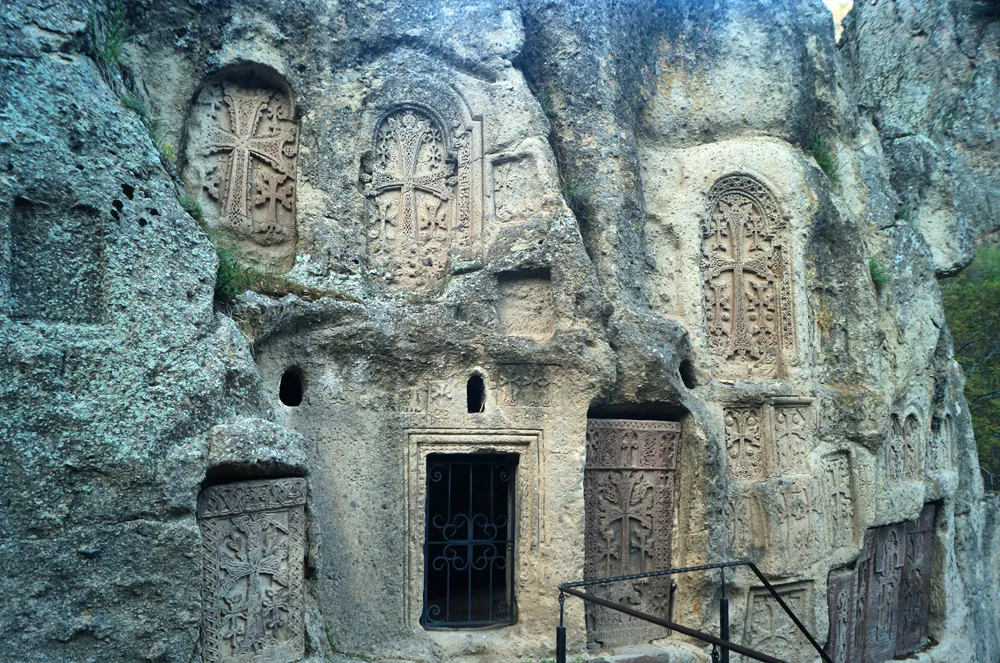
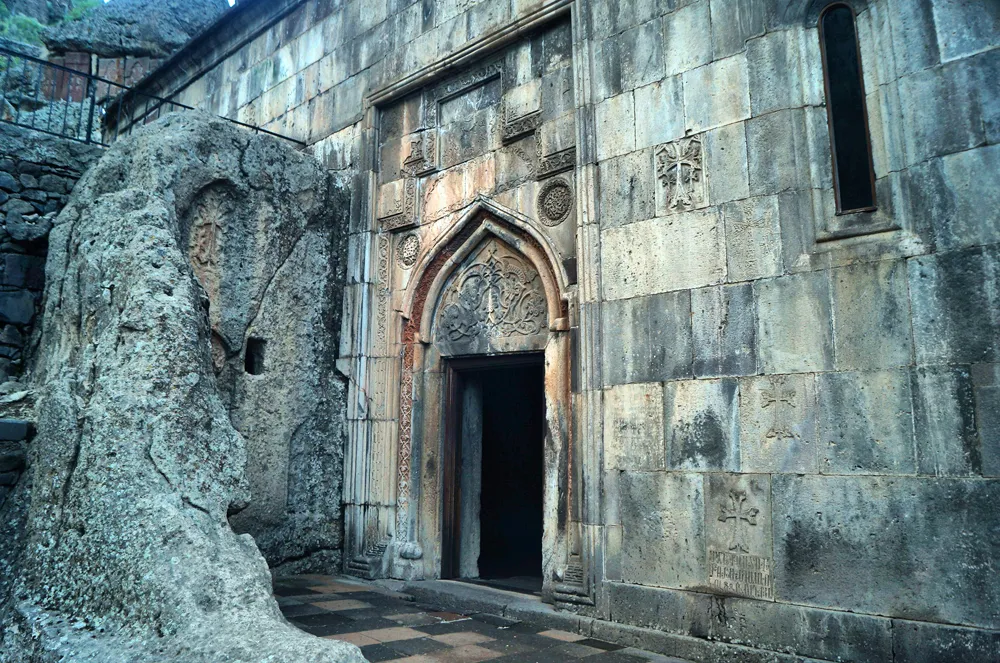
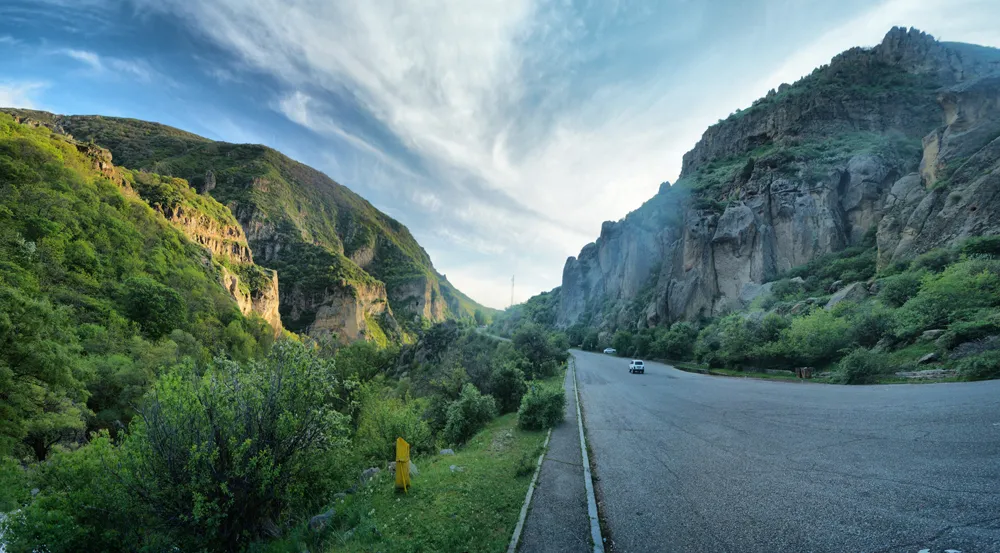
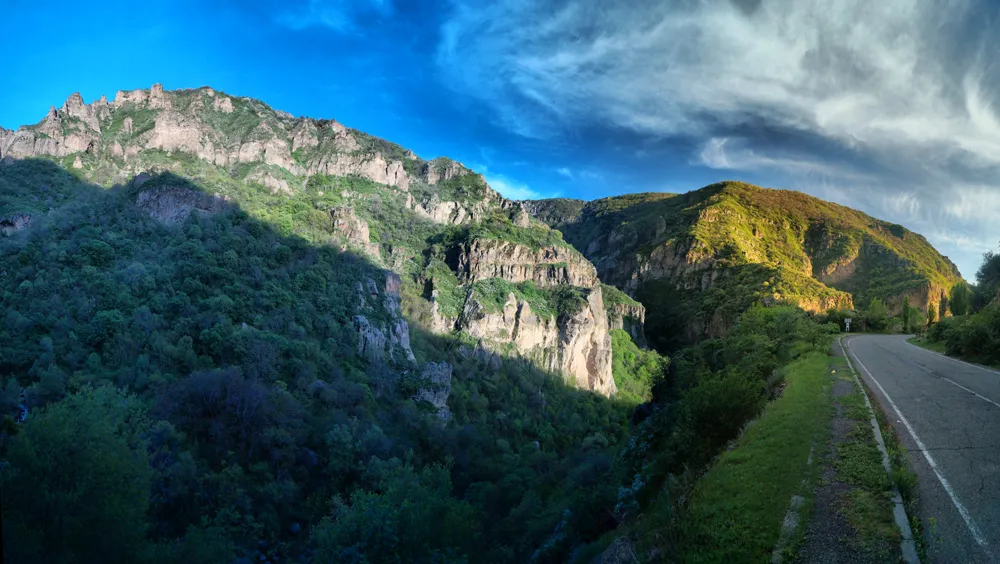
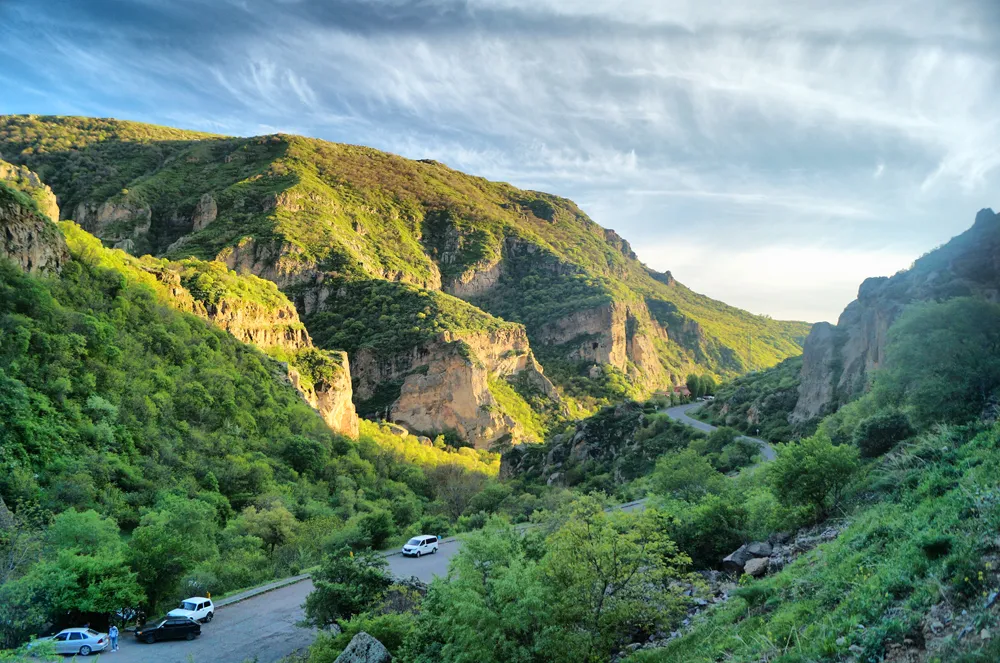
Geghard Monastery (geghard means “spear” in Armenian; the monastery’s other name is Geghardavank) is a UNESCO World Heritage site. It is a unique complex situated in a deep gorge. Once it was exclusively a cave monastery, and so it was called Ayrivank (Armenian for “Cave Monastery”). The caves and cave churches have survived to our day, but the main place is nevertheless occupied by the above-ground church – the Katoghike, built in 1215, after the victory of the Georgian army over the Seljuks, at the order of the Georgian Queen Tamar. The church was built by the commanders, the brothers Zakare and Ivane, over a cave with a sacred spring. Incidentally, that spring exists even now – it flows from the cave chapel to the left of the gavit, and this is amazing – I have never seen another church in which a spring flowed.
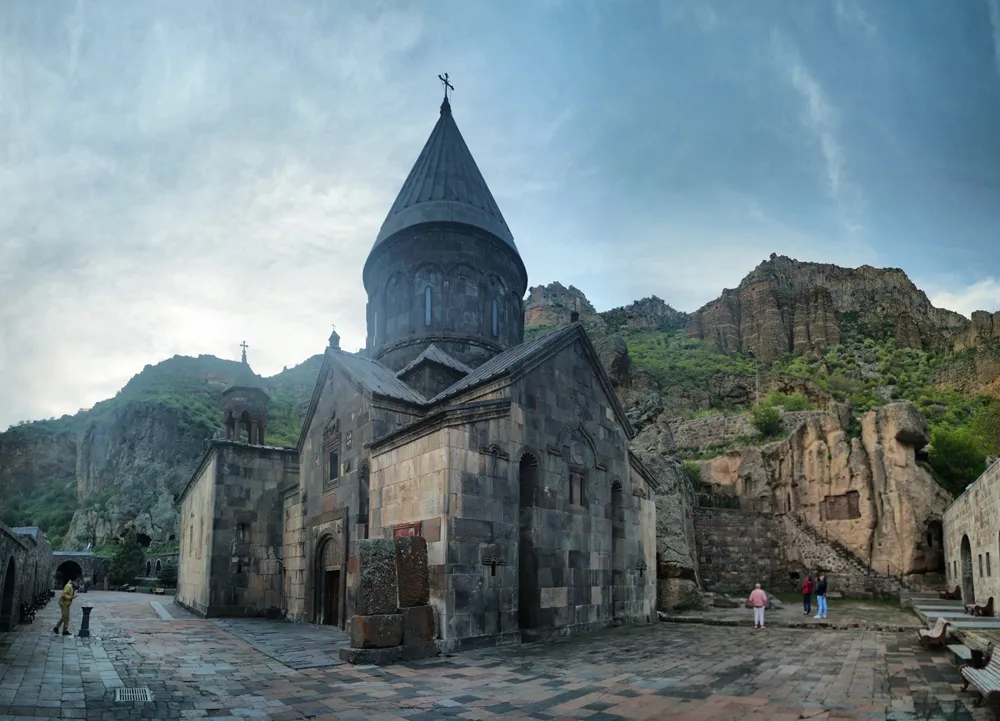
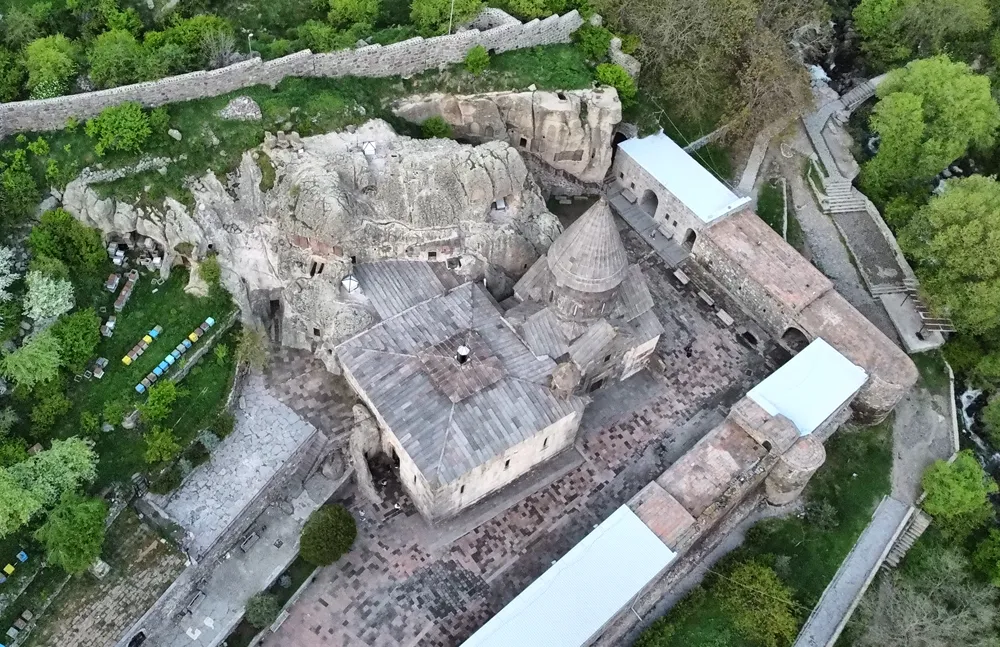
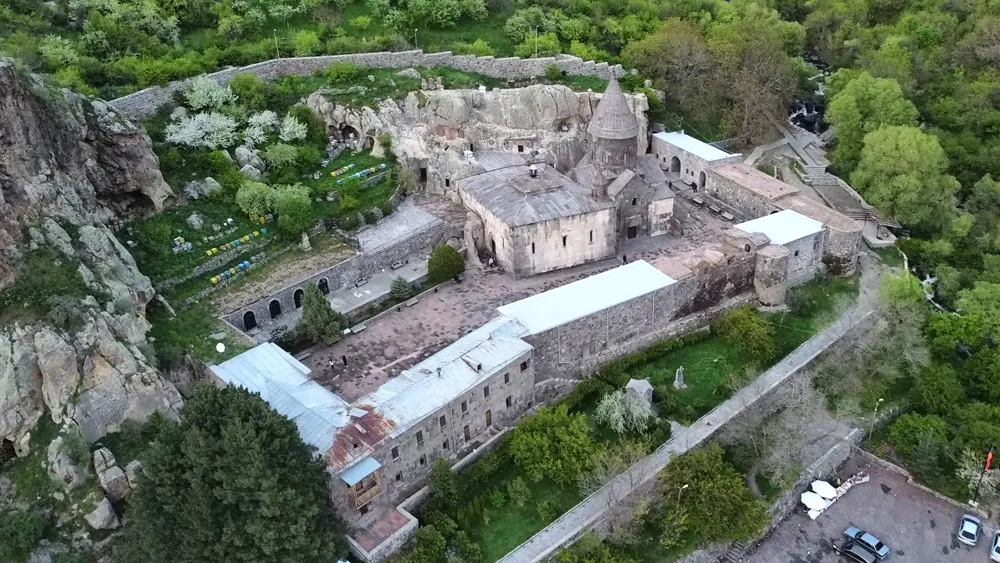
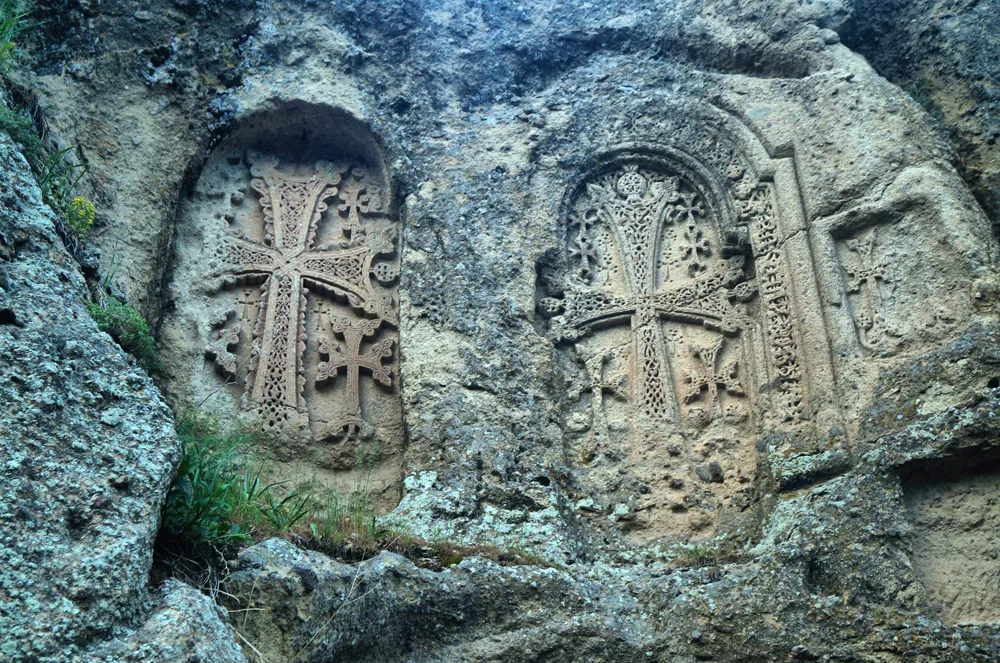
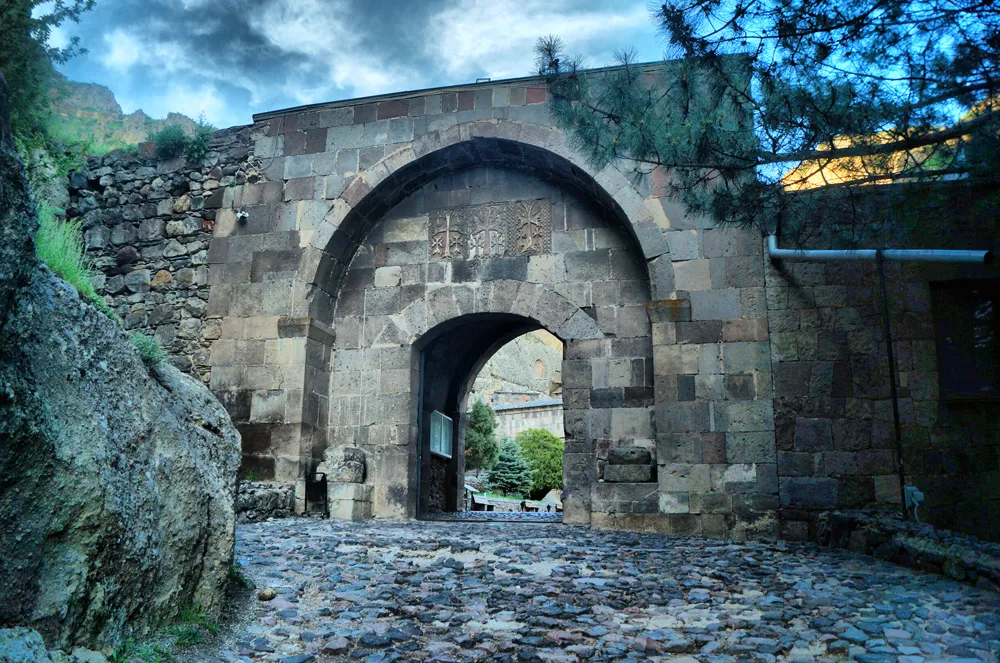
The monastery is surrounded by a defensive wall, along whose inner perimeter buildings for the monks were erected. A considerable part of the monks used to live outside the walls, in cave churches hewn into the surrounding rocks.
The monastery’s real heyday began in the middle of the 13th century, after the monastery lands were bought by the Armenian prince Prosh Khaghbakian – a vassal of the Georgians and the founder of the Proshian family. The monastery became the family burial place of the Proshians, and of Prince Prosh himself – his grave is in a chamber beside the gavit.
In the time of the Proshians the monastery had seven churches and forty altars. It was the richest in Armenia, but later began to decline. There were fewer and fewer monks, who lived here only in summer and moved to Echmiadzin (Vagharshapat) for the winter. It came to the point that some of the monastery buildings fell into ruin, and the main church became a refuge for robbers and nomads. Restoration began after Russia’s conquest of Armenia. Today the monastery is beautifully restored and active, although there are few monks here. It is one of the main pilgrimage sites in Armenia and one of the country’s main tourist centres. It is 40 km from Yerevan.
Text by Roman Malenkov, photos by Roman Malenkov and Hanna Nedielina.
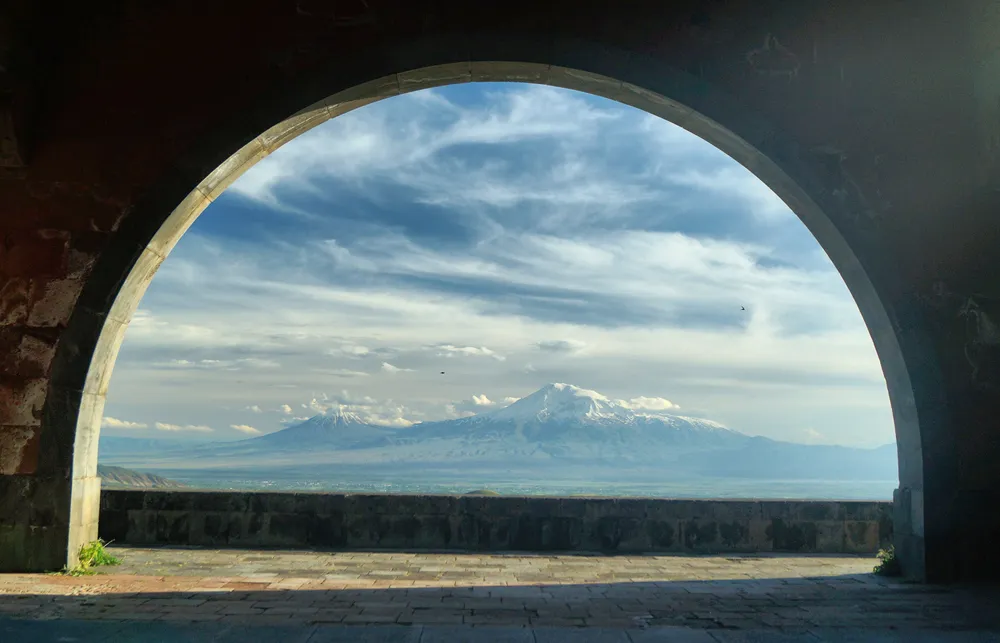
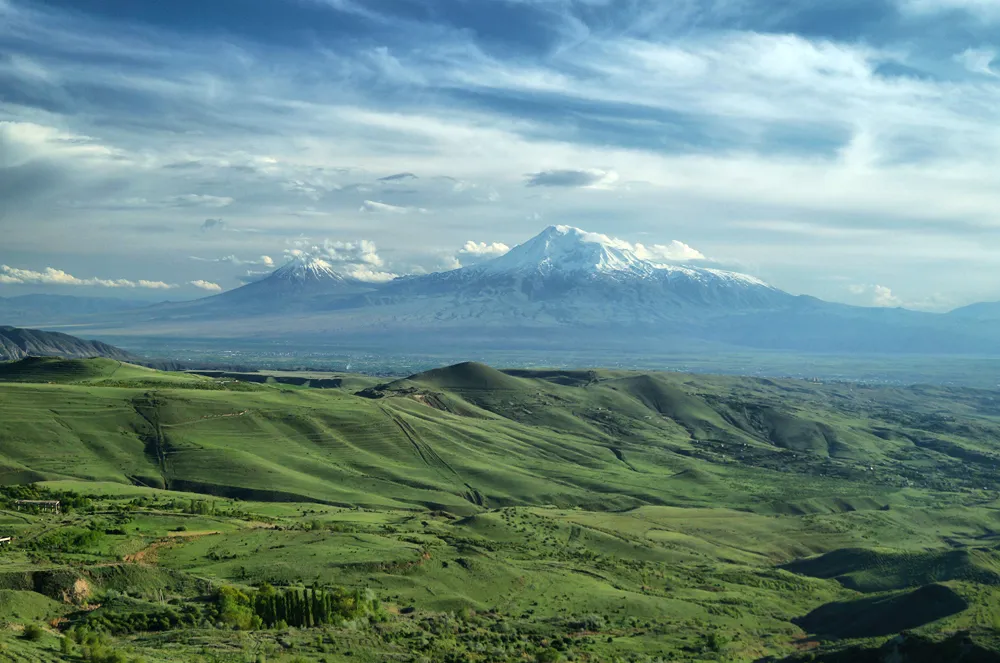
The last two photos show Ararat from a viewing platform not far from Geghard.