Volokytyne

· 2 min read
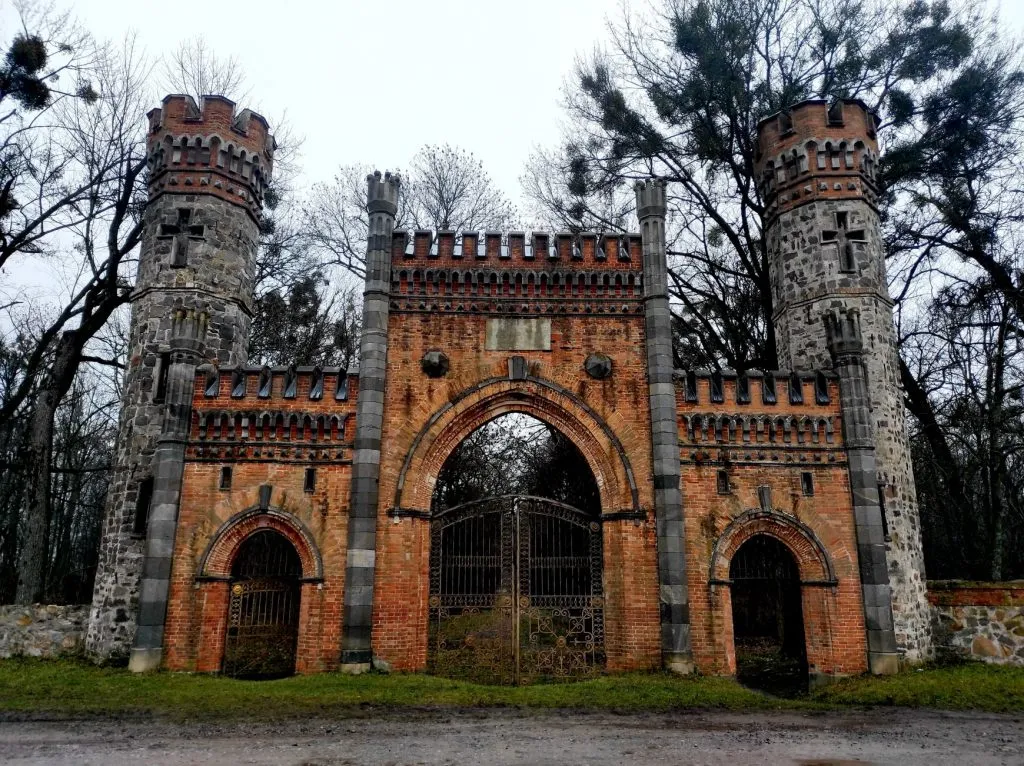
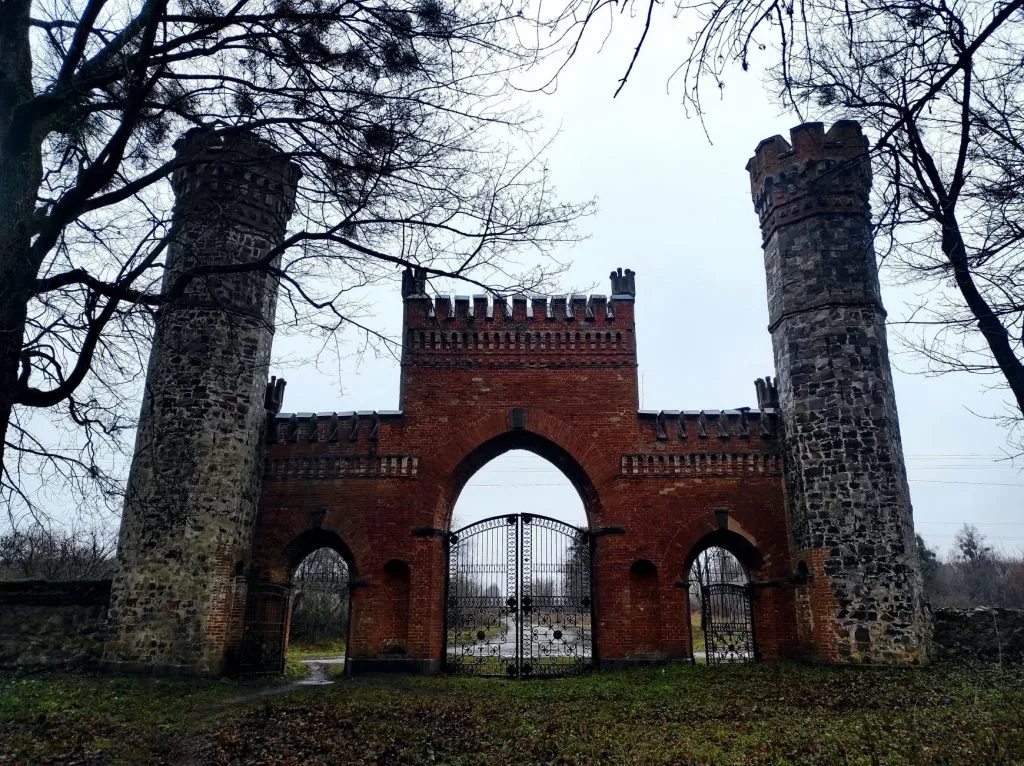
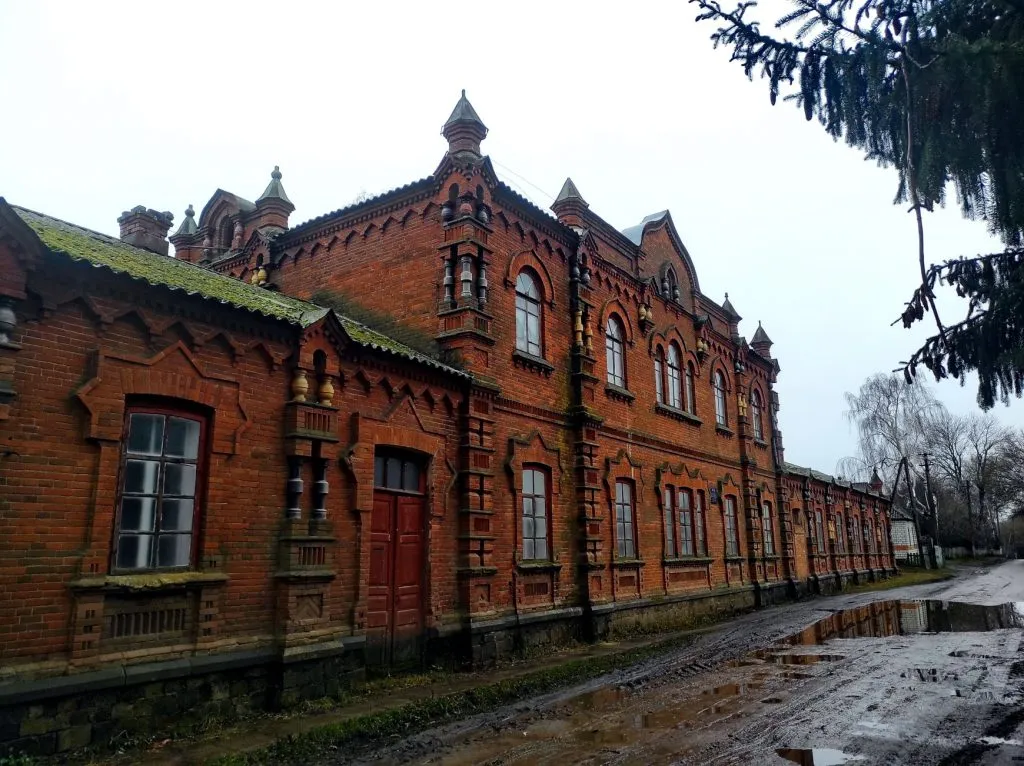
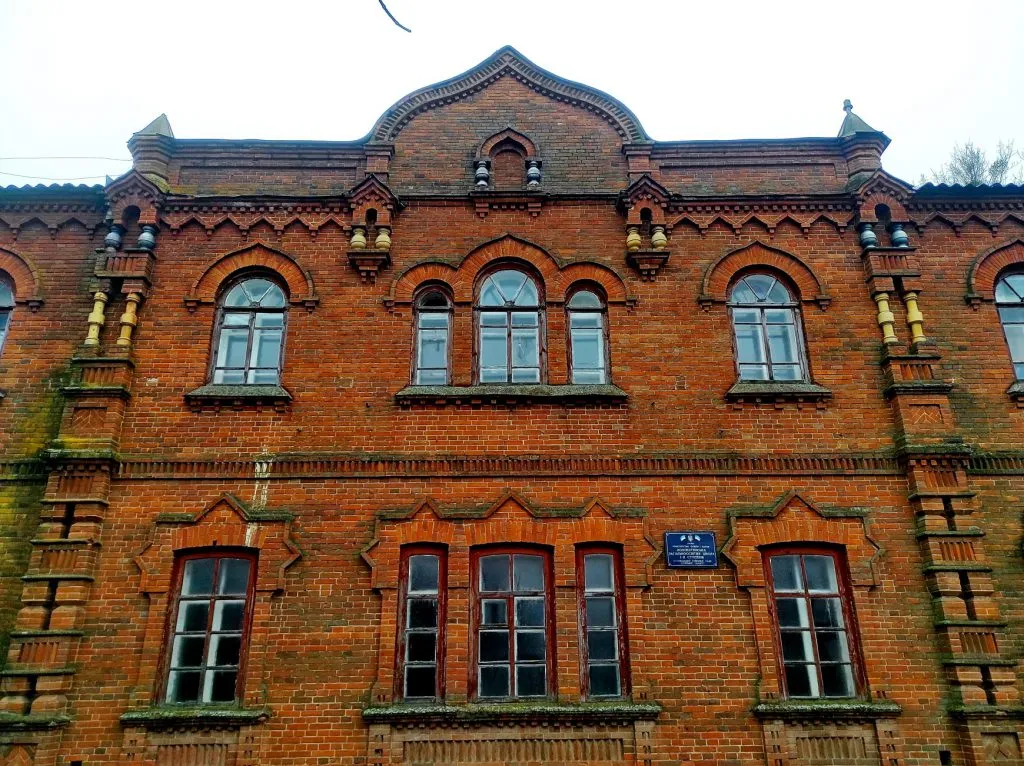
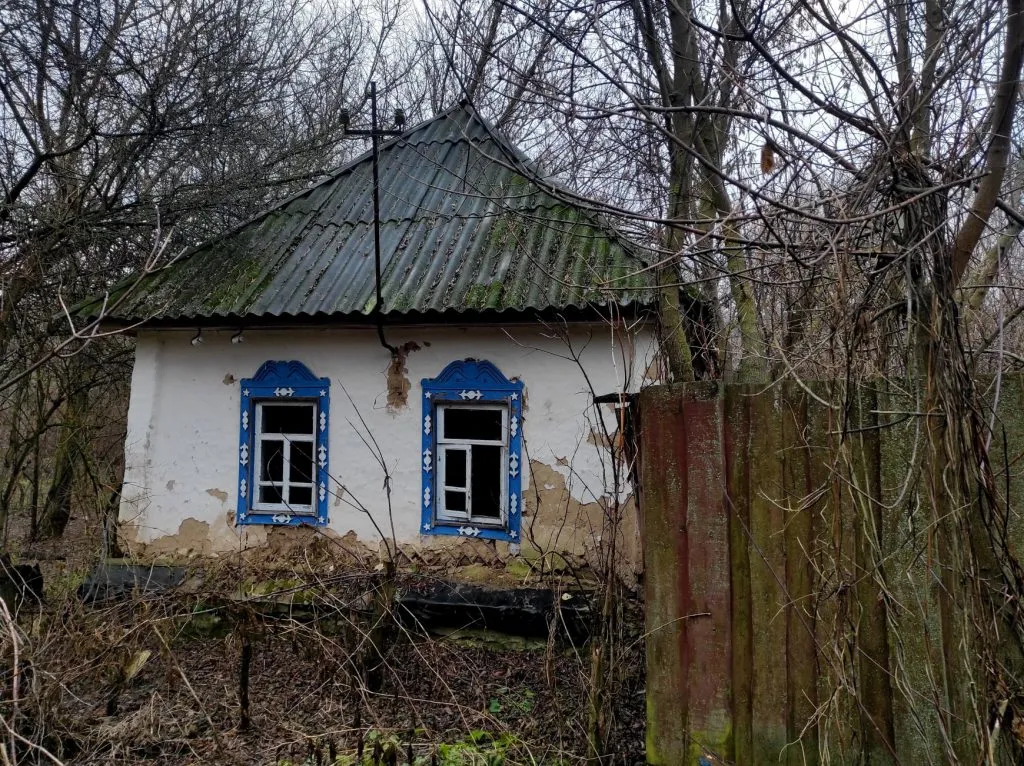
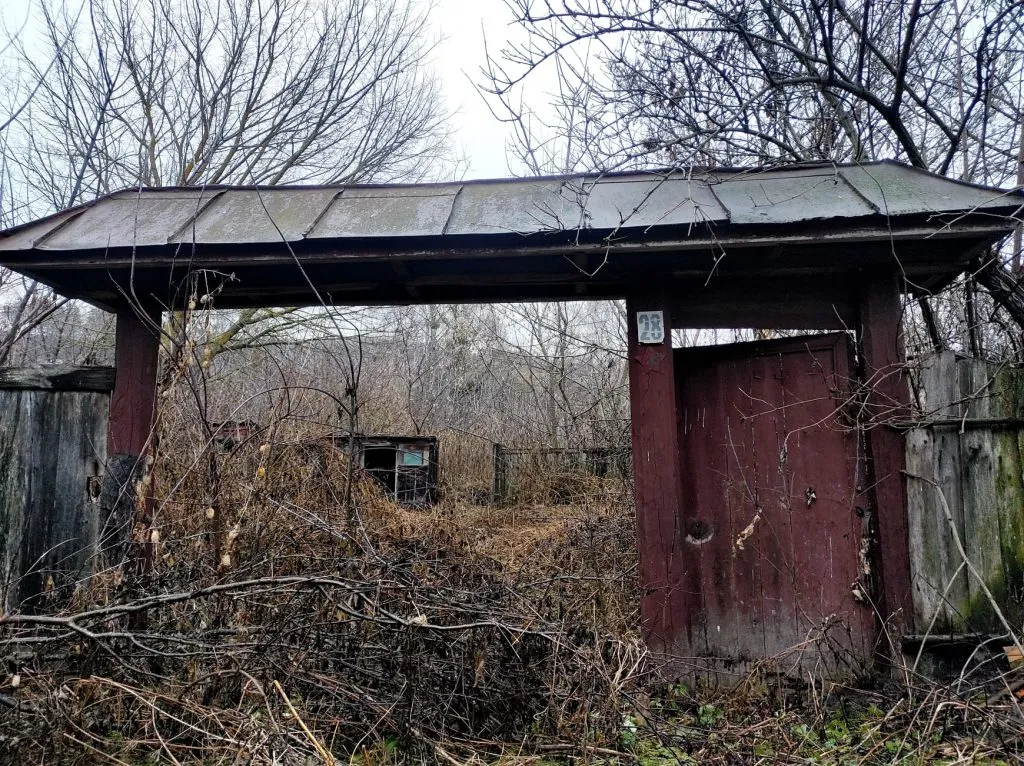
If you want to learn the real strength of your car, head to Volokytyne. It is a village in Sumy Oblast near the Russian border, somewhere between Hlukhiv and Putyvl. The perfectly preserved cobbled road, many kilometres long, will exhaust your car, but once you arrive you understand that the goal justifies the losses. Once a fairly large town, a centre of the empire’s porcelain industry, it is now a barely living village with dying houses and farmsteads. But there is a point in going there right now. In a couple of decades you may not find the architectural gems that remain there. Among them are the pompous manor ceremonial entrance gates of 1875, the so-called “Golden Gate”, and the quite attractive and well-preserved almshouse building of the Myklashevsky family from the late 19th century, now a school. Of the village’s lesser sights there remain the manor park, the place where the manor Church of the Intercession stood with its entrance gate, which has survived as well as the ceremonial one, and several farm buildings of the early 20th century. Unfortunately, in Volokytyne one can no longer see the world-famous porcelain manufactory (there is an article about it in Ukrainian Wikipedia), the manor house-palace of Andrii Myklashevsky – a patron of the arts and the maternal grandfather of Pavlo Skoropadskyi, the last Hetman of Ukraine – or the already mentioned stone Church of the Intercession of 1857 with its unique porcelain iconostasis, windows and chandeliers. The only such church in the world did not survive Soviet rule and was destroyed and plundered in 1958.
A pleasant bonus of visiting Volokytyne is the exceptionally beautiful nature. The confluence of the Esman and Klevin rivers, deciduous and pine forests and unploughed natural meadows lend this area a special colour.
Text and photos by Oleksandr Parkhomenko.