

Vozdvyzhenske

· 5 min read
The village of Vozdvyzhenske in the Yampil district is unique. Not that it has any extraordinary landmarks, or that events that influenced the course of history took place in it. But at the end of the 19th and beginning of the 20th century there existed here, and very successfully, a society in miniature, with its own charter, professing Christian ideas, and founded on faith, love and labour.
And all this was the achievement of one man, who nurtured, organised and created such a local social centre – in the opinion of some an earthly paradise, of others a utopia – the local landowner Mykola Mykolaiovych Nepliuiev (1860–1908).
We will not describe the whole genealogy; it is very old and famous, going back to Andrii Kobyla, a boyar in the time of Ivan Kalita, who in one of its branches gave rise to the Romanov dynasty.
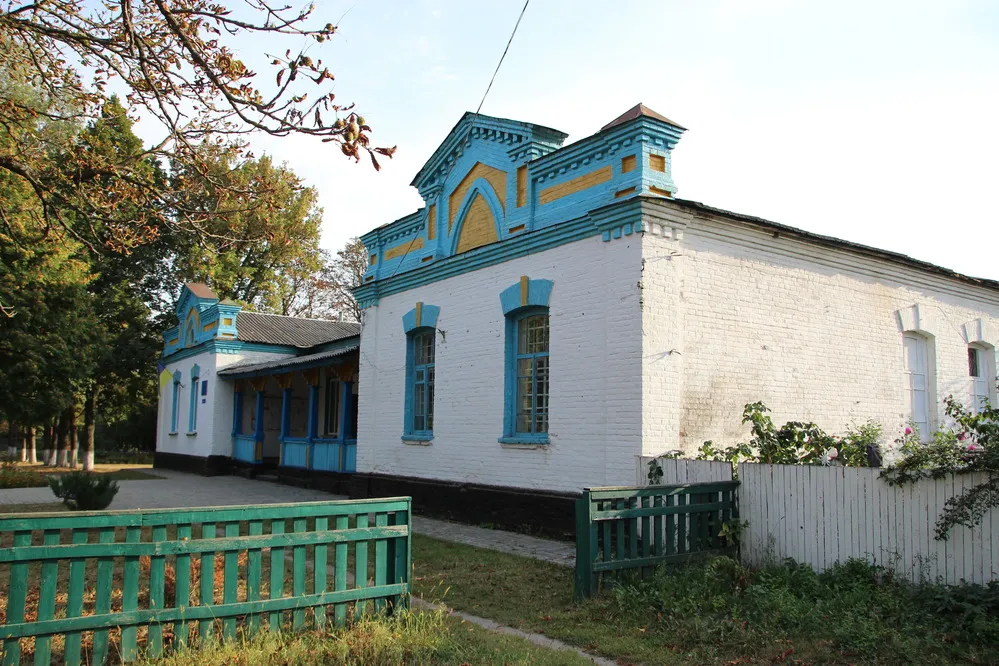
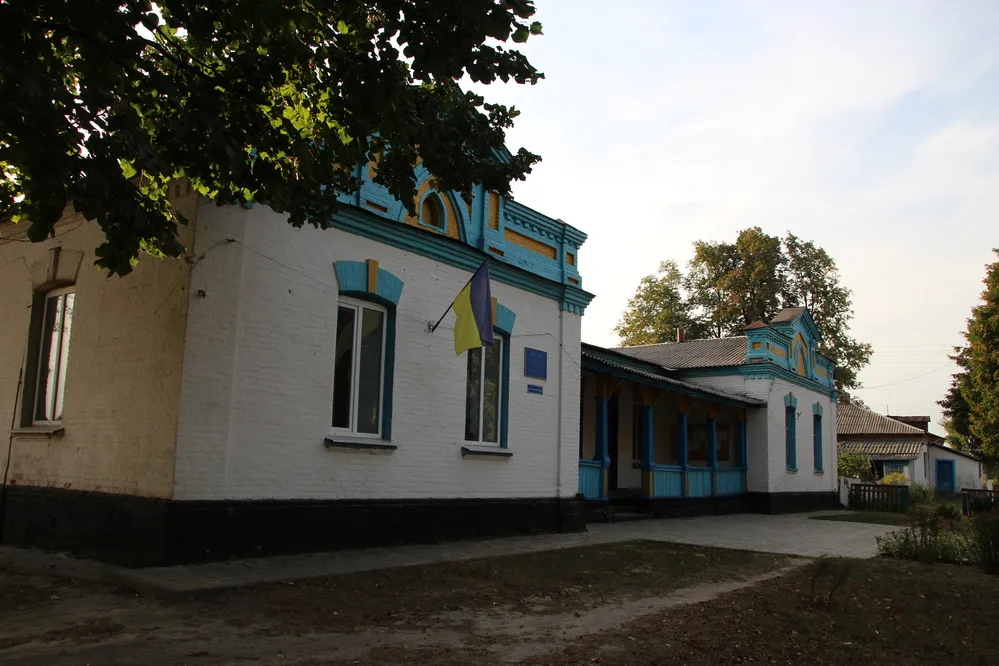
The father of Mykola Mykolaiovych Nepliuiev, Mykola Ivanovych Nepliuiev (1825–1890), was a rich man who received a large inheritance from his parents (from his father – the Poddubne entail (6,000 desiatinas of land) and the town of Yampil (30,000 desiatinas), and from his mother – an estate in Picardy). In 1863 he headed the Hlukhiv district nobility, and from 1872 to 1890 he was already marshal of the nobility of the Chernihiv Governorate, with the rank of privy councillor.
His son, Mykola Mykolaiovych Nepliuiev, the hero of our story, was one of the largest landowners of his time, and at the same time a public and civic figure, and a considerable educator and thinker, of European scale.
After completing his studies at the academy, already holding ideas for building the structure of a separate, perfect society, having received in 1882 as a gift from his father the Vozdvyzhenskyi farmstead and obtained his consent to economic independence, he began to put these ideas into practice.
He began by opening an orphanage, which became the seed for an agricultural school for boys in 1885 in Voznesenske; in 1891 the same kind of school for girls opened in Preobrazhenske. All the children studied free of charge. Between the founding of these schools, already in 1889, right after the first graduation of the agricultural school, Nepliuiev founded from its graduates a community – the “First Labour Brotherhood”. In 1893 the “Charter of the Orthodox Holy Cross Labour Brotherhood” was approved, and a year later, by decree of Alexander III, the brotherhood received official status.
The main ideas of the brotherhood were free brotherhood of Christians in the community, humaneness, complete demilitarisation, collective ownership and common labour with equal distribution of the results of activity.
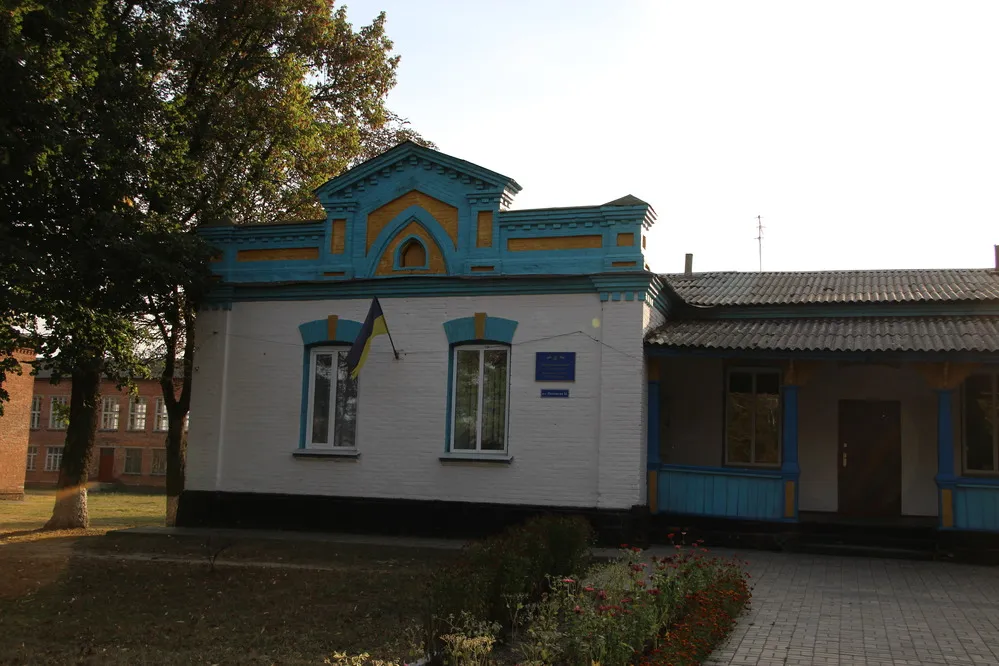
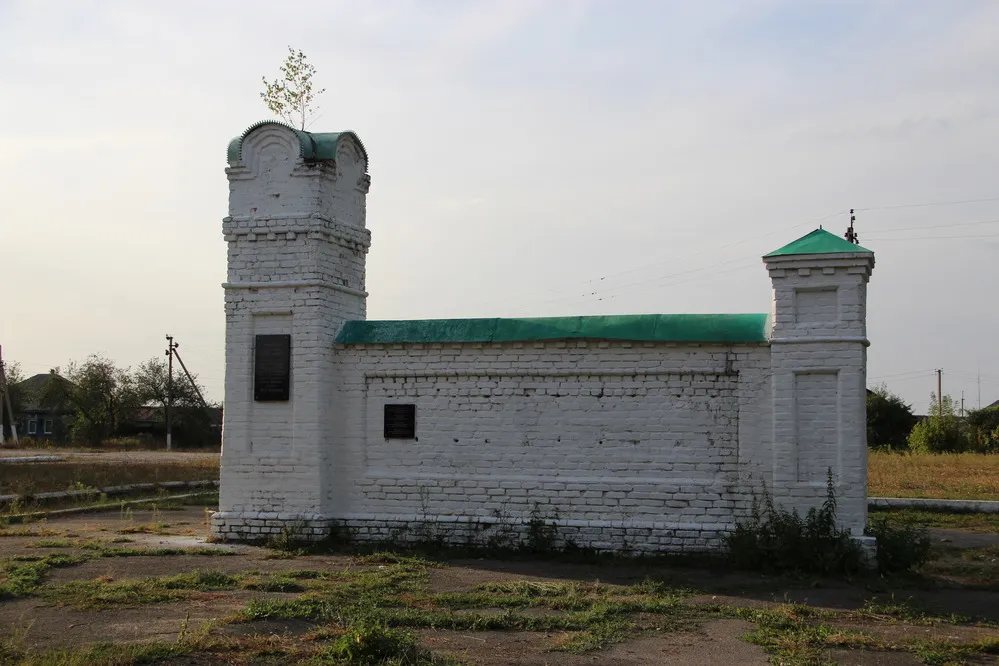
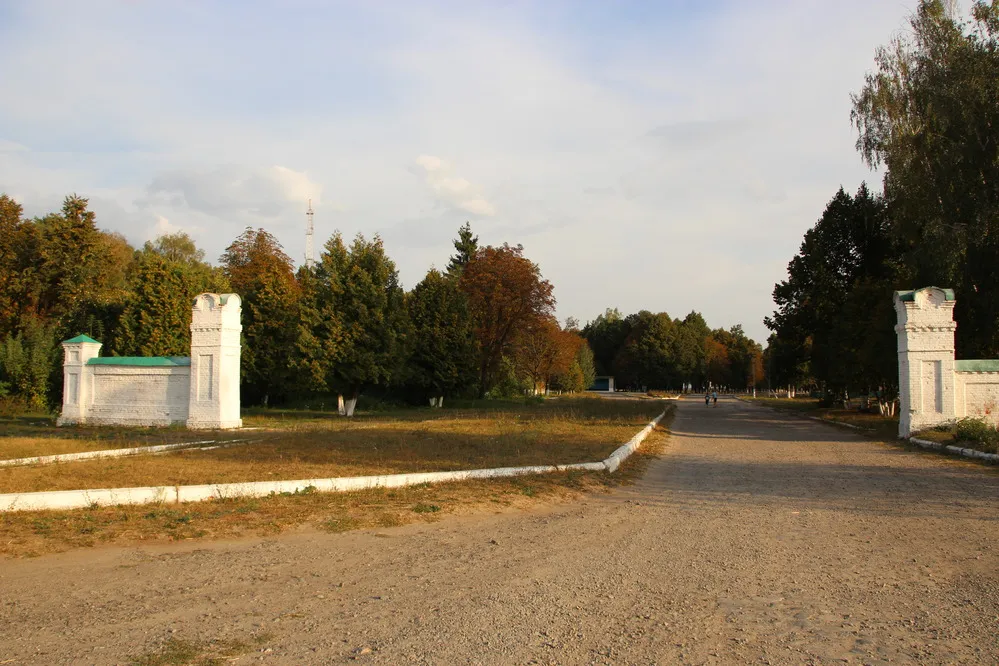
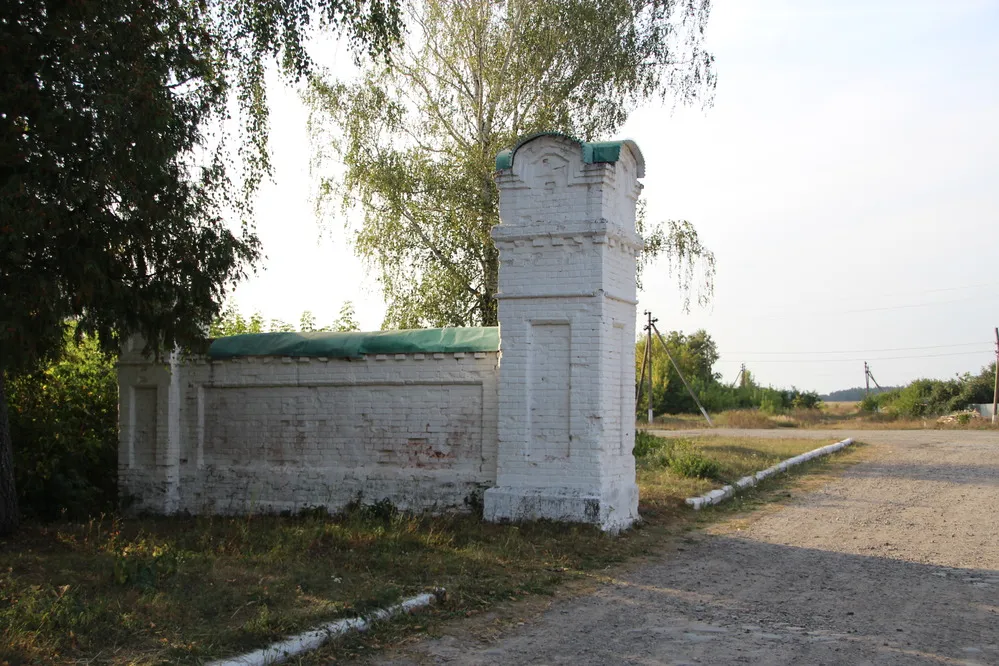
Mykola Nepliuiev’s father died in 1890, and a year later the heir to numerous riches transferred to the Labour Brotherhood all his property, with a total value of 2 million 750 thousand roubles (!!!), which is 16,435 desiatinas of land with forest, buildings and two distilleries, a sugar factory, a foundry-and-machine works and a brick factory, a smokehouse and two sawmills, to the Labour Brotherhood. At that time the brotherhood numbered 150 people, and together with the pupils of the schools, whose graduates replenished it, it exceeded 300 people. Thanks to such financial injections, the brotherhood developed actively, grew economically stronger, and used the most modern machinery, technologies and equipment in its farming activity. Already from 1898 the members of the brotherhood knew what Siemens was; a local telephone network of the firm operated on its territory.
All the brethren, both married and unmarried, were united by occupation into large “brotherly families”: a family of teachers, of grain farmers, of dairy workers and so on, each of which lived in an apartment building. Each family was given a spacious room, while the unmarried lived 3–4 people to a room. Men and women had equal rights. Children were raised in kindergartens and from the age of eight attended school. Income was divided equally among the members of the brotherhood. The brotherhood had a large library, music and drawing were taught, literary evenings were held, amateur performances were staged, and the brotherhood had its own symphony orchestra.
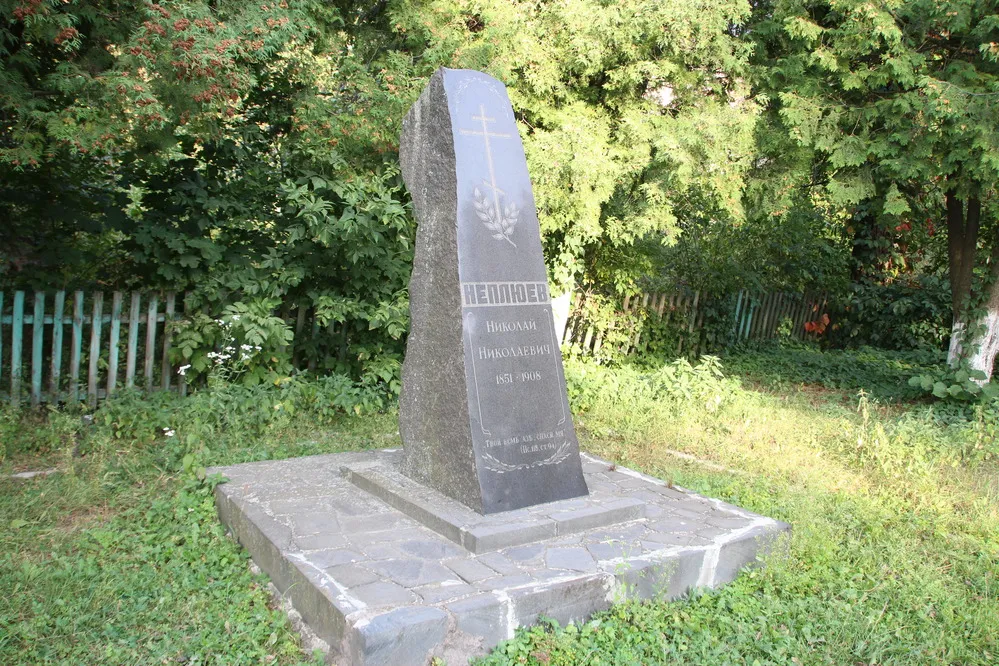
By 1908 the number of members of the brotherhood had already reached 500 people.
The creator of the Holy Cross Christian Labour Brotherhood, Mykola Nepliuiev, died in 1998.
However, after that the brotherhood did not cease to exist; it operated for about another 20 years, adapting to new realities. In 1919 it was transformed into a Soviet commune, the “Labour Brotherhood”, while remaining a Christian labour brotherhood.
Evidently even then the Bolsheviks saw in it, if you set aside Christianity, the seeds of something that coincided with communist ideology, such as collective ownership and common labour (somewhere ahead the ideas of collective farms were already smouldering), so the head of the Bolshevik government of Ukraine, Rakovsky, gave an order to protect the brotherhood’s property.
But later everything changed. Already at the end of 1924 the GPU organs repressed the leaders of the labour brotherhood, and it was turned into the “artel named after the October Revolution”; the Christian schools were expropriated and turned into Soviet ones. A year later the brotherhood’s church was destroyed and the priest arrested; the brotherhood was finally destroyed in 1929, the artel was declared a “collective kulak”, and almost all the brethren were deported and scattered across Russia.
On the basis of the brotherhood’s agricultural schools, an agricultural technical school operated until 1979.
As a patron, Nepliuiev also built at his own expense the Holy Cross Church and a hospital in the village. He began gardening and winemaking in the village. A 300-hectare fruit orchard founded in 1905 still exists today. The Vozdvyzhenske park, of 42.6 hectares, with more than 20 species of trees, has been a landmark of landscape gardening art since 1972.
To preserve Mykola Nepliuiev’s legacy, a historical and memorial museum, “The Labour Brotherhood of M. M. Nepliuiev”, has been created in the village.
Text and photos by Ihor Dorozhko, Oleh Hodyna and Maksym Nazarenko.


