

Zhyvanivka. The ancestral home of the Kropyvnytskyi family
· 4 min read
Zhyvanivka is a small steppe village in Central Ukraine, notable because several generations of ancestors of the “father of Ukrainian theatre”, the outstanding playwright and actor Marko Kropyvnytskyi, came from it. Today it is effectively a continuation of the village of Kompaniivka in Kirovohrad Oblast, and it is rarely mentioned in texts about the artist. The great man himself mentioned Zhyvanivka in his autobiography more than once or twice.
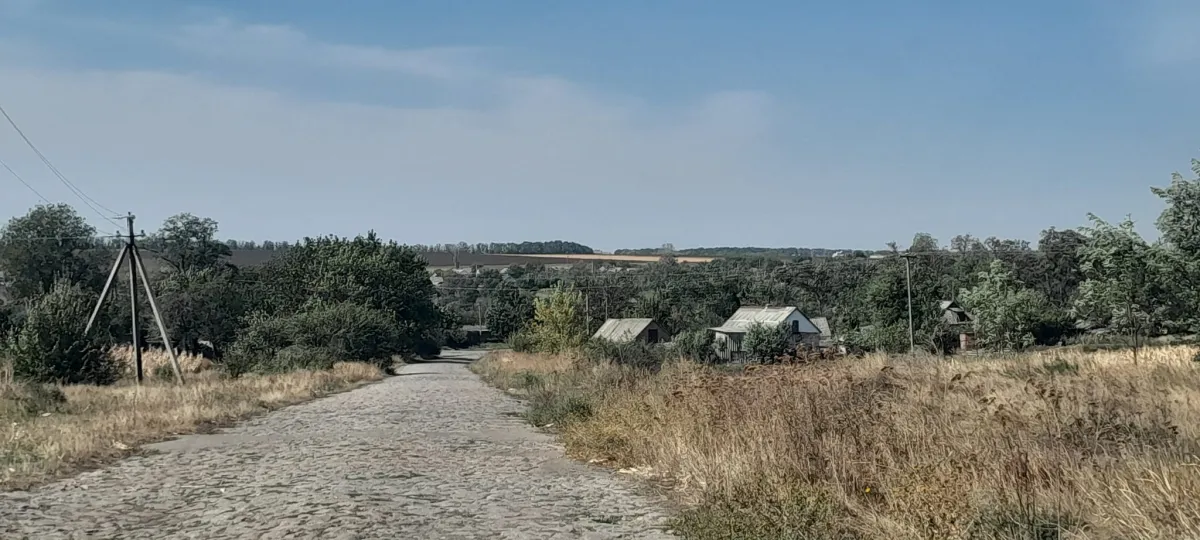 The entrance to Zhyvanivka from the Kropyvnytskyi–Bobrynets road (photo, 2024)
Marko Kropyvnytskyi came from the old noble Kropyvnytskyi family, whose roots go back at least to the 14th century and which was evidently originally based in the Podillia village of Nyzhcha Kropyvna, on the road between Haisyn and Nemyriv in Vinnytsia Oblast, near the Kropyvianka river. How and when members of this family ended up in the steppes of Central Ukraine remains to be established, but from the playwright’s autobiography it is known that both the grandfather and the father of Marko Kropyvnytskyi came from the village of Zhyvanivka, which still stands on the slopes of the Suhoklia Komyshuvata, not far from Kompaniivka.
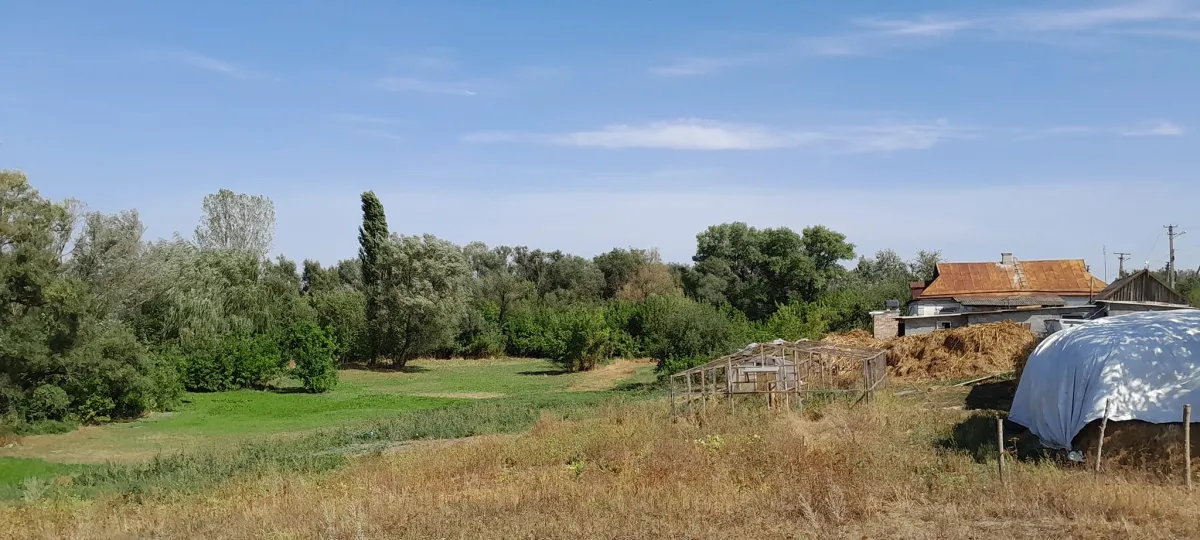 The valley of the Suhoklia Komyshuvata in Zhyvanivka (photo, 2024)
Marko Kropyvnytskyi’s grandfather Ivan was the steward of the estates of Colonel Zhyvanov (a man not without progressive ideas; the village is named after his surname), and he loved his work and horses. That is how he met his death: he chased wolves on horseback across the ice of the Suhoklia Komyshuvata until he fell through. A chill followed, and he never got back on his feet.
“My grandfather died of a chill: in early spring he chased a wolf on horseback and fell through the ice on the Komyshovata river, and he never rose from his bed again until he died.”
Ivan Kropyvnytskyi was buried in the neighbouring village of Semykosivka (later called Obertasove), “in the churchyard”, which may point to a certain standing of the playwright’s grandfather in the community, or perhaps to something else. This village no longer exists, but its traces, former streets and feral thickets of garden plants, can still be made out north of Dolynivka, on the slopes of the valley of the same Suhoklia Komyshuvata river.
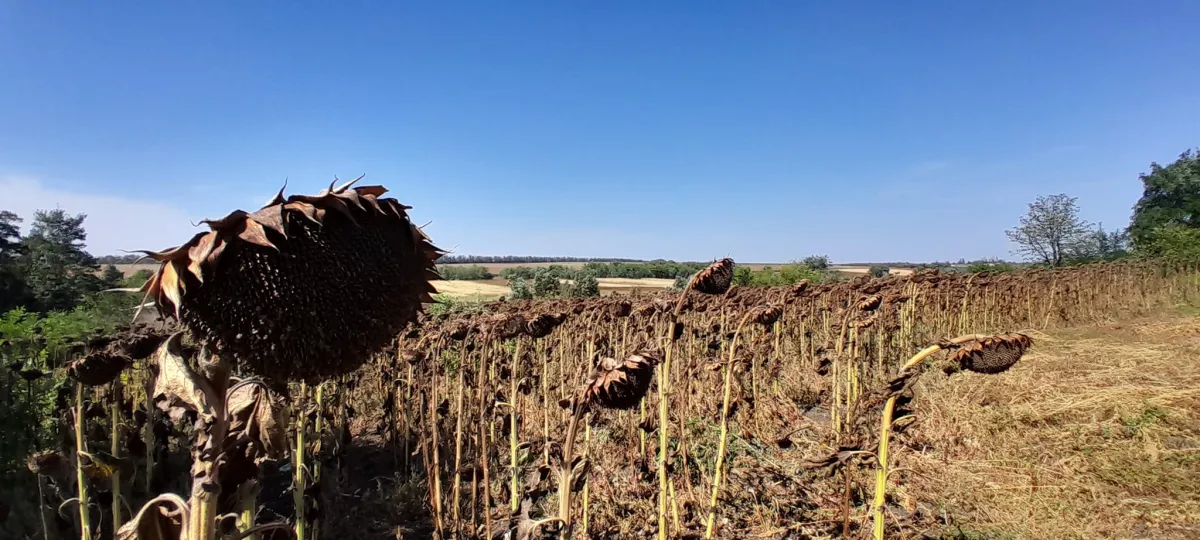 Fields around Zhyvanivka (photo, 2024)
The death of Ivan Kropyvnytskyi found his son Luka (the future father of the playwright) in Yelysavethrad (now the city of Kropyvnytskyi), where he was studying in the second class of the district school. On learning the terrible news, the seventeen-year-old set off on foot on the long winter journey home, but after covering about 35 kilometres to his native village he found only an empty house, and in it his younger sister, abandoned by their stepmother.
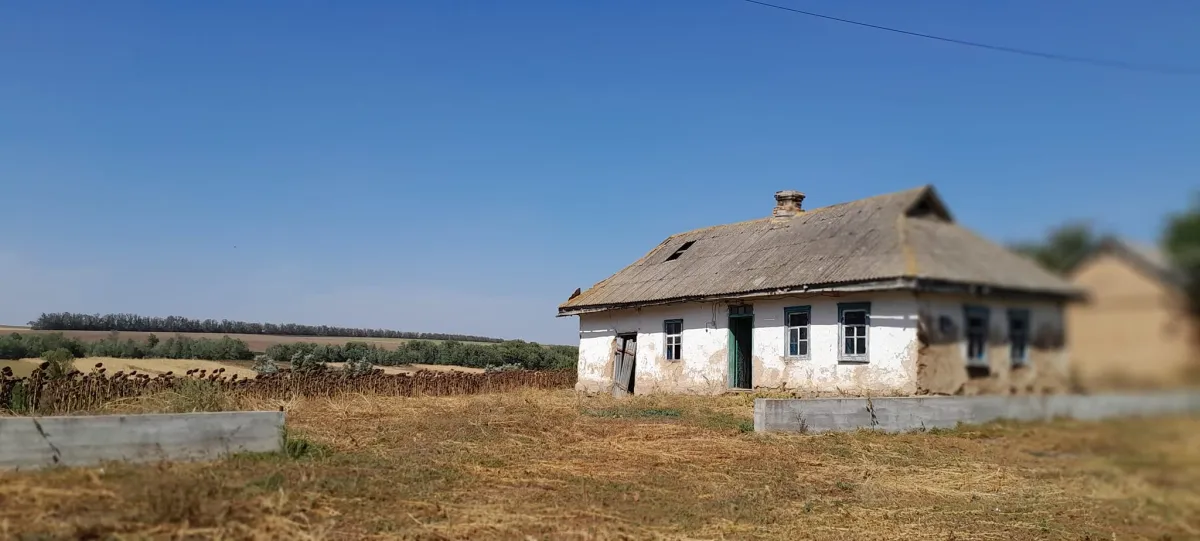 An abandoned house in Zhyvanivka (photo, 2024)
After that he became an adult (he was 17): he placed his sister to study with a seamstress he knew in Yelysavet, and himself hired on with local peasants for field work. He worked with zeal and inspiration. During the harvest he caught the eye of his father’s former employer, impressed him somehow and soon continued the family business. He became Zhyvanov’s steward and worked in this top position for 9 years, until the colonel’s death.
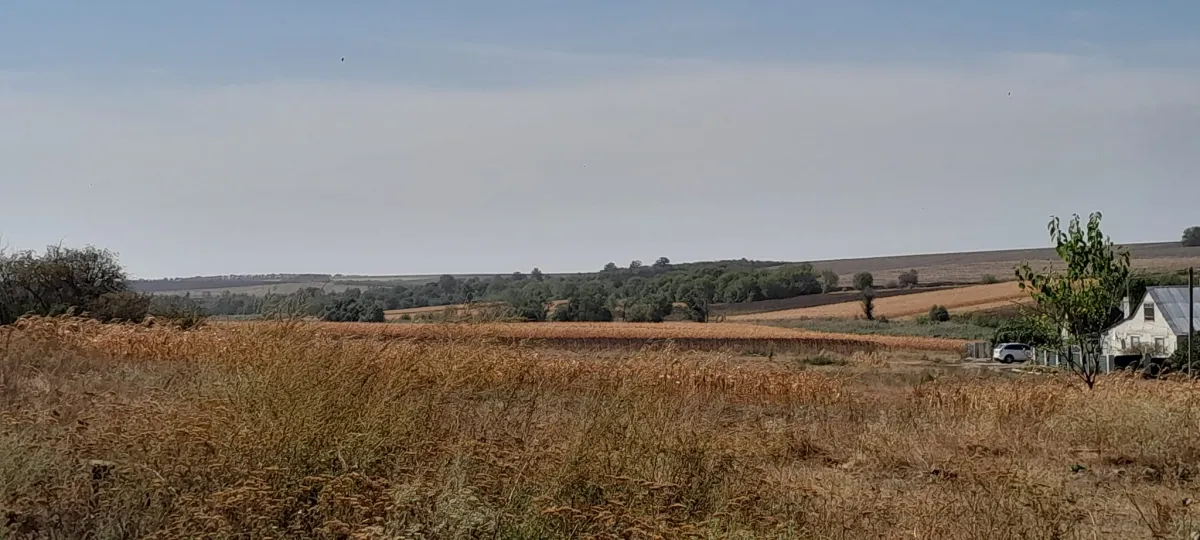 Present-day fields around Zhyvanivka (photo, 2024)
When Zhyvanov died, Luka Kropyvnytskyi seems to have been a very attractive asset on the labour market: a young and experienced manager of noble origin. He had a family (a wife and a daughter, Hanna) and a good reputation. Clearly, he was immediately offered good terms elsewhere. The “transfer” took place into the possession of perhaps the richest man in the region, Fundukleiev, to the village of Beshbairaky (now called Kropyvnytske).
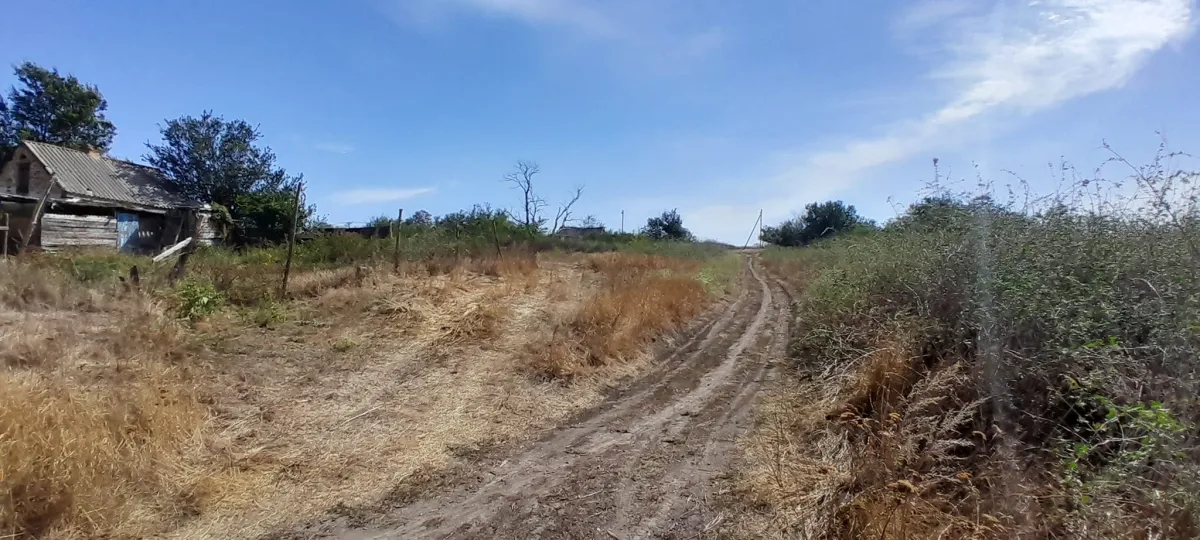
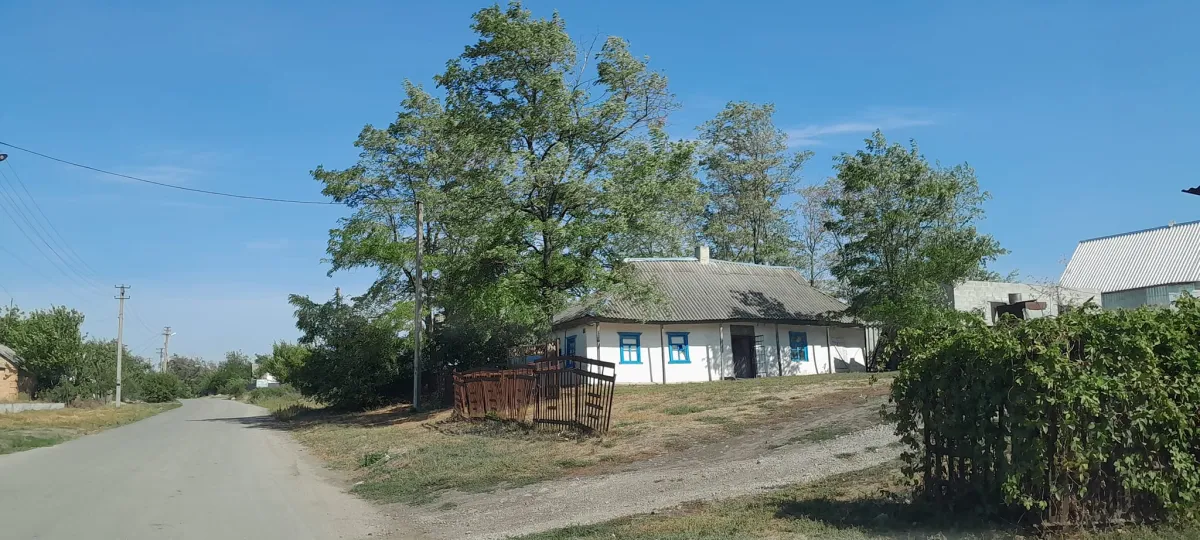 The streets of Zhyvanivka (photo, 2024)
We are used to thinking of our geniuses as perpetual paupers and poor souls, but Marko’s father set off for his new place of work not empty-handed. In his autobiography Marko Kropyvnytskyi wrote about it like this:
“… on moving into the service of Senator Fundukleiev, to the village of Beshbairaky, my father drove more than 80 head of horned cattle, eleven horses, and his money amounted to more than 2 thousand roubles.”
It was in Beshbairaky that Marko Kropyvnytskyi himself was born. In 1840.
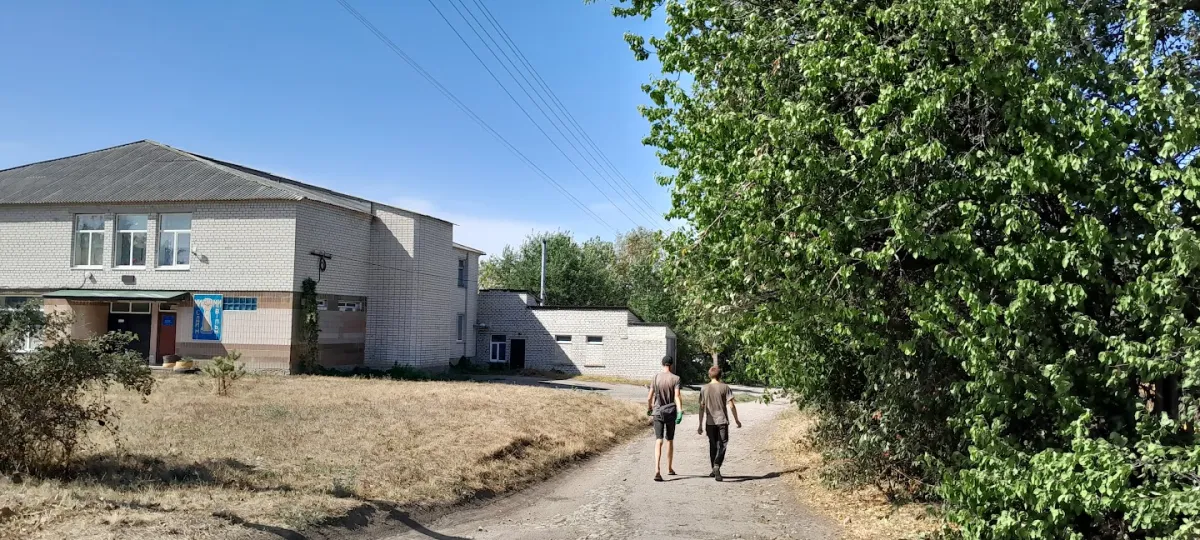 A street in Zhyvanivka (photo, 2024)
Later, in the 1850s, Luka Kropyvnytskyi would return to Zhyvanivka again: he would work here as a steward, and his son Marko would come to him every week from Bobrynets, spending time not only with his father but also with his many friends among the local peasants. He would go to the evening gatherings, sing, and so on.
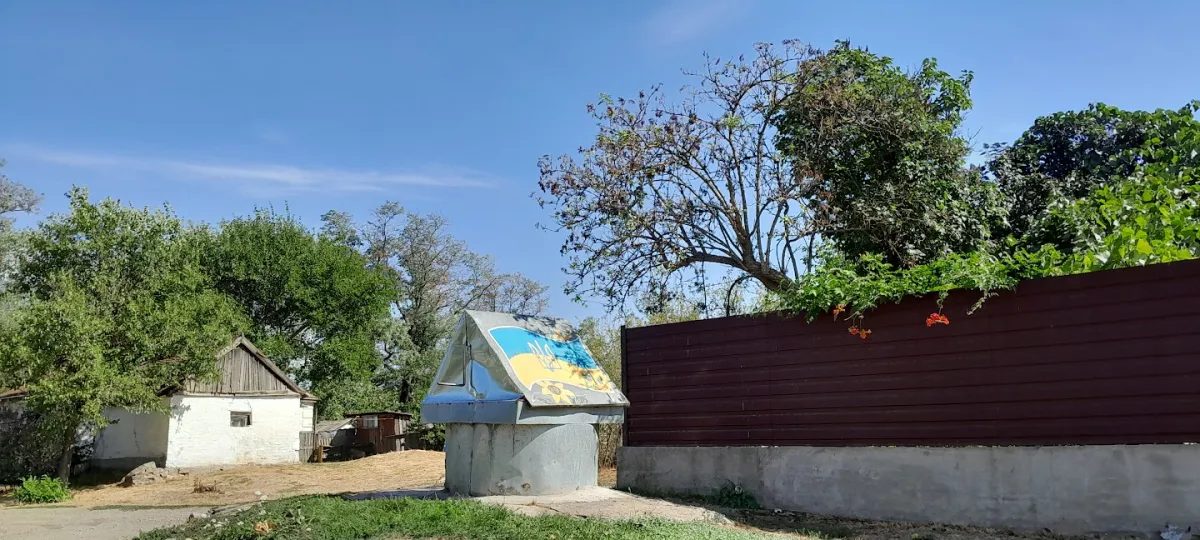
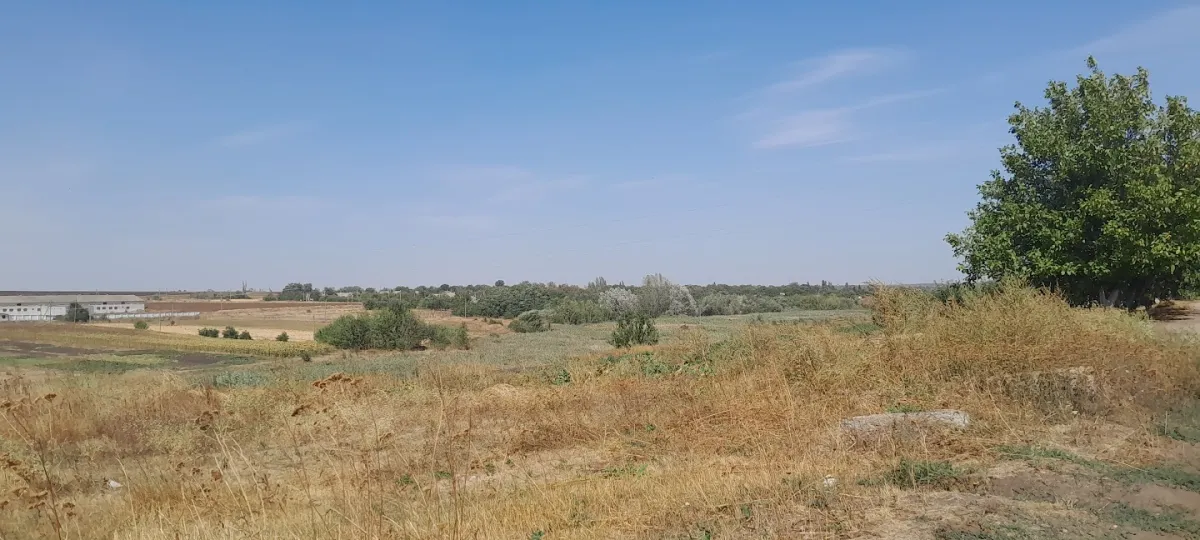
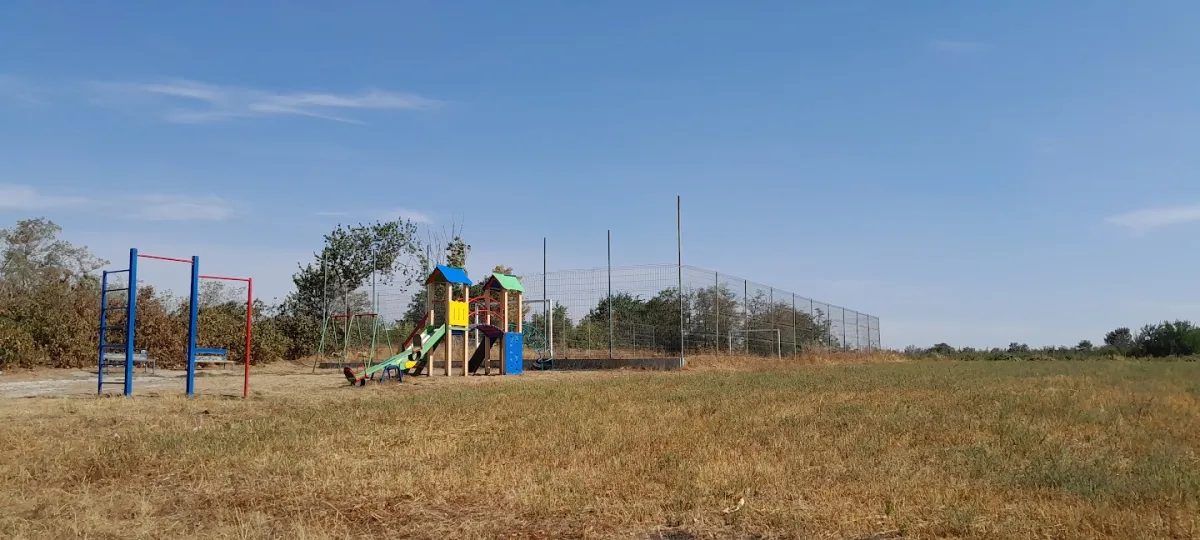 Landscapes of Zhyvanivka (photo, 2024)
Whether the village (very tidy and well kept) has at least a Kropyvnytskyi Street, I do not know. But there are plenty of abandoned houses where some themed green homestead with a little museum could fit very naturally. Somehow, though, it hasn’t come together yet …
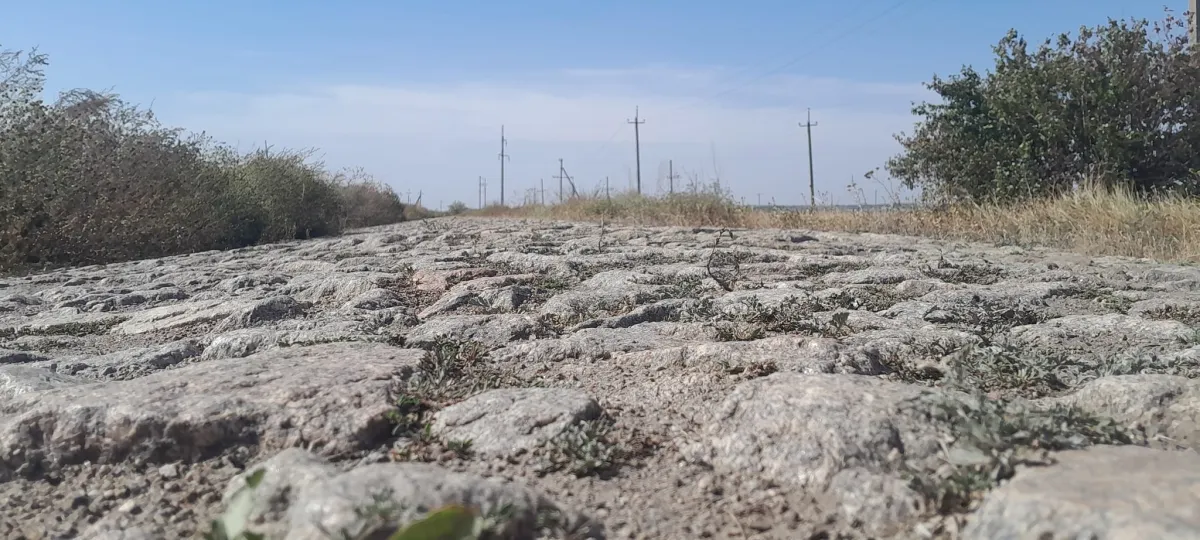 The old cobbled road to Zhyvanivka (photo, 2024).


