The moodboard of your home: how to combine textures of wood, stone and textiles
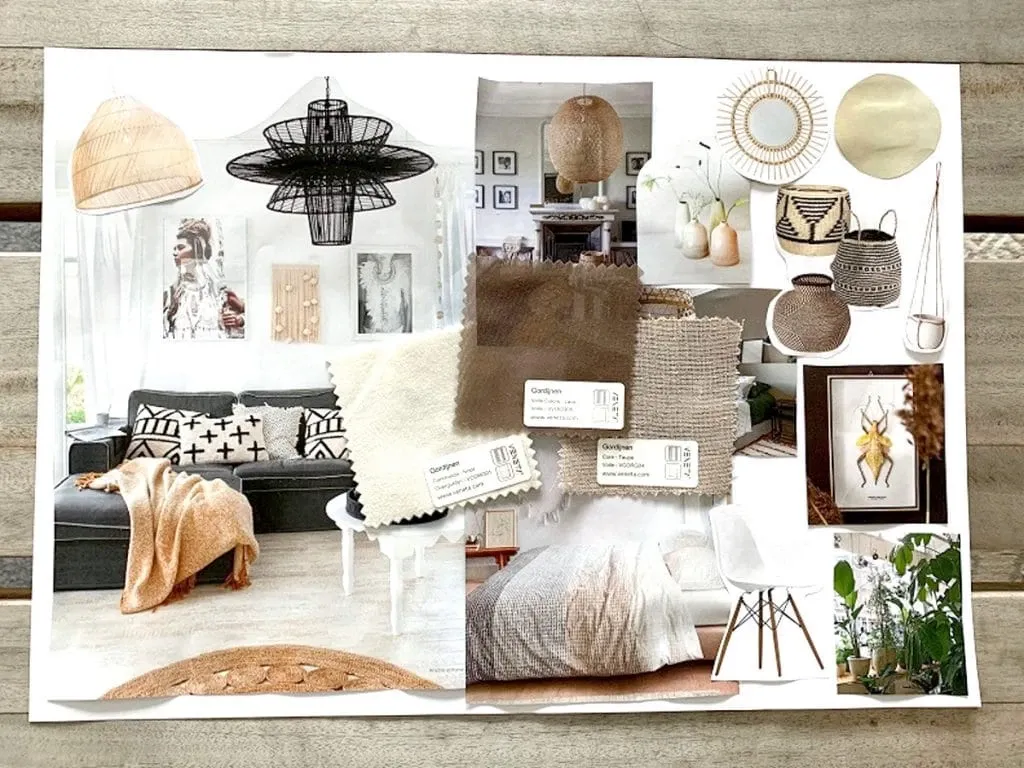
Creating a harmonious interior is a search for balance between the visual and the tactile. Designers begin work on a project not with drawings but with a moodboard, a “mood board” where samples of materials meet. To make a space look three-dimensional and alive, it is important to learn to combine the three pillars of a cosy home: the warmth of wood, the monumentality of stone and the softness of textiles.
The temperature of materials: the rule of contrasts
The main secret of a professional moodboard is playing with differences in temperature. Stone (marble, slate or concrete) brings coolness and austerity to an interior. So that the room does not look sterile, it must be balanced with wood. For example, a cold quartzite kitchen worktop is perfectly set off by oak or walnut fronts. This combination creates that very natural harmony that we subconsciously read as premium.
Rhythm and tactility
In modern design it matters not only how a material looks but also how it feels to the touch. The combination of textures should obey a rhythm:
- Wood is responsible for verticals and warmth. Use surfaces with open pores or the effect of an unplaned board.
- Stone gives scale and stability. Large-format slabs or accent onyx inserts add status to an interior.
- Textiles soften corners. Linen, wool or velvet in furniture upholstery and curtains tie disparate elements into a whole.
To create a flawless base, it is important to pay attention even to hidden details. For example, a quality fibreboard (HDF) panel in the finish of cabinet furniture should support the overall palette, so that when a cupboard is opened the visual rhythm is not broken by a random colour.
Colour bridges between textures
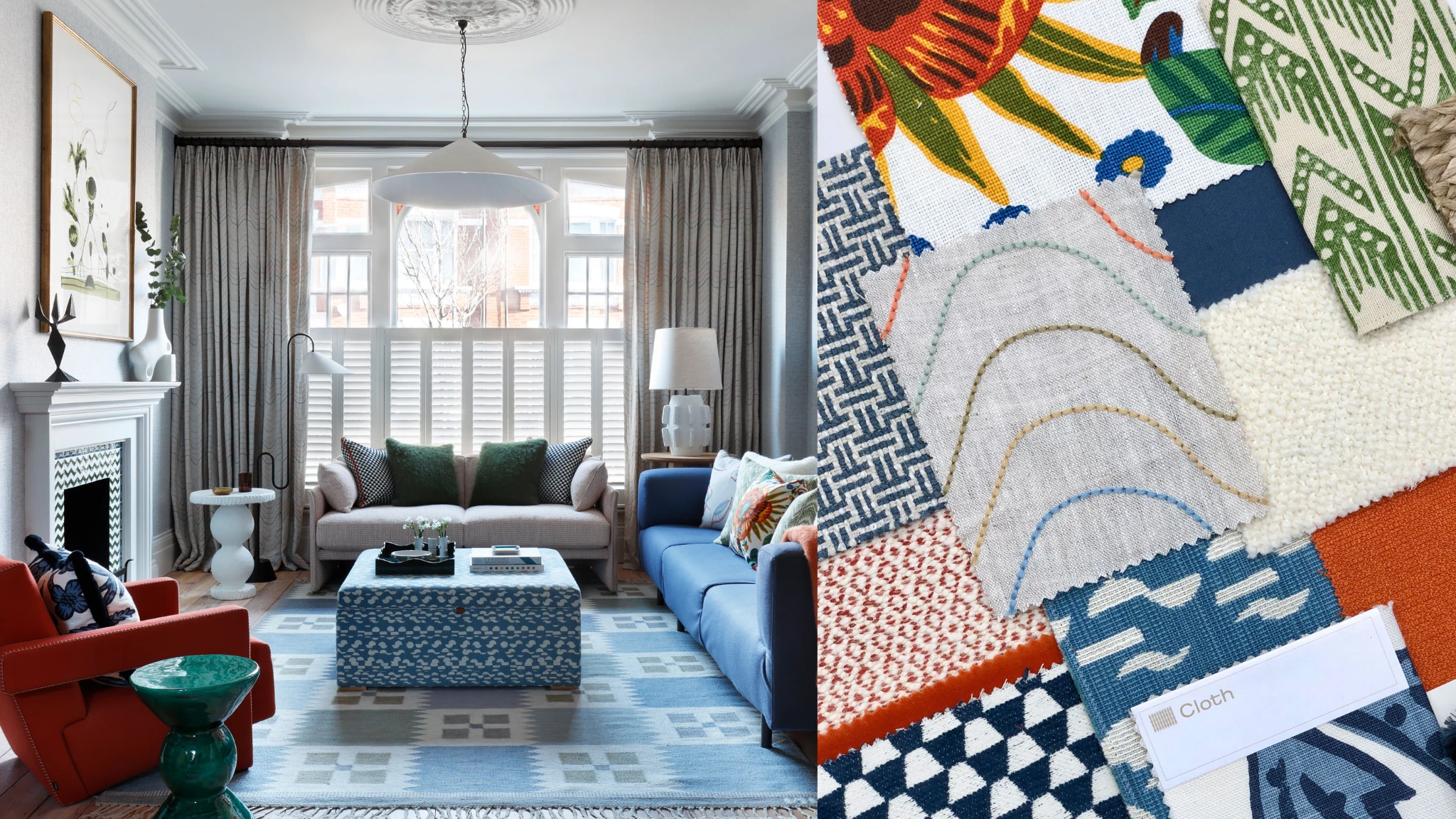
So that wood, stone and fabric do not look like a random set, use “colour bridges”. If the veins of the marble contain sandy threads, echo them with the colour of the wooden legs of an armchair. If a textile has a cool grey undertone, it will look perfect next to concrete surfaces. Even the back of furniture matters: when choosing materials at https://viyar.ua/catalog/dvp/ for internal panels, give preference to finishes that echo the main textures of your moodboard.
Final accents and lighting
The final stage of a moodboard is metal and light. Brass will add warmth to wood textures, and black matte metal will emphasise the brutality of stone. Light reveals relief: a directed beam on textured wood or a soft glow along a stone panel will make the materials “come alive”. Remember that an interior is a living composition, where every surface, from a soft cushion to the back panel of a shelving unit, contributes to the overall atmosphere of the home.