Nerubaiske. The Cossack cemetery and the catacombs
How often it happens in our country that you see interesting things by chance (and this once again confirms that our country is vast and unknown). We ended up in Nerubaiske by chance, too — we went to check a little cross on a topographic map. And we did not regret it at all, because we saw an interesting memorial, for which Nerubaiske, it turns out, is known in the Odesa region, and also an interesting church — mature classicism built of shell limestone, wrapped in southern colour.
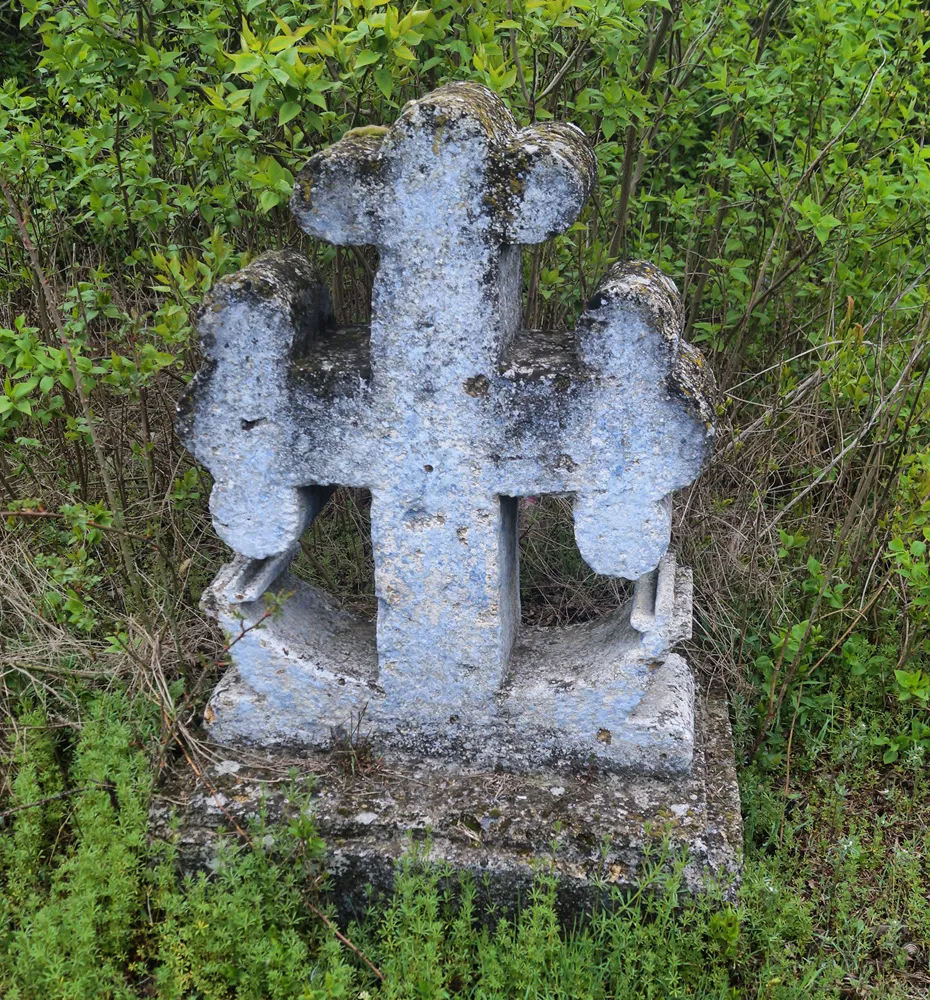
But the main thing we found in Nerubaiske is the cemetery of the Nerubai Cossacks, who gave the village its name, who built Odesa, who promised Catherine never to take up arms again, and became the Nerubai.
After the destruction of the Sich, some of the Cossacks, with their families, crossed into the lands of the Ottoman Empire, to the south, where they began to settle and farm.
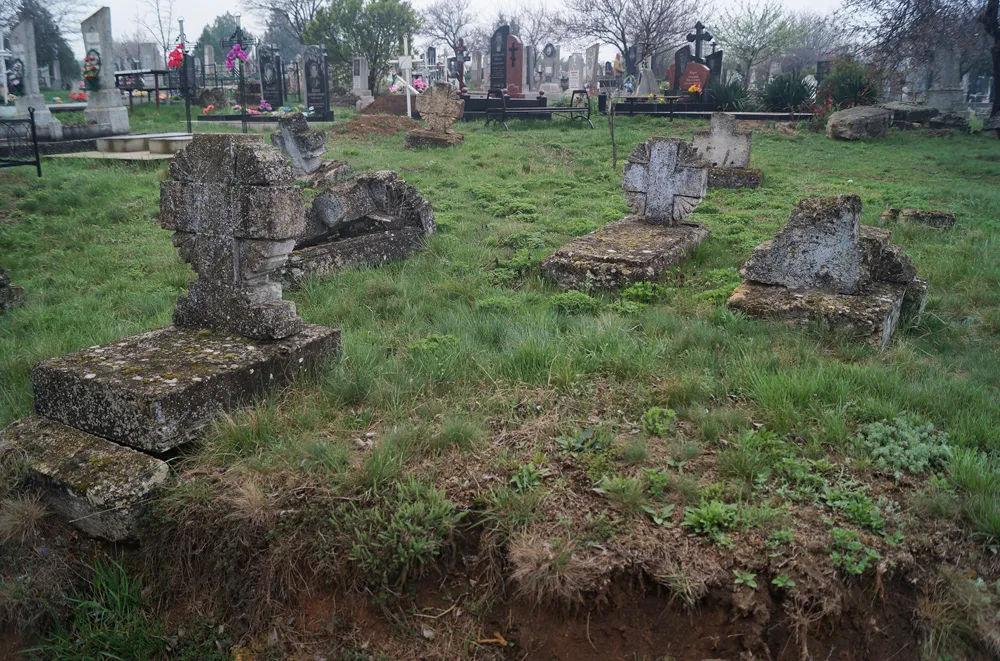
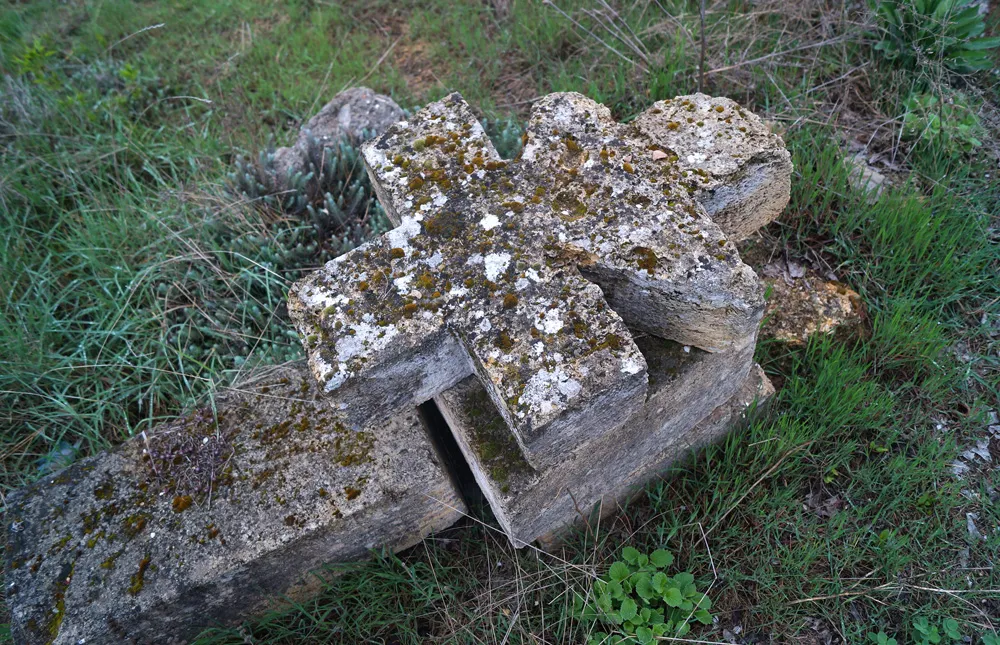
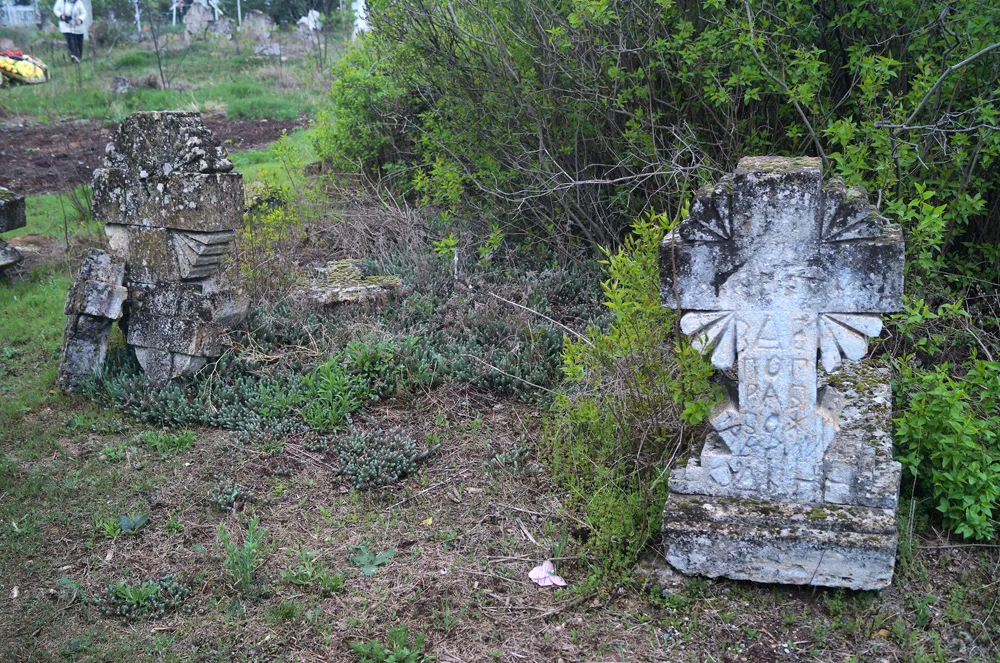
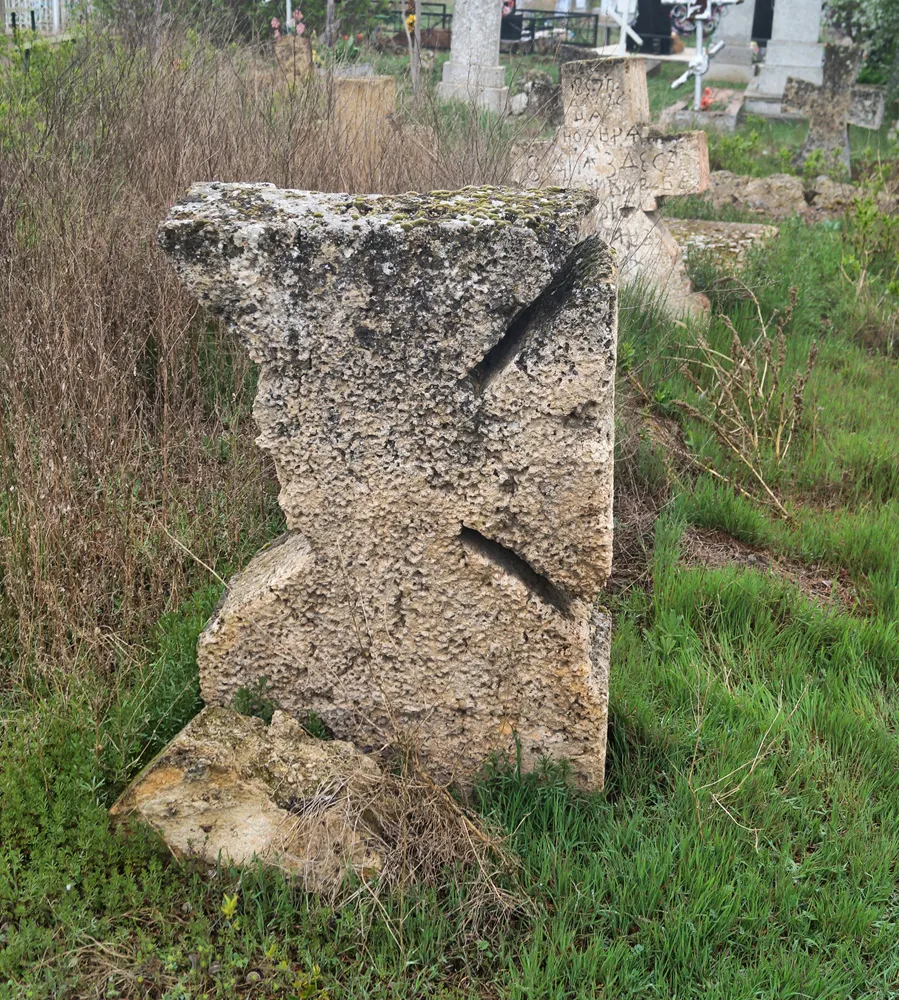
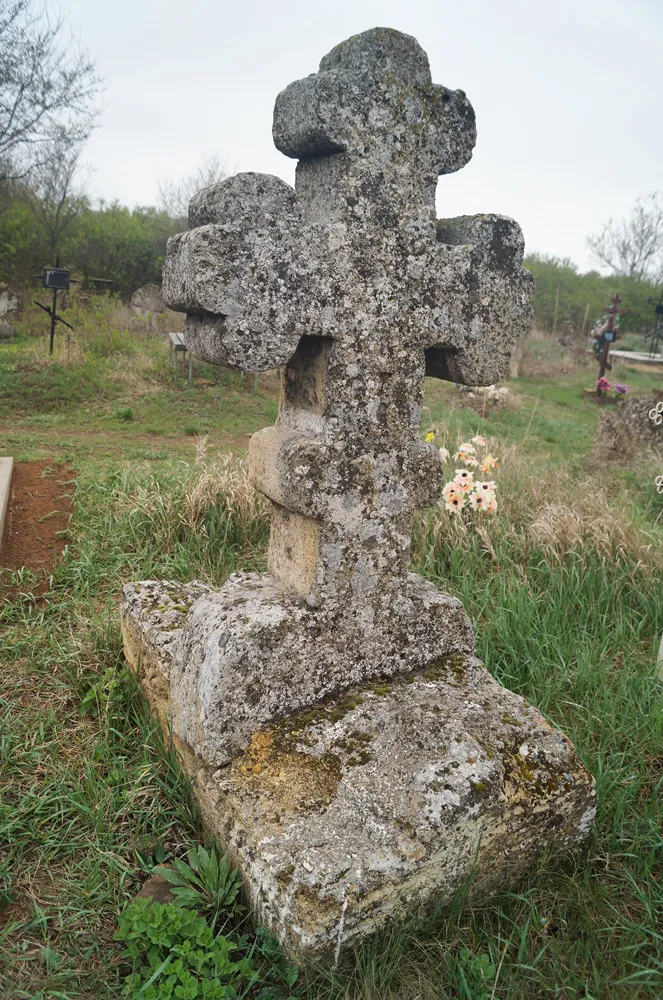
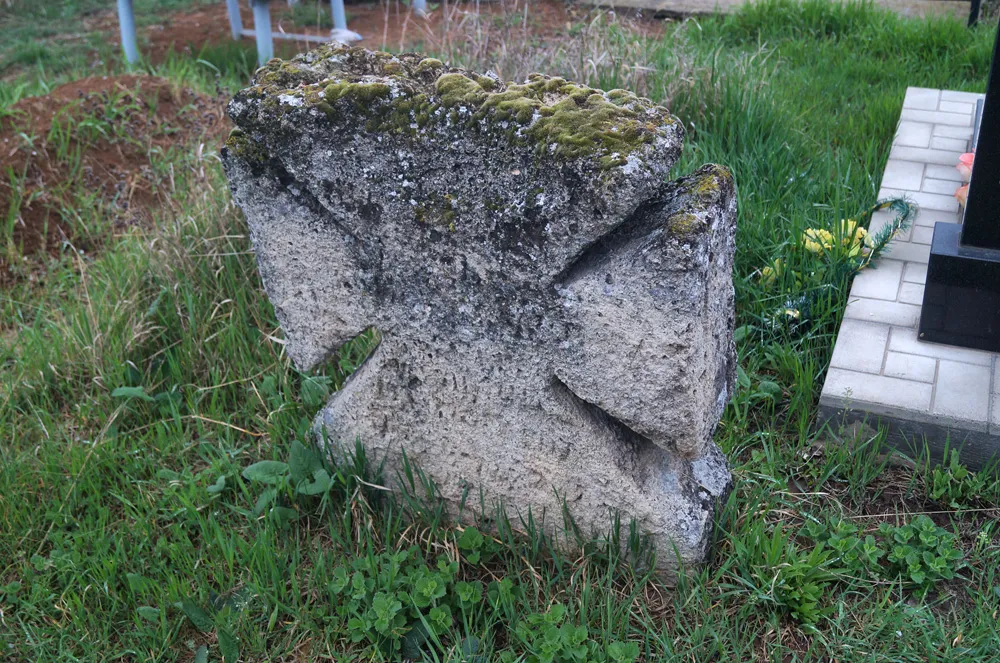
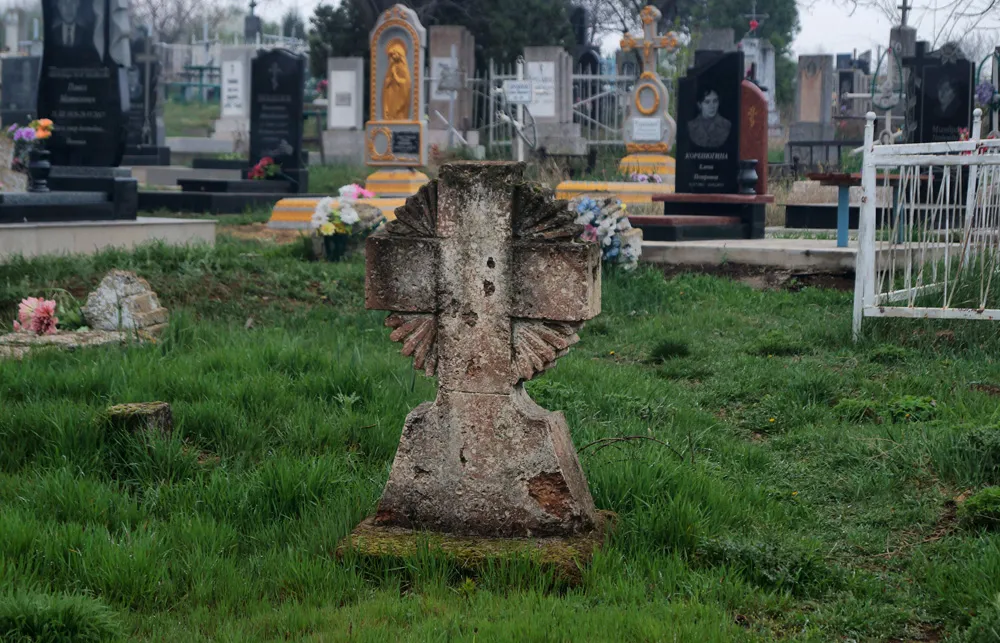
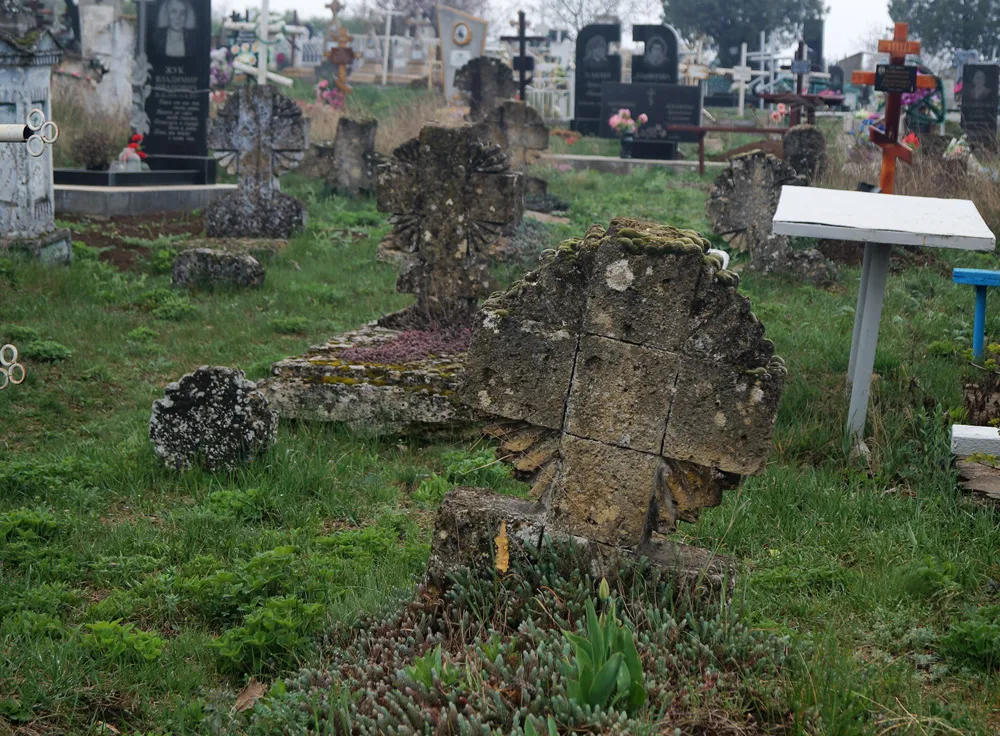
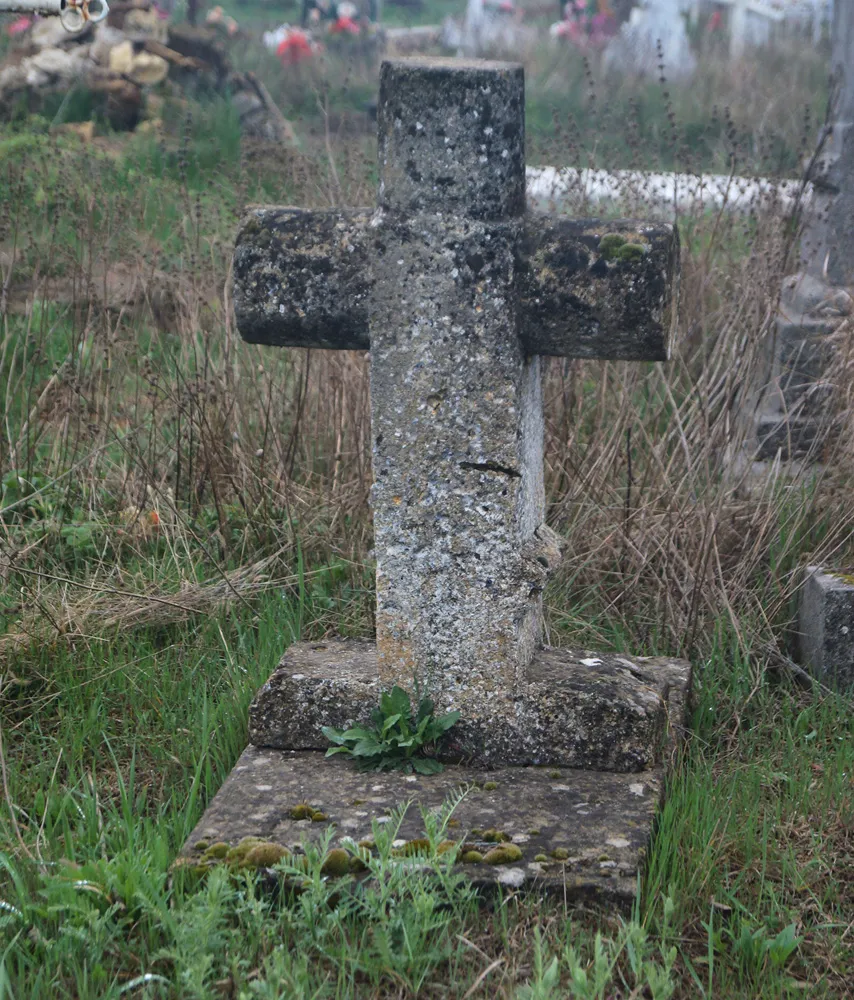
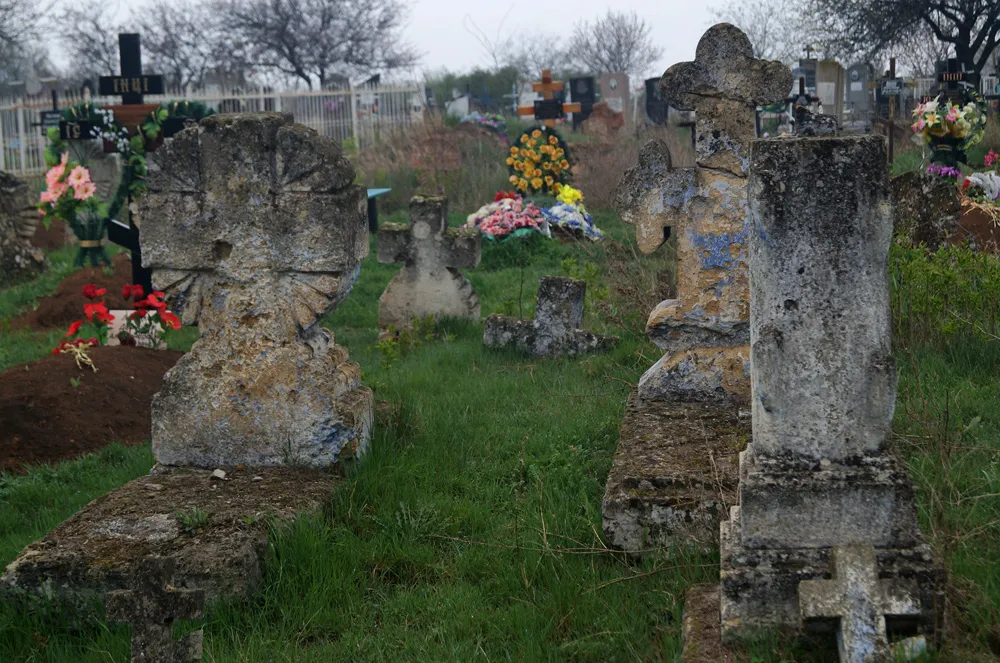
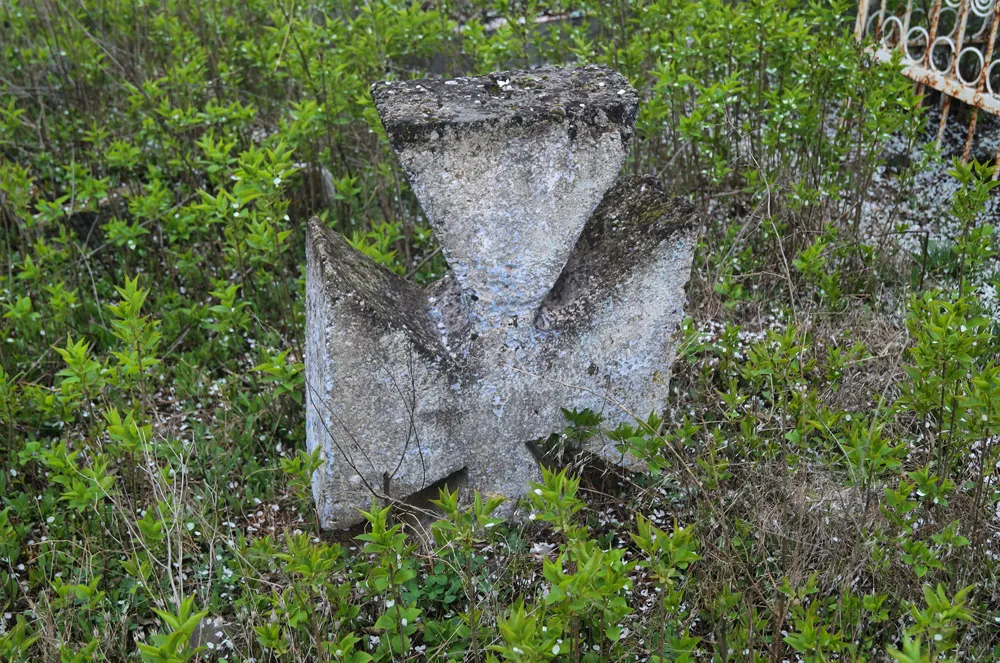
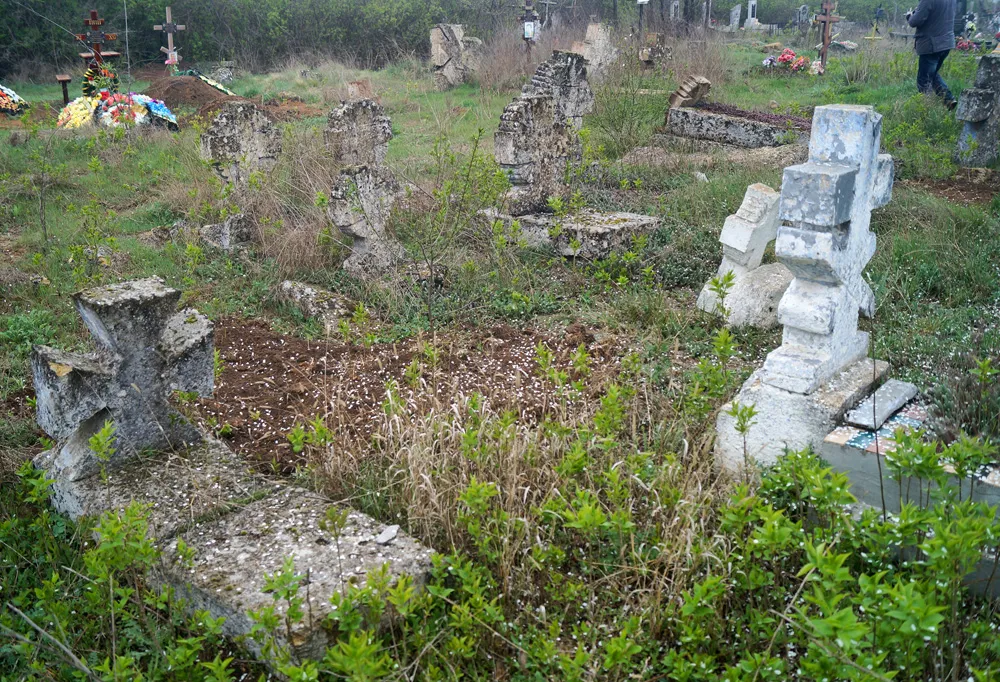
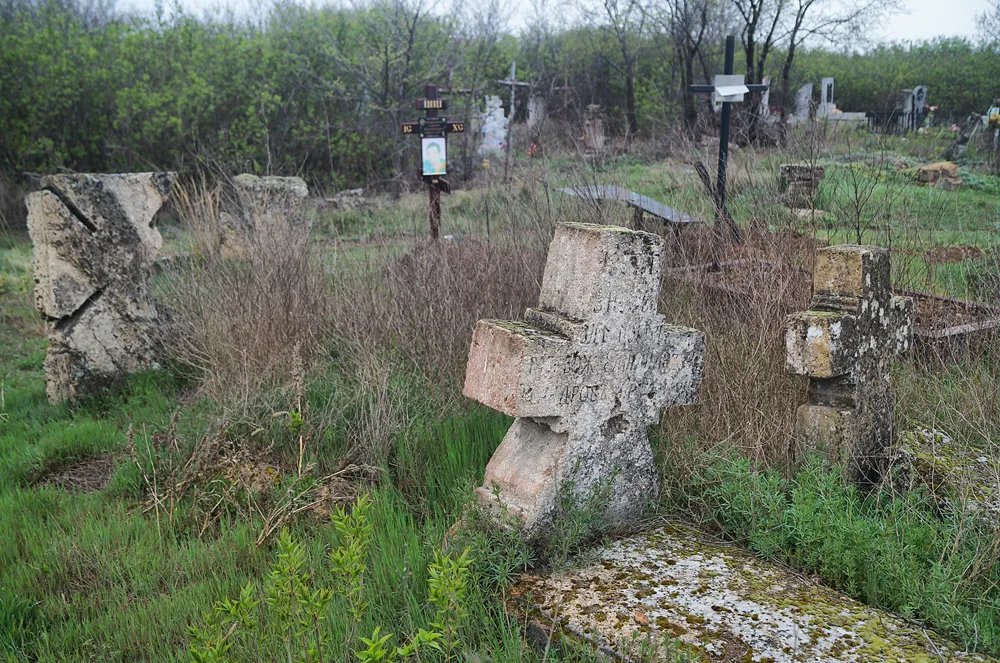
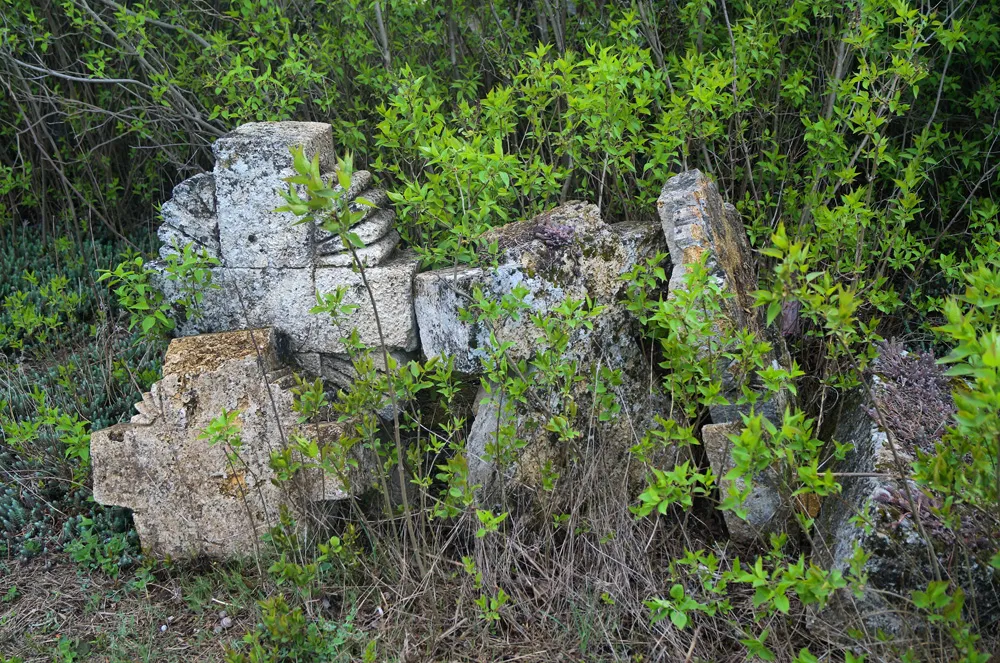
Here is what the SPAS-Ukraine website writes about it:
Leaving the Sich, the Cossacks withdrew without losses. To spare their families torture and deportation to Siberia, it was decided to go to new lands, namely to Predslava (Predslava-Kochubei — now the city of Odesa).These lands had long been known and profitable; many Cossacks came from there, and at Peresyp they had been extracting salt for more than one century (and the chumaks carried it everywhere, all the way to Western Europe); there is fish, and the land is not bad. And whether you live under the tsar or under the sultan, it is equally unpleasant, but the Turks at least keep their word, and if they promise something, they will not lie.
For a month they stood with their fleet in the (Black) Sea, waiting for the sultan’s permission to settle.
Having received it, most of the Cossacks settled in Predslava, while others went to the Danube, where land for settlement was also granted (the Danubian Sich).
Farming quickly flourished. When building the kurins in the Peresyp Sich, they learned to saw shell limestone, since timber was scarce. Within a few years families returned from the Zaporozhian lands — farmsteads had to be built in the ravines. Salt (in those times a currency) brought good profit. Life was prosperous. They paid customs duties to the Turks and, if necessary, besides customs, performed guard duty on the seashore…
…In 1792 the Black Sea Cossacks moved to the Kuban, forming the Kuban Cossacks there.
But not all Cossacks had the heart to leave Ukraine, so quite a few remained in Predslava, receiving among the Cossacks the name “Nerubai”, because the tsarist government forced those who stayed to disarm and swear an oath that they would never fight against the tsar. So the Nerubai lived in settlements that in time were named Nerubaivka (Nerubaiske) and Usativka (Usatove); they did not hand over their weapons — they broke them — but the oath had to be sworn.
Nerubaiske is located on the shore of the Khadzhybei Estuary, practically on the E-95 highway, and its south-eastern end has grown into Odesa. It is one of the largest villages in Ukraine — 8,500 people live here.
The village’s main attraction is the memorial complex of the Museum of Partisan Glory, which is located at a depth of 12–14 m in the catacombs.
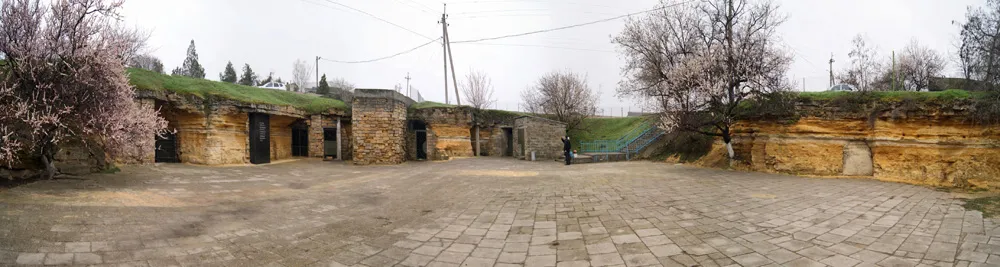
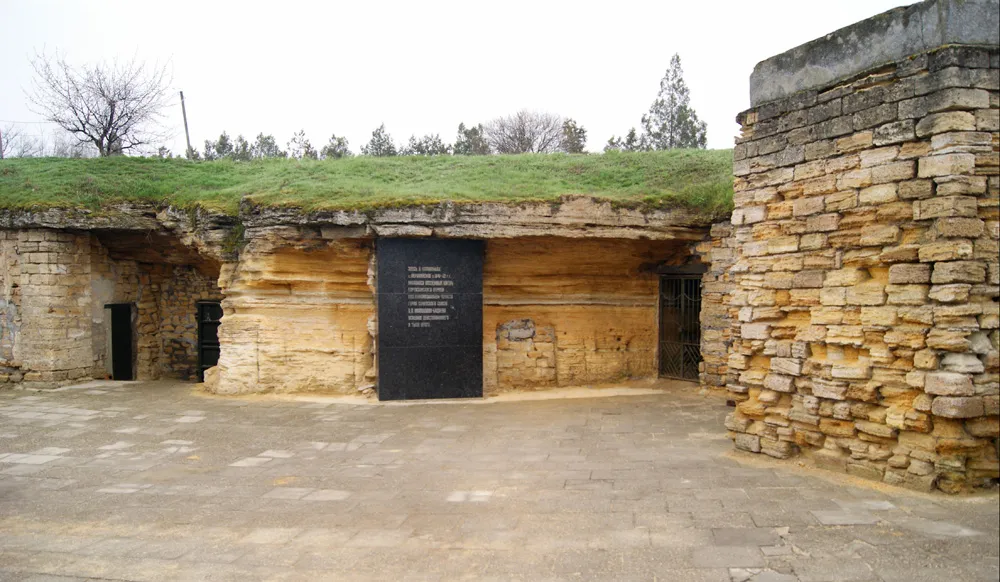
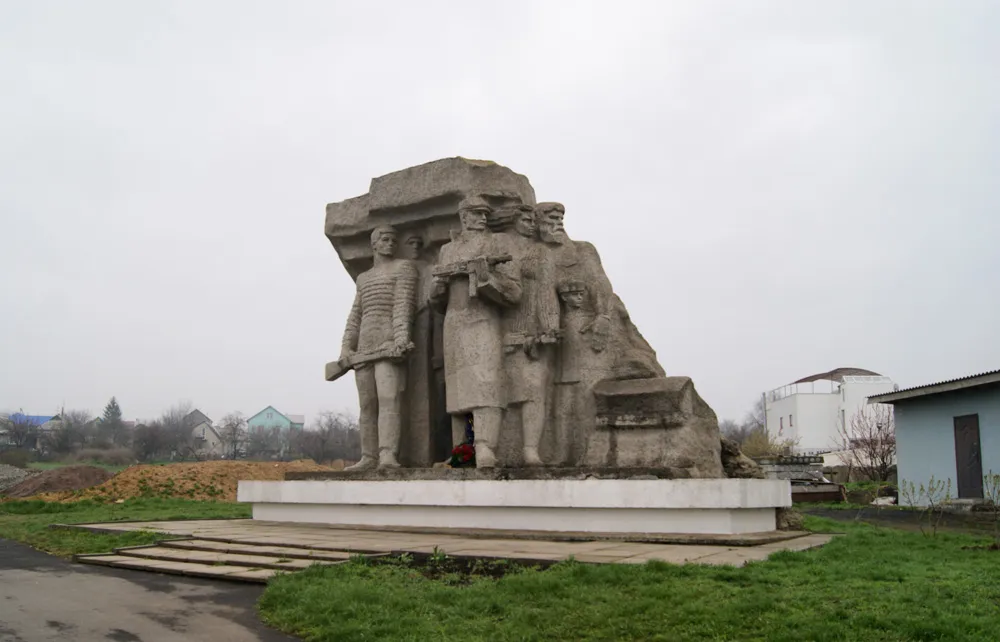
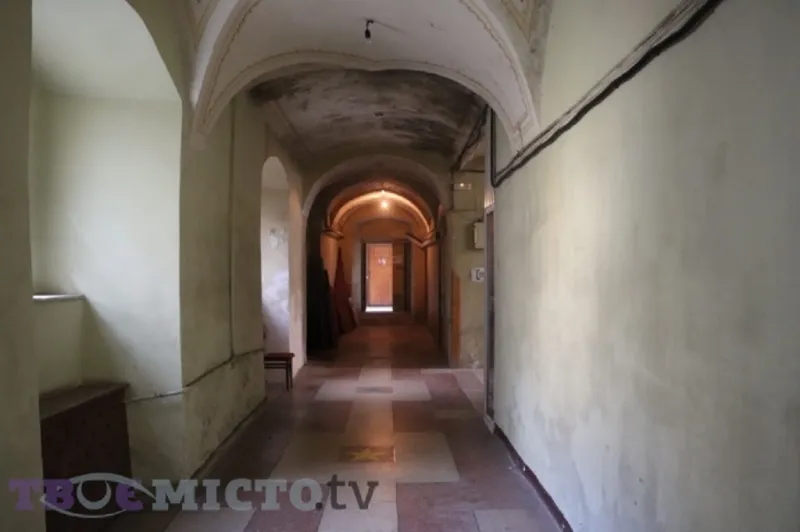
A significant part of the catacombs that stretch here from Odesa lies in Nerubaiske. They are many kilometres long and were formed as a result of quarrying building stone. During the Great Patriotic War a large partisan detachment hid in these catacombs, and in the post-war period a museum was set up here. Unfortunately, we were not lucky enough to get inside — only organized tour groups are taken in, and we did not belong to one, so we had to content ourselves with contemplating the walled-up and locked entrances to the underground, the stele, the large monument and the building erected over the museum’s exit.
But those who wish can watch a video about the catacombs posted on YouTube.
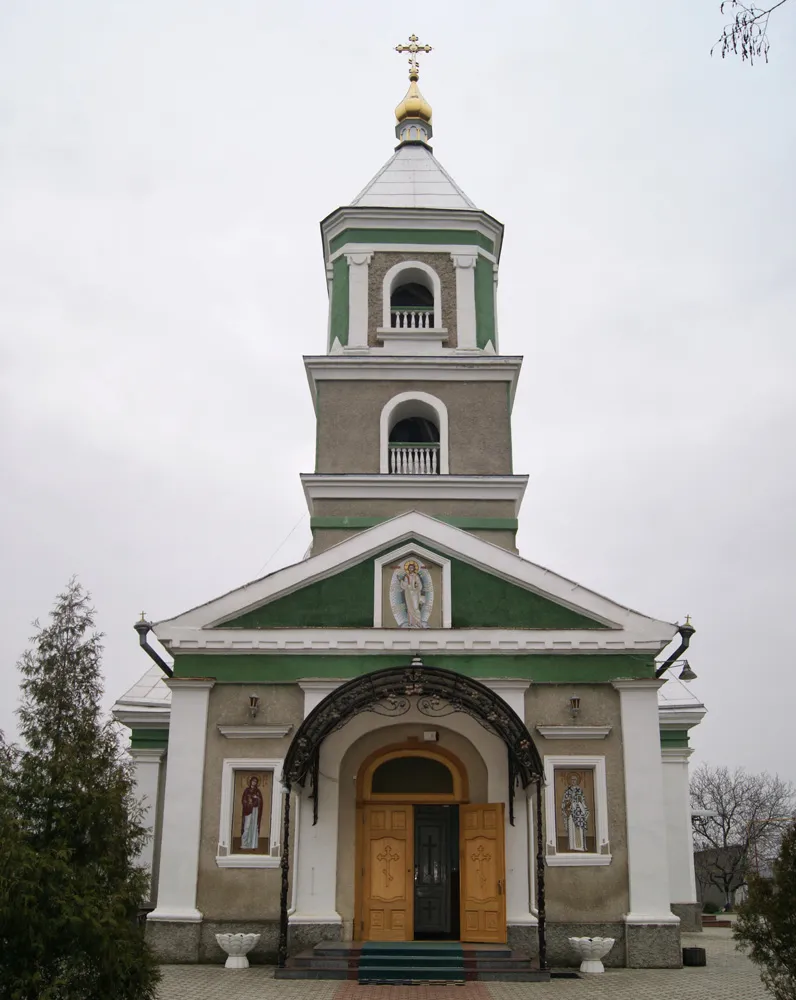
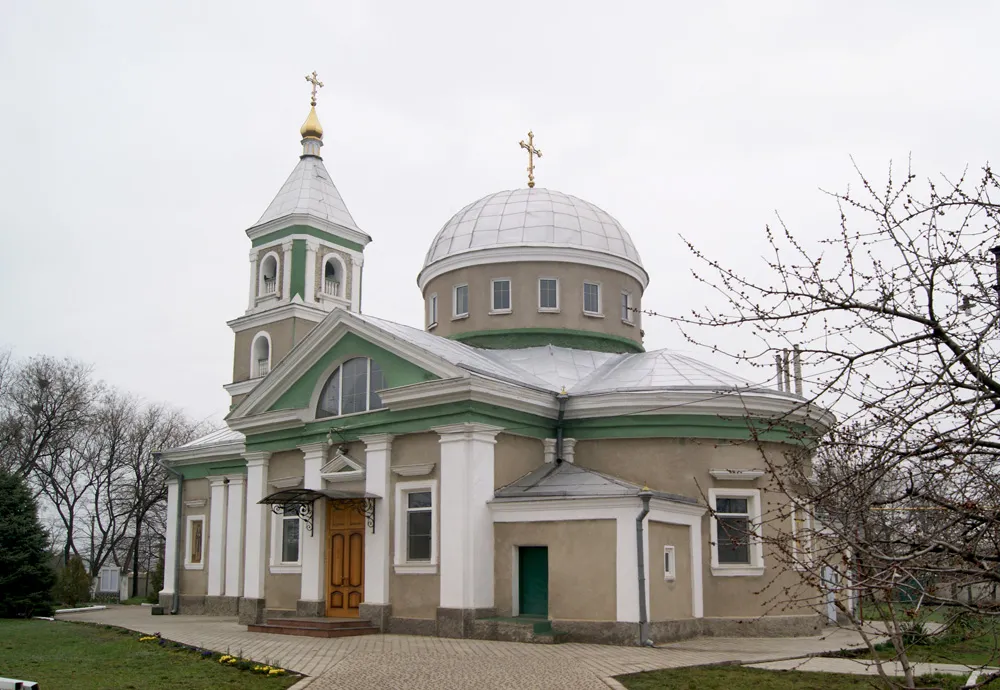
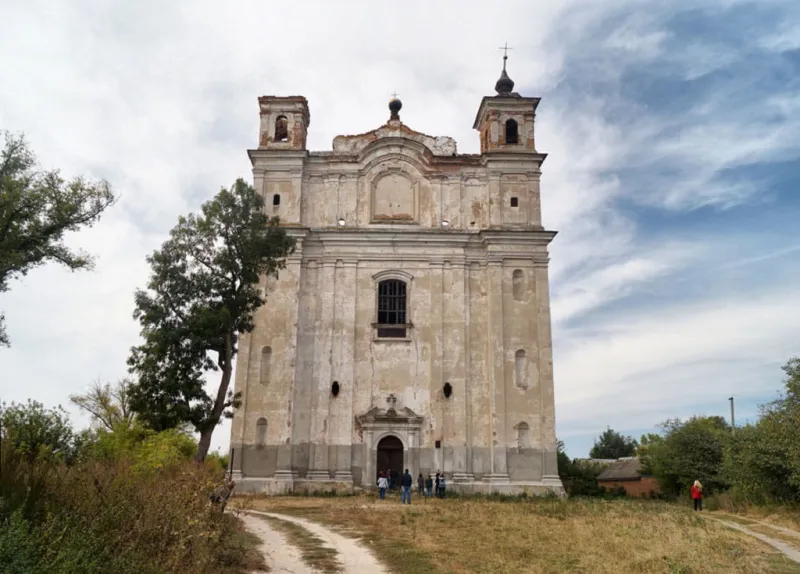
Nerubaiske has one more site of interest to tourists — the Church of the Ascension, built in 1826. It is an architectural monument of national significance. Here is what the Reference Book of Architectural and Urban Planning Monuments says about the church:
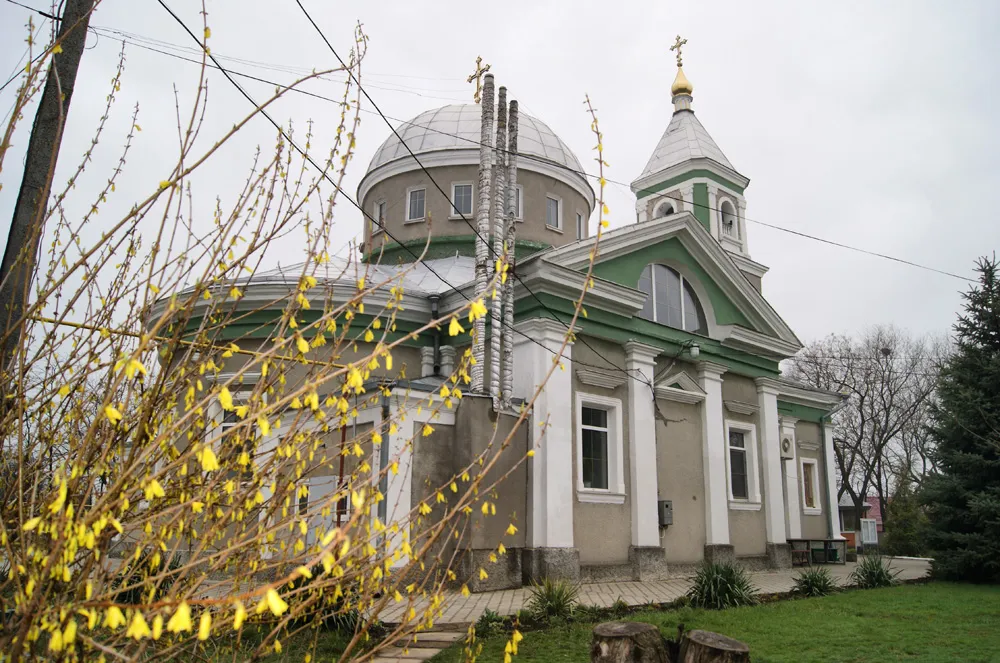
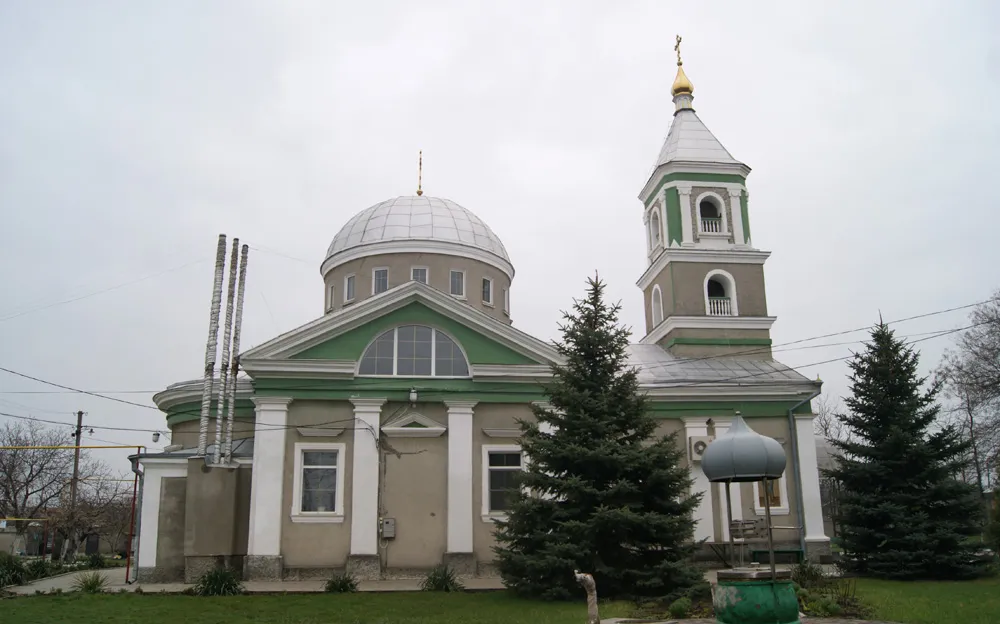
“Built in the Classical style, of stone, plastered, cross-domed, four-pillared, with a semicircular apse on the east side and a two-tier bell tower on the west. A rectangular annex adjoins the apse on the south side. The central part is covered by a dome on a round drum, resting on pendentives supported by semicircular arches; the apse is covered with a conch, and the other parts of the building with semicircular vaults. The dome is crowned with a hemispherical cupola with a small head. The north and south facades are finished with triangular broken pediments with lunettes in the tympanum, the west one with a tall triangular pediment with a pentagonal niche in the tympanum.”
The church is very pleasant, well kept and respected by local residents. Its decoration and “coat” once again confirm that it stands in the south — the land of shell limestone.
Text and photos by Roman Malenkov