

Pavlivka

· 4 min read
What can an ordinary person recall about Leo Tolstoy? Well, there was such a writer with a beard, he wrote three fat volumes of “War and Peace”, he walked around in a peasant shirt and barefoot, and he was a count.
But almost no one will recall that this count had a whole philosophy, and that this philosophy had followers, the most striking representative of whom was Prince Dmytro Oleksandrovych Khilkov. The prince was born, lived and is buried in Pavlivka (or Pavlivky, as it is also called), now in the Bilopillia district of the Sumy region, right on the border with Russia. The village has a street named after Khilkov and a large memorial plaque. What did the prince do, and what did he leave behind, that the local residents respect him so much?
The village was founded in the second half of the 17th century. About 1,200 residents live in it now, while at the beginning of the 20th century there were about 5,000. It is not the first time we have encountered the fact that the population of individual villages in the Sumy region has fallen by 3 or even 4 times in 100 years. In the 19th century and until the end of the Russian Empire, Pavlivka belonged to the estates of the Khilkov princes. The Khilkovs are an ancient noble family, formerly even boyar, whose genealogy goes back to the Rurikids, and has many famous representatives. We are interested precisely in Dmytro Oleksandrovych.
Born in 1858, he graduated from the Page Corps, became an officer and served in the Caucasus. There he met the Doukhobors, Christians who do not recognize rituals and consider private ownership of land the chief evil. Contact with the Doukhobors sowed a seed in the prince’s mind and turned it upside down. Returning in 1874 to Pavlivka, to the family estate, Khilkov led an ascetic life, and the following year he simply gave 430 desiatinas of his own land to the peasants. The scheme was simple. Khilkov deposited a certain sum of money in a bank, and from it the peasants could buy land at 25 roubles per desiatina, while the average market price was 400 roubles. He himself settled on a farmstead in a house with a thatched roof and ran the farm with his own hands. Later he became acquainted with L. Tolstoy, whose ideas confirmed still further the correctness of the prince’s choice of life stance. By the way, the term “Tolstoyism” is attributed precisely to Khilkov. And again, by the way, Khilkov, unlike Tolstoy, put these ideas into practice. In 1880 he married the daughter of a friend, also a Tolstoyan. According to Doukhobor ideas, the couple did not marry in church and did not baptize their children (Borys and Olha). All this together gained great publicity in the empire and undermined generally accepted postulates. Therefore in 1892 the prince and his family were exiled to the Caucasus, and the whole village saw him off.
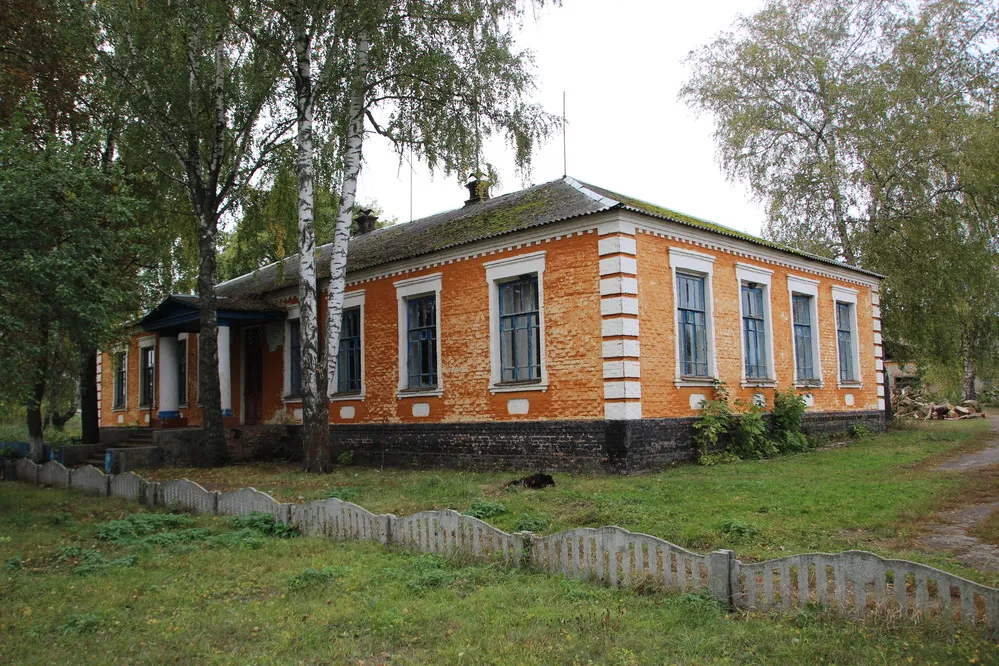
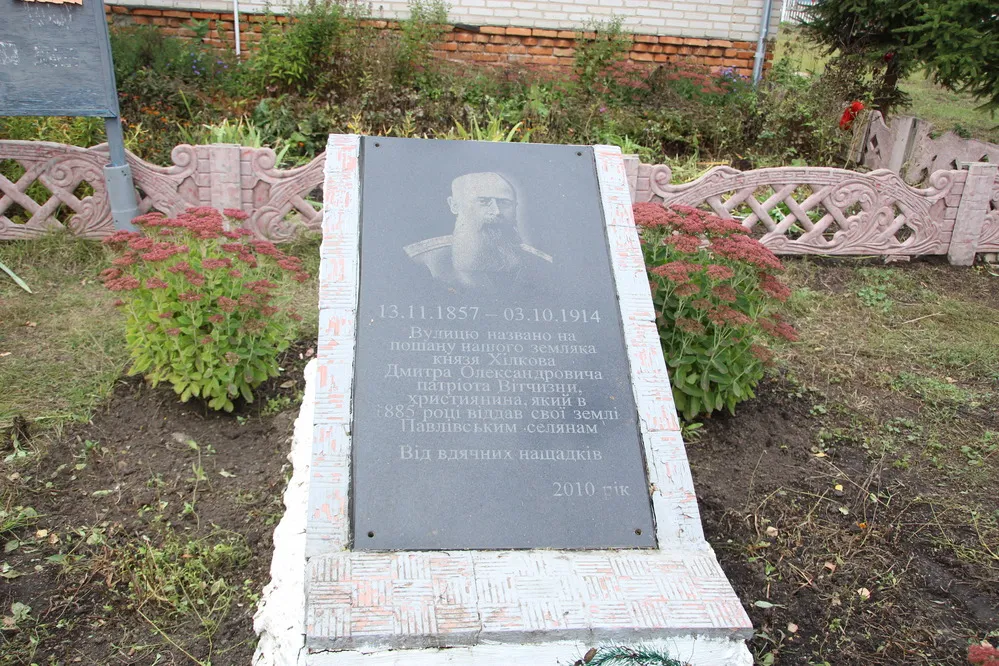
It gets worse. A year later the couple were deprived of parental rights and the children were handed to the care of their grandmother. In the Caucasus two more children were born, Oleksandr and Lizaveta. In time the family and, with Khilkov’s great participation, about 7,000 Doukhobors were allowed to move to Canada.
We will not retell the whole life of Dmytro Khilkov; a whole book has been written about it. So, literally briefly, what follows.
In 1906 Khilkov returned to his native Pavlivka. Disillusioned with Doukhobor ideas, he returned to the Orthodox Church. And in 1910 great grief befell the family. Both of the prince’s daughters took their own lives at the same time, Olha in Tiflis and Lizaveta in Petersburg; the reasons are still unknown.
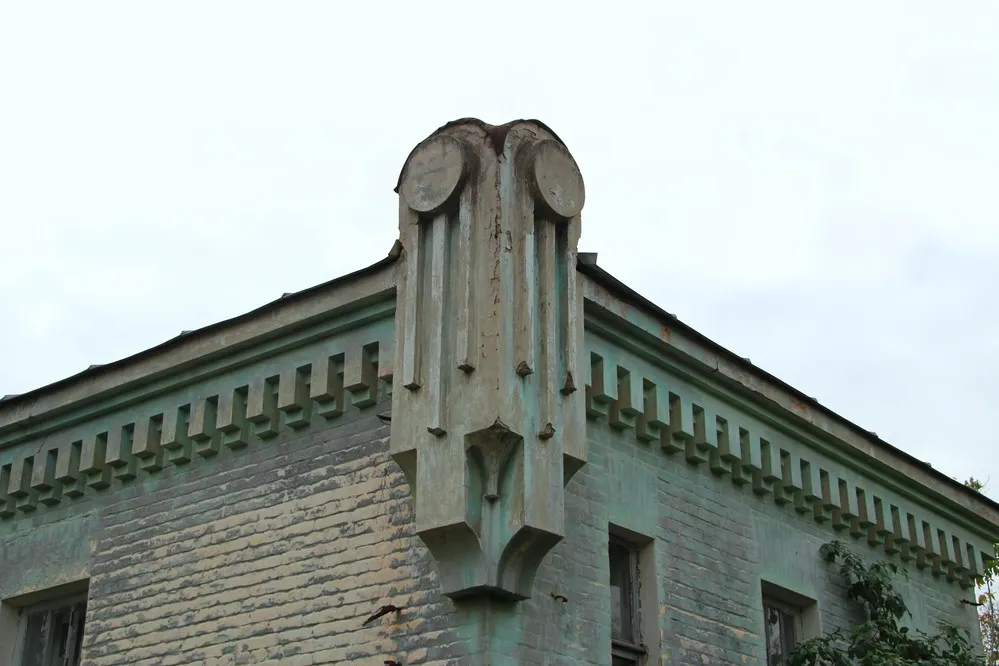
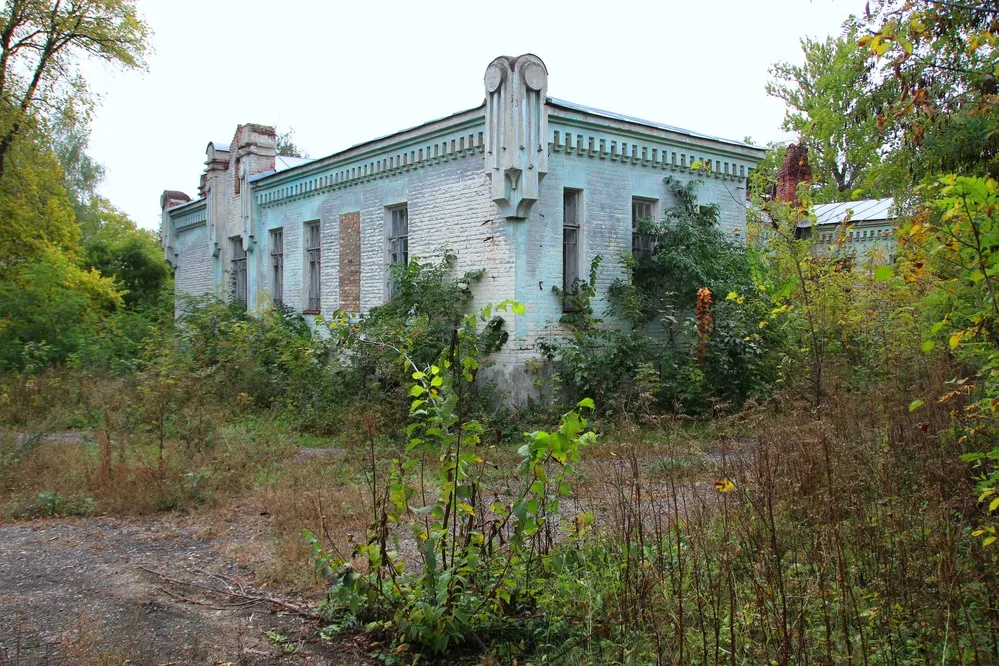
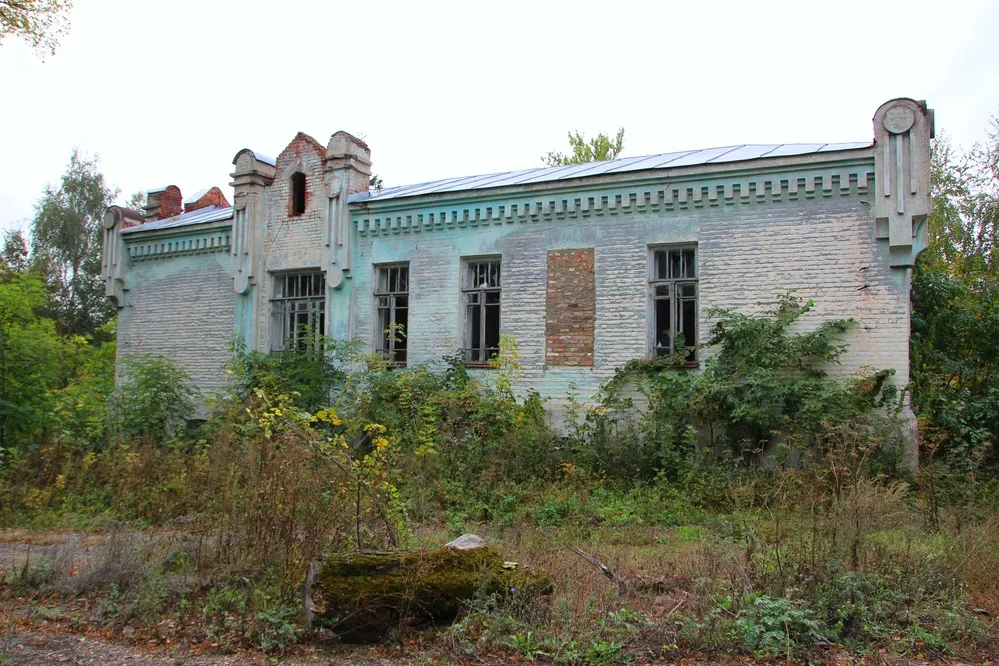
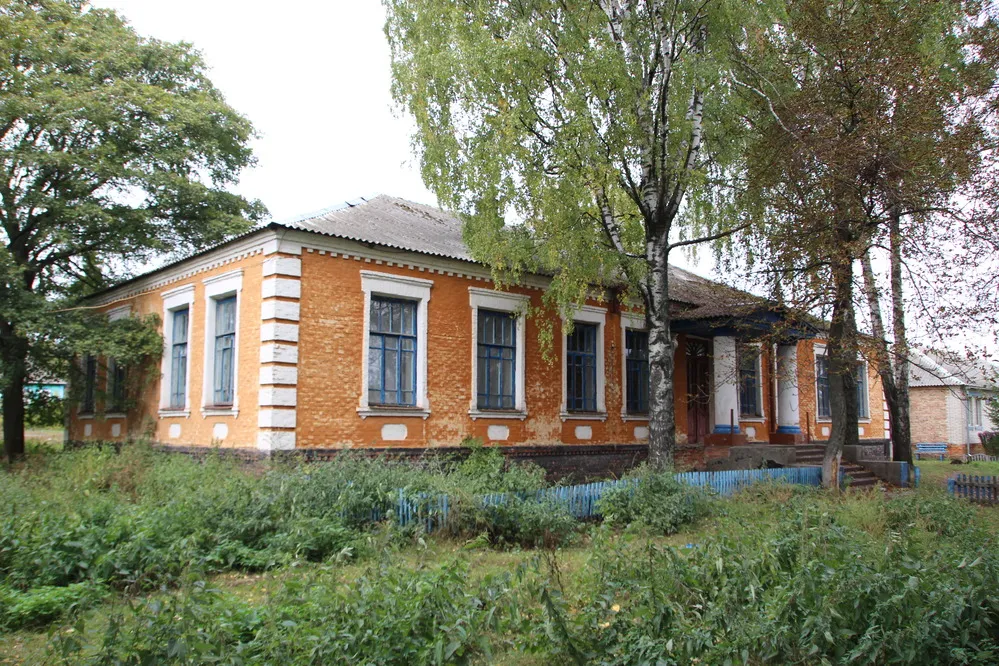
Princess Lizaveta was buried in her homeland. And according to Olha’s will, all her funds went to the construction of the best hospital of that time, and it was intended for the peasants. The hospital was built in 1912. It was not just a hospital but a whole complex of several buildings, including a maternity home, electrified, with running water and steam heating.
The prince himself, two years later, voluntarily went to the front, and in that same year 1914 he was killed in a skirmish on the territory of the present-day Ivano-Frankivsk region, where he was originally buried. His son Borys transported his father’s body to Pavlivka and reburied it, in accordance with the will, next to his daughter Lizaveta. And again the whole village saw the prince off, this time for the last time.
Today of the Olha hospital complex only the main building remains, with wonderful Art Nouveau architecture. It was still in use not so long ago, in the years of independence. One wing of the hospital served as an inpatient department, the other as a sanatorium. The floor in the building is also authentic, made by the famous Kharkiv manufactory “Count Bergenheim”. But at present the building is abandoned and overgrown with thickets that were once a park. The burial place of Prince Dmytro Khilkov and Princess Lizaveta has survived, though without the original gravestones. New ones were installed in 2010.
Text and photos by Maksym Nazarenko, Oleh Hoda and Ihor Dorozhko.


