Why time outdoors will improve your child’s eyesight
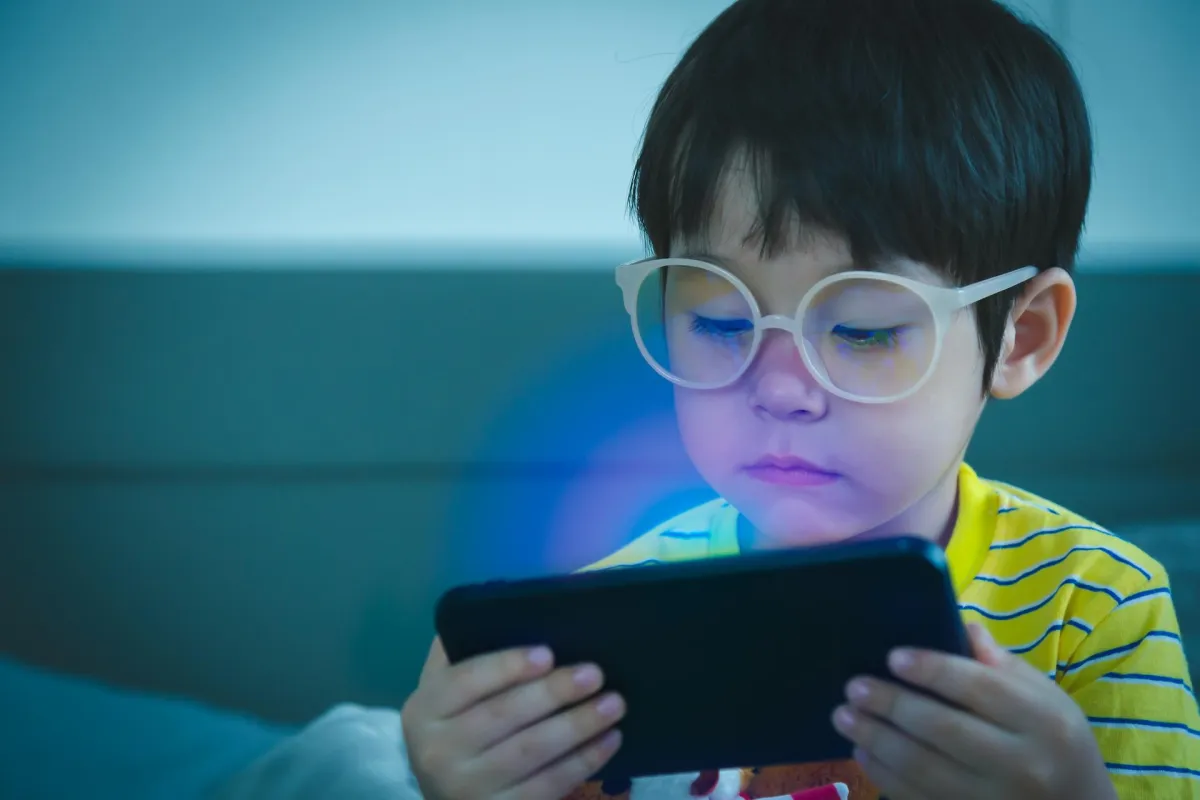
Children now spend their time mainly between school, gadgets and homework. At most an hour a day is left for walks. That is why eyesight more and more often “deteriorates” by the time they reach primary school. Short-sightedness, eye fatigue and complaints of a blurred or unclear image appear. The cause is not genetics: children lack light and space. In this sense, the outdoors is a true healing environment.
Walks protect against short-sightedness
One of the main factors that affect a child’s eyesight is lifestyle. Regular time outdoors slows the development of short-sightedness. But if the first signs of impaired vision are noticed, you should book an appointment at a children’s clinic without delay, via this link: https://visium.com.ua/uslugi/detskiy_oftalmolog/. Specialists will carry out a detailed diagnosis and suggest possible methods of preventing the eye disease. It is important to remember: early detection of deviations in visual function is the key to their successful treatment.
Outdoors, the eye receives dozens of times more light than indoors. This means natural stimulation of the retina, a more active optic nerve and a trained muscular apparatus. In dark rooms or in front of a screen there is no such effect.
The eyes need to train the ability to focus not only on near objects but also on distant ones. Outdoors this happens involuntarily: the gaze shifts to trees, houses, the sky. This makes the eyes tense and relax at the right rhythm, which is good for children who spend whole days over notebooks, textbooks or a tablet.

Why you should walk at least two hours a day
When a child runs, jumps and plays, blood circulation improves, including in the tissues of the eye. This is important for nourishing the retina and maintaining muscle tone. Short (at least 2 hours a day) but regular walks bring benefits:
- a break from screens: outdoors there is no point in holding a tablet in front of your nose, and the eyes can relax;
- physical activity: it improves blood flow and helps cope with fatigue;
- less stress: spending time and playing in the fresh air lowers anxiety levels.
If the child is very busy, parents should still try to find a couple of free hours in the schedule (possibly in breaks) for a walk.
Fresh air, with enough light, movement and time away from the screen, stimulates lung health and a good mood. Walk as a whole family, and let your children’s eyesight stay sharp!