Dykanka

· 3 min read
Mykola Gogol made Dykanka famous across the world: his “Evenings on a Farm Near Dikanka” is well known beyond the borders of the former Soviet Union. Dykanka features there not only in the title but also in many of the stories; it was from here that the blacksmith Vakula flew to St. Petersburg for the Empress’s slippers…
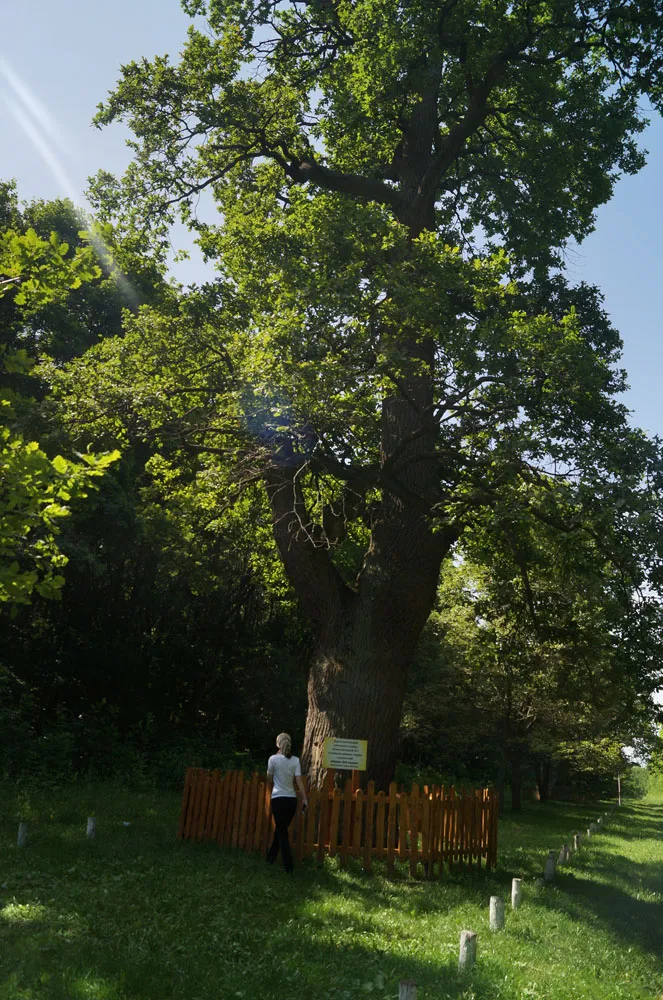
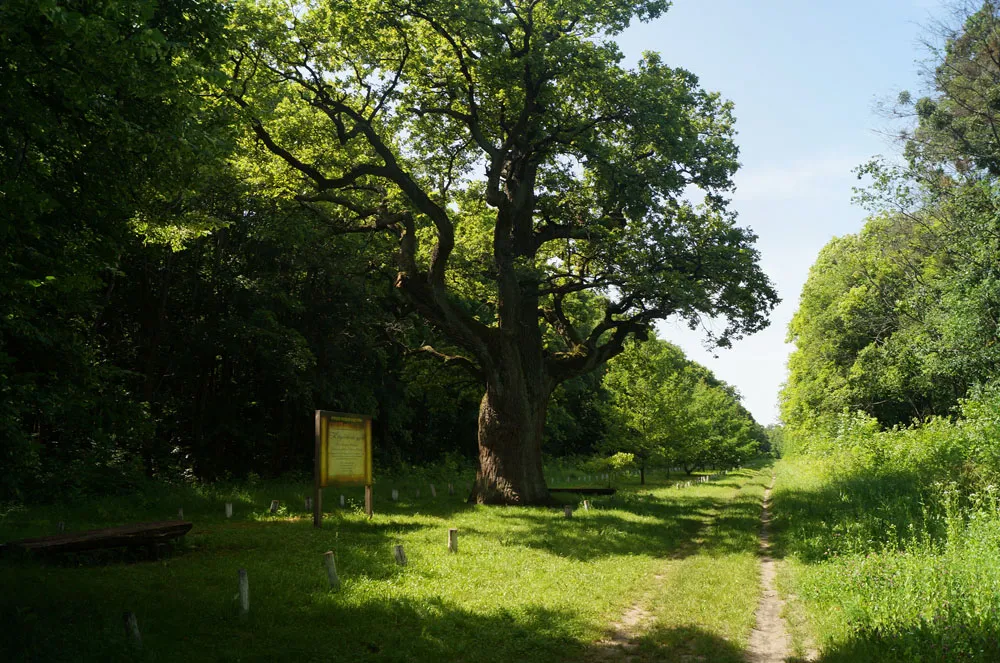
The collection “Evenings on a Farm Near Dikanka” was published in 1832. Even before that Gogol had visited the village many times, collected local legends and prayed in St. Nicholas Church. It was here that Gogol decided to write about all kinds of devilry and unclean spirits, but Dykanka had been written about before Gogol too, and not by just anyone, but by Pushkin himself: “A row of oaks planted by friends blooms in Dikanka…”. Although Pushkin never visited Dykanka, he knew well about the oaks planted by Kochubei, the owner of the village and of many villages around it. These oaks still stand today and are the main natural landmark of Dykanka. Only 4 of them remain, three side by side and one a little farther off. They are believed to have been planted by Kochubei together with Iskra, the very men who wrote a letter to the tsar denouncing Mazepa and were executed near the village of Borshchahivka, on the Ros river.
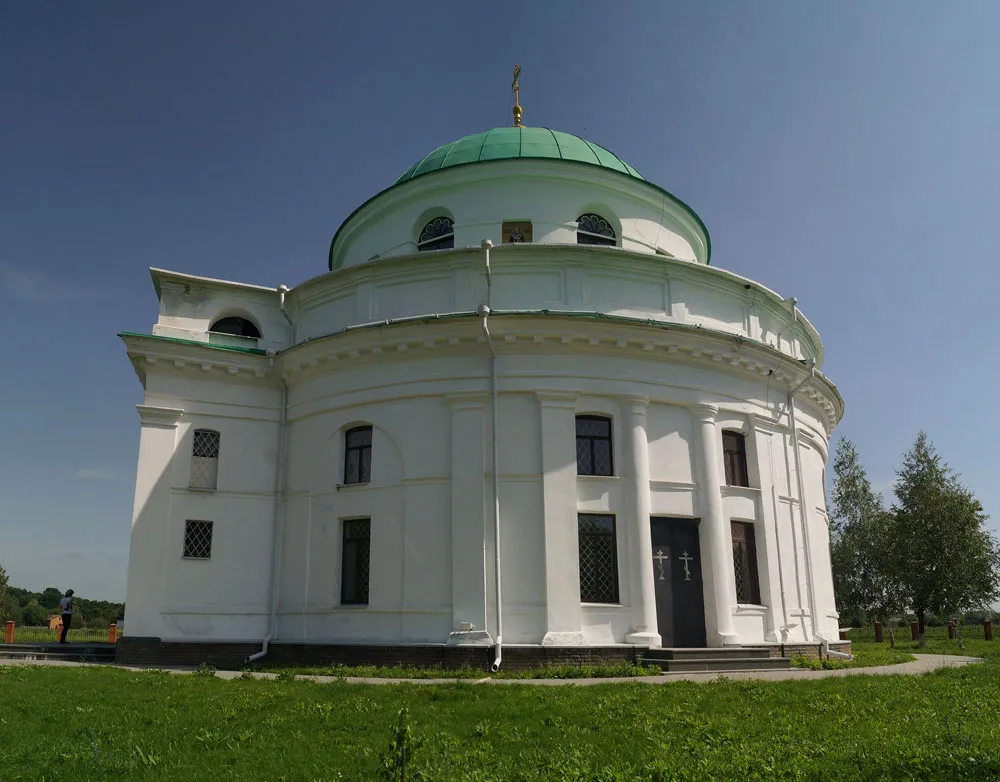
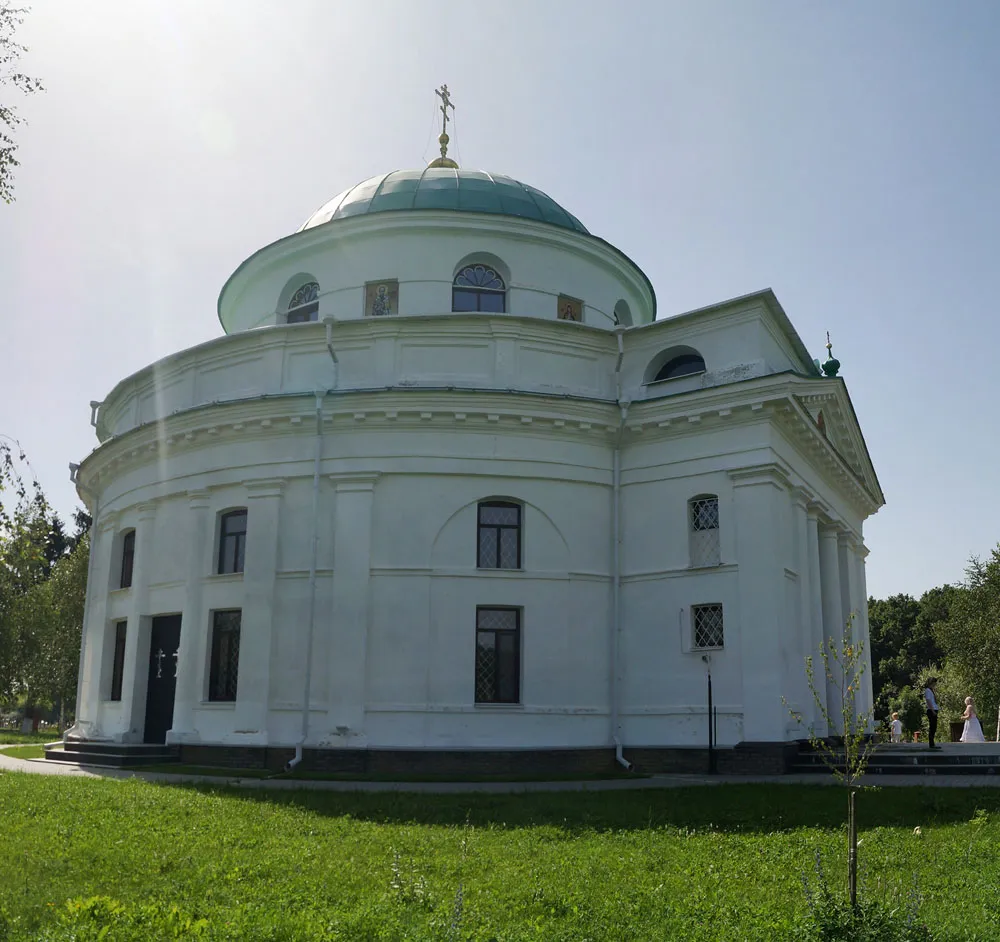
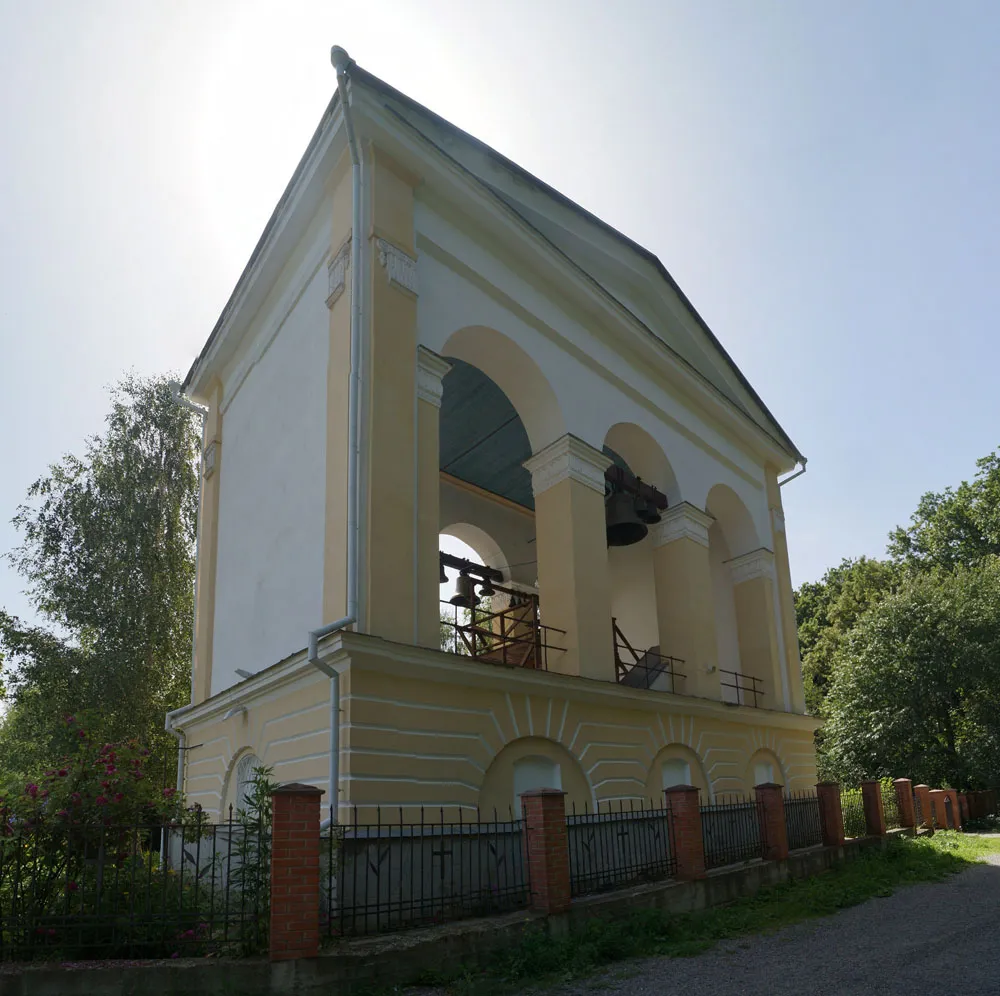
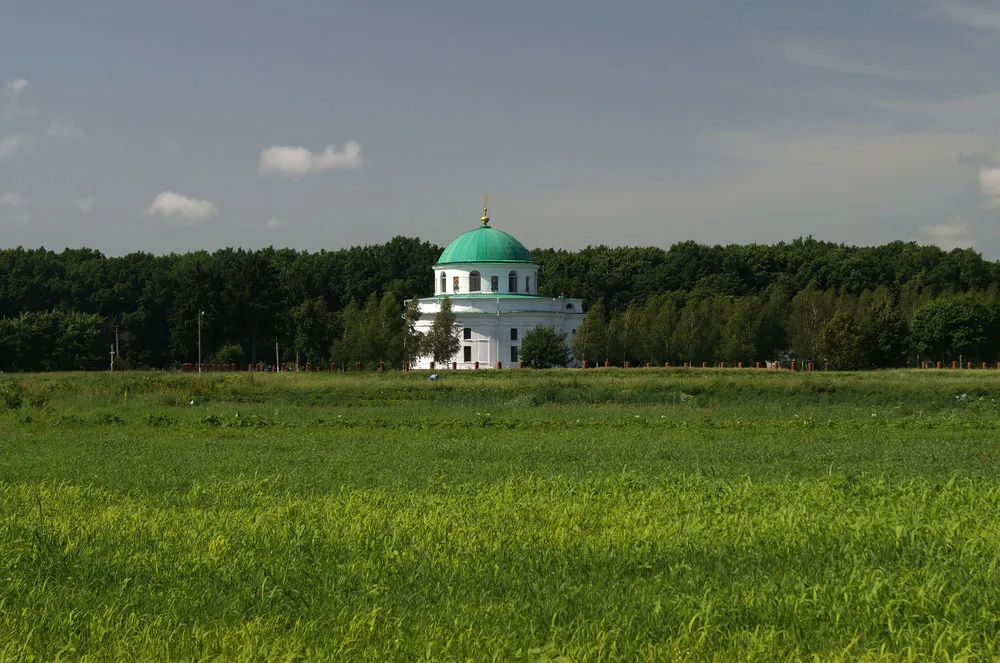
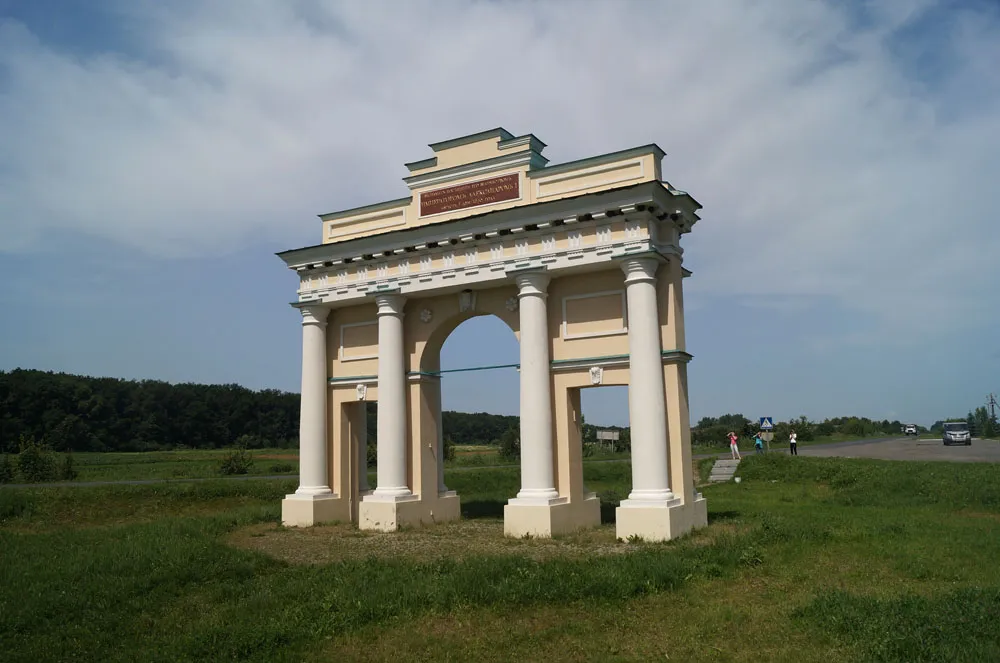
St. Nicholas Church and the Triumphal Arch
Vasyl Kochubei received Dykanka in 1687 from Hetman Samoilovych. From then on it was one of the main estates of the Kochubei family. The descendants of the ill-starred colonel built a large palace in Dykanka (late 18th century) and laid out a magnificent park. The estate was famous throughout the empire, for Tsar Alexander I himself stayed here as a guest. In honour of this momentous event a triumphal arch was erected, and it is the only monument that survives from the estate: the palace was burned by the Bolsheviks in 1919, and the park was cut down for firewood.
The first mention of Dykanka dates from 1658, when the armies of the pro-Russian Poltava colonel Martyn Pushkar and Hetman Ivan Vyhovskyi met near the village. But the village probably existed earlier. It is supposed to have been founded by a Cossack with the surname Dykan, hence the name, although there are other versions.
Near Dykanka, in the forest, a cave hermitage existed until 1602; its remains are said to have survived.
Under Vasyl Kochubei the famous Cossack chronicler Samiilo Velychko lived in Dykanka.
The main architectural monument of Dykanka today is St. Nicholas Church, a rotunda-like church (greetings to the Freemasons) built by the Kochubeis in the 1790s as a family burial vault. The church’s architect was Mykola Lvov, an architect called the chief architect of the Masonic lodge; he really did build quite a few rotunda churches, including one in Iahotyn, commissioned by the Freemason Rozumovskyi.
St. Nicholas Church has a double dome. Its façade is decorated with columns, and above the doors there is a triangular portico. A bell tower stands opposite the entrance.
Dykanka also has a local history museum. Today it is no longer a village but an urban-type settlement, the centre of an administrative district.
Text and photos by Roman Malenkov.