

Restorers try to extend the life of artifacts from the bed of the former Kakhovka Reservoir (photos)

· 3 min read
After the Russians blew up the Kakhovka Hydroelectric Power Plant, thousands of ancient artifacts ended up on the surface. Staff of the Khortytsia National Reserve found about three thousand items, including infantry weapons of the 17th–18th centuries.
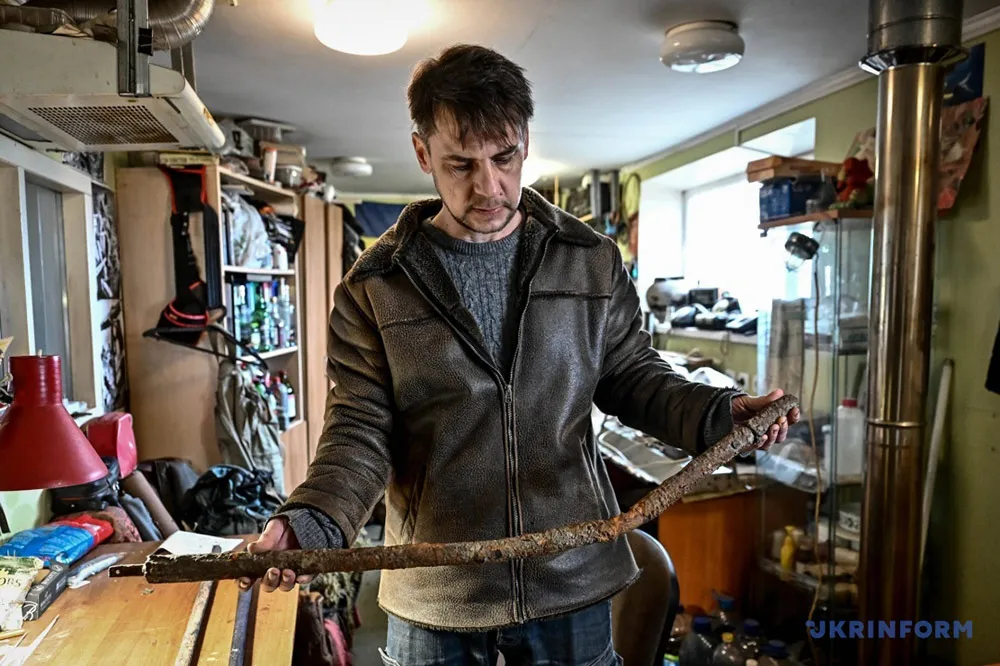
The objects, covered with a layer of sand and clay and damaged by corrosion, began to deteriorate quickly and therefore needed prompt restoration or at least proper storage. Correspondents of Ukrinform visited the restoration hangar, where specialists are trying to “extend the life” of these unique finds.
Andrii Denysenko, a restorer at the Khortytsia National Reserve, works in a small workshop with a scalpel and a diamond drill.
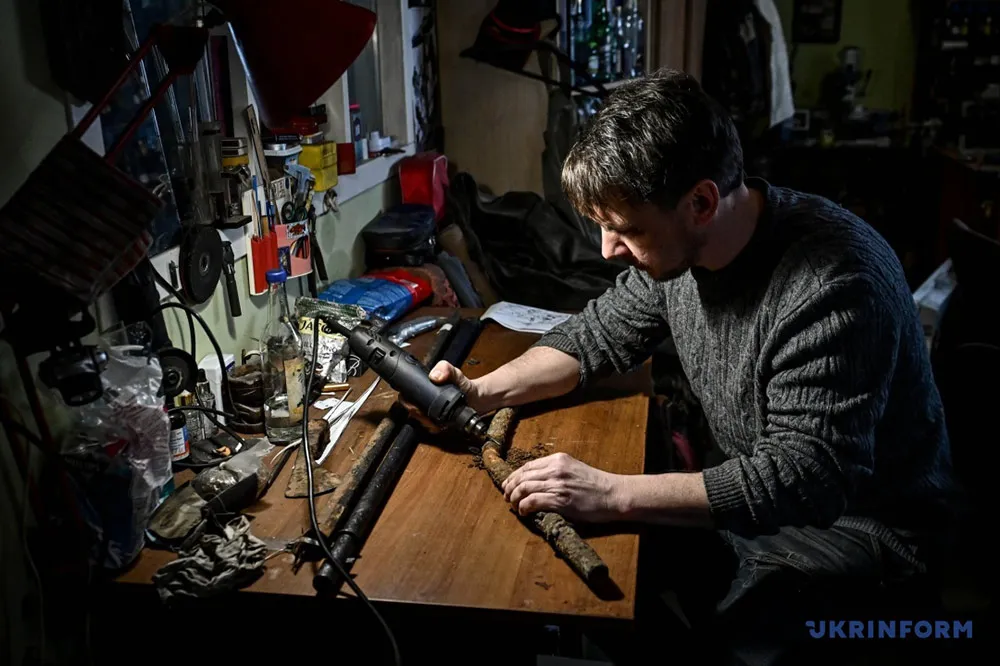
He is now restoring several muskets from the Cossack era. They were found near Khortytsia, but at different times. Unfortunately, the muskets have not survived in full.
– Mostly only the barrels reach us. There are no locks or stocks. This is a fairly large and heavy infantry weapon. Compared with a modern one, it is roughly a 12-gauge hunting gun. It is the assault rifle of those times, used when going “line against line”, with about 100 metres to the target. The weapon was not accurate, but at that time there was nothing better, apart from sniper rifles. Those were very accurate, but very expensive, and also heavy, says Andrii.
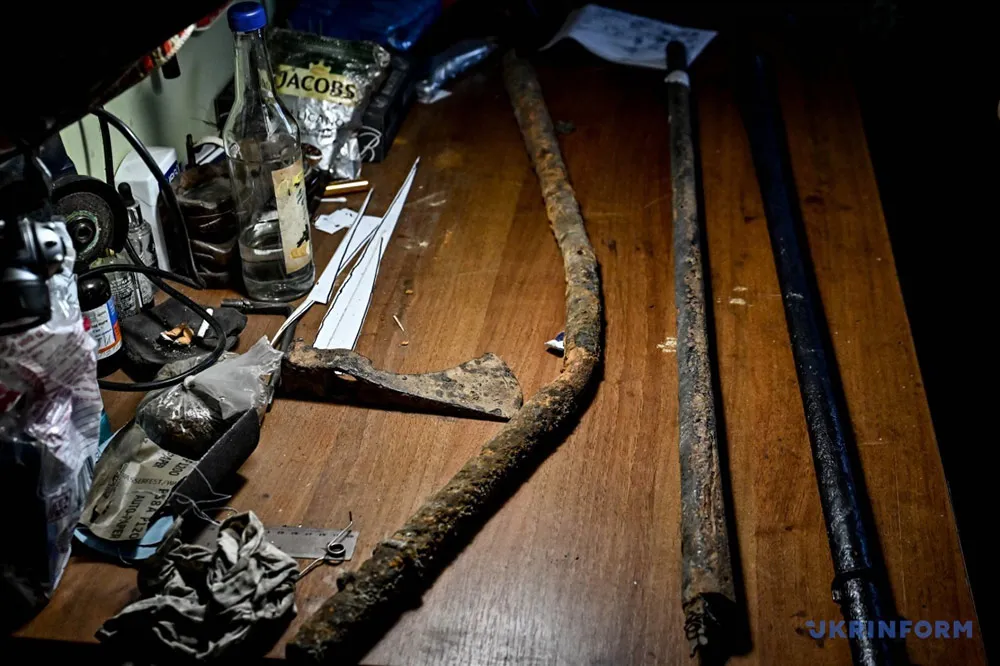
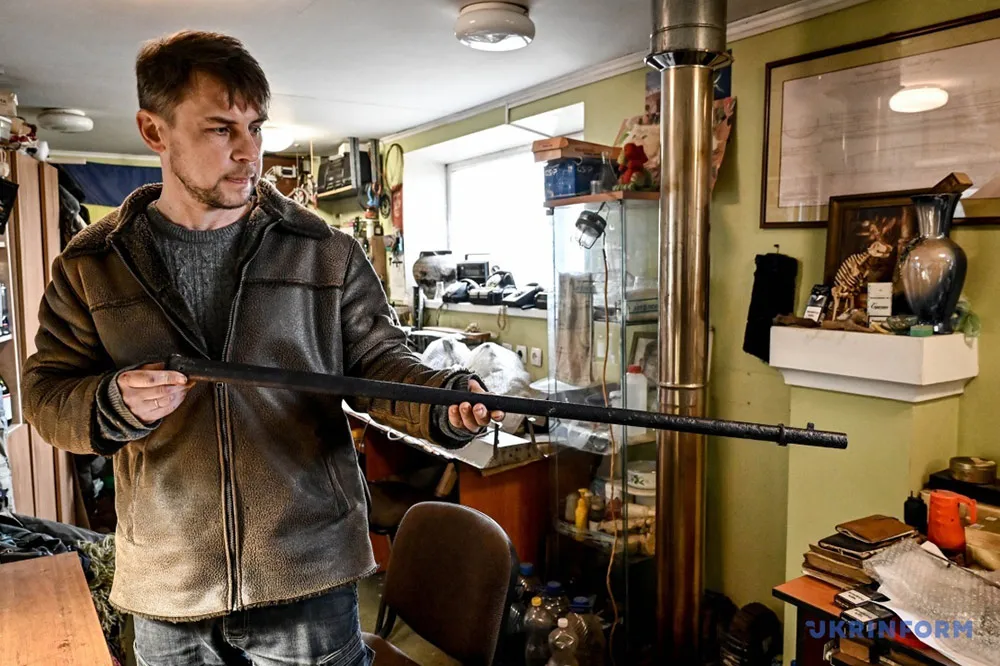
The restorer shows a musket dated 1735–1739. It was found in the summer of 2023 on the shore of Khortytsia.
– This is a Russian infantry musket from the time of the Russo-Turkish war. They were in service with the Russian army, but the Cossacks used them too. The metal is thick but bent, and it is unknown under what circumstances it was deformed. In theory it can be straightened, but during restoration we will look at the condition of the metal so as not to damage it. Removing the deformation is our job, and we will try to restore the geometry, the restorer comments.
According to him, this musket most likely will have no decorative elements, but a maker’s mark is quite probable.
– The inside will be the hardest to work on. Cleaning the outside can be done in a day, but the inside takes about four. The restoration centre in Kyiv does not want to take on such items, because you cannot make a name on them. They cannot be submitted for certification to raise one’s grade either, since there are many similar items. A master restorer shows what he can do through chasing, soldering, restoring inlay, but here there is nothing of the kind, so what can one make a name on? But they still need to be restored, such things need saving too, says Andrii.
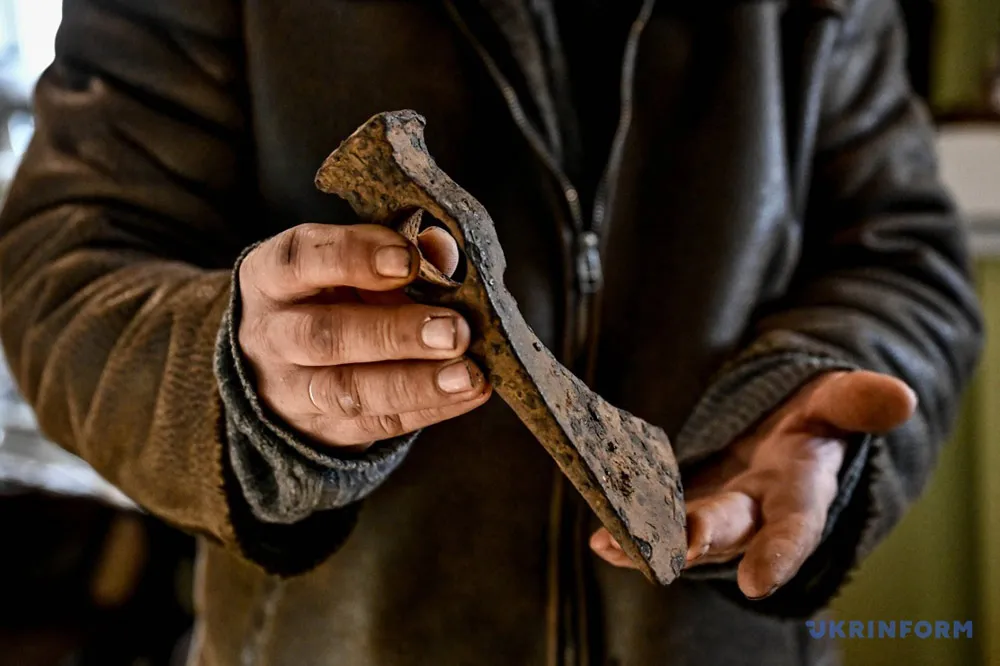
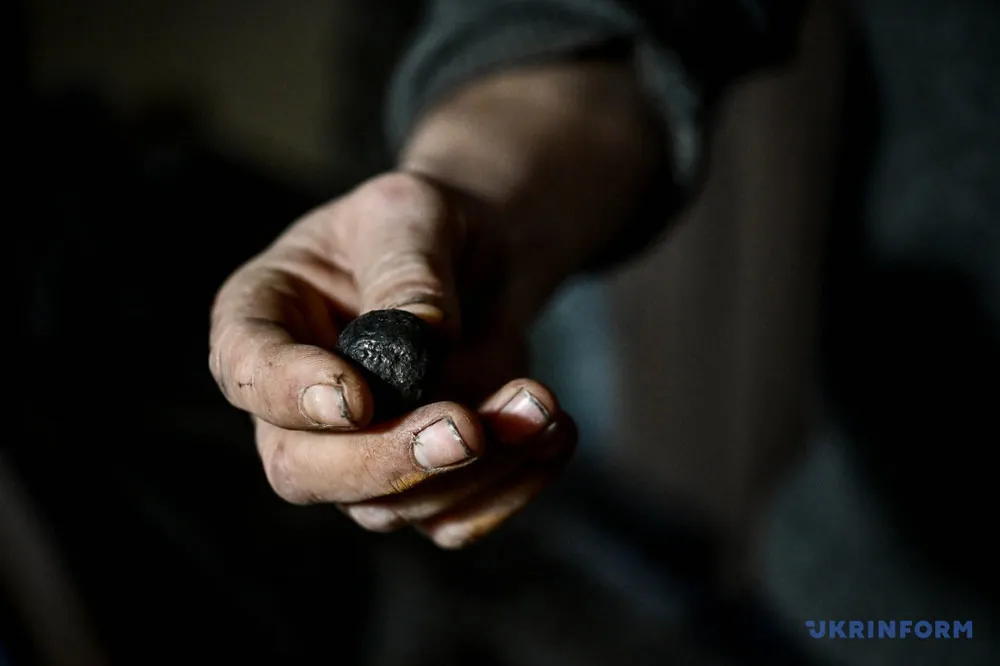
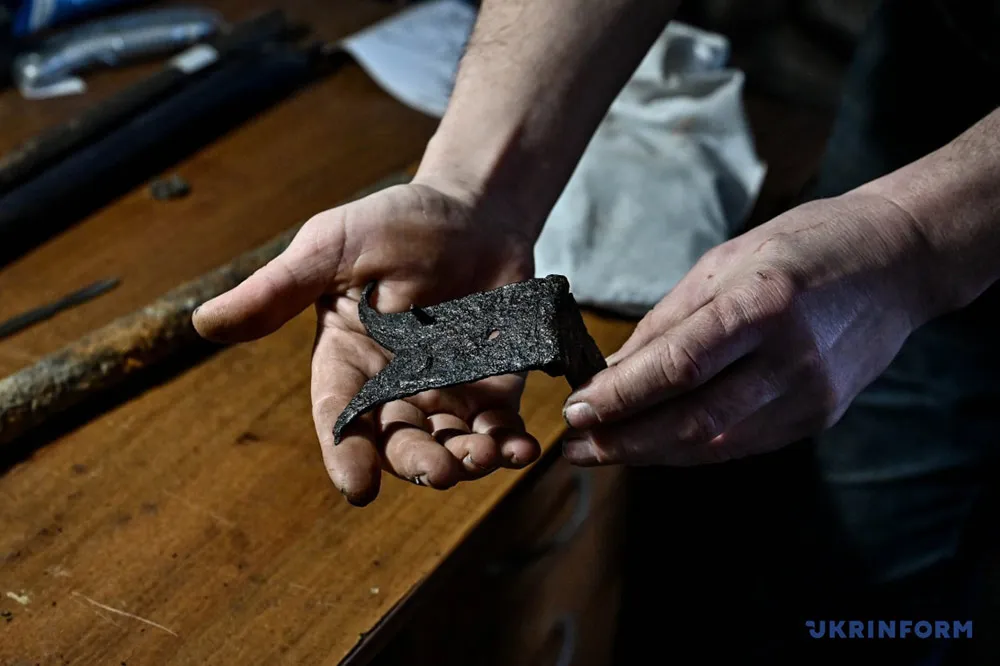
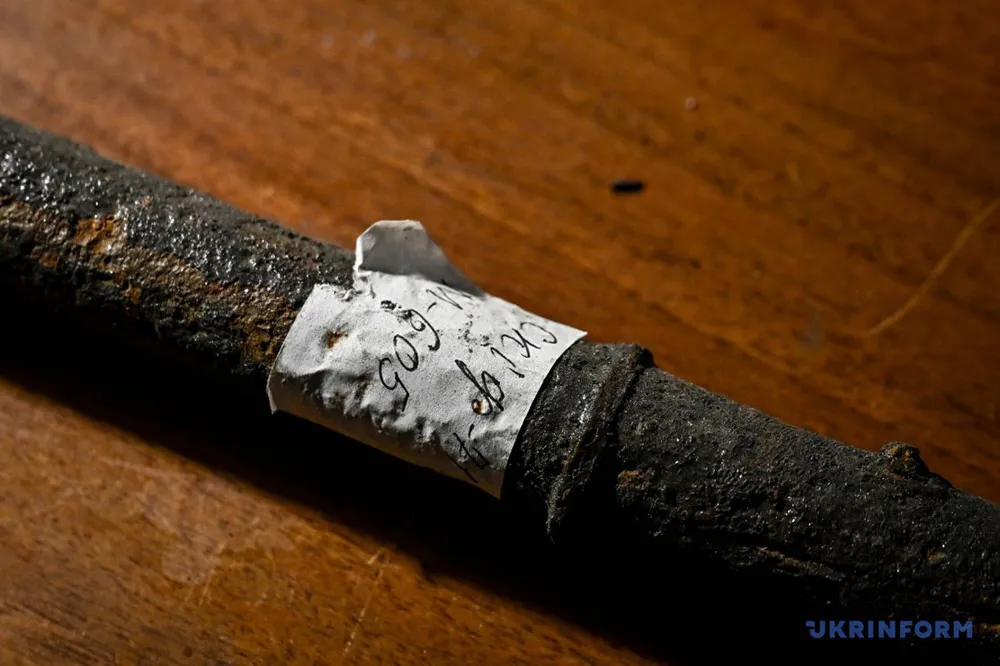
The Khortytsia National Reserve is one of the few Ukrainian museums that can boast a developed restoration infrastructure. The first Zaporizhzhia restorers were certified back in 2015. Now a team of six specialists works here, restoring wood, metal, ceramics and paintings. In all of Ukraine there are no more than 200 restorers, across all fields of activity.
Among the items already restored are an amphora, boat fastening elements and, once again, a musket.
In addition, near Khortytsia they continue to find remains of ancient boats, fragments of tableware and weapons, and household items from the Bronze Age to antiquity and the Cossack period.
As Ukraine Incognita reported earlier, archaeologists have discovered the residence of Emir Mamai on the bed of the drained Kakhovka Reservoir


