

The ruins of Chornokozyntsi Castle have finally been entered in the list of architectural monuments
The castle complex in Chornokozyntsi has been entered in the State Register of Immovable Monuments of Ukraine. This was told to Suspilne by Valentyna Lukashuk, deputy head of the department of information activity and culture of the Khmelnytskyi Oblast Military Administration. According to her, the community is now looking for an owner for the monument in order to develop local tourism.
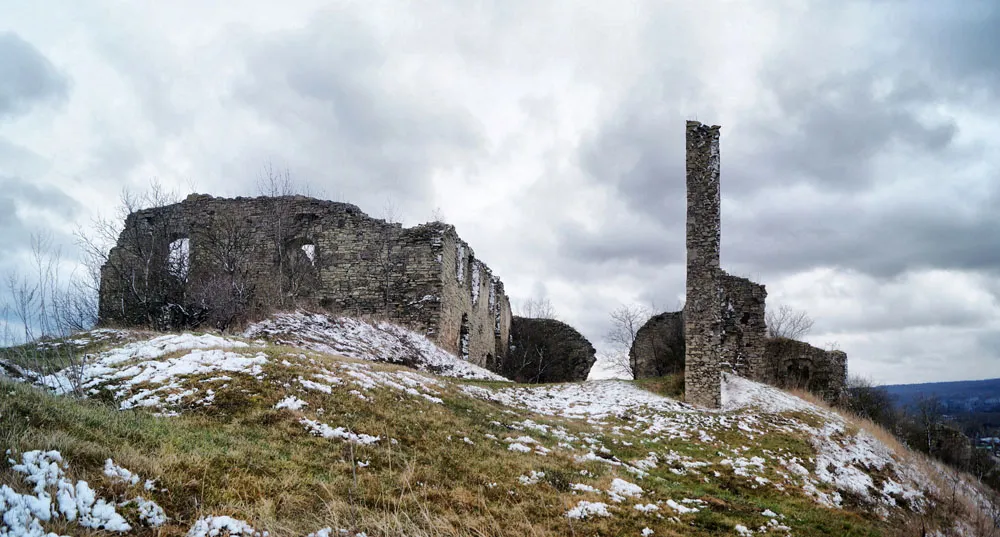
The castle in Chornokozyntsi was put on the state register as an architectural monument back in 1979, but only now has it received the status.
“In June this year the ministry submitted a proposal, the Cabinet of Ministers supported it, and this very monument was granted the status of a Monument of National Significance, which has already been entered in the State Register. The complex consists of three components: the ruins of the castle itself, the gate and the church,” said Ms Lukashuk.
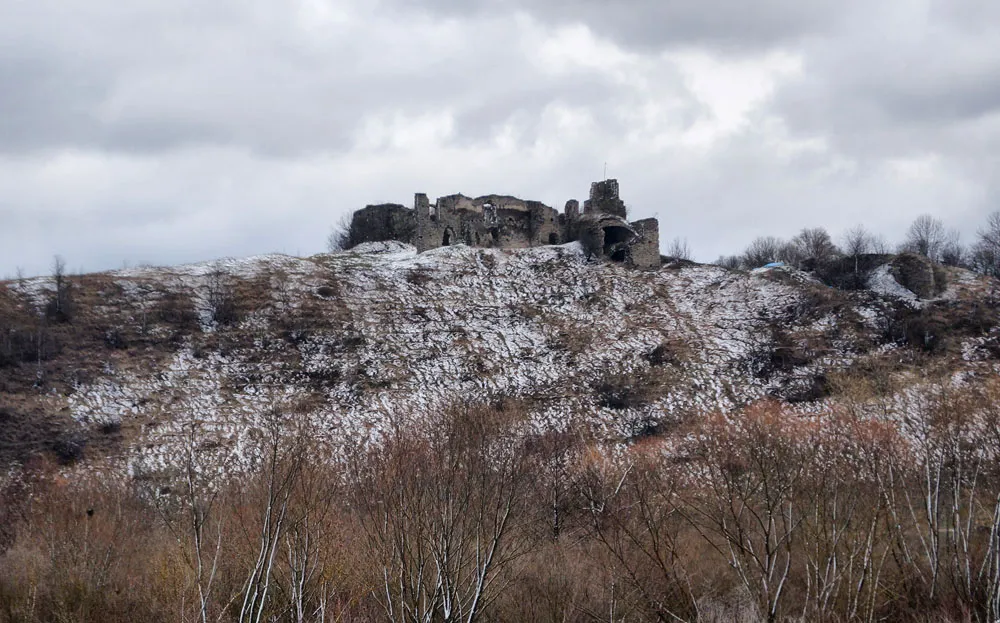
The duty of preserving and maintaining the monument falls on the Orynyn territorial community, where the ruins of the structure are located, says Valentyna Lukashuk. According to her, the complex has no owner or balance-holder as yet. Therefore the community cannot fund work on these sites:
“The first measures that local self-government bodies must take are to resolve the question of ownership; only then will it be possible to conclude a protection agreement for this monument, and also to lease it out, for example to private entrepreneurs who could carry out some work on the territory.”
For reference
The settlement of Chornokozyntsi is first mentioned in 1467, as the property of the Kamianets Cathedral and a fortified town. However, some historians, in particular Przezdziecki, believe that the castle in Chornokozyntsi was built as early as the time of the Koriatovych princes in the second half of the 14th century. The settlement lay on the Wallachian Road, Tatar raids were regular, so there was always a need for a castle here.
Read more about the castle and its history in our article “Chornokozyntsi”.


