

Shalyhyne

· 2 min read
Another border settlement. This time – the urban-type settlement of Shalyhyne in the Hlukhiv area.
The settlement was founded at the end of the 16th or the beginning of the 17th century by a settler named Shalyhin, who received an allotment here for military service. From 1757 the village became privately owned and for several generations belonged to the Princes Baryatinsky.
Administrative reforms and divisions in the 18th century tossed the village from one governorate to another; it was in the Kyiv Governorate (from 1708), in the Belgorod Governorate (from 1727) and in the Kursk Governorate (from 1796). The settlement was also a volost centre.
In 1855 Prince Baryatinsky built a brick factory and a sugar factory, but later leased it to M. Tereshchenko. At the turn of the century Tereshchenko built a new, modern factory on the site of the old sugar factory, and in 1918, in a time that was practically risky for construction, a hospital was opened at it.
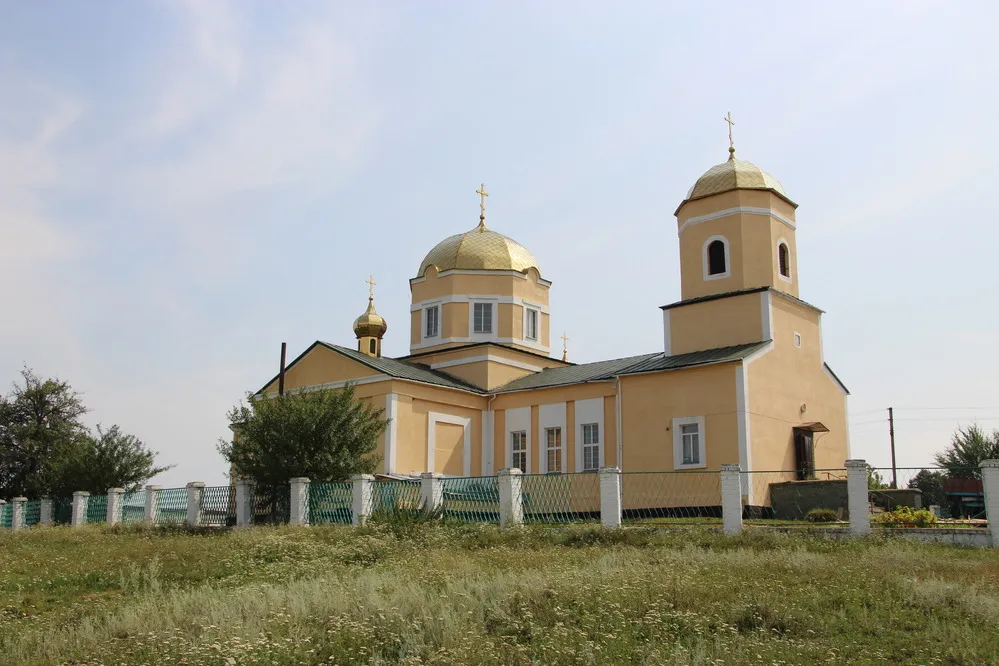
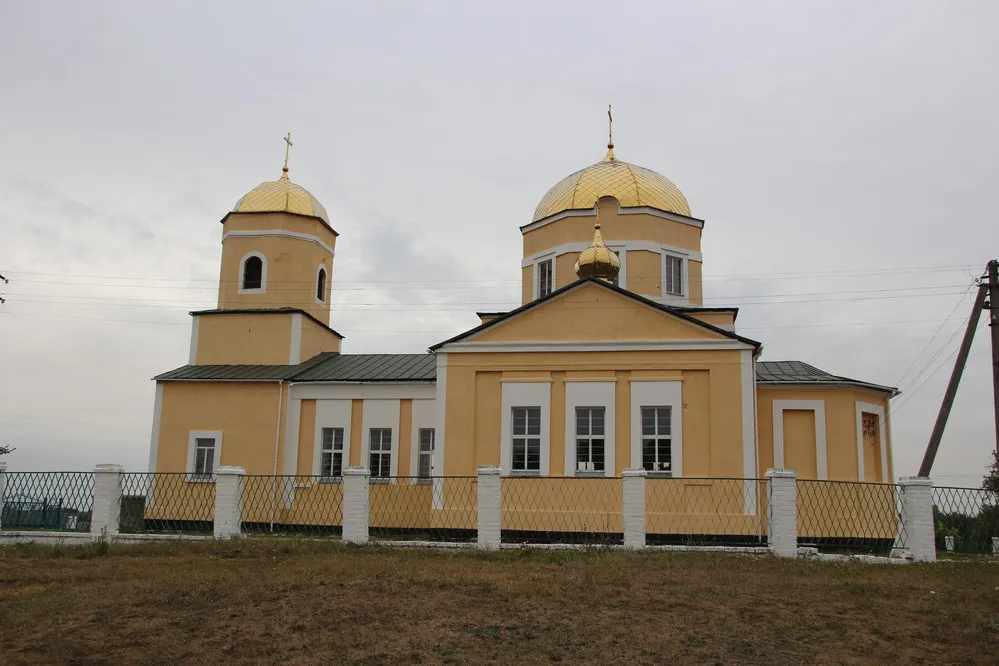
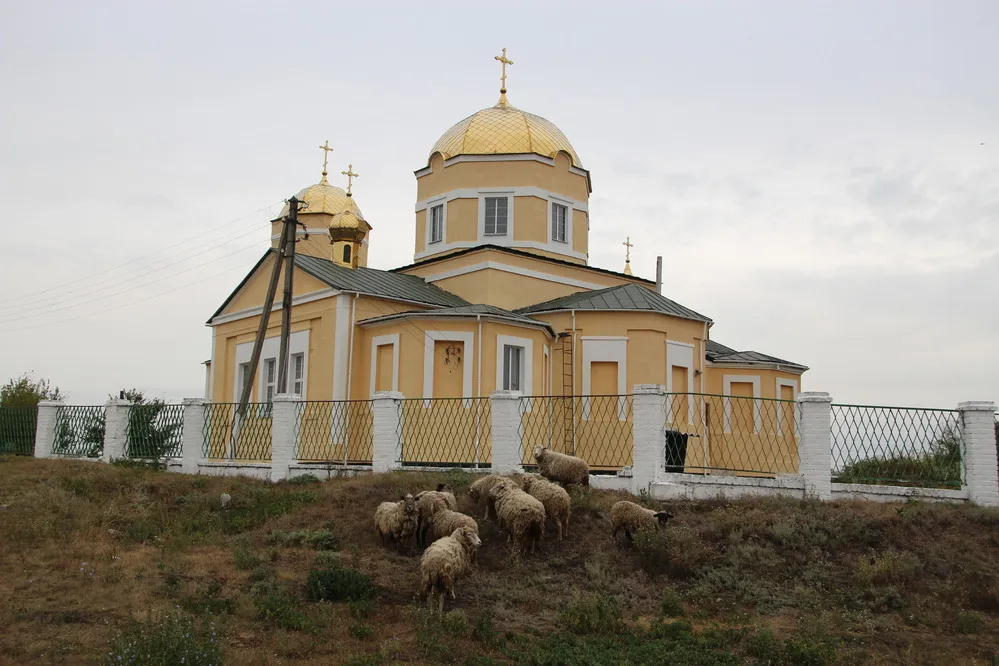
The Church of St. Elijah, built in 1889–1906, is not purely Shalyhyne’s own; it belongs to the settlement of Koviunky, which after the merger was simply absorbed by Shalyhyne. In its place there was formerly a wooden church built in the mid-17th century, but that was not the predecessor of the present one either – in 1798 it was replaced by a newer church, also made of wood.
The existing church is of brick, with three domes. After the revolution the church was closed, and the domes and the bell tower were destroyed. The church was restored at the end of the 20th century, and in 2007 it was thoroughly reconstructed.
Shalyhyne itself also had a church, the Trinity Church, but it was destroyed in the 1930s. There is information that in 1880 as many as 4 churches operated in the settlement.
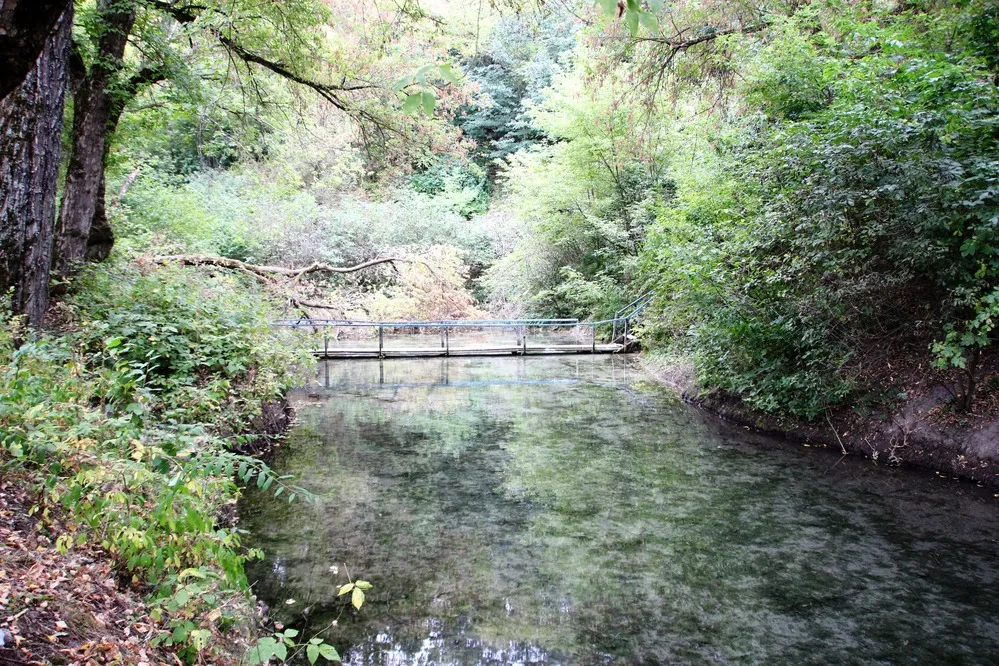
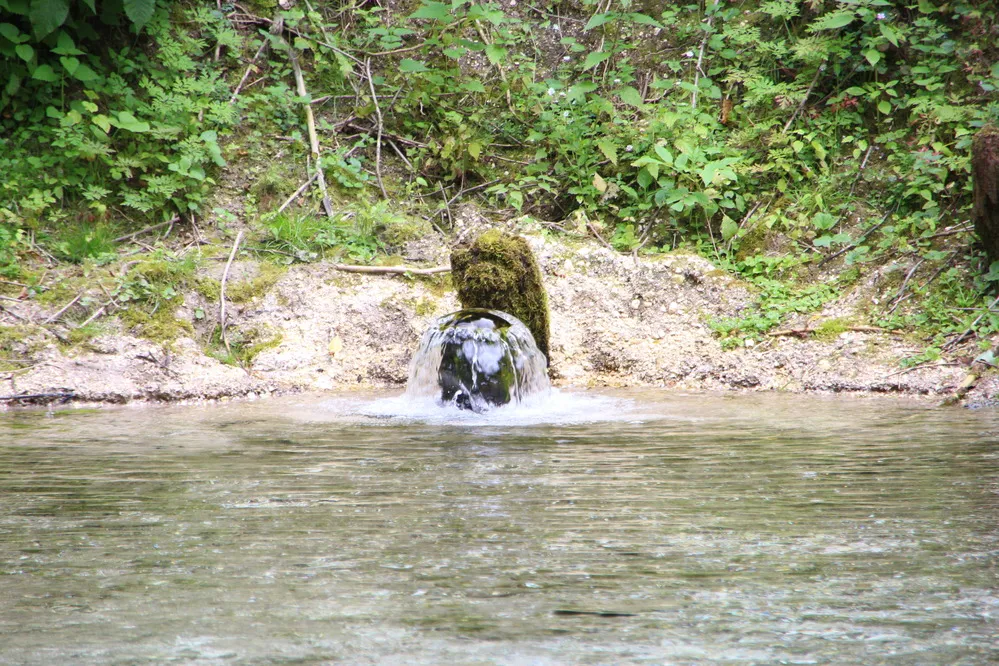
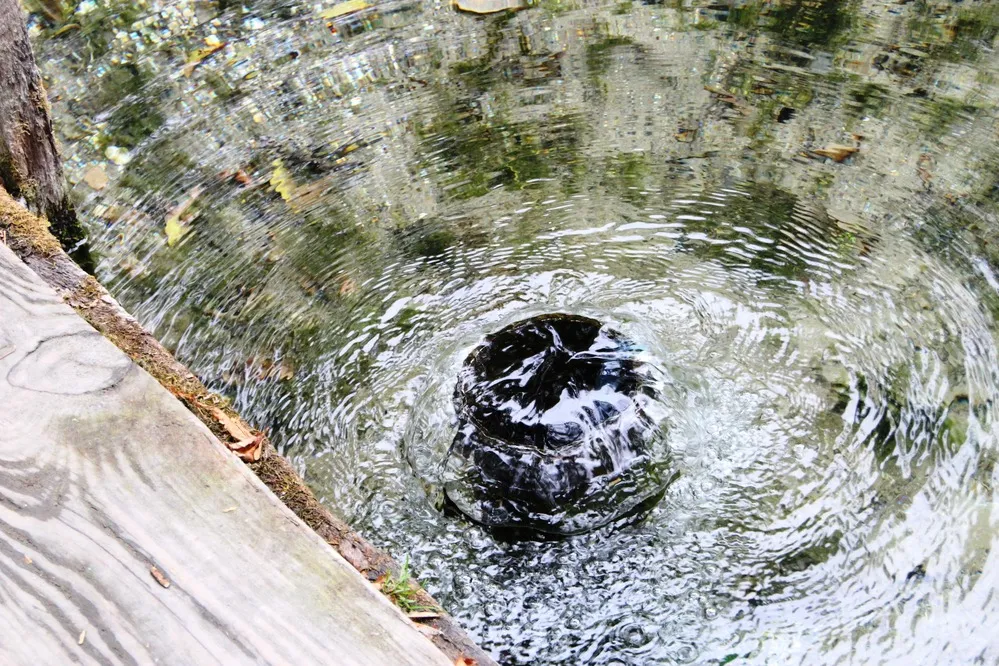
There is another landmark in the settlement – a hydrological one. These are springs that flow out on their own straight from the Lapuha River, on which Shalyhyne lies. These hydrological formations are called the “Seven Springs”, or also the “Chalk Well”. They cover half a hectare and are a landmark of local significance. A peculiarity is that at any time of year the temperature of the spring water does not exceed four degrees; the water itself is very clear and pure and, they say, has a healing and curative effect.
Text and photos by Maksym Nazarenko and Ihor Dorozhko.


