Kyiv +1°$ 45.08€ 49.46
Ukraine Incognita
UAEN

Tag

Ancient Kyiv Reserve

Stories about Ukraine

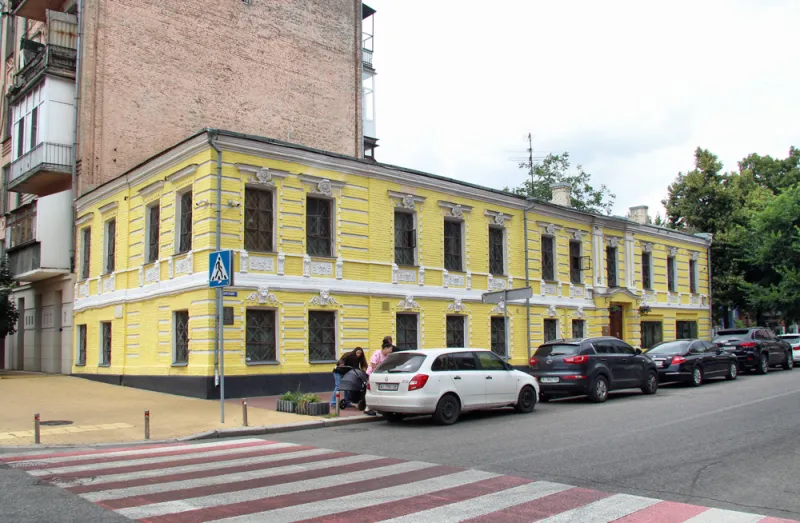
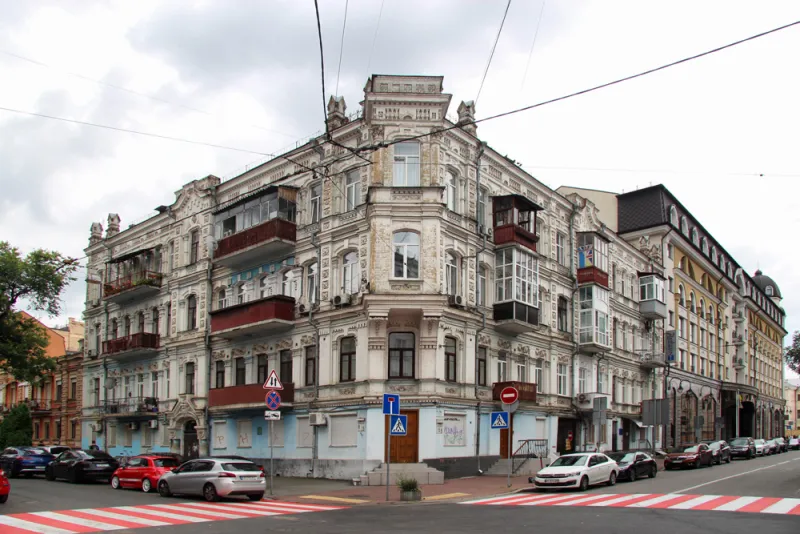
9/1 Ihorivska Street, Khvoika’s house

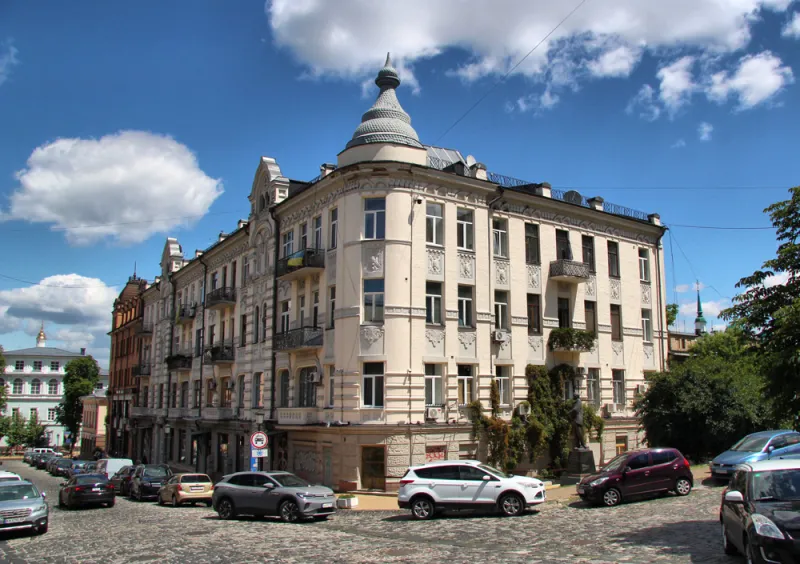
The two-storey house at 9/1 Ihorivska Street closes the vista of Ihorivska Street at its intersection with Bratska Street. Photo: Roman Malenkov Built to a design by the architect Volodymyr Nikolaiev. It is the only building that has survived from the corner estate that belonged to K. Sorokina in the late 19th and early 20th […]

Dmytro Smotrych
Stories about Ukraine

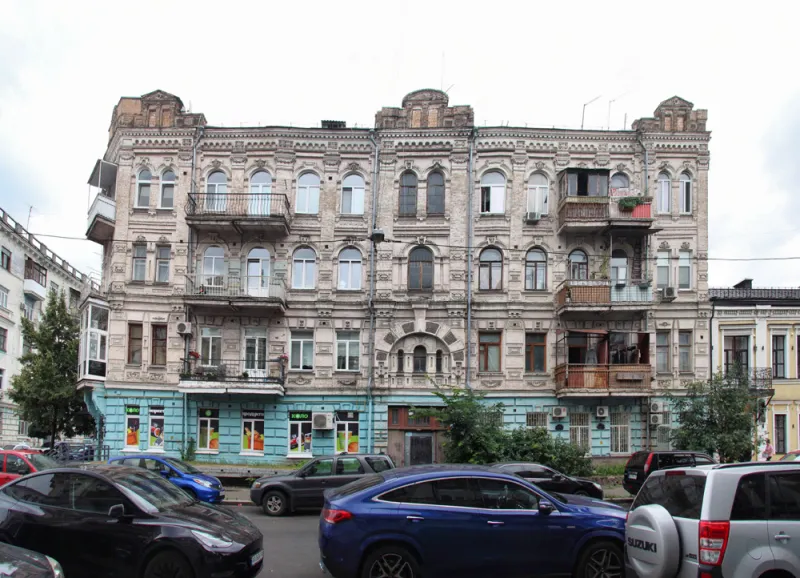
15 Bratska Street: classicism and Muscovy

The apartment building at 15 Bratska Street is another “blank spot” that the renewed team of the “Ancient Kyiv” State Historical and Archaeological Reserve is to fill in. Only one thing is known about this beautiful building today: it was built in 1901. This is hard to miss, because the year is marked right above […]

Dmytro Smotrych

Stories about Ukraine

13 Bratska Street: women’s heads, an arch and a meander

Bratska Street is one of the oldest streets in Kyiv. It used to be called Volodymyrska. Its present name it owes to the Brotherhood Monastery, which it once linked with the Post Station on the square of the same name. Thanks to the monastery, which has survived to our day only in part, in 1869 […]

Dmytro Smotrych

Stories about Ukraine

7 Bratska Street: where Marko Vovchok stayed

The small but very attractive two-storey brick house at 7 Bratska Street stands on the site of a building put up in the 1830s–40s as the “Moskovskyi” hotel. The style is late Classicism with elements of eclecticism, characteristic of Podil’s buildings of the late 19th and early 20th century. Photo: Roman Malenkov Many famous guests […]

Dmytro Smotrych

Stories about Ukraine

Sahaidachnoho Street, 8 – the Brodsky house

At the corner of Ihorivska and Petro Sahaidachnoho streets, in the very heart of Podil, stands a three-storey building embodying the architectural aesthetics of the second half of the 19th century. It is a former apartment building (rental house), built in the Historicist style with elements of Neo-Renaissance and the so-called brick style. Its façades […]

Dmytro Smotrych

Stories about Ukraine

Oleksandr Kuprin’s house: 4 Sahaidachnoho Street

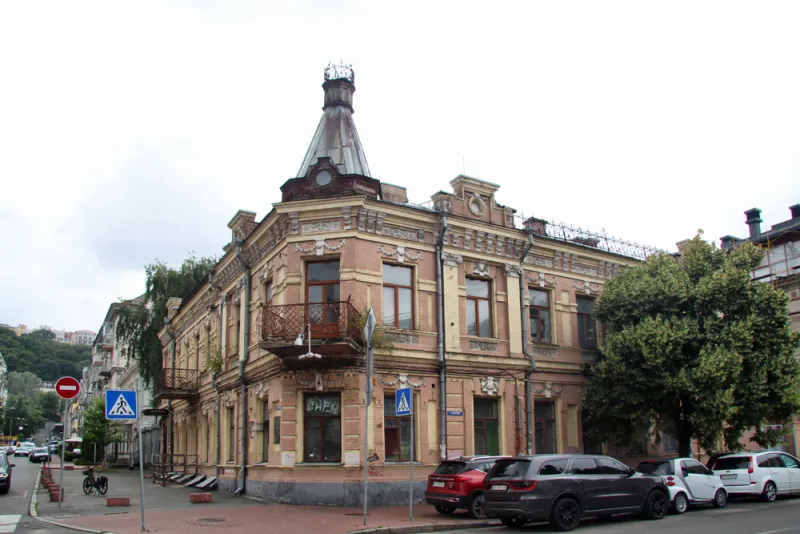
The building at the corner of Sahaidachnoho Street and Borychiv Uzviz is a modest apartment-rental building of the late 19th century, built in 1894–1896. There is none of the “architectural excess” that would once have irritated Khrushchev: a little stucco, a cornice with minimal decoration, and that is all. The architect’s name has been lost […]

Dmytro Smotrych

Stories about Ukraine

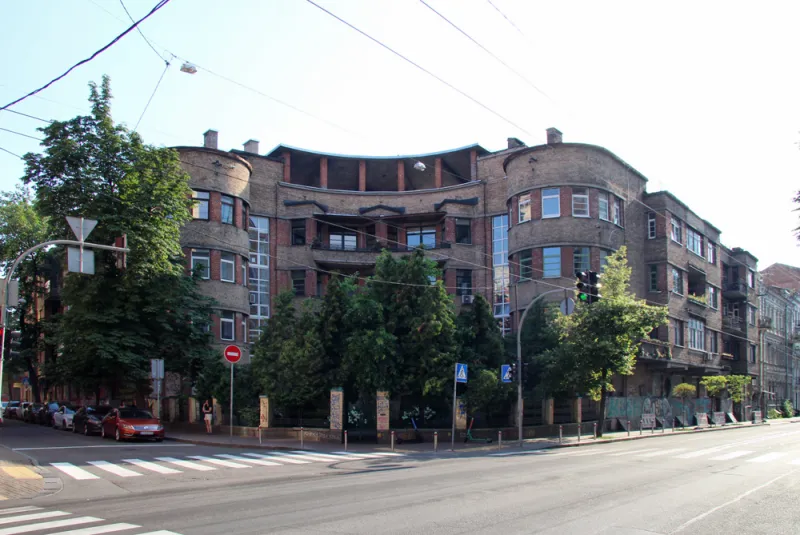
The “Doctor’s House” by the architect Aloshyn (1930)

The building of the “Soviet Doctor” housing cooperative (17 Velyka Zhytomyrska), built in the Constructivist style by the well-known architect Pavlo Aloshyn, is one of the first multi-apartment residential buildings erected in Kyiv in the Soviet era. It was also the first residential building in Soviet Ukraine with a flat reinforced-concrete roof. On it there […]

Dmytro Smotrych

Stories about Ukraine

3/24 Andriivskyi Descent: the youngest among the historic buildings

The residential (apartment) building at 3/24 Andriivskyi Descent, standing at the corner of Andriivskyi Descent and Borychiv Tik Street, is perhaps the youngest among the historic buildings of the descent. It appeared only in 1914. Photo: Roman Malenkov The building consists of two sections of different sizes with separate entrances: a rectangular one on the […]

Dmytro Smotrych

Stories about Ukraine

20/4 Borychiv Tik: time ennobles everything

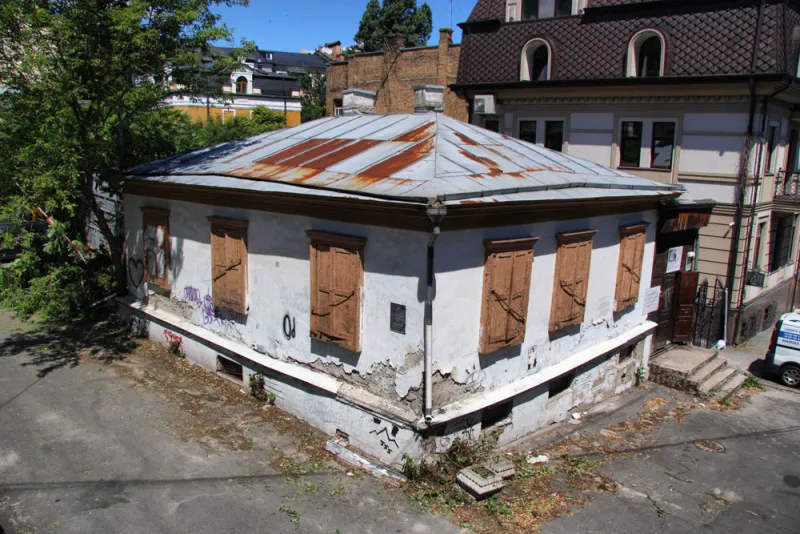
The house that now has the address 20/4 Borychiv Tik was built in 1831 for the clergy of the Church of St. Nicholas the Good. The architect in this case is not so much unknown as absent altogether. It is an ordinary Podil house of the kind that local building crews turned out like pies. […]

Dmytro Smotrych

Stories about Ukraine

The building of the State Nobility Land Bank (Central Telegraph Office)

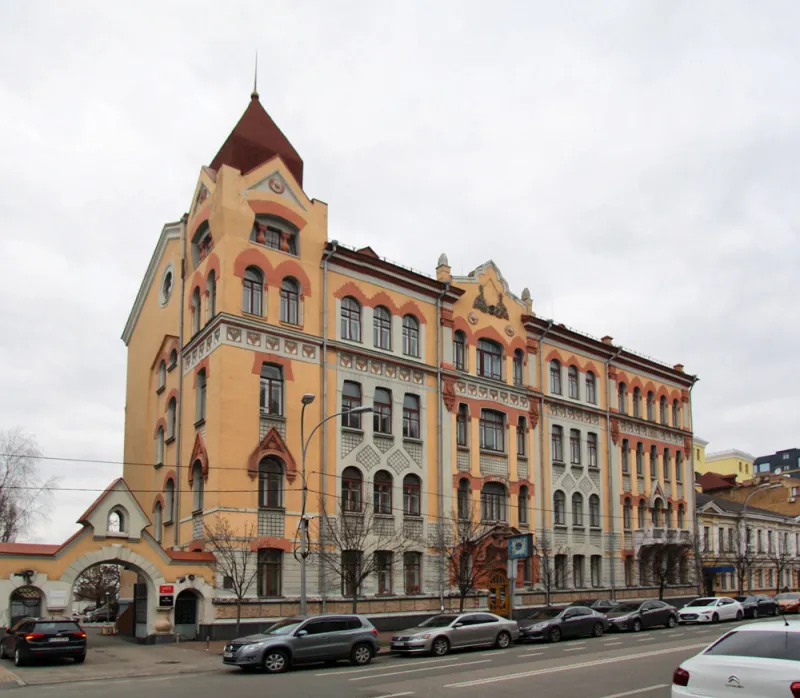
The origins of the extremely interesting building at 10 Volodymyrska Street go back to the Peasant Reform of 1861. Tsar Alexander II’s reform to free the peasants from serfdom was necessary but utterly ill-considered, like all reforms in Russia. Practically everyone was left offended and short-changed. The peasants, who supposedly received freedom, but practically without […]

Dmytro Smotrych