Tequila: origin, flavour nuances and drinking culture
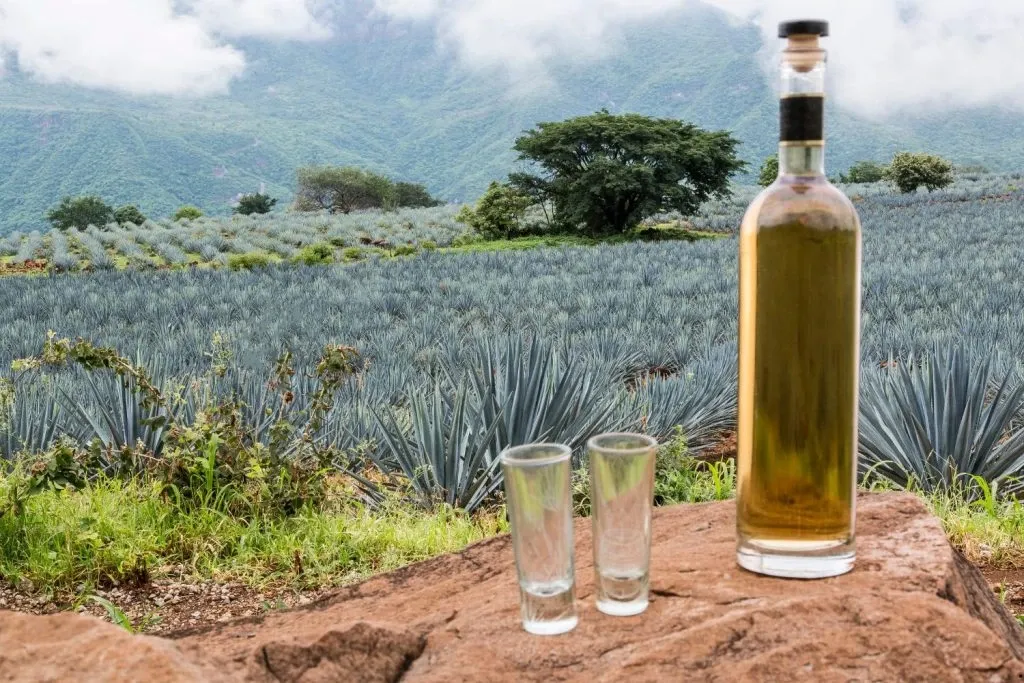
The culture of drinking strong agave spirits has long since spread beyond Mexico, becoming a symbol of lively parties and refined tastings. To get the most enjoyment from the drink, it is important to understand its nature, because quality tequila, as presented on the Rozetka website, differs radically from mass-market counterparts, both in composition and in its effect on the body.
Origin and composition of the drink
To understand what tequila is, one should start with its geographical tie: it is a product of a strictly controlled designation, made in five Mexican states from the sap of the blue agave. Unlike vodka, which has a neutral profile from grain raw material, agave distillate has a complex palette of herbal, peppery and honeyed notes. The classic strength varies between 38–40%, but the question of how many degrees tequila has cannot be answered unambiguously, since some aged varieties and “blanco” versions can reach 50–55% alcohol content.
Many mistakenly believe that agave is a cactus, but the plant belongs to the asparagus family. Terms are often confused, and it is important for the consumer to grasp how tequila differs from mezcal at a fundamental level. Tequila is made from only one species of agave (blue) by roasting in ovens, whereas mezcal can be made from dozens of different species, and its raw material is slow-cooked in earthen pits, which gives the final product a characteristic smoky aroma.
The art of drinking: from classics to tasting
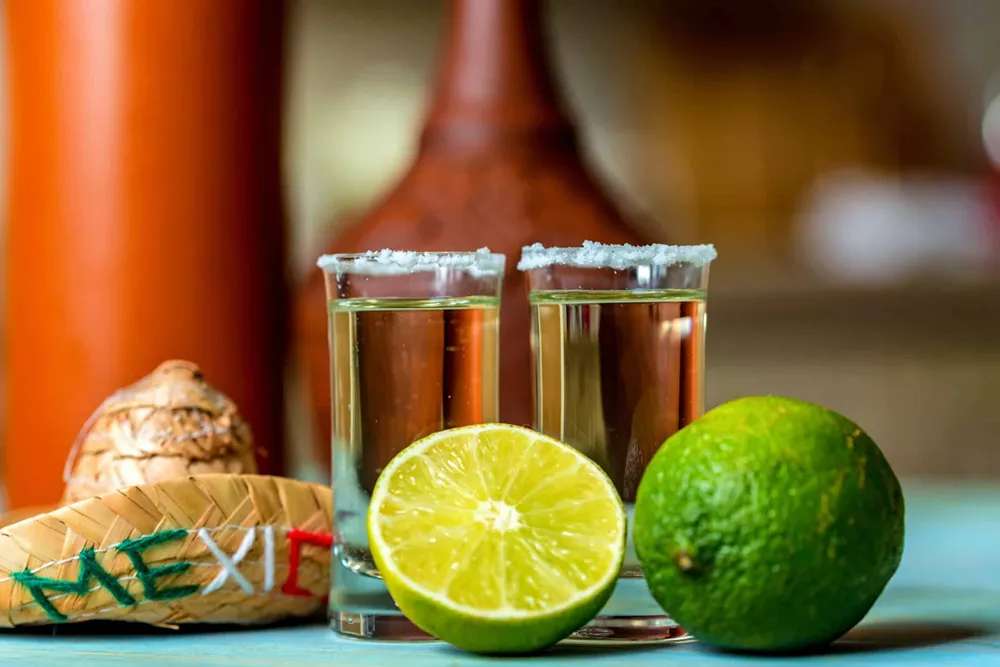
The popular ritual with salt and lime suits young “mixto” grades or noisy parties, where the aim is to quickly dull the harshness of the spirit. To avoid a “burning” effect, the salt should be finely ground, and the lime replaced with a sweeter orange with cinnamon when it comes to golden varieties. However, the true nobility of the drink is revealed at room temperature (about 18–20 °C) in special tulip-shaped glasses. When tasting, it is important to take small sips, holding the liquid in the mouth to sense the evolution of flavour from fresh herbs to caramel and oak.
When choosing how to drink tequila, many prefer cocktails, which fall into three main groups:
- Fresh and sour: for example the classic Margarita, where it is important to use silver tequila to bring out the citrus note.
- Spiced and piquant: the Sangrita or mixes with hot pepper, which require a robust base.
- Gourmet and sweet: long islands with fruit juices, where tequila serves as the background.
A “heavy morning” after a tasting is more often caused by the abundance of sugar in cocktails or by mixing different kinds of spirits, rather than by the distillate itself. There is a myth about the “healthiness” of tequila because of its agavin content, but this claim is wrong: during distillation sugars turn into ethanol, and the drink remains ordinary alcohol that calls for moderation.
How to tell real tequila from a fake
When buying expensive alcohol it is important to be vigilant, as a brand’s popularity breeds a mass of imitations. The first thing to look for is the inscription “100% de Agave”; if it is absent, you have a product in which almost half of the composition may be ordinary cane spirit. Examine the label carefully for the NOM code (Norma Oficial Mexicana), the unique number of the manufacturing plant, which confirms authenticity.
The main signs of a quality product:
- intact packaging: the cap should sit tightly, with no signs of opening or leaks;
- print quality: the original’s label has a clear relief, no grammatical errors and is applied evenly;
- clarity: young varieties must have no sediment, and in aged ones the colour must be natural, not bright and chemical.
Producing agave takes from 6 to 10 years, so a quality product cannot be cheap. At the same time, “expensive” does not always mean “tasty for you in particular”. Reposado and Anejo suit lovers of smoothness, and crystal-clear Blanco suits connoisseurs of the pure taste of agave.
A properly chosen style of drink and an understanding of how to drink tequila correctly will turn the process from ordinary consumption of spirits into a genuine cultural event!