Tsarivka

· 1 min read
Here is what Wikipedia writes about Tsarivka.
The village was founded in 1861. According to L. Pokhylevych, in 1865 Tsarivka belonged to a certain Karpenko. At that time 273 people lived in the village.
At the beginning of the 20th century Tsarivka had about fifty potters, who were famous for their exquisite light-red tableware and also for ceramic chimneys. To this day several masters still work as potters here; their plain and glazed ware is notable for the traditional character of its forms, high technological quality of manufacture and restraint of ornamentation. Well-known Tsarivka potters are Mykola Khiienko, Dmytro and Ivan Kachenyuk, and Mykola Tokarenko. Tsarivka was considered one of the pottery centres.
On 13 November 1921, during the November Raid, the Volhynian Group (commander Yurii Tiutiunnyk) of the Army of the Ukrainian People’s Republic passed through Tsarivka.
On 21 November 1921, returning from the November Raid, the Podillia Group (commander Serhii Chornyi) of the Army of the Ukrainian People’s Republic passed through Tsarivka.
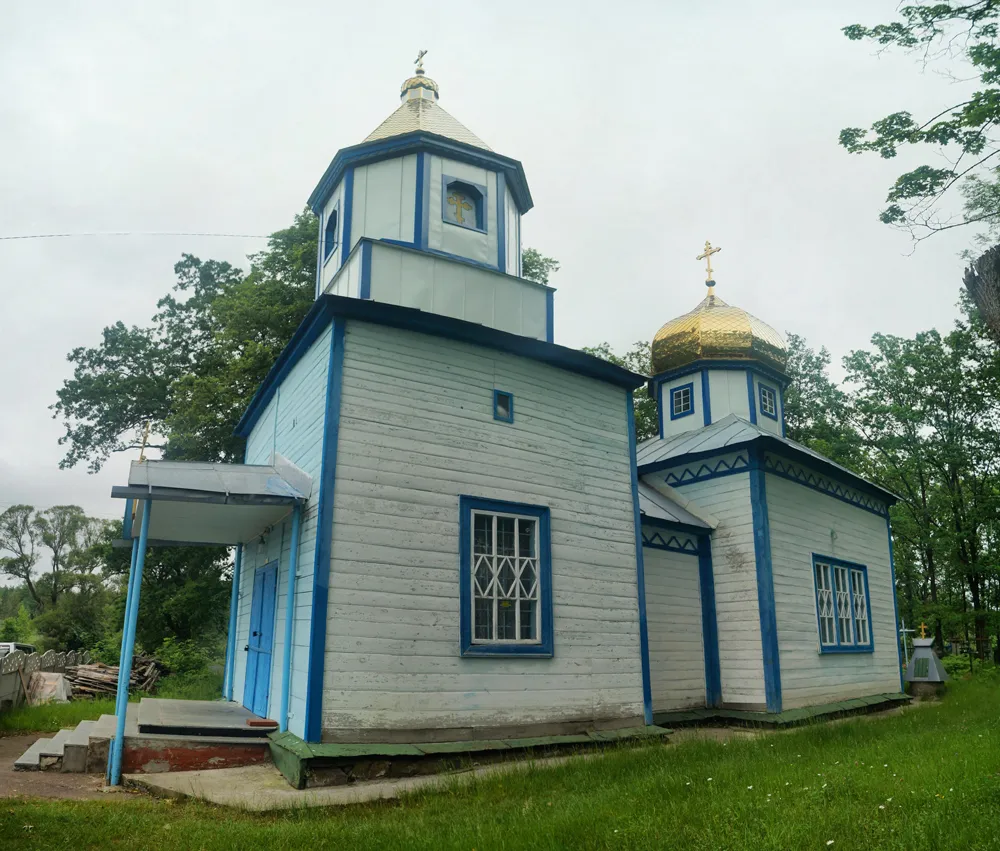
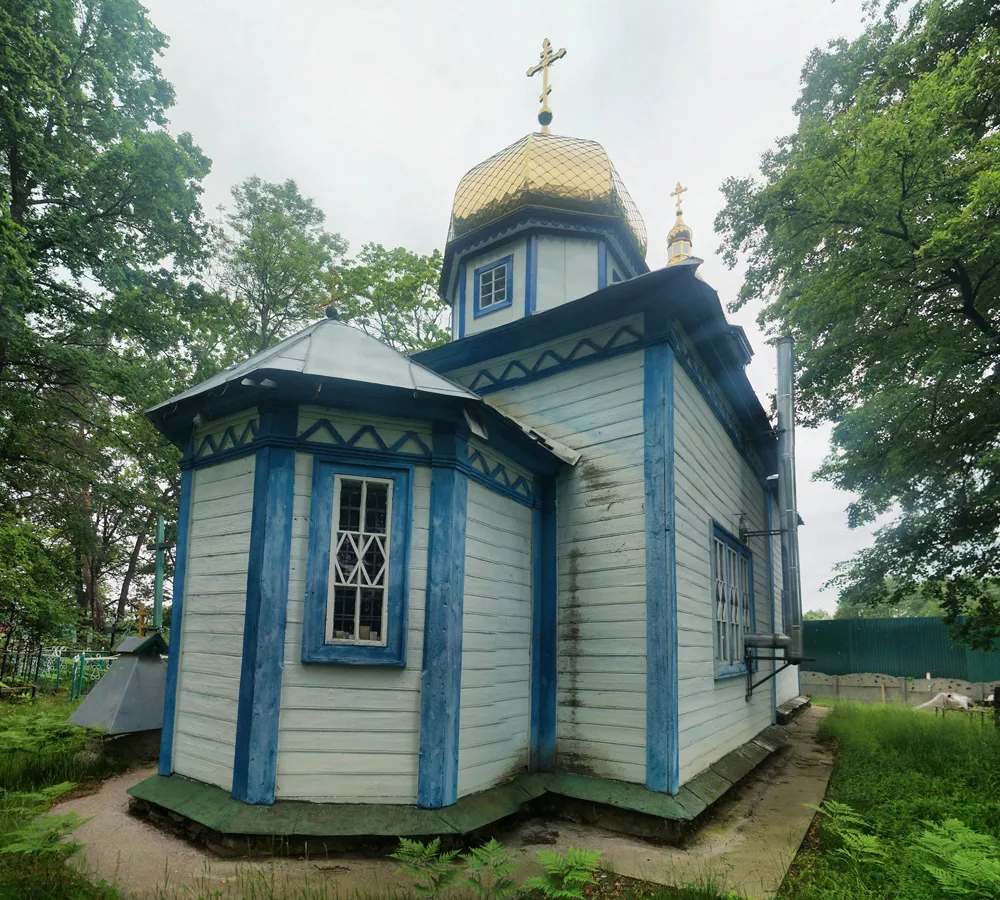
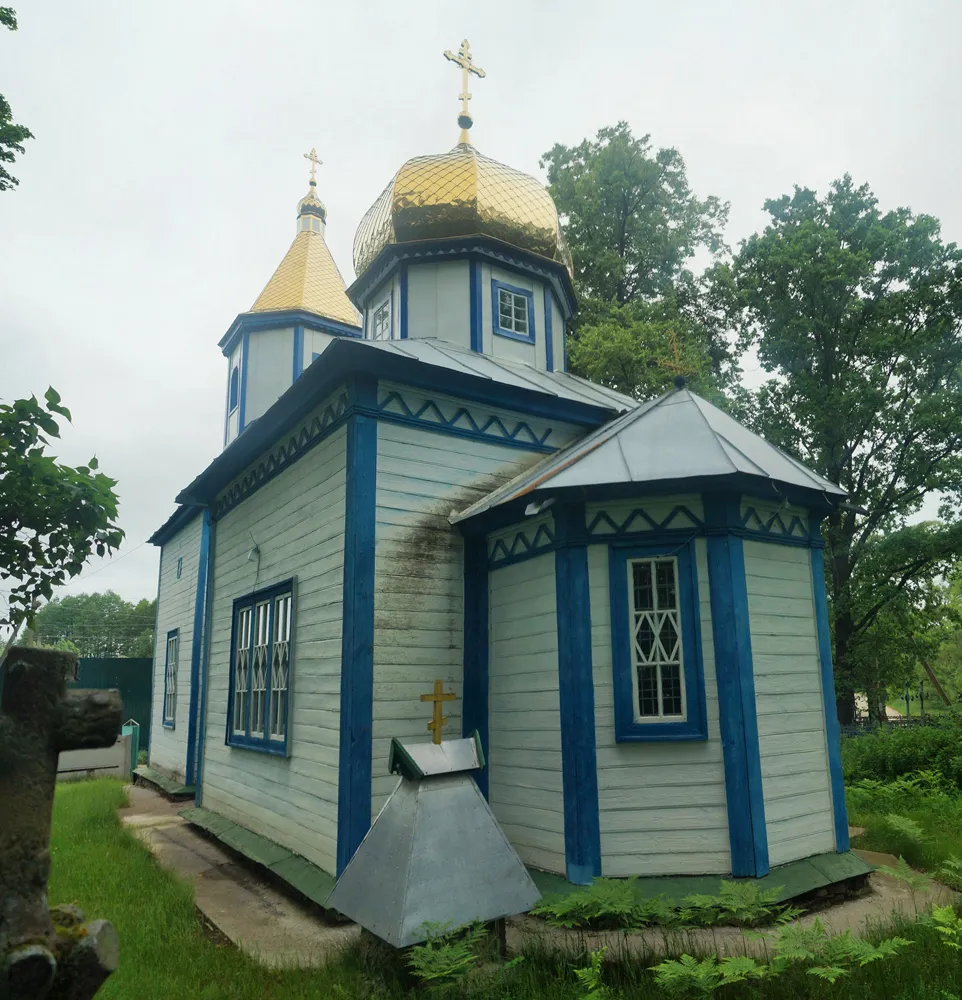
The Church of St. Alexander Nevsky. Text by Andrii Vlasenko from the site “Our Parish”.
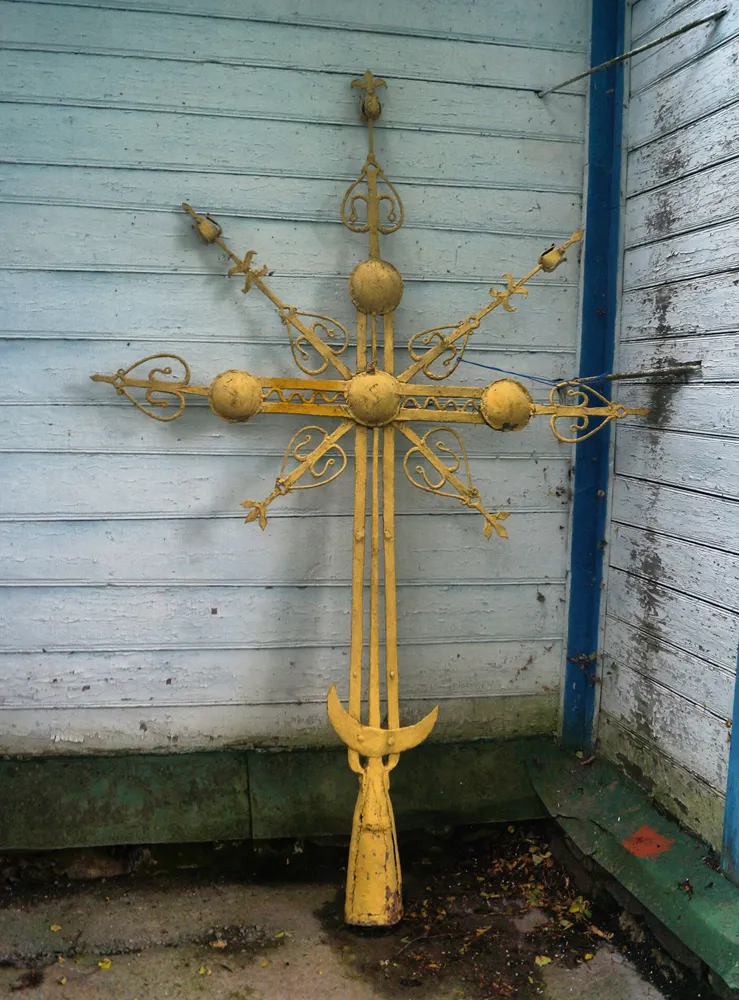
The Church of St. Alexander Nevsky was built in the 1900s. The most interesting things about the Tsarivka church (an ordinary diocesan-type church) are its dome-top crosses. Every single one! They are traditional, but with a pretension to Art Nouveau. The windows are the same. They (both crosses and windows) survived even the latest renovation of 2013. And for this – sincere thanks from all amateurs of Ukrainian church architecture to the local community and the parish priest. God grant that the church may keep all its beauty after the next renovations too!
Unfortunately, since Andrii Vlasenko’s visits to the church something has changed – the crosses have been taken down; somebody did not like them.
Photo by Roman Malenkov.