Turkey. Armenian monastery of Aprank Vank

· 2 min read
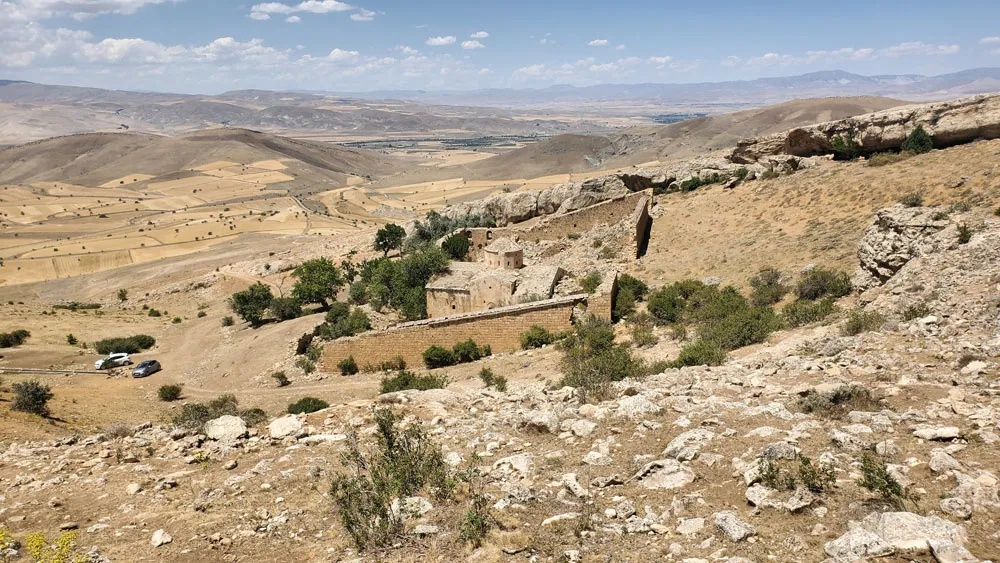
I cannot say that this Aprank Vank monastery was easy to find. It was even harder to reach: a poor, stony dirt road leads up to an altitude of 1723 m above sea level, and it would be impossible to climb after rain. Rain was out of the question, as the outside temperature reached 46 degrees Celsius. We got there and were fabulously pleased: few such monasteries have survived in Turkey.
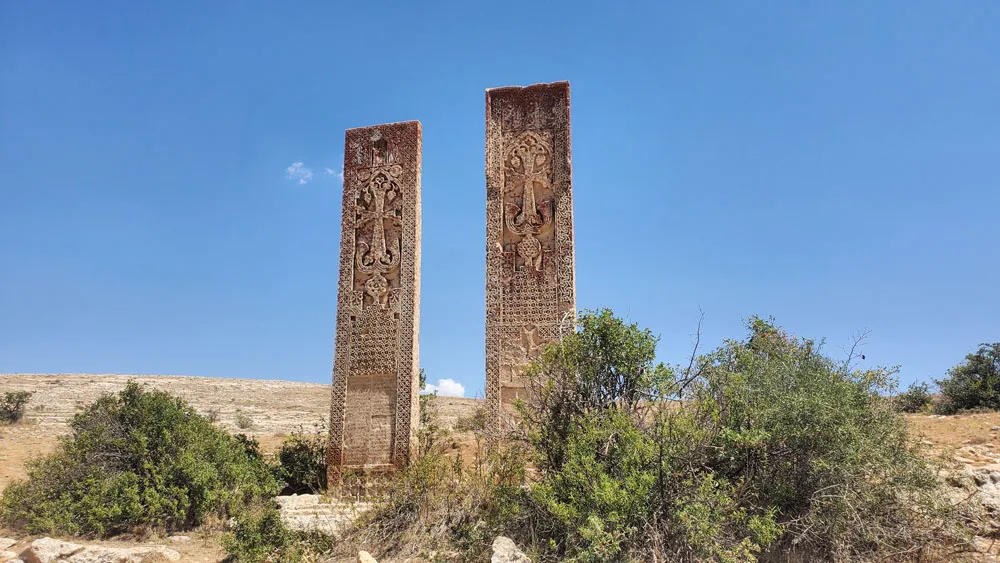
The most impressive things at the Armenian monastery of Aprank Vank, which lies 2 km from the village of Üçpınar and 15 km from the town of Tercan (formerly Mamahatun), are the khachkars. There are only four of them, but two reach four metres in height (some sources give a height of six metres, but I am not sure; I have not seen such huge ones even in Armenia, nor four-metre ones. Perhaps some
The monastery was built in the 17th century. It was consecrated in honour of St. David. The name Aprank is rather toponymic and comes from the Armenian word aparank, meaning palace. Presumably there was a palace here before the monastery.
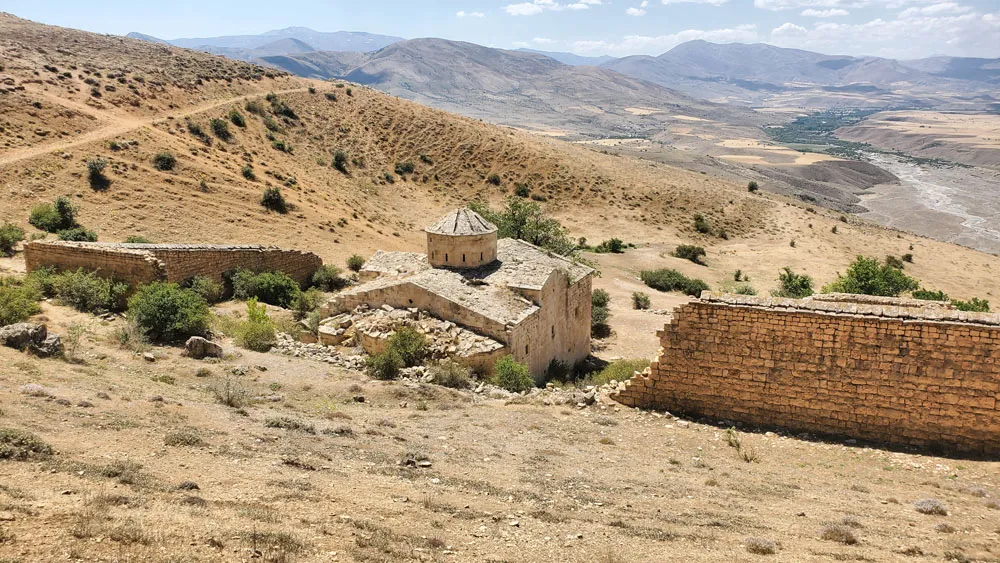
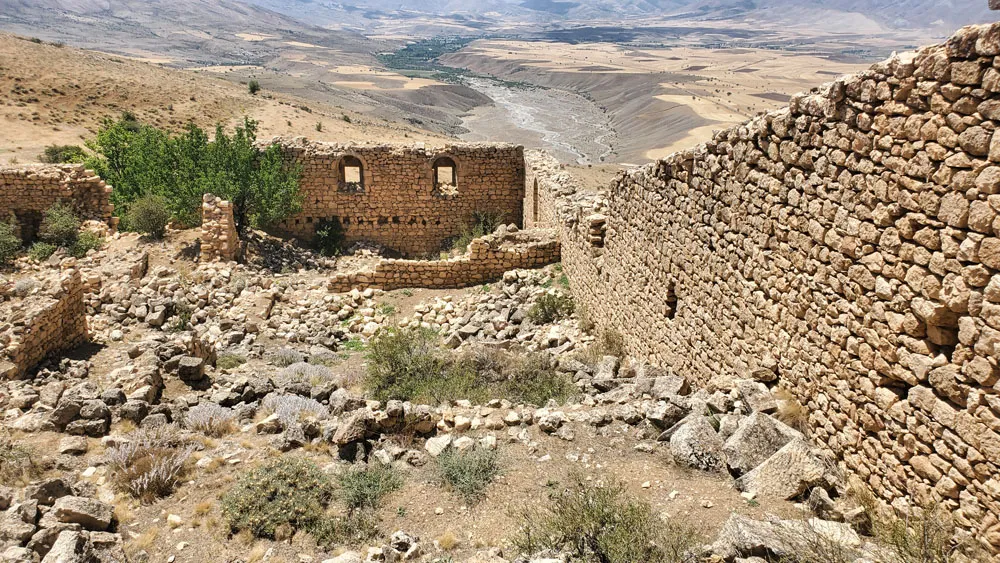
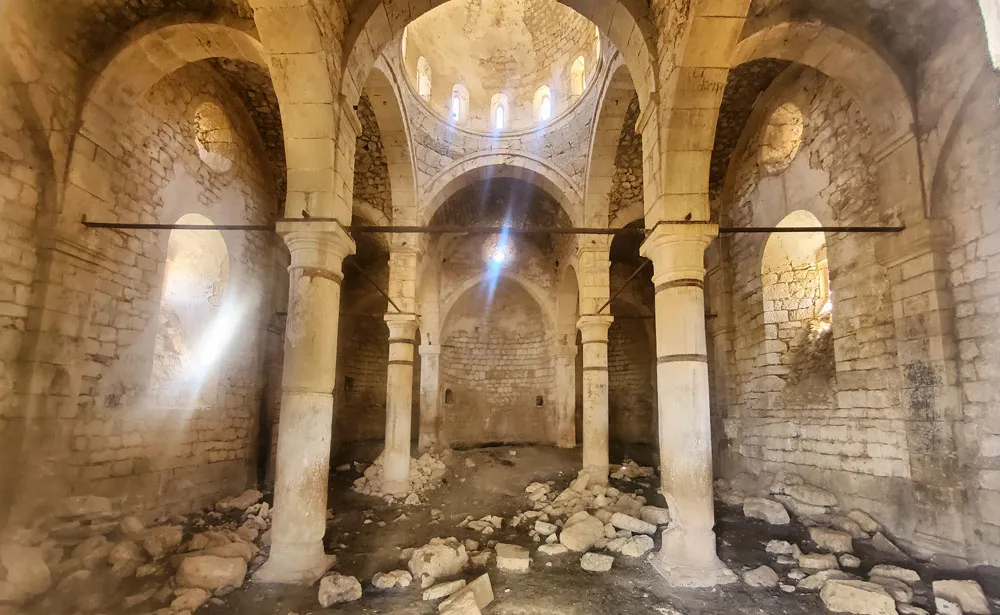
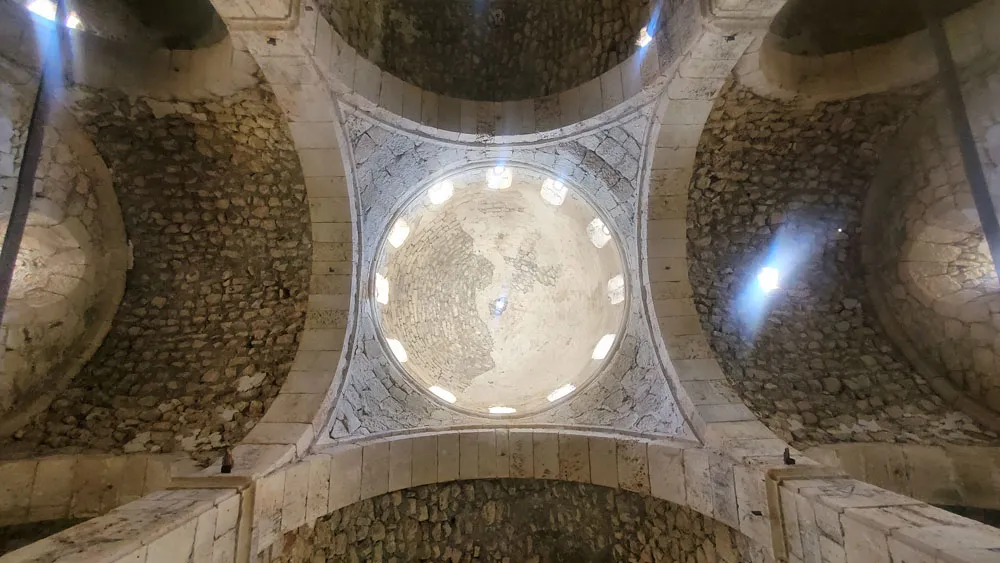
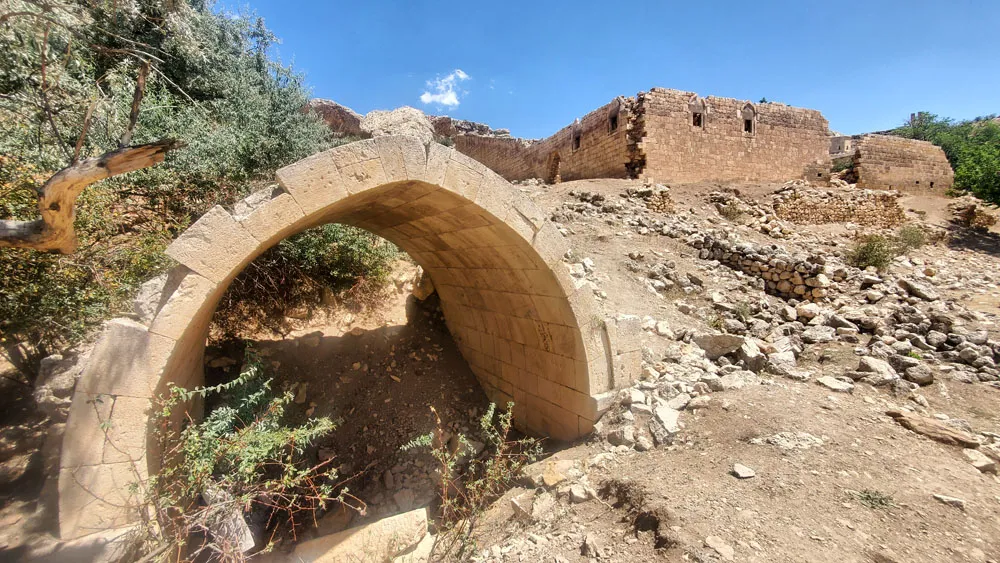
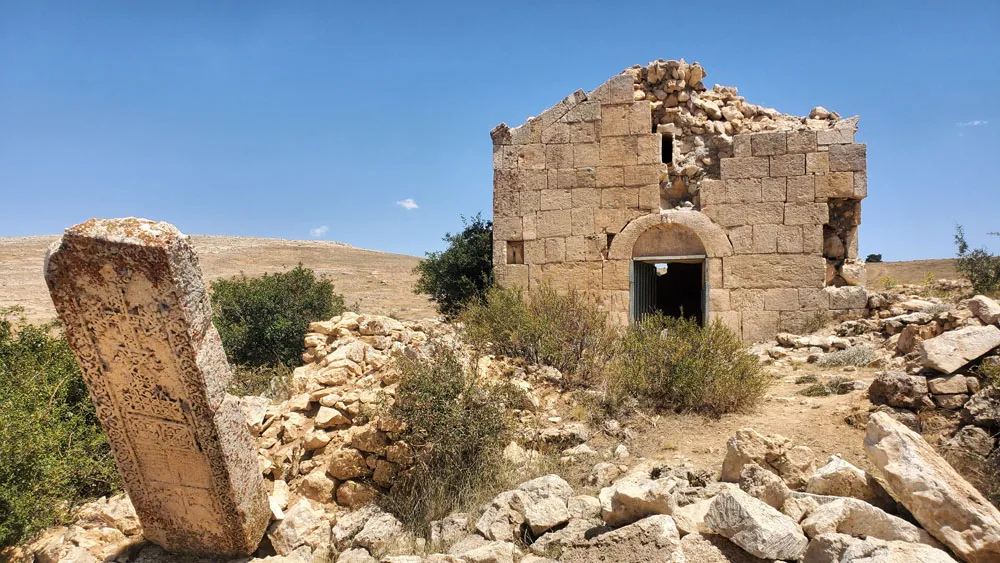
The monastery was assigned 50 Armenian families who lived in the neighbouring village, named, like the monastery, Aprank (now Üçpınar). All the Armenians were killed or migrated in 1915, and the monastery was abandoned at the same time. Today Kurds live in the village, and the monastery stands deserted; its distance from the village saved it from being dismantled for building material.
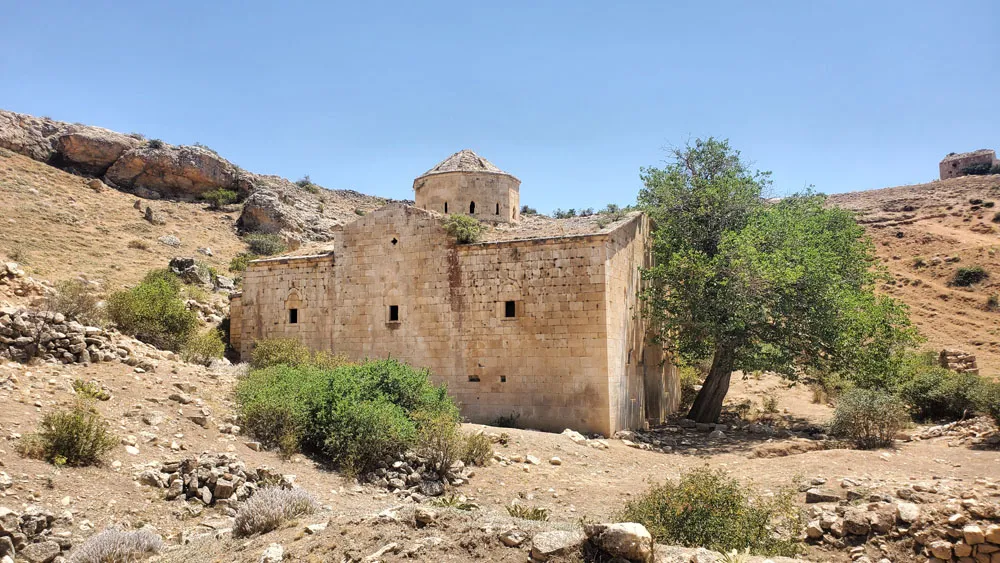
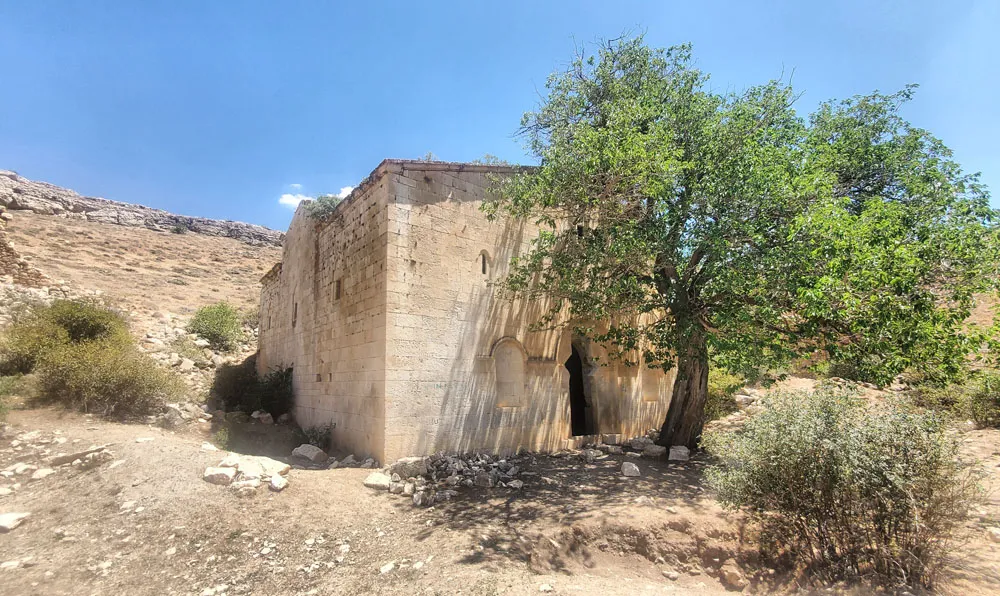
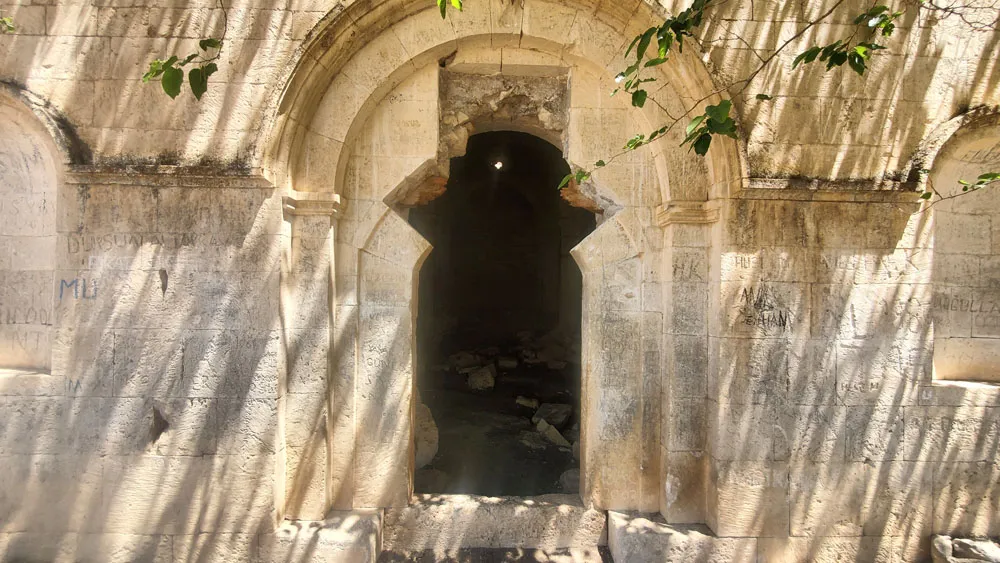
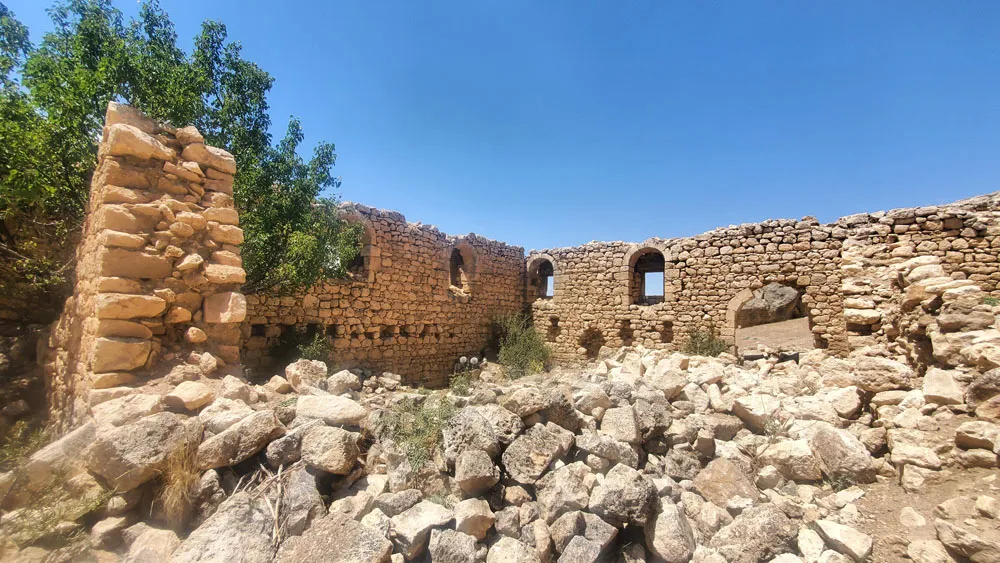
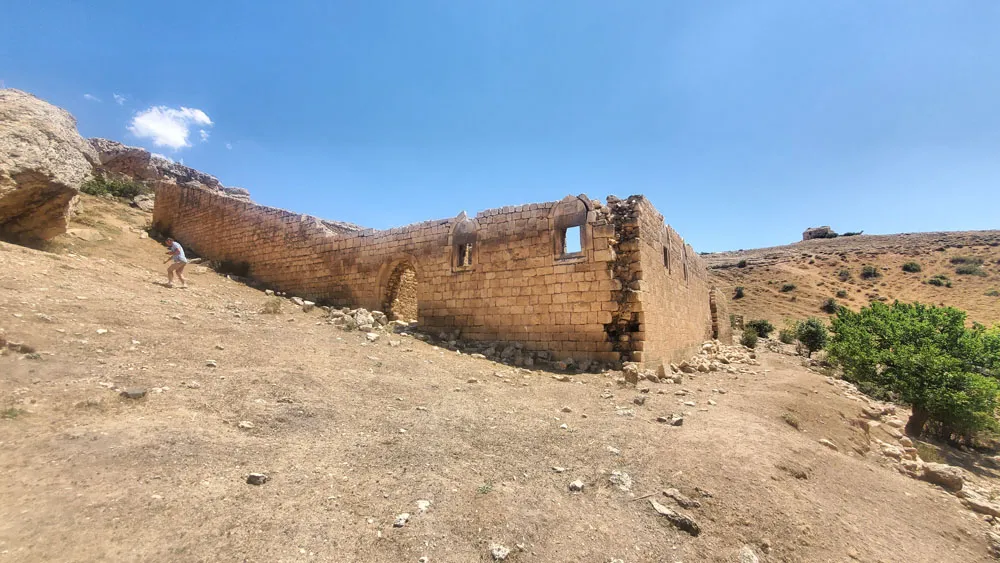
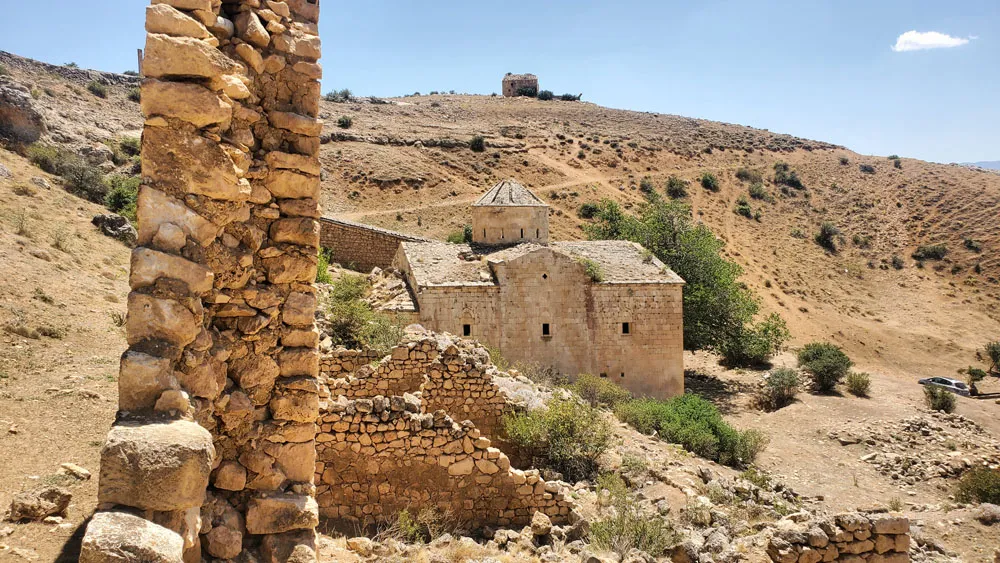
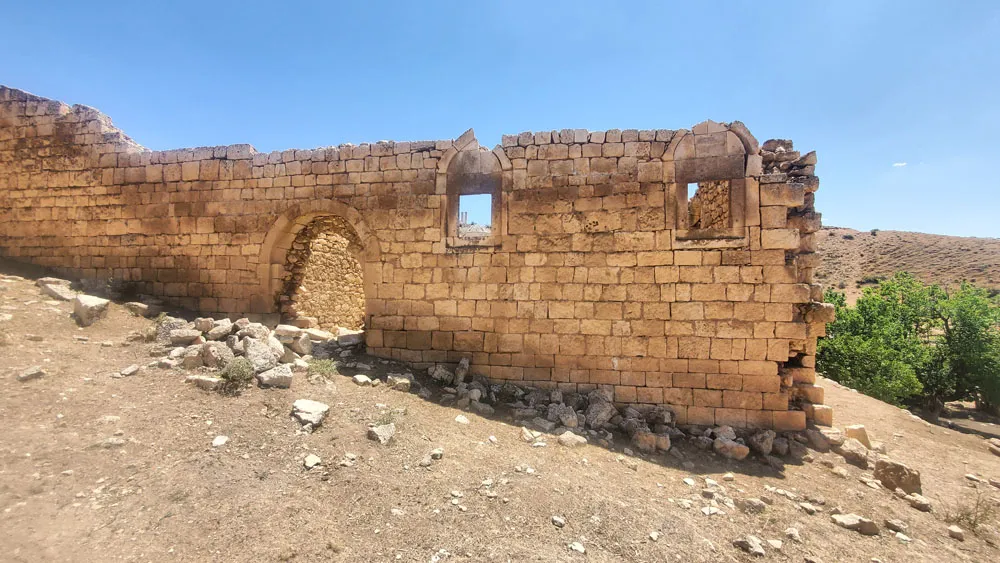
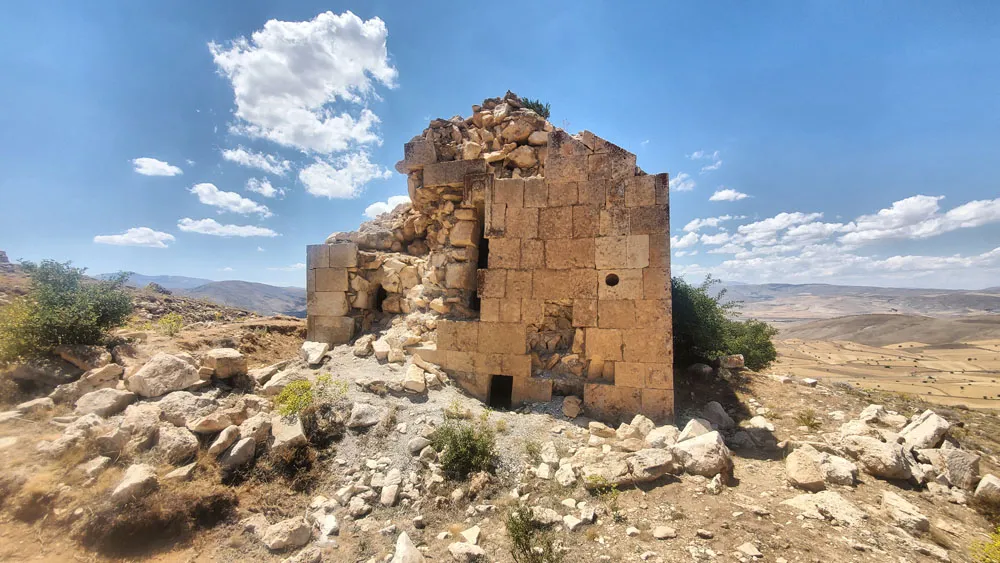
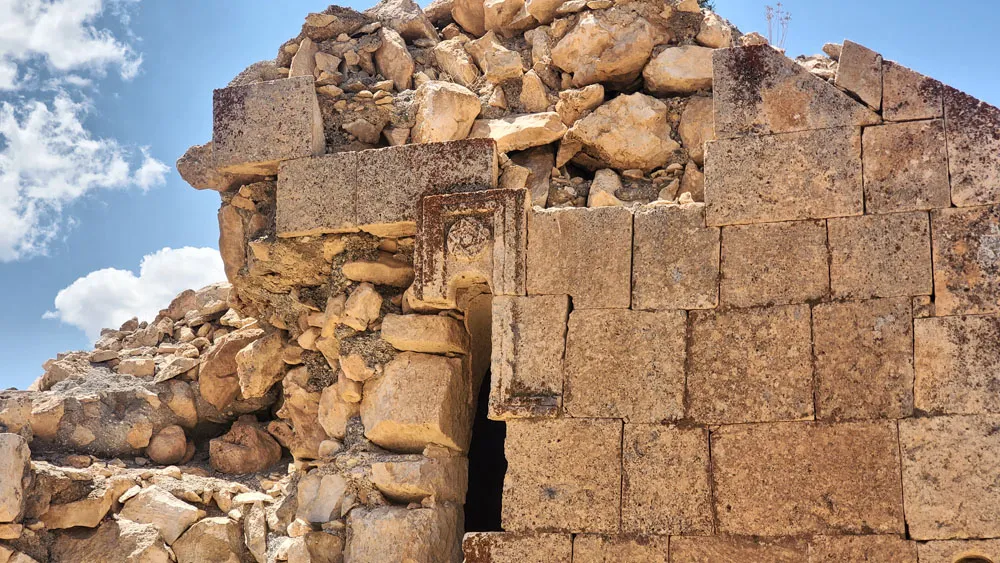
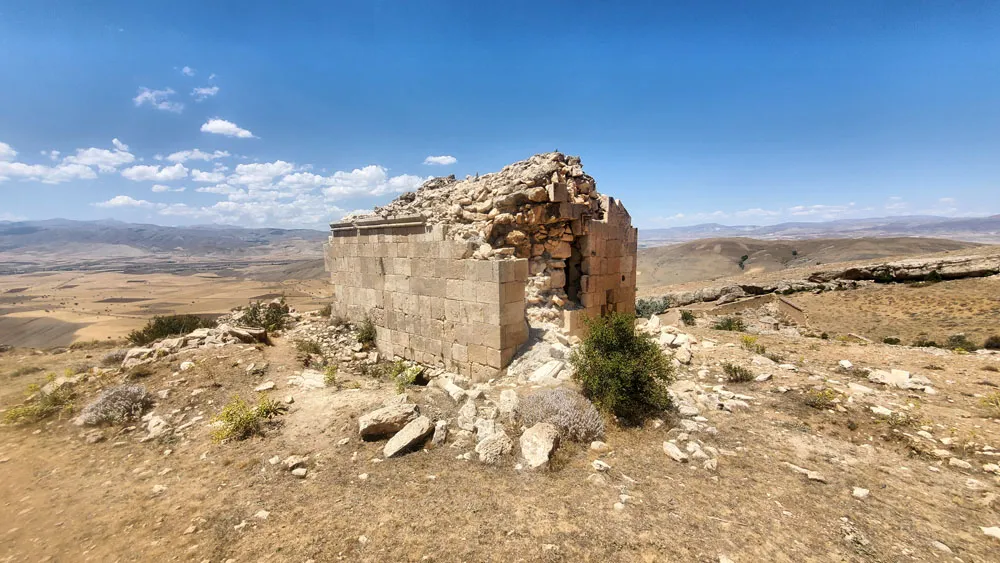
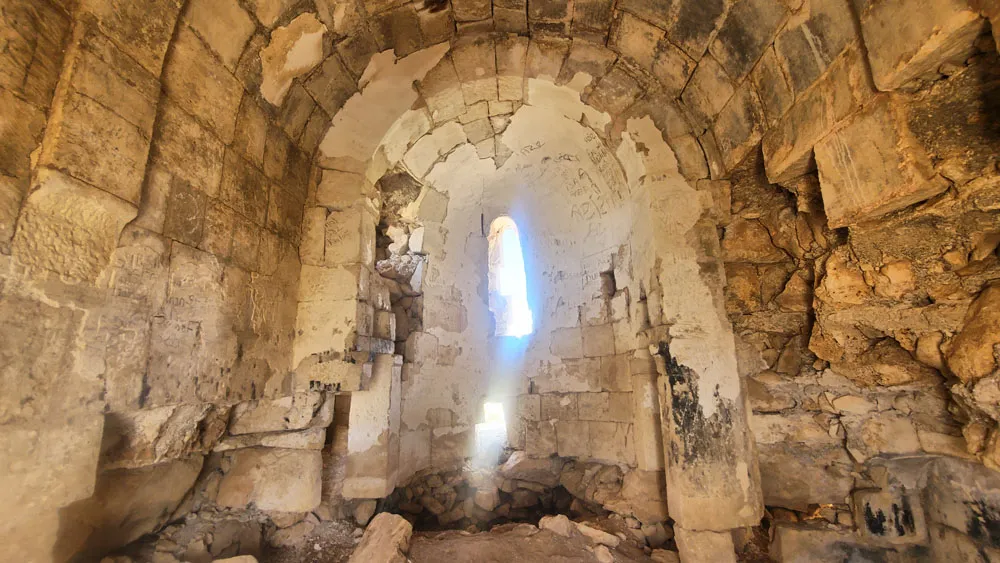
The main part of the monastery, including the Church of St. Hovhannes, is surrounded by a wall. It is more symbolic than defensive. The church has survived relatively well, unlike the cell buildings, which are completely ruined. On the mountain ridge above the Church of Hovhannes stand the aforementioned unique khachkars and the Chapel of St. David. The whole monastery is built of yellow stone, which recalls the Assyrian monasteries of Mesopotamia or some Egyptian monasteries.
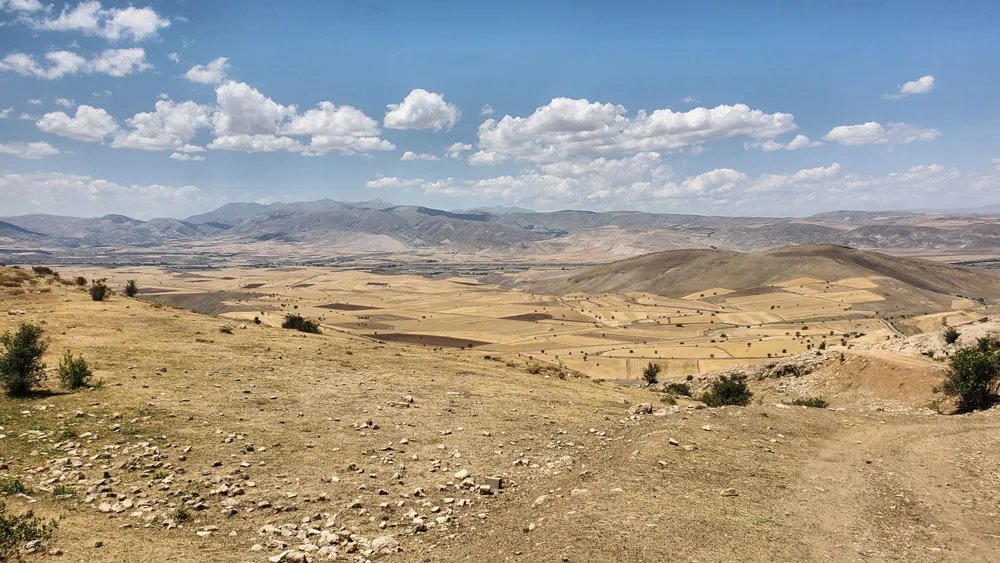
From the monastery of St. David there are wonderful views of the surrounding flat valleys. An incredible place. An extraordinary tourist complex could be created here. Perhaps one day it will be.
Text and photos by Roman Malenkov.